
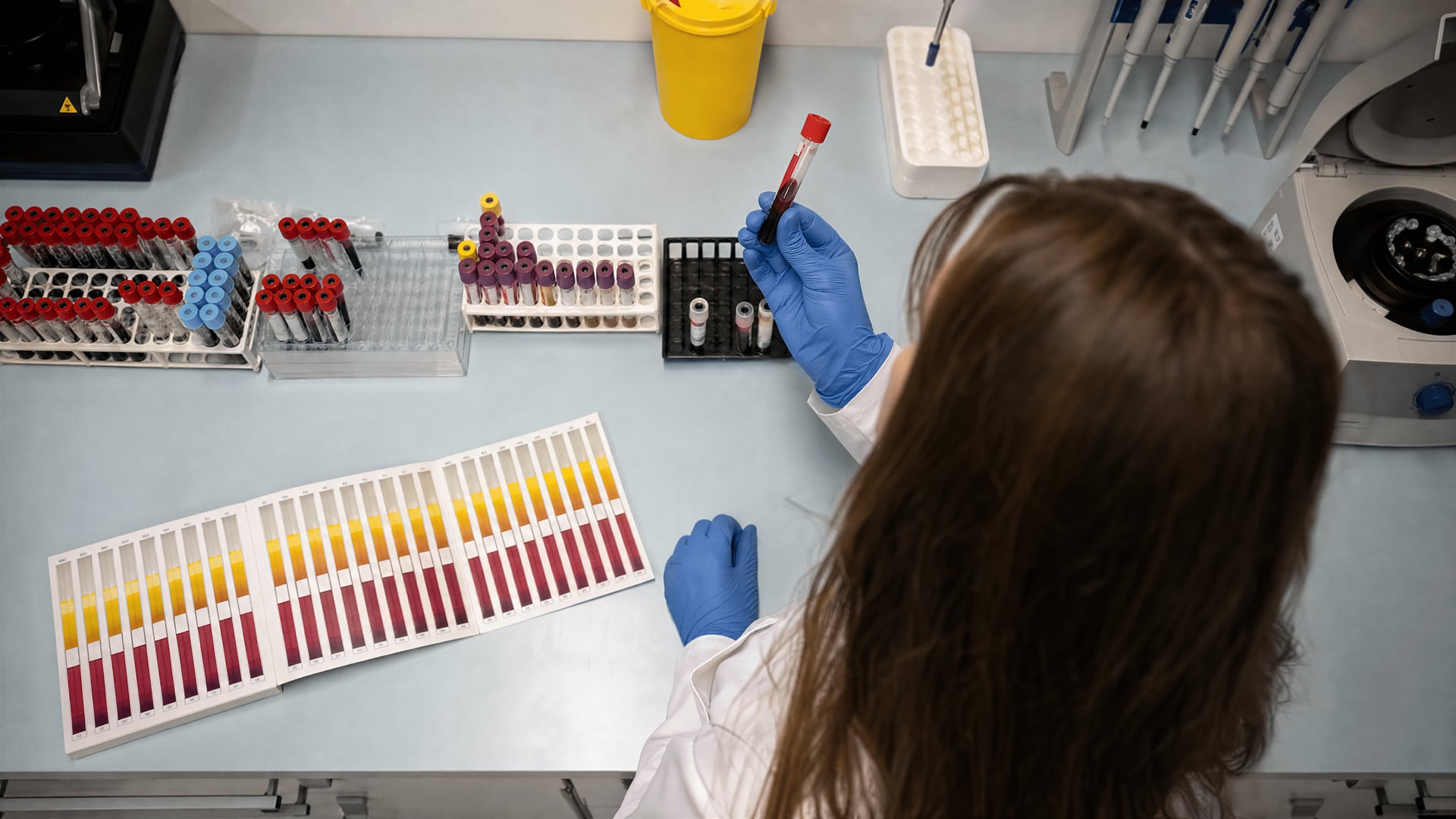













Why cannabis and cancer is one of the most distorted topics in oncology
Cannabis and cancer gets distorted in two opposite directions at once. One side treats cannabinoids as hidden cancer cures. The other dismisses them as medically irrelevant. Both positions miss the actual evidence. Cannabinoids have credible, limited roles in supportive cancer care for some patients, especially refractory chemotherapy-induced nausea and vomiting. Direct anti-cancer efficacy in humans, by contrast, remains unproven.
That asymmetry matters. Cancer is common, fear is intense, and the demand for hope is enormous: IARC estimated 20 million new cancer cases and 9.7 million cancer deaths worldwide in 2022. In that setting, a cell-culture paper showing tumor-cell death can spread online as if it were a near-finished clinical breakthrough. It is not. The article’s core claim is simple: the palliative story is clinically real, though imperfect; the tumor-control story is mechanistically interesting, but still largely preclinical.
The central distinction: symptom control versus tumor control
This is the line most public discussion blurs. Symptom control means helping a person with nausea, vomiting, pain, appetite loss, sleep disruption, or overall symptom burden during cancer treatment or advanced disease. Tumor control means shrinking cancer, delaying progression, preventing recurrence, or extending survival. These are not interchangeable outcomes.
For symptom control, there is actual clinical footing. ASCO’s 2024 guideline states that cannabis and cannabinoids may improve refractory chemotherapy-induced nausea and vomiting when added to standard antiemetics. That is a narrow use case, not a blanket endorsement, but it is real. MASCC takes a similar position: not first-line, but sometimes reasonable for refractory CINV. Dronabinol and nabilone exist precisely because this supportive-care effect has enough evidence to justify regulated use in some jurisdictions.
For tumor control, the evidence is far thinner. The U.S. National Cancer Institute’s PDQ is direct: cannabis and cannabinoids have shown antitumor activity in preclinical models, but evidence from clinical trials in humans is insufficient. ASCO goes further in practice terms and recommends against using cannabis or cannabinoids as cancer-directed treatment outside a clinical trial.
That does not mean the biology is imaginary. Manuel Guzmán, Cristina Sánchez, Guillermo Velasco, and others have published serious mechanistic work, especially in glioma models. Sean D. McAllister’s work on CBD and ID1 in aggressive breast cancer models helped shape the breast-cancer narrative. THC has been linked in laboratory systems to CB1/CB2 signaling, ceramide accumulation, ER stress, autophagy-apoptosis coupling, and in some settings inhibition of PI3K/AKT/mTOR signaling, angiogenesis, and cell-cycle progression. CBD has been studied through ROS signaling, TRPV1, PPARγ, GPR55-related pathways, and suppression of ID1 expression. None of that equals proof that a patient’s tumor will respond.
Why petri-dish results became internet certainty
The internet rewards dramatic simplification. “Cannabis kills cancer cells” is short, emotionally potent, and based on a kernel of truth. In petri dishes, many compounds kill cancer cells. Oncology is full of examples that looked exciting in vitro and failed in humans.
The failure point is translation. Cell lines are not patients. Mouse models are not patients either. Dose is one problem. A concentration that triggers apoptosis in cultured glioma or breast-cancer cells may be hard to achieve safely in human tissue, especially with oral products that have erratic absorption and major first-pass metabolism. Tumor heterogeneity is another. A pathway that matters in one triple-negative breast cancer model may be irrelevant in another patient’s tumor.
Glioblastoma shows the pattern clearly. It has the most famous cannabinoid anti-tumor narrative, partly because of Guzmán’s early pilot intratumoral THC study and later exploratory work combining nabiximols with temozolomide. These studies were interesting and hypothesis-generating. They did not establish efficacy. The same goes for breast cancer, where CBD-ID1 findings in preclinical models are widely repeated online as if they were clinical facts. Lung and colorectal cancer data are also mechanistically interesting and clinically thin.
Popular coverage adds more distortion by ignoring product variability. A regulated cannabinoid medicine used in a study is not equivalent to an unstandardized oil or edible with uncertain THC/CBD content. Independent testing and FDA warning actions have repeatedly shown labeling problems in CBD products. That matters when the person using them is also taking paclitaxel, irinotecan, warfarin, clobazam, azole antifungals, or sedatives. CBD can inhibit CYP3A4, CYP2C19, and other pathways; THC also has interaction potential. Symptom relief and risk can coexist.
What major oncology organizations actually say
The major cancer organizations are not saying “never.” They are saying “be specific, and do not confuse goals.”
ASCO’s 2024 guideline draws the clearest line: do not use cannabis or cannabinoids as cancer-directed therapy outside clinical trials. It allows that cannabinoids may help refractory CINV when standard antiemetics are not enough. That is a supportive-care statement, not an anti-tumor endorsement.
The NCI PDQ says much the same in plainer terms. It acknowledges preclinical antitumor findings and symptom-management research, while stating that no standard or routine cannabis product is approved in the United States as a cancer treatment. Its 2025 update also notes that no ongoing U.S. clinical trials are studying cannabis as a treatment for cancer in people. That is a stark reality check against the volume of online cure claims.
This is why the evidence is not evenly balanced. There is some clinically actionable evidence for nausea and, in selected patients, possibly symptom burden more broadly. There is no high-quality human evidence that cannabis cures cancer, shrinks tumors reliably, or should replace evidence-based oncology. Patients deserve that distinction without hype and without dismissal.
The biological rationale: how cannabinoids could affect tumor biology
Mechanistic plausibility is real. Proof of clinical anticancer benefit is not.
That distinction matters because the cannabinoid-cancer literature is full of genuine molecular findings that are often overstated. In cell culture and animal models, cannabinoids have repeatedly been shown to trigger apoptosis, alter cell-cycle progression, reduce angiogenic signaling, and affect invasion pathways. Manuel Guzmán, Cristina Sánchez, Guillermo Velasco, Sean D. McAllister, and others helped build that body of work, especially in glioma and breast cancer models. But petri-dish apoptosis is not a surrogate for improved survival in people. Dose exposure, receptor expression, tumor heterogeneity, immune context, and drug delivery all change the result.
THC-heavy and CBD-rich findings also should not be merged into one vague “cannabinoids kill cancer” claim. THC most often acts through canonical cannabinoid receptors. CBD often looks pharmacologically broader and less receptor-bound, with effects that can involve oxidative stress, TRPV1, GPR55, PPARγ, and transcriptional regulators such as ID1. The biology is interesting. The clinical translation remains thin.
CB1, CB2, TRPV1, GPR55 and receptor-independent pathways
The classic cannabinoid receptors are CB1 and CB2. CB1 is abundant in the central nervous system, which helps explain THC’s psychoactive and cognitive effects, but it is also present in some tumor types and stromal contexts. CB2 is expressed more heavily in immune cells and has been reported in various cancers, including gliomas, breast tumors, and some hematologic malignancies. THC is a partial agonist at both receptors, and many of the best-known anticancer mechanisms in preclinical work begin there.
In glioma models from Guzmán’s group and collaborators, CB1/CB2 activation by THC has been linked to reduced tumor cell viability, often with ceramide accumulation and stress signaling downstream. Some glioblastoma lines appear particularly sensitive when CB2 is expressed at higher levels. That is one reason glioblastoma became the flagship cannabinoid antitumor story. Even so, receptor expression varies widely across patients and even across subclones within the same tumor. A receptor-positive cell line in a paper is not the same thing as a heterogeneous human tumor under treatment pressure.
CBD is different. It has low affinity for CB1 and CB2 at concentrations often discussed in cancer biology, so its reported effects are frequently routed through non-canonical targets. TRPV1, a nonselective cation channel involved in calcium flux and stress signaling, has been implicated in some CBD-induced cytotoxic responses. GPR55, sometimes described as an atypical cannabinoid-related receptor, is another recurring target. In several cancer models, GPR55 signaling has been associated with proliferation and migration, and CBD has been reported to antagonize or disrupt that signaling in certain contexts. PPARγ activation also appears in parts of the CBD literature, particularly where differentiation, metabolic regulation, or oxidative stress are involved.
Then there are receptor-independent effects. At higher concentrations, both THC and CBD can alter membrane properties, mitochondrial function, redox state, and intracellular calcium handling without a clean receptor story. That matters because many in vitro studies use micromolar concentrations that may not be reproducible in human tumors through standard oral or inhaled use. Popular coverage usually skips this dose problem. It should not.
Breast cancer illustrates the difference well. Sean D. McAllister’s work on CBD in aggressive breast cancer models focused less on CB1/CB2 and more on suppression of the metastasis regulator ID1, a helix-loop-helix transcriptional regulator associated with invasive behavior in triple-negative disease. That is a mechanistically coherent finding. It is also still preclinical.
Ceramide, ER stress, autophagy and apoptosis
One of the most cited THC-associated anticancer pathways is the ceramide–ER stress–autophagy–apoptosis axis. In glioma models studied by Guzmán, Velasco, and colleagues, THC exposure increased de novo ceramide synthesis. Ceramide is a sphingolipid second messenger that can push cells toward stress responses and programmed death. In some systems, this rise in ceramide activates endoplasmic reticulum stress programs, with proteins such as p8, ATF4, CHOP, and TRIB3 appearing downstream.
That sequence matters because TRIB3 has been linked to inhibition of AKT/mTOR signaling in some cannabinoid studies. When mTOR activity drops, autophagy can increase. In several glioma experiments, autophagy appeared not as a rescue response but as part of the death program preceding apoptosis. Caspase activation, mitochondrial dysfunction, and DNA fragmentation followed. This is one of the cleaner mechanistic narratives in the field.
But even here, the biology is not uniform. In some tumor settings, autophagy is cytoprotective rather than cytotoxic. In others, ceramide accumulation is modest or absent. Some cell lines die; others arrest; others adapt. The tumor microenvironment also reshapes the response. Hypoxia, nutrient stress, stromal signaling, and immune infiltration can all alter whether ER stress becomes lethal.
CBD-rich literature often overlaps with these pathways but is less neatly receptor-anchored. A recurring theme is reactive oxygen species generation. CBD can increase oxidative stress, disrupt mitochondrial membrane potential, and alter calcium homeostasis, producing apoptotic signaling through both intrinsic and extrinsic routes depending on the model. In colorectal and lung cancer systems, investigators have reported ROS-dependent death, caspase activation, and changes in MAPK, AKT, and NF-κB signaling. Some of those effects can be partly blocked by antioxidants, which supports a redox-mediated mechanism. Still, ROS-based killing in vitro is common across many compounds and often collapses under clinical testing because exposure levels are hard to reach safely in tumors.
Apoptosis itself is easy to oversell. Cancer cells in culture die under many artificial conditions, especially at high concentrations and long exposure times. Human tumors are harder targets. Drug penetration is uneven. Metabolism reduces exposure. Binding proteins, tissue compartments, and active efflux pumps matter. Route of administration matters too: intratumoral delivery, oral oils, inhaled products, and regulated oral cannabinoids do not produce interchangeable pharmacokinetics.
Cell-cycle arrest, angiogenesis and metastasis signaling
Cannabinoids have also been reported to alter cell-cycle machinery. Depending on the tumor type, studies describe arrest in G0/G1 or G2/M, often with changes in cyclin D, cyclin E, cyclin-dependent kinases, p21, p27, retinoblastoma phosphorylation, or checkpoint regulators. THC-driven CB receptor signaling has been associated with suppression of proliferative pathways such as PI3K/AKT/mTOR and, in some models, RAF/MEK/ERK. CBD has shown overlapping effects, though often with more emphasis on oxidative stress and non-canonical signaling than on direct CB1/CB2 engagement.
Anti-angiogenic effects are another recurring preclinical signal. In xenograft and orthotopic tumor models, cannabinoids have been linked to reduced expression of vascular endothelial growth factor, lower pro-angiogenic signaling, and decreased microvessel density. Glioma data are the most famous here. Reduced angiogenesis is biologically plausible and consistent with slower tumor expansion in animals. Yet anti-angiogenic readouts in mice do not establish meaningful human efficacy, especially in cancers where redundant vascular pathways can bypass a single pressure point.
Metastasis signaling is where CBD attracted unusual interest. McAllister and colleagues reported that CBD could downregulate ID1 in aggressive breast cancer models, with associated reductions in proliferation and invasion. Other studies have described effects on matrix metalloproteinases, focal adhesion kinase, epithelial-mesenchymal transition markers, and migration-related pathways. Lung and colorectal cancer papers report similar themes: less invasion, altered adhesion, reduced motility. These are legitimate observations. They are also highly context dependent.
Cell line matters. So does cannabinoid ratio. So does timing relative to chemotherapy or radiation. Some studies suggest additive or even sensitizing effects with temozolomide in glioblastoma models, which helped motivate exploratory human work such as small studies of intratumoral THC and nabiximols plus temozolomide. Neither established efficacy. That is why ASCO’s 2024 guideline recommends against cannabis or cannabinoids as cancer-directed treatment outside clinical trials, even while allowing a limited role in refractory chemotherapy-induced nausea and vomiting.
So the biological rationale is neither fantasy nor proof. Cannabinoids can affect tumor biology in experimental systems through CB1, CB2, TRPV1, GPR55, oxidative stress, ceramide signaling, ER stress, autophagy, apoptosis, cell-cycle control, angiogenesis, and invasion pathways. The leap from that mechanistic map to “treats cancer” has not been made in humans. For now, the stronger evidence remains in supportive oncology, not tumor control.
What the preclinical literature actually shows
Preclinical cannabinoid research is real science, not internet folklore. It has produced repeat findings across multiple tumor models: cannabinoids can trigger apoptosis, slow proliferation, alter cell-cycle progression, reduce angiogenesis signals, and affect invasion or metastatic behavior. Work from Manuel Guzmán, Cristina Sánchez, Guillermo Velasco, Sean D. McAllister, and others helped build that literature, especially in glioma and breast cancer models. But the jump from “kills cancer cells in a dish” to “treats cancer in patients” is where much of the public discussion goes off the rails.
The short version is this: preclinical evidence supports biological plausibility for anti-tumor effects, sometimes strongly. It does not establish clinical efficacy. ASCO’s 2024 guideline reflects that gap and advises against using cannabis or cannabinoids as cancer-directed treatment outside clinical trials.
Cell culture versus animal models
Cell culture studies are the source of many striking claims. Researchers expose cancer cells to THC, CBD, or other cannabinoids and then measure viability, apoptosis markers, cell-cycle arrest, reactive oxygen species, migration, invasion, or expression of signaling proteins. In these systems, anti-proliferative effects are common. Glioma cells may show ceramide accumulation, ER stress, autophagy-apoptosis coupling, and reduced PI3K/AKT/mTOR signaling after cannabinoid exposure. Breast cancer models, especially aggressive or triple-negative lines, have shown reduced invasion and lower ID1 expression in CBD studies associated with McAllister’s group. Colorectal and lung cancer cell lines also show growth inhibition in some experiments.
That matters. It tells us cannabinoids interact with cancer biology in measurable ways.
It also has hard limits. Cancer cell lines are simplified systems selected for lab survival, often grown in nutrient-rich conditions, stripped of immune context, stromal interactions, vascular supply, and full tumor heterogeneity. A petri dish does not model a liver metabolizing CBD, a blood-brain barrier filtering drug entry, or a tumor evolving under chemotherapy pressure. Cell lines can also drift genetically over time, and different labs may use different exposure times, solvents, serum conditions, and assays. That alone can change results.
Animal models add more realism but not enough to settle the human question. Mouse xenografts and syngeneic models let investigators test whether cannabinoids shrink tumors, slow growth, or affect metastasis in a living organism. Some glioma studies from Guzmán, Sánchez, and Velasco’s circles reported reduced tumor growth with THC or mixed cannabinoid approaches. Similar signals appear in some breast cancer and colorectal models. Yet even animal data are highly model-dependent. Human tumor xenografts in immunodeficient mice cannot capture the role of an intact immune system, which is a major issue for modern oncology. Syngeneic models restore immunity but use mouse cancers, not human ones. Orthotopic brain tumor models are more relevant for glioblastoma than flank xenografts, but they still do not replicate the full complexity of human disease.
Glioblastoma is the classic example of excitement outrunning proof. The mechanistic story is substantial, and there was a small pilot study of intratumoral THC published by Guzmán’s group in 2006, followed by exploratory work combining nabiximols with temozolomide. Neither study proved efficacy. They showed feasibility and generated hypotheses. That is not trivial, but it is far from establishing a treatment effect.
Dose, formulation and the translation problem
This is where many preclinical claims become clinically shaky. In vitro studies often use cannabinoid concentrations in the micromolar range that may be difficult or impossible to reproduce safely in human tumors through standard oral or inhaled use. A cell line may respond to 5, 10, or 20 micromolar CBD or THC after direct exposure for 24 to 72 hours. That does not mean a patient can achieve those concentrations at the tumor site without intolerable adverse effects, rapid metabolism, or distribution into other tissues.
Formulation changes everything. Pure CBD in a lab study is not equivalent to an unstandardized oil. Pharmaceutical dronabinol is not the same as inhaled cannabis flower. Nabiximols, oral CBD, oral THC, vaporized products, and smoked cannabis all have different pharmacokinetics. Oral cannabinoids have slower onset and variable absorption. First-pass metabolism creates active metabolites, especially with THC. Inhaled routes produce faster peaks but shorter duration and much less dose precision in real-world use.
Then there is tissue penetration. Blood levels are not tumor levels. Brain tumors raise an extra barrier because compounds must cross the blood-brain barrier, and crossing it inconsistently can ruin an otherwise promising mechanism. A cannabinoid that looks active in glioma cells in vitro may never reach comparable intratumoral concentrations after oral dosing. The same translation problem applies outside the brain, though less dramatically. Tumor vasculature, fibrosis, necrosis, and local pH can all affect drug delivery.
Another obstacle is tumor heterogeneity. “Breast cancer” is not one disease. Triple-negative, HER2-positive, and hormone receptor-positive tumors behave differently and do not respond the same way to cannabinoid exposure. Even within a single subtype, one cell line may be sensitive and another resistant. Receptor expression varies. CB1 and CB2 signaling is not uniform. Some effects appear receptor-mediated; others seem linked to TRPV1, PPAR-gamma, GPR55, ROS signaling, or receptor-independent membrane stress. Mechanism papers often describe true biology, but biology specific to a context.
That is why clinically realistic dosing matters more than dramatic in vitro cytotoxicity. If the effective concentration cannot be reached in patients, or only by causing sedation, cognitive impairment, orthostasis, anxiety, tachycardia, or interaction with chemotherapy metabolism, the laboratory effect may not translate into a useful therapy.
Where preclinical findings are consistent and where they conflict
The most consistent finding is not “cannabinoids cure cancer.” It is narrower: cannabinoids often show anti-proliferative activity in preclinical systems. Across glioma, breast, lung, and colorectal models, researchers repeatedly report apoptosis, cell-cycle arrest, oxidative stress changes, reduced migration, and modulation of angiogenesis-related pathways such as VEGF. CBD’s suppression of ID1 in metastatic breast cancer models is one of the cleaner recurring themes in that area. THC-related work in glioma more often emphasizes ceramide, ER stress, and autophagy-linked cell death pathways.
Consistency ends when you ask how large, durable, and reproducible those effects are across models. Some cell lines are strongly sensitive; others barely respond. In some experiments, low cannabinoid concentrations appear anti-proliferative, while in others the same range is inactive or even shows paradoxical effects. Drug combinations complicate things further. Cannabinoids may appear additive or synergistic with chemotherapy in one model and neutral in another. Dosing schedule matters. Receptor expression matters. So does whether the endpoint is short-term cell viability, clonogenic survival, xenograft volume, or metastasis count.
Immune effects are especially unsettled. A cannabinoid might suppress tumor cell growth directly while also altering host immunity in ways that are not obviously helpful, which matters in the era of checkpoint inhibitors. Observational clinical data have raised concern about poorer outcomes among some patients using cannabis during immunotherapy, though confounding is heavy and causality remains unproven. Even so, that uncertainty weakens any simple anti-cancer narrative.
So what does the literature actually show? It shows a field with real mechanistic signals, repeated anti-tumor activity in some models, and major translation barriers. It supports continued research, not therapeutic certainty. The palliative-care case for cannabinoids in oncology is stronger than the anti-tumor case by a wide margin. Patients and clinicians should treat preclinical anti-cancer findings as hypothesis-generating evidence, not proof that cannabis or CBD can control human cancer.
Glioblastoma: the cancer type most often cited in cannabinoid anti-tumor claims
Glioblastoma sits at the center of the cannabinoid anti-cancer debate for a reason. If someone claims that cannabis “shrinks tumors,” odds are they are drawing, directly or indirectly, from glioma experiments led by Manuel Guzmán, Cristina Sánchez, Guillermo Velasco, and colleagues. Those papers matter. They showed repeatable anti-tumor signals in cells and animal models. But the leap from those signals to patient benefit has never been made.
That gap needs to be stated plainly. Glioblastoma is the flagship case for cannabinoid anti-tumor claims, yet no human study has established a survival benefit large or reliable enough to make THC, CBD, or mixed cannabinoid products part of standard glioblastoma care. Current oncology guidance is aligned on that point: cannabis and cannabinoids should not be used as cancer-directed treatment outside clinical trials. The anti-tumor story remains investigational. The symptom-control story is much stronger.
Why glioma models responded so strongly in laboratory studies
Glioma cells turned out to be unusually fertile ground for cannabinoid mechanism research. Early work from Guzmán’s group in the late 1990s and early 2000s found that delta-9-tetrahydrocannabinol (THC) could reduce glioma cell viability and shrink tumors in rodent models. Those studies did not show one single pathway. They showed a network of stress responses that, under some conditions, pushed malignant cells toward death.
A recurring mechanism involved ceramide accumulation followed by endoplasmic reticulum stress, activation of stress proteins, and a coupling of autophagy to apoptosis. In several glioma models, THC exposure also altered cell-cycle progression and interfered with pro-survival signaling such as PI3K/AKT/mTOR. Other reports suggested reduced angiogenesis, partly through effects on VEGF-related signaling, and impaired invasive behavior. This was biologically interesting because glioblastoma is highly vascular, highly invasive, and resistant to many forms of cell death.
CBD entered the picture as more than a supporting cannabinoid. In glioma models, CBD has been linked to reactive oxygen species generation, effects on TRPV1 and other nonclassical targets, and enhancement of stress pathways that can sensitize cells to injury. Some experiments found that combining THC and CBD produced stronger anti-proliferative effects than either alone, though the exact mechanism varied by cell line, dose, and receptor expression. CB1 and CB2 receptor signaling mattered in some studies; in others, receptor-independent effects seemed important.
This is where popular coverage usually goes off the rails. Killing glioma cells in a dish is not close to proving efficacy in patients with glioblastoma. The doses used in vitro can exceed what is realistically achieved in human tumors. Cell lines are simplified systems. Mouse xenografts are still not human disease. Glioblastoma in patients is heterogeneous, adaptive, and shaped by the blood-brain barrier, steroid use, prior radiation, immune signaling, and tumor microenvironment factors that laboratory models capture poorly.
So yes, glioma models responded strongly. Strongly enough to justify clinical exploration. Not strongly enough to justify claims that cannabinoids treat glioblastoma in people.
The Guzmán pilot study and later exploratory human data
The human evidence most often cited began with a 2006 pilot study from Guzmán and colleagues in British Journal of Cancer. This was not a randomized efficacy trial. It was a tiny feasibility and safety study involving recurrent glioblastoma patients who received intracranial THC delivered directly into the resection cavity via catheter. That detail matters because intratumoral administration bypasses some of the pharmacokinetic problems that come with inhaled or oral products.
The study showed that this approach was technically feasible and did not produce catastrophic toxicity in the small number of patients treated. It also reported biologic findings consistent with antiproliferative effects in tumor samples. Those observations made the paper famous. They did not establish clinical benefit. There was no control arm, the sample size was extremely small, and the patients had recurrent disease with poor prognosis. Survival signals from a study like that are uninterpretable.
A decade later, interest shifted toward combinations that could fit more realistically into glioblastoma treatment pathways. The best-known example is nabiximols, an oromucosal spray containing roughly balanced THC and CBD, studied with dose-intense temozolomide in recurrent glioblastoma. The key publication was an exploratory phase 1b randomized study reported by Twelves and colleagues in 2021. Safety was the primary concern. The trial was small, not powered for survival, and generated interest because median survival looked longer in the nabiximols arm than in placebo.
That finding should be handled with restraint. With very small numbers, survival differences can emerge by chance, baseline imbalance, or selection effects. Exploratory studies are hypothesis-generating, not practice-changing. They are useful because they tell researchers a combination may be tolerable and worth studying further. They do not prove that nabiximols improves overall survival in recurrent glioblastoma.
This is the pattern across human glioblastoma cannabinoid data: intriguing, biologically motivated, and far too thin for treatment claims. The National Cancer Institute’s PDQ is blunt that antitumor activity has been seen in preclinical models, while evidence from clinical trials for direct anticancer effects is insufficient. ASCO’s 2024 guideline goes further for practice: do not use cannabis or cannabinoids as cancer-directed therapy outside a clinical trial.
What remains unknown about THC, CBD and temozolomide combinations
The temozolomide question is the one patients hear most often: if cannabinoids have some anti-glioma activity in the lab, could they make standard chemotherapy work better? The honest answer is that this remains unsettled.
Preclinical studies have suggested that THC, CBD, or both may enhance temozolomide effects in some glioma models. Proposed reasons include greater oxidative stress, amplified autophagy-apoptosis signaling, modulation of survival pathways, and possible effects on treatment resistance. Some experiments looked especially promising in temozolomide-resistant cells. That is exactly the kind of result that fuels headlines.
But several unknowns remain. First, which cannabinoid matters most is unclear. THC has the deepest historical data in glioma models, yet CBD has attractive nonintoxicating pharmacology and distinct mechanisms. Mixed formulations may behave differently from either compound alone. Second, dose is unresolved. The concentrations that produce tumor cell death in vitro may not map onto oral or oromucosal dosing in patients. Third, schedule matters. We do not know whether cannabinoids should be given continuously, around temozolomide cycles, or only in selected molecular subtypes.
There are also practical safety questions. THC can worsen sedation, dizziness, cognitive slowing, anxiety, and orthostasis. In a patient with glioblastoma, those effects are not trivial. Neurologic symptoms may already be severe from the tumor, surgery, seizures, radiation, steroids, or antiseizure drugs. CBD is often perceived as benign, but at higher doses it can inhibit CYP3A4 and CYP2C19 and affect other metabolic pathways, creating interaction concerns with supportive medications commonly used in neuro-oncology. Edible or oral formulations add delayed onset and pharmacokinetic unpredictability. Smoked cannabis adds pulmonary exposure with no clear oncology advantage.
One more uncertainty rarely gets attention: symptom relief and anti-tumor effect are separate questions. A glioblastoma patient may sleep better, eat better, or experience less nausea with a cannabinoid product and still receive no direct tumor control from it. Those benefits are real if they occur, but they should not be misrepresented as evidence that the cancer is being treated.
For now, the position supported by evidence is straightforward. Glioblastoma has the strongest preclinical cannabinoid case and the most cited early human studies. Even here, the clinical evidence is weak. No cannabinoid regimen has shown enough human survival benefit to enter standard care for glioblastoma, whether alone or combined with temozolomide.
Breast, lung and colorectal cancers: promising signals, weak clinical translation
For breast, lung, and colorectal cancers, the cannabinoid literature is full of mechanistic activity and short on clinical proof. That gap matters. Killing cancer cells in vitro, slowing xenografts in mice, or changing invasion markers does not show that a patient’s tumor will shrink, stay controlled longer, or respond better to standard therapy. Across these cancers, the pattern repeats: interesting biology, heterogeneous pathways, major dose and formulation problems, and no high-quality evidence that cannabis or cannabinoids act as effective cancer treatment in humans. ASCO’s 2024 guideline takes the right position here: cannabis or cannabinoids should not be used as cancer-directed therapy outside a clinical trial.
Breast cancer: CBD, ID1 and triple-negative disease models
Breast cancer is one of the most cited non-glioma areas in cannabinoid oncology, largely because of work on cannabidiol, or CBD, in aggressive models. The name that comes up repeatedly is Sean D. McAllister. In a series of studies from the late 2000s, McAllister and colleagues helped make ID1 central to the discussion. ID1, short for inhibitor of DNA binding 1, is a helix-loop-helix transcription regulator associated with aggressive behavior, invasion, and metastatic potential in several cancers, including breast cancer. It became prominent because it offered something more specific than the vague claim that “cannabinoids kill cancer cells.” If CBD could lower ID1 expression in highly aggressive breast cancer cells, that suggested a defined anti-invasive mechanism rather than a generic toxic effect.
A widely cited 2007 paper by McAllister’s group reported that CBD inhibited proliferation and invasion in human breast cancer cell lines and reduced tumor growth in vivo. Follow-up work, including a 2011 study in Molecular Cancer Therapeutics, strengthened the link between CBD and suppression of ID1 expression in aggressive breast cancer models. Triple-negative breast cancer, or TNBC, drew special attention because it lacks ER, PR, and HER2 targets and tends to behave more aggressively. In that setting, a non-hormonal compound affecting metastasis pathways looked intriguing.
The mechanistic story is not limited to ID1. In breast cancer models, cannabinoids have been reported to affect reactive oxygen species, ERK signaling, apoptosis pathways, and cell-cycle control. CBD has also been studied through TRPV1, PPARγ, and GPR55-related signaling, depending on the cell line. THC and mixed cannabinoid exposures have shown anti-proliferative effects in some breast cancer models as well, sometimes linked to CB1/CB2 receptor activity and sometimes not. Cristina Sánchez and colleagues have also contributed to this field, including work on HER2-positive breast cancer models showing anti-tumor effects from cannabinoids in animals.
Still, breast cancer is exactly where mechanistic promise can mislead readers. TNBC is not one disease. It is a molecularly mixed category. A cell line with high ID1 expression and sensitivity to CBD is not a stand-in for the average patient with early-stage or metastatic TNBC. Drug concentrations used in dishes may exceed what is achievable or tolerable in humans. Tumor microenvironment, immune context, metabolism, prior treatment, and receptor expression all change responsiveness. Even within breast cancer, HER2-driven biology, basal-like TNBC biology, and hormone receptor-positive disease may not respond in the same way.
And the clinical translation? Weak. There is no convincing randomized human evidence showing CBD, THC, or whole-plant cannabis improves tumor response, progression-free survival, or overall survival in breast cancer. Patients may still use cannabinoids for symptom control during treatment, but that is a different claim. Relief of nausea, pain, anxiety, or sleep disruption can coexist with zero direct anti-tumor effect.
Lung cancer: apoptosis, invasion pathways and the evidence gap
Lung cancer research on cannabinoids is mechanistically interesting and clinically thin. Much of the preclinical work has focused on non-small cell lung cancer, with findings that cannabinoids can trigger apoptosis, alter cell-cycle progression, and suppress invasion-related signaling. Reported pathways include ceramide accumulation, ER stress, MAPK effects, and modulation of PI3K/AKT signaling in certain models. Some studies have found reduced migration and invasiveness after cannabinoid exposure, with changes in matrix metalloproteinases, focal adhesion pathways, or epithelial-mesenchymal transition markers. CBD has also been reported to affect ICAM-1 expression and tumor cell susceptibility to immune-mediated lysis in some experimental systems.
THC has shown anti-proliferative effects in some lung cancer models through CB1 and CB2 receptor signaling, but not consistently across all cell lines. That inconsistency matters. Lung tumors differ not just by histology but by driver mutations, smoking-related mutational burden, immune environment, and metastatic pattern. A KRAS-mutant adenocarcinoma may not behave like an EGFR-mutant tumor, and neither behaves like small cell disease. Cannabinoid responsiveness is likely shaped by receptor density, redox state, baseline stress signaling, and drug transport biology. There is no reason to assume a single class effect.
Popular summaries often jump from “apoptosis observed in A549 cells” to “cannabis fights lung cancer.” That is not a defensible leap. The evidence base remains mostly cell culture and animal work, often using purified cannabinoids under controlled lab conditions rather than the variable inhaled or oral products real patients use. Bioavailability is another weak point. A concentration that changes invasion markers in vitro may not be reached in a tumor without causing unwanted psychoactive or sedating effects, especially with THC-containing formulations.
Human anti-tumor evidence is essentially absent. There are no high-quality trials showing cannabis or cannabinoids shrink lung tumors or improve survival. That is especially important in modern thoracic oncology, where treatment decisions often depend on targeted therapy, immunotherapy, or combination chemo-immunotherapy. Cannabis adds potential interaction and interpretation problems here. CBD can inhibit CYP3A4, CYP2C19, and other enzymes relevant to oncology drugs. Smoked cannabis adds pulmonary toxicant exposure, which is a poor fit for many patients with compromised lung function. Immunotherapy raises another unresolved issue: observational reports have suggested worse outcomes among some patients using cannabis during checkpoint inhibitor treatment, though confounding is substantial and causality is unproven. Even so, the uncertainty is reason enough to involve the oncologist before use.
So the lung cancer picture is blunt: apoptosis and anti-invasion findings exist, but they have not translated into established clinical anti-cancer benefit.
Colorectal cancer: inflammation, oxidative stress and epithelial models
Colorectal cancer sits at the intersection of epithelial carcinogenesis, inflammatory signaling, and oxidative injury, which is one reason cannabinoids have looked appealing in preclinical work. Both THC and CBD have been studied in colon cancer cell lines and animal models, with reported effects on apoptosis, cell-cycle arrest, oxidative stress responses, and inflammation-related pathways. Some studies suggest cannabinoids may reduce aberrant crypt foci or tumor burden in chemically induced colon carcinogenesis models. Others report ROS generation, caspase activation, and changes in survival signaling after CBD exposure.
The inflammation angle is especially important in colorectal biology. Chronic inflammatory signaling can support tumor initiation and progression, and the endocannabinoid system has plausible links to inflammatory tone, epithelial barrier function, and immune regulation. Preclinical papers have described cannabinoid effects on COX-2-related pathways, cytokine signaling, and oxidative balance. There is also interest in GPR55, which has been implicated in intestinal tumor biology and may be antagonized by CBD in some settings. That has made GPR55 another candidate mechanism, though far from a validated therapeutic target in routine oncology.
But here again, model choice shapes the story. Colon cancer cell lines differ substantially in p53 status, KRAS/BRAF mutations, microsatellite stability, Wnt pathway activation, and metabolic behavior. A cannabinoid that raises ROS enough to push one line toward apoptosis may do little in another line with stronger antioxidant defenses. Inflammation-driven carcinogenesis models are also not the same as established metastatic colorectal cancer in a patient who has already received fluoropyrimidines, oxaliplatin, irinotecan, biologics, or immunotherapy for MSI-high disease.
That is why the human evidence gap is so important. There is no established clinical proof that cannabis, CBD, THC, or mixed cannabinoids control colorectal cancer as anti-tumor agents. None. The National Cancer Institute’s PDQ continues to distinguish preclinical antitumor observations from insufficient clinical evidence in humans, and that distinction is not academic. It is the difference between a lab hypothesis and a treatment claim.
Tumor biology may also explain why responsiveness varies across breast, lung, and colorectal cancers. Breast models, especially aggressive TNBC lines, have given the field a more identifiable target in ID1. Lung models often emphasize invasion and apoptosis pathways but face major translational problems because of pulmonary delivery issues, molecular heterogeneity, and the rise of immunotherapy. Colorectal models fit cannabinoid theories about inflammation and oxidative stress, yet those same pathways are context-dependent and may not predict benefit in advanced human disease.
The honest bottom line is narrower than the headlines. These cancers show repeated preclinical cannabinoid signals. They do not show proven human anti-tumor efficacy. For actual patient care today, the stronger evidence remains in supportive oncology, such as refractory chemotherapy-induced nausea and vomiting with regulated cannabinoid drugs like dronabinol or nabilone in selected settings, not in treating the cancer itself.
Where cannabis may help now: palliative and supportive oncology
This is the part of the cancer-and-cannabis discussion where the evidence is most usable. Not because cannabis has been shown to treat cancer itself; it has not. The stronger clinical case is for symptom control, especially when standard supportive care has not done enough. That distinction matters. A patient can get real relief from nausea, pain, poor sleep, or low appetite without any direct anti-tumor effect.
Guidelines reflect that split. ASCO’s 2024 guideline advises against using cannabis or cannabinoids as cancer-directed therapy outside a clinical trial, but allows that cannabis and cannabinoids may help refractory chemotherapy-induced nausea and vomiting when added to standard antiemetics. MASCC takes a similar line: not first-line, not routine, but reasonable in selected refractory CINV settings. That is a much narrower and more defensible claim than “cannabis helps cancer.”
Another distinction often gets lost: most of the better CINV data involve regulated oral cannabinoid medicines such as dronabinol and nabilone, not smoked flower, not vape cartridges of uncertain composition, and not loosely labeled CBD oils. Oncology patients need that difference stated plainly.
Chemotherapy-induced nausea and vomiting
CINV is where cannabinoids have the clearest foothold in supportive oncology. The agents with the longest track record are dronabinol and nabilone, both synthetic cannabinoids related to THC. In the United States, the FDA approves dronabinol capsules and oral solution for nausea and vomiting caused by cancer chemotherapy in patients who have not responded adequately to conventional antiemetics, and nabilone for the same refractory setting.
The key phrase is not responded adequately. These are not preferred first-line antiemetics in modern oncology. Current standard regimens for emetogenic chemotherapy usually center on 5-HT3 antagonists, NK1 antagonists, dexamethasone, and sometimes olanzapine. Cannabinoids enter later, when those evidence-based combinations still leave the patient vomiting, retching, or too nauseated to function.
Much of the cannabinoid CINV literature is older, from an era before today’s antiemetic protocols. Some trials and reviews suggested cannabinoids could outperform older comparators such as prochlorperazine for certain patients, but adverse effects were also common: sedation, dysphoria, dizziness, euphoria, confusion, orthostasis, and tachycardia. That tradeoff still defines their role. They can work. They also make some patients feel worse in a different way.
Dronabinol and nabilone are not interchangeable with dispensary products. Their dose is known. Their pharmacology is at least somewhat predictable. A gummy or oil labeled “THC” or “CBD” may not contain what the label says, may have delayed absorption, and may vary from batch to batch. That matters when trying to prevent vomiting around a chemotherapy session.
Route of administration also matters more than many patients expect. Oral cannabinoids have slow onset and variable absorption, especially if the patient is already nauseated, not eating, or vomiting. Edible forms may take one to three hours to peak and can last much longer than intended. That can be useful for overnight symptoms but frustrating for sudden waves of nausea. Inhaled cannabis acts faster, often within minutes, but brings pulmonary irritant exposure and is a poor fit for many oncology patients, especially those who are frail, have lung disease, are neutropenic, or have head and neck mucosal problems. Oromucosal products, where available, can sit between these extremes, though oncology-specific evidence is thinner than for oral pharmaceuticals.
A hard practical point: chronic heavy cannabis use can itself produce cannabis hyperemesis syndrome, which causes recurrent nausea, vomiting, and abdominal distress. In cancer care, this can be mistaken for refractory CINV, opioid toxicity, bowel obstruction, or progression. If nausea worsens with ongoing cannabis use rather than improving, this possibility belongs on the differential.
So where does this leave patients? If standard antiemetics are failing, a cannabinoid trial can be reasonable under oncology supervision. If someone is asking whether cannabis should replace guideline-based antiemetics from the outset, the answer is no.
Cancer pain, neuropathy and opioid-sparing claims
Pain is a messier evidence base. Some patients with cancer pain report meaningful relief with THC-containing products, and some clinicians see benefit in selected cases, especially when pain has mixed nociceptive and neuropathic features or when pain sits inside a broader symptom cluster of insomnia, anxiety, and poor appetite. Randomized evidence, though, is inconsistent and generally modest.
Studies of nabiximols and other cannabinoid formulations in cancer pain have produced mixed results. A few trials suggested benefit in subgroups, while others failed to show clear superiority over placebo. That does not mean nobody benefits. It means the average effect in controlled trials has been underwhelming enough that cannabinoids cannot be presented as established analgesics on the same footing as opioids, NSAIDs, adjuvant neuropathic agents, radiation for painful metastases, or procedure-based pain interventions.
Neuropathic pain is one reason patients often ask about cannabis. Mechanistically, that makes sense; cannabinoids affect central and peripheral signaling relevant to pain processing. Clinically, the signal remains uneven. For chemotherapy-induced peripheral neuropathy in particular, evidence is not strong enough to call cannabis a proven treatment. Some patients may still find symptom relief, but the data do not support broad confident claims.
The “opioid-sparing” narrative is popular and overstated. There are observational reports of patients using less opioid after starting cannabis, but this is not the same as proving a reproducible opioid-sparing effect in cancer populations. Randomized confirmation is thin. Just as important, combining THC-rich products with opioids can increase sedation, dizziness, impaired attention, falls, and functional decline. In palliative care that may still be a tradeoff worth making for some people, but it is a tradeoff, not a free gain.
This is where product composition matters again. CBD alone is often marketed for pain, yet the better clinical pain signals in oncology usually come from products containing THC, which is also the component more likely to cause intoxication-like effects, anxiety, tachycardia, and short-term cognitive impairment. Patients hoping for pain relief with “just CBD” should know the evidence is much thinner than online promotion suggests.
Drug interactions need respect here. CBD, especially at higher doses, can inhibit CYP3A4, CYP2C19, CYP2C9, and some UGT pathways. THC can also affect drug metabolism, though usually less dramatically. In oncology that raises interaction questions with agents such as irinotecan and paclitaxel, with supportive drugs including azole antifungals, warfarin, benzodiazepines, and clobazam, and with other sedating medicines. A patient already on opioids, gabapentin, and lorazepam is not starting cannabis from a clean baseline.
For pain, then, the honest position is this: cannabis may help selected patients, especially when standard options leave residual suffering, but the expected benefit is modest and variable, and the adverse-effect burden is real.
Appetite, weight loss, sleep and overall symptom burden
Loss of appetite is one of the oldest reasons cannabinoids entered supportive care. THC can stimulate appetite in some patients, and dronabinol is approved in the United States for AIDS-related anorexia, which partly explains why many people assume the same logic cleanly transfers to cancer cachexia. It does not.
Cancer-related weight loss is not simply “not eating enough.” Cachexia is a metabolic and inflammatory syndrome involving muscle loss, altered energy balance, reduced intake, and systemic effects of the tumor and host response. Making food sound appealing may help a patient eat more, and that can be worthwhile on its own, but it has not consistently translated into meaningful reversal of cachexia in trials. Appetite improvement and cachexia treatment are not the same endpoint.
That is the right way to frame cannabinoids here: they may improve appetite for some patients, and that may improve quality of life, but claims that cannabis restores weight, muscle, or survival in cachexia go beyond the evidence.
Sleep is similar. Many patients feel they sleep better with evening cannabis, particularly THC-containing products. Some fall asleep faster. Some wake less from pain. But sedation is not identical to healthy restorative sleep, and next-day grogginess can be substantial, especially with oral products that last into the morning. Older adults, patients with brain metastases, and those already taking sedatives are more vulnerable.
The most persuasive real-world use case may be overall symptom burden rather than one isolated symptom. A patient with pain, nausea, poor appetite, anxiety, and insomnia may experience modest improvement across several domains and judge the combined gain worthwhile. That kind of global benefit is hard to capture cleanly in trials, but it is clinically recognizable. It still needs structure: define the goal, choose a route, start low, reassess, stop if it is not helping.
On route, timing matters. Inhaled forms have the fastest onset and may help episodic symptoms, but pulmonary risks and dosing variability limit their appeal in oncology. Oral oils, capsules, and edibles are slower and less predictable yet often more practical for sustained overnight symptoms or appetite support. Patients should be warned that delayed onset often leads to redosing too early, then overshooting. “Start low and go slow” is not a slogan here; it is a safety rule.
The 2025 JAMA Network Open meta-analysis of medical cannabis adverse events, pooling 39 studies and 12,143 participants, found serious adverse events were uncommon but nonserious events such as dizziness, somnolence, and cognitive effects were frequent. In cancer care, even “nonserious” can matter a lot. A dizzy patient falls. A somnolent patient misses oral hydration, medications, or appointments. A cognitively slowed patient may not safely drive after treatment.
Used carefully, cannabinoids can have a place in supportive oncology. They belong in the symptom-management toolbox, not in the anti-cancer toolbox. That is a smaller claim than many headlines make, but it is the one the evidence supports.
Clinical trials and evidence quality: what has and has not been proven in humans
The first thing to separate is mechanism from proof. Cannabinoids have shown anti-tumor effects in cell lines and animal models for years: THC in glioma models from Manuel Guzmán, Cristina Sánchez, and Guillermo Velasco; CBD in aggressive breast cancer models from Sean D. McAllister, including work on the metastasis regulator ID1; and a long list of studies reporting apoptosis, cell-cycle arrest, autophagy-related death, angiogenesis effects, and altered invasion pathways. Those findings are real. They are also not the same as showing that cannabis, THC, CBD, or mixed cannabinoid products shrink tumors, delay progression, or extend survival in people with cancer.
That gap matters. ASCO’s 2024 guideline recommends against using cannabis or cannabinoids as a cancer-directed treatment outside a clinical trial, while allowing a limited role for refractory chemotherapy-induced nausea and vomiting, or CINV, when added to standard antiemetics. The National Cancer Institute PDQ says the same thing in plainer terms: symptom-management evidence exists, but evidence for direct anticancer effects in humans is insufficient. That is the current hierarchy of evidence. At the top sit large, randomized, blinded trials with meaningful clinical endpoints. Far below sit case reports, uncontrolled series, petri-dish experiments, and tumor anecdotes.
The problem with small, uncontrolled and crossover studies
A lot of the public confusion comes from weak studies being asked to carry weight they cannot carry. Small uncontrolled trials can show feasibility, tolerability, or a signal worth testing. They cannot establish efficacy with confidence. If a patient with advanced cancer uses cannabinoids and then has stable imaging for a few months, that may reflect the natural course of disease, delayed effects of prior therapy, concurrent treatment, measurement noise, or selection bias. Without a proper control group, nobody knows.
Glioblastoma is the classic example. Guzmán’s 2006 pilot study of intratumoral THC in recurrent glioblastoma is historically important because it showed that direct administration was possible and generated biologic interest. It did not prove survival benefit. Later exploratory work with nabiximols plus temozolomide in recurrent glioblastoma raised interest again, but these were small studies not designed to settle the efficacy question. Breast, lung, and colorectal cancers are in an even thinner clinical position: plenty of preclinical signals, no established human anti-tumor benefit.
Crossover designs can also mislead in oncology symptom research. They are attractive because each patient serves as their own control, which can reduce sample size. The problem is carryover. THC and CBD can have lingering effects, and symptom trajectories during chemotherapy are not stable from one cycle to the next. Disease status changes. Other medicines change. Appetite, nausea, and pain vary with treatment timing. Once those moving parts enter the picture, crossover data become hard to interpret.
Blinding is another recurring problem, especially with THC-containing products. If a participant feels intoxication, dry mouth, dizziness, or euphoria, they often guess they are on active treatment. Investigators may guess too. That weakens placebo control and inflates subjective outcomes. Symptom scores are vulnerable to expectancy effects even when researchers do everything right. With cancer-directed endpoints like progression-free survival, this matters less because imaging and survival are less subjective, but those endpoints demand much larger and longer trials.
Product standardization is not a side issue. It is central. Dronabinol and nabilone are regulated pharmaceutical cannabinoids with known doses. “Cannabis” in observational studies may mean smoked flower, oils, edibles, vaporized extracts, mixed THC:CBD products, or mislabeled CBD products. Independent testing and FDA warning letters have repeatedly shown label inaccuracies in cannabinoid products outside regulated drug pathways. If the dose and composition are uncertain, trial interpretation falls apart fast.
Why symptom endpoints are easier to study than survival endpoints
Supportive-care questions are simply more tractable. Nausea after chemotherapy starts within hours to days, not months. Pain intensity can be measured over days or weeks. Appetite and sleep can be tracked with validated scales. That means smaller sample sizes, shorter follow-up, and less confounding from everything else that happens during cancer treatment.
This is why the supportive-care evidence is stronger than the anti-tumor evidence. Oral cannabinoids such as dronabinol and nabilone have a documented place in refractory CINV in some jurisdictions, even if many trials are old and adverse effects are common. ASCO and MASCC do not place cannabinoids first-line. They reserve them for selected patients whose nausea and vomiting persist despite guideline-based antiemetics. That is a cautious, evidence-based position.
Survival endpoints are much harder. To show an anticancer effect, a trial must demonstrate something like objective response rate, progression-free survival, or overall survival beyond standard treatment. Those outcomes are influenced by tumor biology, stage, prior therapy, concomitant therapy, molecular subtype, performance status, and supportive care. If cannabis also improves sleep or appetite, that may help quality of life while having zero direct effect on tumor control. Both things can be true at once.
There is another problem: dose translation. Concentrations of THC or CBD that kill cancer cells in vitro may not be achievable, tolerable, or safe in humans. Psychoactive adverse effects, sedation, orthostasis, cognitive impairment, and tachycardia become dose-limiting long before laboratory concentrations are reached. For CBD, high doses also raise interaction concerns through CYP3A4, CYP2C19, CYP2C9, and UGT pathways. In oncology that is not theoretical. Irinotecan, paclitaxel, warfarin, azole antifungals, clobazam, sedatives, and some targeted agents all raise practical concerns.
What a credible future oncology trial would need to measure
A persuasive trial would start with a defined cancer type and line of therapy, not a basket of unrelated tumors. Glioblastoma, triple-negative breast cancer, or a molecularly selected subgroup would make more sense than “advanced cancer.” The cannabinoid product would need pharmaceutical-grade standardization, batch testing, a fixed THC:CBD ratio, and a route of administration that can be replicated. Smoked products would be a poor fit.
The design should be randomized, placebo-controlled if possible, and blinded with active placebo strategies considered where psychoactive unblinding is likely. It should prespecify the endpoint hierarchy. If the claim is anti-tumor activity, the primary endpoint cannot be “felt better” or “used fewer rescue medicines.” It should be progression-free survival, objective response rate by standard imaging criteria, or overall survival, with quality-of-life and symptom measures as secondary endpoints.
Safety monitoring must be serious. That includes sedation, falls, anxiety, psychosis risk in vulnerable patients, cardiovascular effects, cognition, cannabis hyperemesis syndrome, and drug-drug interactions. Immunotherapy use should be tracked carefully given unresolved observational signals about checkpoint inhibitors. A good trial would also measure adherence, plasma levels where relevant, and whether symptom relief led patients to alter standard therapy. Without that level of discipline, claims will keep outrunning evidence.
Right now, the human evidence supports a narrow, symptom-focused role far more than any anticancer claim. That is not a dismissal. It is an honest reading of the data.
Risks, adverse effects and drug interactions in cancer care
For cancer patients, the main safety question is not whether cannabinoids can kill tumor cells in a dish. It is whether a real-world cannabis product will worsen falls, confusion, nausea, sedation, bleeding risk, or drug exposure while a patient is receiving chemotherapy, immunotherapy, opioids, anticoagulants, antifungals, or anti-anxiety medicines. That is where the evidence is most actionable.
ASCO’s 2024 guideline takes a clear line: cannabis or cannabinoids should not be used as cancer-directed therapy outside clinical trials, though they may help refractory chemotherapy-induced nausea and vomiting when added to standard antiemetics. That distinction matters because symptom benefit does not erase toxicity or interaction risk. It also does not prove anti-tumor efficacy.
A 2025 JAMA Network Open meta-analysis pooling 39 studies and 12,143 participants found that non-serious adverse events such as dizziness, somnolence, and cognitive effects were common, while serious adverse events were less frequent but not absent. In oncology, even “non-serious” side effects can become clinically important. A dizzy, sedated patient with anemia, neuropathy, brain metastases, orthostatic hypotension, or opioid use is at real risk of injury.
Common adverse effects: sedation, dizziness, anxiety, cognitive impairment
Sedation is one of the most frequent and most underestimated cannabis-related problems in cancer care. THC is the main driver, though high-dose CBD can also contribute to sleepiness, especially when combined with other central nervous system depressants. The patient who wants help with sleep or nausea may also get slowed reaction time, poor concentration, and next-day grogginess. That can interfere with medication adherence, hydration, mobility, and safe driving.
Dizziness is also common. Sometimes it reflects dose-related intoxication from THC. Sometimes it is orthostasis: blood pressure drops, the patient stands up, and nearly falls. In someone already weakened by chemotherapy, dehydration, low oral intake, or autonomic dysfunction, that is not trivial. Older adults are especially vulnerable.
Anxiety deserves special attention because many patients use cannabis hoping to reduce it. Low doses of some products may do that for some people. Higher-THC exposure can do the opposite. Panic, agitation, tachycardia, and dysphoria are well-described, especially in patients who are cannabis-naive, frail, sleep-deprived, or already prone to anxiety. A bad THC experience can look like a medical emergency: chest tightness, racing heart, intense fear, confusion.
Cognitive impairment matters beyond simple forgetfulness. THC can impair attention, short-term memory, executive function, and psychomotor speed. In a patient with “chemo brain,” fatigue, sleep disruption, or central nervous system disease, those effects can stack. Patients with brain metastases, primary brain tumors, prior delirium, baseline dementia, or hepatic dysfunction deserve extra caution. If a goal is symptom relief without intoxication, dose and THC exposure matter more than marketing labels.
Route changes the adverse-effect profile. Inhaled THC reaches peak effect quickly, which can make intoxication and anxiety hit fast. Oral products have slower onset and longer duration, and that creates a different trap: patients may think the first dose “isn’t working,” take more, and then develop delayed overmedication several hours later. That pattern is common.
CYP450 and UGT interactions with chemotherapy and supportive medicines
This is the part many cancer patients are never warned about. CBD and THC are not pharmacologically inert add-ons. Both can affect drug-metabolizing enzymes, with CBD generally raising more concern at higher doses because it can inhibit CYP3A4, CYP2C19, CYP2C9, and several UGT pathways. THC also has interaction potential through CYP3A4 and CYP2C9. The size of the effect depends on dose, formulation, frequency, liver function, and the rest of the medication list.
Why this matters in oncology: many chemotherapy agents, targeted therapies, antiemetics, anticoagulants, antifungals, antiseizure drugs, opioids, and benzodiazepines depend on those same pathways. If cannabinoid exposure inhibits metabolism, drug levels can rise. If it changes activation pathways, efficacy or toxicity could shift in less predictable ways.
Warfarin is the classic high-risk example. Case reports and pharmacology data have linked cannabis, especially CBD-rich exposure, with elevated INR and increased bleeding risk. That is clinically meaningful. A patient on warfarin who starts or increases CBD should not assume “natural” means safe; INR may need close monitoring and dose adjustment by the treating team.
Sedatives are another obvious danger zone. Combining THC or high-dose CBD with opioids, benzodiazepines, sedating antiemetics, sleep medicines, or alcohol can intensify drowsiness, confusion, impaired coordination, and respiratory suppression risk. Even if the respiratory effect of cannabis is not identical to opioids, the functional effect of stacking sedatives is real. Falls, aspiration, and delirium are the problems oncologists and palliative specialists worry about.
Supportive oncology medicines also interact. Azole antifungals such as voriconazole and posaconazole already create heavy CYP3A4 interaction burdens; adding cannabinoids can complicate that picture further. Clobazam is a known example outside oncology where CBD can substantially raise active metabolite exposure and sedation. The lesson carries over: if a medicine is CYP-sensitive, assume the possibility of interaction until reviewed.
Chemotherapy-specific interaction data remain incomplete, but the concern is not hypothetical. Irinotecan and paclitaxel involve CYP3A4 handling. Cyclophosphamide depends on metabolic activation pathways. Some tyrosine kinase inhibitors have narrow therapeutic windows and major CYP dependence. There is not enough high-quality trial evidence to map every cannabis-drug pair, but there is more than enough mechanistic basis to justify caution, especially with high-dose CBD oils and THC-rich products taken daily.
This is one reason regulated pharmaceutical cannabinoids are easier to manage than loosely labeled products. Independent testing and FDA warning history have repeatedly shown that retail CBD products may contain more or less CBD than the label states, unexpected THC, or contaminants. In oncology, dose uncertainty is a safety issue, not just a quality issue.
Special concerns: immunotherapy, pulmonary exposure and hyperemesis
Immunotherapy is an area of unresolved but important concern. Observational studies have reported that cannabis use in some patients receiving checkpoint inhibitors was associated with poorer outcomes, including lower response rates in certain cohorts. Those studies are vulnerable to confounding. Sicker patients may be more likely to use cannabis. Product type, THC:CBD ratio, dose, and indication are often poorly characterized. So causality has not been proved. Still, the uncertainty itself should change practice: patients on PD-1, PD-L1, or CTLA-4 inhibitors should tell their oncologist about cannabis use rather than treating it as a harmless side note.
Pulmonary exposure is another problem. Smoked cannabis is a poor fit for many oncology patients. Combustion generates irritants and toxicants, and inhalation can aggravate cough, wheeze, airway inflammation, and breathlessness. That is a bad match for patients with lung cancer, thoracic radiation injury, chronic obstructive pulmonary disease, respiratory infections, or severe frailty. It is also unattractive in neutropenic or immunocompromised patients, where inhaled exposures raise avoidable concerns. Vaporized products avoid combustion but do not solve every issue; they still deliver rapid psychoactive effects and product quality remains variable.
Cannabis hyperemesis syndrome should be on the differential when a patient using cannabis develops persistent nausea, vomiting, abdominal pain, and repeated emergency visits. This is one of the most counterintuitive cannabis complications because patients often increase cannabis use in response to nausea, believing it should help, while chronic exposure is actually perpetuating the syndrome. Temporary relief with hot showers is a classic clue. In oncology, CHS can be mistaken for refractory chemotherapy nausea, bowel obstruction, infection, opioid-related nausea, or progression of disease. Missing it leads to more suffering and the wrong treatment.
The practical takeaway is straightforward. Cannabis can help some cancer symptoms, but it also has a real adverse-effect and interaction profile. That profile gets sharper with high THC, high-dose CBD, polypharmacy, older age, frailty, liver dysfunction, and central nervous system disease. Before starting, patients should review the goal, product type, route, THC:CBD ratio, dose, timing relative to chemotherapy, and current medicines with their oncology team. Symptom relief is possible. So is harm.
Patient safety by route, formulation and product quality
For cancer patients, the safety question is not only “CBD or THC?” It is also how the product is delivered, how fast it acts, how long it lasts, how predictable the dose is, and whether the bottle or cartridge contains what the label says. Those details shape benefit and harm more than many people expect.
Inhaled, oral, sublingual and mucosal delivery compared
Route changes the clinical experience. A lot.
Inhaled cannabis, whether smoked or vaporized, has the fastest onset. Effects may begin within minutes, which is why some patients prefer it for sudden nausea, breakthrough pain, or anxiety around treatment. The tradeoff is short duration, often a few hours, and harder dose precision. One inhalation can feel very different from the next depending on device, temperature, inhalation depth, and product composition. Smoked cannabis also exposes the lungs to combustion byproducts. That matters in patients with lung disease, thoracic cancers, frailty, or neutropenia. Vaporization avoids smoke but not all respiratory concerns, and cartridge additives have at times introduced their own risks.
Oral products are slower and much less predictable. Capsules, oils swallowed, and edibles may take 30 minutes to 2 hours to start working, sometimes longer if taken with food. Peak effects are delayed, and duration is longer, often 6 to 8 hours or more. This can help with overnight symptoms or persistent nausea, but it also makes titration tricky. Patients may take more before the first dose has fully kicked in, then end up over-sedated, dizzy, anxious, tachycardic, or cognitively impaired. Oral THC is especially variable because first-pass liver metabolism converts part of it to 11-hydroxy-THC, an active metabolite that can produce stronger and more prolonged psychoactive effects than expected.
Sublingual and buccal products sit in between. Oils, sprays, lozenges, and tinctures held under the tongue or in the cheek can produce effects faster than swallowed products, often in 15 to 45 minutes, though much depends on whether the dose is truly absorbed through the oral mucosa or simply swallowed. Nabiximols, an oromucosal THC:CBD spray studied in cancer pain and glioblastoma settings, illustrates why formulation matters: the delivery system, ratio, and absorption profile are part of the intervention, not a minor detail. A gummy, a capsule, and a mucosal spray are not clinically interchangeable just because they all contain cannabinoids.
Oncology adds another layer. Mucositis, vomiting, diarrhea, altered oral intake, and chemotherapy-related gut changes can all affect absorption. Chronic cannabis use can also cause cannabis hyperemesis syndrome, which can be mistaken for worsening chemotherapy nausea. If nausea is getting worse with ongoing use, that possibility belongs on the differential.
THC:CBD ratios and why they matter clinically
THC and CBD do not play the same role. THC is the main intoxicating cannabinoid and the one with the clearest antiemetic track record in oncology, reflected in approved drugs such as dronabinol and nabilone for refractory chemotherapy-induced nausea and vomiting. It also carries the greater burden of adverse effects: sedation, impaired attention, anxiety, tachycardia, orthostasis, and dose-related cognitive impairment.
CBD is often marketed as if it softens everything while adding no risk. That is too simple. CBD is not intoxicating in the same way as THC, and some patients tolerate CBD-dominant formulations better, but CBD still has adverse effects and interaction potential. At higher doses it can inhibit CYP3A4, CYP2C19, CYP2C9, and some UGT pathways, raising concern with drugs common in oncology and supportive care, including warfarin, clobazam, azole antifungals, and some systemic anticancer therapies.
Ratios matter because they change both symptom effect and side-effect burden. A THC-dominant product may be more effective for nausea or appetite in some patients but also more likely to impair function. A CBD-dominant product may be less impairing yet offer less help for certain symptoms. Balanced products are not automatically safer. In an older adult on opioids, benzodiazepines, or sedating antiemetics, even moderate THC exposure can be a problem. In a patient with prior psychosis, panic disorder, unstable cardiovascular disease, or brain metastases, THC requires extra caution.
This is one reason ASCO’s 2024 guideline supports cannabinoids only in a narrow supportive-care setting, mainly refractory CINV added to standard antiemetics, and recommends against using cannabis or cannabinoids as cancer-directed treatment outside clinical trials.
Label accuracy, contaminants and unregulated-market problems
Patients should not assume a product labeled “CBD” or “medical cannabis” contains the stated dose, the stated ratio, or even the stated cannabinoids. Mislabeling is common enough to be a real clinical problem, not a theoretical one. Independent testing studies and FDA warning activity have repeatedly found CBD products with far less CBD than claimed, far more THC than expected, or detectable cannabinoids not listed on the label.
That matters in cancer care. An unexpectedly high THC content can worsen falls, confusion, panic, and driving impairment. An unexpectedly low dose can lead patients to keep escalating, thinking the product is weak rather than mislabeled. If the product is being used alongside chemotherapy, antifungals, anticoagulants, opioids, or antiseizure drugs, unknown composition makes interaction assessment much harder.
Contaminants are another risk. Poorly controlled products may contain pesticides, residual solvents, heavy metals, microbes, or fungal contamination. For many healthy consumers that is already a concern. For an oncology patient with neutropenia, mucosal injury, lung compromise, or active treatment-related immunosuppression, it is more serious. Inhaled contaminated material is an obvious problem, but oral oils and extracts are not exempt.
Regulated pharmaceutical cannabinoids are different from loosely regulated retail products. They are not proof of anti-cancer efficacy, but they do at least offer known ingredients and known dosing. Outside those systems, product quality can be highly variable. That is why route, formulation, and source belong in the same discussion as symptom goals. If a patient’s oncologist does not know exactly what is being taken, in what ratio, by which route, and from what type of product, safety monitoring is partly blind.
Legal access and regulatory reality
Law does not just determine whether a patient can possess cannabis. It shapes what a clinician can recommend, what product standards exist, whether insurance may pay, and how believable the evidence base can become. That matters in oncology, where the gap between symptom relief and anti-cancer claims is wide. ASCO’s 2024 guideline advises against using cannabis or cannabinoids as cancer-directed treatment outside a clinical trial, while allowing a limited role for refractory chemotherapy-induced nausea and vomiting when added to standard antiemetics. Regulation decides whether patients encounter that message in a clinic, or get pushed toward loosely labeled products and internet mythology instead.
Legal status also changes fast. Rules vary by country, state, and sometimes region or province, so patients should confirm current local law and hospital policy before starting any cannabinoid product.
United States: state access versus federal barriers
The U.S. is the clearest example of split authority. Many state medical cannabis programs list cancer as a qualifying condition, and some permit use for pain, nausea, appetite loss, insomnia, or anxiety related to treatment. On paper, access can look broad. In practice, federal law still blocks the creation of a normal medical framework.
That split has consequences. A state-authorized product is not the same thing as an FDA-approved oncology medicine. FDA-approved cannabinoid drugs are narrow and specific: dronabinol capsules and oral solution are approved for chemotherapy-related nausea and vomiting in patients who did not respond adequately to conventional antiemetics, and nabilone is approved for the same refractory setting. Those products come with known dosing and manufacturing standards. Most state-market cannabis products do not.
For cancer patients, this difference is not academic. Label inaccuracy remains a real problem in commercial CBD and cannabis products, and independent testing has repeatedly found mismatch between labeled and actual cannabinoid content. If a patient is trying to control nausea during cisplatin, or pain while taking opioids, inconsistent THC or CBD content can mean undertreatment, oversedation, or unexpected interactions.
Federal barriers also weaken research. The National Cancer Institute PDQ states that anti-tumor activity has been seen in preclinical models, but evidence from human trials is insufficient, and no standard or routine cannabis product is approved in the United States as a cancer treatment. Trial design becomes harder when researchers cannot easily study the same products patients are actually using. Standardization suffers. Funding and site approval become slower. That is one reason the anti-cancer story remains dominated by cell and animal work rather than persuasive human oncology trials.
Insurance follows the same divide. FDA-approved drugs may be covered. State cannabis products often are not. Patients then pay out of pocket for products that may be poorly standardized and not clearly matched to a medical goal.
Europe: Germany, Spain and the problem of uneven medical pathways
Europe is not one system. A useful framework is to ask whether access runs through a medical prescription pathway with documentation and pharmacy control, or through fragmented arrangements that look available but are medically uneven.
Germany sits closer to the prescription model. Medical cannabis can be prescribed under defined conditions, and that creates a more recognizable clinician-patient structure than many U.S. state systems. Yet access is still not frictionless. Reimbursement disputes, paperwork, and documentation requirements can slow care. Even where prescribing is legal, oncologists may remain cautious because evidence for direct anti-tumor benefit is unproven and supportive-care evidence is strongest only in selected situations, especially refractory nausea.
Spain shows the opposite problem: partial tolerance does not equal a standardized oncology pathway. Access may exist through fragmented channels, but that is not the same as a regulated medicine route with consistent composition, oncology-specific guidance, and reimbursement. For a patient with metastatic disease, that gap matters. A product obtained outside a formal medical pathway may offer symptom relief, but it may also offer poor labeling, uncertain THC:CBD ratio, and less clinician oversight for sedation, CYP-mediated drug interactions, or timing around chemotherapy.
So the real issue is not “legal or illegal.” It is whether the legal route produces medical-grade consistency.
Why regulation shapes research quality and patient safety
Where rules are tighter and products are standardized, clinicians can give sharper advice: route of administration, THC:CBD ratio, starting dose, titration, and interaction checks. Where rules are loose or contradictory, guidance gets vague and patients self-experiment.
That is risky in oncology. CBD and THC can affect CYP3A4, CYP2C9, CYP2C19, and UGT pathways. Sedation, dizziness, cognitive impairment, orthostasis, anxiety, and tachycardia matter, especially in older patients, those with brain metastases, and those already taking opioids, benzodiazepines, antifungals, or warfarin. A 2025 JAMA Network Open meta-analysis covering 39 studies and 12,143 participants found serious adverse events uncommon but nonserious events such as dizziness and somnolence frequent. Regulation cannot erase those effects. It can reduce avoidable ones.
It also protects against category confusion. A regulated cannabinoid medicine for refractory nausea is not evidence that cannabis treats glioblastoma, breast cancer, lung cancer, or colorectal cancer directly. Preclinical work by Manuel Guzmán, Cristina Sánchez, Guillermo Velasco, and Sean D. McAllister is scientifically important. It is not proof of human anti-tumor efficacy. Better regulation helps keep that distinction intact.
What patients should discuss with their oncologist before using cannabis
The first conversation should be blunt: what problem are you trying to solve, and what are you not expecting cannabis to do? That matters because the evidence is split. Supportive-care use has some clinical footing. Direct anti-cancer use does not. ASCO’s 2024 guideline recommends against cannabis or cannabinoids as cancer-directed treatment outside a clinical trial, and the National Cancer Institute PDQ states that antitumor effects seen in lab models are not enough to show human cancer efficacy. In practical terms, cannabis may help some patients with symptom burden, but it is not an approved cancer treatment in most jurisdictions.
Clarifying the goal: nausea, pain, appetite, anxiety or sleep
Patients often say they want to “try CBD” or “use cannabis” without naming the target symptom. That is too vague for safe oncology care. An oncologist needs a primary goal, because the product choice, timing, and risk tolerance differ for refractory chemotherapy-induced nausea versus insomnia, or for neuropathic pain versus appetite loss.
If nausea is the issue, say whether it is tied to chemotherapy days, breakthrough nausea between cycles, anticipatory nausea, or nausea that has persisted despite standard antiemetics. That distinction matters. Cannabinoids have the most clinically actionable role in refractory CINV, usually as an add-on after guideline-based antiemetics have not worked well enough. Dronabinol and nabilone are the clearest examples in places where they are available. They are not first-line replacements for modern antiemetic regimens.
If pain is the goal, describe the pain type. Bone pain, mucositis pain, abdominal cramping, neuropathic pain, and diffuse pain from advanced disease are not the same problem. Randomized cancer-pain evidence for cannabis is mixed and the average benefit is modest, so the oncologist needs to know what has already been tried, whether opioids are being used, and what level of relief would actually count as worthwhile.
Appetite is another common reason, but this is where expectations often drift. Cannabis may increase appetite in some patients, yet that is not the same thing as reversing cancer cachexia or improving survival. If the target is eating more, say that. If the target is weight stabilization, say that. If the target is less food aversion during treatment, say that. Those are different endpoints.
Anxiety and sleep deserve the same precision. Is the patient trying to fall asleep, stay asleep, reduce steroid-related agitation, or lower evening anxiety before scans? THC may help some people relax, but it can also trigger anxiety, paranoia, tachycardia, and next-day cognitive fog, especially in inexperienced users or at higher doses. CBD is often marketed for calm or sleep, yet over-the-counter label accuracy is inconsistent, and sedating or alerting effects vary by dose and product.
Medication review, psychiatric history and cardiovascular risk
This is the safety core of the discussion. Oncologists need the full medication list, not just anticancer drugs. THC and CBD can affect CYP3A4, CYP2C9, CYP2C19, and some UGT pathways, with CBD creating more interaction concern at higher doses. That raises real questions around paclitaxel, irinotecan, cyclophosphamide activation pathways, targeted therapies, azole antifungals, warfarin, clobazam, opioids, benzodiazepines, sleep medicines, and other sedating drugs.
The route also matters. Smoked cannabis adds pulmonary toxicant exposure and is a poor fit for many cancer patients, especially those who are frail, neutropenic, or have lung disease. Oral products last longer but have slower onset and much less predictable absorption. That unpredictability is one reason patients overshoot the dose. Vaporized products have faster onset than oral forms but still carry impairment risk. A clinician should know exactly what route the patient plans to use and whether the product is intended to be THC-dominant, CBD-dominant, or mixed.
Psychiatric history cannot be skipped. Prior panic attacks, psychosis, bipolar disorder, severe anxiety, PTSD, or delirium should change the risk-benefit discussion. So should brain metastases or baseline cognitive impairment. A patient who says “I once got very anxious with cannabis” is giving medically important history, not casual detail.
Cardiovascular history matters too. THC can raise heart rate, worsen orthostasis, and stress patients with arrhythmias, coronary disease, poorly controlled hypertension, or fainting risk. In older adults already dealing with dehydration, opioid use, anemia, or poor oral intake, dizziness and falls are not minor side effects. A 2025 JAMA Network Open meta-analysis covering 39 studies and 12,143 participants found that non-serious adverse events such as dizziness, somnolence, and cognitive effects were common even though serious adverse events were uncommon.
There is one more topic patients should bring up even if the science is unsettled: immunotherapy. Some observational reports have suggested worse outcomes among certain patients using cannabis during checkpoint inhibitor treatment, but confounding is heavy and causation has not been proved. Still, uncertainty itself is enough reason to discuss it before starting.
Cannabis hyperemesis syndrome belongs on the list as well. In long-term users, cannabis can paradoxically worsen nausea and vomiting and may be mistaken for treatment-related symptoms.
A practical checklist for starting, monitoring and stopping
A useful oncologist visit ends with a plan, not a vague permission slip. Patients should leave knowing what symptom will be tracked, what product type is being considered, how to start, how to judge benefit, and when to quit.
Bring these points to the appointment:
- Target symptom:** nausea, pain, appetite, anxiety, sleep, or another specific symptom.
- What “success” means:** fewer vomiting episodes, 30% less pain, better sleep latency, improved meal intake, less rescue medication use.
- Prior cannabis exposure:** never used, used years ago, regular user, prior bad reaction, history of hyperemesis.
- Planned route:** oral, vaporized, or another route; avoid assuming all forms behave the same.
- THC/CBD composition:** THC-dominant, CBD-dominant, or mixed product.
- Dosing strategy:** start low, increase slowly, one change at a time, especially with oral products.
- Treatment timing:** on chemotherapy days only, nightly, as needed, or during off-weeks.
- Interaction screening:** chemotherapy, targeted therapy, immunotherapy, antifungals, anticoagulants, opioids, benzodiazepines, antiseizure drugs.
- Safety risks:** falls, confusion, orthostasis, tachycardia, psychiatric symptoms.
- Driving and work:** when impairment would make driving, childcare, machinery use, or work unsafe.
- Stop rules:** no benefit after a defined trial, intolerable side effects, worsening anxiety, confusion, palpitations, or paradoxical nausea.
A simple discussion guide can help: “My main symptom is ____. I have/have not used cannabis before. I’m considering a ____ product by the ____ route. I want to use it at ____ time relative to chemotherapy. My current medicines are ____. My history includes ____ psychiatric/cardiac issues. A meaningful benefit would be ____. If I don’t reach that benefit by ____ or if I develop ____ side effects, I will stop and contact the team.”
That level of specificity protects patients from two common mistakes: using cannabis as if it were anti-cancer therapy, and using it so loosely that no one can tell whether it is helping or harming.