Cannabis Clubs near Las Palmas
The Las Palmas scene at a glance
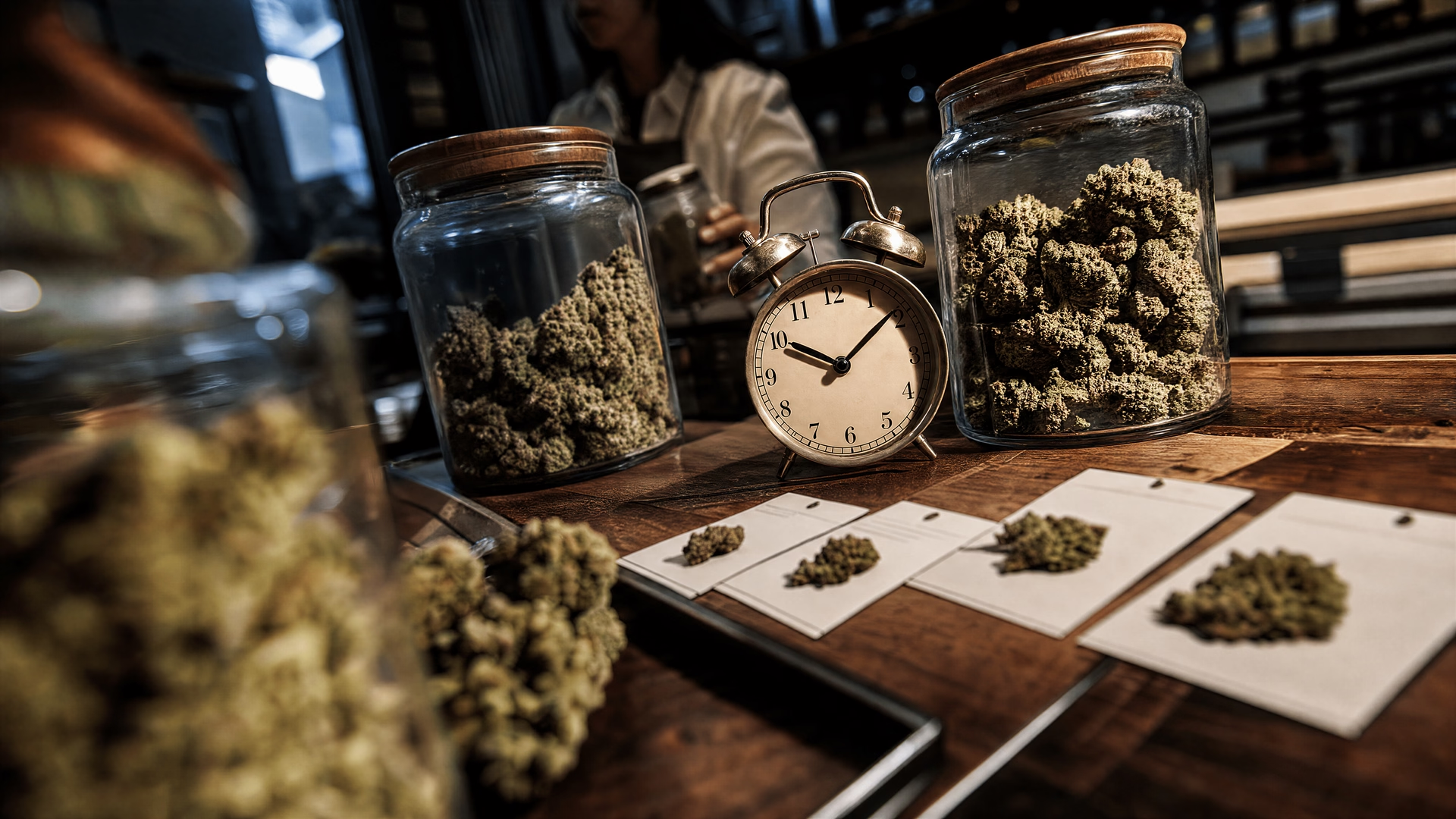
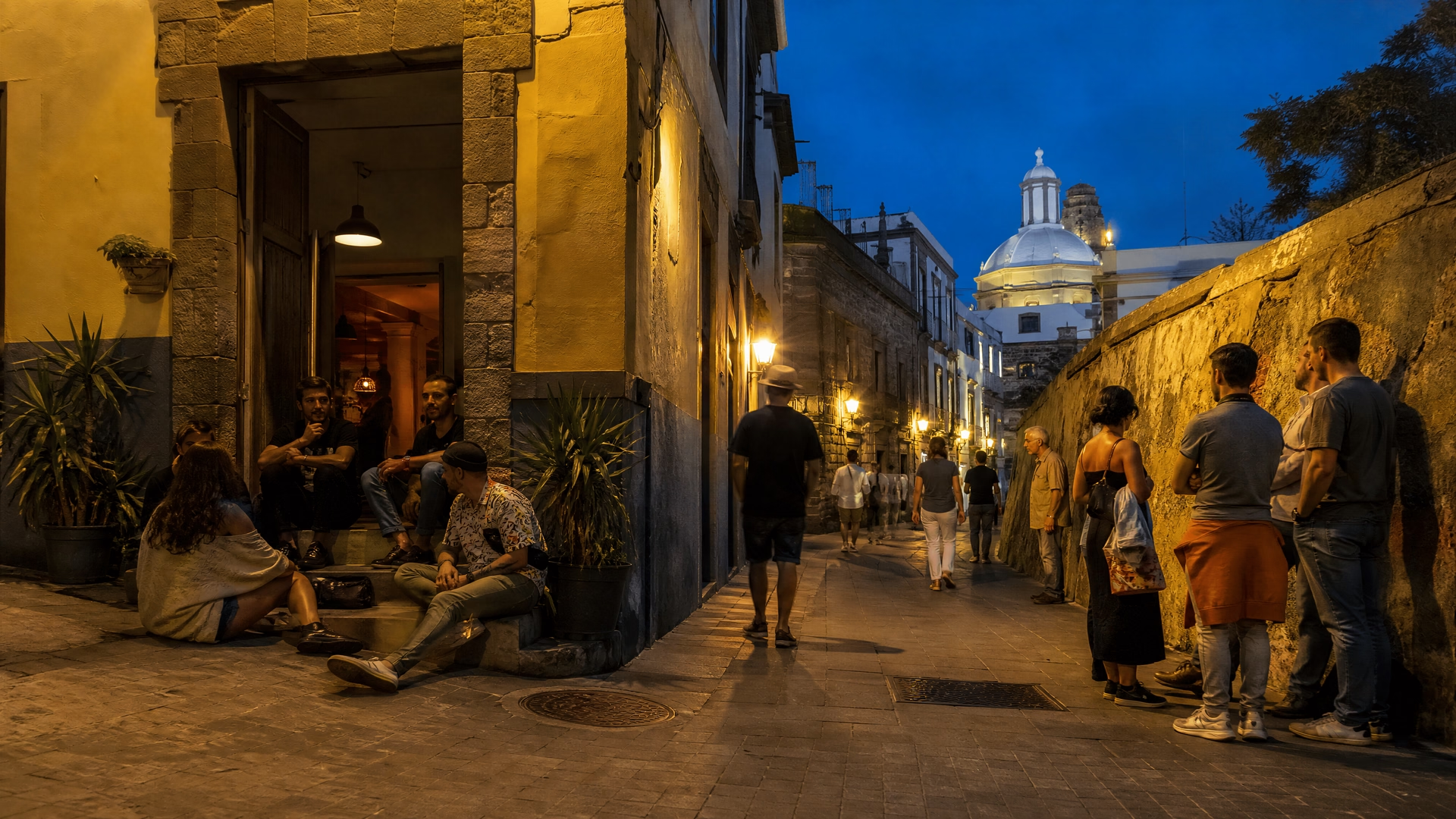
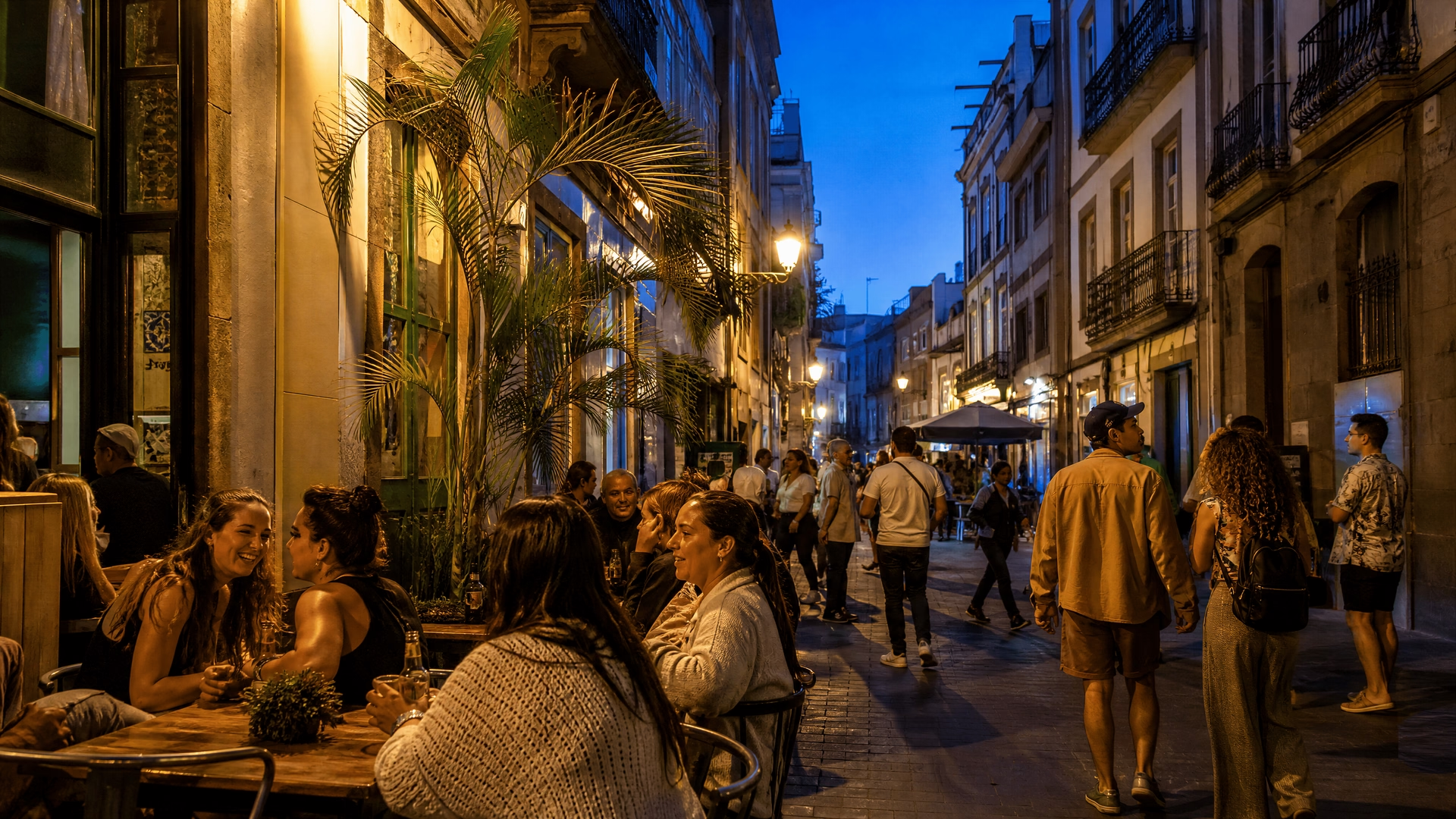
Las Palmas is a city that feels open to the street: Atlantic light, port air, old-town stone, beach promenades, and a late-evening social rhythm that runs from Triana into the waterfront around Las Canteras. In that setting, an association cannábica in Las Palmas is best understood as a private members club rather than a public venue. A cannabis social club (CSC) here sits inside the city’s broader culture of neighborhood cafés, music, conversation, and low-key nights out, not as a storefront but as part of a members-only social world.
As a Las Palmas cannabis social club guide, this page focuses on the city itself first: what the scene feels like, where it clusters, and how the directory is organized for 2026. It lists 50 associations in the wider Las Palmas scope, with 15 verified entries and 113 nearby-area listings in the surrounding network. That mix matters because the city is not a compact, single-center place; it spreads from the old quarter of Vegueta toward the port, the commercial spine of Triana, and the beach districts around Isleta-Puerto-Guanarteme. For background reading on the city’s wider story, History of Cannabis: From Ritual to Legalization is a useful neutral overview.
In everyday speech, people may still say club cannábico or club de cannabis, but the social reality is the same: a private association where members gather, talk, and move through the city’s evening culture with their own house style. The atmosphere is often quieter than a nightlife bar, more like a neighborhood living room with a clear code of behavior and a strong sense of discretion.
On the ground, this is also a city of contrasts. Vegueta carries the historic core; Triana brings the commercial pulse; Santa Catalina and Guanarteme lean toward the sea; La Isleta keeps its working-port edge. Those layers shape how the cannabis club scene feels in Las Palmas: local, varied, and inseparable from the city’s neighborhoods rather than from any single tourist strip.
How cannabis social clubs work in Las Palmas
In practical terms, how to join a cannabis club in Las Palmas usually starts with a member-led introduction, a form, and a check at reception. New members are adults, 18+, and the tone is generally straightforward rather than ceremonial: show ID, fill in the membership details, and accept the house rules before you step into the members-only space. Many associations also use a small annual membership fee and a cash only contribution model for day-to-day running, so the experience feels closer to a private association than to a commercial venue.
The phrase cannabis social club Las Palmas often appears in searches because people want to understand the city’s scene without flattening it into generic Spain content. The local reality is specific: members talk about strains, flower, hash, concentrates, and edibles as part of the conversation, but the mood is social first. The focus is on collective cultivation shared among members, responsible consumption, and the quiet routines that keep a non-profit association running smoothly. For a broader terminology guide, History of Cannabis: From Ritual to Legalization and Endocannabinoid System (ECS): How Cannabis Works are background references only, not instructions.
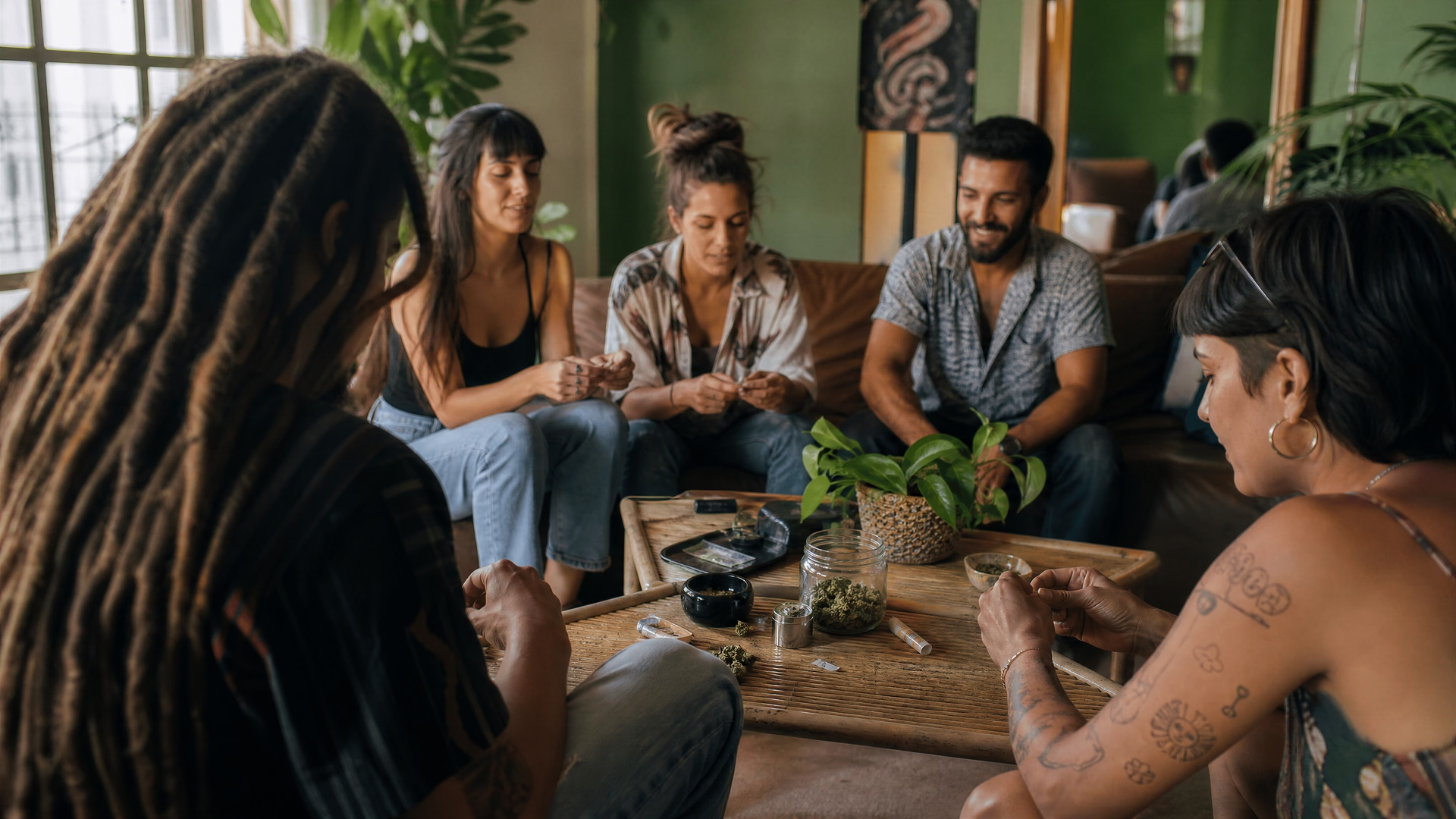
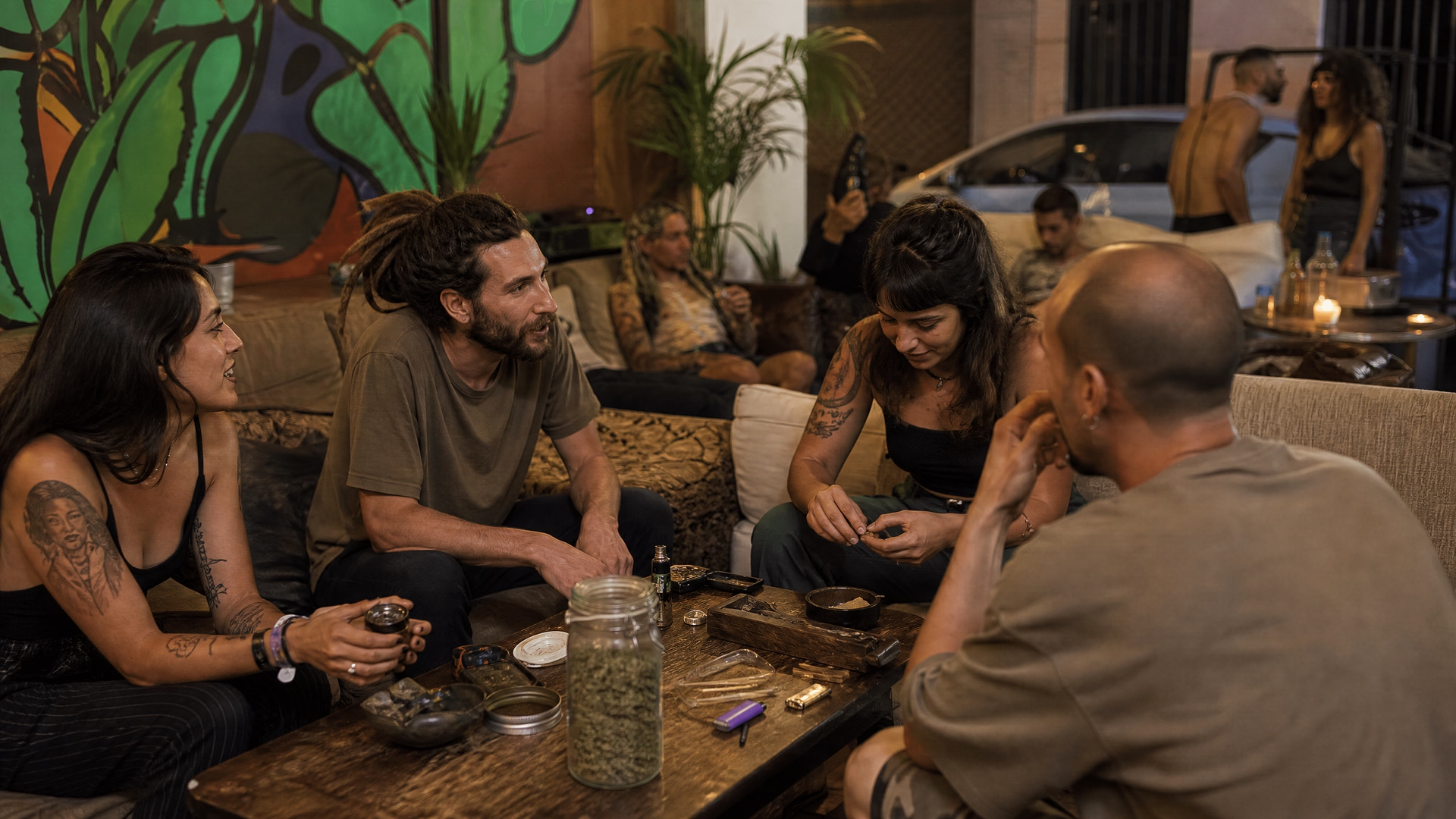
It also helps to say plainly what the place is not. A Las Palmas cannabis social club is not a coffee shop and not a dispensary, and it is unlike the Amsterdam coffeeshop model that many people know from elsewhere in Europe. That distinction shapes the mood in the room: less storefront, more membership culture; less browsing, more belonging; less spectacle, more routine. Some clubs are compact and conversation-heavy, while others feel more like a lounge or shared living room where members settle in, talk, and keep the atmosphere calm.
As in any private association, entry stays at each club’s discretion. That is part of the character of the scene, and it is why the directory is useful even before anyone contacts a club directly.
Neighborhoods and district character
Las Palmas is a city best read by district rather than by single center. The municipality is divided into five districts: Vegueta, Cono Sur y Tafira; Centro; Isleta-Puerto-Guanarteme; Ciudad Alta; and Tamaraceite-San Lorenzo-Tenoya. That structure matters for the club scene because the city’s social life is distributed, and people move between districts the same way they move between beaches, shopping streets, and evening bars. The directory reflects that urban grain rather than forcing everything into one generic downtown.
Vegueta and Centro
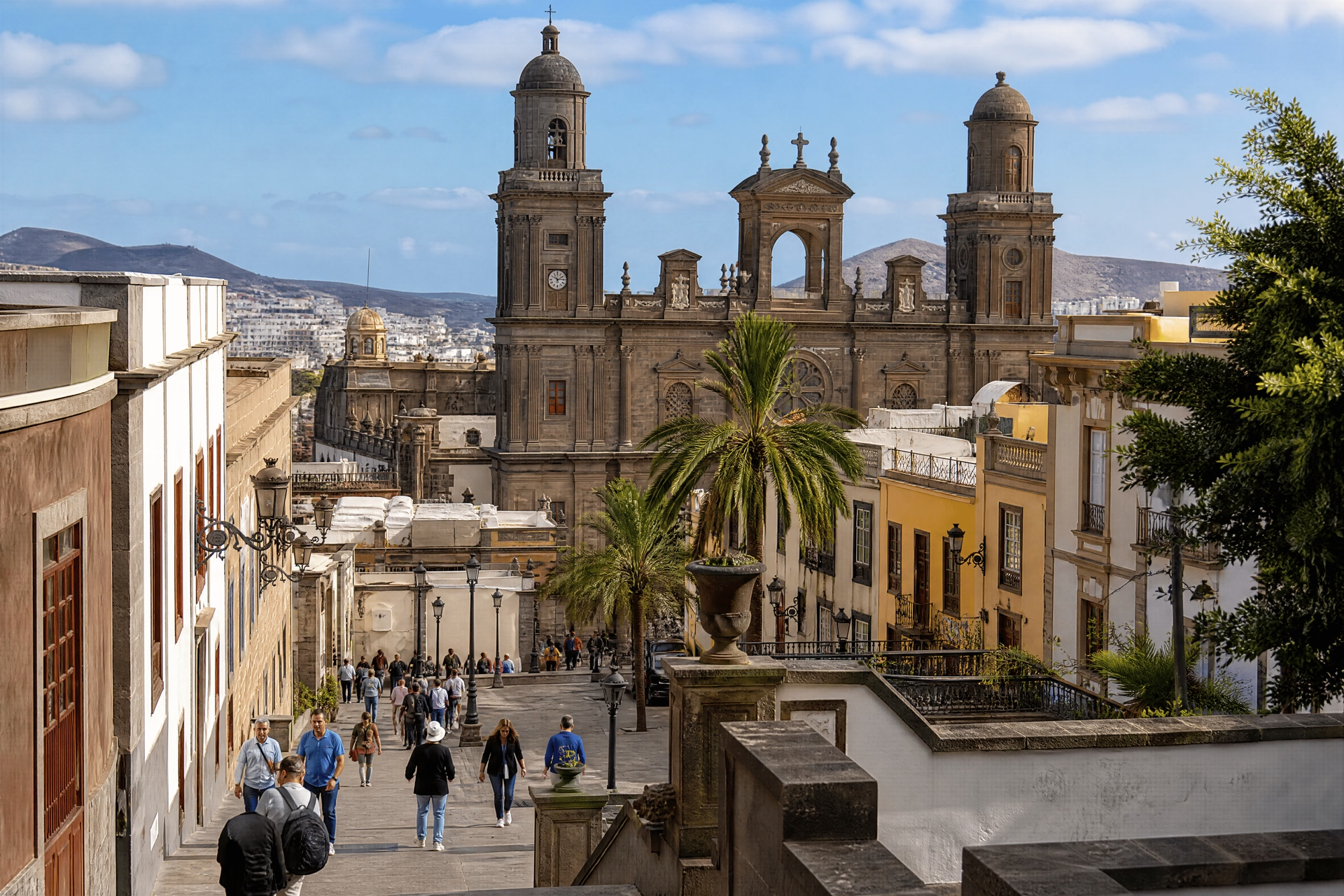
Vegueta is the city’s historic heart, the place of stone lanes, cathedral frontage, and a slower daytime pulse that later gives way to restaurants and bars. Centro, with Triana as one of its best-known arteries, brings commercial footfall, theatre-going, and the kind of everyday city movement that keeps streets busy into the evening. A cannabis club in this part of town feels tied to pedestrian life, buses, and the simple fact that people in Las Palmas often move on foot between errands, dinner, and a drink. For a broader sense of the old core, History of Cannabis: From Ritual to Legalization is again the neutral background reading most in keeping with the city’s layered past.
Isleta-Puerto-Guanarteme
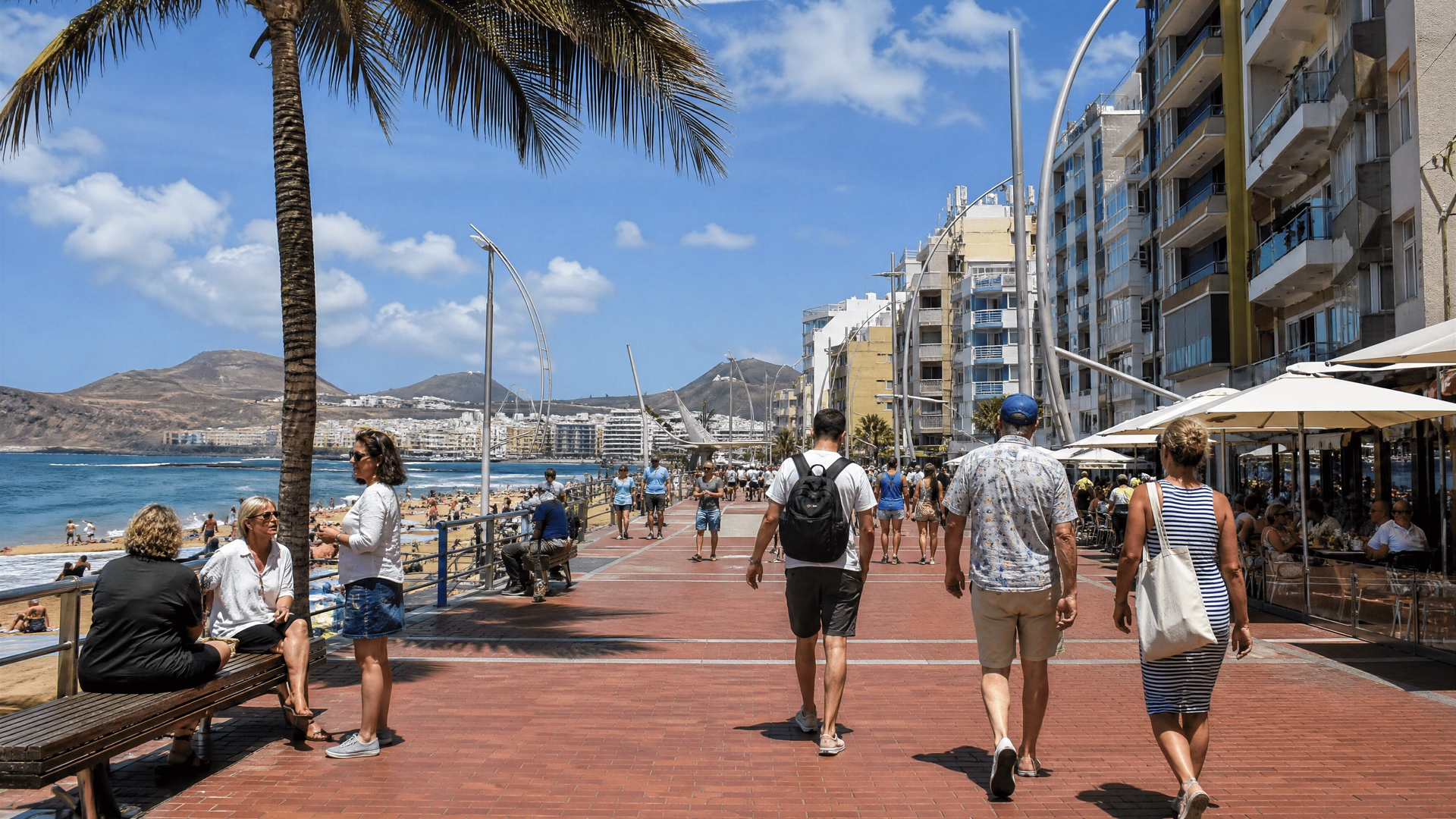
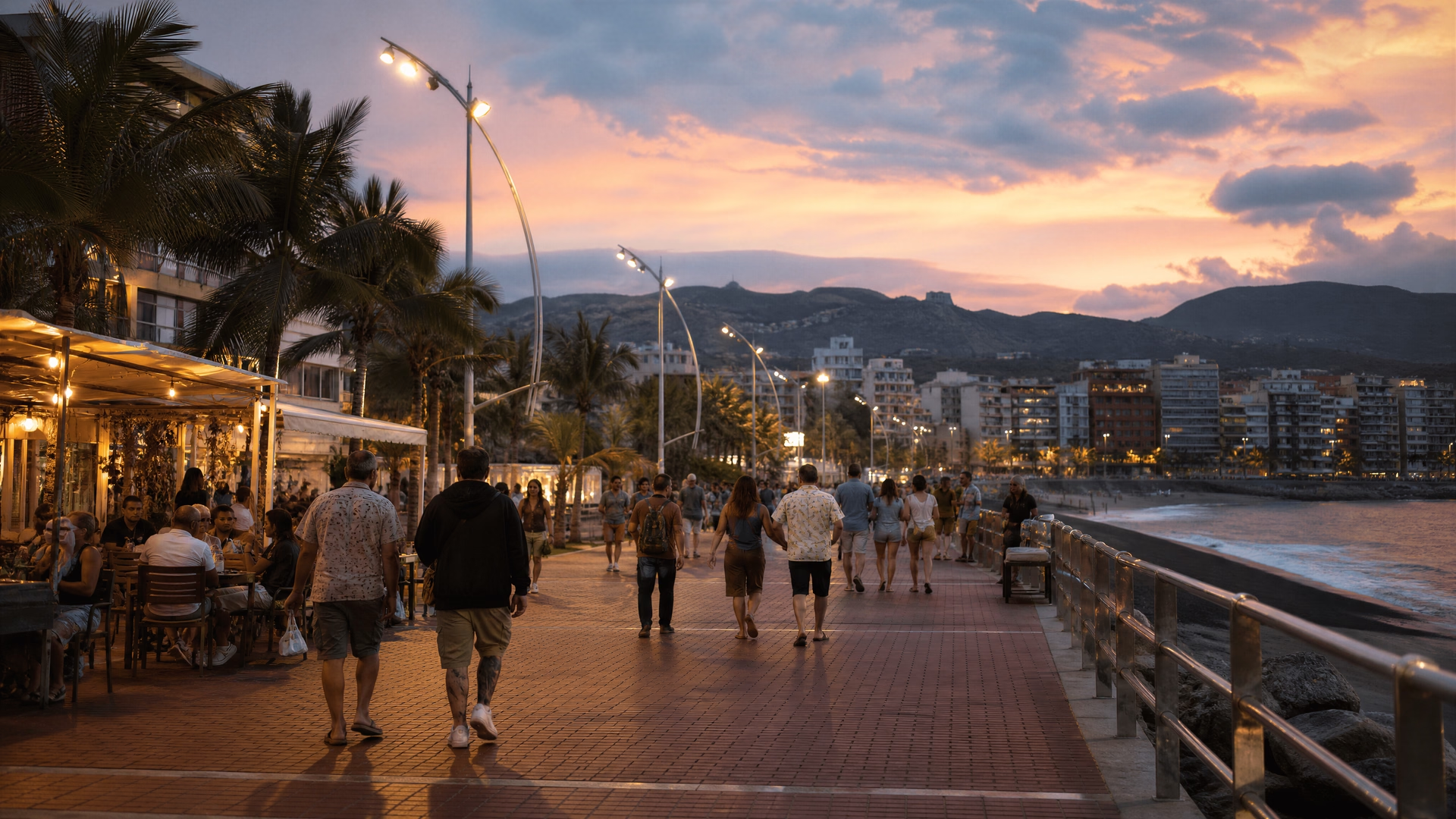
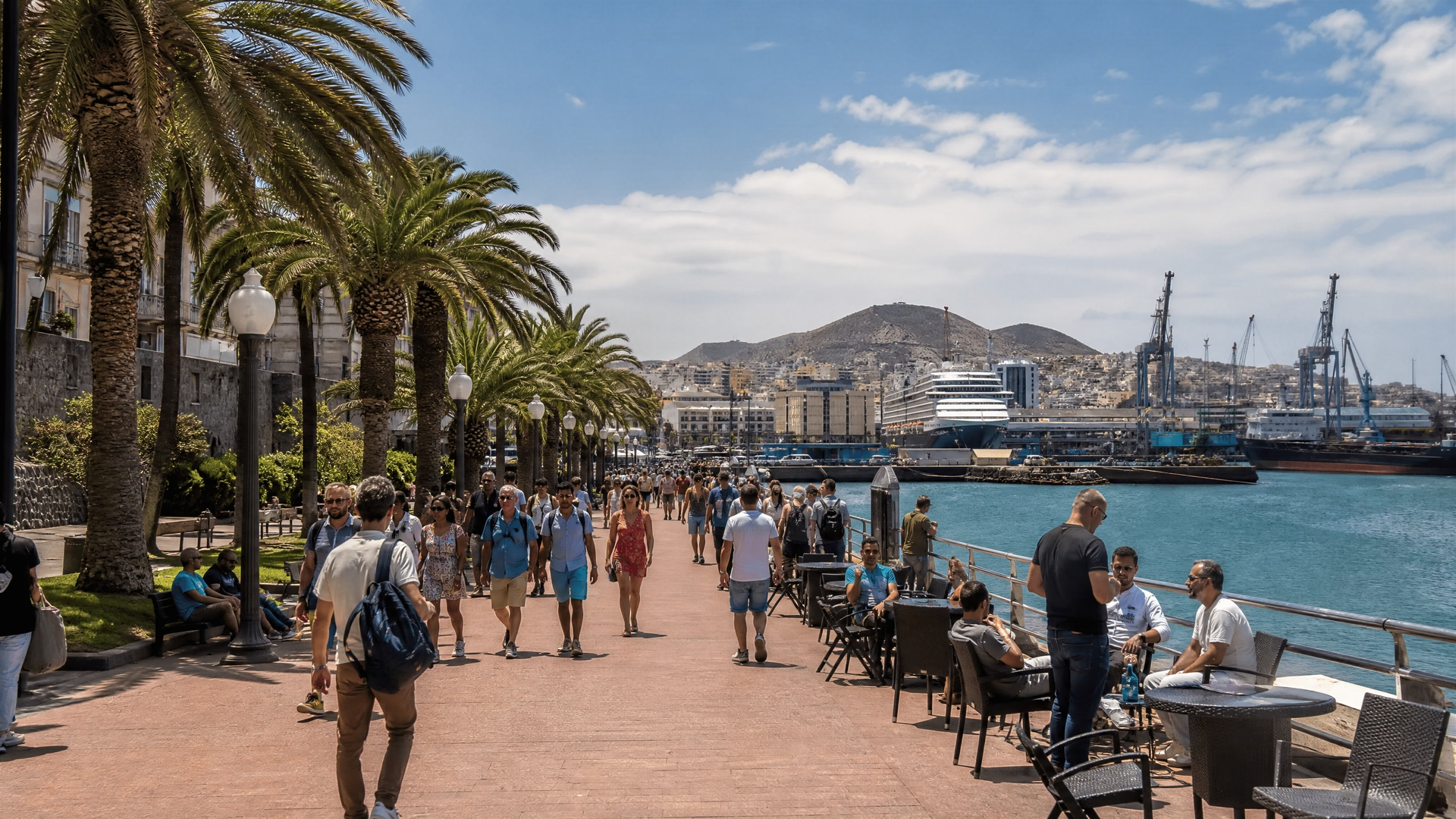
On the coastal side, Isleta-Puerto-Guanarteme carries the port, the Santa Catalina area, Guanarteme, Las Canteras, La Isleta, El Confital, and the working edges around El Sebadal. This is where the city opens toward the sea, where afternoons stretch into evening walks, and where nightlife tends to feel more fluid because the beach, the marina, and the bars sit close together. Club culture here often feels relaxed and urban at once: not far from the waterfront, not far from everyday life, and never detached from the rhythm of the neighborhoods.
Ciudad Alta and beyond
Ciudad Alta includes places such as Escaleritas, Schamann, Las Rehoyas, Las Torres, Siete Palmas, and La Minilla, all of which make the city feel residential and lived-in rather than purely visitor-oriented. This is where you notice how Las Palmas spreads uphill and inland, with homes, schools, small shops, and bus routes shaping the day. The club scene here is part of the same social fabric: local, practical, and anchored in neighborhood routine.
Neighbourhood density and district spread matter to how people search for a club near me in Las Palmas. It is a city of linked quarters rather than a single nightlife corridor.
Where the directory clusters
The listings in this directory are updated over time, and the city’s pattern is one of steady maintenance rather than flashy turnover. That makes a current 2026 guide especially useful in a place like Las Palmas, where the districts themselves do so much of the work in defining the scene. 4/ 7
Las Palmas against Canary Islands
The city read against its region across three measures — a side-by-side spread.
Nightlife, music, and the social rhythm of an evening out
Las Palmas nightlife is not one single thing. A night in the city might begin with a walk through Triana, continue with dinner near Vegueta, drift toward Santa Catalina, and finish with the sea air around Las Canteras. In that context, cannabis club culture feels less like a separate island and more like one thread in the evening fabric. Members often arrive after work, after a restaurant booking, or after a concert, and the club becomes a quiet stop in a larger urban circuit.
The city’s social life has a strong music-and-art undertow. Local venues, galleries, and festivals keep the center active, while the port and beach areas make the nightlife feel open-ended and seasonal. The club scene mirrors that mood: conversation-heavy, community-minded, and tuned to the city’s late-evening pace rather than to loud spectacle. If the conversations turn to music, food, or neighborhood plans, that is part of the charm. Cannabis culture in Las Palmas belongs to a city that knows how to linger outdoors.
That same rhythm explains why the experience is often described through atmosphere rather than product. Members might talk casually about flower, hash, concentrates, edibles, or different strains, but the social tone matters more than the list. The club room is a private pause inside a city that otherwise stays in motion. For readers who want to understand the cultural backdrop without drifting into consumption advice, Cannabis and Creativity: What THC Really Changes offers neutral background reading on one of the common cultural associations.
As a city, Las Palmas has a rare combination of beach-town ease and capital-city density. That is why the club scene here tends to feel embedded in ordinary life: a pre-dinner visit, a post-beach stop, a low-key meeting before the night heads out to live music, a late stroll back along a lit promenade. Nothing about it needs to feel theatrical to be distinct.
Culture, food, and lifestyle crossover
To understand the city’s cannabis social clubs, it helps to start with Las Palmas itself: fish markets, tapas, coffee bars, neighborhood bakeries, and a food culture shaped by island routines as much as by visitors. The city’s everyday table is not extravagant so much as social. Friends meet for shared plates, late lunch can stretch toward evening, and the waterfront keeps the whole experience tied to the sea. Club culture sits comfortably inside that rhythm because it too depends on conversation, pause, and familiarity.
The crossover with food and music is one of the most recognizably local parts of the scene. A member may come from a market stop, a family dinner, or a concert in the center and then spend a quiet hour in a members-only room. The atmosphere is often domestic rather than commercial, with sofas, low tables, and the easy familiarity that comes from a place where people know one another by name. In that setting, cannabis is part of the scene without dominating it.
Las Palmas also has a strong festival and public-culture calendar. Street celebrations, seasonal events, and neighborhood gatherings make the city feel porous, and that openness influences how club culture is perceived. People in the city understand the difference between public life and private association, between the visible street and the quieter room inside. That balance gives the club scene its own local grammar.
For readers following the city’s broader social and cultural texture, Cannabis and Creativity: What THC Really Changes fits the atmosphere better than any product-focused guide. The point in Las Palmas is not novelty; it is the way a private club can sit beside art, food, and neighborhood life without trying to replace any of them.
Membership customs and etiquette
How to join in Las Palmas generally comes down to a patient, face-to-face process. People ask about an invitation or referral, a membership form, a membership card, and whether they need an appointment rather than a walk-in. They also ask about the practical details that matter most in any private association: reception, house rules, check-in, and the way a club expects members to behave once they are inside. A few basics tend to appear again and again: bring ID, expect an adults-only space (18+), and understand that the setting is members-only rather than public-facing.
That neutral structure is part of the scene’s identity. A private members club is not trying to be a shop, and it is not trying to be a stage. The tone is usually quiet, respectful, and low-pressure, with responsible consumption understood as ordinary etiquette rather than a slogan. Cash only contributions are still common in many places, and the annual membership fee is usually best understood as a shared-cost contribution that keeps the association running. A small non-profit club may feel informal from the outside, but once inside it often runs on very specific habits: sign in, stay courteous, respect the lounge, and keep the rhythm calm.
The social detail matters here. Some clubs have a reception desk where a member is greeted; others keep the check-in process minimal. Some use a QR-code or written invitation, others simply verify the sponsoring member and the paperwork. The point is not to standardize the city into one model, because Las Palmas is full of associations that reflect different neighborhoods and different habits. A club near the port will not feel exactly like one inland in Ciudad Alta or closer to Vegueta.
For context on what members commonly discuss once they are settled in, the conversation may range across strains, flower, hash, concentrates, and edibles. But the etiquette always comes first: keep it private, keep it orderly, and let the place remain a social club rather than a public scene.
When the city feels most alive
Las Palmas has a distinctive seasonal rhythm because its public life is so tied to the coast. Winter can feel bright and surprisingly animated, with beach walks and terrace time still very much part of the day. Spring and early summer bring longer evenings, while the hotter stretch of the year pushes social life toward shaded streets, indoor rooms, and later hours near the sea. That pattern shapes how clubs are experienced too: some members prefer a calm daytime visit after errands, while others fold the club into a longer evening out.
Getting around is straightforward in the city if you know the neighborhoods. Buses connect the districts, taxis are easy enough to find near major corridors, and walking still does a great deal of the work in the center and along the waterfront. That is one reason the directory emphasizes neighborhood context rather than simply counting doors on a map. Las Palmas is readable on foot, by bus, and by the kind of route people build naturally between home, work, dinner, and the beach.
Because the city is both coastal and urban, the club atmosphere can change with the weather. On breezier days around Las Canteras and El Confital, people drift later into indoor spaces. In the center, the evening can unfold around cultural events and restaurant plans. In hillier residential districts, the mood is often more local and settled. The scene is not static; it moves with the city’s own tempo.
For readers who like to pair geography with atmosphere, this is also where broader background reading on the city’s place in island life can help. The city’s port, old town, and beach edges create a social map that feels distinct from inland Spanish cities, and the club scene sits naturally inside that urban weave.
The directory and how it changes over time
This directory lists 50 associations in Las Palmas, with 15 verified entries and a further 113 nearby-area listings connected to the wider map. Those counts are useful because they turn a vague search into something practical: a city-specific picture of the scene rather than a generic Spain summary. The result is a living directory, updated for 2026, that reflects how club visibility changes as associations are added, verified, or moved within the city’s district structure.
What the directory shows is not a ranking but a city map of independent associations. In Las Palmas, that matters because the city’s geography is layered. A place in Vegueta feels different from one near Santa Catalina, and a club in Ciudad Alta serves a different daily rhythm from one closer to the beach. The counts help reveal that spread without collapsing it into one downtown narrative. In other words, the directory is a tool for understanding the city’s social fabric, not a claim about any one venue.
The strongest way to read the listings is alongside the neighborhoods themselves: historic core, commercial center, coastal edge, and residential height. That is how a Las Palmas cannabis social club guide stays useful over time. It keeps the focus on the city, the clubs, and the ordinary ways people move between them.
The wider city and nearby area
Las Palmas is not an isolated scene. It sits within a larger island geography, and the directory makes that clearer by linking the city to the surrounding places people actually move between. The coastline, inland neighborhoods, and capital-city pull all shape how associations are used and discussed. For a city guide, that broader frame matters because searches rarely stop at one quarter; they move from the city center to the nearby towns and back again.
Linked districts and local sub-areas
Nearby places around Las Palmas