













CBD is often marketed as if it were simply a gentler version of THC – cannabis without the "high". That framing is convenient for sales, but pharmacology tells a very different story. Cannabidiol is not a cannabinoid receptor agonist in the way most people imagine, and that single fact sits underneath almost every popular misconception about what CBD does and how it feels.
If you understand that CBD does not meaningfully switch CB1 and CB2 receptors "on" like THC does, a lot of confusing consumer experiences start to make sense. Why a 10 mg CBD gummy feels like nothing to one person and like a mild tranquilizer to another. Why CBD can soften THC’s jitters for some, yet barely touch it for others. Why calling CBD "non‑psychoactive" is both legally convenient and scientifically wrong.
This article stays with that pharmacological reality and follows its consequences all the way through: from receptor binding to clinical trials, from marketing language to dose‑response curves.
---
1. What CBD Is – and What It Is Not
1.1 The basic chemistry
Cannabidiol (CBD) is a phytocannabinoid produced by the cannabis plant. It shares the molecular formula C21H30O2 with THC but has a different three‑dimensional arrangement of atoms. That small structural difference means it behaves very differently in the brain.
CBD was first isolated in the 1940s by Roger Adams and colleagues, but its complete structure was clarified by Raphael Mechoulam’s group in 1963. THC’s structure followed in 1964. These two discoveries laid the foundation for modern cannabinoid science.
In the plant, CBD does not appear fully formed. It arises from cannabidiolic acid (CBDA), which itself is synthesized from a common precursor, cannabigerolic acid (CBGA). Heat or time convert CBDA into CBD in a process called decarboxylation.
1.2 Not the plant’s "opposite THC"
Consumer education often paints CBD and THC as opposites: one intoxicating, one not; one recreational, one "wellness". Pharmacologically, they are not mirror images.
THC is a partial agonist at CB1 and CB2 receptors. It fits into the CB1 receptor’s binding site and activates it, triggering intracellular signaling cascades that alter neurotransmitter release. CB1 receptors are dense in brain regions related to memory, reward, pain, and time perception. THC’s ability to activate those receptors at low nanomolar concentrations explains its intoxicating profile.
CBD, by contrast, has low binding affinity at CB1 and CB2 and does not act as a straightforward agonist at either. In radioligand binding assays, its affinity is weak compared with THC. More importantly, functional studies show that when CBD interacts with CB1, it tends to dampen the receptor’s response to agonists rather than directly stimulating it (Laprairie et al., 2015).
That is the core distinction this article keeps returning to: CBD is a cannabinoid, but not a classic cannabinoid receptor agonist.
---
2. The Popular Misconception: "CBD Is Non‑Psychoactive"
2.1 Where the phrase came from
The phrase "non‑psychoactive CBD" appears in advertising, news articles, and sometimes even in policy documents. It emerged as a rhetorical tool: if CBD is non‑psychoactive, it can be easily distinguished from "drug‑like" THC in legal debates and public relations.
From a scientific perspective, this is not accurate. A psychoactive substance is one that changes mental state – mood, cognition, perception, or behavior. By that definition, the clinical evidence on CBD leaves little room for debate.
A 2019 case series of 72 adults with anxiety or sleep complaints found that 79.2% reported decreased anxiety scores after the first month of CBD treatment (Shannon et al., 2019). Randomized trials have shown CBD can reduce anxiety in individuals with social anxiety disorder during stressful tasks (Bergamaschi et al., 2011). In epilepsy, high‑dose CBD reduces seizure frequency (Devinsky et al., 2017).
Any substance that reliably alters anxiety, seizure threshold, or sleep architecture is unambiguously psychoactive.
2.2 Why "non‑intoxicating" fits better
Where CBD does differ markedly from THC is in intoxication. In healthy volunteers, single doses of CBD up to 600 mg have not produced the cognitive impairment or pronounced euphoria typical of THC at intoxicating doses. Many participants in anxiety studies did not correctly guess whether they had received CBD or placebo.
This matters. People reach for language like "non‑psychoactive" to capture the idea that taking CBD oil does not feel like smoking a joint. The better term is non‑intoxicating or low‑intoxicating, with the understanding that exceptions exist at very high doses or in sensitive individuals.
The World Health Organization’s 2017 pre‑review report on CBD summed up the balance succinctly: CBD "exhibits no effects indicative of any abuse or dependence potential" and is "generally well tolerated" in humans (WHO, 2017). That is not the same as being inert or non‑psychoactive.
2.3 Why the distinction matters in practice
Calling CBD non‑psychoactive does more than mangle definitions. It encourages three misleading expectations:
- That side effects are impossible** – yet in epilepsy trials, up to 16% of CBD‑treated patients developed clinically relevant elevations in liver enzymes, especially with valproate (FDA, Epidiolex label, 2018).
- That dose barely matters** – yet most consumer doses are an order of magnitude lower than those used in controlled trials for anxiety or seizures.
- That all reported benefits must be placebo** – which is not supported by the controlled trial data in specific conditions.
Being precise about "psychoactive" versus "intoxicating" preserves the nuance that public debate often loses.
---
3. CBD and the Endocannabinoid System: A Modulator, Not a Switch

3.1 CB1 and CB2: the obvious targets that CBD mostly avoids
CB1 and CB2 receptors are the primary "cannabinoid" receptors. CB1 is abundant in the central nervous system; CB2 is more associated with immune cells and peripheral tissues.
Orthosteric site The primary binding pocket on a receptor where the natural ligand normally binds. For CB1, this is the main site used by anandamide and by direct agonists such as THC.
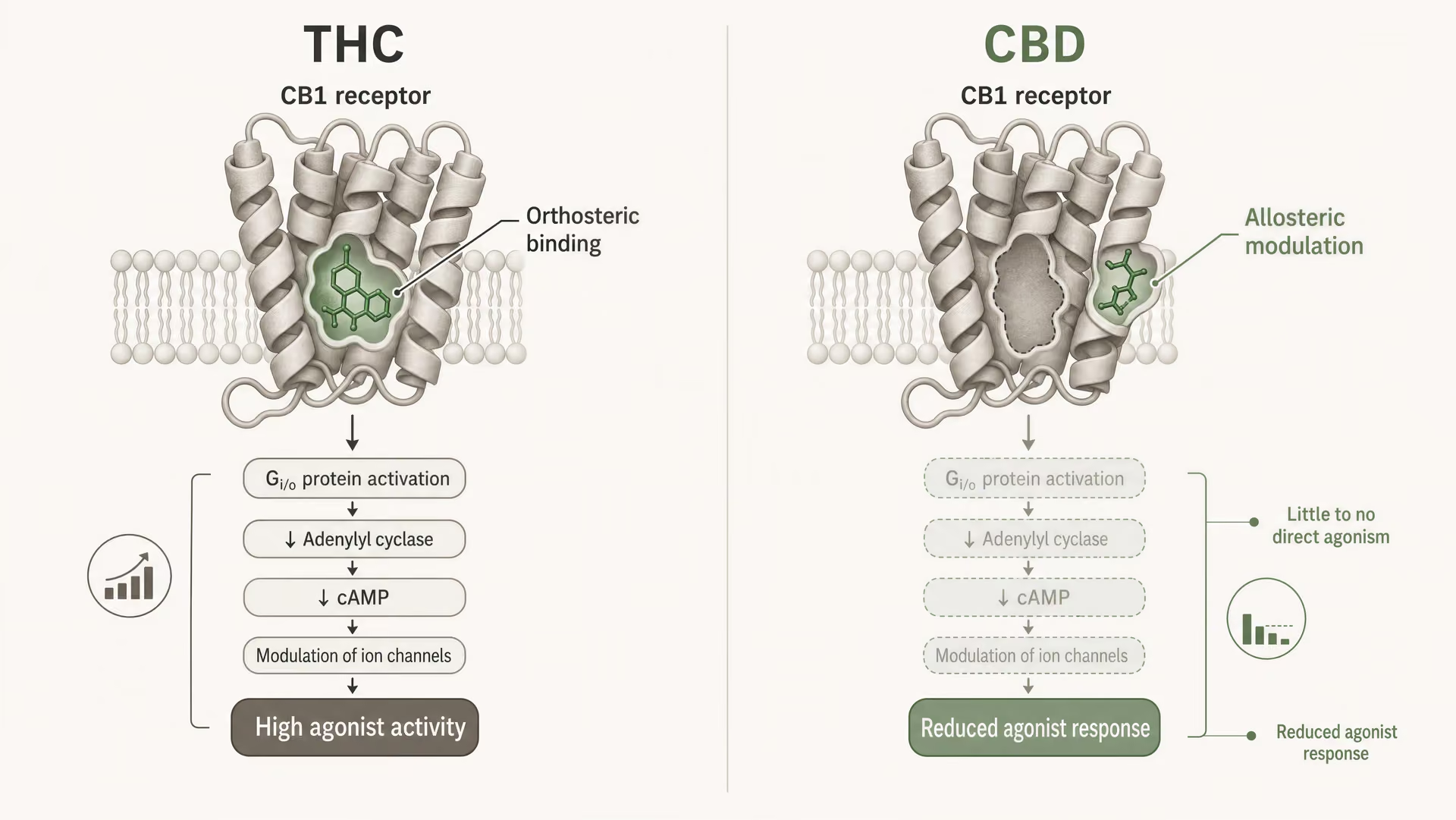
Classic agonists like THC bind the orthosteric site of CB1 – the main pocket where the endogenous ligand anandamide binds – and activate the receptor. Functional assays show clear G‑protein activation and downstream inhibition of adenylate cyclase.
CBD’s behavior is much more muted. Affinity studies indicate that CBD binds weakly to CB1 and CB2, and functional assays show little to no agonist activity at physiologically relevant concentrations. Instead, CBD appears to act as a negative allosteric modulator at CB1, binding to a different site and changing how the receptor responds to agonists.[1] Cannabidiol is a negative allosteric modulator of the cannabinoid CB1 receptor. R. B. Laprairie, Y. Bagher A., M. M. Kelly, E. M. Denovan-Wright. British Journal of Pharmacology, 2015.
Laprairie and colleagues demonstrated this in vitro: CBD reduced the efficacy and potency of CB1 agonists in a concentration‑dependent manner (Laprairie et al., 2015). That is, in the presence of CBD, a given amount of THC or another agonist produces a weaker signaling response.
This is a fundamentally different role from THC’s direct agonism.
3.2 Endocannabinoid tone: anandamide and FAAH
CBD also shifts the endocannabinoid system by indirect mechanisms. One of the most important is inhibition of fatty acid amide hydrolase (FAAH), the enzyme that breaks down anandamide.
Animal and cell studies show that CBD can inhibit FAAH activity, leading to elevated anandamide levels. Clinical work has not fully nailed down the magnitude of this effect in humans, but there is evidence that CBD can increase serum anandamide in specific contexts. A 2012 randomized trial in schizophrenia reported that CBD treatment significantly increased anandamide levels, and those increases correlated with clinical improvement (Leweke et al., 2012).
The key point is that CBD’s influence on CB1/CB2 is largely indirect: instead of acting as the key in the lock, it alters how long the endogenous keys stay in circulation and how the lock responds when they arrive.
3.3 Non‑cannabinoid targets: serotonin, TRP channels, nuclear receptors
Major non-cannabinoid targets mentioned in the article
- 5‑HT1A receptors
- Serotonin-related receptors that may contribute to CBD’s anxiolytic effects.
- TRPV1, TRPA1, TRPM8
- TRP ion channels involved in pain, temperature sensing, and inflammatory signaling; CBD can activate or desensitize them.
- GPR55
- A receptor sometimes described as a novel cannabinoid-related target; CBD may antagonize it.
- PPAR‑γ
- A nuclear receptor that regulates gene expression linked to inflammation and metabolism.
- ENT1 and CYP enzymes
- CBD can affect adenosine transport and alter drug metabolism through cytochrome P450 interactions.
Beyond the canonical cannabinoid receptors, CBD engages a wide range of other molecular targets:
- 5‑HT1A receptors (serotonin)** – CBD behaves as an agonist or modulator at these receptors in several models. Many researchers consider 5‑HT1A engagement a major contributor to its anxiolytic profile.
- TRPV1, TRPA1, TRPM8 (TRP channels)** – CBD can activate or desensitize these ion channels, which are involved in pain, temperature sensation, and inflammation.
- GPR55** – sometimes described as a "novel cannabinoid receptor"; CBD may act as an antagonist here, which could influence inflammatory and seizure pathways.
- PPAR‑γ and other nuclear receptors** – CBD can act at PPAR‑γ, which regulates gene expression related to inflammation and metabolism.
- Transporters and enzymes** – CBD interacts with ENT1 (adenosine uptake), and several cytochrome P450 isoenzymes, influencing drug metabolism.
Each of these targets has its own dose‑response dynamics and tissue distribution. That network‑level action is why CBD’s effects can be broad, subtle, and inconsistent – and why a single receptor narrative never really fit.
---
4. How CBD Actually Reaches the Body: Pharmacokinetics
Understanding why 10 mg in a gummy rarely matches 20 mg/kg in a clinical trial means looking at absorption, distribution, metabolism, and elimination.
4.1 Oral CBD: slow, variable, and heavily metabolized
| Route | Typical onset | Key pharmacokinetic feature | Evidence base in article |
|---|---|---|---|
| Oral (oils, capsules, edibles) | 60–120 minutes to peak plasma concentration | Low and variable bioavailability; strong first-pass metabolism; food can increase exposure several-fold | Most studied |
| Inhaled (vaporized or smoked) | Within minutes | Bypasses first-pass liver metabolism; higher initial peak levels than equivalent oral doses | Less extensive |
| Sublingual drops | Not quantified in the article | May bypass some first-pass metabolism, but absorption depends on hold time, excipients, and mucosal differences | Limited |
| Transdermal patches/creams | Not quantified in the article | Aims for local delivery through skin or slower systemic delivery over time | Limited |
Most consumer CBD is taken orally as oils, capsules, or edibles. Oral CBD faces first‑pass metabolism in the liver, and its oral bioavailability is low and variable, often estimated around 6–20%.
Key features of oral CBD:
- Onset** – typically 60–120 minutes to peak plasma concentration.
- Peak levels** – heavily influenced by food. High‑fat meals can significantly increase CBD exposure, sometimes several‑fold, compared with fasting.
- Metabolism** – primarily via CYP3A4 and CYP2C19, producing various metabolites; some may be active.
- Half‑life** – with repeated dosing, CBD’s elimination half‑life is often reported in the 18–32 hour range, supporting twice‑daily or once‑daily dosing in epilepsy protocols.
This variability explains a common experience: two people can take the same CBD oil at the same labeled dose and have strikingly different responses.
4.2 Inhaled CBD: faster but less studied
Vaporized or smoked CBD reaches systemic circulation more quickly, bypassing first‑pass liver metabolism. Inhalation can produce:
- Onset** – within minutes.
- Higher initial peak levels** – compared with equivalent oral doses.
However, most clinical trials have used oral formulations. Research on inhaled CBD is less extensive, and the presence of other cannabinoids and combustion products in smoked preparations complicates interpretation.
4.3 Transdermal and sublingual routes
Transdermal CBD patches and creams aim to deliver CBD locally through the skin or systemically over time. Sublingual drops try to exploit absorption under the tongue to bypass some first‑pass metabolism.
Evidence on the pharmacokinetics of these routes is still limited compared with oral dosing, and commercial products vary widely in formulation. Consumers often assume sublingual administration is uniformly superior to swallowing, but real absorption depends on how long the oil stays under the tongue, the excipients used, and individual mucosal differences.
4.4 Why these details shape expectations
From a practical perspective, three implications stand out:
1. Low oral bioavailability + low retail doses = small systemic exposure for many users. 2. Food timing matters – taking CBD with a substantial meal can markedly increase blood levels compared with an empty stomach. 3. Accumulation over days – with chronic use, CBD accumulates to a steady state; effects on sleep or anxiety may become more apparent after consistent dosing.
When someone says "CBD didn’t work for me," pharmacokinetics often explains at least part of the story.
---
5. Dose Matters: Clinical Trials vs. Retail Reality
5.1 What doses were used in epilepsy trials?
In the pivotal epilepsy trials that led to Epidiolex approval, participants received high, weight‑based doses:
- 14 mg/kg/day to 20 mg/kg/day** in divided doses was common.
- For a 70 kg adult, that corresponds to 980–1,400 mg of CBD per day.
At those doses, trials reported a median seizure reduction of 37–44% in Lennox–Gastaut and Dravet syndromes, significantly above placebo (Devinsky et al., 2017). Side effects and liver enzyme elevations also became more frequent at the higher dose range.
These numbers highlight how far removed typical shop‑bought CBD doses are from the amounts with demonstrated anti‑seizure efficacy.
5.2 Doses in anxiety and sleep studies
Anxiety studies have used both single and short‑term repeated doses. One influential trial on social anxiety disorder used 600 mg of CBD as a single oral dose 1.5 hours before a simulated public speaking test, and found significantly reduced anxiety compared with placebo (Bergamaschi et al., 2011).
The 2019 Shannon case series in a psychiatric clinic used more modest chronic doses – often 25–75 mg/day – and still observed improvements in many patients’ anxiety scores, although sleep benefits were more inconsistent over time (Shannon et al., 2019).
Taken together, these data suggest:
- Some effects (like acute anxiolysis) may require higher single doses (300–600 mg) in some individuals.
- Lower daily doses (tens of milligrams) may still shift anxiety or sleep for others, particularly with chronic use.
- There is no single "right" dose; the therapeutic window depends on the condition and person.
5.3 The typical commercial dose gap
By contrast, common over‑the‑counter products supply:
- 5–20 mg per gummy.
- 10–50 mg per day as a suggested serving of oil.
That means many consumers are taking one‑tenth or less of the doses used in trials where robust effects were measured.
Compounding this, a JAMA analysis of 84 CBD products sold online in the United States found that only 31% were accurately labeled; 26% contained less CBD than labeled, 43% contained more, and 21% had detectable THC (Bonn‑Miller et al., 2017).
When expectations are based on high‑dose clinical trial headlines, and reality is low, sometimes mis‑labeled doses, disappointment is inevitable.
---
6. How CBD Interacts with THC – Beyond Simple Blocking
6.1 The marketing claim: CBD "cancels" THC
A widespread belief in cannabis culture is that CBD can "cancel" or "sober up" a THC intoxication. People are told to take a CBD capsule or hit a high‑CBD vaporizer if they feel overwhelmed.
There is some pharmacological plausibility here, but the reality is more nuanced than a universal antidote.
6.2 CB1 modulation: a softer receptor, not an empty chair
Since CBD is not a CB1 agonist, it does not compete with THC at the main binding pocket the way two classic agonists would. Instead, by acting as a negative allosteric modulator, CBD changes the receptor’s shape and signaling efficiency.
In simple terms:
- With CBD present, THC still binds CB1, but the receptor’s response to that binding can be weaker or altered.
- This can translate into reduced THC‑induced anxiety or psychotic‑like symptoms in some paradigms, but not necessarily a complete loss of subjective intoxication.
Some human studies support a protective effect. For example, trials combining THC with CBD have reported fewer psychotomimetic symptoms than THC alone in specific designs. Others, however, have found that high doses of both THC and CBD can have additive effects on certain measures of impairment rather than CBD being purely protective.
6.3 Metabolic and distribution interactions
CBD also affects drug‑metabolizing enzymes such as CYP3A4 and CYP2C9, which participate in THC metabolism. By inhibiting these enzymes, CBD can potentially alter the levels and persistence of THC and its metabolites.
This introduces a paradox: CBD may dampen CB1 signaling at the receptor level while prolonging THC exposure systemically at certain dose combinations. Whether this produces a net attenuation or prolongation of subjective effects can vary.
6.4 Why experiences differ so much between people
Given this complexity, it is not surprising that user reports range from:
- "CBD totally took the edge off my THC high" to
- "I didn’t notice any difference" to
- "High‑CBD strains feel stronger in some ways."
Variables include:
- Absolute THC and CBD doses.
- THC:CBD ratio.
- Timing (simultaneous use vs. CBD before or after THC).
- Individual CB1 receptor density and genetics.
- Liver enzyme polymorphisms.
The evidence supports a general statement: CBD can modulate THC’s intoxicating and adverse effects, especially anxiety and psychotic‑like symptoms, but does not reliably "cancel" a high in all people or situations.
---
7. Clinical Evidence: Where CBD Is Clearly Active
7.1 Epilepsy: the strongest current evidence
CBD has strong clinical evidence as an adjunctive treatment for certain severe epilepsies, supported by randomized placebo-controlled trials and regulatory approval of purified CBD. Strong evidence
The clearest, most consistently replicated clinical effect of CBD is as an adjunctive treatment for certain severe childhood epilepsies.
In randomized, double‑blind, placebo‑controlled trials of Lennox–Gastaut syndrome and Dravet syndrome, adding purified CBD (Epidiolex) to existing anti‑seizure regimens at doses up to 20 mg/kg/day resulted in:
- Median reductions in monthly drop seizures of around 37–44% vs. baseline.
- A greater proportion of patients achieving at least 50% seizure reduction compared with placebo (Devinsky et al., 2017).
These results led the US Food and Drug Administration to approve Epidiolex in 2018. The European Medicines Agency followed with its own authorization.
This is a rare case where a cannabis‑derived compound has passed the full modern drug evaluation process.
7.2 Anxiety: promising but heterogenous
Anxiety is often cited as a top reason for CBD use. The clinical evidence is encouraging but not as mature as for epilepsy.
Key findings include:
- In individuals with social anxiety disorder, a single 600 mg dose of CBD reduced anxiety during a simulated public speaking test compared with placebo (Bergamaschi et al., 2011).
- The 2019 retrospective case series mentioned earlier found that 57 of 72 psychiatric patients (79.2%) had lower anxiety scores in the first month of CBD treatment. However, this was not a randomized trial and had no placebo control (Shannon et al., 2019).
Systematic reviews generally conclude that CBD has potential as an anxiolytic but that more large, well‑controlled trials are needed to define optimal doses, populations, and long‑term effects.
7.3 Pain, inflammation, and other conditions
For chronic pain, inflammatory disorders, and neurodegenerative diseases, the evidence is more mixed:
- Preclinical studies show anti‑inflammatory and analgesic effects of CBD in animal models.
- Human trials have often used CBD in combination with THC (as in nabiximols/Sativex), making it hard to isolate CBD’s contribution.
- Pure CBD trials for conditions like Crohn’s disease, multiple sclerosis spasticity, or neuropathic pain have yielded inconsistent or modest results.
The honest assessment is that for these indications, CBD’s role remains exploratory. Anyone claiming that CBD alone is a proven treatment for chronic pain is overstating the current evidence.
---
8. Safety, Side Effects, and Drug Interactions
8.1 General safety profile
The World Health Organization’s 2017 report noted that CBD is "generally well tolerated" and that, in controlled trials, the most common adverse effects were relatively mild – diarrhea, decreased appetite, and somnolence (WHO, 2017).
Yet the high‑dose epilepsy trials revealed that CBD is not physiologically trivial:
- Liver enzymes** – Elevations of ALT and AST (more than three times the upper limit of normal) occurred in up to 16% of participants, especially in those taking valproate concurrently (FDA, 2018).
- Sedation** – Somnolence and fatigue were common, particularly at higher doses or when combined with other sedating drugs.
These findings do not negate CBD’s potential benefits, but they do argue against the idea that "it’s just a plant compound, so you can ignore safety considerations."
8.2 Drug–drug interactions
Because CBD affects cytochrome P450 enzymes (notably CYP3A4 and CYP2C19), it can influence the metabolism of other drugs, including:
- Some antiepileptics (e.g., clobazam, valproate).
- Certain antidepressants and benzodiazepines.
- Warfarin and other anticoagulants.
In practice, this means CBD can raise blood levels of co‑administered drugs, increasing both efficacy and risk of side effects. Clinical management often requires dose adjustments and lab monitoring.
Anyone using prescription medications and considering substantial CBD doses should discuss this with a healthcare professional. That recommendation is not boilerplate; it reflects real pharmacokinetic interactions.
8.3 Dependence and withdrawal
Available human data suggest CBD has low abuse potential and does not produce a recognizable withdrawal syndrome comparable to benzodiazepines or opioids when discontinued. The WHO expert committee explicitly noted the absence of significant abuse signals in clinical and epidemiological data.
That said, most high‑dose long‑term CBD exposure data come from specific patient populations (like children with severe epilepsy), not from the general population using CBD for wellness reasons. Ongoing surveillance is warranted.
---
9. Variability, Entourage, and Why CBD Feels So Unpredictable

9.1 Product composition: isolate vs. full‑spectrum
Not all CBD products are created equal. Two broad categories dominate the market:
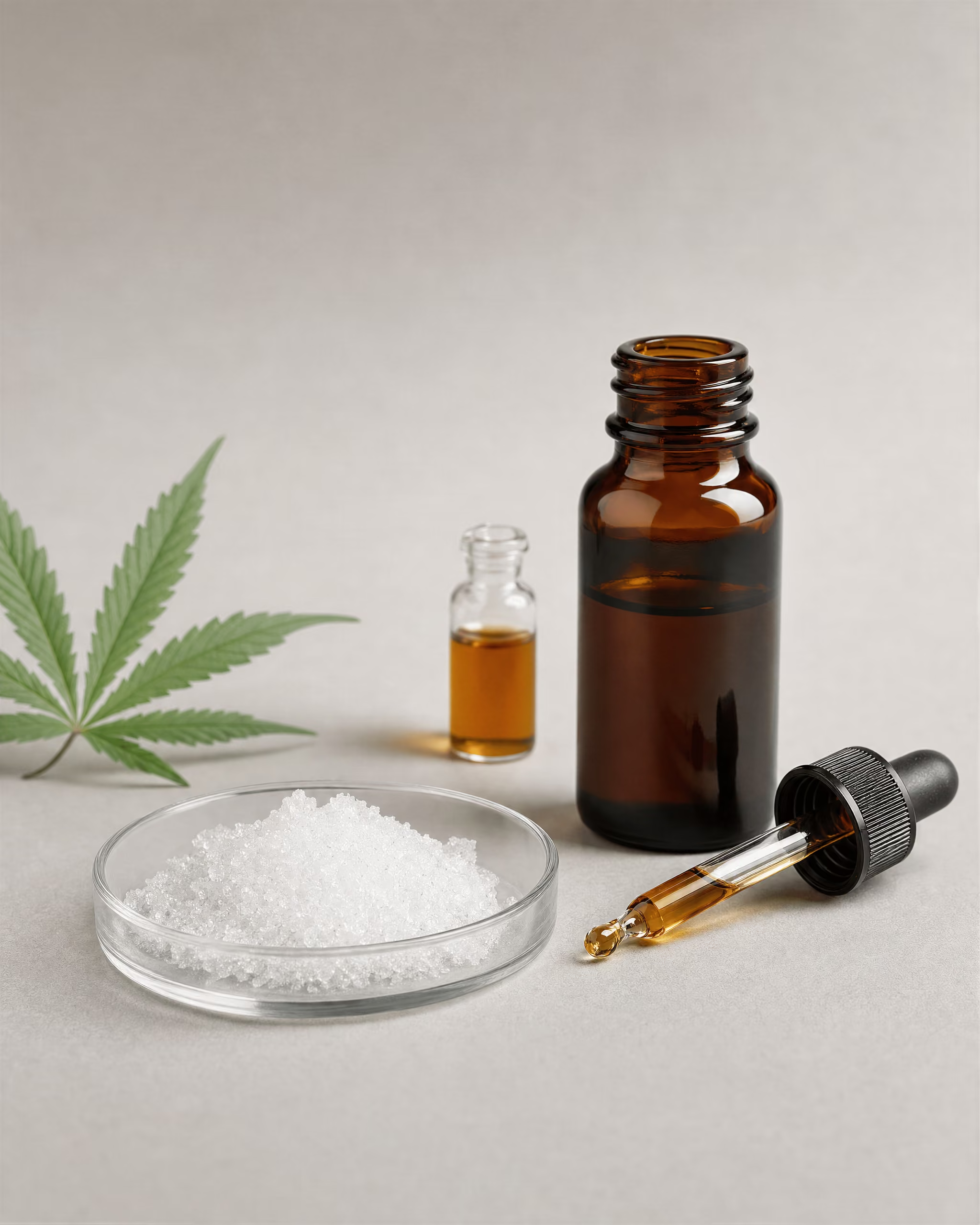
- CBD isolate** – purified cannabidiol with minimal other cannabinoids or terpenes.
- Full‑spectrum or broad‑spectrum extracts** – contain CBD plus varying amounts of minor cannabinoids (CBG, CBC, trace THC) and terpenes.
Full-spectrum cannabinoid and terpene combinations may produce different or enhanced effects compared with CBD isolate, but direct controlled human evidence remains limited. Limited evidence
The so‑called "entourage effect" hypothesis proposes that combinations of cannabinoids and terpenes can produce different or enhanced effects compared with isolated compounds. Supporting evidence exists in preclinical models, and nabiximols trials (THC+CBD together) show a different profile from pure THC.
However, controlled human data directly comparing CBD isolate and full‑spectrum CBD for specific conditions are limited. Most user beliefs about full‑spectrum superiority are extrapolations.
9.2 Individual biology: enzymes, receptors, and baseline state
Even with an identical product and dose, people differ in:
- CYP450 enzyme activity** – affecting how quickly CBD is metabolized.
- Endocannabinoid tone** – baseline levels of anandamide and 2‑AG.
- Receptor density and sensitivity** – including CB1, 5‑HT1A, TRPV1.
- Underlying condition** – someone with severe anxiety, chronic pain, or epilepsy has a very different neurobiology from a healthy volunteer.
Because CBD does not act as a single on/off switch but as a modulator across multiple systems, these individual differences strongly shape its effects.
9.3 Expectations vs. realistic outcomes
Marketing often promises dramatic, rapid, and universal results: better sleep tonight, calm on demand, pain gone. The pharmacology and clinical data support a more cautious framing:
- Some individuals experience marked benefit, especially for specific diagnoses at appropriate doses.
- Others get subtle shifts – slightly easier sleep onset, marginally reduced background anxiety.
- A substantial minority may feel very little at commonly used retail doses.
The evidence is strongest for certain epilepsies and promising for some anxiety disorders. For many other uses, CBD should be viewed as experimental, with outcomes that are as likely to be modest as transformative.
---
10. Legal and Regulatory Landscape (Brief Overview)
10.1 Medicines vs. supplements
Regulators increasingly separate purified CBD medicines from consumer CBD products.
- Epidiolex and similar preparations are regulated as prescription drugs, with standardized dosing, quality control, and monitoring.
- Low‑THC hemp extracts sold as oils, capsules, or cosmetics occupy a more ambiguous space – considered novel foods, dietary supplements, or unapproved drugs depending on jurisdiction.
For example, in the European Union, many CBD food products fall under the Novel Food Regulation, requiring specific authorization. In some countries, enforcement is strict; in others, a gray market persists.
10.2 THC contamination and drug testing
Because hemp and cannabis are closely related, trace THC in CBD products is hard to avoid completely. Even when products stay below legal THC thresholds, regular consumption, especially of full‑spectrum extracts, can lead to measurable THC metabolite levels.
Standard workplace or legal drug tests target THC metabolites, not CBD itself. Pure CBD should not trigger a positive test, but mislabeled or contaminated products can. The JAMA study demonstrating undisclosed THC in 21% of online CBD products underscores this risk (Bonn‑Miller et al., 2017).
10.3 Jurisdictional variation and change
CBD’s legal status is one of the fastest‑moving areas in drug policy. Some jurisdictions have:
- Explicitly exempted CBD below certain THC thresholds from controlled substance laws.
- Restricted CBD to prescription‑only medicinal products.
- Allowed cosmetics and topical products but not ingestible forms.
Anyone considering CBD use should check current local regulations rather than assuming that "hemp‑derived" equals legal. Laws also distinguish sharply between personal use and commercial sale.
> This article provides factual information as of early 2026. Cannabis and cannabinoid laws change regularly. Always verify current regulations through official government sources before acting on legal information.
---
11. What the Non‑Agonist Status Really Means for Consumers
The central thesis restated: modulator, not switch
Stepping back, the central thesis of this article is simple: CBD is a cannabinoid that does not work by strongly turning CB1 or CB2 receptors on. Instead, it modulates them and acts widely beyond them.
That single fact explains:
- Why CBD is psychoactive – it clearly alters brain function – but usually not intoxicating in the cannabis sense.
- Why effects are often subtle and variable – multiple indirect targets create a context‑dependent response instead of a predictable CB1‑driven profile.
- Why CBD can both attenuate and sometimes augment THC effects – it softens CB1 signaling while influencing THC levels and other brain systems.
- Why dose and product composition matter so much – the transition from negligible to meaningful receptor modulation often lies above typical retail doses.
What the article says consumers should do
- Question simple slogans Treat phrases like “non‑psychoactive” and “THC without the high” as marketing shorthand, not accurate pharmacology.
- Compare dose claims with trial doses Retail servings of 5–20 mg often sit far below the hundreds of milligrams used in many clinical studies.
- Treat CBD as an active drug Expect dose-dependent effects, side effects, and drug interactions rather than assuming CBD is inert.
Three practical takeaways for consumers
For people using or considering CBD, three practical takeaways follow:
1. Be skeptical of simplistic labels. “Non‑psychoactive” and “THC without the high” are not accurate summaries of CBD’s pharmacology. 2. Match expectations to evidence and dose. Anti‑seizure and strong anxiolytic effects in trials occurred at hundreds of milligrams per day, often under medical supervision. A single 10 mg capsule is in a different pharmacological universe. 3. Treat CBD like a real bioactive drug, not an inert supplement. It has meaningful, dose‑dependent effects, side effects, and drug interactions. That is precisely what makes it interesting – and why informed, evidence‑based use matters.
Medical disclaimer and scope of this article
This information is for educational purposes only. CBD and other cannabinoids should not be used as a replacement for professional medical evaluation or prescribed treatments without discussing the plan with a qualified healthcare professional.
References
- [1] Cannabidiol is a negative allosteric modulator of the cannabinoid CB1 receptor. British Journal of Pharmacology, 2015. https://pubmed.ncbi.nlm.nih.gov/26218440/
- [2] Labeling Accuracy of Cannabidiol Extracts Sold Online. JAMA, 2017. https://pubmed.ncbi.nlm.nih.gov/29127947/