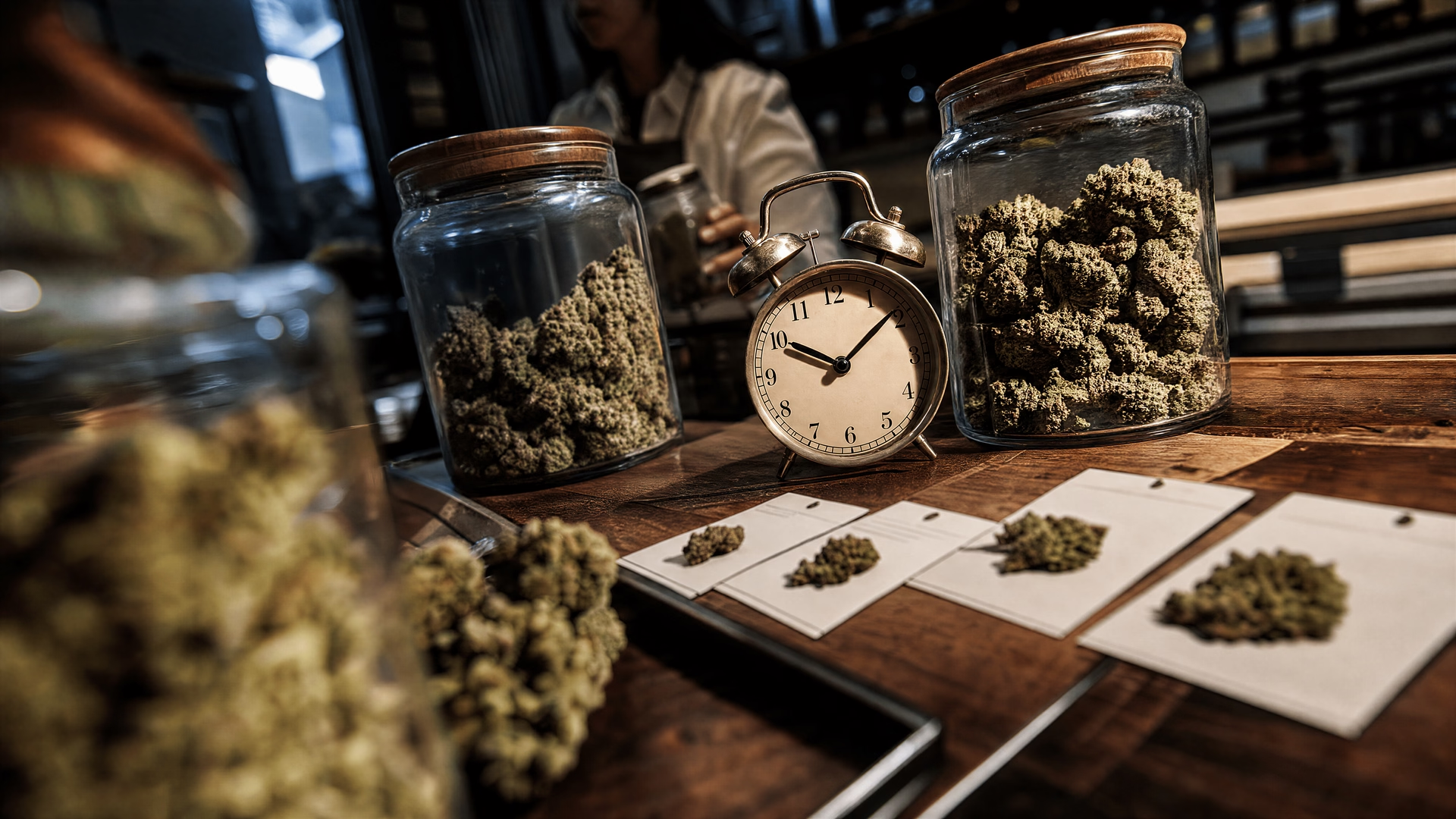













CBDA is the native cannabinoid in fresh cannabis, not an afterthought
The basic correction is simple, and many summaries still miss it: in fresh or minimally processed CBD-dominant cannabis, the main cannabinoid is CBDA, not CBD. The plant makes the acidic form first. CBD usually appears later, after heat, drying, storage, or time remove a carboxyl group from CBDA through decarboxylation. That difference is not trivial. It changes what a fresh flower actually contains, what a lab should measure, what a preparation method preserves or destroys, and what pharmacology can reasonably be inferred from the material.
CBDA has distinct biological activity and should not be treated as an inert precursor to CBD. Limited evidence
CBDA also should not be treated as a biologically empty “pre-CBD” placeholder. Work by Bolognini et al. (2013) and reviewed by Pertwee (2014) showed that CBDA can be more potent than CBD at one target of real interest, the 5-HT1A serotonin receptor. Rock, Limebeer, and Parker (2013) then reported antiemetic effects in animal models at doses lower than CBD. So the chemistry correction matters because the biology may differ as well.
How fresh CBD-type cannabis becomes CBDA-rich
- 1 The plant forms CBGA from olivetolic acid and geranyl pyrophosphate in glandular trichomes.
- 2 CBDA synthase converts CBGA into CBDA in CBD-dominant chemotypes.
- 3 Fresh material therefore contains mostly acidic cannabinoids rather than neutral CBD.
- 4 Drying, storage, and heating then decarboxylate part of the CBDA into CBD.
Why most CBD-type plants are rich in CBDA before any heating
In the living plant, cannabinoid biosynthesis is organized around acidic intermediates. Glandular trichomes produce CBGA from olivetolic acid and geranyl pyrophosphate, and then specific oxidocyclase enzymes convert CBGA into the major acidic cannabinoids. In CBD-dominant chemotypes, that key enzyme is CBDA synthase. Taura et al. first identified and characterized CBDA synthase in the 1990s and 2000s, showing that the enzyme converts CBGA into CBDA rather than directly generating CBD (Taura et al., 1996; Taura et al., 2007).
That biosynthetic logic explains why fresh plant material is acid-heavy. The plant is not sitting there filled with ready-made CBD waiting to be extracted. It is storing cannabinoids largely in their carboxylated forms in trichomes. Reviews of cannabinoid biosynthesis make the same point: acidic cannabinoids predominate in fresh material before decarboxylation (for example, recent biosynthesis reviews in 2020).
CBD becomes common in the supply chain because people rarely encounter cannabis in a truly fresh, unheated state. Harvesting starts the clock. Drying can decarboxylate a portion of CBDA. Storage continues the conversion. Heating during extraction, infusion, baking, vaporization, or smoking accelerates it sharply. Even light and oxygen can push acidic cannabinoids toward degradation products over time. Wang et al. (2016) documented how cannabinoids change under thermal and storage conditions, and CBDA is part of that instability problem.
This has practical consequences. If the goal is CBDA exposure, room-temperature handling is a poor strategy. Cold, darkness, minimal oxygen exposure, and fast consumption or freezing are much more defensible than leaving raw plant material on a counter or in a warm blender jar.
| Claim | What the article says instead | Why it matters |
|---|---|---|
| Raw cannabis is full of CBD | Raw cannabis preserves more CBDA, not more CBD | Fresh material is acid-dominant before decarboxylation |
| Heating is optional for CBD presence | Heat is what turns a substantial share of CBDA into CBD | Preparation method changes the cannabinoid profile |
| CBDA is just CBD by another name | CBDA and CBD do not behave identically | Human CBD evidence should not be transferred automatically to CBDA |
The popular claim that “raw cannabis is full of CBD” gets the chemistry backward
The popular raw-cannabis line often sounds appealing: skip heating and you get “all the CBD” straight from the plant. Chemically, that is backwards. Skip heating and you preserve more CBDA. Heat is what turns a substantial share of that CBDA into CBD.
A better statement is this: raw cannabis, especially CBD-dominant material, delivers mostly acidic cannabinoids, with CBDA often leading the profile. That may still be interesting. It is just not the same thing as consuming CBD. If someone cites human CBD evidence to support claims about fresh juice or uncured flower, they are making a leap the data do not justify.[1] EPIDIOLEX (cannabidiol) oral solution prescribing information. U.S. Food and Drug Administration. FDA, 2024.
That leap matters because CBDA and CBD do not behave identically. Bolognini et al. (2013) found CBDA far more potent than CBD in enhancing 5-HT1A receptor activation in vitro. Pertwee’s 2014 pharmacology review highlighted this as a notable case where the acidic precursor may outperform the neutral cannabinoid for a specific target. Rock et al. (2013) then showed that CBDA suppressed acute nausea and anticipatory nausea in animal models, with 5-HT1A involvement and effective doses lower than those of CBD. On the other hand, broader wellness claims for raw cannabis remain ahead of the human evidence. There is no approved native-CBDA medicine comparable to the FDA-approved CBD drug Epidiolex, which is supplied as a 100 mg/mL oral solution and dosed up to 20 mg/kg/day for indicated conditions (FDA, 2024).
Raw-cannabis juicing is therefore biochemically plausible if the aim is CBDA intake, but the evidence base is still narrow. It should not be sold as interchangeable with CBD therapy.
Total CBD A calculated value estimating how much CBD would be present after complete decarboxylation of CBD-form cannabinoids. It does not mean the sample already contains that amount of CBD in native form.
How acidic cannabinoids fit into the broader phytocannabinoid profile
CBDA sits within a larger pattern. Fresh cannabis does not just contain “THC and CBD” waiting to be unlocked. It contains a family of acidic cannabinoids such as THCA, CBDA, CBCA, and smaller amounts of others, shaped by genetics, enzyme expression, harvest timing, and post-harvest handling. In many flowers, the acidic profile is the native profile.
That broader context matters for both lab interpretation and legal classification. A lab report that separates neutral from acidic cannabinoids gives a truer picture of fresh material than one focusing only on CBD. “Total CBD” calculations usually estimate how much CBD would be present after complete decarboxylation, but that is not the same as saying the sample already contains that amount of CBD. For raw preparations, the distinction is essential.
Selective COX-2 inhibition by CBDA is a mechanistic lead, not proof of clinical anti-inflammatory benefit in humans. Preliminary evidence
It also matters pharmacologically. Ahn et al. (2008) reported selective COX-2 inhibition by CBDA in a cell-free assay, which is interesting but often overstated. Enzyme inhibition in vitro does not prove clinical anti-inflammatory benefit in humans. The same caution applies to oral exposure claims. Some recent formulation work suggests CBDA, and especially stabilized derivatives, may have favorable oral pharmacokinetic properties relative to CBD, though the independent human dataset is still limited (Huemer et al., 2022). That is one reason derivatives such as the CBDA methyl ester program, including EPM301, have attracted clinical-development interest: native CBDA is promising, but also chemically fragile.
So CBDA is not an afterthought. It is the plant’s native cannabinoid form in CBD-type fresh cannabis, a distinct molecule with its own enzyme biology, instability profile, and early pharmacology. The raw-cannabis narrative gets one part right: unheated material preserves acidic cannabinoids. It gets the next part wrong when it assumes those compounds are just CBD by another name.
How the plant makes CBDA
Fresh cannabis flower does not start out rich in CBD. It starts out rich in cannabinoid acids, and in CBD-dominant plants that acid is usually CBDA. That distinction matters because the plant’s biosynthetic machinery makes CBDA directly in glandular trichomes; CBD appears later, mostly when CBDA loses carbon dioxide during drying, storage, or heating. Reviews of cannabinoid biosynthesis consistently describe acidic cannabinoids as the predominant natural forms in fresh plant material before decarboxylation (Gülck & Møller, 2020).
At the biochemical level, CBDA is not an accidental intermediate. It is the intended end product of a specific branch of cannabinoid biosynthesis. The path runs from basic metabolic building blocks to the branch-point cannabinoid CBGA, then through CBDA synthase, an oxidocyclase identified and characterized by Futoshi Taura and colleagues as the enzyme responsible for producing CBDA in CBD-type chemotypes (Taura et al., 1996; Taura et al., 2007). Once that framework is clear, a lot of popular confusion falls away. “Strain identity” is not magic. Chemotype is largely enzyme genetics, expression, and substrate flow.
CBDA biosynthesis, step by step
- Step 1 Hexanoyl-CoA enters a polyketide pathway that produces olivetolic acid.
- Step 2 The plastidial MEP pathway supplies geranyl pyrophosphate (GPP).
- Step 3 A prenyltransferase couples olivetolic acid and GPP to form CBGA.
- Step 4 CBDA synthase converts CBGA into CBDA in CBD-type plants.

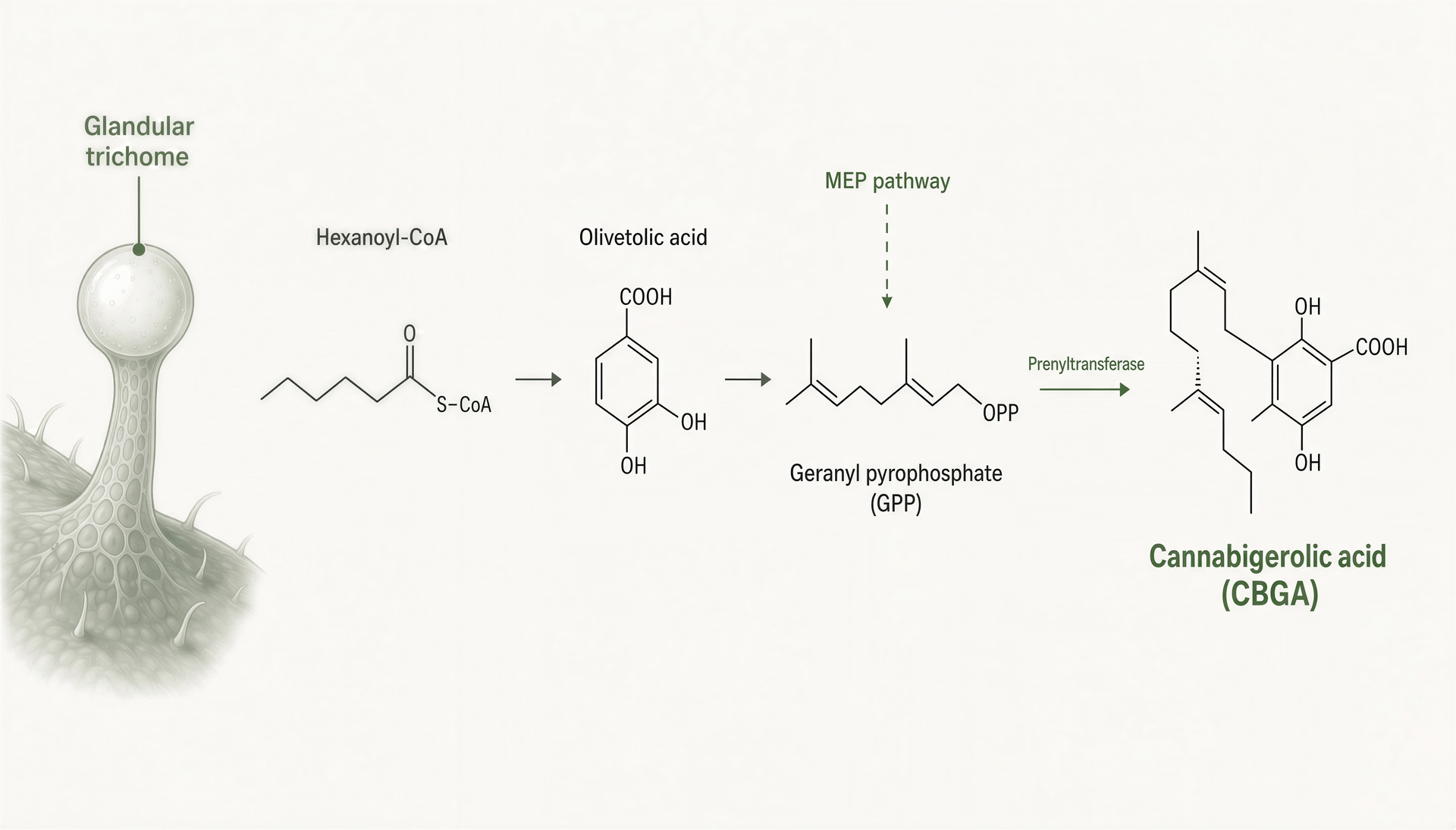
From olivetolic acid and geranyl pyrophosphate to CBGA
Cannabinoid biosynthesis is concentrated in glandular trichomes, especially the capitate-stalked trichomes that cover female inflorescences. These secretory structures are miniature chemical factories. Inside them, the plant assembles cannabinoids from two major metabolic streams: a polyketide-derived aromatic component and a terpenoid-derived prenyl unit.
Glandular trichomes Secretory structures on cannabis flowers that make and store cannabinoids and other resin compounds.
The aromatic side begins with hexanoyl-CoA, which enters a polyketide pathway that produces olivetolic acid. Work by Shoyama, Morimoto, and later biosynthesis groups helped establish this framework, and later enzymology clarified the role of olivetolic acid cyclase in shaping the cannabinoid precursor scaffold. On the terpene side, the plastidial MEP pathway supplies geranyl pyrophosphate, often abbreviated GPP. GPP is a common isoprenoid building block used across plant metabolism, but in cannabis trichomes one of its key jobs is feeding cannabinoid synthesis.
Those two pieces are joined by a prenyltransferase. In older literature this enzyme activity was often described as a geranylpyrophosphate:olivetolate geranyltransferase; newer gene-level work names aromatic prenyltransferases such as CsPT1 and CsPT4 as contributors to CBGA formation, with CsPT4 often highlighted as especially important for cannabinoid biosynthesis in flowers. The reaction couples olivetolic acid and GPP to form cannabigerolic acid, CBGA. This is the branch-point precursor for the major acidic cannabinoids: THCA, CBDA, and CBCA.
CBGA is where the pathway becomes decisive. If a plant accumulates high CBDA, that does not mean it bypassed CBGA. It means CBGA was preferentially funneled into the CBDA branch. In that sense, CBGA is the metabolic crossroads of the major phytocannabinoids. Its abundance, and the enzymes competing for it, set the downstream profile.
This is also the right place to correct a common oversimplification. Raw cannabis does not “contain CBD that heating activates.” Fresh CBD-type cannabis contains mostly CBDA because the plant biosynthesizes the acidic cannabinoid directly. CBD is formed mainly afterward by decarboxylation, a non-enzymatic process accelerated by heat but also occurring slowly over time. The chemistry is simple enough; the implications are not. If the goal is CBDA intake, post-harvest handling becomes part of the dose.
CBDA synthase: the oxidocyclase that defines CBD-type chemotypes
The enzyme that converts CBGA into CBDA is CBDA synthase, sometimes abbreviated CBDAS. Taura and colleagues first purified and characterized CBDA synthase from cannabis in the 1990s, showing that it catalyzes the oxidative cyclization of CBGA to CBDA (Taura et al., 1996). Later work from the same research line further clarified the enzyme and its gene sequence, strengthening the case that CBD-dominant plants are defined in large part by expression of a functional CBDA synthase rather than by vague folk categories (Taura et al., 2007).
Oxidocyclase An enzyme that reshapes a molecule through an oxidation-linked ring-forming reaction. In cannabis, oxidocyclases convert CBGA into acidic cannabinoids such as CBDA, THCA, and CBCA.
CBDA synthase belongs to the cannabinoid oxidocyclase family. It does not simply “add” a group to CBGA; it reshapes the molecule through an oxidative cyclization that gives CBDA its characteristic structure. Closely related enzymes perform analogous chemistry to make THCA and CBCA from the same precursor. Small differences in enzyme structure lead to major differences in product profile.
This is why chemotype language is more useful than marketing labels. A CBD-type plant is one in which the biosynthetic system, through inheritance and expression, strongly favors CBDA production. A THC-type plant favors THCA production. Intermediate chemotypes may produce both in substantial amounts because they carry and express functional versions of multiple synthase genes or because expression is partial, uneven, or developmentally regulated. Environmental factors can influence total cannabinoid output, but the CBDA-versus-THCA split is fundamentally genetic and enzymatic.
The old “single locus” model of cannabis chemotype, while useful historically, turned out to be too tidy. Modern genomic work suggests a more complex region with linked synthase genes, copy-number variation, pseudogenes, and structural rearrangements. Still, the broad practical point holds. Breeding changes cannabinoid profiles by changing which synthase genes are present, intact, and expressed. It changes how much CBGA is available and where that CBGA goes.
That has downstream consequences for interpreting pharmacology. CBDA is not just “unheated CBD.” Bolognini et al. (2013) reported that CBDA was markedly more potent than CBD at enhancing 5-HT1A receptor activation in vitro, and Pertwee’s 2014 pharmacology review highlighted this as one of the more interesting cases where an acidic precursor may show stronger activity than its neutral counterpart at a specific target. None of that changes the plant biochemistry, but it does reinforce why biosynthesis matters. If fresh flower contains mainly CBDA, not CBD, then raw preparations expose people to a different cannabinoid profile from heated products.
| Enzyme | Shared precursor | Main acidic product | Profile implied in the article |
|---|---|---|---|
| CBDA synthase | CBGA | CBDA | CBD-type chemotypes favor this branch |
| THCA synthase | CBGA | THCA | THC-type chemotypes favor this branch |
| CBCA synthase | CBGA | CBCA | Often a minor branch in commercial breeding lines |
Competition among CBDA synthase, THCA synthase, and CBCA synthase
Once CBGA is formed, it sits at the center of a biochemical contest. CBDA synthase, THCA synthase, and CBCA synthase all draw from the same precursor pool. The relative activity of those oxidocyclases determines whether a plant’s trichomes accumulate mostly CBDA, mostly THCA, some mixture of both, or notable amounts of CBCA.
THCA synthase was characterized earlier than CBDA synthase and is the dominant branch enzyme in THC-type chemotypes. CBCA synthase is usually less discussed because CBCA is often a minor product in commercial breeding lines, but biochemically it belongs in the same competitive framework. These enzymes are not working in isolation. They are competing in space and time for finite CBGA generated in secretory cells.
That competition is one reason breeding can shift chemotype so dramatically. If a breeding program selects for functional CBDAS alleles and against functional THCAS alleles, more CBGA tends to flow into CBDA. If the reverse happens, THCA dominates. Mixed chemotypes can result when both pathways remain active. The practical phenotype is the outcome of precursor supply, enzyme abundance, enzyme kinetics, and developmental timing.
This framing is stronger than the romantic idea that each named cultivar has a fixed, almost mystical identity. It does not. A cultivar’s cannabinoid profile is an inherited biochemical program shaped by synthase genes and by selection. Breeders are, in effect, redirecting carbon flux. They are not summoning entirely new chemistry.
There is also a post-harvest catch. Even if a plant makes abundant CBDA, that profile is fragile. Acidic cannabinoids decarboxylate and oxidize during storage, especially under heat and light exposure. Wang et al. (2016) documented the thermal and oxidative instability of cannabinoids in analytical settings, and that instability applies directly to any attempt to preserve the native trichome profile. So when people describe raw cannabis as a source of CBD, the statement is backwards. Raw CBD-type cannabis is a source of CBDA. Whether it stays that way depends on handling.
That point becomes even more important because CBDA has its own evidence base, though still early. Rock, Limebeer, and Parker (2013) found that CBDA suppressed acute and anticipatory nausea in animal models at doses lower than CBD, with 5-HT1A signaling implicated. Ahn et al. (2008) reported selective COX-2 inhibition by CBDA in a cell-free assay, though that finding should not be inflated into proven clinical anti-inflammatory efficacy. Biosynthesis tells you what is in the fresh plant. It does not tell you what has been proven in humans.
Still, the plant’s chemistry is clear. In glandular trichomes, cannabis builds olivetolic acid and GPP, joins them into CBGA, and then routes that precursor through competing oxidocyclases. In CBD-type plants, CBDA synthase wins enough of that contest for CBDA to become the dominant fresh cannabinoid. CBD usually comes later.
Decarboxylation: how CBDA becomes CBD
Fresh cannabis in a CBD-dominant chemotype is rich in CBDA, not CBD. That point matters because the plant makes CBDA enzymatically in the trichome, then CBD appears later when CBDA loses a carboxyl group during drying, storage, or heating. Taura, Sirikantaramas, Shoyama, Yoshikai, Shoyama, and Morimoto characterized CBDA synthase as the oxidocyclase that converts cannabigerolic acid (CBGA) to CBDA in Cannabis sativa chemotypes that express the CBD pathway (Taura et al., 1996; Taura et al., 2007). Popular summaries often flatten this into “CBD before heat.” Chemically, that is true. Biologically, it misses the point: CBDA is the native product of the plant, and CBD is largely the result of post-harvest change.
Decarboxylation terms
- Decarboxylation
- Removal of a carboxyl group from an acidic cannabinoid, released as carbon dioxide.
- CBDA
- The acidic cannabinoid formed natively in fresh CBD-type cannabis.
- CBD
- The neutral cannabinoid formed mainly after CBDA loses CO2 during drying, storage, or heating.

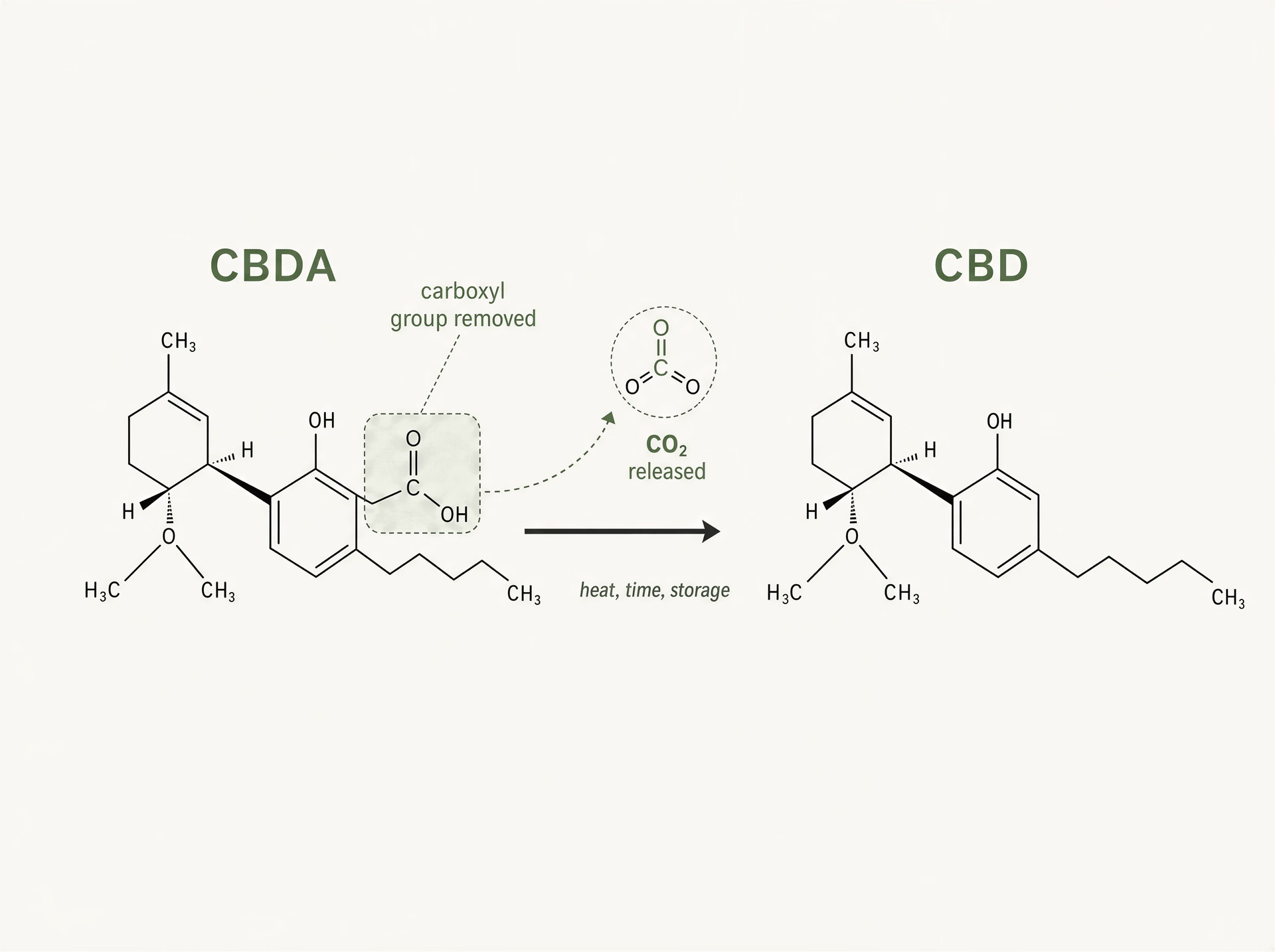
What decarboxylation actually means at the molecular level
Decarboxylation is the removal of a carboxyl group from an acidic cannabinoid, released as carbon dioxide. In CBDA, that extra acidic group makes the molecule heavier and more polar than CBD. When enough energy is supplied—usually heat, sometimes just time—that carboxyl group is cleaved off as CO2, leaving the neutral cannabinoid CBD.
Written simply, the reaction is:
CBDA → CBD + CO2
That small change has outsized consequences. It changes molecular weight, shifts polarity, alters chemical stability, and can reshape pharmacology. CBDA and CBD are close structural relatives, but they are not interchangeable. Bolognini et al. (2013) reported that CBDA showed much greater potency than CBD in enhancing 5-HT1A receptor activation in vitro, and Pertwee’s 2014 pharmacology review highlighted this as a notable case where the acidic precursor may be stronger at a specific target than the decarboxylated cannabinoid. So when CBDA turns into CBD, the question is not only “how much active cannabinoid remains?” It is also “which cannabinoid is now present?”
The reaction is also not a perfectly tidy switch. Decarboxylation competes with other chemical processes, including oxidation and thermal degradation. If conditions are too aggressive, some of the original CBDA does become CBD, but some material also moves into less desirable byproducts. That is why laboratory profiles can show a sliding mixture rather than a clean before-and-after transition. Wang et al. (2016) and related stability studies showed that cannabinoids are sensitive to heat, light, oxygen, and time; acidic cannabinoids do not simply wait unchanged until someone decides to heat them.
This is the correction raw-cannabis marketing often needs. “Raw cannabis gives you all the benefits of CBD without heating” is not an accurate statement. Raw cannabis delivers mostly acidic cannabinoids, especially CBDA in CBD-type material, and those compounds have their own receptor profile, evidence base, and instability problems.
| Route or process | What the article says happens to CBDA | Practical implication |
|---|---|---|
| Smoking | Decarboxylation occurs almost instantly in an extreme, uneven thermal environment | Poor option for preserving native CBDA |
| Vaporization | Rapid conversion depends on temperature, residence time, and moisture | Some CBDA may remain, but conversion is still substantial |
| Baking or oven activation | A substantial share of CBDA can convert to CBD | Often used when the goal is CBD-rich edibles |
| Warm extraction or evaporation | Processing heat can reduce acidic cannabinoids faster than expected | Finished-product testing matters more than assumptions from starting flower |
Heat-driven conversion during smoking, vaporization, baking, and extraction
Heat accelerates decarboxylation dramatically. Smoking does it almost instantly. Vaporization does it rapidly as well, though the exact conversion efficiency depends on temperature, residence time, moisture, and how evenly the material heats. Baking and oven “activation” can convert a substantial share of CBDA to CBD, which is why edible preparation often begins with a deliberate heating step. Solvent extraction can do the same if the process includes warm temperatures, prolonged evaporation, or post-extraction heating.
Still, heat does not act like a precision instrument. In real-world use, conversion is incomplete and uneven. Some parts of the plant matrix heat faster than others. Some CBDA remains unconverted. Some newly formed CBD degrades if temperatures climb too high or remain elevated for too long. This is especially obvious in smoking, where the thermal environment is extreme and heterogeneous. A portion of cannabinoids vaporizes, another portion pyrolyzes, and another portion never reaches the user at all.
That matters for labels and expectations. A product made from minimally heated extract may begin life with a high CBDA fraction and modest CBD fraction, then shift after later processing steps. A baked formulation may show less CBDA and more CBD than the starting material suggested. An extract concentrated under heat may lose acidic cannabinoids faster than expected. There is no single “decarboxylation point” that guarantees a fixed outcome.
Overheating also produces degradation beyond CBD formation. The chemistry gets messy. Oxidative reactions can reduce potency and generate compounds not present in the fresh plant in meaningful amounts. This is one reason analytical testing should be tied to the finished preparation, not inferred from the flower before processing. If the goal is CBD, controlled heating is sensible. If the goal is CBDA, heat is the enemy.
Slow conversion during drying, curing, and storage
Decarboxylation does not require a flame, a vaporizer, or an oven. Given enough time, CBDA slowly converts during drying, curing, and storage. This is why fresh cannabis can test very differently from the same material a few weeks or months later. The process is slower at lower temperatures, but it does not stop. Light, especially UV exposure, and oxygen push the chemistry further along and can also promote breakdown beyond simple CBDA-to-CBD conversion (Wang et al., 2016).
Drying starts the drift. Harvested plant material is no longer part of a living metabolic system, and the acidic cannabinoids begin to face a changing environment: less water, more oxygen exposure, temperature fluctuation, and physical disruption of trichomes. Curing extends that timeline. Storage extends it again. As a result, labels can shift over time even when no obvious heating step was used. A product that was analytically “high-CBDA” near harvest may carry a meaningfully different cannabinoid profile later in its shelf life.
This is one reason raw-cannabis juicing claims need restraint. The idea is biochemically plausible if the aim is to consume CBDA rather than CBD. Fresh plant material from a CBD-dominant chemotype will indeed contain mostly CBDA, because biosynthesis flows from olivetolic acid and geranyl pyrophosphate to CBGA, then through CBDA synthase to CBDA (Taura et al., 1996; Taura et al., 2007). But the delivered dose is highly sensitive to handling. Harvest timing matters. Blending temperature matters. Time between cutting and consumption matters. So do light exposure, oxygen exposure, and storage temperature. A room-temperature “raw” preparation can already be moving away from its starting profile before it is consumed.
Practical preservation is straightforward in theory and demanding in practice: minimize heat, light, oxygen, and time. Rapid chilling or freezing of fresh material is more defensible than leaving it at room temperature. Gentle handling helps. So does opaque storage and prompt use after preparation. Even then, native CBDA is unstable enough that long storage works against the goal.
The broader lesson is simple. Decarboxylation is not just a technicality. It is the chemical hinge between two distinct cannabinoids. When CBDA becomes CBD, the molecule changes, the pharmacology can change, and the preparation no longer represents what was present in the live plant.
Why fresh and unheated cannabis is high in CBDA rather than CBD
The shortest accurate answer is biochemical: the living cannabis plant makes acidic cannabinoids. In a CBD-dominant chemotype, that means CBDA is the native end product in fresh trichomes, while CBD appears later as CBDA loses carbon dioxide through decarboxylation during drying, storage, or heating. Popular summaries often invert that relationship and treat CBDA as unfinished CBD. That is backwards. Fresh flower is not naturally rich in CBD because someone “forgot to activate it”; it is rich in CBDA because that is what the plant’s enzyme system actually produces.
Taura, Morimoto, and Shoyama’s work clarified this pathway. In glandular trichomes, cannabinoid biosynthesis proceeds from olivetolic acid and geranyl pyrophosphate to cannabigerolic acid (CBGA), then in CBD-type plants CBDA synthase converts CBGA to CBDA (Taura et al., 1996; Taura et al., 2007). Reviews of cannabinoid biosynthesis have repeated the same core point: in fresh plant material, acidic forms predominate before post-harvest decarboxylation changes the profile (Gülck and Møller, 2020).
That distinction matters in practice. It also matters in pharmacology. CBDA is not just “CBD before heating.” Bolognini et al. (2013) found that CBDA enhanced 5-HT1A receptor activation in vitro at much lower concentrations than CBD, and Pertwee (2014) highlighted this as one of the clearer examples where an acidic cannabinoid may be more active than its neutral counterpart at a specific target. Rock, Limebeer, and Parker (2013) then showed antiemetic effects in animal models at doses far lower than CBD. So when a fresh preparation preserves CBDA, it is not preserving a blank precursor. It is preserving a distinct molecule.
Decarboxylation pathway The post-harvest chemical shift in which acidic cannabinoids such as CBDA lose carbon dioxide and become their neutral counterparts, such as CBD.
Living plant chemistry versus post-harvest chemistry
Inside the living plant, cannabinoid production is enzyme-driven and acid-centered. CBDA synthase does not make CBD. It makes CBDA from CBGA in the secretory tissues of trichomes (Taura et al., 2007). That is why analyses of fresh, unheated cannabis usually show high levels of acidic cannabinoids such as CBDA and THCA, not high levels of CBD and THC.
Once the plant is cut, the chemistry starts drifting. Enzymes are no longer operating in the same regulated cellular context, and non-enzymatic reactions begin to dominate. The main one people care about here is decarboxylation: CBDA → CBD + CO₂. Heat speeds this up dramatically, but time alone can do it. So can light exposure. So can warm storage. Wang et al. (2016) showed that cannabinoids are chemically labile during storage and processing; acidic cannabinoids do not just sit still waiting for measurement.
This is the practical translation of “decarboxylation pathway.” A just-cut CBD-type flower can be CBDA-rich at harvest, then become less CBDA-rich by the time it is dried, transported, stored, sampled, and tested. If conditions are poor, oxidation products and other degradation byproducts may also appear. The result is simple but often missed: post-harvest handling partly writes the cannabinoid profile that consumers later see on paper.
Fresh does not mean stable
“Raw” sounds chemically intact. Often it is not. CBDA is more fragile than many consumers assume, especially when fresh material sits at room temperature, in sun, or in a warm vehicle. Even without deliberate heating, acidic cannabinoids can shift over hours or days. Mechanical processing also matters because damaged tissue exposes compounds to oxygen and can locally raise temperature.
That instability is one reason raw-cannabis wellness claims need restraint. The biochemistry behind CBDA intake is plausible, especially for juicing fresh material, but the delivered dose can vary sharply depending on how quickly the material was cooled, how much light it saw, and how long it sat before consumption. Human clinical evidence for broad “raw cannabis” claims remains thin even though preclinical signals for CBDA are real.
| Handling stage | How the article says it affects CBDA | Better choice if preservation is the goal |
|---|---|---|
| Harvest delay | Every minute after cutting invites change | Move quickly into cold storage |
| Trimming | Friction, pressure, and oxygen exposure disturb trichomes | Use gentle handling |
| Blending | Motor heat and air exposure can lower CBDA retention | Blend cold and briefly |
| Juicing hold time | Delay after preparation allows further drift | Consume promptly |
What harvesting, trimming, blending, and juicing do to cannabinoid ratios
Harvest is the first fork in the road. Freshly cut material starts with a profile dominated by acidic cannabinoids, but every minute afterward invites change. Leaving branches in the sun, hanging them in a warm room, or piling wet biomass where plant respiration and moisture raise local temperature can all reduce the fraction of CBDA relative to CBD over time. Fast chilling is more defensible than slow room-temperature handling if preserving CBDA is the goal.
Trimming adds friction, pressure, and surface exposure. Hand trimming is gentler than aggressive machine action, but either way trichomes are being disturbed. That does not instantly convert all CBDA to CBD, yet the combination of broken resin glands, increased oxygen contact, and heat from processing nudges the chemistry away from the just-harvested state.
Blending and juicing are often presented as if they simply transfer fresh chemistry into a glass. Not quite. Blender motors generate heat. Shearing forces rupture tissues. Foam increases air exposure. If the material was harvested hours earlier and sat unrefrigerated, some decarboxylation may already have occurred before blending begins. pH, dilution, and time-to-drink then affect what remains. A “raw cannabis juice” can indeed be CBDA-rich, but that is only likely if the chain from harvest to cup is cold, quick, and shaded.
Handling choices that preserve more CBDA
The rule set is old chemistry, not cannabis mystique: less heat, less light, less oxygen, less time. Sunlight and UV accelerate degradation. Room temperature is worse than refrigeration. Refrigeration is worse than freezing for longer storage. Repeated thawing and reprocessing are bad bets. For fresh preparations, small batches consumed soon after cold processing make more sense than letting blended material sit around.
That does not guarantee a known dose. It only improves the odds that the starting CBDA remains closer to its harvested state.
Why laboratory certificates can mislead if the sample warmed up before testing
A certificate of analysis looks definitive. Sometimes it is merely a snapshot taken after the chemistry has already shifted. If the sample warmed during transport, sat under bright light, dried unevenly, or waited too long before extraction, the reported CBD:CBDA ratio may reflect pre-analytical decay as much as field biology.
This is especially important for “raw” products. A lab may honestly report measurable CBD in a sample that began mostly as CBDA, because some CBDA decarboxylated before the instrument ever saw it. Unless sampling, storage, and transport were tightly controlled, the certificate can overstate how much neutral cannabinoid was present in the fresh starting material.
The better reading of lab data is cautious. High CBDA in a chilled, promptly tested fresh sample supports the expected biology. Unexpectedly high CBD in supposedly raw material may signal warming, age, light exposure, or rough handling rather than a plant that naturally accumulated CBD in vivo. That is the central correction: fresh cannabis in CBD-dominant varieties is CBDA-forward by design, and CBD rises mainly after harvest when chemistry, not plant biosynthesis, takes over.
CBDA pharmacology is not just 'weaker CBD'
Treating CBDA as nothing more than “CBD before heat” misses the chemistry and muddles the pharmacology. CBDA and CBD are closely related, yes. One loses a carboxyl group and becomes the other. But that single structural change alters polarity, ionization behavior, membrane transit, receptor interactions, and probably tissue distribution. Those are not side issues. They are the reason CBDA deserves separate pharmacological treatment.
That distinction starts in the plant. In CBD-dominant chemotypes, the trichome biosynthetic pathway runs from CBGA to CBDA through CBDA synthase, not to CBD directly. Taura, Morimoto, Shoyama and colleagues identified and characterized CBDA synthase in the 1990s and 2000s, showing that fresh cannabis is largely rich in acidic cannabinoids, with CBD arising later through decarboxylation during drying, storage, or heating (Taura et al., 1996; Taura et al., 2007). So the common shorthand that raw cannabis is “full of CBD” is simply wrong. Raw cannabis in a CBD-type variety is mainly a CBDA delivery system.
Structural similarity, different behavior: what the carboxyl group changes
The carboxyl group is small on paper and large in consequence. CBDA carries an extra -COOH group that CBD does not. That makes CBDA more polar and more acid-sensitive, and it changes how much of the molecule exists in ionized form at physiological pH. Ionized molecules usually cross lipid membranes less easily than neutral ones. That alone makes it hard to assume that CBDA will distribute through the body like CBD.
This matters because cannabinoid pharmacology is not just about whether a molecule can bind somewhere in a dish. It is also about whether the molecule reaches that target in living tissue, in what form, and at what concentration. CBD is highly lipophilic and diffuses into membranes readily. CBDA is less straightforward. The acidic group can reduce passive permeability across lipid barriers, which may affect gut absorption, blood-brain barrier penetration, and intracellular access. That does not mean CBDA is inactive or necessarily poorly absorbed. It means one should stop treating dose equivalence and tissue exposure as interchangeable with CBD.
The same carboxyl group also changes target recognition. Receptors and enzymes do not “see” only the shared cannabinoid skeleton. They respond to charge distribution, hydrogen-bonding capacity, steric fit, and conformational preferences. A neutral cannabinoid and its acidic precursor can therefore have different affinity, efficacy, or allosteric behavior at the same target. CBDA’s profile supports exactly that view.
Instability is part of the pharmacology too, because an unstable molecule is hard to dose consistently. Acidic cannabinoids decarboxylate and oxidize during handling. Wang et al. (2016) and related stability studies showed that heat, light, and storage time can drive conversion of acidic cannabinoids to neutral cannabinoids and other degradants. For CBDA, that means a sample can drift pharmacologically before it ever reaches a receptor. A room-temperature “raw” preparation left exposed to light is not a fixed substance. It is a moving target.
That instability helps explain why raw-cannabis claims are often overconfident. The basic biochemistry is plausible: if fresh material is processed cold and consumed quickly, CBDA intake should be higher than in heated products. But the actual delivered dose depends on harvest stage, cultivar, storage, blending temperature, oxygen exposure, pH, and elapsed time. “Raw cannabis gives you all the benefits of CBD without heating” is not a defensible summary. Raw cannabis delivers mostly acidic cannabinoids, especially CBDA in CBD chemotypes, and those compounds behave differently.
CBDA appears more potent than CBD in 5-HT1A-related in vitro signaling and in animal antiemetic models, but direct human receptor-occupancy evidence is not established. Limited evidence

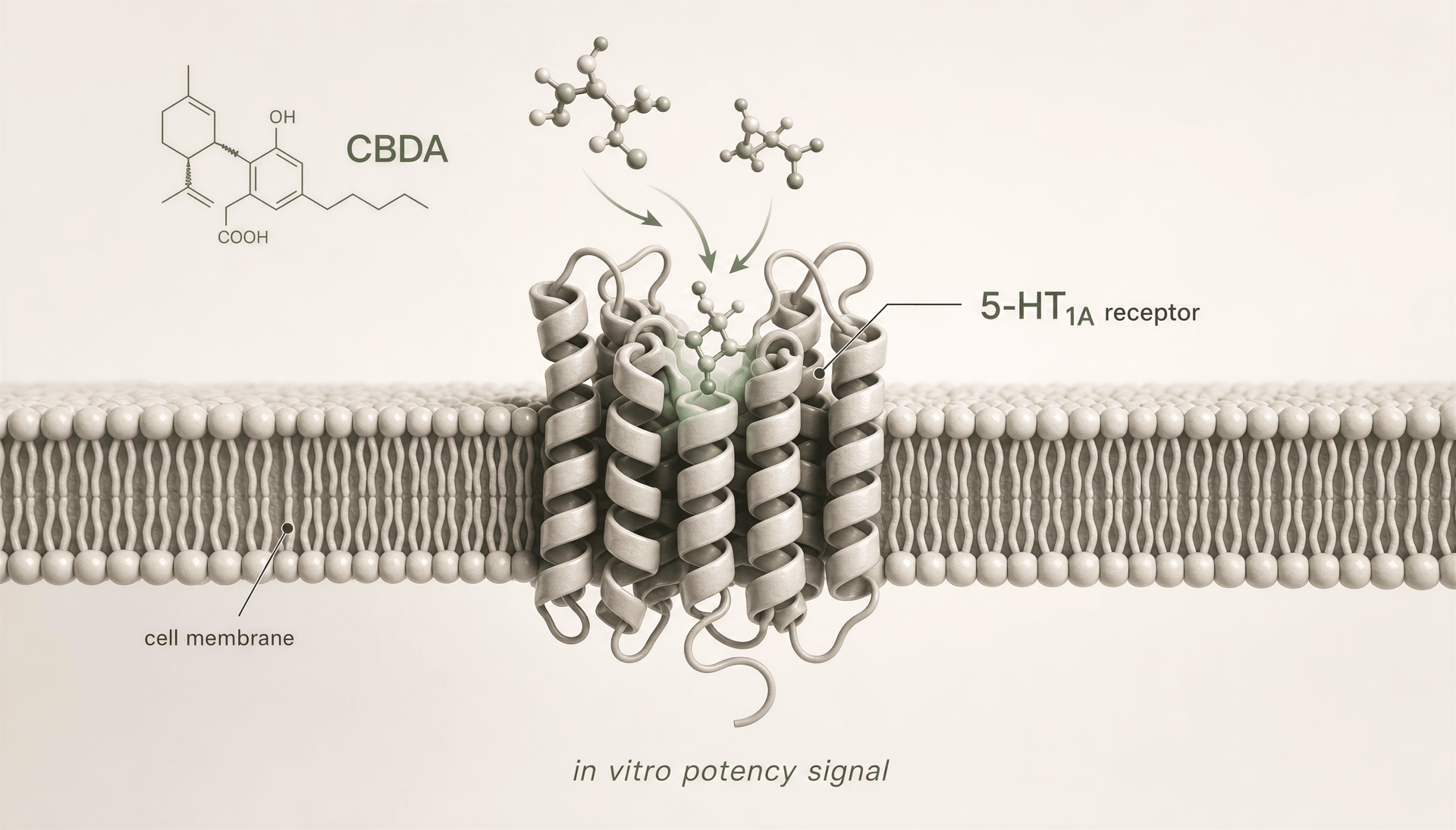
5-HT1A receptor pharmacology and why Pertwee and Bolognini matter
5-HT1A receptor A serotonin receptor involved in signaling relevant to nausea, emesis, anxiety-related pathways, and thermoregulation. The article identifies it as the clearest mechanistic lead for CBDA.
The strongest case for CBDA as a distinct cannabinoid pharmacology story comes from serotonin signaling, especially 5-HT1A-related effects. Bolognini et al. (2013) reported that CBDA was markedly more potent than CBD in enhancing activation of the human 5-HT1A receptor in vitro. This was not a trivial shift. It suggested that the acidic precursor could outperform the better-known neutral cannabinoid at a target linked to nausea, emesis, anxiety-related signaling, and thermoregulation.
That finding mattered because it gave mechanistic support to animal work that otherwise might have looked surprising. Rock, Limebeer, and Parker (2013) showed that CBDA suppressed acute nausea and anticipatory nausea in animal models at doses far lower than CBD, with the effects linked to 5-HT1A signaling. Those studies used established emesis-related paradigms in shrews and nausea-conditioned gaping models in rats, which are standard translational tools in cannabinoid antiemetic research. The result was not that CBDA is globally “stronger” than CBD. It was more specific, and more interesting: at least for nausea-relevant 5-HT1A modulation, CBDA looked unusually potent.
Roger Pertwee’s 2014 review highlighted this point for exactly that reason. In the cannabinoid field, many acidic precursors are discussed mainly as inactive storage forms waiting to become the “real” cannabinoids after decarboxylation. Pertwee argued that CBDA was one of the clearer counterexamples, where the acidic form itself may be the more active entity for a particular pharmacological effect (Pertwee, 2014). That is a meaningful correction to the usual hierarchy.
Still, the 5-HT1A story needs careful phrasing. CBDA has not been shown in humans to occupy 5-HT1A receptors directly through imaging or receptor occupancy studies. There are no PET-style datasets for native CBDA that establish central receptor engagement at therapeutic doses. The language should therefore stay grounded: CBDA shows potent 5-HT1A-related activity in vitro and in animal antiemetic models, and that signal is stronger than many people would expect from a compound often dismissed as “pre-CBD.”
There is a second caution. 5-HT1A modulation does not automatically translate into broad psychiatric or neurological benefits. CBD itself is often credited with wide-ranging human effects on anxiety and sleep, but even there the evidence is uneven and indication-specific. For example, Shannon et al. (2019) reported reduced anxiety scores in 79.2% of patients within the first month in a retrospective CBD case series, but that kind of clinical observation cannot be transferred wholesale to CBDA. Different molecule, different exposure, different target profile. That transfer is exactly what should be resisted.
Where CBDA does not look like CBD: endocannabinoid receptors, permeability, and uncertainty
If one expects CBDA to mirror CBD across the endocannabinoid system, the evidence becomes much less convincing. CBD is pharmacologically messy in the literal sense: it interacts weakly and broadly across many targets, including TRP channels, serotonin-related mechanisms, adenosine signaling pathways, PPARγ, GPR55-related discussions, FAAH-linked hypotheses, and indirect effects on endocannabinoid tone. Some of those claims are stronger than others, but the overall pattern is one of receptor promiscuity with modest potency at many sites.
CBDA does not yet show that same broad, well-mapped promiscuity. At CB1 and CB2, neither CBD nor CBDA behaves like a classical high-affinity agonist, but the data for CBDA are thinner and more inconsistent. It is not established as a major direct endocannabinoid receptor ligand in the way consumer shorthand often implies. The pharmacological picture is narrower, less mature, and in places unresolved.
Permeability is another divergence point. Because CBDA is more polar, assumptions about central nervous system exposure should be made carefully. Some formulation and development work suggests oral exposure may be better than older dogma predicted, and newer reports have raised the possibility that CBDA or CBDA-derived analogs may show favorable pharmacokinetics under certain conditions (Huemer et al., 2022; Artelo development materials). But those claims do not erase the basic problem: native CBDA is chemically less stable than CBD, and the strongest human pharmacokinetic narratives still rely on small datasets, formulation-dependent behavior, or company-linked programs rather than large independent trials.
That is one reason the CBDA methyl ester derivative has drawn attention. Esterification can improve stability and drug-like behavior, and EPM301 has entered clinical investigation for nausea and cachexia-related indications. The derivative is scientifically relevant because it acknowledges a practical limitation of native CBDA: promising target biology does not automatically make a good drug. If medicinal chemistry is needed to stabilize and optimize exposure, that is evidence of pharmacological potential, but also evidence that native CBDA has pharmaceutical liabilities.
Ahn et al. (2008) add another example of both promise and restraint. They reported selective COX-2 inhibition by CBDA in a cell-free assay, a finding often repeated in wellness media as proof that CBDA is a powerful anti-inflammatory agent. That leap is too big. Enzyme inhibition in vitro is hypothesis-generating, not proof of clinical efficacy. Until there are controlled human studies linking achievable CBDA concentrations to anti-inflammatory outcomes, COX-2 should be treated as a mechanistic lead, not a settled therapeutic fact.
So where does that leave the comparison? CBDA is not “weaker CBD.” It is a separate phytocannabinoid with at least one pharmacological area—5-HT1A-linked antiemetic signaling—where it may be more potent than CBD. It also has less certain receptor breadth, different permeability constraints, major stability problems, and a much thinner human evidence base. Those limits matter. So does the signal. The right view is neither dismissal nor hype. CBDA should be discussed as its own compound, with its own targets, its own liabilities, and its own unanswered questions.
Antiemetic evidence: one of the strongest cases for CBDA
Among CBDA’s proposed medical uses, antiemetic activity has some of the clearest preclinical support. That does not mean the case is settled. It means something narrower and still important: compared with many other claims made for raw cannabis or acidic cannabinoids, the nausea data are anchored in a coherent pharmacology story and a focused series of animal experiments. The key papers came from the group led by Linda Parker, Erin Rock, and Keith Limebeer, who tested CBDA in validated models of nausea, vomiting, and anticipatory nausea relevant to chemotherapy settings (Rock et al., 2013).
That matters because nausea is not a trivial symptom to model. Vomiting can be counted. Nausea is harder, especially in species like rats that do not vomit. The Parker group spent years refining behavioral proxies for this problem, which is why their CBDA findings still get cited in reviews by Roger Pertwee and others as one of the more interesting examples where an acidic cannabinoid may outperform its decarboxylated counterpart for a specific target (Pertwee, 2014).
Rock, Limebeer, and Parker’s anticipatory nausea models
The central paper is Rock et al. (2013) in the British Journal of Pharmacology. It tested CBDA in two distinct settings: acute toxin-induced nausea/vomiting and anticipatory nausea. The distinction is not academic. Acute nausea occurs during or shortly after a noxious stimulus such as chemotherapy. Anticipatory nausea is a conditioned response that appears before treatment, triggered by cues linked to earlier unpleasant sessions. In oncology, anticipatory nausea is notoriously difficult to control once learned.
To model vomiting, Rock and colleagues used the house musk shrew (Suncus murinus), a species that can actually retch and vomit. CBDA reduced vomiting and toxin-induced nausea-related behaviors at low doses. To model nausea in rats, which cannot vomit, they used conditioned gaping reactions. In this paradigm, a flavor or context paired with a nausea-inducing agent later elicits characteristic gape responses that are treated as a selective index of nausea rather than mere taste avoidance. That is the Parker lab’s signature contribution to antiemetic research.
The standout result was anticipatory nausea. CBDA suppressed conditioned gaping in rats exposed to a context previously paired with lithium chloride, suggesting that it attenuated the learned nausea response that appears before the emetic challenge itself (Rock et al., 2013). This is why the paper still gets attention. Anticipatory nausea is one of the most stubborn symptoms in chemotherapy care. Standard antiemetics often help less here than they do with acute emesis. Any compound that shows selective activity in this domain earns a closer look.
The same research program extended these findings in related reports. Parker and colleagues had already shown that CBD could reduce nausea and anticipatory nausea through serotonin signaling, but the CBDA work suggested a more potent effect at far lower doses. That shift from “CBD may help” to “CBDA may be much stronger in these models” is the reason CBDA stopped being seen only as the unstable precursor sitting upstream of CBD.
5-HT1A mediation and dose comparisons with CBD[2] Cannabidiolic acid prevents vomiting in Suncus murinus and nausea-induced behaviour in rats by enhancing 5-HT1A receptor activation. D. Bolognini, E. Rock, P.V. Cluny, T. Cascio, M.G. Limebeer, R.G. Duncan, M. Stott, T.J. Javid, L.A. Parker, V. Pertwee. British Journal of Pharmacology, 2013.
The mechanistic link is 5-HT1A. Bolognini et al. (2013), also in the British Journal of Pharmacology, found that CBDA was markedly more potent than CBD at enhancing activation of the human 5-HT1A receptor in vitro. This receptor has long been tied to antiemetic effects. Drugs that facilitate 5-HT1A signaling can reduce nausea in animal models, and blockade of the receptor should weaken such effects if the pathway is really involved.
That is exactly what the in vivo work suggested. In Rock et al. (2013), the anti-nausea effects of CBDA were prevented by WAY-100635, a selective 5-HT1A antagonist. This pharmacological reversal is one of the stronger parts of the evidence base. It does not prove that 5-HT1A is the only mechanism. It does show that the receptor is not incidental.[3] Handbook of Cannabis. Roger G. Pertwee. Oxford University Press, 2014.
Dose comparisons with CBD are where CBDA becomes especially interesting. In the Parker group’s hands, CBDA reduced nausea-related behaviors at microgram-per-kilogram to low milligram-per-kilogram ranges, whereas CBD generally required substantially higher doses in comparable paradigms. Rock et al. (2013) described CBDA as effective at doses up to 1000-fold lower than CBD in certain nausea models. Pertwee’s 2014 review highlighted this disparity because it runs against the casual assumption that acidic cannabinoids are simply less active precursors waiting to become the “real” cannabinoid after decarboxylation.
That does not mean CBDA is globally stronger than CBD. It means that for one receptor system and one symptom domain, the evidence points that way. Precision matters. CBD has a much larger human evidence base in epilepsy and at least some clinical literature in anxiety and other areas, even if many uses remain weakly supported. CBDA does not inherit that database just because the molecules are related. Shannon et al. (2019), for example, reported decreased anxiety scores in 79.2% of patients in a retrospective CBD case series, but those findings say little about CBDA. Different compound. Different pharmacology. Different stability profile.
What animal anti-nausea data can and cannot tell us about human use
The antiemetic data are promising enough that they should not be dismissed as wellness folklore. At the same time, they are still preclinical. No native-CBDA medicine is approved for chemotherapy-induced nausea and vomiting, and there is no human evidence base remotely comparable to what exists for established antiemetics such as 5-HT3 antagonists, NK1 antagonists, dexamethasone, or olanzapine. There is also no approved CBDA analogue on the market comparable to Epidiolex for CBD, which the FDA labels as a 100 mg/mL oral solution with a maintenance dosage up to 20 mg/kg/day for certain seizure disorders (FDA, 2024). That contrast is instructive: one cannabinoid has regulatory-grade human data for a specific indication; the other does not.
Animal models can tell us several useful things. They can show that CBDA has reproducible anti-nausea-like effects across species and paradigms. They can identify a plausible receptor mechanism, in this case 5-HT1A. They can indicate that anticipatory nausea may be a particularly strong signal. They can also justify medicinal chemistry efforts such as CBDA methyl ester derivatives designed to improve stability and drug-like properties. EPM301, a CBDA methyl ester, has entered clinical investigation for nausea-related and cachexia-related endpoints, which reflects genuine translational interest rather than internet hype.
But animal models cannot tell us the effective human dose, the optimal route, the durability of benefit over repeated cycles of chemotherapy, or the adverse-effect profile in frail patients taking polypharmacy regimens. They also cannot solve the formulation problem. Native CBDA is chemically fragile. Heat, light, oxygen, and time promote decarboxylation and degradation (Wang et al., 2016). So a raw preparation intended to deliver CBDA may partly convert to CBD before it is even consumed. That instability complicates any simple claim that juicing fresh cannabis will predictably reproduce the antiemetic effects seen in laboratory studies.
This is where the raw-cannabis narrative often runs too far ahead. Biochemically, the idea makes sense: fresh CBD-dominant cannabis is rich in CBDA because biosynthesis produces CBDA from CBGA via CBDA synthase, while CBD accumulates later through non-enzymatic decarboxylation during drying, storage, or heating (Taura et al., 1996; Taura et al., 2007). So yes, raw cannabis is a plausible way to ingest CBDA. No, that is not the same as having clinical proof for cancer patients or people with chronic gastrointestinal disease.
The fair bottom line is stronger than “we know nothing” and weaker than “CBDA treats nausea.” Rock, Limebeer, and Parker built one of the best preclinical cases for any acidic cannabinoid. Anticipatory nausea is the headline finding, and the 5-HT1A mechanism makes pharmacological sense. What is missing is the hard part: controlled human trials showing that native CBDA, at a defined and stable dose, safely improves nausea outcomes in real patients. Until those data arrive, CBDA’s antiemetic profile should be described as one of the most credible leads in the acidic-cannabinoid field, not as established clinical fact.
CBDA has a plausible anti-inflammatory mechanism, but there is no large human trial establishing meaningful clinical benefit for inflammatory disease. Preliminary evidence
Anti-inflammatory claims: promising mechanism, thin clinical proof
CBDA is often presented online as if its anti-inflammatory status were already settled. That is not what the evidence shows. The more accurate position is narrower: CBDA has a plausible anti-inflammatory mechanism, anchored partly in a selective cyclooxygenase finding, but there is still no large human trial showing that native CBDA produces meaningful clinical benefit in inflammatory disease.
That distinction matters because cannabinoid claims tend to migrate too fast from petri dish to patient. With CBDA, the gap is still wide.
COX-2 inhibition data and what Ahn et al. actually showed[4] Cannabidiolic acid as a selective cyclooxygenase-2 inhibitory component in cannabis. K. Ahn, M.K. McKinney, B.F. Cravatt. Journal of Natural Products, 2008.
The anti-inflammatory claim usually traces back to a single often-cited paper by Ahn et al. in Journal of Natural Products (2008). In that study, the authors screened several cannabinoids against cyclooxygenase enzymes and reported that CBDA inhibited COX-2 selectively in a cell-free assay, with much weaker activity at COX-1 (Ahn et al., 2008). That is the key result. Not “CBDA cures inflammation,” not “CBDA works like an NSAID,” and not “raw cannabis is a proven anti-inflammatory medicine.”
Selective COX-2 inhibition is biologically interesting because COX-2 is an inducible enzyme involved in prostaglandin synthesis during inflammatory signaling. Many familiar anti-inflammatory drugs work, at least in part, through cyclooxygenase inhibition. So the paper gave CBDA a real mechanistic foothold. It did not give it clinical validation.
The details are easy to flatten in retellings. Ahn and colleagues were not running a rheumatoid arthritis trial or even an animal inflammation model in that paper. They were testing enzyme inhibition under controlled laboratory conditions. Cell-free assays isolate a target and ask whether a compound can inhibit it. That is valuable for hypothesis generation. It is also one of the earliest and weakest rungs on the translational ladder.
Another point often missed: selectivity is not the same as potency at achievable human exposure. A compound may inhibit COX-2 in vitro yet require concentrations that are hard to reach, hard to sustain, or impossible to deliver at sites of inflammation in vivo. The Ahn paper showed a signal worth following. It did not settle whether ordinary oral, raw, or juice-based CBDA exposure reaches pharmacologically relevant concentrations in humans.
That caveat is especially important for CBDA because the molecule is chemically fragile. Heat, light, storage time, and oxygen can decarboxylate or degrade acidic cannabinoids, altering the amount of intact CBDA actually administered or consumed (Wang et al., 2016). So even before one asks whether COX-2 inhibition matters clinically, one has to ask whether the CBDA dose is intact in the first place.
How in vitro enzyme inhibition differs from clinical anti-inflammatory efficacy
A recurring problem in cannabinoid writing is category error. Enzyme inhibition data are treated as if they were proof of symptom relief in humans. They are not.
For an anti-inflammatory claim to become clinically persuasive, several steps have to line up. The compound must survive formulation and storage. It must be absorbed. It must reach the bloodstream and then the relevant tissue. It must engage the target at sufficient concentrations for long enough to matter. And the net effect must improve real outcomes: pain, swelling, disease activity scores, biomarkers, function, steroid-sparing effects, or flare frequency. CBDA has not cleared that sequence in any major inflammatory disorder.
That absence of evidence is not a trivial technicality. Native CBDA does not have an approved anti-inflammatory indication, and there is no equivalent of the human evidence base that exists for some other cannabinoid contexts. Even CBD, which is far better studied than CBDA, should not have its human findings casually transferred backward onto CBDA. The popular shortcut—“CBDA is just CBD before heating, so it must share the same benefits”—misstates both plant chemistry and pharmacology. Fresh cannabis in CBD-dominant chemotypes is rich in CBDA because CBDA synthase converts CBGA to CBDA; CBD appears mainly after decarboxylation during drying, storage, or heating (Taura et al., 1996; Taura et al., 2007). Those molecules are related, not interchangeable.
Pharmacokinetics add another layer of uncertainty. Some early formulation work and development programs suggest CBDA may show favorable oral exposure under certain conditions, and derivative compounds may improve on native CBDA further (Huemer et al., 2022; Artelo development materials). But these are not yet the kind of large, independent datasets that would justify broad anti-inflammatory claims in humans. A compound can have better exposure than expected and still fail clinically.
The raw-cannabis juicing narrative illustrates the problem. Biochemically, yes: if the aim is to ingest CBDA rather than CBD, unheated fresh plant material makes sense because acidic cannabinoids predominate before decarboxylation. Yet that does not establish efficacy against inflammatory disease. Delivered dose varies with cultivar, harvest timing, handling, pH, blending temperature, delay before consumption, and storage conditions. If the active amount is unstable and inconsistent, clinical translation becomes even harder.
So the restrained verdict is the right one. CBDA has anti-inflammatory promise at the mechanism level. It does not have established anti-inflammatory efficacy at the clinical level.
Other proposed mechanisms beyond COX-2
COX-2 is not the only mechanism discussed for CBDA, though it is the one most often stripped of context. Researchers have also explored broader signaling effects that could, in theory, shape inflammatory responses indirectly.
One example is receptor pharmacology that distinguishes CBDA from CBD. Bolognini et al. (2013) reported that CBDA was markedly more potent than CBD in enhancing 5-HT1A receptor activation in vitro. Roger Pertwee’s 2014 review highlighted this as one of the more notable cases where an acidic cannabinoid precursor may be stronger than the neutral cannabinoid at a specific target (Pertwee, 2014). That work is more directly tied to antiemetic effects than to inflammation, but it still matters because 5-HT1A-linked signaling can influence neuroimmune and stress-related pathways that intersect with inflammatory symptoms.
Animal work by Rock, Limebeer, and Parker (2013) supports that receptor distinction in nausea models, where CBDA suppressed acute and anticipatory nausea at doses lower than CBD, with effects linked to 5-HT1A signaling. Those findings are real and interesting. They still do not convert CBDA into a clinically proven anti-inflammatory agent. Different endpoint, different evidence chain.
There are also suggestions in the literature that acidic cannabinoids may influence inflammatory cascades through pathways involving cytokine regulation, oxidative stress responses, or transient receptor potential channels, but for CBDA these proposals remain less established than the antiemetic story and much less established than blog summaries imply. If the standard is “mechanistically plausible,” CBDA qualifies. If the standard is “demonstrated benefit in patients with inflammatory disease,” it does not.
That is the line the evidence supports right now. Ahn et al. (2008) gave CBDA a legitimate anti-inflammatory lead through selective COX-2 inhibition in vitro. No large human inflammatory-disease trial has yet turned that lead into proof. Until that changes, calling CBDA an established anti-inflammatory goes beyond the data.
Bioavailability, absorption, and stability
Oral exposure: what limited pharmacokinetic work suggests about CBDA versus CBD
Fresh cannabis in a CBD-dominant chemotype is mostly a CBDA plant, not a CBD plant. That point matters before any discussion of absorption. In glandular trichomes, biosynthesis runs through cannabigerolic acid (CBGA), and CBDA synthase then converts CBGA to CBDA; CBD appears later, mainly after non-enzymatic decarboxylation during drying, storage, or heating (Taura et al., 1996; Taura et al., 2007). So when people ask whether “raw cannabis gives CBD,” the biochemical answer is no. It gives mostly acidic cannabinoids, especially CBDA.
The harder question is what happens after oral ingestion. Here the evidence is still thin. A small but growing pharmacokinetic literature suggests CBDA can produce higher oral exposure than CBD under some conditions, at least in preclinical models and certain formulated products. Huemer et al. (2022), reviewing oral cannabinoid formulations and comparative exposure patterns, noted that acidic cannabinoids such as CBDA may show favorable oral absorption relative to neutral cannabinoids in some preparations. That is interesting, but it is not the same thing as proving that native CBDA is generally “more bioavailable” than CBD across humans, doses, and products.
The distinction matters because oral cannabinoid pharmacokinetics are dominated by formulation. Oil vehicle, emulsion design, particle size, fed versus fasted state, and excipients can shift exposure dramatically. CBD itself is notorious for formulation sensitivity; the approved oral solution Epidiolex is supplied at 100 mg/mL, and its label reflects how tightly dosing and administration conditions shape exposure (FDA, 2024). Native CBDA has no approved counterpart, which means cross-product comparisons are much messier than many summaries admit.
There is a second reason to stay cautious. Some of the more optimistic statements about CBDA oral exposure come from development programs or proprietary delivery systems rather than large independent human trials. Artelo Biosciences and related development materials have highlighted improved oral performance for CBDA-derived compounds, especially the methyl ester derivative EPM301. That derivative is pharmacologically relevant because esterification can improve stability and drug-like behavior relative to native CBDA. It may also improve oral delivery. But that does not tell us that unmodified CBDA in raw juice or a simple oil behaves the same way.
So the current evidence supports a modest claim, not a sweeping one: CBDA may achieve higher oral exposure than CBD in some models or formulations, yet the dataset is too limited to present that as a settled human fact. Native CBDA remains under-studied. Formulation can easily outweigh the molecule’s baseline advantages.
Why acidity, lipophilicity, and first-pass metabolism complicate comparisons
CBDA and CBD differ by one deceptively important feature: CBDA carries a carboxylic acid group, while CBD does not. That changes more than nomenclature. It changes ionization behavior, membrane transport, solubility relationships, and chemical stability.
At physiological and formulation-relevant pH values, the acidic group means CBDA can exist in ionized and non-ionized forms to a greater extent than CBD. Ionization may improve interaction with aqueous environments, but it can also reduce passive diffusion across lipid membranes. CBD, being more neutral and highly lipophilic, partitions into fatty phases more readily. Neither property guarantees better absorption by itself. Oral uptake is a balancing act between dissolution in gut contents, permeability across the intestinal barrier, lymphatic transport, micelle formation with dietary fats, and metabolism before the compound ever reaches systemic circulation.
That is why simple statements such as “CBDA absorbs better because it is more water-soluble” or “CBD absorbs better because it is more lipophilic” both miss the point. The gut rewards compounds that solve several problems at once. Many do not.
First-pass metabolism Drug metabolism that occurs in the intestine and liver before an orally consumed compound reaches systemic circulation, often lowering parent-compound exposure.
First-pass metabolism adds another layer. After oral dosing, cannabinoids often face extensive presystemic loss in the intestine and liver. Enzymatic transformation can reduce parent-compound exposure, generate metabolites with their own activity, or convert unstable material before accurate measurement is even possible. Native CBDA may also decarboxylate during handling and sample preparation, which can blur the line between true in vivo conversion and ex vivo artifact. If a study reports both CBDA and CBD after dosing, one has to ask when the conversion happened: in the body, in the bottle, or in the analytical workflow.
Food effects complicate things further. High-fat meals are well known to increase oral CBD exposure. It is plausible that CBDA also benefits from lipid-assisted absorption, but the magnitude may differ because its acidic functionality changes how it partitions, binds, and survives formulation stress. One preparation may favor CBDA. Another may erase that advantage.
This is why head-to-head comparisons are hard to interpret unless the matrix is tightly controlled. Same dose is not enough. The same oil, same capsule shell, same feeding state, same storage history, and same analytical method all matter. Without those controls, claims about superior CBDA bioavailability often become claims about superior formulation design.
Heat, light, oxygen, and UV: the practical chemistry of CBDA degradation
CBDA’s biggest practical problem is not receptor pharmacology. It is fragility.
Because CBDA is the native product of CBDA synthase in fresh CBD-type cannabis, preserving it requires stopping the natural drift toward neutral and oxidized products. Heat accelerates decarboxylation, converting CBDA into CBD by loss of carbon dioxide. Time alone can do the same at lower temperatures, just more slowly. Drying, warm storage, extraction steps, and kitchen processing all push the system in that direction. Wang et al. (2016) and related degradation studies showed that acidic cannabinoids are sensitive to temperature, light exposure, and storage duration, with measurable conversion and breakdown over time.
Light, especially UV, creates a different but related problem. It does not only promote decarboxylation; it can also drive oxidation and secondary degradation pathways. Oxygen in the headspace then helps finish the job. The result is that a nominally “raw” preparation may have very different cannabinoid composition by the time it is consumed than when it was harvested. This is one reason broad claims around raw-cannabis juicing have outrun the chemistry. The idea is biochemically plausible if the goal is CBDA intake. The delivered dose, though, depends on harvest timing, storage temperature, exposure to light, blending conditions, oxygen exposure, and time to consumption.
Handling is the real variable. Not cultivar alone. A flower harvested from a CBD-dominant plant may begin with high CBDA, but careless post-harvest treatment can shift the profile quickly. Room-temperature storage, sunlight, repeated opening of containers, and slow processing all work against CBDA retention. Even blending can introduce heat and oxygen. Refrigeration helps; rapid freezing is better if preservation is the goal. Opaque, well-sealed containers reduce light and oxygen stress. Short storage times matter. So does avoiding any intentional heating step.
This also explains why “raw” on its own is an unreliable descriptor. A raw leaf or flower left in warm bright conditions is still chemically aging. If someone wants CBDA rather than CBD, preservation is fundamentally a cold-chain and light-protection problem. The plant’s genetics set the starting line. Handling decides where the chemistry ends up.
There is also an analytical lesson here. Reported CBDA content can be skewed if laboratories or processors do not control decarboxylation during extraction and testing. Native CBDA is easier to lose than many labels imply. That instability has helped motivate the development of more stable analogs such as the CBDA methyl ester EPM301, now in clinical investigation for nausea and cachexia-related indications, with trial status changing over time on ClinicalTrials.gov. The rationale is straightforward: if the parent molecule is promising but chemically awkward, medicinal chemistry tries to keep the activity while reducing the handling penalty.
For consumers and clinicians, the bottom line is plain. Fresh, unheated cannabis is rich in CBDA because the plant makes CBDA first (Taura et al., 1996; 2007). Keeping it that way takes active protection from heat, light, oxygen, and time. Without that, CBDA quietly becomes something else.
Raw cannabis juice and the wellness narrative
Why juicing became associated with acidic cannabinoids
Raw-cannabis juicing took hold because it lined up with a real biochemical fact: fresh cannabis is rich in acidic cannabinoids, not their heat-converted neutral counterparts. In CBD-dominant plants, the pathway runs from olivetolic acid and geranyl pyrophosphate to cannabigerolic acid (CBGA), then to cannabidiolic acid (CBDA) through the oxidocyclase CBDA synthase. Taura, Morimoto, Shoyama and colleagues identified and characterized CBDA synthase in work published in 1996 and 2007, establishing that CBDA is the direct biosynthetic product in these chemotypes, not CBD itself (Taura et al., 1996; Taura et al., 2007). That point matters because many popular summaries still imply that fresh flower is naturally full of CBD. It is not. CBD accumulates mainly after decarboxylation during drying, storage, or heating.
Juicing became the obvious preparation for people who wanted to keep that acidic profile intact. If the plant is chopped, blended, or pressed without significant heat, and then consumed quickly, less CBDA is lost to decarboxylation. This is not mystical. It is basic cannabinoid chemistry. Acidic cannabinoids are the native state in fresh glandular trichomes, and neutral cannabinoids are often the result of post-harvest change. Reviews of cannabinoid biosynthesis have repeated this point clearly: fresh plant material is dominated by acidic forms before decarboxylation shifts the profile during processing (for example, recent biosynthesis reviews in 2020).
The wellness culture around raw juice often turned that chemistry into a bigger story about “whole plant” vitality, but the more defensible claim is narrower. Cold raw preparations can preserve CBDA better than dried, baked, or smoked preparations. That is the foundation of the movement. Everything else has to be tested rather than assumed.
What raw preparations can plausibly deliver
A cold raw preparation can plausibly deliver CBDA, some THCA if present in the cultivar, terpenes, flavonoids, sugars, chlorophyll, and other plant constituents that would partly change under heat. For a CBD-type chemotype, CBDA is the main cannabinoid of interest. That gives raw juice a distinct pharmacological profile from a heated extract, because CBDA is not simply “weak CBD.” It behaves differently.
The strongest preclinical signal is around serotonin-linked antiemetic activity. Bolognini et al. (2013) reported that CBDA was markedly more potent than CBD at enhancing 5-HT1A receptor activation in vitro. Pertwee’s 2014 pharmacology review highlighted this as one of the clearest cases where an acidic cannabinoid may outperform its neutral counterpart at a specific target (Pertwee, 2014). Rock, Limebeer, and Parker then showed in animal models that CBDA suppressed acute nausea and anticipatory nausea at doses much lower than CBD, with effects linked to 5-HT1A signaling (Rock et al., 2013). Those data do not prove that a glass of raw cannabis juice will control nausea in humans, but they do support the idea that preserving CBDA may preserve pharmacology that is partly lost when everything is converted to CBD.
There is also a mechanistic basis for interest in inflammation, though this area is often overstated. Ahn et al. (2008) found selective COX-2 inhibition by CBDA in a cell-free assay. That is interesting. It is not the same as showing a clinical anti-inflammatory effect in people. Raw preparations may deliver CBDA that retains this in vitro activity profile, but no one should confuse enzyme inhibition in an assay tube with validated medical benefit.
Stability is the catch. Heat, light, UV exposure, oxygen, and time all work against CBDA preservation. Degradation studies, including Wang et al. (2016), show that acidic cannabinoids decarboxylate and oxidize during storage and handling. So raw juice is only “raw” in a meaningful chemical sense if processing is cold, light exposure is limited, and consumption is prompt. Freeze-thaw handling, warm blending, room-temperature storage, and delayed use all lower confidence about the final CBDA dose. Even pH and harvest timing can affect what ends up in the glass.
Where the movement overreaches the evidence
The raw-cannabis narrative becomes unreliable when it jumps from “fresh preparations can preserve CBDA” to “raw cannabis prevents disease,” “replaces prescribed medicine,” or “gives all the benefits of CBD without heating.” None of those broad claims are supported by controlled human trials. The better statement is less dramatic and more accurate: raw cannabis can deliver mostly acidic cannabinoids, especially CBDA in CBD chemotypes, and those compounds are pharmacologically distinct, promising in some preclinical areas, and still thinly studied in humans.
This distinction matters because human evidence for CBD cannot simply be transferred to CBDA. Epidiolex, the FDA-approved purified CBD oral solution, contains 100 mg/mL CBD and is dosed up to 20 mg/kg/day in approved indications (FDA, 2024). There is no approved native-CBDA counterpart. Even widely cited human CBD studies need caution; for example, Shannon et al. (2019) reported decreased anxiety scores in 79.2% of patients in a retrospective case series, but that does not tell us raw CBDA juice will do the same thing. Different molecule, different evidence base, weaker clinical dataset.
There is some interest in whether CBDA may have favorable oral exposure, and development work on more stable derivatives has pushed the field forward. Huemer et al. (2022) discussed oral cannabinoid formulations, while Artelo’s CBDA methyl ester derivative EPM301 has entered clinical investigation for nausea and cachexia-related endpoints. That development path is revealing. Researchers are not treating native CBDA as a solved wellness ingredient; they are trying to improve its stability and drug-like properties because native CBDA is chemically fragile.
So the raw-juice idea is biochemically plausible if the goal is CBDA intake. It is not, at present, a clinically validated shortcut to the established effects of CBD, and it is not a substitute for evidence-based care. The chemistry supports restraint. The human data demand it.
Drug development: CBDA methyl ester and the push to improve stability
| Feature | Native CBDA | CBDA methyl ester / EPM301 direction |
|---|---|---|
| Chemical stability | Fragile under heat, light, oxygen, and time | Designed to improve stability |
| Formulation burden | Harder to standardize because of conversion and degradation | Developed to be easier to handle as a drug candidate |
| Rationale | Interesting 5-HT1A-linked and antiemetic signals, but unstable | Keep pharmacological promise while reducing handling problems |
Why native CBDA is a difficult drug candidate
CBDA has a real pharmacology story. It is not just “CBD before heating.” In fresh CBD-dominant cannabis, it is the main end product of the pathway from olivetolic acid and geranyl pyrophosphate to CBGA, then to CBDA via CBDA synthase, as characterized by Taura and colleagues (1996; 2007). CBD becomes abundant later, largely through non-enzymatic decarboxylation during drying, storage, and heat exposure. That biochemistry matters because drug development starts with the actual native molecule, not the simplified version that often appears in wellness marketing.
The problem is that native CBDA is chemically awkward. Its carboxylic acid group makes it more reactive and less stable than CBD. Heat, light, oxygen, and time all work against it. Degradation studies have shown that acidic cannabinoids can decarboxylate and oxidize during storage and processing, shifting the product away from the intended CBDA profile and toward CBD and other byproducts (Wang et al., 2016). For a standardized medicine, that is a headache. You need a compound that survives manufacturing, shipping, shelf storage, and repeated dosing with predictable potency.
That instability also muddies pharmacology. If a formulation starts as CBDA but partly converts before administration, it becomes harder to know which molecule is driving the effect. This is especially relevant because CBDA does appear pharmacologically distinct from CBD in at least some systems. Bolognini et al. (2013) reported that CBDA was markedly more potent than CBD at enhancing 5-HT1A receptor activation in vitro, and Rock, Limebeer, and Parker (2013) found antiemetic effects in animal models at doses lower than CBD, including effects on anticipatory nausea. Pertwee’s 2014 review treated this as a serious signal, not a trivial precursor effect.
Still, promising receptor and animal data do not erase formulation problems. Native CBDA is not yet a polished pharmaceutical building block in the way approved CBD oral solution is. Epidiolex, for comparison, is a standardized 100 mg/mL CBD oral solution with a defined maintenance dose up to 20 mg/kg/day in approved indications (U.S. FDA, 2024). There is no approved native-CBDA analogue. That gap is not accidental. It reflects the fact that medicinal chemistry often rewards molecules that are stable, scalable, and analytically tidy. Native CBDA is none of those things by default.
CBDA-methyl ester derivatives such as EPM301
This is where CBDA methyl ester enters the picture. By converting the acid into an ester, researchers aim to make the molecule less chemically fragile while preserving or improving the pharmacological features that made CBDA interesting in the first place. In plain terms: keep the signal, reduce the instability.
The leading example is EPM301, a CBDA methyl ester derivative associated with Artelo Biosciences’ development program. Preclinical work has drawn attention to antiemetic and appetite-related applications, including chemotherapy-induced nausea and conditions tied to anorexia or cachexia. The rationale is straightforward. CBDA already showed notable antiemetic effects in preclinical models through mechanisms linked to 5-HT1A signaling (Rock et al., 2013), so a more stable analog could be easier to formulate and test in humans.
There is also interest in oral exposure. Some formulation and development materials have suggested that CBDA and certain CBDA-derived analogs may show better oral bioavailability than CBD under some conditions, though the evidence base remains thin and not yet anchored by large independent human pharmacokinetic trials (Huemer et al., 2022; company development disclosures). That distinction matters. Better exposure is not the same as proven clinical benefit, and early PK claims around cannabinoid derivatives often outrun the amount of published human data.
The medicinal chemistry logic, though, is solid. Native CBDA’s instability is not a minor inconvenience; it is one of the main reasons derivative programs exist. If esterification improves shelf stability, reduces spontaneous decarboxylation, and supports cleaner formulation, then it directly addresses the bottleneck that limits native CBDA as a medicine. Drug development tends to favor molecules that can be handled reproducibly. CBDA methyl ester looks like an attempt to turn a biologically interesting but unstable phytocannabinoid into something pharmaceutical teams can actually work with.
Clinical trial status and what to watch for next
CBDA methyl ester programs have moved beyond theory, but readers should be careful here because trial registries change often. EPM301 has been discussed in connection with clinical development for chemotherapy-induced nausea and vomiting and for appetite or weight-related endpoints in cancer-associated anorexia/cachexia. Before publication, the draft should verify the current ClinicalTrials.gov status directly, including whether a study is recruiting, active but not recruiting, completed, terminated, or withdrawn. That is not a formality. In cannabinoid development, timelines shift.
What matters next is not press-release language but trial design. Watch for route of administration, comparator choice, sample size, and endpoint selection. Nausea studies can fail if they rely on blunt endpoints that miss anticipatory nausea, even though that was one of the more interesting findings in the Rock et al. (2013) animal work. Appetite and cachexia studies are also tricky; body weight, caloric intake, patient-reported appetite, and quality-of-life measures do not always move together.
Safety and pharmacokinetics deserve equal attention. If a CBDA methyl ester claims improved exposure or stability, published human PK data should show that clearly. Look for parent compound levels, metabolite formation, food effects, inter-subject variability, and whether the ester is acting as a stable active drug or mainly as a prodrug that converts after dosing. Those are different development paths.
Regulatory context remains messy. CBDA itself is usually swept into broader cannabis or hemp extract rules rather than regulated as a standalone cannabinoid, while drug candidates such as EPM301 follow the pharmaceutical route. In the U.S., that means the FDA drug-approval framework, not the looser rhetoric often attached to hemp products. In Europe, novel food rules and medicinal-product law create a separate bottleneck. Either way, native CBDA’s instability has pushed the field toward derivatives for a reason. The science is trying to solve a chemistry problem first, then a clinical one.
Legal and regulatory status
| Jurisdiction point | What the article states | Why it matters for CBDA |
|---|---|---|
| 2018 Farm Bill hemp definition | Hemp and derivatives must contain no more than 0.3% delta-9 THC on a dry-weight basis | CBDA products often rely on hemp status rather than a CBDA-specific rule |
| FDA ingestible position | FDA has not opened a general lawful route for cannabinoid-containing foods or dietary supplements | Hemp-derived CBDA ingestibles remain legally uncertain at federal level |
| Approved comparator | Epidiolex is an approved CBD drug; no approved native-CBDA analogue is noted | Drug approval and hemp commerce remain separate tracks |
United States: hemp, FDA limits, and the problem of ingestible cannabinoid products
In the United States, CBDA usually does not appear in statutes as a freestanding substance. It is swept into broader rules for cannabis, hemp, or hemp-derived extracts. That matters because fresh, unheated cannabis in a CBD-dominant chemotype is naturally richer in CBDA than CBD: Taura et al. (1996, 2007) showed that CBDA synthase converts CBGA to CBDA, while CBD arises mainly later through decarboxylation during drying, storage, or heating. The chemistry is distinct. The legal treatment usually is not.
The 2018 Farm Bill removed “hemp” from the federal definition of marijuana in the Controlled Substances Act, provided the plant and its derivatives contain no more than 0.3% delta-9 THC on a dry-weight basis. On paper, that opened space for hemp-derived cannabinoids. In practice, it did not create a clean federal pathway for foods, beverages, or dietary supplements containing cannabinoids such as CBD or CBDA. The U.S. Food and Drug Administration has repeatedly stated that it is unlawful to introduce CBD or THC into interstate commerce as a food ingredient or dietary supplement because CBD was first investigated and later approved as a drug ingredient in Epidiolex. Epidiolex remains the obvious comparison point: it is an FDA-approved oral solution containing 100 mg/mL CBD, with a labeled maintenance dose up to 20 mg/kg/day in certain indications (FDA, 2024). There is no approved native-CBDA analogue.
That FDA position creates the same practical problem for CBDA-containing ingestibles when they are marketed as hemp products. Even if CBDA itself has not been approved as a drug, most CBDA preparations are still hemp extracts containing cannabinoids, and FDA has not established a general lawful route for adding such extracts to conventional foods or marketing them as dietary supplements. Enforcement has been uneven, but uneven enforcement is not the same thing as legal clarity.
State law complicates the picture further. Some states align broadly with federal hemp definitions. Others impose tighter rules on total THC, inhalable products, cannabinoid conversion, serving sizes, or retail channels. Raw hemp flower, fresh cannabis leaves, and unheated extracts may be treated differently from purified isolates. A person handling fresh plant material for CBDA preservation also runs into a second issue: material that is lawful hemp at harvest can become legally risky if testing, drying, storage, or transport changes the relevant THC metrics. Because CBDA itself is heat-sensitive and degrades with time, light, and handling (Wang et al., 2016), the very steps taken to preserve it can affect the form of the product under state and federal definitions.
- EMCDDA estimate cited
- 22.8 million young adults used cannabis in the last year
- Age range cited
- 15 to 34 years
- Main regulatory friction described
- Novel food authorization for cannabinoid extracts intended for ingestion
- Practical takeaway
- Member-state variation can change how CBDA preparations are treated
European Union: hemp extracts, novel food friction, and member-state variation[5] European Drug Report 2024: Trends and Developments. European Union Drugs Agency. EUDA / EMCDDA, 2024.
The European Union has its own bottleneck. It is less about the Controlled Substances Act model and more about food law, extract status, and country-by-country implementation. Cannabis use is widespread enough that this matters well beyond a niche market: the EMCDDA estimated that 22.8 million young adults aged 15 to 34 used cannabis in the last year in the EU (EMCDDA, 2024). Yet widespread use has not produced a harmonized path for CBDA products.
At the EU level, hemp cultivation can be lawful under specified conditions, but hemp extracts intended for ingestion collide with novel food rules. The European Commission’s Novel Food Catalogue has treated cannabinoid extracts and products to which cannabinoids are added as novel, meaning they generally require pre-market authorization before being sold as foods. That has been a major brake on ingestible CBD products, and CBDA is caught in the same friction. It is not usually assessed as “just a raw plant constituent” once it appears in an extract, juice, or concentrated preparation meant for oral use.
Member-state variation is the real headache. One country may tolerate certain hemp foods or low-THC plant materials; another may classify the same preparation more restrictively under narcotics, food-safety, or medicines law. Courts and agencies have also distinguished between industrial hemp, narcotic cannabis, and extracted cannabinoids in ways that are not always easy to predict. Raw-cannabis juicing narratives often glide past this. Biochemically, the idea makes sense if the goal is to consume acidic cannabinoids such as CBDA rather than decarboxylated CBD. Legally, fresh leaves, flowers, and juices can trigger very different rules depending on source plant, THC content, extraction status, and national law.
Why CBDA rarely has its own legal category
CBDA’s low visibility in legislation comes from history and chemistry. Drug control systems were built around cannabis, marijuana, THC, and later CBD-rich hemp commerce. Legislatures rarely wrote cannabinoid-by-cannabinoid frameworks for every acidic precursor present in the plant. So CBDA is generally regulated indirectly, as part of cannabis resin, hemp extract, cannabinoid preparation, or total-cannabinoid content.
That legal bundling can mislead people into thinking CBDA is legally identical to CBD in every context. It is not that simple. Pharmacologically, CBDA is a distinct molecule with data suggesting stronger 5-HT1A-related activity than CBD in some assays and models (Bolognini et al., 2013; Pertwee, 2014; Rock et al., 2013). But regulators have not, for the most part, built separate scheduling or approval tracks around that distinction. Native CBDA has no approved medicine comparable to Epidiolex, while the more drug-like CBDA methyl ester derivative EPM301 has entered clinical investigation; ClinicalTrials.gov should be checked for current status because trial records change.
The plain takeaway is restraint. CBDA usually lives inside hemp or cannabis law, not outside it. Anyone preparing, storing, or transporting raw cannabis material specifically to preserve CBDA should check local law first, because legality can turn on plant source, THC thresholds, extract status, and intended use, not just on the fact that CBDA itself is non-intoxicating.
Practical guidance for preserving CBDA in raw preparations
Harvest and storage choices that protect acidic cannabinoids
If the goal is CBDA rather than CBD, the first practical step is conceptual: fresh cannabis is not naturally “high-CBD.” In CBD-dominant chemotypes, the plant makes CBDA in glandular trichomes through CBDA synthase acting on CBGA, as characterized by Taura and colleagues (1996; 2007). CBD rises later, largely because CBDA loses carbon dioxide during drying, storage, or heating. That basic biosynthetic fact changes how raw preparations should be handled.
Freshly cut material is the starting point with the highest likelihood of preserving acidic cannabinoids. Delays matter. Heat, air, and light all push CBDA away from its native state. Degradation is not only decarboxylation to CBD; oxidation and other byproducts can appear as storage drags on, especially outside cold conditions. Stability studies such as Wang et al. (2016) make the direction of travel clear even if exact degradation rates vary by matrix, moisture, and packaging. Room temperature is not neutral. It is active storage.
That means “leave it on the counter and juice later” is poor practice if preserving CBDA is the objective. Refrigeration slows change, but freezing is usually the more defensible option for fresh plant material that will not be consumed almost immediately. Quick freezing after harvest helps limit enzymatic activity, water-driven degradation, and time-dependent decarboxylation. It also reduces the need for prolonged drying, which is precisely the process that shifts raw acidic cannabinoid profiles toward neutral cannabinoids.
Packaging matters almost as much as temperature. Use airtight, opaque containers with as little headspace as possible. Headspace means oxygen, and oxygen means more opportunity for oxidative change. Transparent jars under kitchen light are a bad match for CBDA preservation. Amber glass or other light-blocking containers are preferable to clear containers, and a freezer bag loosely opened and reclosed every day is worse than dividing material into small single-use portions. Repeated warming and refreezing is especially counterproductive because each thaw cycle exposes moist plant tissue to oxygen, light, and higher temperatures.
Harvest timing also affects chemistry, but consumers should be realistic about what home observation can tell them. Trichome appearance may correlate with maturity, yet it does not provide a direct CBDA assay. Without lab testing, “picked at peak CBDA” is mostly inference. The practical point is simpler: once harvested, move quickly, keep it cold, and protect it from light and air.
CBDA-preserving handling checklist
- Start cold Use chilled or frozen plant material and keep tools cold if possible.
- Blend briefly Short runs limit frictional heating during home processing.
- Store dark Use opaque containers to reduce light and UV exposure.
- Limit oxygen Choose small, well-sealed containers with little headspace.
- Consume soon Immediate use is better than long holds, even under refrigeration.

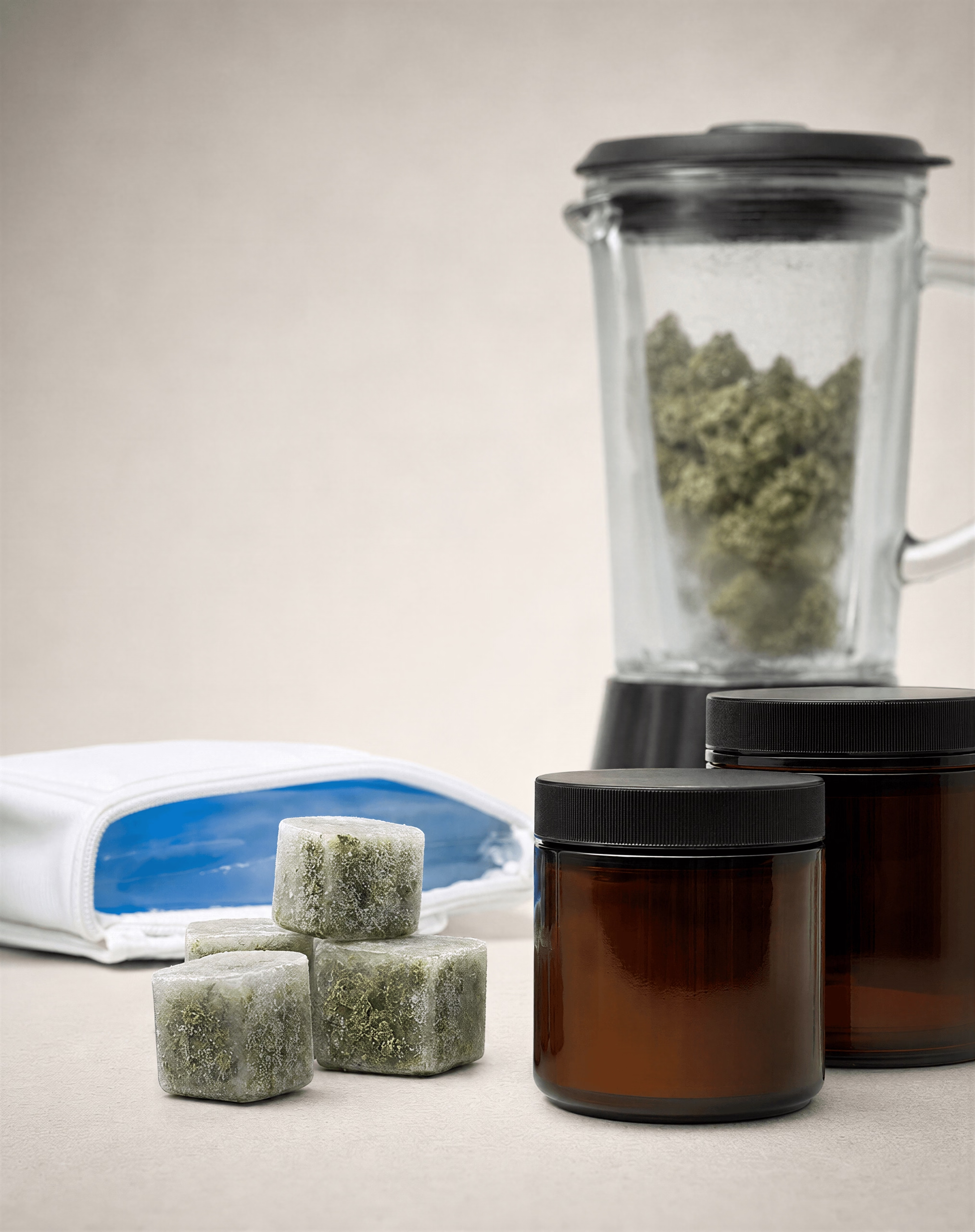
Cold processing, freezing, opaque containers, and time-to-consumption
Raw-cannabis juicing and blending are biochemically plausible ways to consume CBDA because they avoid the heat that converts it to CBD. That does not mean every raw preparation is equivalent. The delivered CBDA dose can swing widely depending on plant variety, post-harvest handling, blending time, temperature rise during processing, and delay before consumption.
Cold processing should be literal, not rhetorical. Start with chilled or frozen plant material. Keep blades, jars, and added ingredients cold if possible. High-speed blending generates frictional heat; in small home setups that may be modest, but with repeated pulses or long runs the temperature can climb enough to matter. Short blending intervals are a better choice than extended processing. If the mixture warms noticeably, the preparation is moving away from a “raw” chemical profile even if no stovetop was involved.
Freezing deserves emphasis because it solves several problems at once. Fresh material can be portioned immediately after harvest and frozen in single-use amounts. That reduces oxygen exposure, avoids repeated thawing, and shortens prep time later. Thaw only what will be consumed promptly. If blending from frozen or partially frozen material is feasible, that is better than thawing everything to room temperature first.
Opaque containers help after preparation too. Fresh juices or blended slurries should not sit in clear bottles in sunlight or on a bright countertop. Direct light, including UV exposure, accelerates cannabinoid degradation. Cold, dark storage buys time, but not much. Time-to-consumption still matters. For CBDA preservation, immediate use is preferable to all-day refrigeration, and same-day use is preferable to keeping a raw preparation for several days. The chemistry does not pause just because the preparation still looks green.
Consumers should also minimize oxygen exposure during preparation. That can mean smaller containers, tight seals, and avoiding unnecessary agitation after blending. Oxygen is easy to ignore because it is invisible, yet it is part of why home raw preparations are chemically unstable. pH may also influence stability, though home users are rarely in a position to standardize it. This is one reason broad claims about “raw cannabis juice” are ahead of the evidence: the term covers highly variable mixtures with highly variable cannabinoid retention.
The sensible bottom line is blunt. If preserving CBDA is the priority, avoid heat, prolonged room-temperature storage, direct light, and repeated thawing. Freeze early. Process cold. Consume soon.
What consumers should expect from labels, tests, and home preparation
Labels and lab reports can help, but only if they distinguish acidic from neutral cannabinoids. A product or sample listed only as “CBD” may tell you almost nothing about CBDA retention. Better reporting separates CBDA and CBD and may also show “total CBD,” a calculated value that estimates potential CBD after full decarboxylation. For raw preparations, the separated values matter more than the total. Otherwise, a sample rich in CBDA can be mistaken for one rich in CBD, or the reverse.
Certificate of analysis (COA) A laboratory report showing measured properties of a sample at the time it was tested. For acidic cannabinoids, it may not reflect later changes caused by storage or handling.
A certificate of analysis is still a snapshot, not a guarantee of future chemistry. If the material was tested days or weeks before you handle it, the cannabinoid profile may already have shifted. That is especially true for fresh or minimally processed material. Sampling itself is another limitation. One flower, one leaf batch, or one homemade blend does not represent every portion equally. Home preparations are chemically variable by default.
Consumers should be skeptical of casual dose comparisons with CBD. There is no approved native-CBDA medicine analogous to Epidiolex, which the FDA lists as a 100 mg/mL CBD oral solution with maintenance dosing up to 20 mg/kg/day (FDA, 2024). Human CBDA pharmacokinetic and clinical data remain limited. Some early work and development programs suggest improved oral exposure for CBDA or CBDA-derived analogs, and the CBDA methyl ester derivative EPM301 has entered clinical investigation, but trial status changes and should be checked on ClinicalTrials.gov or sponsor updates before drawing conclusions. Promising is not established.
The same caution applies to wellness claims. CBDA has intriguing pharmacology: Bolognini et al. (2013) found much stronger activity than CBD at 5-HT1A-related signaling in vitro, Pertwee (2014) highlighted this as a notable example of an acidic cannabinoid differing meaningfully from its neutral counterpart, and Rock, Limebeer, and Parker (2013) reported antiemetic effects in animal models, including anticipatory nausea. Still, those findings do not justify treating raw preparations as validated therapies for broad symptom relief. Even the often-cited COX-2 paper by Ahn et al. (2008) was a cell-free assay, not a clinical trial.
So the practical guidance is restrained and evidence-based. If you are preparing raw cannabis for CBDA, choose fresh material, freeze it quickly, portion it to avoid repeat thawing, process it cold, protect it from light in opaque airtight containers, and consume it promptly. Expect variation. Do not assume “raw” means stable, standardized, or medically proven. And remember the legal piece: cannabis and hemp laws differ sharply by jurisdiction, with CBDA usually falling under broader cannabis-extract rules rather than standing alone as a separately regulated cannabinoid.
References
- [1] EPIDIOLEX (cannabidiol) oral solution prescribing information. FDA, 2024. https://www.accessdata.fda.gov/drugsatfda_docs/label/2024/210365s026lbl.pdf
- [2] Cannabidiolic acid prevents vomiting in Suncus murinus and nausea-induced behaviour in rats by enhancing 5-HT1A receptor activation. British Journal of Pharmacology, 2013. https://doi.org/10.1111/j.1476-5381.2012.02207.x
- [3] Handbook of Cannabis. Oxford University Press, 2014. https://global.oup.com/academic/product/handbook-of-cannabis-9780199662685
- [4] Cannabidiolic acid as a selective cyclooxygenase-2 inhibitory component in cannabis. Journal of Natural Products, 2008. https://doi.org/10.1021/np800054d
- [5] European Drug Report 2024: Trends and Developments. EUDA / EMCDDA, 2024. https://www.euda.europa.eu/publications/european-drug-report/2024_en