













What CBG actually is
CBG versus CBGA: the correction that matters most
The first correction matters more than the slogan: CBG is important mainly because CBGA sits at the center of cannabinoid biosynthesis, not because neutral CBG dominates the living plant.
Why popular accounts conflate neutral CBG with its acidic precursor
Popular summaries often flatten that distinction and treat “CBG” as if it were the plant’s master cannabinoid from start to finish. That is chemically sloppy.
Low CBG concentrations in mature flower: what the plant actually contains
In most cannabis flowers, especially mature THC- or CBD-rich ones, neutral CBG is present only in small amounts, often below 1% by dry weight. The high-importance molecule inside the plant is usually cannabigerolic acid, or CBGA.
The full biosynthesis pathway from primary metabolism to CBG
Calling CBG the “mother cannabinoid” is catchy, but biochemically incomplete. In most drug-type and fiber-type Cannabis sativa plants, CBG is not the endpoint the plant is trying to accumulate. The real hub is cannabigerolic acid (CBGA), an acidic intermediate assembled in glandular trichomes and then siphoned off by oxidocyclase enzymes into THCA, CBDA, or CBCA. That single fact explains a lot: why mature THC- or CBD-dominant flower often contains very little CBG, why harvest timing matters, and why breeding for high-CBG plants usually means disrupting the conversion of CBGA into those downstream acids.
Capitate-stalked glandular trichomes Specialized resin-producing epidermal structures on cannabis flowers where cannabinoids and terpenes are biosynthesized and stored.

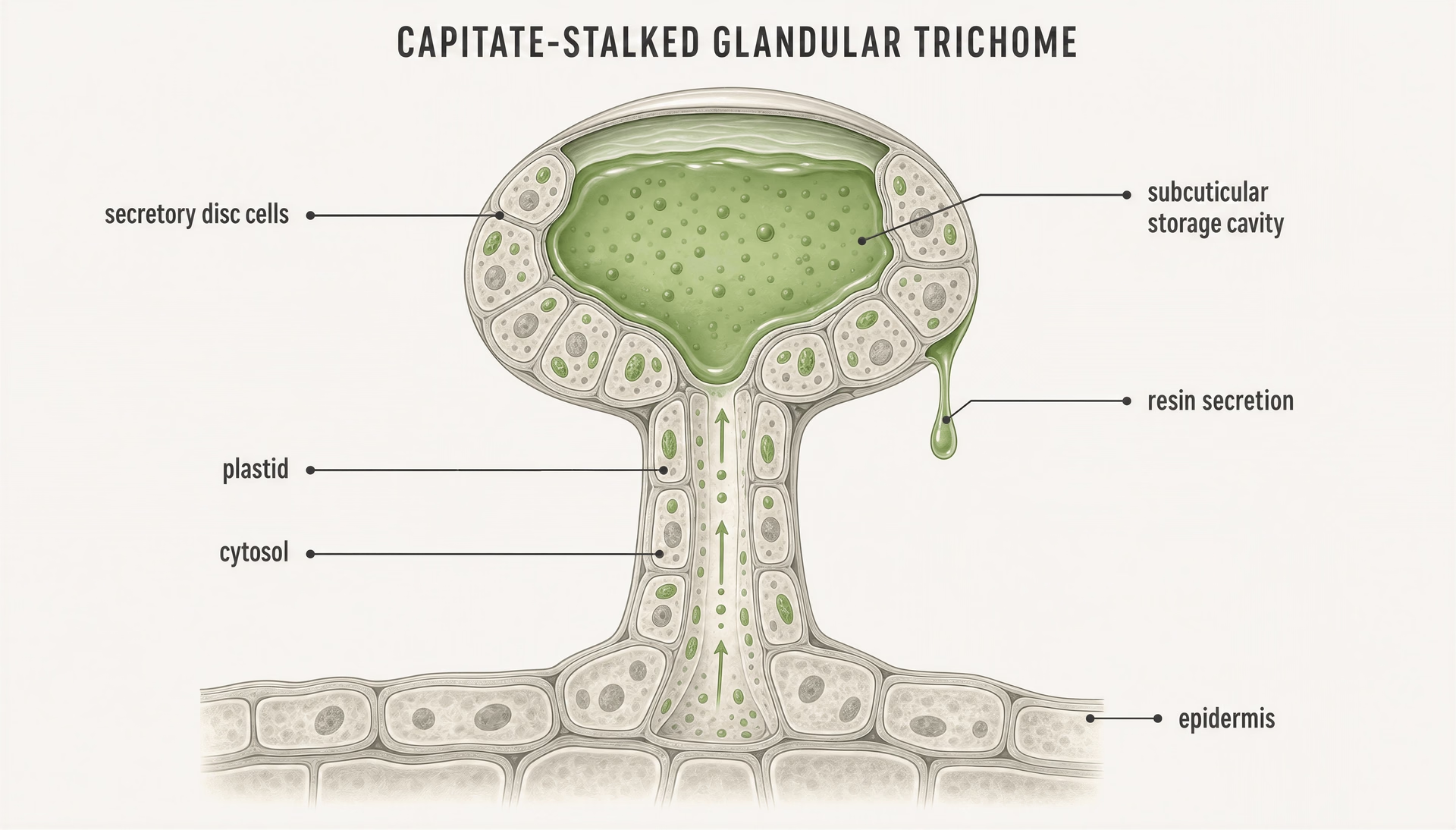
The pathway starts in primary metabolism, not in some isolated “cannabinoid factory.” Fatty-acid and polyketide building blocks are redirected into a specialized branch pathway, then merged with a terpene precursor. Most of the action happens in capitate-stalked glandular trichomes, the resin-producing epidermal structures concentrated on female inflorescences. These trichomes are the main biosynthetic site for cannabinoids and terpenes, with different cellular compartments contributing different pieces: plastids supply monoterpene precursors, while the cytosol supports parts of polyketide assembly. The result is CBGA, the branch-point metabolite that sits at the center of cannabinoid chemistry in the living plant.
From hexanoyl-CoA and malonyl-CoA to olivetolic acid
The cannabinoid pathway begins with a short-chain fatty-acid starter unit, generally described as hexanoyl-CoA, plus malonyl-CoA extender units. Hexanoyl-CoA is thought to arise from primary lipid metabolism, though the exact upstream route can vary and has been studied in relation to lipoxygenase-derived fatty-acid breakdown and acyl-activating enzymes. Once present, it serves as the starter substrate for a type III polyketide synthase step.
The first named enzyme usually highlighted here is tetraketide synthase (TKS), also called a cannabis polyketide synthase. TKS condenses one hexanoyl-CoA with three malonyl-CoA molecules, forming a linear polyketide intermediate. On its own, that intermediate is chemically unstable and can cyclize incorrectly into side products. Efficient cannabinoid biosynthesis needs a helper protein.
That helper is olivetolic acid cyclase (OAC). OAC channels the reactive tetraketide intermediate toward the correct C2–C7 aldol cyclization, producing olivetolic acid (OLA) rather than a mixture of derailment products. This was a major clarification in cannabinoid biochemistry, because earlier descriptions often jumped from “polyketide assembly” to olivetolic acid without explaining why the plant does not simply produce a mess of spontaneous cyclization products. TKS builds the carbon skeleton. OAC folds it into the right aromatic ring system.
Early CBGA biosynthesis sequence
- 1 Hexanoyl-CoA provides the starter acyl unit.
- 2 Three malonyl-CoA molecules extend the chain through decarboxylative condensations.
- 3 TKS generates a tetraketide intermediate.
- 4 OAC cyclizes that intermediate into olivetolic acid.
So the sequence is:
1. Hexanoyl-CoA provides the starter acyl unit. 2. Three malonyl-CoA molecules extend the chain through decarboxylative condensations. 3. TKS generates a tetraketide intermediate. 4. OAC cyclizes that intermediate into olivetolic acid.
Olivetolic acid is the first recognizably cannabinoid-like scaffold in the pathway. It contributes the resorcinol core that remains visible across many cannabinoids. But at this stage, it is still missing the terpene-derived side that turns a simple aromatic acid into the central cannabinoid precursor.
The location matters here. These steps are associated with glandular trichome secretory cells, which are highly specialized for producing and exporting lipophilic secondary metabolites into the storage cavity above the secretory disc. That anatomical specialization is one reason cannabinoid content is concentrated in flower resin rather than evenly distributed through stems or roots.
Geranyl pyrophosphate and the formation of CBGA
The next step merges two metabolic worlds: polyketide chemistry and terpene chemistry. The terpene donor is geranyl pyrophosphate (GPP), a C10 isoprenoid intermediate made through plastidial terpene biosynthesis. In cannabis, GPP is also a precursor to monoterpenes, so cannabinoids and terpenes are linked at the level of precursor competition as well as co-localization in trichomes.
The enzyme that joins olivetolic acid to GPP is an aromatic prenyltransferase. It is commonly referred to as geranylpyrophosphate:olivetolate geranyltransferase, and cannabis genes such as CsPT1 and CsPT4 have been investigated in this role, with CsPT4 often identified as especially relevant for CBGA production. The reaction is a prenylation: the geranyl group from GPP is transferred onto olivetolic acid to produce cannabigerolic acid (CBGA).
| CBGA downstream route | Enzyme | Primary acidic product | Neutral product after decarboxylation |
|---|---|---|---|
| THCA branch | THCA synthase (THCAS) | THCA | THC |
| CBDA branch | CBDA synthase (CBDAS) | CBDA | CBD |
| CBCA branch | CBCA synthase (CBCAS) | CBCA | CBC |
This is the biochemical turning point. CBGA is not just another cannabinoid acid in the list; it is the central branch-point precursor for the three major cannabinoid acid families found in most commercial plants:
- THCA**
- CBDA**
- CBCA**
That is why describing CBG itself as the “mother cannabinoid” can mislead. The plant makes CBGA first, and only later, usually outside the living biosynthetic step or after heating, does CBG appear through decarboxylation. If the pathway is working normally in a THC-dominant or CBD-dominant cultivar, much of the CBGA pool is transient. It is formed, then consumed.
This also explains the low natural abundance of CBG in mature flower. By the time many plants are harvested at peak THCA or CBDA accumulation, the enzymes downstream of CBGA have already converted most of it. When lab reports show CBG below 1% by dry weight, that is often not because the plant “failed” to make the precursor. It made CBGA and then enzymatically spent it.
The synthase enzymes that divert CBGA into THCA, CBDA, and CBCA
Once CBGA is available, three oxidocyclase enzymes compete for it:
- THCA synthase (THCAS)**
- CBDA synthase (CBDAS)**
- CBCA synthase (CBCAS)**
FAD-dependent oxidocyclase An enzyme that uses flavin adenine dinucleotide to drive oxidative ring-forming chemistry rather than acting as a simple transferase.
These enzymes are sometimes loosely grouped as synthases, though mechanistically they are FAD-dependent oxidocyclases rather than simple transferases. They convert CBGA into structurally distinct cannabinoid acids by oxidative cyclization. Same precursor, different ring closures, different products.
THCA synthase converts CBGA into tetrahydrocannabinolic acid (THCA).
CBDA synthase converts CBGA into cannabidiolic acid (CBDA).
CBCA synthase converts CBGA into cannabichromenic acid (CBCA).
This is the real bottleneck behind natural CBG scarcity. In a plant carrying active THCAS or CBDAS alleles and expressing them strongly during flower maturation, CBGA is continuously drained into THCA or CBDA. Chemotype is therefore not just about what final cannabinoid dominates; it reflects which downstream enzyme system is most active and functional.
Breeders exploit that logic. A high-CBG cultivar usually has reduced, absent, or nonfunctional THCA- and CBDA-synthase activity, so CBGA is not efficiently consumed. As the plant matures, that accumulated CBGA can later decarboxylate into CBG. Earlier harvest can also preserve more acidic precursor before full downstream conversion, but genetics matter more than timing if the goal is consistently elevated CBG.
This enzyme competition is why CBG should be thought of as a high-importance intermediate and only a low-abundance end-product in most conventional chemotypes. It is central to the pathway. It is not usually the pathway’s destination.
Decarboxylation and the emergence of neutral cannabinoids
Inside the living plant, cannabinoids are produced mainly in their acidic forms: CBGA, THCA, CBDA, and CBCA. The better-known neutral cannabinoids emerge when those acids lose carbon dioxide through decarboxylation, a reaction promoted by heat, time, light, and storage conditions.
Acidic-to-neutral cannabinoid conversions
- CBGA → CBG
- THCA → THC
- CBDA → CBD
- CBCA → CBC
The final conversions are:
- CBGA → CBG**
- THCA → THC**
- CBDA → CBD**
- CBCA → CBC**
Decarboxylation is chemically simple but biologically important to understand. When people talk about CBG content in a finished sample, they are often discussing material that has already undergone at least partial non-enzymatic conversion from CBGA to CBG. In fresh plant tissue, the acid form dominates. In dried, aged, or heated material, the neutral form increases.
That distinction matters for analytics and for cultivation decisions. A lab may report separate values for acidic and neutral cannabinoids, or it may provide a “total potential” value that estimates how much neutral cannabinoid would result after full decarboxylation. If a grower wants to maximize THCA or CBDA, allowing CBGA to keep flowing into those pools during flower development makes sense. If the goal is CBG, preserving CBGA from enzymatic conversion by genotype selection is the first step, and post-harvest decarboxylation determines how much measurable neutral CBG appears later.
Put together, the pathway runs like this:
Primary metabolism → hexanoyl-CoA + malonyl-CoA → tetraketide intermediate via TKS → olivetolic acid via OAC → CBGA via geranyltransferase using GPP → THCA/CBDA/CBCA via oxidocyclase synthases → THC/CBD/CBC after decarboxylation.
That sequence is the backbone of cannabinoid biology. It explains why CBG is usually scarce in mature mainstream flower, why high-CBG genetics require blocking downstream conversion, and why talking about “mother cannabinoids” without naming CBGA, TKS, OAC, GPP, and the terminal synthases leaves out the mechanism that actually shapes the plant’s chemistry.
Why most commercial cannabis contains less than 1% CBG
The short answer is biochemical, not commercial. In most THC-dominant and CBD-dominant cannabis, CBG is not meant to remain abundant at maturity. It sits in the middle of the pathway as cannabigerolic acid, or CBGA, then gets converted into other cannabinoids before harvest. That is why many lab reports on mature flower show CBG below 1% by dry weight. Low CBG is usually normal plant metabolism, not evidence that a cultivar is inferior, poorly grown, or inaccurately labeled.
Calling CBG the “mother cannabinoid” is catchy, but incomplete. In the plant, hexanoyl-CoA and malonyl-CoA feed the production of olivetolic acid. Olivetolic acid then combines with geranyl pyrophosphate through a prenyltransferase step to form CBGA. From there, specialized oxidocyclase enzymes push CBGA down different routes: THCA synthase makes tetrahydrocannabinolic acid, CBDA synthase makes cannabidiolic acid, and CBCA synthase makes cannabichromenic acid. If those enzymes are active, the CBGA pool gets used up as flowers mature. Neutral CBG appears mainly after decarboxylation of any remaining CBGA. By that point, there often is not much left.
Enzymatic conversion during flower maturation
The main reason CBG starts higher and ends lower is timing. Early in flower development, the plant is still building cannabinoid precursors. CBGA can be detected at more noticeable levels because it has not yet been extensively converted. As glandular trichomes mature, THCA synthase and CBDA synthase keep pulling from that CBGA reservoir. The result is a kind of metabolic funnel. In a THC-rich plant, more of that intermediate becomes THCA. In a CBD-rich plant, more becomes CBDA. Either way, free CBG stays low.
This is why “less than 1% CBG” is so common on finished flower labels. Mature commercial cannabis is typically harvested when growers want high total cannabinoid output, stronger expression of the target chemotype, and acceptable yield. Those goals usually favor waiting until the dominant acidic cannabinoids have accumulated. Waiting longer gives the synthase enzymes more time to do their work. The bottleneck is not the inability to make CBGA. It is that the plant keeps converting it.
That matters for interpretation. Consumers sometimes see a low CBG number and assume something is missing. Usually nothing is missing. A THC cultivar with 22% total THC potential and 0.3% CBG is behaving exactly as expected if its THCA synthase is active. The same logic applies to CBD flower showing high CBDA or CBD with trace CBG. CBG in these plants is better understood as a low-abundance end-product and a high-importance intermediate.
Chemotype genetics and synthase competition
Genetics decide where most CBGA goes. Cannabis chemotypes differ in the presence, expression, and functionality of cannabinoid synthase genes. A plant bred for high THCA tends to carry active THCA synthase and related genomic architecture that channels precursor into that pathway. A CBD-dominant plant relies more heavily on CBDA synthase. These enzymes are effectively competing for the same substrate pool.
That competition is the core reason ordinary commercial flower is not naturally rich in both mature THC or CBD and mature CBG at the same time. Once CBGA enters one downstream path, it is no longer available to remain as CBGA or become CBG after decarboxylation. Breeders who want high-CBG plants therefore select for reduced-function or nonfunctional THCA synthase and CBDA synthase. If those downstream enzymes are missing, weakly expressed, or inefficient, CBGA accumulates instead of being drained away. After drying, heating, or extraction, that accumulated CBGA can decarboxylate to CBG.
This is how high-CBG cultivars emerged: not by making the pathway more productive in a general sense, but by blocking or weakening the major exits from CBGA. The plant still builds the precursor. It just does not convert it as completely into THCA or CBDA. Stable high-CBG lines are therefore a breeding outcome, not the default state of mainstream cannabis.
That also explains why CBG-rich cultivars often sit apart from standard THC and CBD market categories. Their chemistry reflects a different enzyme profile. It is not that growers somehow “left cannabinoids undeveloped.” The cannabinoid profile is the development.
Harvest timing, environmental effects, and testing interpretation
Harvest timing adds nuance. Earlier harvests can preserve somewhat more CBG or CBGA because the conversion window is shorter. If a plant is cut before THCA synthase and CBDA synthase have fully depleted the precursor pool, the final lab report may show a higher CBG fraction. That is real, but it comes with trade-offs. Earlier harvest can mean lower total cannabinoid accumulation, lighter flower weight, different terpene maturity, and less expression of the intended chemotype. In other words, preserving CBG can cost potency or yield in plants bred for THC or CBD.
Environment can also shift cannabinoid outcomes, though usually within the limits set by genetics. Light intensity, temperature, nutrient status, plant stress, and disease pressure may influence trichome development and total resin production. They can move numbers around the margins. They do not usually override a cultivar’s basic synthase pattern. A THC-dominant genotype grown under excellent conditions will still tend to finish low in CBG because the pathway keeps pulling CBGA forward.
Testing method and label format add another layer of confusion. Many labs report neutral cannabinoids and acidic cannabinoids separately. Others display “total potential” values calculated after decarboxylation. Since CBG in harvested material may exist partly as CBGA, a label showing only neutral CBG can make the cannabinoid look scarcer than it really is in precursor form. Even so, in mature THC- and CBD-dominant flower, the combined amount is often still low because most CBGA has already become THCA or CBDA.
So the sub-1% figure should be read as a marker of normal maturation in most commercial chemotypes. It does not signal poor cultivation. It signals an efficient pathway. If a cultivar tests high in CBG, that usually points to specific breeding and chemistry, not simple growing technique.
How breeders create high-CBG cultivars
Breeding for high CBG is less about inventing a new cannabinoid than about interrupting a familiar pathway at the right point. In most cannabis plants, CBGA is only a waypoint. The plant makes it from olivetolic acid and geranyl pyrophosphate, then THCA synthase, CBDA synthase, and CBCA synthase pull that intermediate toward THCA, CBDA, and CBCA as flowers mature. That is why mature THC-rich and CBD-rich flower often shows CBG below 1% by dry weight: the precursor has already been consumed. High-CBG breeding works by finding plants where that conversion is weak, absent, or delayed, then fixing that trait across generations so CBGA accumulates instead of being rapidly drained into downstream acids.
Selecting plants with low-function THCA and CBDA synthase pathways
The practical target is not “more CBG synthase,” because there is no analogous terminal CBG synthase converting CBGA into some separate acid. CBG is what remains when CBGA is not efficiently converted elsewhere and then later decarboxylates. Breeders therefore screen for plants with low-function or nonfunctional versions of the genes associated with THCA synthase and CBDA synthase activity, often referred to as THCAS and CBDAS.
That selection can begin with chemotype data. A breeder grows a large population, samples flowers at multiple points, and looks for individuals showing unusually high CBGA and low THCA and CBDA relative to peers. Early testing matters. A plant that looks compliant midway through flowering can still push more carbon into THCA late in development if synthase activity ramps up. Repeated assays across maturation help separate genuinely high-CBG candidates from plants that are only immature.
Marker-assisted selection has made this process faster. Instead of waiting until harvest for every decision, breeders can use DNA markers linked to inactive or weak synthase alleles. That does not eliminate phenotyping; expression levels, copy number variation, and background genetics still matter. But it narrows the field. A breeder can discard obvious THC-leaning or CBD-leaning plants early and focus resources on individuals more likely to accumulate CBGA.
What breeders must select for in high-CBG lines
- Reduced or nonfunctional THCA synthase activity
- Reduced or nonfunctional CBDA synthase activity
- Enough total resin and cannabinoid production to remain agronomically useful
- Repeatable chemistry across harvest windows and environments
There is another layer here. Breeders are not only selecting against active THCA and CBDA synthase pathways. They are also selecting for plants that still produce enough total cannabinoids to matter agronomically. A plant can fail to convert CBGA downstream and still be disappointing if total resin production is low. So high-CBG work often combines two traits that do not always travel together: reduced terminal conversion and acceptable cannabinoid yield. That makes stabilization slow.
Harvest timing also plays a role, though it is not a substitute for genetics. Even a good high-CBG line may show rising THC or other shifts if left too long in the field. Breeders and growers learned quickly that chemistry is dynamic. Some high-CBG crops are cut earlier to preserve a favorable ratio, but without the right genotype that tactic only buys time.
Type IV and related chemotypes
In the common chemotype shorthand, Type I plants are THC-dominant, Type III are CBD-dominant hemp, and Type IV generally refers to CBG-dominant plants. This category is useful, but it can hide a lot of variation. Not every Type IV plant behaves the same way, and not every lab report with elevated CBG reflects a stable Type IV genotype.
What defines the group is the bottleneck: these plants accumulate CBGA because the usual route into THCA and CBDA is impaired. In some lines, both pathways are weak. In others, one is more suppressed than the other. That matters because residual activity can still push the crop out of its intended profile late in flowering or under stress. A “CBG cultivar” may still produce measurable THCA, sometimes enough to create compliance problems after post-harvest decarboxylation is considered.
Related chemotypes complicate the picture further. Some plants are mixed but still CBG-forward, carrying modest CBDA or THCA production. Others may show high CBG only at a particular harvest window. For breeders, this means chemotype labels are starting points, not guarantees. The line has to be tested over environments, seasons, and harvest dates.
The underlying genetics are not fully transparent in much of the public cultivar literature. That is a recurring problem. Names circulate faster than pedigrees, and many reported lineages are incomplete, recycled, or unverifiable. For a reader trying to understand breeding rather than branding, the main point is simple: true Type IV breeding means repeatedly selecting plants that reliably leave more CBGA unconverted across generations, not just identifying one unusual mother plant and giving it a memorable name.
Stabilization, compliance, and why high-CBG hemp became commercially attractive[1] Agriculture Improvement Act of 2018. U.S. Congress. Public Law 115-334, 2018.
The 2018 U.S. Farm Bill changed the economics of minor-cannabinoid breeding. By removing hemp containing no more than 0.3% delta-9 THC from the federal Controlled Substances Act definition of marijuana, it opened a legal lane for hemp genetics with unusual cannabinoid profiles. Breeders responded fast. High-CBG hemp was attractive because it offered a differentiated cannabinoid profile while staying, in theory, outside the THC-focused restrictions that shaped the broader market.
But compliance turned out to be the hard part. The legal threshold in federal hemp law refers to delta-9 THC, yet many testing regimes and state programs also treat total THC as a risk metric by accounting for THCA’s potential to decarboxylate into THC. That is where high-CBG breeding becomes more than a chemistry exercise. A plant can be low in delta-9 THC at sampling and still be problematic if THCA is high enough to convert above the legal limit. Breeders therefore pushed toward lines with very low active THCAS function, because merely keeping delta-9 low at one moment was not enough.
Stabilization means making this chemistry repeatable. A breeder self-pollinates, backcrosses, or inbreeds selected plants, then culls hard against off-types. Uniformity is the goal: similar morphology, flowering time, and cannabinoid profile across a seed lot or clone line. Environmental stress can still move numbers around, but unstable genetics create far bigger swings. For hemp, those swings carry legal consequences, not just quality differences.
High-CBG hemp also fit a wider market moment. Cannabis use sits at enormous scale globally: UNODC estimated 228 million past-year users in 2022, EMCDDA estimated about 24 million European adults used cannabis in the last year, and SAMHSA reported 61.8 million past-year marijuana users in the United States. In a market that large, even a “minor” cannabinoid can attract rapid breeding interest. The science, though, stayed ahead of the human evidence. That mismatch still defines CBG.
Limits of current cultivar claims
A lot of cultivar claims should be treated cautiously. Public descriptions often imply a direct, well-mapped pedigree when the real history is fragmentary. Some so-called CBG cultivars may be selections from segregating populations rather than stable, thoroughly characterized lines. Others are clone-only cuts with decent chemistry but limited evidence of reproducibility from seed.
Lab results can also mislead. One impressive certificate of analysis does not prove a cultivar is genetically stable. It may reflect one environment, one harvest date, one sample position on the plant, or one analytical method. Small differences in sampling and drying can materially change reported percentages, especially when legal thresholds are tight.
There is also a tendency to treat CBG percentage as the only score that matters. It is not. A breeder should care about total cannabinoid production, terpene profile, agronomic performance, disease resistance, flowering uniformity, and how often the crop drifts into noncompliant THC territory. A line that hits high CBG once but repeatedly fails compliance is not a serious breeding success.
So the honest picture is this: high-CBG cultivars are real, and the route used to create them is biologically straightforward. Disable or weaken the pathways that consume CBGA, then stabilize the resulting chemotype. The difficult part is consistency. Many modern CBG lines are still young by crop-breeding standards, and many pedigree claims remain thin. Readers should trust replicated chemistry over cultivar mythology.
CBG pharmacology beyond the slogan
Calling CBG the “mother cannabinoid” is chemically accurate in the plant, but it tells you almost nothing about what neutral CBG does in the body. That gap matters. CBG has a broad in vitro pharmacology profile, and that profile is interesting enough to justify research. It is not, by itself, proof of medical benefit. A receptor hit in a dish is not the same thing as a meaningful effect in humans at realistic doses, by realistic routes, with realistic formulations. That is where a lot of public discussion goes off track.
Part of the confusion comes from scale. CBG is still a minor cannabinoid in most finished cannabis flower because the plant usually converts its precursor CBGA into THCA, CBDA, and CBCA during maturation. Yet CBG now reaches a large audience because the wider cannabis and hemp market is huge: UNODC estimated 228 million past-year cannabis users globally in 2022, EMCDDA estimated about 24 million past-year users in Europe, and SAMHSA estimated 61.8 million past-year marijuana users in the United States. A minor cannabinoid can therefore generate major claims very quickly. The science has not kept up.
Affinity and efficacy at CB1 and CB2
CBG is often described as a CB1 and CB2 agonist, but that shorthand hides several layers of uncertainty. First, affinity and efficacy are different things. Affinity asks how tightly a compound binds a receptor. Efficacy asks what it does after binding. A compound can bind weakly yet still produce measurable functional effects in some assay systems, or bind moderately and do little. With CBG, the literature generally points to relatively low affinity at the classical cannabinoid receptors compared with THC and many synthetic ligands.
That matters because CB1 drives most of the familiar central effects associated with cannabis intoxication. CBG does not behave like a strong CB1 agonist. Across pharmacology summaries and receptor profiling papers cited by cannabinoid researchers such as Ethan Russo, CBG is usually characterized as a weak partial agonist, low-potency ligand, or functionally modest interactor at CB1 and CB2 depending on the assay. Those distinctions are not just academic. They are the difference between “this molecule touches the receptor” and “this molecule predictably produces a clinically relevant cannabinoid effect.”
CB1 is heavily expressed in the central nervous system, while CB2 is more associated with immune cells and peripheral tissues, though the split is not absolute. A low-efficacy partial agonist at CB1 can in theory produce subtle modulatory effects without the strong psychotropic profile of THC. It can also, depending on context, compete with a higher-efficacy agonist and blunt part of that agonist’s effect. But once you move from receptor theory to actual human dosing, the evidence gets thin fast. There are few controlled human studies that map CBG exposure to receptor occupancy, subjective effects, pain outcomes, anxiety outcomes, or inflammatory markers.
CBG has cannabinoid-receptor pharmacology, but it is not well described as a potent CB1/CB2 driver of clinical effects. Limited evidence
So the defensible position is this: CBG has cannabinoid-receptor pharmacology, but it is not well described as a potent CB1/CB2 driver of clinical effects. The receptor engagement is real. The overstatement comes later, when weak or mixed in vitro activity is presented as if it already explained mood, pain, sleep, focus, appetite, and inflammation in humans. It does not.
Alpha-2 adrenoceptor agonism and what that may imply
One of the more interesting parts of CBG pharmacology is its reported agonist activity at alpha-2 adrenoceptors. These receptors are part of the noradrenergic system and are relevant to neurotransmitter release, sympathetic tone, analgesia, sedation, and blood pressure regulation. Drugs that stimulate alpha-2 receptors, such as clonidine and dexmedetomidine, can reduce sympathetic outflow and have sedating or calming effects, though they are pharmacologically much stronger and much better characterized than CBG.
This is exactly where mechanistic talk needs discipline. If CBG shows alpha-2 agonism in vitro, that does not mean it acts like clonidine in people. It does suggest a plausible route by which CBG could influence arousal, nociception, or autonomic signaling. It also gives one possible explanation for why some users describe CBG in contradictory ways: calm but alert, relaxed but not intoxicated, focused yet physically settled. Mixed receptor pharmacology can produce mixed reports.
There is also a safety angle. Alpha-2 signaling can affect cardiovascular physiology. If a compound meaningfully engages that system at real-world exposures, then blood pressure effects, dizziness, and additive interactions with other sedating agents become relevant questions. At present, those questions are not well answered for CBG. Human data are sparse, dose ranges are poorly standardized, and formulations vary enough that one product’s nominal milligram amount may not behave like another’s.
The practical takeaway is not that CBG is an alpha-2 drug in any clinical sense. It is that alpha-2 activity makes the molecule more pharmacologically plausible than lifestyle marketing suggests, and also more uncertain. A compound with polypharmacology deserves more caution, not less.
5-HT1A antagonism, mood claims, and why the evidence is awkward
The serotonin story around CBG is where public claims become especially slippery. CBG is frequently described in pharmacology summaries as a 5-HT1A antagonist. That is an awkward fact for simplistic “CBG for anxiety” narratives, because 5-HT1A activation is commonly linked with anxiolytic and antidepressant effects in parts of the literature. CBD, for instance, is often discussed in relation to 5-HT1A agonist-like effects. CBG is not neatly analogous.
If CBG antagonizes 5-HT1A under relevant conditions, then broad mood-calming claims become harder to justify mechanistically. That does not prove CBG would worsen anxiety or mood. Biology is not that linear. A person’s experience reflects many targets at once, not one receptor in isolation. CBG also interacts with cannabinoid receptors, adrenergic signaling, and TRP channels, and any net effect could vary by dose, route, baseline physiology, and whether THC or CBD are present. But it does mean the standard wellness script is too tidy.
Current evidence does not justify strong anxiety or mood claims for CBG. Preliminary evidence
This is why mood claims around CBG should be treated as provisional at best. The receptor map does not cleanly predict anxiolysis. Human trials do not settle the issue. Self-reports are noisy and confounded by product composition, expectation, and co-use of other cannabinoids or terpenes. In products that contain THC, even at low levels, the subjective experience may reflect THC exposure as much as CBG. In broad-spectrum extracts, the same problem remains.
So when people infer “serotonin receptor interaction” and jump directly to “helps anxiety,” they are skipping several steps. The more honest summary is that CBG’s serotonergic pharmacology complicates easy mood narratives rather than supporting them.
TRPA1, TRPV1, TRPM8, and sensory signaling
TRP channels A family of ion channels involved in sensory signaling such as pain, temperature, irritation, and inflammatory responses.
CBG also interacts with transient receptor potential channels, especially TRPA1 and TRPV1, and it appears to influence TRPM8. These channels sit at the intersection of pain, temperature sensation, inflammation, and neurogenic signaling. They are not cannabinoid receptors, but many phytocannabinoids act on them.
TRPV1 is sometimes called the capsaicin receptor. It responds to heat, acidity, and vanilloid compounds and plays a role in pain transmission and inflammatory signaling. TRPA1 is involved in sensing irritants and oxidative stress products and also contributes to inflammatory pain. TRPM8 is associated with cold sensation and menthol-like signaling. In broad terms, CBG appears to activate TRPA1 and TRPV1 while blocking or antagonizing TRPM8 in several preclinical characterizations.
That combination is pharmacologically meaningful because TRP channels can shape sensory input and inflammatory cascades. It may help explain why cannabinoids with weak CB1 activity can still alter pain-related behavior in animal models or show anti-inflammatory signals in cell systems. But TRP biology is tricky. Initial channel activation can be followed by desensitization, and desensitization may be part of the therapeutic logic for some pain states. The time course matters. So does tissue distribution. So does concentration.
This is also one reason receptor lists can mislead. “Activates TRPV1” is not automatically good or bad; it depends on where, when, and how strongly. The same goes for TRPA1. The anti-inflammatory literature on CBG, including work such as Borrelli et al. in PLoS ONE (2013) on experimental colitis and Pagano et al. (2021) in an in vitro neuroinflammation model, points to downstream effects like reduced nitric oxide production, attenuation of inducible nitric oxide synthase, changes in cytokine output, and lower oxidative stress markers. Those outcomes may involve cannabinoid receptors, TRP channels, PPAR signaling, or several pathways at once. A single-target explanation would be too neat.
TRPM8 antagonism adds another layer. TRPM8 has been discussed in pain signaling and in cancer biology contexts, though translational significance remains unsettled. For CBG, TRPM8 activity is still better treated as a mechanistic lead than a therapeutic conclusion.
Pharmacokinetics, metabolism, and dose uncertainty
This is the part of the story that most product discussions ignore, and it is where the strongest caution belongs. Even if CBG has interesting receptor pharmacology, the clinical meaning depends on absorption, distribution, metabolism, and excretion. Those data are limited.
Human pharmacokinetic work on isolated CBG is sparse. We do not have a settled picture of oral bioavailability, time to peak plasma concentration, tissue distribution, active metabolites, or the dose-exposure relationship across different formulations. Oils, capsules, edibles, inhaled preparations, and sublingual products can produce very different exposure profiles. Fed versus fasted state can change absorption for lipophilic cannabinoids. First-pass metabolism can sharply alter how much parent compound reaches systemic circulation. Small formulation changes may matter more than a label suggests.
Metabolism is another unresolved area. Like other cannabinoids, CBG appears to interact with cytochrome P450 systems, which raises the possibility of drug-drug interactions. The exact magnitude in humans is not well mapped, but the concern is reasonable. People taking medications with narrow therapeutic windows should not assume CBG is pharmacologically inert just because it is not strongly intoxicating. Additive sedation with alcohol, sedatives, or other cannabinoids is also plausible, even if the mechanism is not only CB1-mediated.
Then there is the dose problem. Consumer-facing discussions often present CBG milligrams as if they were grounded in clinical trials. They are not. There is no established therapeutic dosing framework for anxiety, pain, inflammation, neuroprotection, appetite, or bowel disease. Preclinical studies often use doses that do not translate cleanly to common human use patterns. Some animal studies rely on routes of administration that bypass the practical constraints of oral products. Others measure molecular or histologic endpoints that may not predict symptom relief in people.
This leaves a large interpretive gap. A label can tell you how many milligrams are in a serving. It cannot tell you whether that amount reaches relevant receptors in relevant tissues for relevant durations. It cannot tell you whether two people will absorb the same dose similarly. And it definitely cannot convert preclinical promise into a reliable clinical outcome.
That is why CBG should be described as pharmacologically broad but clinically underdefined. The biology is real. The overtranslation is real too. Until there are controlled human studies with standardized formulations, measured plasma levels, adverse-event tracking, and condition-specific endpoints, claims should stay modest. Receptor pharmacology can justify research. It cannot, on its own, justify confidence.
Anti-inflammatory mechanisms and gastrointestinal research
[5] Beneficial Effect of the Non-Psychotropic Plant Cannabinoid Cannabigerol on Experimental Inflammatory Bowel Disease. Francesca Borrelli, Raffaele Fasolino, Barbara Romano, et al.. PLoS ONE, 2013.
CBG gets discussed in bowel disease for a specific reason: not because there are strong human trials, but because a small preclinical literature shows anti-inflammatory effects in intestinal models that are biologically plausible. The paper most often cited is Borrelli et al., published in PLoS ONE in 2013, and it deserves careful reading. It did not show that CBG treats “gut problems” in general. It showed that, in a mouse model of chemically induced colitis, CBG reduced several markers associated with intestinal inflammation. That is interesting. It is not the same thing as clinical evidence for ulcerative colitis, Crohn’s disease, or irritable bowel syndrome in people.[6] Data and Statistics on Inflammatory Bowel Disease. Centers for Disease Control and Prevention. CDC, 2024.
That distinction matters because inflammatory bowel disease is common and serious. CDC reporting has estimated that up to 3.1 million U.S. adults had been diagnosed with IBD. Against that burden, any new anti-inflammatory lead will attract attention fast. CBG has earned a place in that discussion, but only as a preclinical candidate.
Nitric oxide, cytokines, oxidative stress, and inflammatory signaling
The anti-inflammatory case for CBG rests less on a single receptor and more on a pattern of downstream effects seen across experimental systems. Pharmacology summaries often describe CBG as having low-affinity or assay-dependent activity at CB1 and CB2, alpha-2 adrenoceptor agonism, 5-HT1A antagonism in some systems, and activity at TRP channels including TRPA1 and TRPV1. Those receptor interactions are useful context, but they do not by themselves explain why researchers care about CBG in colitis. The more relevant question is what happens to inflammatory signaling after exposure.
In intestinal inflammation models, the recurring signals are reduced nitric oxide production, lower inducible nitric oxide synthase expression, less oxidative stress, and dampening of pro-inflammatory cytokine output. Nitric oxide is not inherently harmful; it is a normal signaling molecule. The problem in inflamed tissue is excess production, especially through iNOS, which contributes to oxidative and nitrosative stress and can worsen epithelial injury. In the Borrelli line of work, CBG lowered nitric oxide formation and reduced iNOS expression in colon tissue. That points to a mechanism that is more concrete than generic “anti-inflammatory” branding.
Cytokines matter too. Inflammation in colitis is driven by a network, not a switch. Tumor necrosis factor-alpha, interleukins, reactive oxygen species, infiltrating immune cells, and transcription pathways such as NF-kB all interact. Experimental cannabinoid papers often report partial suppression of this network rather than complete shutdown, and that is what makes the signal believable. CBG is not acting like a steroid in these models. It appears to modulate inflammatory tone.
Oxidative stress is another repeated theme. Inflamed bowel tissue generates reactive oxygen species that damage lipids, proteins, and the epithelial barrier. Some CBG studies have found reductions in markers of oxidative injury and inflammatory infiltration. Related mechanistic work outside the gut supports the idea that CBG can alter inflammatory mediator production under stress conditions. For example, Pagano and colleagues in 2021 reported anti-neuroinflammatory effects of CBG in an in vitro model, including changes in inflammatory and oxidative pathways. That does not prove efficacy in bowel disease, but it strengthens the argument that the molecule has genuine bioactivity rather than random assay noise.
One caution is necessary here. These mechanistic findings are real, but they are preclinical and fragmented. Receptor pharmacology varies by assay, concentrations used in vitro are sometimes higher than what oral human dosing would likely produce, and inflammatory pathways are famously easy to influence in mice. Many compounds suppress cytokines or nitric oxide in laboratory models. Far fewer become useful medicines.
The 2013 colitis model and what it actually found
Borrelli et al. used a dinitrobenzene sulfonic acid, or DNBS, mouse model of colitis. DNBS causes a chemically induced inflammatory injury in the colon that is commonly used to mimic some features of human IBD. It is not IBD itself. It is a controlled, artificial insult that produces colitis-like pathology.
| Reported endpoint in the DNBS colitis model | Direction with CBG | Why it mattered in the paper |
|---|---|---|
| Colon weight-to-length ratio | Reduced | Used as a rough marker of edema and inflammation |
| Macroscopic colonic damage | Improved | Suggested less visible inflammatory injury |
| Histologic damage | Improved | Suggested less tissue-level injury |
| Myeloperoxidase activity | Reduced | Consistent with lower neutrophil infiltration |
| Nitric oxide production | Reduced | Aligned with lower inflammatory signaling |
| iNOS expression | Downregulated | Linked to reduced nitrosative stress |
In that study, CBG improved several disease-associated readouts. The treated mice showed reduced colon weight-to-length ratio, which is often used as a rough marker of edema and inflammation. There was improvement in macroscopic and histologic signs of colonic damage. Myeloperoxidase activity, a marker associated with neutrophil infiltration, was reduced. Nitric oxide production fell. iNOS expression was downregulated. The authors also reported reduced reactive oxygen species formation in intestinal epithelial cells and beneficial effects linked to inflammatory signaling.
That is why the paper keeps getting cited. It was not just one endpoint moving in the right direction. It was a cluster of endpoints.
Still, readers should be careful with how much is loaded onto it. The paper did not establish an approved therapeutic pathway. It did not compare CBG against standard IBD drugs in a way that would support treatment claims. It did not answer dosing questions for humans. It did not establish long-term safety in chronic intestinal disease. And because DNBS colitis is an induced model, it cannot capture the full complexity of ulcerative colitis or Crohn’s disease, which involve genetics, barrier dysfunction, microbiome interactions, immune dysregulation, and relapsing clinical patterns over time.
The 2013 study showed that CBG had anti-inflammatory effects in experimental colitis severe enough to justify more research. It did not show that CBG treats human bowel disease. Preliminary evidence
The cleanest summary is this: the 2013 study showed that CBG had anti-inflammatory effects in experimental colitis severe enough to justify more research. It did not show that CBG treats human bowel disease.
IBS versus IBD: two different questions often collapsed into one
IBS vs IBD IBS is a disorder of gut-brain interaction defined mainly by symptoms, while IBD refers to inflammatory diseases such as Crohn’s disease and ulcerative colitis with objective structural and immunologic pathology.
Public discussion around cannabinoids and “gut health” often blurs irritable bowel syndrome and inflammatory bowel disease into one category. That is a basic error.
IBD usually refers to Crohn’s disease and ulcerative colitis. These are inflammatory diseases with structural and immunologic pathology. Endoscopy, biopsy, fecal inflammatory markers, imaging, and blood work can all show objective abnormalities. The Borrelli mouse paper belongs in this territory because it studied colitis, an inflammatory condition.
IBS is different. It is a disorder of gut-brain interaction defined by symptoms such as abdominal pain related to defecation, altered stool form, altered stool frequency, bloating, and visceral hypersensitivity. IBS does not require the kind of overt intestinal inflammation seen in IBD. Some patients may have low-grade immune activation or altered intestinal permeability, but IBS is not simply “mild IBD,” and evidence from a chemical colitis model does not answer the IBS question.
This distinction matters because animal colitis data are often stretched far beyond what they can support. If CBG reduces iNOS expression and neutrophil infiltration in inflamed mouse colon, that may be relevant to inflammatory bowel disease. It does not automatically imply benefit for IBS symptoms such as pain, urgency, or constipation. An agent can look promising in IBD-related inflammation and still fail in IBS, where motility, sensation, central processing, microbiome effects, and psychological comorbidity may matter more.
There is a plausible reason people collapse the two. The names sound similar, both involve the intestines, and both can produce pain and bowel disruption. But scientifically they are different questions. CBG in colitis is a preclinical inflammation story. CBG in IBS would require evidence on symptom outcomes in humans with a disorder of gut-brain interaction. Those are not interchangeable.
What human evidence is still missing
What is missing is the part that actually changes medical practice: controlled human trials. There are no large, high-quality randomized trials showing that CBG improves remission rates, mucosal healing, corticosteroid sparing, hospitalization risk, or quality of life in ulcerative colitis or Crohn’s disease. There are also no convincing clinical trials showing that CBG improves IBS pain, stool pattern, bloating, or global symptom relief.
Several layers of evidence are absent. First, dose-finding data are thin. The concentrations used in cell systems and the doses used in rodent colitis models do not map neatly onto human oral products. Second, formulation matters. Isolated CBG, full-spectrum extracts, and products containing measurable THC or CBD are not pharmacologically equivalent. Third, safety in the target populations matters. People with IBD may already use immunosuppressants, biologics, corticosteroids, and other drugs; potential interactions and additive adverse effects need direct study, not assumptions.
Endpoints matter too. For IBD, symptom improvement alone is not enough. Modern trials look at biomarkers, endoscopy, and mucosal healing because patients can feel somewhat better while inflammation continues. For IBS, symptom-based endpoints are appropriate, but they must be measured rigorously and against placebo, which is a major issue in functional GI trials.
So the current state of the evidence is straightforward. CBG has mechanistic anti-inflammatory signals and one especially cited 2013 mouse colitis study that justified scientific interest. That is real. But there is no good evidence yet that animal colitis findings translate into an effective treatment for human IBS, and there is not enough human evidence to recommend CBG as a treatment for IBD either.
Antibacterial evidence, including MRSA
[7] Antibiotic Resistance Threats in the United States, 2019. Centers for Disease Control and Prevention. CDC, 2019.
CBG has one of the more repeatable antibacterial signals among the minor cannabinoids, and that has kept it in the conversation far longer than many other preclinical cannabis claims. The reason researchers pay attention is simple: antibiotic resistance is a serious public-health problem, with the CDC estimating more than 2.8 million antimicrobial-resistant infections and more than 35,000 deaths each year in the United States alone in its 2019 Antibiotic Resistance Threats report. Methicillin-resistant Staphylococcus aureus (MRSA) sits near the center of that crisis. So when a plant cannabinoid shows low-micromolar activity against MRSA in the lab, people notice. Still, the right framing is not “CBG is an antibiotic.” The right framing is narrower: CBG has shown credible in vitro activity against several resistant Gram-positive bacteria, but there is a long and difficult path between that result and any real-world anti-infective use.
The 2008 Journal of Natural Products findings[8] Antibacterial Cannabinoids from Cannabis sativa: A Structure-Activity Study. José M. Appendino, Stefania Gibbons, Alberto Giana, et al.. Journal of Natural Products, 2008.
The paper that made this topic hard to ignore was published by José M. Appendino and colleagues in 2008 in the Journal of Natural Products. The title is often paraphrased as the “non-psychotropic cannabinoids as antibacterial agents” study, and that summary is fair. The group tested several cannabinoids, including cannabigerol, against a panel of resistant Staphylococcus aureus strains. Their key result was that CBG, along with some other cannabinoids, inhibited MRSA with notable potency in standard susceptibility assays.
That matters for two reasons. First, Appendino’s team did not present a vague “plant extract reduced bacteria” story. They tested defined cannabinoids against clinically relevant resistant strains. Second, the activity was not unique to one quirky isolate. The paper reported antibacterial effects across multiple MRSA strains, which suggested the signal was real rather than accidental.
The study also helped separate intoxication politics from microbiology. The compounds under discussion were non-intoxicating cannabinoids, and CBG in particular had no reason to be dismissed as a behavioral curiosity. Appendino’s work put it into a medicinal chemistry frame instead. The implication was not that CBG was ready for bedside use. It was that cannabinoids had enough direct antibacterial activity to justify further investigation.
That distinction still matters. A strong in vitro minimum inhibitory concentration, or MIC, is a starting point, not a treatment. Yet if a compound repeatedly suppresses MRSA growth in the lab, medicinal chemists and microbiologists take it seriously because very few new antibiotic classes are entering clinical practice.
Gram-positive activity, biofilms, and persister cells
Later work sharpened the picture. CBG appears much more active against Gram-positive organisms than Gram-negative ones. That split is not surprising. Gram-negative bacteria carry an outer membrane that blocks many hydrophobic compounds before they ever reach vulnerable cellular targets. CBG is lipophilic, so it runs into that permeability barrier fast. Gram-positive bacteria lack that outer membrane, which makes direct membrane disruption or related effects more plausible.
Researchers have also looked beyond ordinary planktonic growth. That is where the story gets more interesting. Several later studies found that cannabinoids, including CBG, can interfere with Gram-positive biofilms and can kill or suppress persister cells under experimental conditions. Biofilms are structured bacterial communities protected by an extracellular matrix; they are a major reason chronic and device-associated infections are hard to clear. Persister cells are not genetically resistant in the classic sense. They are dormant or slow-growing bacterial cells that tolerate antibiotics unusually well and can help infections rebound after treatment.[9] Uncovering the Hidden Antibiotic Potential of Cannabis. Mohamad A. Farha, Shady E. El-Halfawy, Richard T. Gale, et al.. ACS Infectious Diseases, 2020.
One widely discussed later study is the 2020 work from Farha, El-Halfawy, Gale, MacNair, Carfrae, and colleagues in ACS Infectious Diseases. That paper reported potent activity of CBG against MRSA, including action against persister cells and biofilms, and explored mechanism in greater detail. The authors pointed toward disruption of the cytoplasmic membrane in Gram-positive bacteria. In plain language, CBG looked less like a finely targeted enzyme inhibitor and more like a compound that compromises bacterial membrane integrity. That kind of mechanism can be useful, because it may bypass some classic resistance pathways. It can also be a liability, because membranes are not unique to bacteria.
The same 2020 paper addressed the Gram-negative problem in an instructive way. CBG was weak against Gram-negative bacteria under ordinary conditions, but once the outer membrane was genetically or chemically compromised, activity emerged. That result supports the idea that the main obstacle is access, not complete lack of intrinsic antibacterial effect.
So the evidence base is stronger than a single old paper. Appendino’s 2008 findings were the opening act. Subsequent studies added mechanistic support and showed activity against biofilms and persisters in resistant Gram-positive pathogens, which is exactly where new antibacterial strategies are badly needed.
Why in vitro antibacterial activity is not the same as an antibiotic
This is where restraint matters. A compound can look excellent in a dish and still fail as a drug for five different reasons at once.
Start with delivery. CBG is highly lipophilic and not especially water-soluble. That complicates systemic administration. To treat serious MRSA infections, a drug has to reach effective concentrations in blood, tissues, abscesses, bone, skin, lungs, or wherever the infection sits. A petri dish does not model that challenge.
Then there is pharmacokinetics: absorption, distribution, metabolism, and elimination. An antibacterial agent has to maintain exposure above an effective threshold for long enough to matter. If CBG is rapidly metabolized, heavily protein-bound, or poorly distributed to infected tissue, promising MIC data may never translate into useful therapy.
Toxicity is another hurdle. A membrane-active antibacterial can harm host cells if selectivity is not high enough. Researchers need to know whether the concentrations that damage MRSA membranes also damage mammalian cell membranes, irritate tissues, or create organ toxicity. That work is incomplete.
Spectrum matters too. CBG’s profile is much more interesting for Gram-positive organisms than for Gram-negative pathogens. Clinicians often need broad empiric coverage before cultures come back. A narrow-spectrum drug can still be valuable, but only if it performs reliably in the infections it targets.
Resistance development also cannot be ignored. It is tempting to assume a membrane-active compound will be resistance-proof. Nothing in microbiology supports that optimism. Bacteria adapt. They alter membrane composition, efflux compounds, change stress responses, and evolve tolerance. CBG may prove slower to resistance than some agents, or it may not. That question needs repeated serial-passage and clinical modeling work.
Finally, there is the regulatory and clinical evidence gap. No major authority has approved CBG as an antibiotic. There are no established human dosing standards for infection, no phase III efficacy trials, and no accepted role in MRSA treatment guidelines. The antibacterial biology is real enough to justify ongoing research. It is not real enough to justify clinical claims.
CBG is a promising antibacterial lead, especially against resistant Gram-positive bacteria such as MRSA. It is not, at present, an antibiotic in medical practice. Limited evidence
That is the honest position. CBG is a promising antibacterial lead, especially against resistant Gram-positive bacteria such as MRSA. It is not, at present, an antibiotic in medical practice.
Neuroprotective signals in Huntington's, Parkinson's, and ALS models
CBG has one of the broader preclinical pharmacology profiles among the so-called minor cannabinoids, and that breadth helps explain why neurological disease models keep appearing in the literature. It interacts, at least in some assay systems, with CB1 and CB2, shows alpha-2 adrenoceptor agonism, antagonizes 5-HT1A in several pharmacology summaries, and affects TRP channels such as TRPA1 and TRPV1. Those are plausible entry points into inflammation, oxidative stress, excitotoxicity, and cell survival pathways. Plausible is not proven. For Huntington's disease, Parkinsonian toxin models, and ALS-related cell systems, the evidence is still almost entirely preclinical, and the strongest claim the field can honestly make is that CBG has generated interesting signals worth follow-up, not that it has shown neuroprotection in patients.
Huntington's disease models and oxidative stress reduction[10] Neuroprotective Properties of a Novel Nonpsychoactive Cannabinoid Quinone Derivative in Experimental Models of Huntington’s Disease. Sonia Valdeolivas, Marta García-Martín, Cristina García-Toscano, et al.. Neurotherapeutics, 2015.
The Huntington's disease literature is where CBG has some of its most cited neuroprotection data. A key paper is Valdeolivas et al., published in Neurotherapeutics in 2015, which evaluated cannabigerol quinone derivatives, especially VCE-003.2, in models of Huntington's disease. That distinction matters. Much of the stronger Huntington's signal is not from plain CBG itself, but from a chemically modified derivative designed to improve pharmacological performance.
In that work, the authors used both cell-based and animal models tied to Huntington-like pathology. They reported protection against 3-nitropropionate-induced striatal damage, with reductions in neuroinflammatory markers and better preservation of neurons. Oxidative stress was part of the proposed mechanism. Huntington's disease involves mitochondrial dysfunction, reactive oxygen species generation, transcriptional dysregulation, and inflammatory activation in vulnerable brain regions, especially the striatum. If a compound reduces inducible inflammatory signaling and oxidative injury in that setting, the result can look neuroprotective in a rodent experiment.
That is encouraging, but the hierarchy of evidence needs to stay visible. The 3-nitropropionate model is useful because it creates striatal lesions and motor abnormalities that resemble parts of Huntington's pathology. It is still an induced toxin model, not the human disease itself. It does not recreate decades of mutant huntingtin-driven degeneration in a human brain. A treatment that improves lesion burden or inflammatory readouts in this model may be acting as an anti-inflammatory or anti-oxidant rescue agent rather than as a disease-modifying therapy for Huntington's disease.
There is also a second layer of caution: derivative data do not automatically transfer to native CBG. VCE-003.2 is often discussed in the same breath as CBG because it is a CBG quinone derivative, but medicinal chemistry changes can alter receptor bias, potency, bioavailability, and safety. That makes the Huntington's literature biologically interesting and clinically preliminary at the same time.
What can be said with confidence is narrower. CBG-related compounds have shown the ability to reduce markers associated with oxidative damage and neuroinflammation in Huntington-like experimental systems. That is real laboratory evidence. It is not evidence that CBG treats Huntington's disease in humans.
Parkinsonian toxin models and neuroinflammation
The Parkinson's side of the literature is even more dependent on model interpretation. Most “Parkinson's” cannabinoid papers do not test spontaneous idiopathic Parkinson's disease. They test toxin-induced dopaminergic injury with agents such as 6-hydroxydopamine, rotenone, or MPTP, then ask whether a candidate compound reduces neuronal loss, microglial activation, or inflammatory mediators.
For CBG, the mechanistic rationale is straightforward. Parkinsonian degeneration is not just about dopamine depletion; it also involves oxidative stress, mitochondrial dysfunction, activated microglia, cytokine production, and downstream injury to surviving neurons. A compound that dampens inflammatory signaling or nitric oxide production can look protective in these settings. That is where CBG keeps attracting attention.[11] Effect of Cannabigerol in an In Vitro Model of Neuroinflammation. Francesca Pagano, Giovanni Maione, Barbara Coppola, et al.. International Journal of Molecular Sciences, 2021.
Francesca Pagano and coworkers added a useful piece in 2021 with an in vitro neuroinflammation study, often cited because it moved beyond vague “cannabinoids are anti-inflammatory” claims. In that work, CBG was assessed in a cell model of neuroinflammation and showed reductions in inflammatory and oxidative stress-related readouts. Those kinds of changes fit with a broader preclinical pattern seen with cannabinoids: lowered iNOS expression, less nitric oxide formation, and attenuation of cytokine-linked injury under stimulated conditions.
Still, an in vitro neuroinflammation model is several steps removed from Parkinson's disease in a patient. First, cultured cells experience simplified, artificial stress. Second, concentration matters. A cannabinoid effect seen at a micromolar concentration in a dish may not be achievable in brain tissue after oral dosing without off-target effects elsewhere. Third, reducing inflammatory markers is not the same as preserving meaningful motor function over years.
This is the recurring problem in the CBG discussion. The biology is believable. The inferential jump is too big. If CBG reduces microglial activation or oxidative stress in toxin-exposed cells or rodents, that suggests anti-inflammatory potential in neurodegenerative contexts. It does not establish efficacy against Parkinson's disease, and it does not even tell us whether the main effect would be symptomatic, protective, or negligible in humans.
ALS-related cellular data and the limits of extrapolation
For ALS, the evidence base is thinner still. There is interest because ALS pathology includes excitotoxicity, mitochondrial stress, oxidative injury, glial activation, and inflammatory signaling, all pathways that cannabinoid researchers routinely target. But with CBG specifically, much of the discussion has leaned on cellular systems, mechanistic speculation, or broad extrapolation from other cannabinoids rather than a mature body of disease-specific in vivo data.
That makes ALS a good case study in how weak evidence gets overstated. If CBG changes survival markers in stressed neuronal or glial cells, modulates calcium flux through TRP-linked pathways, or alters inflammatory mediator production, those findings are scientifically valid at the bench level. They are also early. Cell culture cannot reproduce the selective motor neuron loss, neuromuscular junction failure, and heterogeneous genetic architecture seen in ALS patients. Even animal models such as SOD1 systems only capture parts of the disease.
Another issue is publication gravity: positive pilot data travel far, negative or ambiguous findings often do not. That can make the literature look more promising than it is. For ALS, there is no credible basis to say CBG is close to becoming a neurological therapy. The data are simply too preliminary.
Why no neurological indication is close to approval
No Huntington's, Parkinson's, or ALS indication for CBG is close to regulatory approval because the evidence ladder has barely been climbed. There are mechanistic papers, cell assays, and animal studies. There are not large, replicated human trials showing clinical benefit on validated endpoints such as functional decline, motor scores, survival, cognition, or quality of life.
There are several practical reasons. One is formulation. CBG pharmacokinetics in humans are not yet characterized at the level regulators expect for a neurological drug. Another is dose uncertainty. Preclinical studies often use exposure patterns that do not map cleanly onto human oral products. Another is target ambiguity: with a pharmacologically broad compound, it can be hard to know which receptor interactions matter and which are noise.
Safety is not a solved issue either. “Non-intoxicating” does not mean pharmacologically trivial. Any cannabinoid proposed for long-term neurological use has to be assessed for sedation, drug-drug interactions, liver effects, cardiovascular effects, and cognitive consequences, especially in patients already taking complex medication regimens. CBG may also interact with CYP-mediated drug metabolism, which matters in disorders where polypharmacy is common.
CBG has produced neuroprotective and anti-inflammatory signals in experimental neurological systems, but no neurological indication is close to approval. Preliminary evidence
So the fair reading is this: CBG has produced neuroprotective signals in Huntington-like systems, anti-inflammatory signals relevant to Parkinsonian models, and early ALS-related cellular findings. Those signals justify more research. They do not justify disease claims. Until randomized human studies show that CBG changes outcomes patients can feel and physicians can measure, neuroprotection remains a preclinical hypothesis, not a clinical fact.
Eye pressure, glaucoma, and appetite stimulation
[12] Blindness and vision impairment. World Health Organization. WHO, 2023.
CBG has been pulled into two recurring cannabis-health conversations for decades: lowering eye pressure and increasing appetite. Both ideas have a real biological basis. Neither has reached a level where mainstream medicine treats CBG as an established therapy. That gap matters. Glaucoma is a major cause of irreversible blindness, and the World Health Organization estimates that at least 2.2 billion people globally live with near or distance vision impairment. Appetite effects also cut both ways. In some illnesses, a stronger drive to eat may be helpful; in other settings, it may be unwanted. With CBG, the signal is interesting, but the clinical map is still incomplete.
What cannabinoid eye-pressure research has shown historically
Interest in cannabinoids and intraocular pressure goes back long before CBG became a consumer-facing acronym. Much of the early attention focused on cannabis generally and on THC more than CBG specifically. Researchers observed that some cannabinoids could reduce intraocular pressure, the pressure inside the eye that matters in glaucoma management. That finding was not invented by marketing. It was seen often enough to shape serious ophthalmology discussions in the late 20th century.
Where does CBG fit? Direct CBG-specific eye data are limited, but its pharmacology makes the question plausible. CBG shows low-affinity interaction with cannabinoid receptors in a way that varies by assay, and it also acts at alpha-2 adrenoceptors and TRP channels such as TRPA1 and TRPV1. Alpha-2 signaling matters because ophthalmology already uses alpha-2 agonist drugs, such as brimonidine, to lower intraocular pressure. So the idea that CBG might influence aqueous humor dynamics or ocular blood flow is not far-fetched.
Still, plausible is not proven. Historical cannabinoid eye-pressure research showed a broad phenomenon: some cannabinoids can reduce intraocular pressure for a limited time under some conditions. It did not establish CBG as a validated glaucoma treatment. That distinction gets lost easily.
Why glaucoma enthusiasm faded in mainstream ophthalmology
Mainstream ophthalmology cooled on cannabis-based glaucoma treatment for a simple reason: short-lived pressure reduction is not enough. Glaucoma is not managed by occasional dips in intraocular pressure. It requires steady control, often around the clock, because optic nerve damage accumulates over time. A therapy that lowers pressure for only a few hours creates a practical problem immediately. To maintain coverage, a patient would need frequent repeat dosing, potentially day and night.
That is where cannabinoid enthusiasm ran into clinical reality. Systemic cannabinoid exposure can bring sedation, dizziness, cognitive impairment, tachycardia, blood-pressure changes, and functional impairment. Even if a cannabinoid lowers eye pressure briefly, that tradeoff may look poor next to established glaucoma drops with known dosing schedules and clearer ophthalmic evidence. There is also a second problem: some cannabinoid effects on blood pressure could lower optic nerve perfusion pressure, which is not a trivial issue in glaucoma patients. Lowering intraocular pressure is good; lowering blood flow to a vulnerable optic nerve is not.
Topical cannabinoid formulations have been explored as a way around systemic adverse effects, but formulating cannabinoids for effective ocular delivery is hard. They are lipophilic, poorly water soluble, and difficult to get into target tissues in a consistent way. So even the drug-delivery side has been stubborn.
For CBG specifically, the honest position is this: the old cannabinoid literature keeps the question alive, but there is no strong clinical basis to treat CBG as a glaucoma therapy. Clinically interesting? Yes. Settled? No.
Appetite stimulation data and possible mechanisms[13] Cannabigerol Is a Novel, Well-Tolerated Appetite Stimulant in Pre-Satiated Rats. Daniel I. Brierley, Emma J. Samuels, Rachael E. Duncan, et al.. Psychopharmacology, 2016.
Appetite is the more active area of CBG discussion. Here the signal comes mostly from preclinical work and user reports, not high-quality human trials. One often-cited study is Brierley et al., 2016, which reported that CBG increased feeding behavior in rats without the marked motor suppression seen with some other compounds. That result helped fuel the idea that CBG may be an appetite-promoting cannabinoid distinct from THC.
Mechanistically, several routes are plausible. CBG’s functional interactions with CB1 and CB2 may matter, since endocannabinoid signaling is tied to feeding, reward, and energy balance. Its alpha-2 adrenoceptor agonism may also affect arousal and autonomic tone in ways that indirectly shape feeding behavior. Then there is 5-HT1A antagonism, often mentioned in pharmacology summaries of CBG. Serotonin pathways influence satiety and nausea, so interference there could alter appetite experience, though the net effect in humans is still uncertain. TRP-channel activity may contribute too, especially through sensory and gut-related signaling.
That said, plausible receptor-level stories are not clinical proof. No major guideline recommends CBG for appetite loss, cachexia, or disease-related weight loss. The current state of evidence supports only a cautious statement: CBG may stimulate appetite in some settings, and the animal data justify more study.
Who might care about appetite effects and who might not
The people most likely to care about appetite effects are those dealing with unintentional weight loss, low food intake, chronic nausea, treatment-related appetite suppression, or illness-associated wasting. That could include some cancer patients, older adults with frailty, people with gastrointestinal disease, or patients recovering from periods of poor intake. For them, even a modest appetite effect would be clinically relevant if it proved real and tolerable.[14] Obesity and overweight. World Health Organization. WHO, 2024.
But that same effect is not automatically desirable. Many people do not want stronger hunger cues. WHO reported in 2024 that more than 390 million children and adolescents aged 5 to 19 were overweight in 2022, including 160 million living with obesity. In that wider public-health context, an appetite-promoting cannabinoid is not a universal positive. It may be neutral for some people and counterproductive for others.[15] Marijuana Research Report: Is marijuana addictive?. National Institute on Drug Abuse. NIDA, 2024.
There is also a dependence and use-pattern issue. NIDA states that about 30% of people who use marijuana may have some degree of cannabis use disorder, with risk shaped by frequency and age of onset. That statistic is not CBG-specific, and CBG is non-intoxicating in the usual sense, but it is a reminder that chasing one desired effect from cannabinoids can bring a broader set of behaviors and risks.
So the practical read is restrained. CBG’s appetite effects are biologically plausible and supported by some animal evidence. They may matter for people with low intake or unintended weight loss. They may be unwanted for people trying to control body weight or avoid extra hunger. There is not yet strong clinical guidance on who should use CBG for appetite, what dose would make sense, how durable the effect is, or how it compares with established medical options.
Safety, adverse effects, interactions, and product quality
CBG sits in an awkward place from a safety standpoint. It is widely discussed, increasingly present in hemp-derived products, and backed by a real body of receptor and animal research. Yet direct human evidence is still thin. That gap matters because CBG is entering a very large consumer market long before the usual clinical groundwork has been laid. Cannabis use overall is already widespread: UNODC estimated 228 million past-year users globally in 2022, EMCDDA estimated around 24 million European adults used cannabis in the last year, and SAMHSA reported 61.8 million past-year marijuana users in the United States. Even if CBG remains a minor cannabinoid by volume, a small fraction of that market is still a lot of exposure.
What is known from animal work and limited human exposure
The short version is simple: CBG does not look acutely alarming in the way a highly intoxicating cannabinoid can, but the evidence base is too small to call it well characterized in humans.
Preclinical work gives some clues about likely effects. CBG has shown broad pharmacology in assay systems, including low-affinity partial agonism or functional interaction at CB1 and CB2 depending on the model used, alpha-2 adrenoceptor agonism, 5-HT1A antagonism in several summaries, and activity at TRP channels such as TRPA1 and TRPV1. Those targets can plausibly affect arousal, pain signaling, gut motility, vascular tone, and appetite. They can also produce side effects. A molecule with this many touchpoints is unlikely to behave identically in every person or every preparation.
Human reports are mostly anecdotal, observational, or embedded in mixed-cannabinoid exposure rather than controlled CBG-only trials. That means side-effect descriptions should be treated as signals, not settled incidence rates. The main complaints that recur are dry mouth, sedation or fatigue in some users, lightheadedness, and gastrointestinal effects such as nausea, loose stool, or stomach discomfort. Not everyone gets sedated; some people report the opposite. That inconsistency is not surprising. Individual responses to cannabinoids vary a lot based on genetics, prior exposure, body size, liver metabolism, route of use, whether food is present, and what else is in the product. A “CBG product” may also contain measurable THC, CBD, terpenes, acidic cannabinoids, or degradation products that change the experience.
There is also a basic chemistry issue. CBG is better understood as a low-abundance end-product in most commercial cannabis and a high-importance intermediate in the plant. CBGA is formed upstream and then converted by THCA synthase, CBDA synthase, and CBCA synthase during flower development. That is why mature THC- or CBD-dominant flower often tests below 1% CBG by dry weight. Products labeled as isolated or concentrated CBG therefore depend heavily on extraction, purification, and manufacturing accuracy rather than on the natural abundance found in ordinary flower. Purity can vary sharply.
No approved medical use means no accepted therapeutic dose range. It also means no complete adverse-event database comparable to an approved drug. Claims around inflammation, bowel disease, neuroprotection, antibacterial action, eye pressure, or appetite mostly rest on cell and animal studies. Borrelli and colleagues reported anti-inflammatory effects in a mouse colitis model in PLoS ONE in 2013. Valdeolivas and coauthors published neuroprotective findings in a Huntington’s disease model in Neurotherapeutics in 2015. Appendino and colleagues showed antibacterial activity against MRSA in vitro in Journal of Natural Products in 2008. Those are meaningful data points. They are not proof of safety or efficacy in patients.
Drug interactions and CYP-mediated uncertainty
The interaction question is where caution should increase, not decrease.
For CBG, the problem is not that there is proven catastrophe around every corner. The problem is uncertainty. Cannabinoids often interact with drug-metabolizing enzymes and transport systems, and CBG may do the same. The exact clinical significance of CBG’s CYP effects remains unclear because the in vitro literature does not map cleanly onto real-world dosing, and formal human interaction studies are sparse. Still, uncertainty is not reassurance.
A cautious reader should assume potential interaction risk with medications that have narrow therapeutic windows or are already known to interact with cannabinoids. That includes some anticoagulants, antiseizure drugs, immunosuppressants, certain antidepressants and antipsychotics, sedative-hypnotics, and drugs heavily dependent on CYP3A4, CYP2C9, CYP2C19, or related pathways. The concern runs in both directions: CBG might raise levels of another drug, or another drug might change CBG exposure.
Sedation deserves separate mention. Even if CBG itself feels only mildly calming in one person, combining it with alcohol, benzodiazepines, opioids, sedating antihistamines, sleep aids, or other cannabis products can produce additive impairment. Driving or safety-sensitive work after trying a new cannabinoid is a bad idea. So is assuming “non-intoxicating” means “no impairment.” Those are not the same thing.
People with liver disease, significant psychiatric history, unstable cardiovascular disease, pregnancy, breastfeeding, or complex medication regimens should be especially careful. In those settings, “limited evidence” is not a green light. It is a reason to pause and ask a clinician who can review the medication list.
Product labeling, residual solvents, and certificate-of-analysis reading
Quality control is probably the biggest practical risk for consumers right now.
Because natural CBG levels in most mature cannabis flower are low, many CBG preparations rely on selective breeding, extraction, distillation, isolation, or conversion-intensive manufacturing. Each step can introduce problems. Labels may overstate CBG content, understate delta-9 THC, omit acidic forms such as CBGA, or fail to reflect degradation over time. Isolated CBG products can differ sharply in purity because “isolate” on a label does not guarantee the same impurity profile from one manufacturer to another.

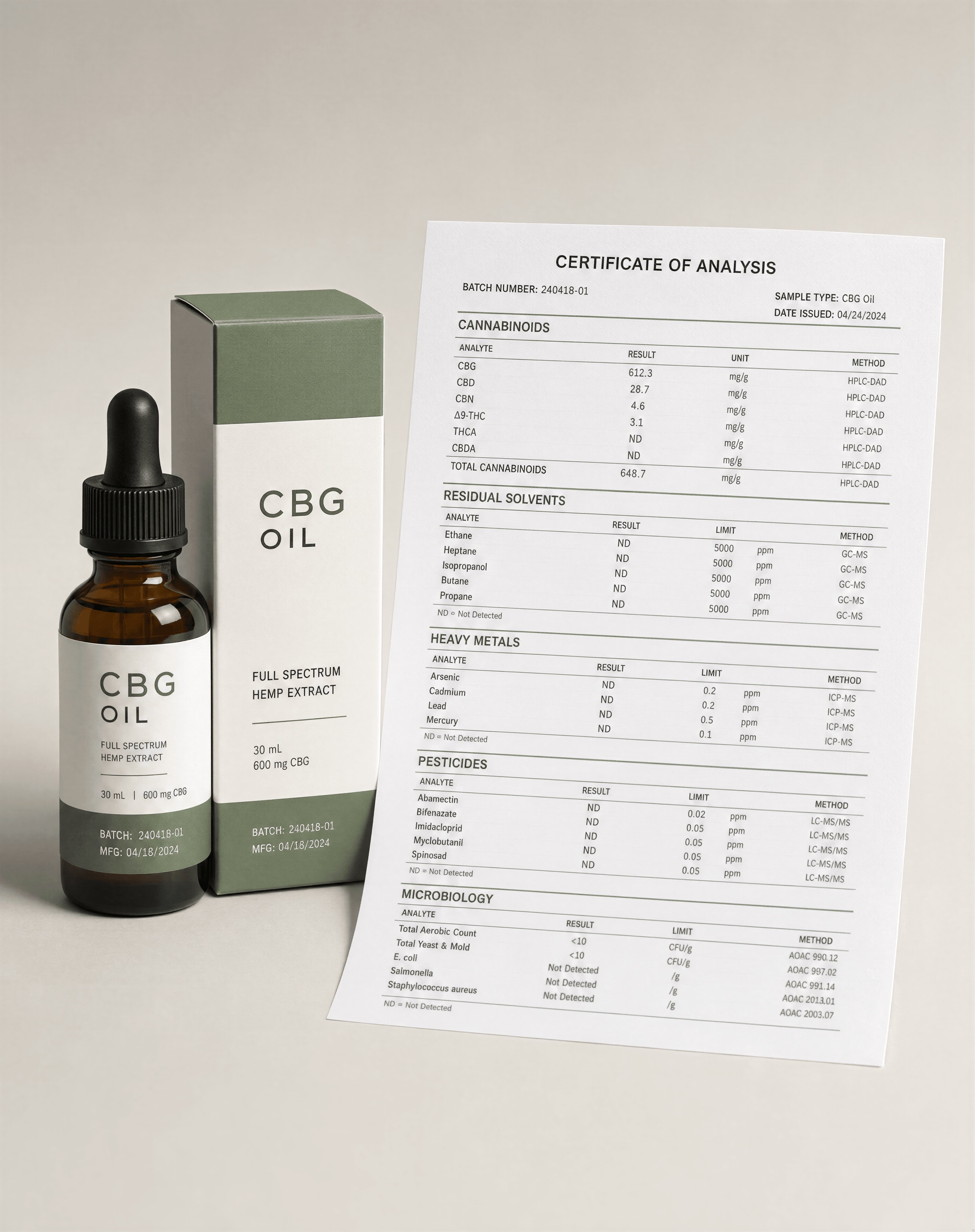
A certificate of analysis, or COA, is useful only if it is recent, batch-specific, and issued by an independent lab. Reading one well matters. Start with identity: does the batch number on the COA match the package? Then cannabinoid potency: is CBG reported as neutral CBG, CBGA, or total potential CBG? Is delta-9 THC listed clearly, and is THCA shown separately? In poorly explained reports, a product can look compliant while carrying more total THC potential than the consumer expects.
What to check on a CBG certificate of analysis
- Residual solvents from extraction or purification
- Pesticides
- Heavy metals such as lead, arsenic, cadmium, and mercury
- Microbial contamination, including molds and pathogenic bacteria
- Mycotoxins where relevant
Next, contaminants. Look for: - Residual solvents from extraction or purification, especially hydrocarbons or other processing solvents - Pesticides - Heavy metals such as lead, arsenic, cadmium, and mercury - Microbial contamination, including molds and pathogenic bacteria - Mycotoxins where relevant
“Pass” without numerical results is weaker than a report with actual values and detection limits. So is an undated COA, an incomplete panel, or a document that tests only potency. Lab shopping is a known issue across the cannabinoid space. A polished PDF by itself proves little.
One more point: product form changes exposure. Inhaled products act quickly and wear off faster, which can make dose titration easier but also increases the chance of repeated redosing. Oral products are slower, more variable, and more affected by food and liver metabolism. That unpredictability is one reason people overshoot.
Consumer guidance for low-and-slow trialing
The safest practical advice is conservative. Start low. Wait. Change one variable at a time.
If someone is inexperienced with cannabinoids, there is no sensible reason to begin with a large dose. Individual responses vary significantly based on genetics, tolerance, consumption method, and product composition. A low dose that feels negligible to one person can feel sedating, dysphoric, or GI-irritating to another. With oral products especially, waiting long enough before taking more is essential because onset may be delayed.
Keep notes. Record the product name, batch, labeled CBG amount, route, time taken, food intake, and any effects or side effects. That sounds tedious until two nearly identical-looking products behave very differently.
Do not stack CBG with alcohol or other sedatives during a first trial. Do not assume a hemp-derived label means negligible THC. Do not use before driving. If palpitations, significant dizziness, severe anxiety, vomiting, rash, or persistent confusion occurs, stop using the product and seek medical advice.
People taking prescription medications should treat CBG like a potential interaction candidate, not an inert wellness additive. And laws vary by jurisdiction. In the United States, hemp with no more than 0.3% delta-9 THC was removed from the federal definition of marijuana by the 2018 Farm Bill, which opened the door for hemp-derived CBG products, but FDA has not approved CBG as a dietary supplement or therapeutic agent. Regulatory treatment also differs across Europe and elsewhere. Ensure you understand the regulations applicable in your location before engaging in any cannabis-related activity.
The bottom line is restrained but clear: CBG is pharmacologically active, product quality is uneven, and dose certainty is poor. That is enough reason to approach it carefully.
Legal and regulatory status of CBG
CBG sits in an awkward legal category. It is not scheduled by name under many headline drug laws, yet that does not make it automatically lawful in every form, every market, or every finished product. The gap between cannabinoid chemistry and cannabinoid regulation is wide, and CBG falls right into it. That matters because cannabinoid products now reach a large population: SAMHSA reported 61.8 million people in the United States used marijuana in the past year in 2023, while the EMCDDA estimated around 24 million European adults used cannabis in the last year in 2024. Even a “minor” cannabinoid can therefore become a major compliance issue fast.
United States: hemp-derived CBG, Farm Bill logic, and FDA limits
In the United States, the basic legal argument for hemp-derived CBG starts with the 2018 Farm Bill. That law removed “hemp” from the federal Controlled Substances Act definition of marijuana, provided the plant and its derivatives contain no more than 0.3% delta-9 THC on a dry-weight basis. If CBG is extracted from lawful hemp and the source material stays within that THC threshold, companies often treat the ingredient as federally lawful hemp-derived material rather than marijuana.
That is the opening move, not the end of the analysis.
The Farm Bill did not create a blanket approval for all hemp-derived ingredients in foods, supplements, inhalable products, cosmetics, or therapeutic products. It mainly addressed controlled-substance status. That distinction is where many public discussions go wrong. A hemp-derived cannabinoid can be outside the federal marijuana definition and still violate the Food, Drug, and Cosmetic Act depending on how it is formulated, labeled, or marketed.
FDA is the main federal bottleneck here. The agency has not approved CBG as a dietary supplement ingredient, nor has it approved CBG as a general therapeutic agent. That means products containing CBG face the same core problem seen with many hemp cannabinoids: sellers may rely on hemp legality, but FDA can still object to ingredient status, adulteration, unsafe food use, or disease claims. CBG also lacks the kind of settled federal pathway that people often assume exists.
State law adds another layer. Some states broadly permit hemp cannabinoids if delta-9 THC stays under the threshold. Others restrict intoxicating hemp derivatives, inhalable hemp products, synthetic conversion, or cannabinoids outside narrow definitions. CBG itself is non-intoxicating in the ordinary sense, which helps politically, but state hemp laws are often drafted broadly and can sweep in non-intoxicating cannabinoids anyway. A product that appears acceptable under one state hemp program may trigger enforcement in another.
| Jurisdiction layer | What may be true for CBG | What still remains uncertain |
|---|---|---|
| U.S. federal controlled-substance status | Hemp-derived CBG may fit the Farm Bill pathway if source material stays at or below 0.3% delta-9 THC | This does not by itself authorize all finished product categories |
| U.S. FDA oversight | Controlled-substance status may be more permissive than marijuana status | FDA has not approved CBG as a dietary supplement ingredient or general therapeutic agent |
| U.S. state law | Some states allow hemp cannabinoids under threshold rules | Other states restrict inhalable products, derivative categories, or broader hemp-cannabinoid sales |
| EU hemp rules | Lawful hemp cultivation or processing may be permitted under THC limits | That does not automatically authorize isolated CBG as a food ingredient |
| EU food law | Some CBG products may face novel food scrutiny | Member-state enforcement differs and market treatment is uneven |
The result is a split-screen legal reality: at the federal controlled-substance level, hemp-derived CBG has a plausible legal pathway; at the FDA level and the state level, the picture is much less settled.
European Union: novel food questions, hemp rules, and market ambiguity
The European Union is not one market with one simple cannabinoid rulebook. It is a layered system of EU-wide law, member-state enforcement, narcotics rules, food law, and local administrative practice. CBG is affected by all of those at once.
The first issue is hemp legality. Industrial hemp cultivation and hemp raw materials may be permitted under EU and member-state rules if THC limits are respected. But permission to grow or process hemp does not automatically authorize every isolated cannabinoid as a food ingredient or consumer product. That is where novel food law enters.
In the EU, isolated cannabinoids often raise novel food questions because ingredients without a demonstrated history of significant consumption before May 1997 may require premarket authorization. CBD has dominated this debate, but the same logic can extend to CBG. If a CBG ingredient is treated as a novel food without authorization, it may not be lawfully placed on the food market even if it came from lawful hemp. That is the core ambiguity.[16] Case C-663/18, B S and C A v Ministère public and Conseil national de l’ordre des pharmaciens. Court of Justice of the European Union. CJEU, 2020.
The 2020 Court of Justice of the European Union ruling in Kanavape helped shape the cannabinoid conversation by holding that CBD lawfully produced in one member state could not be prohibited in another absent a demonstrated public-health risk. But that ruling did not create a general legalization of all cannabinoids, and it did not erase food-law requirements. It is relevant by analogy, not as a clean answer for CBG.
Member states still differ sharply in practice. Some take a stricter line on cannabinoid extracts in foods. Others are more tolerant in cosmetics or low-THC hemp products. Some focus on narcotics law; others focus on food authorization. That uneven enforcement is why CBG in Europe is best described as legally unstable rather than plainly legal or plainly illegal.
Medical claims, supplement claims, and enforcement risk
The fastest way to turn a gray-area cannabinoid product into an enforcement target is to make medical claims. This is true in both the United States and Europe.
CBG has interesting preclinical literature. Borrelli and colleagues reported anti-inflammatory effects in a 2013 mouse colitis paper in PLoS ONE. Appendino and coauthors reported antibacterial activity of non-psychotropic cannabinoids against MRSA in Journal of Natural Products in 2008. Valdeolivas and colleagues published neuroprotective findings in a Huntington’s disease model in Neurotherapeutics in 2015. Those studies are real. They are also not human clinical approvals.
That gap matters legally. Claims that a CBG product treats colitis, kills MRSA, protects against Parkinson’s disease, lowers glaucoma risk, or manages anxiety can push a product toward drug status. Even softer language can trigger scrutiny if the overall marketing message implies diagnosis, mitigation, treatment, or prevention of disease. Structure/function language is not a free pass either, especially where the ingredient itself lacks a settled regulatory category.
The risk is not abstract. Regulators do not need to prove CBG is dangerous before acting against unsupported disease claims. They can act because the claims themselves are unlawful. For manufacturers and publishers alike, the safer legal position is simple: preclinical evidence does not authorize therapeutic marketing.
Why legality of source material does not settle legality of finished products
This is the point consumers miss most often. Legal source material and legal finished product are not the same thing.
A CBG extract may begin with lawful hemp. After that, everything depends on what happens next: extraction method, concentration, residual solvents, THC compliance, added ingredients, intended use, route of administration, product category, labeling, and claims. A tincture, beverage, capsule, vape liquid, cosmetic, edible, and smokable flower substitute can each fall under different rules even if they contain the same cannabinoid.
Finished-product legality can also be affected by contamination and manufacturing quality. A product sold as “CBG” may contain measurable delta-9 THC, delta-8 THC, residual reagents, pesticides, or heavy metals. That raises issues far beyond basic hemp legality. It also matters for workplace drug testing, impaired-driving law, and youth-access restrictions.
Source legality does not answer ingredient approval, either. A lawful hemp extract can still be an unauthorized novel food in Europe or an unlawful food or supplement ingredient under FDA reasoning in the United States. The legal status of the plant is only one layer.
Cannabis laws vary by jurisdiction. Ensure you understand the regulations applicable in your location before engaging in any cannabis-related activity.
One final point is easy to miss because CBG is non-intoxicating and often framed as gentler than THC. That public image does not reduce regulatory exposure. Agencies usually care less about branding language than about category, claims, composition, and safety. For CBG, the cleanest legal reading is cautious: hemp origin may help with controlled-substance analysis, but it does not settle food law, supplement law, medicines law, state restrictions, or product-specific enforcement.
What consumers should and should not expect from CBG
CBG now sits in an odd position: scientifically interesting, commercially visible, and clinically underproven. That mismatch matters because cannabinoids are reaching a very large audience. UNODC estimated 228 million past-year cannabis users worldwide in 2022, Europe’s 2024 drug report put last-year cannabis use at about 24 million adults, and SAMHSA reported 61.8 million past-year marijuana users in the United States. Against that scale, even a “minor” cannabinoid can generate major claims very quickly. Consumers should treat CBG as a compound with plausible biological effects, not as a validated answer for mood, focus, gut disease, pain, glaucoma, infection, or neurodegeneration.
Claims with some mechanistic support
Some CBG claims are not invented out of thin air. They come from real receptor pharmacology and real preclinical experiments. CBG has shown low-affinity partial agonism or other functional interaction at CB1 and CB2 depending on assay system, alpha-2 adrenoceptor agonism, 5-HT1A antagonism in several pharmacology summaries, and activity at TRP channels such as TRPA1, TRPV1, and TRPM8. That is a broad target profile. Broad does not mean clinically confirmed, but it does mean people are not imagining the molecule’s biological activity.
Gut inflammation is one of the better-supported areas mechanistically. In 2013, Borrelli and colleagues reported in PLoS ONE that CBG reduced nitric oxide production in macrophages and improved inflammatory markers in a mouse colitis model. That does not prove benefit in human IBS or inflammatory bowel disease, yet it gives a credible basis for interest in gut-directed effects. With IBD affecting up to 3.1 million U.S. adults by CDC estimates, that line of research deserves attention. It does not justify saying CBG “treats gut issues.”
Anti-inflammatory and neuroinflammatory findings also have some footing. Pagano and coworkers in 2021 reported effects of CBG in an in vitro neuroinflammation model, including changes tied to oxidative stress and inflammatory signaling. Those data support the statement that CBG may influence inflammatory pathways. They do not support claiming that it prevents brain disease in people.
Appetite is another plausible area. Older cannabinoid literature and animal work suggest CBG may stimulate feeding in some settings. That is biologically believable. It is also not universally desirable, especially in a world where WHO reports more than 390 million children and adolescents aged 5–19 were overweight in 2022, while appetite support still matters in some medical contexts.
Pain and “focus” claims need more restraint. TRP channel activity and alpha-2 adrenoceptor signaling make analgesic or sensory effects plausible. But plausible is not proven. As for focus, many people reporting “clear-headed” effects may simply be responding to low THC exposure, expectancy, terpene content, dose, or formulation differences rather than a clean CBG-specific cognitive effect.
Claims that outrun the evidence
This is where the market gets ahead of the data. Human clinical evidence for CBG is sparse. Not modest. Sparse.
Antibacterial claims often cite real work, but then jump too far. Appendino and colleagues published a 2008 Journal of Natural Products paper showing non-psychotropic cannabinoids, including CBG, had in vitro activity against MRSA. Later work has explored effects on Gram-positive biofilms and persister cells. Given the CDC estimate of more than 2.8 million antimicrobial-resistant infections and more than 35,000 deaths annually in the U.S., that is medically interesting. It is not a basis for presenting CBG as an antibiotic for consumers.
The same pattern applies to neuroprotection. Valdeolivas and coauthors reported beneficial findings in a Huntington’s disease model in Neurotherapeutics in 2015. Parkinsonian toxin models and ALS-related cell data also exist. None of that amounts to an approved neurological use. If a label or social post implies otherwise, it is selling certainty that the literature does not provide.
Glaucoma claims should be treated with special caution. Cannabinoid-related intraocular pressure findings are old, mixed, and limited by short duration and systemic adverse effects. Glaucoma is a major cause of irreversible blindness worldwide. It is not an area for improvisation.
Mood, anxiety, and depression claims are also overstated. CBG’s 5-HT1A-related pharmacology makes central nervous system effects interesting, but there is no strong human evidence showing reliable antidepressant, anxiolytic, or “mood-balancing” outcomes. “Pain relief” claims are similarly ahead of proof unless they are framed very narrowly as subjective, individual, and uncertain.
How to compare CBG isolate, broad-spectrum, and flower-based exposure
CBG isolate gives the cleanest single-compound exposure. That makes it easier to know which cannabinoid is intended to be present, but it does not erase uncertainty about dose-response, absorption, impurities, or interactions. Broad-spectrum products add other cannabinoids and non-cannabinoid compounds while aiming to limit THC. Flower-based exposure is the messiest but often the most chemically complete, with acids, terpenes, minor cannabinoids, and combustion or vaporization variables affecting the final effect.
That chemical complexity matters because CBG is rarely acting alone in real-world use. Labels matter too. Mature THC- or CBD-dominant flower often contains less than 1% CBG because the plant converts CBGA into THCA, CBDA, and CBCA during development. High-CBG flower comes from specific breeding approaches that reduce that conversion. If a product claims meaningful CBG exposure, consumers should look for a recent third-party certificate of analysis showing cannabinoid content, residual solvents where relevant, and contaminant screening.
They should also assume uncertainty. Drug interactions are possible through CYP pathways. Sedation can add up when cannabinoids are combined with alcohol, sedatives, or other centrally acting substances. Laws also vary by jurisdiction. In the U.S., hemp-derived cannabinoids entered the market after the 2018 Farm Bill, but FDA has not approved CBG as a dietary supplement or therapeutic agent. Legal status outside that framework can be narrower and less predictable.
CBG deserves serious scientific interest and skeptical consumer interpretation at the same time. Limited evidence
The right stance is not cynicism. It is discipline. CBG deserves serious scientific interest and skeptical consumer interpretation at the same time. When the evidence is mainly preclinical, the honest answer is not “this works.” It is “this might matter, and nobody should pretend that is the same thing.”
References
- [1] Agriculture Improvement Act of 2018. Public Law 115-334, 2018. https://www.congress.gov/bill/115th-congress/house-bill/2/text
- [2] World Drug Report 2024. UNODC, 2024. https://www.unodc.org/unodc/en/data-and-analysis/world-drug-report-2024.html
- [3] European Drug Report 2024: Trends and Developments. EUDA, 2024. https://www.euda.europa.eu/publications/european-drug-report/2024_en
- [4] Results from the 2023 National Survey on Drug Use and Health. SAMHSA, 2024. https://www.samhsa.gov/data/report/2023-nsduh-annual-national-report
- [5] Beneficial Effect of the Non-Psychotropic Plant Cannabinoid Cannabigerol on Experimental Inflammatory Bowel Disease. PLoS ONE, 2013. https://doi.org/10.1371/journal.pone.0077599
- [6] Data and Statistics on Inflammatory Bowel Disease. CDC, 2024. https://www.cdc.gov/ibd/data-statistics.htm
- [7] Antibiotic Resistance Threats in the United States, 2019. CDC, 2019. https://www.cdc.gov/antimicrobial-resistance/media/pdfs/2019-ar-threats-report-508.pdf
- [8] Antibacterial Cannabinoids from Cannabis sativa: A Structure-Activity Study. Journal of Natural Products, 2008. https://doi.org/10.1021/np8002673
- [9] Uncovering the Hidden Antibiotic Potential of Cannabis. ACS Infectious Diseases, 2020. https://doi.org/10.1021/acsinfecdis.0c00403
- [10] Neuroprotective Properties of a Novel Nonpsychoactive Cannabinoid Quinone Derivative in Experimental Models of Huntington’s Disease. Neurotherapeutics, 2015. https://doi.org/10.1007/s13311-015-0349-5
- [11] Effect of Cannabigerol in an In Vitro Model of Neuroinflammation. International Journal of Molecular Sciences, 2021. https://doi.org/10.3390/ijms22084108
- [12] Blindness and vision impairment. WHO, 2023. https://www.who.int/news-room/fact-sheets/detail/blindness-and-vision-impairment
- [13] Cannabigerol Is a Novel, Well-Tolerated Appetite Stimulant in Pre-Satiated Rats. Psychopharmacology, 2016. https://doi.org/10.1007/s00213-016-4397-4
- [14] Obesity and overweight. WHO, 2024. https://www.who.int/news-room/fact-sheets/detail/obesity-and-overweight
- [15] Marijuana Research Report: Is marijuana addictive?. NIDA, 2024. https://nida.nih.gov/publications/research-reports/marijuana/marijuana-addictive
- [16] Case C-663/18, B S and C A v Ministère public and Conseil national de l’ordre des pharmaciens. CJEU, 2020. https://curia.europa.eu/juris/liste.jsf?num=C-663/18