














What cannabis topicals are — and what most articles get wrong
Most cannabis creams, balms, and lotions are not built to flood cannabinoids into the bloodstream. They are designed for local action in the skin and nearby tissues. That sounds like a minor wording issue, but it is the main correction this article makes, because much of the public discussion treats every topical cannabis product as if it worked the same way. It does not.
The skin is a large and biologically active organ, about 1.8 m² in surface area according to Vitorino et al. in Pharmaceutics (2023). It is also an impressive barrier. The outer layer, the stratum corneum, is only about 10–20 µm thick, yet Paudel et al. noted in 2010 that it is the principal barrier to percutaneous absorption. So when a label says “topical CBD” or “THC cream,” that tells you almost nothing about where the cannabinoids are expected to act. Product design matters more than marketing language.
That distinction matters because local effects are plausible even when blood levels stay low. Baswan et al. wrote in Cannabis and Cannabinoid Research (2020) that human skin expresses CB1 and CB2 receptors along with TRPV channels, PPARs, endogenous cannabinoids, and related enzymes. Work from Tamás Bíró and colleagues has helped show that keratinocytes, sebocytes, mast cells, fibroblasts, hair follicles, and sensory nerve endings all participate in cutaneous cannabinoid signaling. In plain terms, cannabinoids may affect itch, inflammation, sebum production, pain signaling, and barrier function right where they are applied. They do not need to reach the brain to do that.
The difference between topical, dermal, and transdermal products
These terms are often used sloppily. They should not be.
| Term | Meaning | Typical goal |
|---|---|---|
| Topical | Any product applied to the skin | Broad category that includes local topicals and patches |
| Dermal | Delivery intended to act in the skin or nearby tissues | Local action with minimal systemic absorption |
| Transdermal | Delivery intended to cross skin into circulation | Systemic exposure in meaningful amounts |
“Topical” is the broad umbrella. It simply means a product applied to the skin. That category includes everything from a balm rubbed on a sore joint to a medicated patch.
“Dermal” is more specific. In pharmaceutics, dermal delivery usually means the drug is intended to act in the skin itself or in tissues close beneath it, with minimal systemic absorption. A cream aimed at itch, localized discomfort, or an inflammatory skin condition fits here. Many cannabis lotions, salves, and oils belong in this class even if labels never say so explicitly.
“Transdermal” means the opposite design goal: crossing the skin barrier and reaching systemic circulation in meaningful amounts. That is a drug-delivery challenge, not just a packaging choice. Vitorino et al. stressed in 2023 that transdermal administration can avoid first-pass metabolism and smooth plasma levels, but only when the formulation can overcome the stratum corneum. Cannabinoids are lipophilic, which helps them partition into skin lipids, yet that same chemistry complicates controlled passage all the way through the skin.
This is why milligrams on the label can mislead. A jar may contain a large amount of CBD and still deliver very little beyond superficial layers. Concentration is only one variable. Vehicle, occlusion, penetration enhancers, skin hydration, body site, temperature, and application time all affect delivery.
Why a balm is not a patch
| Format | Typical base or design | Usual purpose | Systemic delivery expected? |
|---|---|---|---|
| Balm / salve | Oils, waxes, butters; often anhydrous | Occlusion and local contact | Usually no |
| Cream / lotion | Emulsion with oil-water phases | Spreadability, moisturization, local exposure | Usually no |
| Oil / roll-on | Carrier oil system | Massage and local application | Usually no |
| Transdermal patch | Adhesive matrix or reservoir with enhancers | Controlled flux across skin | Possible, if engineered well |
A balm and a patch may both contain CBD or THC, but they are not interchangeable technologies.
Balms and salves are often anhydrous or nearly so, built from oils, waxes, and butters. They can increase occlusion, reduce water loss, and keep cannabinoids in contact with the skin surface longer. That may help local action. It does not make them transdermal by default. Creams and lotions behave differently again: they are emulsions, with different oil-water ratios that affect spreadability, feel, evaporation, and residence time. Oils vary with the carrier lipid and can be elegant or greasy, stable or oxidation-prone.
A transdermal patch is another category entirely. It is usually engineered to maintain prolonged flux across skin using an adhesive matrix or reservoir system, sometimes with ethanol, oleic acid, propylene glycol, terpenes, or other penetration enhancers. The point is controlled delivery across the barrier, not just application onto it.
The evidence reflects that difference. Lodzki et al. showed in 2003 that a transdermal CBD system in mice maintained steady plasma CBD concentrations for 72 hours. Hammell et al. reported in 2016 that transdermal CBD gel reduced swelling and pain-related behaviors in rats with arthritis in a dose-dependent way, testing 0.6, 3.1, 6.2, and 62.3 mg/day. Those are preclinical studies, not proof for every human patch on the market, but they establish the principle: formulation determines route.
This is also why bath bombs deserve skepticism. Cannabinoids are hydrophobic, they disperse poorly in bathwater, and the dose is diluted in a large volume. Any benefit may come more from heat, soaking, fragrance, and emollients than from substantial cannabinoid absorption.
Why non-psychoactive is usually true for topicals but not automatically true for transdermals
Ordinary cannabis creams and balms are usually non-psychoactive because systemic absorption is typically negligible. Limited evidence
For ordinary cannabis creams and balms, “non-psychoactive” is usually a fair expectation. If a product acts locally and systemic absorption stays negligible, intoxication is unlikely. That is especially true for CBD-dominant dermal products, but it also often holds for many THC topicals that are not engineered for bloodstream delivery.
Usually. Not always.
If a product is genuinely transdermal and contains THC, the logic changes. A system designed to move THC across skin and into circulation could, in principle, produce psychoactive effects if enough THC reaches plasma. Whether a given product actually does so depends on dose, patch area, excipients, wear time, and formulation quality. But the blanket claim that “topicals cannot affect you systemically” is false once transdermal delivery enters the picture.
That is the line many articles blur, and readers end up with the wrong expectations. A balm may be pharmacologically plausible for localized discomfort or inflammatory skin signaling while never producing measurable central effects. A transdermal system is making a more ambitious drug-delivery claim and should be judged by a higher standard. The skin can support both local and systemic cannabinoid delivery. The product category tells you which one is being attempted.

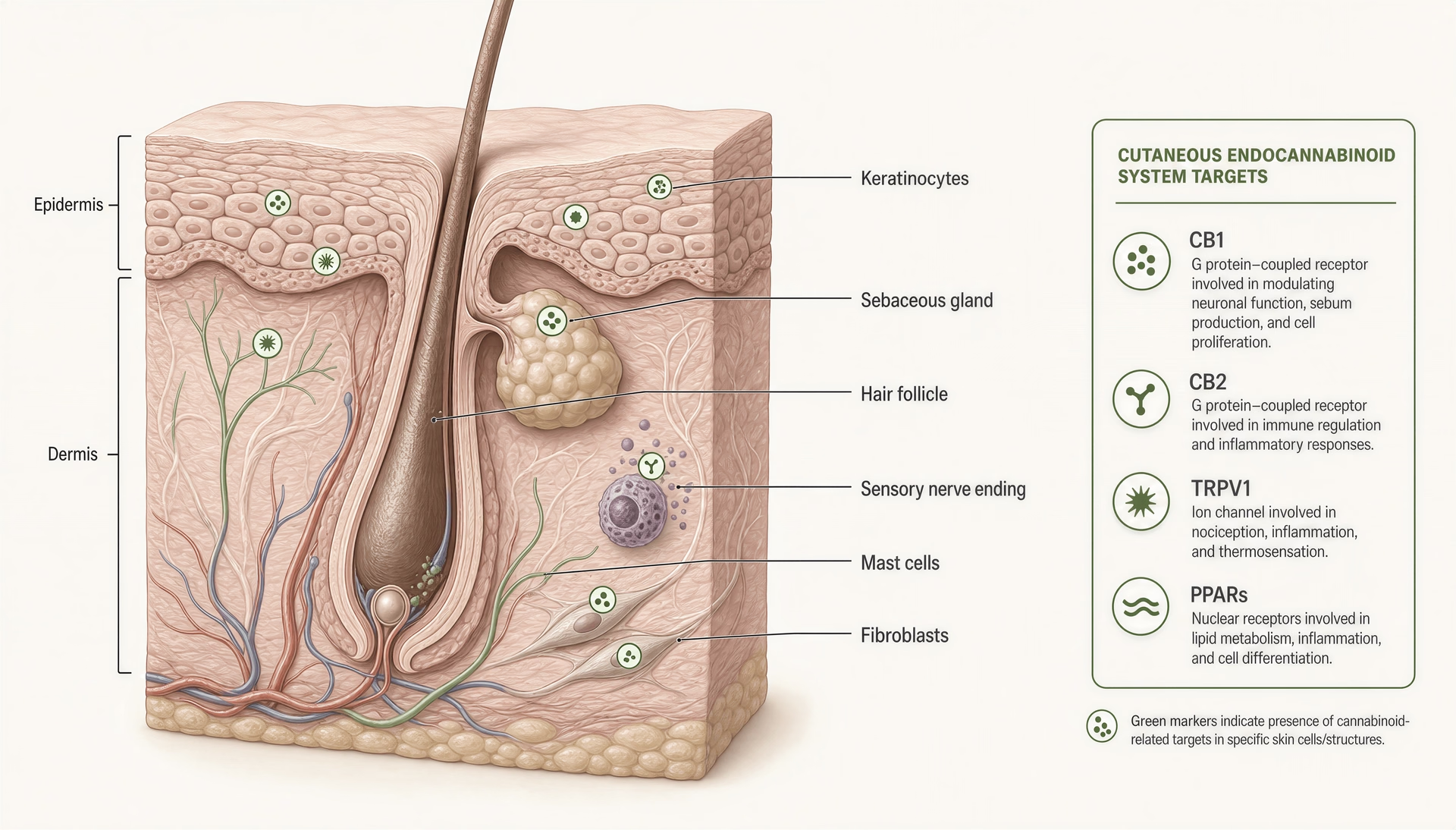
The skin endocannabinoid system
Cutaneous endocannabinoid system The network of cannabinoid-related receptors, endogenous ligands, enzymes, and signaling targets present in skin cells and skin-associated nerves and immune cells.
Skin is not just a passive covering that cannabinoids happen to touch on the way to somewhere else. It is an active neuroimmune and endocrine-like tissue with its own signaling networks, and one of those networks is the cutaneous endocannabinoid system. That is why local cannabinoid effects are biologically plausible even when a cream or balm never delivers enough drug into the bloodstream to cause intoxication.
This point matters because topical and transdermal products are often lumped together. They should not be. The stratum corneum, only about 10–20 micrometers thick, is still the main barrier to percutaneous absorption, as Paudel et al. summarized in 2010. Human skin covers about 1.8 m², according to Vitorino et al. in 2023, but most of that surface is designed to keep molecules out. So ordinary topicals usually act in skin and nearby tissues unless they are deliberately engineered to cross into circulation. That does not make them inert. It means their likely site of action is local.
Baswan et al. argued in a 2020 review in Cannabis and Cannabinoid Research that human skin expresses the machinery needed for cannabinoid signaling: receptors, endogenous ligands, and metabolic enzymes. Tamás Bíró and colleagues built much of the dermatology literature behind that claim, showing over years of work that epidermal differentiation, sebaceous activity, hair-follicle biology, itch, and inflammatory responses can all be influenced by this signaling network. The cutaneous ECS is real. The harder question is not whether it exists, but which compounds can engage it in living human skin at meaningful levels.
CB1, CB2, TRPV1, PPARs, and other targets in skin
Key skin signaling targets mentioned in this article
- CB1
- Cannabinoid receptor involved in peripheral nerve and skin-compartment signaling.
- CB2
- Cannabinoid receptor linked especially to immune and inflammatory signaling.
- TRPV1
- A transient receptor potential channel involved in nociception, heat sensing, itch, and neurogenic inflammation.
- PPAR-γ
- A nuclear receptor relevant to lipid metabolism, inflammation, and cell differentiation.
- FAAH
- An enzyme involved in breakdown of endocannabinoid signaling molecules.
- GPR55
- A non-classical cannabinoid-related target discussed in skin pharmacology literature.
The beginner version of this story says skin has CB1 and CB2 receptors. That is true, but it is not enough.
CB1 and CB2 are part of the picture. CB1 is found in several skin compartments, including epidermal structures and peripheral nerve elements. CB2 is especially relevant to immune signaling and inflammatory cell behavior. Endogenous cannabinoids such as anandamide and 2-arachidonoylglycerol are also present, along with enzymes involved in their synthesis and breakdown, including FAAH. This supports the idea that skin can both generate and respond to cannabinoid-like signals on site.
Still, reducing skin pharmacology to CB1/CB2 misses the dermatology literature. Baswan et al. highlighted that cannabinoids and cannabinoid-like compounds can interact with transient receptor potential channels such as TRPV1 and TRPA1, nuclear receptors including PPAR-α and PPAR-γ, and likely other targets such as GPR55. Those non-classical targets matter because many observed skin effects do not map neatly onto CB1 or CB2 alone.
TRPV1 is a strong example. It is involved in nociception, thermal sensing, itch, and neurogenic inflammation. CBD can influence TRPV1 signaling, which may help explain why some anti-itch or discomfort claims remain plausible even when CB1 activation is weak or absent. PPAR-γ is another important node. It regulates lipid metabolism, inflammation, and cell differentiation, making it relevant to sebaceous gland biology and inflammatory dermatoses. In practical terms, a cannabinoid topical may affect skin through a mixed pharmacology profile rather than a single receptor lock-and-key mechanism.
That broader view also explains why two cannabinoids can behave very differently. THC, CBD, CBG, and endocannabinoid-like lipids do not produce identical downstream effects in keratinocytes or sebocytes. Nor do terpenes and excipients remain pharmacologically irrelevant; some may alter penetration, some may irritate, and some may interact with sensory pathways.
Keratinocytes, sebocytes, hair follicles, mast cells, and sensory nerves
The skin ECS matters because it is embedded in the cells that drive visible skin function.
Keratinocytes, the main cells of the epidermis, are central to barrier formation, differentiation, and inflammatory signaling. Bíró’s work helped establish that endocannabinoid signaling can influence keratinocyte proliferation and maturation. That is relevant to disorders where epidermal turnover is abnormal, including psoriasis-like states, though mechanistic plausibility should not be mistaken for proven treatment efficacy.[1] Cannabidiol exerts sebostatic and antiinflammatory effects on human sebocytes. Attila Oláh, Barna I. Tóth, Lajos Borbíró, and colleagues. Journal of Clinical Investigation, 2014.
Sebocytes are another major target. The 2014 Journal of Clinical Investigation paper by Oláh et al. is one of the most cited studies here. In cultured human sebocytes, CBD showed sebostatic, anti-inflammatory, and antiproliferative effects. That study is the reason CBD appears so often in acne discussions. The mechanism involved more than CB1/CB2 and included TRPV4-mediated signaling with downstream effects on lipid synthesis and inflammatory pathways. It was elegant lab work. It was not a human acne trial.
Hair follicles are pharmacologically interesting because they are not only mini-organs with local cannabinoid signaling but also possible appendageal routes for penetration. Endocannabinoids and phytocannabinoids may influence follicular cycling and keratin expression. Some experimental work suggests that excessive CB1 signaling can suppress hair shaft elongation, which is a reminder that “cannabinoid activity” is not automatically beneficial. The direction of effect depends on receptor, dose, cell type, and context.
Mast cells and other immune cells bring the neuroimmune piece into focus. Mast cells release histamine and many other mediators tied to itch and inflammatory flares. Cannabinoid signaling can modulate mast-cell behavior, at least in preclinical systems, which is one reason local ECS activity is discussed in pruritus and dermatitis. Sensory nerve endings add another layer. Skin is densely innervated, and peripheral nerves express targets relevant to pain and itch transmission, including TRP channels and cannabinoid-sensitive pathways. A local product does not need to enter the bloodstream to affect these nerve endings if it reaches the relevant skin depth.
What local cannabinoid signaling may regulate: itch, inflammation, barrier function, and sebum
The strongest case for skin-directed cannabinoids is not that they cure everything from eczema to arthritis. It is that local signaling pathways tied to itch, inflammation, barrier repair, and sebaceous output are biologically reachable from the skin surface.
Itch is a good example. Chronic pruritus often involves immune mediators, barrier dysfunction, and altered peripheral nerve signaling. Cannabinoid-related pathways intersect with all three. Baswan et al. reviewed early evidence suggesting that topical cannabinoid approaches may help pruritic conditions, but the human data remain sparse and heterogeneous. The mechanistic rationale is stronger than the clinical proof.
Inflammation is similar. Keratinocytes, sebocytes, resident immune cells, and nerve endings all produce cytokines, chemokines, and lipid mediators that shape local inflammation. Cannabinoids can dampen some of these signals in cell and animal models. That makes localized inflammatory discomfort a reasonable target for study. It does not justify sweeping claims for every rash.
Barrier function may be the most underappreciated part of the cutaneous ECS. Epidermal homeostasis depends on tightly coordinated differentiation, lipid production, and immune surveillance. Bíró and colleagues have repeatedly argued that endocannabinoid tone helps regulate this balance. If that is right, then local cannabinoid modulation could affect transepidermal water loss, irritation responses, and recovery after barrier disruption. Again, plausible. Not settled.
Sebum regulation has the clearest mechanistic paper trail because of Oláh et al. 2014. Acne affects up to 50 million Americans annually, according to the American Academy of Dermatology, so it is no surprise that anti-sebum cannabinoid narratives spread quickly. But the evidence is still mostly preclinical. A dish of human sebocytes is not a face with acne.
A CBD-enriched ointment may improve some inflammatory skin conditions, but current human evidence is weak because controlled trials are lacking. Preliminary evidence
[2] A therapeutic effect of cbd-enriched ointment in inflammatory skin diseases and cutaneous scars. B. Palmieri, M. Laurino, A. Vadalà. Clinical Therapeutics, 2019.Small human studies exist, but they do not yet support strong dermatologic claims. Palmieri et al. in 2019 followed 20 patients using a CBD-enriched ointment for three months across psoriasis, atopic dermatitis, and scar conditions, and reported improvements in skin parameters and quality-of-life measures. Interesting signal. Weak design. No control group.
That is where the skin ECS should be understood with discipline. It provides a credible biological basis for local topical effects without requiring systemic intoxication. It also shows why cannabinoids in skin are not a one-receptor story. The pharmacology is broader, the formulation matters enormously, and the clinical evidence still lags behind the mechanism.
How cannabis topicals work at the skin barrier
Skin is a biologic shield first and a delivery route second. That matters because many claims about cannabis creams, balms, and oils assume that if a cannabinoid is placed on the skin, it will simply “soak in.” Usually it does not, at least not in a predictable or deep way. Human skin covers about 1.8 m², according to Vitorino et al. in a 2023 Pharmaceutics review, and it is built to keep water in and outside chemicals out. For cannabis products, the practical consequence is simple: local topical action is plausible, systemic delivery is hard, and the difference comes down to barrier biology plus formulation science.
That distinction is why ordinary topicals and transdermal systems should not be lumped together. A balm applied to a sore knuckle may affect the surface and nearby tissues. A transdermal patch is designed to create sustained flux across the skin and into circulation. Those are not the same pharmacologic job.
The skin also has targets for cannabinoids. Baswan et al. wrote in 2020 that cutaneous tissue expresses CB1, CB2, TRPV channels, PPARs, and endogenous cannabinoid signaling machinery. Tamás Bíró’s group and others have shown that keratinocytes, sebocytes, fibroblasts, mast cells, hair follicles, and sensory nerve endings all participate in this signaling network. That is one reason local effects are believable even when blood levels remain low. The question is not whether skin can respond to cannabinoids. It can. The harder question is how much of the active compound actually gets through the barrier and where it ends up.

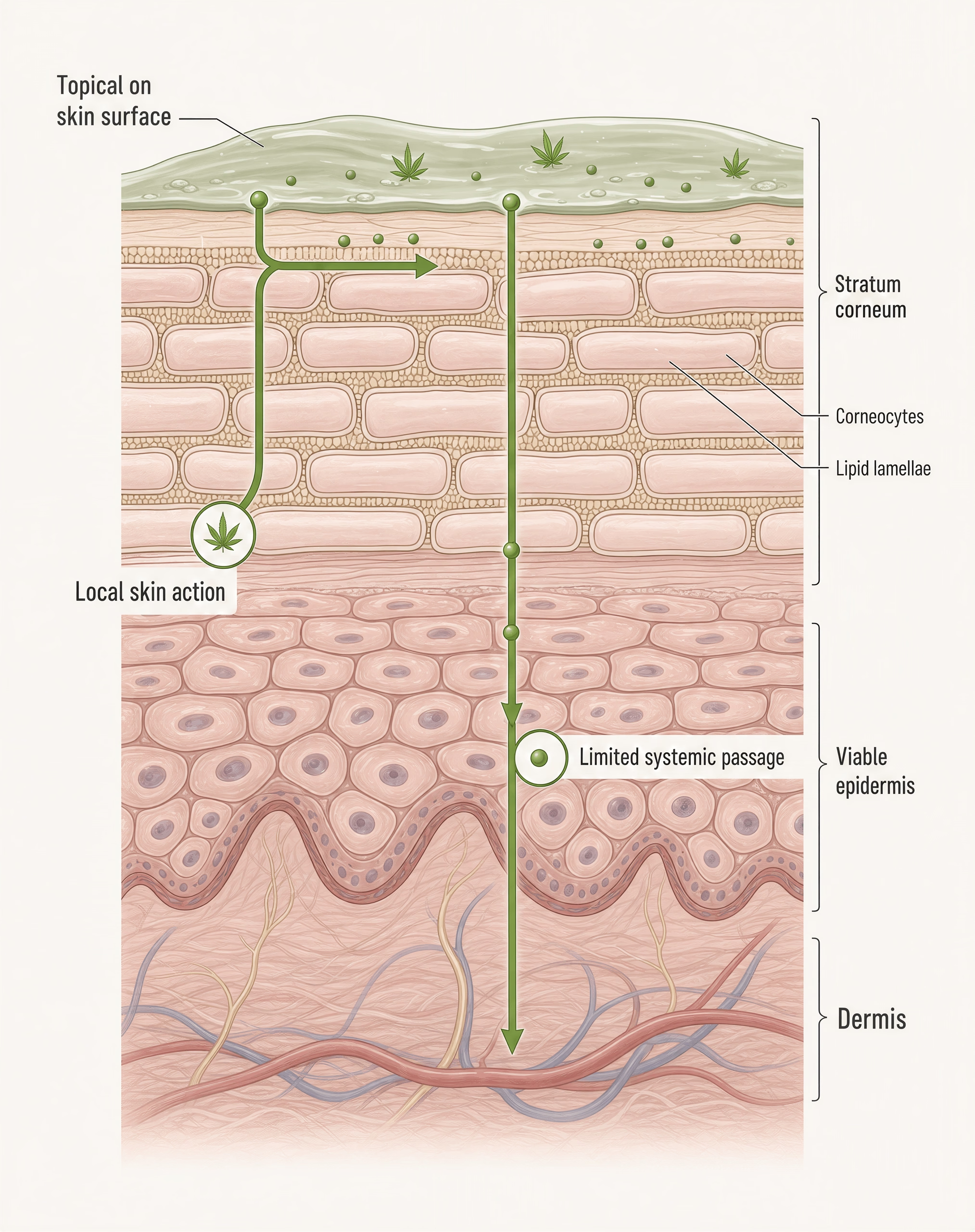
The stratum corneum as the main barrier
Stratum corneum The outermost skin layer. It is thin but acts as the main barrier that limits drug movement through skin.
Most of the difficulty sits in a very thin layer. The stratum corneum is only about 10 to 20 micrometers thick, but Paudel et al. noted in 2010 that it is the principal barrier to percutaneous absorption. It is often described as a “brick and mortar” structure: flattened dead corneocytes are the bricks, and lipid lamellae made largely of ceramides, cholesterol, and free fatty acids are the mortar.
That arrangement is excellent for barrier function. It is terrible for easy drug delivery.
For a cannabinoid formulation, the stratum corneum presents two conflicting facts. First, cannabinoids such as CBD and THC are highly lipophilic. That means they tend to partition into lipid-rich environments, including parts of the stratum corneum. Second, partitioning into the barrier is not the same thing as passing through it. A molecule can enter the outer lipid layers and then stall there, acting almost like it has been absorbed when it has really just been trapped.
This is where many simplistic explanations go wrong. “Lipophilic” does not mean “skin-penetrating” in any straightforward sense. Good skin delivery usually requires a balance: enough lipid affinity to enter the barrier, enough mobility and thermodynamic drive to leave it, enough solubility in the vehicle to be formulated, and enough release from that vehicle to maintain a concentration gradient. Cannabinoids often satisfy the first condition and struggle with the rest.
| Body site example | Relative permeability described in article | Why it matters |
|---|---|---|
| Eyelid | More permeable | Thin skin can allow easier entry |
| Face | Different from forearm | Site changes what a given dose means |
| Scalp | Follicle-rich | Appendageal routes may matter more |
| Palms and soles | Generally resist penetration | Very thick stratum corneum limits uptake |
| Heel | Less permeable than thin sites | Thick barrier reduces delivery |
The barrier is also not constant across the body. Eyelid skin is thin and more permeable than the heel. The face differs from the forearm. The scalp has abundant follicles. Palms and soles have a very thick stratum corneum and generally resist penetration. So “10 mg applied to the skin” means almost nothing without a body site.
Hydration changes the picture too. A well-hydrated stratum corneum swells and becomes more permeable than dry skin. Occlusion, whether from a waxy balm, a bandage, or a patch backing, reduces water loss and can increase hydration of the outer barrier, often increasing penetration. Damaged skin can allow much greater entry, but that is a double-edged sword: more delivery may come with more irritation and less predictability.
Intercellular, transcellular, and follicular absorption pathways
Main pathways through skin
- Intercellular Molecules move between corneocytes through the lipid matrix.
- Transcellular Molecules pass through corneocytes and repeatedly partition between lipid and more aqueous domains.
- Appendageal / follicular Molecules enter through hair follicles, sebaceous structures, or other shunt pathways that can act as reservoirs.
Drugs and cosmetic actives move through skin by three main routes: intercellular, transcellular, and appendageal, often called follicular or shunt pathways.
The intercellular route is generally considered the dominant one for many lipophilic compounds. Here, molecules wind their way between corneocytes through the tortuous lipid matrix. For cannabinoids, this route makes intuitive sense because the intercellular space is lipid-rich. But it is not an open channel. It is a densely ordered lamellar system. A cannabinoid has to partition out of the formulation vehicle, enter those lipids, diffuse through a long and irregular path, then partition again into deeper viable epidermis. Every one of those steps can fail or slow down.
The transcellular route cuts through the corneocytes themselves rather than around them. That sounds shorter, but it is chemically awkward. Corneocytes are relatively protein-rich and less hospitable to highly lipophilic molecules. To move transcellularly, a compound must repeatedly partition from lipid domains into more aqueous or proteinaceous cell interiors and back again. For cannabinoids, that repeated switching is not ideal, which is one reason transcellular diffusion is usually not thought to be their favored path.
Then there is the follicular route. Hair follicles, sebaceous glands, and to a lesser extent sweat ducts interrupt the stratum corneum and can act as entry points. This route represents a small fraction of total skin surface area, but it can matter disproportionately, especially early after application and on hair-bearing skin. Follicles can also behave as reservoirs, holding lipophilic material and releasing it over time. That is relevant for CBD and THC, both of which can accumulate in lipid-rich microenvironments.
Follicular delivery helps explain why massage can change performance. Rubbing a product into the skin does not magically force large amounts through the barrier, but it can increase contact with follicular openings, spread the formulation more evenly, slightly raise local temperature, and improve residence time. On hairy areas, that may modestly enhance appendageal uptake. On thick, dry skin, the effect may be minor.
Temperature matters for similar reasons. Warmth increases lipid fluidity, can increase cutaneous blood flow in deeper tissues, and may alter the viscosity of the formulation itself. A warm bath or heating pad may make a product feel more active, though not always because of cannabinoid delivery. Sometimes the warmth is doing much of the work.
Vehicle choice is often the hidden variable. A cream, lotion, balm, oil, gel, or patch adhesive can all contain the same labeled cannabinoid amount and perform very differently. Some vehicles hold onto cannabinoids so tightly that release is poor. Others improve partitioning into the stratum corneum. Penetration enhancers such as ethanol, oleic acid, propylene glycol, and certain terpenes may disrupt lipid order or alter solubility enough to increase flux. That is why transdermal systems deserve more respect than generic topicals: they are usually engineered around these variables rather than hoping oiliness alone will solve the barrier problem.
Why lipophilic cannabinoids are easy to formulate and hard to deliver
CBD and THC are easy to dissolve in oils, waxes, and many lipid-rich bases. That makes formulation look simple. It often is simple at the mixing stage. It becomes difficult at the delivery stage.
The paradox is that a cannabinoid can be very comfortable inside an oily balm and also very comfortable inside the stratum corneum lipids. If it likes both environments too much, it may not leave the first efficiently or pass fully through the second. What drives delivery is not just content but gradient and release. Label milligrams are not delivered milligrams.
This is why preclinical transdermal studies matter. Lodzki et al. in 2003 showed that a transdermal CBD system in mice produced steady plasma CBD concentrations for 72 hours. Hammell et al. in 2016 found dose-dependent reductions in joint swelling and pain behaviors in arthritic rats using transdermal CBD gel at 0.6, 3.1, 6.2, and 62.3 mg/day. Those studies do not prove that ordinary over-the-counter creams reach circulation in humans. They show the opposite lesson, really: cannabinoids can cross skin when formulation and excipients are designed for that purpose.
With standard topicals, delivery is usually local and variable. Body site, skin integrity, hydration, occlusion, massage, temperature, and vehicle all change the outcome. Damaged or inflamed skin may absorb more. An occlusive balm may increase residence time but not necessarily deep penetration. A lotion may spread well but evaporate faster. An anhydrous salve may soften the stratum corneum through occlusion while still releasing CBD poorly. An alcohol-containing gel may increase flux but also raise the risk of irritation.
So the right general rule is not “cannabinoids absorb well because they are oily.” It is stricter than that: cannabinoids partition readily into skin lipids, yet predictable passage across the skin barrier is difficult unless the dosage form is engineered to solve that problem. That is the line between a local topical and a true transdermal system.
Types of cannabis topicals and how they differ
“Cannabis topical” is not one product class. It is a catch-all label for formulations that behave very differently on skin, and the first split matters more than the package format: ordinary topicals are meant to act mainly in the skin and underlying local tissues, while transdermal systems are engineered to move cannabinoids across the stratum corneum and into circulation. That is not a semantic distinction. It is the line between a cream that mostly moisturizes and delivers local exposure, and a patch that attempts sustained systemic delivery.
That line exists because skin is a strong barrier. Paudel et al. wrote in 2010 that the stratum corneum, though only about 10–20 µm thick, is the principal barrier to percutaneous absorption. Vitorino et al. noted in a 2023 Pharmaceutics review that human skin covers about 1.8 m² and that transdermal delivery can avoid first-pass metabolism, but only if the formulation can overcome that barrier. CBD and THC are highly lipophilic, which helps them partition into skin lipids yet does not guarantee they will pass through skin in meaningful amounts. Vehicle, occlusion, hydration, penetration enhancers, site of application, and contact time all change the outcome.
Creams, lotions, balms, and salves
| Format | Water content / structure | Practical strength | Likely use |
|---|---|---|---|
| Cream | Emulsion; thicker than lotion | More residence time and moisturization | Dry or inflamed areas |
| Lotion | Emulsion; lighter, higher water phase | Easy wide-area spread | Large areas with less residue |
| Balm | Usually anhydrous and occlusive | Prolonged surface contact | Dry, cracked, or high-friction spots |
| Salve | Similar to balm, often wax-heavy | Barrier support and local staying power | Small target areas |
These are the standard local topicals, and they differ mostly in water content, feel, residence time, and how they handle the active ingredient.
Creams and lotions are emulsions. A cream is usually thicker, more viscous, and slower to run; a lotion has a higher water phase, spreads faster, and feels lighter. For cannabinoid delivery, that texture difference is not cosmetic trivia. It changes how long the product stays where it was applied, how much users are willing to apply, and whether the skin is left hydrated or tacky. A lotion is often better when someone wants wide-area coverage with minimal residue. A cream is better when the goal is more residence time, stronger moisturization, and easier application to dry or inflamed areas.
Balms and salves are usually anhydrous or nearly so. They rely on oils, waxes, butters, and sometimes petrolatum-like occlusives. That makes them useful for barrier support and for reducing transepidermal water loss, especially on very dry skin, elbows, hands, and other high-friction areas. But a thick occlusive film is not the same thing as superior cannabinoid penetration. In fact, balms can be excellent at keeping moisture in while still delivering most cannabinoids only to superficial skin layers. That can still be valuable. Local action is pharmacologically plausible because skin is not passive wrapping. Baswan et al. reviewed in 2020 that keratinocytes, sebocytes, mast cells, fibroblasts, hair follicles, and sensory nerve endings all participate in cutaneous endocannabinoid signaling. Work led by Tamás Bíró has been especially important here, showing that epidermal differentiation, barrier function, and sebaceous activity are regulated by cannabinoid-related pathways that extend beyond CB1 and CB2 to TRPV channels, PPAR-γ, GPR55, and FAAH-linked signaling.
So what are these formats actually good for? Creams and lotions are the practical choices for local moisturization plus cannabinoid exposure over broader skin areas. Balms and salves are better for occlusion and prolonged surface contact. They suit cracked, dry, or irritated patches more than large-body application. None should be assumed to produce systemic cannabinoid effects unless the formula was built for that purpose. Label milligrams do not solve this. A “1000 mg” jar may deliver less to tissue than a lower-dose product with a smarter vehicle.
The evidence behind common claims is thinner than the packaging language usually suggests. Palmieri et al. in 2019 followed 20 patients with psoriasis, atopic dermatitis, and scars using a CBD-enriched ointment for three months and reported improvement in skin parameters and quality of life. That is a useful signal, not strong proof. Olah et al. in 2014 found that CBD showed sebostatic and anti-inflammatory effects in human sebocytes in vitro, one reason CBD appears so often in acne discussions. But cell data are not a clinical acne trial.
Oils, roll-ons, and massage formulations
These formats are defined less by dermatology and more by application style. Most are simple oil-based systems using carriers such as MCT, olive, jojoba, sunflower, or hemp seed oil. Their strength is glide. They spread easily, work well for massage, and allow users to cover a joint, muscle group, or larger surface without the drag of a cream or the stiffness of a balm.
That makes oils and roll-ons especially suited to hands-on use: rubbing into shoulders, knees, neck, or lower back. Massage itself changes the experience, though not necessarily the pharmacokinetics in a dramatic way. It can increase local warmth, improve distribution over the skin surface, and encourage repeated application. For localized discomfort, this matters. A product that people will actually use correctly often outperforms one with a more impressive ingredient list but poor usability.
The tradeoff is that oils are usually less occlusive than salves and less elegant than good emulsions. They can feel greasy, transfer onto clothing, and oxidize if poorly protected from heat, light, or air. Roll-ons add convenience and reduce mess, but the applicator may limit how much product is deposited. They also often include menthol, camphor, capsaicin, or essential oils, which can create a strong sensory effect that users may attribute to cannabinoids. Sometimes that is fair. Sometimes it is not.
As local topicals, oils remain ordinary topicals unless they include a serious transdermal strategy. Cannabinoids dissolved in a carrier oil do not magically bypass the stratum corneum. They may partition into skin lipids well, but controlled passage through the barrier is another problem altogether.

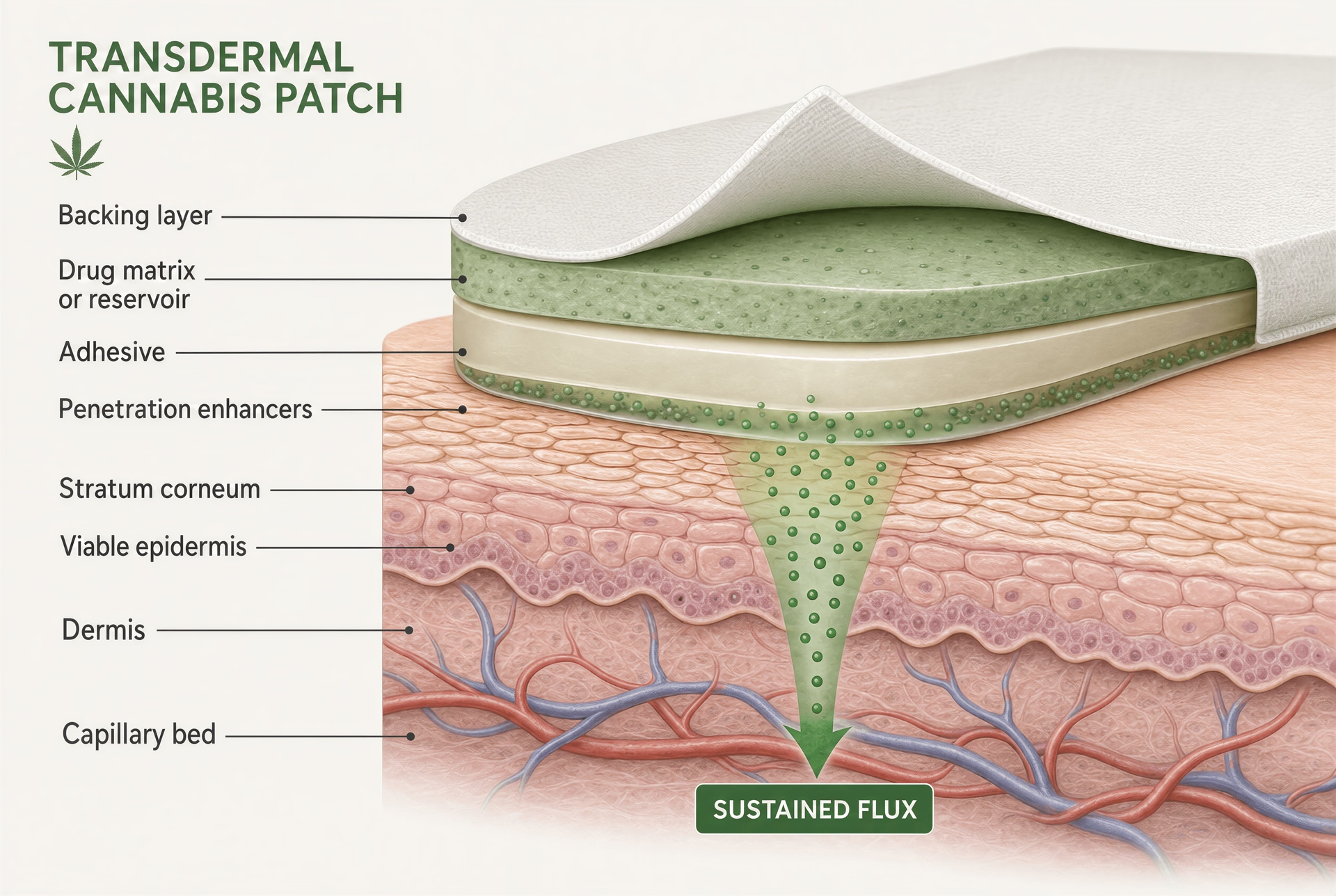
Transdermal patches
| Aspect | Ordinary topical | Transdermal patch |
|---|---|---|
| Primary aim | Local skin or nearby-tissue action | Systemic delivery through skin |
| Design | Cream, balm, oil, lotion base | Matrix or reservoir with adhesive system |
| Need for enhancers | Variable, often minimal | Commonly important |
| Systemic THC risk | Usually low | Plausible if delivery is sufficient |
This is the format that deserves to be treated as a separate category. A transdermal patch is not just a topical with adhesive backing. It is a drug-delivery system designed to maintain flux across skin over hours or days using a matrix or reservoir, pressure-sensitive adhesives, and often penetration enhancers such as ethanol, oleic acid, propylene glycol, terpenes, or proprietary polymers.
When people say cannabis topicals “do not enter the bloodstream,” they are usually talking about creams, lotions, salves, and oils. They are not talking about transdermal systems. Those are explicitly trying to reach circulation. If they work, they can bypass first-pass metabolism and provide steadier plasma levels than oral dosing. Vitorino et al. made that point clearly in 2023, though they also stressed how difficult skin delivery remains.
The preclinical literature shows why formulation science matters here. Lodzki et al. reported in 2003 that a transdermal CBD system in mice maintained steady plasma cannabidiol concentrations for 72 hours and reduced inflammation-related outcomes. Hammell et al. in 2016 showed that transdermal CBD gel reduced joint swelling and pain-related behaviors in a rat arthritis model across doses from 0.6 to 62.3 mg/day, with dose-dependent effects. These studies are often cited because they demonstrate a principle: cannabinoids can cross skin in useful amounts when the system is engineered correctly. They do not prove that every patch on the market does this in humans.
That caveat matters. Human data are still sparse, and patch claims often run ahead of evidence. But compared with ordinary topicals, transdermal patches are the more scientifically serious format because they directly address the skin barrier problem instead of pretending it is trivial. They are the category in which systemic THC exposure, and therefore systemic psychoactive effects, becomes plausible if delivery is sufficient.
Bath bombs and why the chemistry is less convincing than the marketing
Bath products are the weakest cannabinoid delivery format on mechanistic grounds. The problem is simple: cannabinoids are hydrophobic, bath water is not, and a full tub creates massive dilution. Even if a bath bomb contains CBD or THC, much of that cannabinoid may remain poorly dispersed, cling to oils on the water surface, stick to the tub, or rinse away quickly rather than establishing a meaningful concentration gradient across skin.
Skin hydration in a bath can increase permeability somewhat. Warm water can feel good. Emollients can soften skin. Fragrance and terpenes can change the sensory experience. All of that is real. It does not mean the bath is delivering a meaningful cannabinoid dose. In most cases, the likely benefit comes more from heat, buoyancy, relaxation, aromatics, and skin-softening additives than from substantial cannabinoid absorption.
That is why bath bombs should be treated with skepticism when they are presented as major cannabinoid-delivery tools. They may function well as comfort products. They are far less convincing as serious pharmacologic systems. Against the full range of cannabis topical formats, the ranking is fairly clear: creams and lotions for local moisturization and spreadability, balms and salves for occlusion and prolonged surface contact, oils and roll-ons for glide and massage, transdermal patches for sustained delivery across skin, and bath products for ritual and sensory effect more than dependable cannabinoid uptake.
Cannabinoid profiles used in topicals
What sits on the label of a cannabis topical often sounds pharmacologically precise: CBD-rich, 1:1 CBD:THC, CBG blend, whole-plant extract. In practice, those profiles tell only part of the story. A cannabinoid can be relevant to skin biology and still fail to reach meaningful tissue levels if the vehicle is poor, the concentration is low, or the product is simply a balm designed to stay near the surface. That is why cannabinoid profile matters, but formulation matters just as much.
Human skin expresses a working endocannabinoid signaling network. Baswan et al. wrote in Cannabis and Cannabinoid Research in 2020 that keratinocytes, sebocytes, fibroblasts, mast cells, hair follicles, and sensory structures interact with cannabinoid-related pathways including CB1, CB2, TRPV channels, PPARs, and endogenous ligands. Tamás Bíró’s work helped establish that this signaling is tied to barrier function, epidermal differentiation, sebaceous activity, itch, and inflammation. So the idea of local cannabinoid action is not speculative nonsense. It is biologically plausible. What remains unsettled is which cannabinoid profile works best for which target, in which vehicle, and at what delivered dose.
CBD-dominant formulations
CBD dominates topical formulations for three reasons: regulation, tolerability, and mechanism.
First, it is easier to position legally than THC in many jurisdictions, especially when sourced from hemp under U.S. federal definitions after the 2018 Farm Bill, though that does not remove FDA limits on disease claims. Second, CBD does not carry the same concern about systemic intoxication if some fraction is absorbed. Third, it has a broad enough pharmacology to support many of the claims attached to skin and localized discomfort: anti-inflammatory signaling, modulation of sebocyte activity, effects on itch pathways, and possible effects on pain signaling.
The mechanistic case for CBD in skin is stronger than the clinical case. Olah et al. reported in 2014 that CBD reduced lipid synthesis and inflammatory responses in cultured human sebocytes. That paper is one reason CBD became attached to acne discussions so quickly, especially given how common acne is. But it was an in vitro study, not a clinical acne trial. The gap matters.
Human data exist, but they are small. Palmieri et al. in 2019 followed 20 patients using a CBD-enriched ointment for three months in psoriasis, atopic dermatitis, and scar conditions, with improvements in skin parameters and quality-of-life measures. Interesting signal. Not proof. No control group, small sample, mixed conditions.
CBD also shows up in transdermal research because it can be pushed across skin when the system is engineered for it. Lodzki et al. in 2003 reported steady plasma CBD concentrations for 72 hours in mice using a transdermal delivery system. Hammell et al. in 2016 found dose-dependent reductions in joint swelling and pain-related behavior in rats given transdermal CBD gel at 0.6, 3.1, 6.2, and 62.3 mg/day. Those studies support a narrow point: CBD can work through skin if formulation overcomes the stratum corneum barrier. They do not validate every CBD cream.
THC-containing topicals
THC in a standard topical is often treated as either meaningless or automatically stronger than CBD. Both positions are too simplistic.
THC has plausible local relevance because skin cells and peripheral nerves express cannabinoid-sensitive pathways, and CB1/CB2 signaling may matter in nociception, inflammation, and itch. A THC-containing cream applied to a painful joint or irritated patch of skin may have a rational basis even if blood levels remain negligible. That is the key distinction. Local action does not require intoxication.
Where THC may matter most is pain-focused use, especially when combined with CBD rather than used alone. There is a reasonable pharmacologic argument for mixed formulations when the goal is localized discomfort and inflammatory signaling rather than purely cosmetic use. But direct human evidence comparing topical CBD versus THC versus mixed ratios is sparse. The market speaks with more confidence than the literature does.
THC becomes a different subject entirely in transdermal systems. If a patch is actually designed to move THC into circulation using enhancers, matrix systems, or reservoir technology, then systemic psychoactive effects become possible in principle. That is not the usual outcome with a rubbed-on balm. It is, however, a real regulatory and safety distinction. A local THC salve and a transdermal THC patch should not be discussed as if they are the same category.
Minor cannabinoids: CBG, CBC, and beyond
CBG and CBC are now common on topical labels because they fit a familiar pattern in cannabis product development: once CBD becomes crowded, minor cannabinoids are presented as the next refinement. The science here is early.
CBG has attracted attention for anti-inflammatory and possible antimicrobial properties, and CBC is often discussed in relation to inflammation and pain signaling. There are mechanistic reasons to study both. The cutaneous endocannabinoid system is not limited to CB1 and CB2, and compounds that interact with TRP channels, PPAR-gamma, GPR55, or related enzymes could influence itch, barrier irritation, or local inflammatory tone. That said, there are very few good human data showing that adding CBG or CBC to a cream produces a clinically meaningful advantage.
This is where marketing has moved faster than evidence. A label that lists CBD, CBG, CBC, and terpenes may sound more advanced, but at present it usually signals breadth of formulation rather than proven superiority. Minor cannabinoids are promising research compounds in dermatology and pain science. They are not yet established topical actives with clear dose-response benchmarks in humans.
Ratios, total milligrams, and why label strength is not delivery
- What the label usually shows
- Total cannabinoids in the container
- What the label usually does not show
- Delivered dose to skin, deeper tissue, or plasma
- Key determinants of delivery
- Vehicle, excipients, occlusion, site, hydration, temperature, time
- Bottom line
- Exposure, not headline milligrams, drives effect
A jar can contain 1,000 mg of cannabinoids and still deliver very little to relevant tissue. That point should be stated plainly.
Skin is a formidable barrier. Paudel et al. wrote in 2010 that the stratum corneum, only about 10 to 20 micrometers thick, is the principal barrier to percutaneous absorption. Vitorino et al. noted in 2023 that the skin covers about 1.8 m2 and can be a useful route for drug delivery, but only when the formulation can get past that barrier. Cannabinoids are highly lipophilic, which helps them partition into lipid-rich skin layers, yet that same property complicates controlled movement through and beyond those layers.
So “500 mg CBD” on a lotion usually means 500 mg in the container, not 500 mg available to the knee, elbow, or bloodstream. Delivery depends on concentration gradient, the vehicle, excipients, occlusion, site of application, skin hydration, temperature, massage, and whether the system is topical or truly transdermal. Creams, lotions, oils, and balms do not perform identically. A patch engineered with ethanol, oleic acid, propylene glycol, terpenes, or proprietary polymers is playing a different game from an anhydrous salve.
Ratios can matter, but they are not magic. A 1:1 CBD:THC balm may or may not outperform a CBD-dominant cream depending on the target, the base, and the amount actually reaching tissue. Total milligrams are even less informative without knowing dose per application and delivery efficiency. For topicals, label strength is not exposure. And exposure is what drives effect.
Terpenes, excipients, and formulation science
Cannabinoid content gets the headline, but dosage on a label tells only part of the story. A topical with 500 mg of CBD can still perform poorly if the emulsion is unstable, the preservative system is weak, the terpene blend oxidizes, or the package leaves the formula exposed to light and air. Skin delivery is a formulation problem before it is a marketing story. That matters even more with cannabinoids, because CBD and THC are highly lipophilic: they dissolve more readily in oils than in water, partition into the lipid-rich stratum corneum, and often stay there unless the vehicle is designed to push them further. Paudel et al. wrote in 2010 that the stratum corneum, though only about 10–20 µm thick, is the principal barrier to percutaneous absorption. Vitorino et al. reiterated the same point in a 2023 Pharmaceutics review focused on cannabinoid delivery systems. The barrier is thin. It is also formidable.
Terpenes as fragrance, actives, and possible penetration enhancers
Entourage effect A loose term used to suggest that cannabinoids, terpenes, or other plant compounds may work differently together than alone. In topical science, the phrase is often used more broadly than the evidence supports.
Terpenes are often treated as proof of an “entourage effect,” but that phrase is too vague to do useful work in topical science. In a skin formula, terpenes can play three different roles. They shape odor. Some have biological activity of their own. A few may alter skin penetration.
The fragrance role is the easiest to understand. Myrcene, limonene, linalool, beta-caryophyllene, pinene, and terpinolene all contribute recognizable aroma profiles. That matters because smell changes user experience and adherence. A cream that smells sharp, oxidized, or solvent-heavy gets used less consistently. But fragrance is also one of the most common causes of cosmetic intolerance. Limonene and linalool are classic examples: once oxidized, they can become stronger sensitizers than the fresh compounds themselves. So the same terpene blend that gives a formula a “plant-forward” identity can also raise the risk of irritant or allergic contact dermatitis.
The second role is pharmacologic. Some terpenes have plausible skin-relevant actions. Beta-caryophyllene is especially interesting because it acts as a CB2 receptor agonist, which gives it a more direct cannabinoid-adjacent mechanism than many other terpenes. Linalool has been studied for anti-inflammatory and analgesic effects in preclinical work. Terpinen-4-ol, better known from tea tree oil, has antimicrobial relevance. None of that means a terpene-heavy balm will treat dermatitis, acne, or arthritis in humans. It means the ingredients are not inert perfume.
The third role, penetration enhancement, is where claims outrun evidence. Terpenes can disrupt stratum corneum lipid packing, at least in vitro and in transdermal pharmaceutics literature outside cannabis. Menthol, limonene, cineole, and pinene have all been studied as penetration enhancers for other drugs. The mechanism usually involves temporary alteration of lipid order or changes in drug partitioning between the vehicle and skin. That is plausible science. What is not established is a large body of direct human evidence showing that cannabis terpenes meaningfully improve topical cannabinoid delivery under ordinary use conditions. The gap matters. A transdermal patch intentionally engineered with ethanol, adhesive polymers, and a terpene enhancer is one thing. A scented CBD cream is another.
So the defensible position is this: terpenes may contribute sensory character, may add some local biological activity, and may assist penetration in certain systems, but they are not magic keys that unlock the skin barrier on demand.
Carrier oils, waxes, emulsifiers, alcohols, and penetration enhancers
Every topical is a delivery system. Creams and lotions are usually emulsions: oil droplets dispersed in water, or water droplets dispersed in oil. Lotions are lighter and spread more easily because they typically contain more water and less internal structure. Creams are thicker and often stay in place longer. Balms and salves are often anhydrous, built from oils and waxes, with strong occlusion but less elegant spread. Those differences affect residence time, comfort, evaporation, and drug release.
Carrier oils matter because they control solubility and partitioning. Medium-chain triglycerides, sunflower oil, olive oil, hemp seed oil, jojoba, and mineral oil all behave differently. Some improve skin feel. Some increase occlusion. Some are more oxidation-prone. Hemp seed oil, for instance, is rich in polyunsaturated fatty acids and can be cosmetically appealing, but unsaturation also makes it more vulnerable to rancidity if the formula is not protected. MCT oil is more oxidatively stable, though not inherently superior for cannabinoid delivery in every system.
Waxes such as beeswax, candelilla, and carnauba give a balm structure and reduce runoff. They can improve contact time by creating an occlusive layer, which raises skin hydration. Hydrated stratum corneum is generally more permeable than dry stratum corneum. That is one reason greasy products sometimes feel “stronger,” even when the cannabinoid concentration is unchanged. Occlusion is doing part of the work.
Emulsifiers do the less glamorous job of keeping oil and water from separating. Without them, a cream breaks, cannabinoid distribution becomes uneven, and each application may deliver a different amount. Common systems include fatty alcohols, glyceryl stearate, lecithin, polysorbates, and self-emulsifying wax blends. There is no virtue in a cannabinoid cream that “looks natural” if it phase-separates after a month.
Alcohols and glycols sit at the center of many high-performance systems. Ethanol can increase cannabinoid solubility and temporarily improve skin permeation by extracting or fluidizing stratum corneum lipids. Propylene glycol and polyethylene glycol can act as co-solvents and humectants. Oleic acid is a classic chemical penetration enhancer. Dimethyl sulfoxide is potent but often too irritating or impractical for routine cosmetic use. In transdermal research, these excipients are not side notes; they are often the reason delivery happens at all. Lodzki et al. in 2003 kept steady plasma CBD concentrations in mice for 72 hours with a transdermal system because the vehicle was engineered for that purpose. Hammell et al. in 2016 showed dose-dependent effects from transdermal CBD gel in a rat arthritis model, again underscoring that excipients determine outcome.
Poor formulation can cancel out impressive cannabinoid numbers. If CBD crystallizes out of solution, if the emulsion breaks, if the patch adhesive fails, or if the product is wiped off before release occurs, “500 mg” is mostly decorative.
Stability, oxidation, and packaging
Cannabinoids are not infinitely stable, and neither are the oils and terpenes around them. Heat, oxygen, light, and time can all degrade a topical. CBD may oxidize or isomerize under unfavorable conditions. THC can degrade to CBN over time, especially with heat and light exposure. Terpenes oxidize readily, changing both scent and irritation risk. Unsaturated plant oils can go rancid. Water-containing formulas can also support microbial growth if preservation fails.
Packaging and stability checks
- Water-containing products need an effective preservative system.
- Airless pumps reduce oxygen exposure and hand-to-product contamination.
- Opaque or UV-protective packaging helps protect cannabinoids and terpenes.
- Wide-mouth jars allow more repeated exposure to air, light, moisture, and microbes.
That is why preservation and packaging are formulation science, not cosmetic trivia. Any emulsion or lotion with water needs an effective preservative system validated against bacteria, yeast, and mold. “Preservative-free” is often a red flag unless the formula is truly anhydrous or packaged in a way that prevents contamination. DIY products are especially vulnerable here. Once fingers repeatedly enter a jar, contamination risk rises.
Airless pumps are usually better than wide-mouth jars for cannabinoid creams and lotions. They reduce oxygen exposure, limit repeated hand-to-product contact, and help preserve volatile components such as terpenes. Opaque or UV-protective packaging also helps. Jars are simple, but every opening introduces air, light, moisture, and microbes from the user’s hands. For a balm used quickly, that may be acceptable. For a water-based emulsion intended to remain stable for months, it is a weaker choice.
A well-made topical should keep cannabinoids evenly dispersed, resist oxidation, stay microbiologically safe, and maintain texture across normal storage conditions. If it cannot do those things, the rest of the ingredient list barely matters. Formulation quality is not a luxury. It is the difference between a pharmacologically plausible topical and a scented, unstable carrier with cannabinoids on the label.
What the evidence says about pain and inflammation
Cannabinoid topicals have a plausible local role in pain and inflammation, but high-quality human evidence remains limited. Preliminary evidence
Pain is where cannabinoid topicals attract the strongest claims and the weakest discipline. The biological case is not invented. Human skin expresses CB1 and CB2 receptors, TRPV channels, PPARs, and related signaling machinery, as summarized by Baswan et al. in 2020, and that gives cannabinoids a plausible route to influence local inflammatory signaling and sensory nerve activity without needing high blood levels. But plausible is not proven, and a jar label saying “500 mg CBD” says almost nothing about how much reaches relevant tissue. Skin is a barrier first. Paudel et al. noted in 2010 that the stratum corneum, only about 10–20 µm thick, is still the principal obstacle to percutaneous absorption.
That distinction matters because a standard cream or balm and a transdermal system are not doing the same job. Ordinary topicals are usually intended to act locally. Transdermal products are engineered to cross the skin and enter circulation. When people say “CBD topical relieved pain,” they often collapse those two categories into one story. The literature does not support that shortcut.
Localized muscle and joint discomfort
For localized soreness, overuse discomfort, and mild joint irritation, cannabinoids are scientifically plausible but clinically under-tested. The mechanism makes sense. Keratinocytes, fibroblasts, mast cells, immune cells, and peripheral nerve endings in skin all participate in inflammatory signaling, and cannabinoid-related pathways extend beyond CB1/CB2 to TRPV1, TRPA1, PPAR-gamma, and FAAH-linked processes. Tamás Bíró and colleagues helped establish that the cutaneous endocannabinoid system is active in barrier function, inflammation, and sensory signaling. That is enough to take the category seriously.
What is not enough is the human trial record. There are few large, blinded, high-quality randomized studies of over-the-counter cannabinoid creams for routine muscle or joint pain. Much of what exists is observational, open-label, or mixed with other ingredients such as menthol, camphor, arnica, capsaicin, or essential oils, making attribution difficult. If a preparation cools, warms, occludes, and is massaged into a sore area, symptom relief may come from several non-cannabinoid factors at once.[3] Transdermal cannabidiol reduces inflammation and pain-related behaviours in a rat model of arthritis. D. C. Hammell, L. Zhang, F. Ma, and colleagues. European Journal of Pain, 2016.[4] Cannabidiol—transdermal delivery and anti-inflammatory effect in a murine model. M. Lodzki, A. Godin, L. Rakou, and colleagues. Journal of Controlled Release, 2003.
The preclinical data are stronger than the human data. Lodzki et al. in 2003 showed that a transdermal CBD system in mice maintained steady plasma cannabidiol concentrations for 72 hours and reduced pain-related behavior and inflammation in an arthritis model. That study is cited so often for a reason: it demonstrated that with the right formulation, CBD can move across skin in a meaningful way. Hammell et al. in 2016 then tested transdermal CBD gel in a rat model of arthritis at 0.6, 3.1, 6.2, and 62.3 mg/day. The gel reduced joint swelling, limb posture scores, and spontaneous pain-related behaviors in a dose-dependent manner over four days, with no obvious psychoactive-type side effects reported in the model.
Those are real findings. They are also animal findings using purpose-built transdermal delivery. They do not prove that a conventional balm rubbed onto a human knee will reproduce the same effect. Formulation science is the hinge here. Vitorino et al. wrote in 2023 that cannabinoids are highly lipophilic, which helps them partition into lipid-rich skin layers, yet that same property complicates controlled transport through the skin barrier. Delivery depends on excipients, penetration enhancers, occlusion, concentration gradient, skin hydration, application site, and time on skin. That is why retail certainty is not justified. Two products with the same CBD number on the front panel may behave very differently.
Human reports do exist, and some are encouraging. Small surveys and case series suggest that people with exercise soreness or focal joint discomfort often report improvement after using cannabinoid topicals. The problem is that these studies usually lack placebo controls, standardized products, or independent verification of content. Pain is highly responsive to expectation, ritual, and touch. A self-reported benefit is not meaningless, but it is not the same as proof.
Arthritis: what animal models show and what human studies do not yet prove
- Arthritis in U.S. adults
- 53.2 million (2019–2021 CDC estimate)
- Acne in the U.S.
- up to 50 million Americans annually
- Psoriasis worldwide
- roughly 2–3% of the global population
Arthritis is the condition most often used to market cannabinoid topicals, and it is also where the evidence gap is easiest to see. The demand side is obvious: the CDC estimates that 53.2 million U.S. adults had doctor-diagnosed arthritis in 2019–2021. A large symptomatic population does not validate a treatment, but it explains the intensity of interest.
The animal literature gives CBD a credible anti-inflammatory signal. Hammell et al. 2016 is the key example. In rats with induced arthritis, transdermal CBD reduced edema and pain-related behaviors in a dose-dependent way. Lodzki et al. 2003 had already shown in mice that an engineered transdermal CBD formulation could sustain plasma levels and improve arthritis-related outcomes. Taken together, these studies support a modest but defensible claim: cannabinoids, especially CBD, can reduce inflammatory and pain measures in animal arthritis models when delivered effectively through or into skin.
That still leaves the central question unanswered: do topical cannabinoids meaningfully help human arthritis? At present, not with the confidence often implied. Human evidence is limited, small, and methodologically uneven. Some open-label reports and patient surveys describe reduced pain, better sleep, or less stiffness with topical CBD use in arthritis populations, but these are vulnerable to placebo response, regression to the mean, and selection bias. People who feel no benefit are less likely to remain in a study or complete a survey. Products also vary widely in actual content and in the presence of other active ingredients.
One frequently cited human paper in adjacent dermatologic use is Palmieri et al. 2019, which followed 20 patients for three months using a CBD-enriched ointment for psoriasis, atopic dermatitis, and scars. The authors reported improvement in skin parameters and quality-of-life measures. That is useful as an early signal for local anti-inflammatory effects in skin, but it was small, uncontrolled, and not an arthritis trial. It cannot carry the weight often placed on it.
So the evidence-based position is straightforward. Arthritis relief from cannabinoid topicals is plausible and supported by preclinical work, especially where transdermal formulation is serious. What has not yet been shown is consistent, high-quality human proof that ordinary retail creams reliably reduce arthritis pain or inflammation to a clinically meaningful degree. That distinction should not be blurred.
Neuropathic pain, soreness, and the limits of anecdote
Neuropathic pain is even more complicated. Cannabinoid signaling intersects with TRPV1 and other pathways involved in nociception, which gives CBD and THC a rational basis for study in burning, tingling, allodynia, and post-injury nerve sensitivity. But the route of delivery again matters. A local topical may affect superficial nociceptors and inflamed skin-adjacent tissue. Deep neuropathic pain is a harder target.
The published human evidence here is sparse. There are small studies and case reports suggesting that cannabinoid-containing topicals may reduce peripheral neuropathy symptoms in some patients, but sample sizes are tiny and products are heterogeneous. Some include both CBD and THC; some are compounded preparations rather than standardized commercial formulas; some report symptom changes over short windows only. That makes it hard to separate a real pharmacologic effect from expectancy and natural fluctuation in symptoms.
Anecdotes are common because pain is personal and variable. A runner says a CBD balm eased post-workout soreness. A patient with diabetic neuropathy says a cream reduced nighttime burning. Those reports may be honest and may reflect true benefit. They still cannot establish effect size, responder rates, or whether the cannabinoid itself mattered more than menthol, massage, warmth, or simple emollient action. Soreness after exertion often improves on its own. Neuropathic symptoms wax and wane. Without controls, those patterns can look like treatment success.
This is where the article’s position needs to stay firm. Cannabinoid topicals deserve research, not dismissal. The skin and peripheral nerve biology make local effects believable, and the preclinical literature supports anti-inflammatory and analgesic potential. But belief is not evidence, and evidence is still thin for many pain claims now treated as settled fact. If a product is an ordinary cream or balm, expect local action at most and uncertain magnitude. If it is a true transdermal system, treat it as a different pharmacologic category entirely.
That is the honest reading of the literature: promise, yes; proof, not yet.
Skin conditions: eczema, psoriasis, acne, itch, and wound-related claims
Skin-focused cannabis claims often sound stronger than the data behind them. The biology is real enough to justify research: human skin expresses CB1, CB2, TRPV channels, PPARs, and enzymes involved in endocannabinoid signaling, as summarized by Baswan et al. in 2020 and by earlier work from Tamás Bíró and colleagues on the cutaneous endocannabinoid system. Keratinocytes, sebocytes, fibroblasts, mast cells, hair follicles, and sensory nerve endings all participate. That makes local cannabinoid effects plausible even when blood levels stay low.
| Condition area | What supports interest | Current evidence status |
|---|---|---|
| Acne | Sebocyte and inflammatory signaling data for CBD | Mostly preclinical |
| Eczema / atopic dermatitis | Barrier, itch, and inflammatory plausibility | Preliminary human evidence |
| Psoriasis | Keratinocyte and inflammatory pathway plausibility | Preliminary human evidence |
| Pruritus | Neuroimmune and TRP-pathway rationale | Sparse and heterogeneous human data |
| Wound-related use | Lab and animal healing hypotheses | Not strong enough for confident retail claims |
Plausible is not proven. For acne, eczema, psoriasis, itch, and wound repair, the literature is still split between mechanistic findings, animal work, and a small number of low-quality human studies. That gap matters because once a product is said to treat a named disease rather than moisturize, soothe, or reduce the appearance of redness, the claim shifts toward drug or medicinal territory in many jurisdictions.
Acne and sebaceous signaling
Acne is an obvious target for cannabinoid marketing because it is common and because sebum regulation has a clean mechanistic story. The most cited paper here is Oláh et al., 2014, published in the Journal of Clinical Investigation. In cultured human sebocytes, CBD showed sebostatic effects, normalized lipogenic actions induced by acne-relevant stimuli, and reduced inflammatory cytokine expression. The paper also pointed to receptor and ion-channel pathways beyond a simple CB1/CB2 model, including TRPV4-related signaling. This is the study that put CBD on the acne map.
It deserves careful reading. Oláh’s work was in vitro. Sebocyte cultures are useful for asking whether CBD can alter lipid synthesis and inflammatory signaling in cells that matter for acne, but they are not acne patients with follicles, bacteria, hormones, comedones, and a skin barrier. The study supports biological plausibility. It does not show that a CBD cream clears acne lesions on the face of a teenager or adult.
That distinction is often lost. Acne affects up to 50 million Americans annually according to the American Academy of Dermatology, so the commercial incentive to move from “interesting cell data” to “anti-acne topical” is obvious. The problem is that controlled human acne trials for cannabinoid topicals are sparse. Reviews in dermatology and cannabinoid science generally describe the area as promising but preliminary. Baswan et al. did exactly that in 2020.
There are also formulation problems. Acne products have to balance residence time, follicular penetration, comedogenicity, irritation, and patient tolerability. A balm heavy in waxes and oils may increase occlusion and feel soothing, but that does not automatically make it a sensible anti-acne vehicle. A lotion or gel may be cosmetically easier for oily skin, yet still fail to deliver enough active compound to the pilosebaceous unit. Milligrams on a label do not solve this. Delivery into the follicle, stability of the cannabinoid, and compatibility with acne-prone skin matter more than headline concentration.
THC has far less direct acne-specific evidence than CBD. Hemp seed oil should not be confused with CBD either; it may function as an emollient carrier, but it is not itself a cannabinoid treatment. At this point the evidence supports a narrow claim: CBD has anti-inflammatory and sebostatic effects in sebocyte models, which makes acne a rational research target. It does not yet support strong clinical claims that cannabis creams treat acne.
Eczema, psoriasis, and inflammatory dermatoses
For eczema and psoriasis, the scientific case again starts with skin biology. Epidermal differentiation, barrier function, immune signaling, and itch all intersect with the cutaneous endocannabinoid system. Bíró’s group helped establish that endocannabinoid signaling participates in epidermal homeostasis and sebaceous regulation, and later reviews expanded the framework to include TRPV1, TRPA1, PPAR-gamma, GPR55, and FAAH-related pathways. In plain terms, there are enough plausible targets in inflamed skin to justify ongoing study.
The human evidence is thin. Palmieri et al. published one of the most frequently cited topical CBD studies in 2019. It followed 20 patients with psoriasis, atopic dermatitis, and scars who used a CBD-enriched ointment for three months. The authors reported improvements in skin parameters and quality-of-life measures, without reported irritant or allergic reactions in that small group. As a signal-generating study, it is useful. As proof of efficacy, it is weak. There was no randomized control group, the sample was tiny, multiple conditions were grouped together, and the ointment included more than just isolated CBD. You cannot build a confident disease-treatment claim on that foundation.
Psoriasis especially attracts mechanistic speculation because keratinocyte proliferation and inflammatory signaling are central to the disease. Some laboratory work suggests cannabinoids may influence keratinocyte behavior and inflammatory cascades. But there is a long distance between “may modulate pathways relevant to psoriasis” and “treats psoriasis plaques.” That distance has not yet been closed by high-quality clinical trials.
The same caution applies to atopic dermatitis. Reviews in dermatology have noted possible roles for cannabinoids in barrier support, inflammation control, and itch reduction, but repeatedly describe the evidence as preliminary. That is the right word. Patients with eczema often have impaired barrier function, altered immune responses, and significant itch. A bland occlusive ointment alone can improve symptoms by reducing transepidermal water loss. If a cannabinoid ointment appears helpful in an uncontrolled study, it is hard to separate the effect of CBD or THC from the effect of emollients, occlusion, reduced scratching, and regression to the mean.
This is where topical-versus-transdermal distinctions also matter. For inflammatory dermatoses, local dermal action is the point. Systemic exposure is not necessary for a plausible benefit and may not occur to any meaningful degree with ordinary creams and ointments because the stratum corneum, only about 10 to 20 micrometers thick, is still an effective barrier. Paudel et al. laid out that transdermal principle clearly in 2010, and Vitorino et al. reiterated it in 2023. A localized anti-inflammatory or antipruritic effect is compatible with low systemic absorption. That helps explain why non-transdermal topicals are not pharmacologically silly. It does not rescue weak clinical data.
Pruritus, barrier repair, and cosmetic versus medicinal claims
Itch may be the area where topical cannabinoids are most interesting clinically, even though the evidence is still not mature. Pruritus involves sensory nerves, mast cells, keratinocytes, inflammatory mediators, and receptor systems such as TRPV1 and TRPA1. Dermatology reviews have highlighted cannabinoid-related signaling as a plausible way to modulate itch and neurogenic inflammation. Baswan et al. summarized small studies and case-level reports suggesting possible benefit for pruritus associated with atopic dermatitis and other conditions, but the review did not pretend the evidence was settled.
That restraint is warranted. Itch is subjective, fluctuates with stress and temperature, and often improves when any rich emollient restores barrier function. Barrier repair alone can reduce itching. So can cooling, reduced friction, and avoidance of fragrance irritants. A cannabis-labeled cream may help because it is an occlusive moisturizer with fewer sensitizers, because it contains anti-inflammatory actives, or because the patient scratches less after application. Without controlled trials, the mechanism remains blurry.
Wound-related claims need even more caution. Laboratory and animal work has explored cannabinoids in inflammation, fibroblast signaling, and healing, and there is reason to think local endocannabinoid pathways may matter in tissue repair. But evidence that retail cannabinoid topicals improve healing of real human wounds is not strong enough for confident treatment claims. Open wounds, surgical sites, ulcers, and infected skin also raise practical safety issues: preservatives, contamination, occlusion, and delayed medical care if a serious lesion is treated as a wellness problem.
This is where regulation stops being abstract. Saying a cream “moisturizes dry skin” or “helps support the skin barrier” is a cosmetic-type framing. Saying it “treats eczema,” “clears psoriasis,” “heals wounds,” or “stops acne” moves into medicinal or drug-claim territory in the United States and many European systems. The FDA has repeatedly taken the position that intended use, expressed through labeling and promotional claims, determines regulatory status. In the EU, cosmetic products fall under the Cosmetics Regulation, but disease-treatment claims can shift a product toward medicinal oversight. That line matters for cannabis topicals because the science is often suggestive while the law asks a simpler question: are you claiming to treat disease?
The fairest bottom line is strict. Cannabinoid skin therapy is biologically credible, especially for localized inflammation and itch. Oláh et al. provides a real mechanistic basis for acne interest. Palmieri et al. offers a small human signal for inflammatory skin disease. Reviews in dermatology support continued study of pruritus and barrier-related effects. None of that adds up to a mature evidence base for strong eczema, psoriasis, acne, or wound-healing claims. The science is intriguing. The clinic is still catching up.
Bioavailability, dosing, and practical use
The practical problem with cannabis topicals is simple: labels usually tell you how many milligrams are in the jar, not how many milligrams reach the tissue that matters. That gap is huge. A balm with 500 mg CBD may deliver very little into deeper skin, muscle-adjacent tissue, or circulation, while a true transdermal system with far fewer total milligrams may move drug across skin much more efficiently.
Why bioavailability is hard to quantify for topicals
For oral drugs, bioavailability usually means the fraction that reaches systemic circulation. That definition breaks down for ordinary topicals because many are not meant to reach blood in meaningful amounts. They are meant to act locally in the epidermis, dermis, hair follicles, sebaceous structures, or nearby peripheral nerve endings, where the cutaneous endocannabinoid system described by Baswan et al. in 2020 gives a plausible target for CBD, THC, and related compounds.
So the first question is not “how bioavailable is it?” but “bioavailable where?” In the stratum corneum? Viable epidermis? Dermis? Synovial-adjacent tissue near a joint? Plasma? Those are different endpoints.
Human pharmacokinetic data for retail cannabis creams and balms are sparse. Very sparse. Review articles such as Vitorino et al. 2023 and Paudel et al. 2010 make clear why: skin is a strong barrier, and the stratum corneum, though only about 10–20 micrometers thick, is the main obstacle to percutaneous absorption. THC and CBD are highly lipophilic, which helps them partition into skin lipids but does not guarantee controlled passage through the whole barrier. Vehicle, temperature, hydration, massage, occlusion, and penetration enhancers all change the outcome.
mg/cm² Milligrams of active ingredient applied per square centimeter of skin. This is a more useful way to think about topical exposure than total milligrams in the whole jar.
That is why label milligrams are a poor proxy for delivered dose. A 1000 mg cream in a large tub may actually provide a low dose per application if spread over a wide area. Thinking in mg per square centimeter is more useful than thinking in mg per container. If 500 mg CBD is dispersed through 50 g of cream, that is 10 mg per gram of product. If you apply 1 g over 100 cm², the nominal dose is 0.1 mg/cm² before accounting for anything lost on the hands, clothing, evaporation, or barrier resistance. Real delivered dose will be lower, and no standard factor converts one to the other.
Preclinical transdermal studies show why formulation matters so much. Lodzki et al. in 2003 achieved steady plasma CBD concentrations for 72 hours in mice using a transdermal system. Hammell et al. in 2016 found dose-dependent effects from transdermal CBD gel in rats with arthritis. Those studies support a strong point: cannabinoids can cross skin when the system is engineered for that job. They do not prove that an ordinary lotion behaves the same way. It usually does not.
How much to apply and how often
There is no standardized evidence-based dosing schedule for most cannabis topicals. Anyone claiming otherwise is overstating the science.
Practical topical use sequence
- Start with area-based dosing Apply enough to leave a thin visible film over the target area.
- Rub in fully Massage until absorbed to improve even coverage.
- Repeat consistently Use 2 to 4 times daily for localized discomfort, or follow the base and symptom pattern.
- Reassess after several days Judge response after consistent site-specific use, not after one application.
- Treat patches differently For patch systems, wear time controls dose and should follow product-specific instructions.
A workable approach is to dose by area and response. Apply enough product to form a thin, visible film over the target area, then rub it in until absorbed. For a palm-sized area, that often means roughly 0.5 to 1 gram of cream or lotion, less for a dense balm, more for a light lotion. The goal is consistent coverage, not a dramatic amount.
Frequency depends on formulation and symptom pattern. Creams and lotions often need reapplication every 4 to 8 hours because they spread thinly and are removed by sweat, friction, or washing. Balms may last longer on the skin because they are more occlusive. Occlusion can help by increasing hydration of the stratum corneum and improving penetration, but it can also feel greasy and may trigger folliculitis in acne-prone areas.
For localized discomfort, it is reasonable to start with 2 to 4 applications per day for several days rather than judging the product after a single use. For skin-focused use, such as dry or irritated patches, once- or twice-daily application may be enough if the vehicle stays in place. If there is no noticeable local change after a week of consistent use, increasing frequency modestly may make sense; endlessly increasing the amount often does not.
Patch systems are different. Follow the specific wear time because the dose is tied to contact duration and patch engineering.
Where on the body application matters most
Application site changes absorption dramatically. Thin, well-hydrated skin absorbs more readily than thick, dry skin. The face, scalp margins, genitals, and flexural areas are more permeable than the palms, soles, elbows, and knees. Hair follicles also create appendageal routes that may help some compounds enter locally.
That does not mean “more permeable” is always better. For a sore knuckle or knee, the target may be superficial tissues and local nerve endings, not systemic delivery. In that case, repeated application over the exact painful area matters more than chasing high absorption sites elsewhere on the body.
Avoid broken skin unless the product is specifically intended for that use and the ingredient list is appropriate. Damaged skin can absorb unpredictably and sting. Be cautious with fragranced formulas on eczema-prone skin.
Massage and warmth can help spread product and transiently increase skin hydration and blood flow. So can applying after bathing. Covering the area with clothing or a wrap may increase occlusion, which can improve local delivery, but it also raises the chance of irritation.
When to expect local effect versus no effect
Fast effects are possible, but they are usually local and modest. If a topical works for soreness or itch, people often notice something within 15 to 60 minutes. That may reflect the base itself, massage, cooling or warming agents such as menthol, and local cannabinoid activity together. It does not necessarily mean substantial cannabinoid penetration.
For inflammatory skin conditions, expect slower changes. Palmieri et al. in 2019 followed 20 patients using a CBD-enriched ointment for three months; that timeline is more realistic for barrier and inflammation outcomes than expecting overnight results.
No effect is also common. Thick callused skin, very low cannabinoid concentration, poor formulation, infrequent application, or symptoms arising from deeper structures can all lead to little or no benefit. Bath-bomb style exposure is especially unlikely to deliver meaningful cannabinoid doses because the compounds are hydrophobic and become heavily diluted in bath water.
The bottom line is blunt: local cannabis topicals may help some people with localized discomfort, itch, or irritated skin, but dosing is still empirical. Transdermal systems deserve to be treated as a separate category. If a standard cream does nothing after consistent, site-specific use, that is not user failure. It may simply be a weak delivery system.
How to choose a cannabis topical intelligently
Choosing a cannabis topical starts with one question that labels often try to blur: is this meant to work locally in the skin and nearby tissues, or is it engineered to cross the skin barrier and act systemically? That distinction matters more than whether the front panel says 500 mg CBD, “full-spectrum,” or “terpene-rich.” Human skin covers about 1.8 m2, and its outer barrier, the stratum corneum, is only about 10–20 µm thick, yet it is remarkably effective at blocking entry, as Paudel et al. wrote in 2010 and Vitorino et al. reiterated in 2023. Most creams, balms, and lotions are local products. Patches are a separate class and deserve to be judged that way.
Reading labels: cannabinoid content, batch testing, and ingredients
Checklist for choosing a topical
- Check total cannabinoid content and package size together.
- Look for amount per gram, per milliliter, or per patch when available.
- Decide whether you want a local topical or a true transdermal system.
- Read the inactive ingredients for fragrance, menthol, lanolin, propylene glycol, and other common irritants.
- Require a batch-specific certificate of analysis.
Start with the dosage panel, but do not stop there. “1000 mg CBD” tells you almost nothing unless the label also states the package size and, ideally, the amount per gram, per milliliter, or per patch. A 1000 mg jar that contains 100 mL is not the same as a 1000 mg roll-on with 30 mL. Concentration affects the gradient that drives skin delivery; total milligrams alone do not.
Then look at the dosage form. Cream, lotion, balm, oil, and patch are not cosmetic synonyms. They are delivery systems. A lotion spreads easily over large areas and may suit massage or diffuse soreness. A balm is more occlusive and may stay put better over a knuckle, wrist, or elbow, but wax-heavy systems can feel greasy and may not release cannabinoids efficiently. A patch should name wear time, patch area, and ideally whether it is transdermal or just adhesive-backed topical placement. If it does not explain its delivery design, skepticism is warranted.
Cannabinoid profile matters, but less than people assume. CBD vs THC vs CBG may influence the intended pharmacology, since skin expresses CB1, CB2, TRPV channels, PPARs, and related signaling pathways, summarized by Baswan et al. in 2020 and built on work from Tamás Bíró’s group. Still, a well-made CBD cream can outperform a sloppy “full-spectrum” balm simply because the vehicle is better, the emulsion is stable, and the ingredients are skin-appropriate. “Full-spectrum” is not a quality grade. It only describes a type of extract.
Third-party batch testing is non-negotiable. A certificate of analysis should match the batch number on the package and list cannabinoids with actual measured amounts, not just target values. For topicals, useful COAs also screen for residual solvents, pesticides, heavy metals, and microbial contamination. These are not abstract concerns. FDA warning actions across CBD categories have repeatedly shown that label claims and actual contents do not always match.
Finally, read the inactive ingredients as carefully as the cannabinoids. The base often determines whether a product is tolerable. Fragrance, essential oils, menthol, camphor, lanolin, propylene glycol, and certain preservatives are common irritants or allergens in sensitive users. Carrier lipids such as MCT, jojoba, sunflower, shea, or petrolatum each change skin feel, occlusion, and residue.
Choosing by use case: dry skin, sore joints, patches, massage, fragrance sensitivity
For dry skin or barrier support, choose the base first and the cannabinoids second. A cream or ointment with ceramides, glycerin, petrolatum, dimethicone, colloidal oatmeal, or fatty emollients makes more dermatologic sense than a thin, heavily fragranced gel. The Palmieri et al. 2019 study on a CBD-enriched ointment in 20 patients with psoriasis, atopic dermatitis, and scars is often cited here. It is a small uncontrolled signal, not proof, but it points in the same direction as standard skin-care logic: an ointment base can matter as much as the active.
For sore joints or localized discomfort, thicker products can be useful because they stay where you apply them. That said, do not infer systemic reach from local relief claims. Ordinary creams and balms are generally local. If a label implies deep joint delivery without explaining how, that is mostly storytelling. By contrast, transdermal systems have a stronger scientific basis when properly engineered. Lodzki et al. showed in 2003 that a transdermal CBD system produced steady plasma levels in mice for 72 hours. Hammell et al. showed in 2016 that transdermal CBD gel reduced arthritis-related swelling and pain behavior in rats in a dose-dependent fashion. Preclinical evidence only, but it proves the formulation point: architecture matters.
For massage, pick spreadability and slip. Lotions and oils work better than wax-dense balms. For fragrance sensitivity, avoid vague terms like “natural aroma,” “botanical blend,” or “proprietary essential oils.” Fragrance allergy does not care whether the scent came from a lab or a plant.
Bath bombs belong near the bottom of the evidence ladder. Cannabinoids are lipophilic and become highly diluted in a full tub. Warm water, emollients, and ritual may feel good. Meaningful cannabinoid delivery is far less convincing.
Red flags: therapeutic overclaims, undisclosed fragrance, and no certificate of analysis
Be wary of labels that promise to treat eczema, psoriasis, acne, arthritis, neuropathy, or inflammation with certainty. The biology is plausible. The clinical evidence is still thin. Baswan et al. made that point clearly in 2020, and the gap has not been closed by bold packaging copy. Olah et al. 2014 found that CBD had sebostatic and anti-inflammatory effects in human sebocytes in vitro, which explains the acne buzz, but cell data are not a clinical acne trial.
Common red flags
- No batch-specific certificate of analysis
- No full ingredient list
- No preservative disclosure in a water-based formula
- Patch marketed without clear topical vs transdermal explanation
- Therapeutic certainty unsupported by human evidence
Other warning signs are easier to spot: no batch-specific COA, no ingredient list, no preservative disclosure in a water-based product, and no explanation of whether a patch is topical or transdermal. A label that pushes terpene percentages while saying little about excipients, stability, or testing is focusing on the wrong variables. Delivered dose depends on concentration, vehicle, skin site, hydration, temperature, occlusion, and application method. Product architecture and quality control decide whether the formula is credible. The headline milligrams do not.
DIY cannabis topicals
Home-made cannabis topicals make sense only if the goal is modest and local: an oil, balm, or salve applied to a small area for skin feel, massage, and possibly localized cannabinoid exposure. That is a narrow use case, but it is a real one. It fits what skin delivery science says about ordinary topical preparations. The stratum corneum is only about 10–20 micrometers thick, yet Paudel et al. wrote in 2010 that it is the principal barrier to percutaneous absorption. Vitorino et al. noted in 2023 that skin covers about 1.8 m2 and is a difficult route for drug delivery unless the formulation is built for that job. Kitchen projects are not built for that job.
What home formulations can do reasonably well
A simple infused balm can work as an emollient base that leaves cannabinoids in prolonged contact with the outer skin. That is feasible. Common carriers such as olive oil, MCT oil, jojoba, shea butter, cocoa butter, and beeswax are easy to combine into an anhydrous product. For dry skin or massage of a localized sore area, that is often enough.
The chemistry is favorable to that limited aim. CBD and THC are lipophilic, so they dissolve better in fats and oils than in water. That makes oil infusion and wax-based balms straightforward. It does not mean they will cross the skin efficiently into circulation. In most home balms, they probably will not, at least not to a meaningful systemic extent. Baswan et al. in 2020 reviewed the cutaneous endocannabinoid system and explained why local effects are plausible even when blood levels stay low: keratinocytes, sebocytes, mast cells, fibroblasts, hair follicles, sensory nerve endings, CB1/CB2 signaling, TRPV channels, and PPAR pathways all sit in the skin biology that topicals contact first.
So what can a home formulation reasonably do? It can soften skin. It can increase occlusion. It can support massage. It may provide local cannabinoid exposure at the skin surface and in superficial layers. That is a defensible claim. A home balm is not a precision medicine product, and it should not be presented as one.
Anhydrous formulations are the safest place for beginners because they avoid one major technical problem: water. Once water enters the recipe, preservation becomes a much harder issue.
Where DIY usually fails: decarboxylation, homogenization, preservation, and dosing accuracy
Where DIY topicals usually fail
- Incomplete or excessive decarboxylation
- Poor homogenization and uneven cannabinoid distribution
- Lack of real preservation when water is present
- Oxidation and rancidity from poor storage
- Overconfident dose calculations that ignore extraction and delivery losses
The biggest technical errors happen before the balm is even poured.
Decarboxylation is the first one. Raw cannabis contains acidic cannabinoids such as CBDA and THCA. Heating converts them to CBD and THC. If that conversion is incomplete, the final topical may contain a very different cannabinoid profile than intended. If overheating occurs, cannabinoids and terpenes can degrade. Home ovens are not precise instruments, and small differences in temperature, grind size, moisture, and time matter. That means two batches made from the same starting material can behave differently.
Homogenization is next. Stirring cannabinoids into oils and waxes is not the same as achieving uniform distribution. Without proper mixing equipment, hot spots and weak spots are common. One teaspoon from the top of a jar may not match one teaspoon from the bottom. This matters because “1000 mg in the jar” does not tell you what reached one knee, one patch of skin, or one application.
Preservation is where many otherwise harmless DIY recipes become questionable. If the product contains only oils, waxes, and oil-soluble additives, microbial growth is less likely, though oxidation and rancidity still remain problems. If the recipe includes water, aloe gel, hydrosols, herbal tea, or other aqueous ingredients, it needs a real preservative system, not folklore. Refrigeration is not a substitute for preservation. Essential oils are not preservatives in the pharmaceutical sense. A contaminated cream applied to compromised skin is a bad idea.
Rancidity is less dramatic than contamination but still important. Unsaturated oils oxidize. Light, heat, oxygen, and repeated dipping fingers into a jar all shorten shelf life. Oxidized oils can smell off, irritate skin, and make the product less stable. Vitamin E can slow oxidation in some formulas, but it does not sterilize anything and does not rescue poor storage.
Dosing accuracy is the final major failure point. Home makers often calculate milligrams from the label or estimated flower potency, then assume that number equals delivered dose. It does not. Even before skin absorption is considered, extraction efficiency is uncertain, decarboxylation may be incomplete, and mixing may be uneven. After application, delivery depends on body site, skin hydration, skin integrity, occlusion, temperature, and the vehicle itself. The preclinical studies often cited for transdermal CBD make this point indirectly. Lodzki et al. in 2003 achieved steady plasma CBD levels in mice for 72 hours, and Hammell et al. in 2016 showed dose-dependent effects in a rat arthritis model using transdermal CBD gel at 0.6, 3.1, 6.2, and 62.3 mg/day. Those were engineered systems, not melted wax in a kitchen bowl.
Ingredient allergy risk also gets underestimated. Fragrance components, propolis in beeswax, lanolin, botanical extracts, and essential oils can all trigger contact dermatitis. Cannabis itself is not the only possible irritant in the jar.
When DIY is inappropriate
DIY is the wrong choice when the target is transdermal delivery, sterile use, precise dosing, or treatment of active skin disease. Full stop.
If the aim is systemic CBD or THC exposure, a home balm is not a realistic route. Transdermal delivery requires excipients, patch design, flux control, and stability testing that belong to pharmaceutics, not kitchen craft. If the skin is broken, infected, severely inflamed, ulcerated, or freshly post-procedure, contamination risk matters more. If someone has eczema, psoriasis, acne, or chronic pain severe enough to need reliable treatment, a hand-made salve should not replace medical care. The evidence for cannabinoid topicals in those conditions is still preliminary; Palmieri et al. in 2019 followed 20 patients for three months with a CBD-enriched ointment and reported improvement, but that small uncontrolled study is not a license for home treatment claims.
DIY is also inappropriate for infants, during pregnancy unless a clinician says otherwise, for people with major fragrance or botanical allergies, and for anyone who cannot verify what was in the starting material. Pesticides, residual solvents, and microbial contamination do not disappear just because the final product smells herbal.
Safety, adverse effects, and drug-interaction questions
Cannabis topicals are often treated as inherently gentle because they are applied to skin rather than swallowed or inhaled. That is too casual. The main safety profile of an ordinary cream, balm, or lotion is usually dermatologic, not neurologic, but “topical” does not mean risk-free, and “CBD” does not cancel out the usual problems caused by fragrances, preservatives, essential oils, adhesives, contaminated ingredients, or poor formulation. The first question is always what kind of product this is. A standard topical is meant to act mainly in the skin or just under it. A true transdermal is designed to cross the stratum corneum and reach circulation. That distinction shapes both adverse effects and interaction risk.
The skin is a formidable barrier. Paudel et al. noted in 2010 that the stratum corneum is only about 10–20 micrometers thick, yet it is the principal barrier to percutaneous absorption. Vitorino et al. wrote in a 2023 Pharmaceutics review that skin covers about 1.8 m2 and can support drug delivery, but only if a formulation can overcome that barrier. For safety, that means ordinary topicals usually stay local. It also means advanced systems can behave very differently from a simple balm.
Local irritation, allergy, and contact dermatitis
Common adverse effects and triggers
- Burning, stinging, redness, itching, or rash
- Acneiform breakouts or folliculitis from heavy occlusive bases
- Allergic or irritant contact dermatitis from fragrance, menthol, camphor, lanolin, propylene glycol, preservatives, or botanicals
- Adhesive reactions from patch systems
The most common adverse effects are the same ones seen with non-cannabis skin products: burning, stinging, redness, itching, rash, acneiform breakouts, and allergic or irritant contact dermatitis. Often the cannabinoid is not the real culprit. Fragrance mixes, menthol, camphor, eucalyptus oil, lanolin, propylene glycol, certain preservatives, and botanical extracts are frequent offenders. Adhesives in patches are another major source of skin reactions.
Occlusive products can also trigger folliculitis or worsen acne in people prone to clogged pores. That matters because many cannabis balms rely on waxes and heavy oils. A greasy salve may feel soothing on a sore joint and still be a bad match for acne-prone skin.
Patch testing on a small area first is sensible, especially for anyone with eczema, a fragrance allergy, or a history of reactions to adhesives and cosmetics. Stop using the product if a rash develops or if irritation worsens over 24 to 48 hours. Severe swelling, blistering, hives, or trouble breathing should be treated as a medical issue, not as a harmless “detox” reaction.
DIY products deserve extra skepticism here. Home-made topicals can be contaminated, unstable, or inaccurately dosed, and they often use essential oils at irritating concentrations. Cannabis itself is not sterile. A topical made in an uncontrolled kitchen environment is not equivalent to a tested dermatologic preparation.
Systemic exposure: low for most topicals, possible for true transdermals
For ordinary creams and lotions, systemic cannabinoid exposure appears low. That is the default assumption because the stratum corneum blocks most compounds effectively, and cannabinoids such as THC and CBD are highly lipophilic. They partition into skin lipids well, which supports local action, but that does not automatically translate into meaningful blood levels.
This is why safety claims borrowed from oral CBD or inhaled cannabis are often misplaced. A standard topical CBD cream is not the same as Epidiolex, and a balm is not the same as smoking cannabis. The likely risks are different.
Still, “low” does not mean “zero.” Systemic exposure becomes more plausible when the product is a real transdermal system or when formulation science is doing heavy lifting through ethanol, oleic acid, propylene glycol, terpene enhancers, or specialized patch matrices. Lodzki et al. showed in 2003 that a transdermal CBD system produced steady plasma CBD concentrations for 72 hours in mice. Hammell et al. reported in 2016 that transdermal CBD gel reduced arthritis-related pain behaviors and joint swelling in rats in a dose-dependent way. These are animal studies, not human proof, but they establish the point clearly: formulation determines delivery.
That has practical implications for drug-interaction questions. If a product remains local, systemic interactions are unlikely. If it is truly transdermal and reaches circulation, interaction concerns become more realistic, especially for cannabinoids metabolized through hepatic enzyme pathways such as CYP3A4 and CYP2C19. The human data for transdermal cannabinoid interactions are thin, so caution is warranted rather than certainty. A patient taking warfarin, clobazam, tacrolimus, certain antiseizure drugs, or other medicines with narrow therapeutic windows should not assume a transdermal cannabinoid product is pharmacologically invisible.
THC deserves separate mention. Ordinary THC topicals are generally not expected to cause intoxication if they are only acting locally. A genuine transdermal THC product is different. If enough THC enters circulation, psychoactive effects are possible in principle. That is not the usual outcome for a basic cream. It is a real concern for systems specifically engineered for systemic delivery.
Pregnancy, children, broken skin, and medical caution
Pregnancy and breastfeeding are areas where the evidence is too thin to justify casual use, especially with THC-containing products and any transdermal system. The absence of good safety data is not proof of safety. Children also deserve extra caution because they have different body-size-to-surface-area ratios, potentially more permeable skin in some contexts, and a higher risk of accidental exposure from products left within reach.
Broken, inflamed, recently shaved, abraded, or diseased skin complicates the usual “topicals stay local” rule. Barrier disruption can increase absorption unpredictably. So can heat, occlusion, massage, and application over large surface areas. That uncertainty is one reason clinicians are more cautious with topicals on severe eczema flares, open wounds, burns, or ulcerated skin unless the product has been specifically studied for that setting.
Anyone with significant liver disease, a serious skin disorder, a history of allergic contact dermatitis, or a complex medication list should treat cannabinoid topicals as medical products rather than casual wellness items. If symptoms are persistent, widespread, infected, or getting worse, a clinician should evaluate the underlying condition. Educational material can explain likely risks, but it cannot diagnose a rash, rule out cellulitis, or tell a pregnant patient what is safe for her specific case.
Legal status and claims regulation
Cannabis topicals do not live under one clean legal category. A hemp-CBD hand lotion, a THC pain cream sold through a state cannabis program, and a transdermal patch engineered to push cannabinoids into circulation can look similar on a shelf and be treated very differently by regulators. The legal question is usually not just “is CBD or THC allowed?” It is also: what is the product intended to do, how is it formulated, what claims are made, and which body of law applies — cosmetics, drugs, controlled substances, or state cannabis rules.
That distinction matters because ingredient legality and claim legality are not the same thing. A product may contain a lawful ingredient yet still become an unlawful drug if its label, website copy, or directions say it diagnoses, cures, mitigates, treats, or prevents disease. That is where many cannabis topical summaries go wrong. They import the broad “CBD is legal if hemp-derived” line from general wellness coverage and stop there.
United States: hemp, cannabis programs, and FDA claim limits
| Regulatory question | Why it matters for topicals |
|---|---|
| Ingredient legality | Hemp-derived CBD may fit one legal pathway while THC products may fit another. |
| Intended use | Disease claims can shift a product from cosmetic or wellness positioning into drug regulation. |
| Product type | A local cream and a transdermal patch may be treated differently because their delivery goals differ. |
| State variation | Testing, labeling, registration, and retail rules differ across U.S. states. |
In the U.S., the 2018 Farm Bill changed federal treatment of hemp by removing hemp — defined as cannabis with no more than 0.3% delta-9 THC on a dry-weight basis — from the federal Controlled Substances Act. That opened a path for hemp ingredients, including hemp-derived CBD, but it did not create a free pass for all finished products. The Food and Drug Administration still regulates cosmetics, drugs, and products that make therapeutic claims.
For a topical, the first sorting question is intended use. If a lotion is marketed only to cleanse, moisturize, perfume, or alter appearance, it is generally discussed under cosmetics rules. If the same lotion says it relieves arthritis pain, reduces inflammation from eczema, or treats psoriasis, FDA can view it as a drug claim. Once that happens, the legal standard changes sharply. Now the issue is not merely whether the hemp came from a lawful source, but whether the finished product is an approved drug, fits an OTC monograph, or is otherwise lawful under the Federal Food, Drug, and Cosmetic Act.
FDA has repeatedly warned CBD companies about disease claims. Those warning letters often target statements about pain, inflammation, eczema, psoriasis, acne, or arthritis. The agency has also flagged broad medical language built from testimonials, social posts, and before-and-after imagery, not just formal label text. That is why “ingredient legal” and “marketed legally” are separate questions.
State law complicates this further. Some states allow hemp-derived topical CBD with relatively little friction if no drug claims are made. Others impose registration, labeling, testing, or source restrictions. Then there is the state-licensed cannabis side. A THC topical sold inside a medical or adult-use cannabis program may be lawful under state cannabis rules yet remain federally complicated because THC-rich cannabis is still federally controlled outside the hemp definition.
Transdermals make the split even sharper. A standard balm that mainly acts in the stratum corneum and nearby tissues is one thing. A THC transdermal patch meant to deliver cannabinoids into systemic circulation looks much more like a drug-delivery system. The science supports treating it that way. Lodzki et al. in 2003 showed steady plasma CBD concentrations for 72 hours in mice from a transdermal system, and Hammell et al. in 2016 showed dose-dependent effects with transdermal CBD gel in a rat arthritis model. Those are preclinical data, not human approval evidence, but they underscore the regulatory point: once a product is designed to achieve systemic delivery, regulators have stronger reason to treat it as more than a simple cosmetic or wellness cream.
European Union: cosmetics rules, medicinal claims, and country variation[5] Regulation (EC) No 1223/2009 on cosmetic products. European Parliament, Council of the European Union. Official Journal of the European Union, 2009.
In the European Union, the legal map is different but the same core principle applies: category depends heavily on intended use and claims. For non-medicinal skin products, the starting point is usually the EU Cosmetics Regulation, Regulation (EC) No 1223/2009. Cosmetics placed on the EU market must meet safety, labeling, responsible person, and notification requirements, including notification through the Cosmetic Products Notification Portal, or CPNP.
For topicals, EU discussion is often muddled by the Novel Food debate around ingestible CBD. Novel Food rules matter much more for foods and supplements than for ordinary cosmetic products. A hemp-CBD face cream is not regulated the same way as a CBD beverage. Still, cosmetics law does not let a company slide into medicinal claims. If the product presentation says it treats eczema, psoriasis, or dermatitis, that can trigger medicinal-product analysis under EU medicines law or under national medicines frameworks implementing EU directives.
Country variation remains real. The EU provides the broad framework, but member states can differ in enforcement posture, treatment of cannabinoid ingredients, and interpretation of whether a claim crosses the line from cosmetic to medicinal. THC adds another layer because narcotics laws and medical cannabis regimes vary significantly across countries. A low-THC hemp cosmetic may be feasible in one jurisdiction while a THC transdermal patch falls into a medicines and controlled-drug pathway that is far more restrictive.
Why saying a cream treats psoriasis can change its regulatory status
This is not wordplay. It is a legal trigger.
Psoriasis is a disease. So are atopic dermatitis, acne vulgaris, and arthritis. If a cream says it moisturizes dry skin, soothes the look of redness, or supports the skin barrier, those are generally cosmetic-style or softer wellness-positioning statements, though even they must be supportable. If it says it treats psoriasis plaques, reduces eczema flares, or relieves arthritic inflammation, it has stepped into drug or medicinal territory.
That shift happens because regulators classify products by intended use, and intended use is inferred from claims, context, and presentation. A hemp-CBD lotion with neutral language may stay in the cosmetic framework. The same formula, with disease-treatment language added, can be treated as an unapproved drug in the U.S. or a medicinal product in the EU.
For cannabis topicals, this line is especially important because the evidence base is still limited. Palmieri et al. in 2019 reported a three-month observational study in 20 patients using a CBD-enriched ointment for psoriasis, atopic dermatitis, and scars. Interesting signal. Not enough to support strong disease claims in most jurisdictions. Baswan et al. in 2020 made the same broader point in dermatology: cannabinoid skin research is promising, but early. Legally, “promising” does not equal “approved to claim treatment.”
So the practical rule is simple even if the law is not: ask two questions separately. Is the cannabinoid ingredient allowed in this type of product here? And what claims turn that product into something else? For topicals, that second question often decides the case.
Market overview and where the category is heading
Why CBD skin care grew faster than the evidence base
CBD skin care expanded because consumer demand moved faster than dermatology-grade proof. That gap is not unusual in cosmetics, but it is especially visible here because the biological story sounds persuasive. Human skin expresses CB1, CB2, TRPV channels, PPARs, and other parts of the cutaneous endocannabinoid system, as summarized by Baswan et al. in 2020, and work from Tamás Bíró’s group helped establish why sebocytes, keratinocytes, mast cells, and sensory nerves are plausible cannabinoid targets. Add a large addressable market—acne affects up to 50 million Americans annually, arthritis affects 53.2 million U.S. adults, psoriasis affects roughly 2–3% of the global population—and it is easy to see why CBD creams, serums, and balms spread quickly.
But plausibility is not the same as proof. Olah et al. showed in 2014 that CBD had sebostatic and anti-inflammatory effects in human sebocytes in vitro. That finding helps explain the acne narrative, not validate retail acne claims. Palmieri et al. in 2019 followed 20 patients using a CBD-enriched ointment for three months and reported improvement in psoriasis, atopic dermatitis, and scar-related measures. Useful signal. Weak evidence. Small, uncontrolled studies should not carry the weight they often carry in public-facing CBD skin messaging.[6] CBD Skin Care Market Size, Share & Trends Analysis Report. Grand View Research. Grand View Research, 2024.
Market numbers need the same caution. Grand View Research estimated the global CBD skin care market at USD 1.70 billion in 2023 and projected 15.8% compound annual growth through 2030. Those figures are useful as business indicators. They do not show that a jar labeled with 500 mg CBD changes eczema, acne, or joint pain in a clinically meaningful way. In fact, the category benefited from a mismatch between what consumers heard—anti-inflammatory, soothing, receptor-based, natural—and what trials had actually established.
Medical transdermal research versus consumer wellness products
The next phase depends on separating two product classes that are still routinely lumped together. Most consumer CBD topicals are local dermal products. They may moisturize, occlude, reduce friction, and deliver cannabinoids to superficial or near-local tissue, but they are usually not engineered to produce sustained blood levels. That distinction matters because the stratum corneum, though only about 10–20 micrometers thick, is the main barrier to percutaneous absorption, as Paudel et al. reviewed in 2010. Vitorino et al. in 2023 made the same point: skin covers about 1.8 m2, yet crossing it in a controlled way is difficult.
Transdermal systems are different. They are supposed to cross that barrier. Lodzki et al. showed in 2003 that a transdermal CBD system in mice maintained steady plasma CBD concentrations for 72 hours. Hammell et al. in 2016 reported dose-dependent reductions in joint swelling and pain-related behavior in rats using transdermal CBD gel at 0.6, 3.1, 6.2, and 62.3 mg/day. Those studies matter because they show that cannabinoids can reach systemic circulation when formulation is built for that job.
They do not justify treating bath bombs, salves, and patches as one category. They are not. A balm with waxes and carrier oils may be a reasonable local product. A transdermal patch is a delivery system that stands or falls on flux, adhesion, stability, and excipient design. Consumer wellness marketing often blurred this line because “topical CBD” was easier to sell as a broad idea than as a pharmacokinetic problem. Scientifically, that blur has held the field back.
What a more mature topical market would look like
A mature market would look less like branding and more like pharmaceutics. Labels would distinguish local topical from transdermal delivery. They would specify cannabinoid form, concentration, vehicle, and whether the formula contains known penetration enhancers such as ethanol, propylene glycol, oleic acid, or terpene systems. Claims would track evidence level: cosmetic skin-conditioning claims for ordinary lotions, cautious symptom language where data are preliminary, and drug-style claims only where human trials support them.
Clinical testing would also improve. Not just open-label pilot work. Randomized, controlled human studies with clear endpoints for itch, localized pain, arthritis symptoms, seborrhea, or barrier recovery. Dose finding matters. So does body site, skin integrity, and formulation stability. “Milligrams in the container” is still treated as if it equals delivered dose; it does not.
Regulatory clarity is the other missing piece. In the United States, the 2018 Farm Bill changed hemp regulation, but FDA rules still limit therapeutic claims and labeling remains uneven. In Europe, cosmetics law and medicinal law draw different boundaries, and disease-treatment claims can move a product out of the cosmetic lane quickly. That uncertainty encourages vague language and discourages rigorous product differentiation.
So the direction of travel is clear. The category will mature only when formulation science, clinical testing, and regulatory clarity catch up with consumer demand. Until then, market growth is real, but it is not the same thing as medical validation.
References
- [1] Cannabidiol exerts sebostatic and antiinflammatory effects on human sebocytes. Journal of Clinical Investigation, 2014. https://www.jci.org/articles/view/64628
- [2] A therapeutic effect of cbd-enriched ointment in inflammatory skin diseases and cutaneous scars. Clinical Therapeutics, 2019. https://pubmed.ncbi.nlm.nih.gov/30993303/
- [3] Transdermal cannabidiol reduces inflammation and pain-related behaviours in a rat model of arthritis. European Journal of Pain, 2016. https://pubmed.ncbi.nlm.nih.gov/27210691/
- [4] Cannabidiol—transdermal delivery and anti-inflammatory effect in a murine model. Journal of Controlled Release, 2003. https://pubmed.ncbi.nlm.nih.gov/14744587/
- [5] Regulation (EC) No 1223/2009 on cosmetic products. Official Journal of the European Union, 2009. https://eur-lex.europa.eu/eli/reg/2009/1223/oj
- [6] CBD Skin Care Market Size, Share & Trends Analysis Report. Grand View Research, 2024. https://www.grandviewresearch.com/industry-analysis/cbd-skin-care-market