














Why cannabis and Alzheimer’s disease is a harder question than most articles admit
[1] Dementia. World Health Organization. World Health Organization Fact Sheet, 2023.[2] 2024 Alzheimer’s Disease Facts and Figures. Alzheimer's Association. Alzheimer's & Dementia, 2024.
Cannabinoids are scientifically plausible in Alzheimer’s disease and clinically unproven as treatments for it. That is the honest starting point. The gap matters because Alzheimer’s is not a niche condition waiting for loose speculation; more than 55 million people worldwide live with dementia, and Alzheimer’s accounts for roughly 60–70% of cases, according to the World Health Organization in 2023. In the United States alone, the Alzheimer’s Association estimated 6.9 million people aged 65 or older were living with Alzheimer’s dementia in 2024, with costs of $360 billion this year and nearly $1 trillion projected by 2050. When claims are this consequential, “may help dementia” is not enough.
Cannabinoids may help dementia overall. Limited evidence
The popular claim that cannabinoids may “help dementia”
What “help dementia” can mean
- Mechanistic effect
- Changes in pathways such as neuroinflammation, oxidative stress, excitotoxicity, mitochondrial dysfunction, or amyloid/tau signaling in cells or animals.
- Symptom control
- Improvement in agitation, appetite, sleep disruption, pain-related distress, or nighttime restlessness.
- Disease modification
- Slower decline in cognition or function, or biomarker evidence such as less amyloid, less tau, or slower atrophy over time.
That phrase survives because it blends several very different ideas into one reassuring sentence. In cell studies, animal models, and mechanistic reviews, cannabinoids touch pathways that are relevant to Alzheimer’s biology: neuroinflammation, oxidative stress, excitotoxicity, mitochondrial dysfunction, and perhaps amyloid-beta and tau signaling. This is real biology, not pure hype. But it is still mostly preclinical biology.[3] A molecular link between the active component of marijuana and Alzheimer's disease pathology. L. M. Eubanks, C. J. Rogers, A. E. Beuscher IV, G. F. Koob, J. S. Olson, T. J. Dickerson, K. D. Janda. Molecular Pharmaceutics, 2006.
A classic example is Eubanks et al. in Molecular Pharmaceutics (2005), a paper cited constantly in popular discussions of THC and Alzheimer’s. The study found that THC competitively inhibited acetylcholinesterase-induced amyloid-beta aggregation in vitro and bound the enzyme’s peripheral anionic site. Interesting? Yes. Proof that THC treats Alzheimer’s in people? No. It was a biochemical finding, not a clinical demonstration of preserved memory, slowed neuronal loss, or better long-term function.
The same pattern appears in animal work. Maria A. Aso and colleagues reported in 2014 that low-dose THC plus CBD improved memory deficits in APP/PS1 mice and reduced soluble Aβ42 and some glial activation markers better than either compound alone on certain measures. CBD alone has shown anti-inflammatory and antioxidant effects in beta-amyloid-exposed systems and rodent models, including reduced reactive gliosis. These data justify research. They do not justify saying cannabis treats Alzheimer’s.
CBN is where the evidence gets especially thin. It is often described online as sedating, neuroprotective, and somehow particularly suitable for dementia. The Alzheimer’s-specific evidence does not support that leap. There is little direct clinical evidence for CBN in Alzheimer’s disease, and even the preclinical literature is sparse compared with THC or CBD. If readers arrive expecting CBN to be a serious evidence-based dementia candidate, current research does not back that expectation.
| Question | Symptom control | Disease modification |
|---|---|---|
| Main outcomes | Agitation, sleep, appetite, pain-related distress, restlessness | Cognition, function, biomarkers, progression |
| Typical trial length | Days to weeks | Months to years |
| Examples in this article | Dronabinol, nabilone agitation trials | No accepted human proof for THC, CBD, or CBN |
| What a positive result means | Daily behavior may improve | Underlying neurodegeneration may be slowing |
Symptom control versus disease modification
This distinction is where many articles fail. A drug can reduce agitation in dementia and still do nothing to slow the disease itself. Those are not the same outcome.[4] Trial of Dronabinol for Agitation in Alzheimer Disease. Joanne B., Johns Hopkins investigators. JAMA Internal Medicine, 2024.
The best human cannabinoid data in this area are mostly about behavioral symptoms. In 2024, a randomized, double-blind, placebo-controlled trial reported that dronabinol reduced severe agitation in Alzheimer’s patients by about 30% on the Pittsburgh Agitation Scale over three weeks, while placebo did not show a comparable decline. That is clinically meaningful for patients and caregivers dealing with distress, aggression, or constant restlessness. It may improve daily life. It does not show amyloid clearance on PET, reduced tau burden, slower brain atrophy, or preserved cognition over time.
The same lesson comes from nabilone. In a 2019 randomized crossover trial in moderate-to-severe Alzheimer’s disease with agitation, Nathan Herrmann, Krista Lanctôt, and colleagues found improved agitation scores relative to placebo. Sedation was more common with active treatment. Again, that result may support carefully selected symptom management. It does not establish disease modification.
This is not hair-splitting. Agitation, appetite, sleep disruption, pain-related distress, and nighttime restlessness matter. They are legitimate treatment targets. But they are downstream consequences or accompanying features of dementia, not the core neurodegenerative process. A patient can sleep better, eat more, and appear calmer while amyloid deposition, tau pathology, synaptic failure, and neuronal loss continue unchecked. Popular summaries often slide past that distinction because “helped dementia symptoms” sounds close to “helped dementia.” Scientifically, it is not close enough.
Clinical trial design reflects this problem. Many cannabinoid studies in dementia focus on agitation, weight loss, sleep, or discomfort across mixed dementia populations. Far fewer are long-duration, adequately powered Alzheimer’s trials designed around cognition, function, biomarkers, or progression. Most human evidence also comes from pharmaceutical cannabinoids such as dronabinol and nabilone, not whole-plant cannabis.
Why Alzheimer’s biology makes THC both interesting and problematic
THC is attractive on paper for reasons that are easy to understand. The endocannabinoid system is altered in Alzheimer’s disease. CB1 receptors are abundant in hippocampal and cortical circuits tied to memory, and CB2 receptors are often upregulated in microglia around neuritic plaques. That suggests the system is part of the disease response, not just an external drug target. CB1 signaling can reduce glutamate release and excitotoxic stress. CB2 signaling is linked more closely to immune modulation and may be relevant to plaque-associated neuroinflammation.
That sounds promising until you remember what CB1 activation also does in real people: it can acutely impair short-term memory, slow reaction time, increase confusion, and contribute to sedation or orthostatic symptoms. In a disease defined by memory loss and cognitive fragility, that tradeoff is not minor. It is central.
This is why THC is both interesting and problematic. It may affect amyloid-related mechanisms in models. It may calm agitation. It may stimulate appetite. Yet the same pharmacology can worsen the very domains clinicians are trying to preserve in older adults: attention, alertness, gait stability, and memory. In frail patients with dementia, that can mean more falls, more lethargy, more delirium-like episodes, and more caregiver concern.
CBD is generally easier to work with from a safety standpoint because it is not intoxicating in the same way and appears more attractive for anti-inflammatory and antioxidant strategies. Even so, CBD is not free of problems. It can interact with cytochrome P450 enzymes and alter levels of other drugs commonly taken by older adults. And while preclinical work hints at effects on tau-related pathways such as GSK-3beta signaling, that remains far from proof in humans.
So the hard answer is the right one: cannabinoids may have a place as adjuncts for selected symptoms in dementia under medical supervision, but claims that THC, CBD, or CBN slow Alzheimer’s progression are ahead of the evidence.

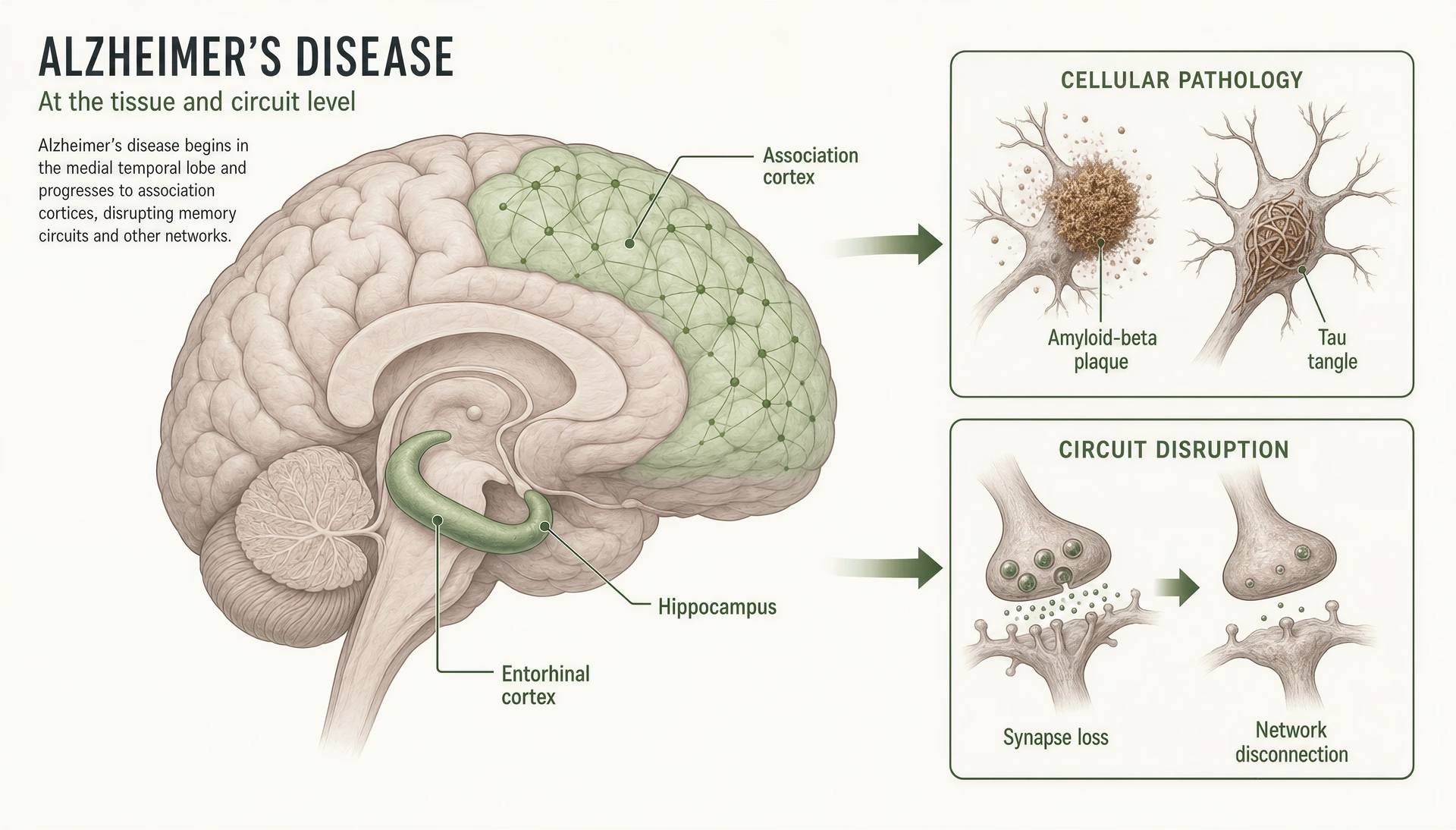
What Alzheimer’s disease actually is at the tissue and circuit level
Alzheimer’s disease is not just “memory loss” and not just “plaques in the brain.” It is a progressive failure of tissue, cell signaling, and large-scale neural networks that unfolds over years or decades. That distinction matters if you want to judge claims about CBD, THC, CBN, or any other intervention. A compound can look impressive in a dish by reducing an inflammatory marker or altering amyloid processing and still fail to change the human disease that destroys synapses, disconnects circuits, and erodes cognition.
At the pathology level, Alzheimer’s is defined by two hallmark protein lesions: extracellular amyloid-beta deposits and intracellular aggregates of abnormal tau. At the systems level, it is marked by synaptic dysfunction, inflammatory activation, metabolic stress, and collapse of memory-related networks centered in the hippocampus and association cortex. The damage is not evenly distributed. Early changes often hit medial temporal lobe structures involved in episodic memory, then spread through cortical regions needed for language, planning, orientation, and behavior.
That is the baseline. Any cannabinoid claim has to be measured against it.
Amyloid-beta plaques and soluble oligomers
Amyloid-beta formation, step by step
- APP processing Amyloid precursor protein is cut through the amyloidogenic pathway.
- Peptide generation This produces amyloid-beta peptides, especially Aβ40 and Aβ42.
- Early assemblies Peptides can clump into soluble oligomers and then fibrils.
- Visible lesions Over time, plaques can form and become visible on histology or amyloid PET.
Amyloid-beta comes from amyloid precursor protein, or APP, a membrane protein that can be cut by different enzymes. When APP is processed through the amyloidogenic pathway, it generates amyloid-beta peptides, especially Aβ40 and the more aggregation-prone Aβ42. Over time, these peptides can clump into oligomers, fibrils, and eventually plaques visible on histology or amyloid PET imaging.
For years, plaques dominated the public story of Alzheimer’s. They are still important. They define part of the disease biologically, and inherited mutations that increase amyloid production can cause early-onset familial Alzheimer’s. But plaque counts alone do not map cleanly onto symptom severity. Many people with substantial plaque burden have less cognitive impairment than expected, while some patients decline markedly before heavy plaque deposition is obvious. That mismatch is one reason the field shifted attention toward soluble amyloid-beta oligomers.
Soluble oligomers Small clusters of amyloid-beta that remain dispersed rather than forming dense plaques. They are often considered more toxic to synapses than plaque deposits alone.
Soluble oligomers are smaller assemblies of amyloid-beta that float in the extracellular space rather than sitting in dense-core plaques. They are harder to measure and less photogenic than plaques. They may be more toxic. Experimental work has shown that oligomers interfere with long-term potentiation, disturb receptor trafficking, alter calcium balance, and impair synaptic signaling in hippocampal circuits central to memory. In plain terms, they can poison communication between neurons before large deposits are even established.
This is where many cannabinoid claims become slippery. A biochemical or mouse study may report reduced amyloid burden, but that can mean different things: less plaque area, lower soluble Aβ42, altered APP processing, or changes in how microglia handle amyloid material. Those are not interchangeable findings. The 2005 Eubanks et al. paper, often cited far beyond its actual reach, showed that THC inhibited acetylcholinesterase-induced amyloid-beta aggregation in vitro and bound the peripheral anionic site of acetylcholinesterase. Interesting, yes. Proof of treatment, no. Likewise, Maria A. Aso and colleagues in 2014 reported that low-dose THC plus CBD improved memory deficits and reduced soluble Aβ42 and some glial markers in APP/PS1 mice. That is stronger than a cell study, but still preclinical.
So when readers hear that cannabinoids “clear amyloid,” skepticism is justified. In humans, there is no accepted trial showing that THC, CBD, or CBN produces clinically meaningful amyloid clearance linked to preserved cognition.
Tau hyperphosphorylation and neurofibrillary tangles
If amyloid helps set the stage, tau tracks the actual collapse more closely in many datasets. Tau is a microtubule-associated protein that normally helps stabilize the internal transport system of neurons, especially axons. In Alzheimer’s disease, tau becomes abnormally phosphorylated, detaches from microtubules, misfolds, and aggregates into paired helical filaments and neurofibrillary tangles inside neurons.
Tau PET A brain imaging method that uses a tracer to estimate where tau pathology is distributed in living patients.
Why does that matter so much? Because tau pathology correlates better with neuronal injury and clinical decline than plaque burden does in many neuropathology and imaging studies. As tau accumulates in the entorhinal cortex, hippocampus, and then wider neocortical regions, patients tend to show worsening memory, language dysfunction, executive impairment, and loss of daily functioning. Tau PET studies have reinforced this point: the distribution of tau often mirrors symptom pattern and stage more closely than amyloid imaging.
Tau is not just a passive marker of dead tissue. Hyperphosphorylated tau disrupts axonal transport, impairs mitochondrial movement, destabilizes the cytoskeleton, and contributes to synaptic failure. Pathological tau may also spread through connected networks in a prion-like manner, though the exact mechanisms remain under active investigation. That network-based spread helps explain why Alzheimer’s is not a single lesion problem. It is progressive circuit corruption.
For cannabinoids, the tau story is thinner than the neuroinflammation story. Some preclinical reports suggest CBD may influence tau-related pathways indirectly through oxidative stress reduction, inflammatory signaling, or kinases such as GSK-3β. There are also suggestions that mixed cannabinoid preparations could affect tau cascades by dampening the inflammatory environment that drives injury. But there is a large gap between “affects a tau-related pathway in a model” and “slows tau-driven neurodegeneration in patients.” That gap has not been closed.
Synaptic failure, neuroinflammation, and network collapse
The clinical syndrome of Alzheimer’s begins when synapses fail, not when a pathology slide looks dramatic. Synapses are the contact points where neurons communicate. They encode memory, support attention, and keep large-scale cortical rhythms organized. In Alzheimer’s disease, synaptic density falls early and strongly predicts cognitive impairment. This is one reason soluble amyloid oligomers matter so much: they damage function before frank cell death. Tau then adds another layer of toxicity by destabilizing neuronal structure and transport.
Neuroinflammation is not a side note to this process. It is part of the machinery of damage. Microglia, the brain’s resident immune cells, detect protein aggregates, dying cells, and altered synapses. Astrocytes, which support metabolism, neurotransmitter balance, and blood-brain barrier function, also shift into reactive states. In early disease, these responses may be partly protective. Microglia can help clear debris and limit injury. Over time, though, chronic activation can become maladaptive: inflammatory cytokines rise, synapses are inappropriately pruned, oxidative stress increases, and surrounding neurons become more vulnerable.
This matters for cannabinoid biology because the endocannabinoid system intersects directly with these pathways. CB1 receptors are abundant in hippocampal and cortical circuits and can reduce neurotransmitter release, including glutamate, which makes them relevant to excitotoxic stress. The problem is obvious: the same CB1 signaling that may dampen overexcitation can also impair short-term memory acutely. In a disease defined by memory loss, that tradeoff is serious. CB2 receptors are more attractive mechanistically because they are linked to immune modulation and are upregulated in plaque-associated microglia in Alzheimer’s tissue. That makes CB2-centered approaches biologically plausible. It does not make them proven.
Networks the article highlights
- Default mode network Large-scale resting network commonly disrupted in Alzheimer’s disease.
- Hippocampal-cortical memory loops Connections that support memory formation and retrieval.
- Association networks Distributed cortical systems needed for language, planning, orientation, and behavior.
At the circuit level, Alzheimer’s gradually disconnects the default mode network, hippocampal-cortical memory loops, and association networks needed for coherent cognition and behavior. The end result is not just forgetfulness. It is network collapse. Any treatment claim that focuses on one marker while ignoring this broader biology is oversimplifying the disease. That is exactly why cannabinoids remain mechanistically interesting adjunct candidates, not established Alzheimer’s treatments.
The endocannabinoid system in Alzheimer’s disease
The endocannabinoid system, or ECS, matters in Alzheimer’s disease because it sits at the intersection of synaptic signaling, immune activation, and tissue stress responses. That is a different claim from saying cannabinoids treat Alzheimer’s. The stronger statement is not supported. What the evidence does support, mostly from animal and cell studies, is that the ECS changes as Alzheimer’s pathology develops and may shape how the brain responds to amyloid-beta, inflammation, oxidative stress, and excitotoxic injury.
That distinction matters. Alzheimer’s disease affects more than 55 million people worldwide across all dementias, with Alzheimer’s thought to account for roughly 60–70% of cases (WHO, 2023). In the United States alone, an estimated 6.9 million people age 65 or older were living with Alzheimer’s dementia in 2024, with projections rising to 13.8 million by 2060 if nothing alters the course of the disease (Alzheimer’s Association, 2024). Against that burden, almost any pathway with plausible neurobiological relevance attracts attention. The ECS has earned that attention. It has not earned claims of proven disease modification.
At its simplest, the ECS includes cannabinoid receptors, endogenous ligands such as anandamide and 2-arachidonoylglycerol (2-AG), and the enzymes that synthesize and break down those ligands. In Alzheimer’s, each part of that system can shift. Receptor expression changes. Endocannabinoid levels may change regionally. Enzymes such as FAAH and MAGL, which terminate endocannabinoid signaling, may become dysregulated. So the ECS is part of the disease response itself, not merely a target for THC, CBD, or other cannabinoids.
| Feature | CB1 | CB2 |
|---|---|---|
| Main location emphasized in the article | Hippocampal and cortical memory circuits | Immune cells and activated microglia |
| Relevant Alzheimer’s role | Regulates neurotransmitter release and excitotoxic stress | Linked to immune modulation around plaques |
| Potential upside | May dampen glutamate-driven stress | May shift inflammatory responses and microglial behavior |
| Main downside | Can impair short-term memory, attention, and balance | Human disease-modifying proof is still missing |
CB1 receptors in hippocampal and cortical memory circuits
CB1 receptors are densely expressed in the brain, especially in the hippocampus, cortex, basal ganglia, and cerebellum. In Alzheimer’s, the hippocampus and association cortex are exactly the regions under pressure early and continuously, so CB1 is immediately relevant. These receptors are positioned presynaptically, where they regulate neurotransmitter release. In practice, that means CB1 activation can dampen glutamate release and reduce excitotoxic stress. That is one reason cannabinoids remain mechanistically interesting in neurodegeneration.
But there is a catch, and it is not minor. CB1 signaling also interferes with short-term memory formation. This is not a theoretical side issue; it is a defining pharmacologic effect of THC. The same receptor activity that may reduce overexcitation can acutely impair attention, encoding, and working memory. In a disease defined by progressive memory failure, that tradeoff is serious.
This is why simplistic claims about THC and Alzheimer’s fall apart on inspection. Eubanks et al. in 2005 reported in Molecular Pharmaceutics that THC inhibited acetylcholinesterase-induced amyloid-beta aggregation in vitro and bound the peripheral anionic site of acetylcholinesterase. That finding was biochemically interesting. It did not show cognitive benefit in patients. Nor did it solve the CB1 problem: a compound can have anti-amyloid or anti-excitotoxic effects in a dish and still worsen memory in a person.
CB1-focused drugs therefore face a narrow therapeutic window in Alzheimer’s. Too little receptor engagement may do nothing meaningful. Too much brings sedation, confusion, dizziness, impaired recall, and higher falls risk. Human studies so far reflect this tension. The 2019 randomized crossover trial of nabilone in moderate-to-severe Alzheimer’s disease and agitation found reduced agitation scores relative to placebo, but sedation was more common on active treatment. The 2024 randomized placebo-controlled dronabinol trial in severe Alzheimer’s-related agitation reported about a 30% decrease in Pittsburgh Agitation Scale scores over three weeks, with tolerability described as acceptable in that small sample. Useful symptom data, yes. Evidence of slowed hippocampal degeneration or preserved episodic memory, no.
That is where CB1 sits in Alzheimer’s research: biologically relevant, potentially protective in some contexts, but pharmacologically risky in a cognition-first disorder.

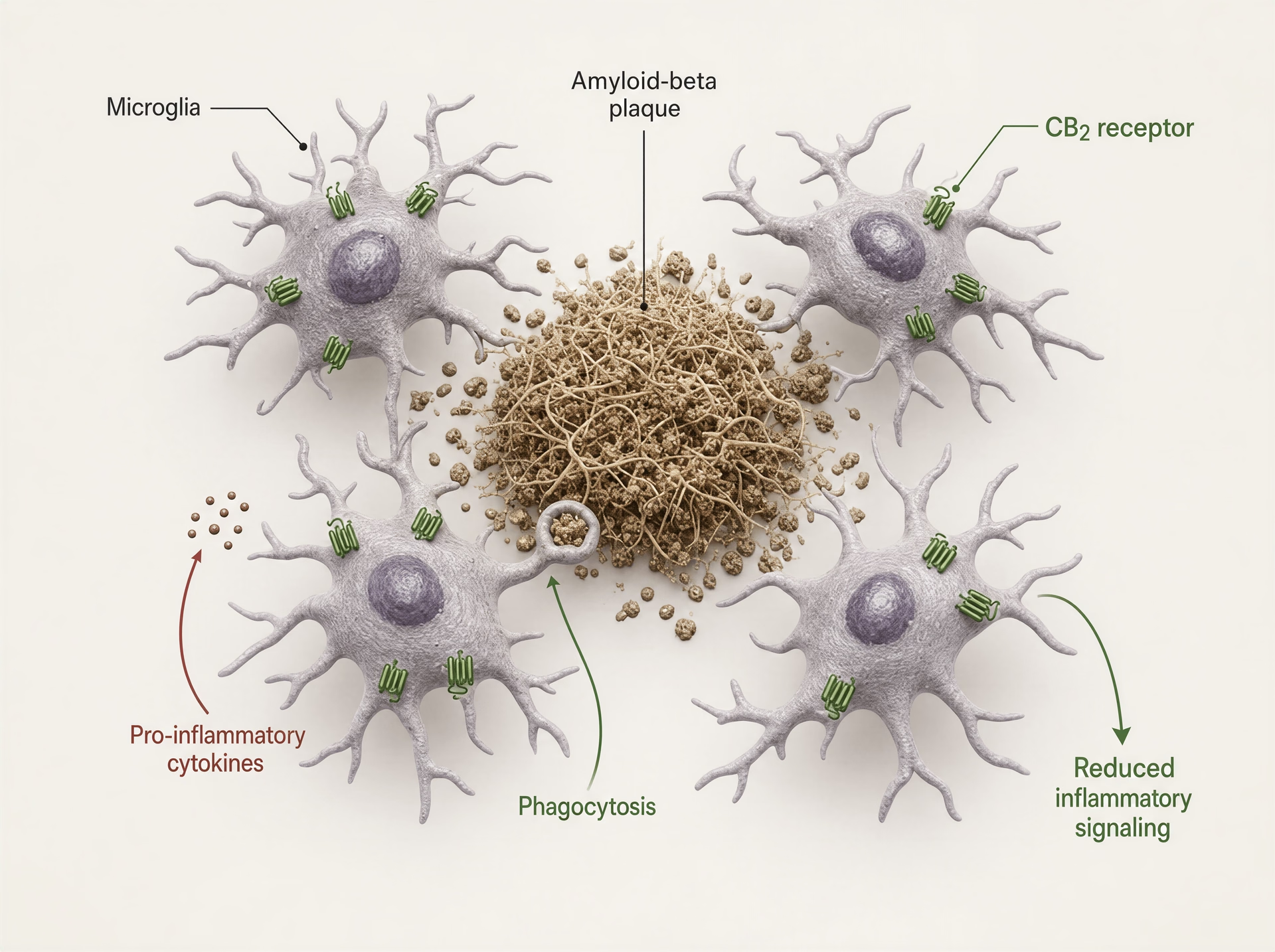
CB2 upregulation in plaque-associated microglia
CB2 is a different story. Under normal conditions, CB2 receptor expression in the brain is much lower than CB1, but it rises in inflammatory states, especially in immune cells and activated microglia. In Alzheimer’s neuropathology, several studies have reported CB2 upregulation in microglia clustered around neuritic plaques. That pattern is one of the clearest signs that the ECS is responding to disease biology rather than just waiting for an external cannabinoid to arrive.
Microglia are central to this discussion. They can help clear debris and amyloid, but they can also become chronically activated and secrete inflammatory mediators that damage nearby neurons and synapses. CB2 signaling appears tied to this immune side of Alzheimer’s pathology. In animal and cell models, CB2 activation has been associated with reduced release of pro-inflammatory cytokines, altered microglial migration and phagocytosis, and, in some settings, improved handling of amyloid-beta. That does not mean CB2 agonists have been shown to clear plaques in people. They have not. It means the receptor sits in the right cellular compartment for anti-inflammatory intervention without the same degree of intoxication or direct memory disruption associated with CB1 agonism.
That is why CB2-focused strategies are attractive in neurodegeneration. They are trying to shift the inflammatory environment rather than suppress neuronal signaling in memory circuits. Reviews in Frontiers in Pharmacology, Frontiers in Aging Neuroscience, and the Journal of Alzheimer’s Disease have repeatedly highlighted this point: CB2 is appealing because it is more tightly linked to immune modulation and less tied to the psychoactive burden that makes THC difficult in older adults with dementia.
Still, “attractive” is not “validated.” The field has not produced a convincing human trial showing that selective CB2 modulation slows clinical decline, reduces amyloid on PET, or preserves function in Alzheimer’s disease. The biology is ahead of the clinic.
Endocannabinoid tone, FAAH, MAGL, and disease-related dysregulation
The ECS is not just receptors. Its endogenous ligands matter just as much. Anandamide and 2-AG are produced on demand and then rapidly broken down, mainly by FAAH for anandamide and MAGL for 2-AG. These molecules help regulate synaptic homeostasis, stress signaling, inflammation, and neuronal excitability. In Alzheimer’s, that balance may become distorted.
Endocannabinoid tone The overall pattern of signaling by the body’s own cannabinoids, including how much is present, where it is acting, and how long the signal lasts.
The phrase “endocannabinoid tone” refers to the overall level and timing of endogenous cannabinoid signaling. In Alzheimer’s models and postmortem tissue studies, researchers have reported region-specific alterations in endocannabinoid levels and in the enzymes that degrade them. The findings are not perfectly consistent across all studies, partly because disease stage, brain region, and methodology differ. Even so, the broader pattern suggests dysregulation rather than stability.
This matters because FAAH and MAGL are plausible intervention points. Inhibiting FAAH could raise anandamide levels. Inhibiting MAGL could raise 2-AG and reduce production of arachidonic-acid-derived inflammatory mediators. In preclinical work, MAGL inhibition in particular has been linked to lower neuroinflammation and better synaptic outcomes. That has made enzyme-targeted approaches appealing: instead of flooding the brain with an external agonist, perhaps one could gently amplify endogenous signaling where and when it is already being recruited.
But here too, the translational gap is large. Raising endocannabinoid tone is not automatically benign. Excess CB1 engagement from higher endogenous ligand levels could still impair cognition, depending on region and magnitude. And what works in APP/PS1 mice may not work in older humans with mixed pathology, vascular burden, polypharmacy, and advanced neurodegeneration.
This is also where CBD enters the conversation in a more indirect way. CBD has low affinity for CB1 and CB2 compared with THC, yet it can influence the ECS through enzyme effects, receptor crosstalk, inflammatory signaling, oxidative stress pathways, and serotonin or TRP channel mechanisms. That may be one reason CBD often looks cleaner than THC in preclinical neurodegeneration papers. In Aso et al.’s 2014 APP/PS1 mouse study, a low-dose THC/CBD combination improved memory deficits and reduced soluble Aβ42 and glial markers better than either cannabinoid alone on some measures. Interesting, but still mouse data. It has not translated into accepted proof of disease modification in people.
CBN deserves a brief reality check here. It is often presented online as a sedating neuroprotective cannabinoid with dementia relevance. The Alzheimer’s-specific evidence is thin. There is little direct clinical support for CBN as an Alzheimer’s therapy, and very little reason at present to place it alongside THC or CBD as a serious candidate.
So where does the ECS stand in Alzheimer’s disease? As a responsive biological system with real mechanistic links to synaptic dysfunction and neuroinflammation. That makes it scientifically important. It does not make cannabinoid treatment established. Right now, the human evidence is still narrow and mostly symptom-focused, especially around agitation. The disease-modifying case remains unproven.
THC: where the mechanistic interest is real and the clinical risk is obvious
THC is the cannabinoid that generates the most striking Alzheimer’s headlines and the most immediate clinical hesitation. That split is not accidental. On paper, THC touches several pathways relevant to Alzheimer’s disease: excitotoxicity, neuroinflammation, oxidative stress, appetite regulation, and perhaps some amyloid-related processes. In actual patients, though, the same CB1 receptor activity that makes THC biologically interesting can also worsen short-term memory, attention, balance, and confusion. For a disease defined by cognitive decline, that is a serious problem, not a side note.
This is why THC should be framed as a mechanistically interesting but clinically constrained candidate. The burden of the disease makes the search understandable. More than 55 million people worldwide live with dementia, and Alzheimer’s accounts for roughly 60–70% of cases, according to the World Health Organization. In the United States, the Alzheimer’s Association estimated 6.9 million people aged 65 and older were living with Alzheimer’s dementia in 2024, with costs projected at $360 billion this year alone. None of that lowers the evidence bar. It raises it.
THC, acetylcholinesterase, and amyloid-beta aggregation claims
The most cited THC-Alzheimer’s paper is Eubanks et al., published in Molecular Pharmaceutics in 2005. The study reported that THC competitively inhibited acetylcholinesterase and, more specifically, blocked acetylcholinesterase-induced amyloid-beta aggregation in vitro by interacting with the enzyme’s peripheral anionic site. That finding was scientifically interesting for two reasons. First, acetylcholinesterase is already relevant to Alzheimer’s therapy because approved symptomatic drugs such as donepezil target cholinergic signaling. Second, the peripheral anionic site of acetylcholinesterase has been implicated in promoting amyloid-beta fibril formation, so interference there could, in theory, matter beyond neurotransmitter breakdown.
But the key phrase is “in vitro.” Eubanks and colleagues showed a biochemical interaction in a controlled laboratory system. They did not show that THC clears plaques in human brains, slows neuronal loss, preserves daily function, or delays institutionalization. They did not show that a patient taking THC would achieve a brain concentration sufficient to reproduce that effect without significant intoxication. Those are not minor gaps. They are the entire translational problem.
Popular summaries often flatten the paper into “THC stops Alzheimer’s.” That is false. In vitro inhibition of an amyloid-related process means a molecule can alter one step in one model under artificial conditions. It does not establish target engagement in living humans, and it certainly does not establish disease modification. Amyloid biology itself is more complicated than simple aggregation assays suggest. A compound might reduce fibril formation in a dish yet have little effect on soluble oligomers, tau pathology, synaptic failure, or the inflammatory environment that drives progression.
Related preclinical work keeps the topic alive but does not resolve it. Mouse and cell studies have suggested that cannabinoids can affect amyloid processing, inflammatory signaling around plaques, and glial activation. Aso et al. in 2014, using an APP/PS1 transgenic mouse model, found that a low-dose THC/CBD combination improved memory performance and reduced soluble Aβ42 and glial markers better than either cannabinoid alone on some outcomes. That was a combination study, not a THC-alone victory lap, and it still remained an animal experiment. Useful. Not decisive.
So the honest reading is narrow: THC has plausible amyloid-related activity in preclinical systems, including the Eubanks acetylcholinesterase finding, but there is no accepted human trial showing clinically meaningful amyloid clearance, PET-confirmed plaque reduction, or slowed Alzheimer’s progression attributable to THC.
CB1-mediated effects on excitotoxicity, appetite, and agitation
Where THC becomes more clinically relevant is not amyloid. It is symptom control.
THC is a partial agonist at CB1 receptors, which are densely expressed in hippocampal and cortical networks involved in memory, but also in circuits that regulate neurotransmitter release. CB1 activation can reduce presynaptic glutamate release. That matters because glutamate-driven excitotoxicity has long been implicated in neurodegeneration, and Alzheimer’s pathology includes synaptic stress that may be amplified by excessive excitatory signaling. In preclinical models, cannabinoids can dampen this process. Mechanistically, that makes sense.
Yet the same receptor action produces a tradeoff. Turning down excitatory signaling is not automatically neuroprotective in a way that patients can feel as preserved cognition. It may also simply blunt neural processing. In a frail older adult, that can look like sedation, slowed thinking, or worsened recall.
THC’s practical appeal in dementia care has therefore centered more on behavior and appetite than on disease progression. Loss of appetite, weight loss, distress, nighttime restlessness, and agitation are common in later-stage dementia. These symptoms can be dangerous in their own right. Poor intake worsens frailty. Agitation drives caregiver burden, emergency visits, and antipsychotic exposure. Here, cannabinoid pharmacology may offer something useful.
The strongest modern clinical signal so far comes from pharmaceutical cannabinoids rather than whole-plant cannabis. In 2024, a randomized, double-blind, placebo-controlled dronabinol trial in severe Alzheimer’s-related agitation reported about a 30% reduction in Pittsburgh Agitation Scale scores over three weeks in the active-treatment group, with no comparable drop in placebo. That matters. It is one of the few controlled studies showing that a THC-based medicine may reduce a core behavioral symptom in Alzheimer’s patients.
Nabilone, a synthetic cannabinoid with CB1 and CB2 activity, points in the same direction. In the 2019 randomized crossover trial led by Herrmann and colleagues in patients with moderate-to-severe Alzheimer’s disease and agitation, nabilone improved agitation scores compared with placebo. But sedation was more common on active treatment. That is the story in miniature: calming effect, real cost.
Appetite is another area where THC has a plausible role. CB1 signaling is tied to feeding behavior, reward, and nausea control. In selected dementia patients with poor intake, low body weight, or distress around eating, a THC-containing drug might improve appetite. That potential should not be dismissed. Nor should it be romanticized. An intervention that increases appetite but increases falls, daytime lethargy, or confusion may still be a bad trade.
| Potential benefit discussed | Corresponding risk discussed |
|---|---|
| Reduced agitation | More sedation or a calmer appearance because the patient is less alert |
| Improved appetite | Falls, daytime lethargy, or confusion may outweigh intake benefit |
| Reduced glutamate release | Blunted neural processing, slower thinking, and worsened recall |
| Amyloid-related preclinical effects | No accepted human evidence of plaque clearance or slowed progression |

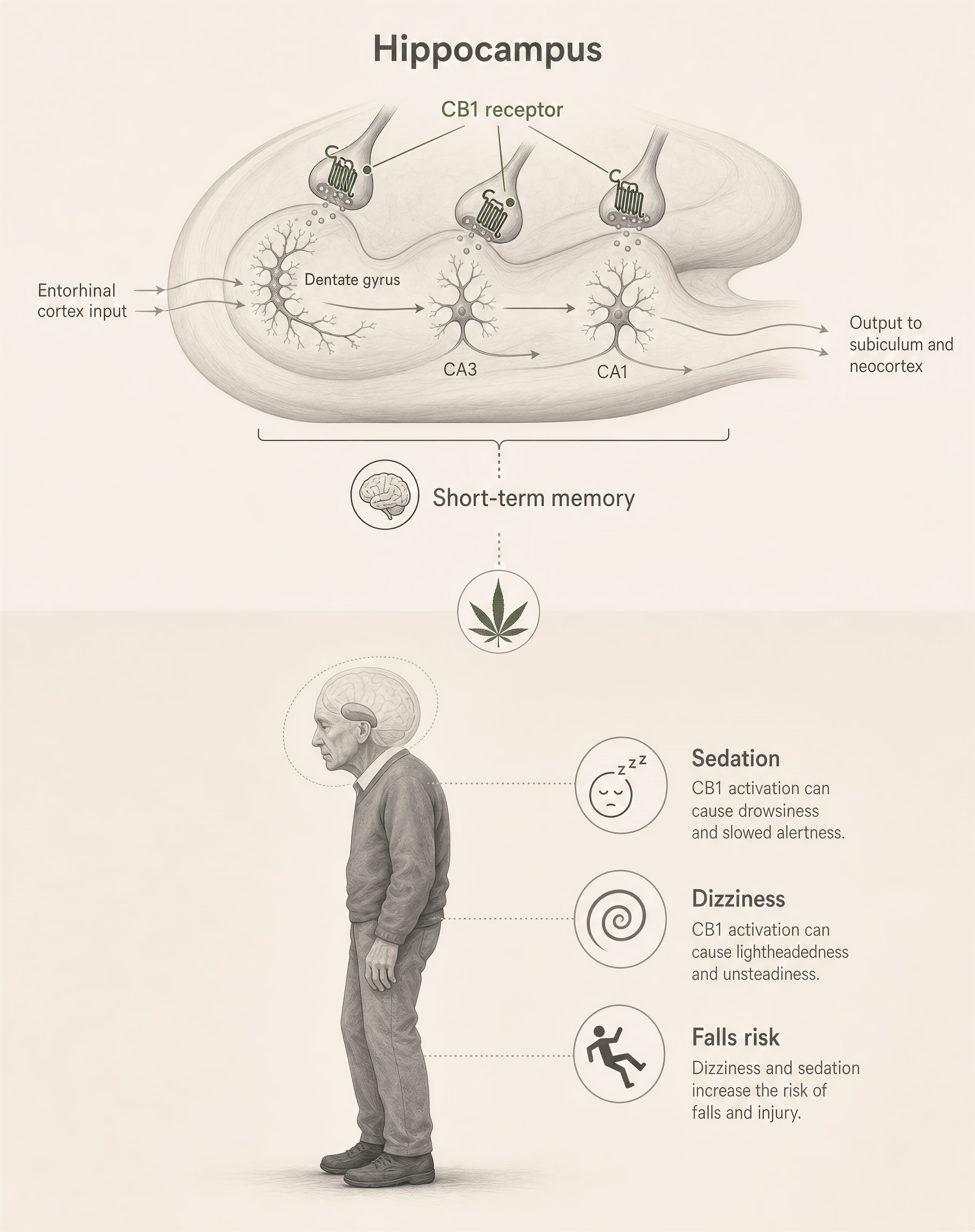
Why psychoactivity and memory impairment limit THC as an Alzheimer’s therapy
THC’s biggest weakness in Alzheimer’s disease is obvious and unavoidable: it impairs the very functions Alzheimer’s destroys.
Acute THC exposure can disrupt short-term memory, attention, processing speed, and executive function even in younger adults with healthy brains. In older adults with neurodegeneration, reduced cognitive reserve, polypharmacy, and gait instability, those effects can be amplified. The issue is not moral panic about psychoactivity. It is basic pharmacology meeting a vulnerable population.
CB1 receptors are abundant in the hippocampus, a structure central to memory formation and one of the earliest regions affected in Alzheimer’s disease. Stimulating that system may reduce agitation or glutamate release, but it can also impair encoding of new information. That is a serious limitation for any therapy being discussed as an Alzheimer’s treatment rather than a narrowly defined symptomatic aid.
The bedside risks are concrete. THC can cause dizziness, orthostatic hypotension, sedation, impaired coordination, anxiety, transient paranoia, and worsening confusion. In dementia patients, those effects can translate into falls, refusal of care, nighttime disorientation, or delirium-like presentations. If the patient is already taking sedatives, antipsychotics, antidepressants, anticonvulsants, or blood pressure medications, risk rises. Most older adults with dementia are not pharmacologically simple.
This is also why positive agitation studies should be interpreted with discipline. A patient can look less agitated because they are less distressed. They can also look less agitated because they are more sedated. Those are not the same therapeutic outcome. In practice, both may occur at once. The nabilone trial’s higher sedation rate makes that tension hard to ignore.
None of this means THC has no place. It means the likely place is limited: selected patients, carefully monitored, usually for behavioral symptoms or appetite, not as a proven disease-modifying Alzheimer’s therapy. That distinction matters. It keeps the science honest.
So the verdict on THC is neither dismissal nor hype. The mechanistic interest is real. Eubanks et al. gave the field a genuine biochemical lead. CB1-mediated effects on glutamate release, appetite, and agitation are biologically plausible and now supported by some human symptom data, especially with dronabinol and nabilone. But the leap from those findings to “THC treats Alzheimer’s” has not been made. Human evidence remains narrow, short-term, and mostly symptom-focused. Against that modest benefit stands an obvious hazard: psychoactive CB1 agonism can worsen memory and confusion in people who can least afford either.
CBD: anti-inflammatory promise, better tolerability, thinner direct Alzheimer’s evidence
CBD gets more attention than almost any other cannabinoid in Alzheimer’s discussions for a simple reason: it looks easier to imagine in older patients than THC. It has little intoxicating effect at usual doses, hits many signaling systems at once, and in preclinical work it repeatedly shows anti-inflammatory and antioxidant activity. That combination makes it an attractive candidate in a disease defined not only by amyloid and tau, but also by chronic glial activation, oxidative injury, synaptic stress, and mitochondrial dysfunction.
Still, attractive biology is not the same as a proven Alzheimer’s therapy. Alzheimer’s disease remains a massive unmet need — more than 55 million people worldwide live with dementia, with Alzheimer’s making up 60–70% of cases according to WHO 2023, and 6.9 million Americans age 65 or older were living with Alzheimer’s dementia in 2024 according to the Alzheimer’s Association. The pressure to find safer adjuncts is real. So is the tendency to overread early cannabinoid data. With CBD, the gap between mechanism and clinical proof is still wide.
What makes CBD mechanistically interesting is not strong binding to CB1 in the way THC does. In fact, that weaker direct CB1 activity is part of why CBD is often better tolerated. Instead, CBD appears to act across a broad set of targets relevant to Alzheimer’s biology: inflammatory cytokine signaling, glial activation, oxidative stress responses, intracellular calcium handling, peroxisome proliferator-activated receptor-gamma (PPAR-gamma), and kinase pathways including GSK-3beta that have been linked to tau phosphorylation. That profile gives researchers several plausible routes by which CBD might reduce injury around plaques or stressed neurons. It does not yet show that patients decline more slowly.
CBD may reduce Alzheimer’s-relevant neuroinflammatory signaling. Preliminary evidence
CBD and neuroinflammatory signaling
Neuroinflammation is one of the strongest reasons CBD remains on the Alzheimer’s research map. Alzheimer’s brains show activated microglia and astrocytes, especially around amyloid plaques, and the endocannabinoid system appears altered rather than static in this setting. CB2 receptors, in particular, are often reported as upregulated in plaque-associated microglia. That matters because CBD’s appeal is tied less to psychoactive CB1 signaling and more to immune modulation in damaged tissue.
In cell and rodent models, CBD has repeatedly reduced inflammatory mediators triggered by amyloid-beta exposure. Studies have reported decreases in cytokines such as interleukin-1 beta, interleukin-6, and tumor necrosis factor-alpha, along with reductions in inducible nitric oxide synthase and other markers of activated glia. The broad pattern is consistent: when beta-amyloid pushes glial cells into a pro-inflammatory state, CBD often shifts that response downward.
PPAR-gamma A nuclear receptor involved in inflammatory gene regulation and metabolic signaling. It is one proposed pathway for some of CBD’s anti-inflammatory effects in preclinical Alzheimer’s models.
One pathway that comes up often is PPAR-gamma. CBD can activate or influence this nuclear receptor, which regulates inflammatory gene transcription and metabolic responses. In Alzheimer’s models, PPAR-gamma signaling is one plausible explanation for why CBD reduces reactive gliosis and inflammatory mediator release. That does not make CBD a selective PPAR-gamma drug, and the pathway is not the only one involved. But it is one of the better-supported mechanistic links between CBD and anti-inflammatory effects in AD-relevant systems.
This is where popular writing often gets sloppy. “CBD reduces inflammation” is too vague to be useful. The better reading is narrower: in preclinical Alzheimer’s models, CBD can dampen inflammatory signaling and glial reactivity in ways that may protect neurons from secondary damage. That is a mechanistic foothold, not a clinical endpoint.
The 2014 APP/PS1 mouse study from Maria A. Aso and colleagues is often cited here, and for good reason. In that transgenic model, a low-dose THC/CBD combination improved memory measures and reduced some pathological markers, including glial activation, more effectively than either cannabinoid alone on certain readouts. But that study does not mean CBD alone has been shown to slow human Alzheimer’s. It means cannabinoids can affect inflammatory and amyloid-related biology in a mouse model, and that mixtures may behave differently from isolated compounds.
Oxidative stress, mitochondrial protection, and tau-related pathways
CBD’s second major selling point is its antioxidant profile. Alzheimer’s pathology is not only about plaques and tangles. Neurons face sustained oxidative stress, lipid peroxidation, mitochondrial dysfunction, and impaired energy handling long before severe cell loss is obvious. CBD has shown protective effects in these domains across preclinical systems, including reduced reactive oxygen species generation, lower oxidative injury markers, and improved cell survival under toxic challenge.
Some of this may be direct antioxidant chemistry. Some appears to be signaling-based. Either way, the result in vitro is often the same: cells exposed to amyloid-beta or other stressors do a little better when CBD is present.
Mitochondrial protection is especially appealing because mitochondrial failure sits upstream of many downstream injuries in Alzheimer’s, from synaptic dysfunction to apoptosis. Preclinical papers suggest CBD may stabilize mitochondrial function, reduce calcium-related stress, and limit damage linked to excessive free radicals. This does not make it a validated mitochondrial therapy in patients. It means one of the disease’s less publicized injury cascades may be partly modifiable in models.
Tau is harder. The evidence here exists, but it is thinner than the neuroinflammation literature. Some studies suggest CBD may reduce tau hyperphosphorylation through effects on GSK-3beta, a kinase strongly implicated in tau-related pathology. Others point to indirect effects: if CBD lowers oxidative stress and inflammatory burden, tau-related damage may also fall because the surrounding cellular environment is less hostile. That is biologically plausible. It is also still several inferential steps away from showing lower tau PET burden or slower neurofibrillary pathology in living patients.
GSK-3beta is worth naming because it is one of the few tau-relevant mechanisms that recurs in cannabinoid reviews. In preclinical work, CBD has been linked to modulation of this pathway, which could in theory reduce abnormal tau phosphorylation. Yet “could” is doing real work in that sentence. No accepted clinical trial has shown that CBD changes tau biomarkers in Alzheimer’s patients.
The same caution applies to amyloid. CBD may influence amyloid processing, inflammatory handling of amyloid deposits, or neuronal vulnerability to amyloid toxicity. But if the question is whether CBD has been shown in humans to clear amyloid plaques or reduce amyloid PET burden in a clinically meaningful way, the answer is no.
| Claim readers may infer | What the article says the evidence actually shows |
|---|---|
| CBD slows Alzheimer’s progression | No strong human evidence |
| CBD preserves cognition over time | Not shown in accepted clinical trials |
| CBD reduces amyloid or tau biomarkers in patients | Not shown |
| CBD is risk-free in older adults | Not supported; interaction and tolerability concerns remain |
What human Alzheimer’s data on CBD still do not show
This is the line that should stay sharp: there is still no strong human evidence that CBD slows Alzheimer’s progression.
Not symptoms in general. Not behavior in nursing-home populations. Progression. Cognition preserved over time. Functional decline delayed. Biomarkers improved in a way that tracks with disease modification. Those data are not in hand.
Most cannabinoid trials in dementia have not studied purified CBD as a disease-modifying intervention. They have studied mixed populations, symptom targets such as agitation, or pharmaceutical cannabinoids with very different pharmacology, such as dronabinol and nabilone. That distinction matters. Dronabinol is synthetic THC. Nabilone is a synthetic cannabinoid with CB1 and CB2 activity. Positive agitation data for those agents do not establish anything about CBD preventing synaptic loss or slowing cortical atrophy.
The 2024 randomized, double-blind, placebo-controlled dronabinol trial is a useful example of what modern human evidence can and cannot say. In that small study, patients with severe Alzheimer’s-related agitation showed about a 30% drop in Pittsburgh Agitation Scale severity over three weeks on active treatment, without a similar drop in placebo. That is clinically relevant for symptom control. It says nothing about amyloid clearance, tau reduction, or slower neurodegeneration.
The 2019 randomized crossover trial of nabilone in moderate-to-severe Alzheimer’s disease found improved agitation scores as well, but sedation was more common. Again, this is real-world tradeoff data in frail patients. It does not support disease-modifying claims for cannabinoids generally or CBD specifically.
CBD does have a tolerability advantage over THC in many contexts, especially because it lacks the same acute memory-impairing and intoxicating profile tied to CB1 agonism. Even so, “better tolerated” is not the same as benign. Older adults with dementia are vulnerable to sedation, diarrhea, appetite change, orthostatic effects, and drug-drug interactions. CBD inhibits several cytochrome P450 enzymes and can alter concentrations of medications commonly used in late life, including anticoagulants, antiseizure drugs, and some psychotropics. In a population already at risk for falls, confusion, and polypharmacy, that matters.
So where does CBD stand? As of now, it is a mechanistically interesting adjunct candidate with a more plausible tolerability profile than THC for many older patients, and with meaningful preclinical evidence around neuroinflammation and oxidative injury. What it is not is an established Alzheimer’s treatment. The laboratory case is real. The clinical proof is not.
CBN and other minor cannabinoids: the evidence gap matters
CBN sits in an odd place in the Alzheimer’s conversation: highly visible online, barely visible in the actual evidence base. That mismatch matters. Alzheimer’s disease is not a niche target in need of speculative branding. More than 55 million people worldwide live with dementia, with Alzheimer’s accounting for roughly 60–70% of cases (WHO, 2023), and the US burden alone reached an estimated 6.9 million people aged 65 or older in 2024, with costs projected at $360 billion this year and nearly $1 trillion by 2050 (Alzheimer’s Association, 2024). Against that backdrop, claims about any cannabinoid need to clear a high bar. CBN does not.
CBN is a meaningful evidence-based Alzheimer’s treatment candidate. Limited evidence
Why CBN is widely marketed beyond the data
The pattern is familiar: CBN gets framed as a sedating cannabinoid, sleep claims are repeated, and those claims are then stretched into “may help dementia” or “may protect the brain.” That is not how evidence works. A cannabinoid can be associated with sleepiness, or marketed for nighttime use, without being an Alzheimer’s therapy candidate.
Part of the problem is category drift. Readers see “neuroprotective,” “anti-inflammatory,” or “calming” and assume those labels translate into disease modification in Alzheimer’s. They do not. Alzheimer’s trials need to show effects on cognition, function, biomarkers, or progression. CBN has not done that. There are no convincing human trials showing that CBN slows neurodegeneration, clears amyloid on PET, changes tau pathology, or preserves memory in people with Alzheimer’s disease.
Minor cannabinoids also benefit from a halo effect created by better-studied compounds. THC, CBD, dronabinol, and nabilone at least have identifiable research tracks. Dronabinol showed an approximately 30% decrease in Pittsburgh Agitation Scale severity over three weeks in a 2024 randomized trial of severe Alzheimer’s-related agitation. Nabilone improved agitation in a 2019 randomized crossover study, though sedation was more common. Those studies were symptom-focused, not disease-modifying, but they are still real human data. CBN does not have an equivalent Alzheimer’s literature.
Preclinical neuroprotection claims versus Alzheimer’s-specific evidence
This is where precision matters. Cannabinoids as a class are mechanistically interesting in Alzheimer’s because they can affect neuroinflammation, oxidative stress, excitotoxicity, mitochondrial dysfunction, and perhaps amyloid-beta or tau processing. CB2 signaling in microglia is especially attractive on paper because it intersects with plaque-associated inflammation without the same degree of CB1-linked intoxication and short-term memory impairment. But “cannabinoids are interesting” is not the same as “CBN is supported.”
The landmark preclinical papers in this area are not CBN papers. Eubanks et al. (2005) reported that THC inhibited acetylcholinesterase-induced amyloid-beta aggregation in vitro. Aso et al. (2014) found that low-dose THC plus CBD improved some outcomes in APP/PS1 mice more than either compound alone. CBD has shown anti-inflammatory and antioxidant effects in cell and rodent systems, with some data touching tau-related signaling. None of that establishes CBN as an Alzheimer’s candidate.
There may be scattered preclinical signals for CBN in other neurological settings. That is still several steps away from Alzheimer’s-specific relevance. Cell models are not patients. General neuroprotection is not proof against Alzheimer’s pathology. A sedating profile is not a dementia treatment strategy, especially in frail older adults already vulnerable to falls, lethargy, orthostatic hypotension, and worsening confusion.
What readers should conclude from the current literature
The fairest reading is not “CBN definitely does nothing.” It is narrower, and stricter: CBN is not currently an evidence-based Alzheimer’s candidate. That distinction matters. Absence of evidence is not evidence of absence, but it is still absence of evidence. In medicine, the hierarchy counts.
Right now, the human cannabinoid data in dementia are limited and mostly aimed at symptoms such as agitation, appetite, pain, or sleep. Most come from pharmaceutical cannabinoids or THC-dominant agents, not from CBN. Even the more credible positive studies do not show slowed Alzheimer’s progression. They show possible short-term behavioral effects, with tradeoffs such as sedation.
So readers should treat CBN Alzheimer’s claims with skepticism. Mechanistic plausibility is not enough. Sparse cell data are not enough. Online summaries that jump from sleep marketing to dementia care are overstating the science. Until there are well-designed, adequately powered human trials testing CBN against Alzheimer’s-specific outcomes, the honest position is simple: interesting at most, unproven in practice, and far behind THC- and CBD-related research even before clinical proof enters the picture.
Amyloid-beta clearance, tau pathology, and neuroinflammation: what cannabinoids may change mechanistically
Mechanistic targets ranked by support in the article
- Strongest preclinical target Neuroinflammation
- Middle ground Amyloid modulation
- Thinnest mechanistic story Tau-related effects
This is the mechanistic center of the cannabinoid–Alzheimer’s discussion, and it is where oversimplified claims do the most damage. THC, CBD, and to a much lesser extent CBN have been linked in preclinical work to three big Alzheimer’s-relevant processes: amyloid-beta handling, tau-related signaling, and neuroinflammation. Those are not equal targets. If the evidence is ranked by how persuasive it is today, neuroinflammation comes first, amyloid modulation sits in the middle, and tau is the thinnest of the three. None has crossed the line into proven disease modification in humans.
That distinction matters because Alzheimer’s disease is not a niche problem where mechanistic optimism is harmless. More than 55 million people worldwide live with dementia, with Alzheimer’s accounting for roughly 60–70% of cases, according to the World Health Organization. In the United States, the Alzheimer’s Association estimated 6.9 million people aged 65 and older were living with Alzheimer’s dementia in 2024, with costs of $360 billion this year alone. A pathway that changes in a dish or in a transgenic mouse can look exciting. It can also fail completely when tested against cognition, function, biomarker change, and tolerability in older adults.
The broad biological rationale is real. The endocannabinoid system intersects with glutamate release, oxidative stress, mitochondrial function, and immune signaling. CB1 receptors are abundant in hippocampal and cortical circuits involved in memory. CB2 receptors are much more attractive for Alzheimer’s mechanisms because they are tied to immune modulation and are upregulated in plaque-associated microglia in several neuropathology studies. That makes cannabinoids biologically relevant. It does not make them established Alzheimer’s treatments.
Amyloid processing, aggregation, and microglial clearance
Amyloid-beta claims need the most cleanup because they are the easiest to overstate. Cannabinoids may affect amyloid at several different points: production from amyloid precursor protein, aggregation into toxic species, and removal by microglia. Those are distinct processes, and positive findings in one do not prove global amyloid clearance.
The most cited paper here is Eubanks et al., 2005, in Molecular Pharmaceutics. That study found THC competitively inhibited acetylcholinesterase-induced amyloid-beta aggregation in vitro and interacted with the peripheral anionic site of acetylcholinesterase. It was an interesting biochemical result. It was not a demonstration that THC clears plaques in living patients, slows brain atrophy, or preserves memory. Yet it is still routinely presented online as if it showed THC treats Alzheimer’s. It did not.
Mouse work is more relevant than a cell-free assay, but it still has limits. Maria A. Aso and colleagues reported in 2014 that low-dose THC plus CBD improved memory deficits in APP/PS1 transgenic mice and reduced soluble Aβ42 and glial markers better than either cannabinoid alone in some measures. That result is one reason mixed cannabinoid approaches keep resurfacing in reviews: there may be complementary actions, with THC affecting some amyloid-related or behavioral pathways and CBD contributing anti-inflammatory and antioxidant effects. Even so, APP/PS1 mice are not people with late-life Alzheimer’s disease. They model selected features of pathology under highly controlled conditions. They do not reproduce the full human mix of aging, vascular disease, frailty, polypharmacy, and heterogeneous pathology.
CBD has also shown indirect amyloid-relevant effects in beta-amyloid-exposed cell and rodent systems, often by damping reactive gliosis, oxidative injury, and inflammatory mediator release. That could make amyloid toxicity less damaging even without dramatic plaque removal. But that is the point: “less damage in a model” is not the same claim as “amyloid clearance in patients.”
Microglial clearance is the most plausible bridge between cannabinoid biology and amyloid handling. Microglia can shift between damaging inflammatory states and more phagocytic, debris-clearing states. Because CB2 signaling is associated with immune modulation and is increased around neuritic plaques, it has attracted attention as a way to tilt microglia toward a less injurious phenotype. In theory, that could improve handling of amyloid species while lowering inflammatory spillover. In practice, the human proof is missing. There is no accepted clinical trial showing THC, CBD, or CBN causes clinically meaningful amyloid reduction on PET imaging or CSF biomarkers in Alzheimer’s patients.
CBN barely enters this conversation. It is often portrayed as neuroprotective and sedating, but Alzheimer’s-specific evidence is sparse. There is no serious basis for placing CBN beside THC and CBD as an amyloid-focused Alzheimer’s candidate.
Tau phosphorylation pathways and indirect downstream effects
Tau is where cannabinoid enthusiasm most clearly outruns the data. Alzheimer’s is defined not only by amyloid plaques but also by intracellular tau pathology, including hyperphosphorylation and neurofibrillary tangles. If a therapy is going to be called disease-modifying, it eventually has to reckon with tau. Cannabinoid evidence here exists, but it is patchy and mostly indirect.
Some preclinical studies suggest CBD may reduce tau hyperphosphorylation through signaling pathways involving glycogen synthase kinase-3 beta, oxidative stress responses, and inflammatory cascades. That makes biological sense. GSK-3β is one of the major kinases implicated in tau phosphorylation, and inflammatory stress can push tau biology in the wrong direction. If CBD lowers inflammatory signaling and oxidative burden, downstream tau effects are possible. The same logic has been applied to mixed cannabinoid preparations: lower glial activation, less cytokine-driven stress, and perhaps less tau-related injury.
Still, this remains several steps removed from human proof. Most of the evidence does not show direct tangle removal. It shows pathway modulation under experimental conditions. That is a much weaker claim. A reduction in phospho-tau signal in a rodent brain region, or after beta-amyloid exposure in culture, is not equivalent to halting tau spread through human cortical networks over years.
THC is an awkward candidate in tau-focused Alzheimer’s treatment for another reason. Even if some anti-inflammatory or anti-excitotoxic effects are real, CB1 agonism can acutely impair short-term memory and attention. That is a bad fit for a disease defined by cognitive vulnerability. There may be circumstances where low-dose THC or pharmaceutical THC analogs help noncognitive symptoms such as agitation or appetite. There is not a convincing case that THC has earned a central role as a tau-directed Alzheimer’s therapy.
For CBN, the tau evidence is weaker still. Claims of meaningful anti-tau activity in Alzheimer’s are not supported by a solid disease-specific literature.
Neuroinflammation as the strongest cannabinoid-relevant target
If one cannabinoid mechanism in Alzheimer’s deserves to be called genuinely persuasive, at least at the preclinical level, it is neuroinflammation. Not because cannabinoids have been proven to slow Alzheimer’s progression. They have not. But because the biology here lines up better with what these compounds are known to do.
Alzheimer’s pathology is not only plaques and tangles sitting passively in tissue. It includes chronically activated microglia and astrocytes, cytokine release, oxidative stress, synaptic injury, and a feed-forward inflammatory environment that can worsen neuronal dysfunction. This is where CBD has the cleanest mechanistic profile. Across cell and animal studies, CBD repeatedly reduces inflammatory mediators, reactive gliosis, and oxidative damage. Reviews in Frontiers in Pharmacology, Journal of Alzheimer’s Disease, and related journals have kept returning to the same point: CBD looks safer than THC and better aligned with anti-inflammatory neuroprotection, even though the clinical evidence is still immature.
CB2 signaling is a major reason. Because CB2 receptors are linked to immune cells and are upregulated in plaque-associated microglia, they offer a more targeted anti-inflammatory angle than broad CB1 activation. That does not mean pure CB2 strategies have already succeeded in Alzheimer’s. It means the target fits the disease biology better. By contrast, CB1 agonism brings a built-in penalty: memory impairment, sedation, dizziness, and psychotropic effects that older adults with dementia tolerate poorly.
This is also the pathway most compatible with the actual human data we do have, limited though they are. Trials of dronabinol and nabilone in dementia have largely focused on agitation, not on biomarker-defined slowing of neurodegeneration. In the 2019 randomized crossover trial of nabilone in moderate-to-severe Alzheimer’s disease, agitation improved relative to placebo, but sedation was more common. In the 2024 randomized, double-blind trial of dronabinol in severe Alzheimer’s-related agitation, the active-treatment group showed about a 30% drop in Pittsburgh Agitation Scale scores over three weeks, with no similar reduction in placebo. Those findings matter clinically, but they point toward symptom control, not plaque clearance, tau arrest, or preserved cognition.
That gap is the central reality of this field. Cannabinoids may change inflammatory tone in ways that are relevant to Alzheimer’s biology. They may even reduce some pathology measures in models. But transgenic mice are not a surrogate for a successful human trial, and calming a patient with agitation is not the same thing as slowing Alzheimer’s disease. Mechanistically, neuroinflammation is the strongest cannabinoid-relevant target. Amyloid modulation is plausible but unproven in patients. Tau remains a thinner, mostly indirect story. Any account that collapses those three into “CBD may help dementia” is skipping the hard part.
What the clinical trials actually show
The clinical literature is much narrower than the mechanistic literature. That mismatch matters. Cell studies, mouse models, and receptor biology make cannabinoids look active on several Alzheimer’s-relevant pathways: neuroinflammation, oxidative stress, excitotoxicity, mitochondrial stress, and perhaps parts of amyloid and tau biology. Human trials, by contrast, mostly ask a simpler question: can a cannabinoid reduce agitation or other behavioral symptoms in people who already have dementia?
That is a valid clinical question. It is not the same as asking whether cannabinoids slow Alzheimer’s disease.
Most of the human evidence comes from pharmaceutical cannabinoids such as dronabinol and nabilone, not smoked or vaporized whole-plant cannabis, and not over-the-counter CBD products. Those categories are often treated as interchangeable in popular writing. They are not. Dronabinol is synthetic delta-9-THC. Nabilone is a synthetic cannabinoid with CB1 and CB2 activity. Their doses, pharmacokinetics, and trial endpoints are defined. Whole-plant cannabis contains variable ratios of THC, CBD, minor cannabinoids, and terpenes, with much less consistency. So when a trial shows an effect from dronabinol, that does not automatically validate broad claims about “cannabis for Alzheimer’s.”
| Trial/agent | Population and design | Main result reported in the article | Important limitation |
|---|---|---|---|
| Dronabinol (2024) | Randomized, double-blind, placebo-controlled; severe Alzheimer’s-related agitation; 3 weeks | About 30% reduction in Pittsburgh Agitation Scale scores | Behavioral endpoint only; no disease-modifying proof |
| Nabilone (2019) | Randomized crossover; moderate-to-severe Alzheimer’s disease with agitation | Improved agitation scores versus placebo | Sedation was more common on active treatment |
Dronabinol for agitation in Alzheimer’s disease
The cleanest recent signal comes from dronabinol for agitation, not cognition. In 2024, a randomized, double-blind, placebo-controlled trial reported that patients with severe Alzheimer’s-related agitation who received dronabinol had about a 30% reduction in Pittsburgh Agitation Scale scores over three weeks, while the placebo group did not show a similar decline. Johns Hopkins public reporting on the trial described the drug as well tolerated in that small sample.
That result is clinically interesting for a reason that often gets lost in hype: agitation in Alzheimer’s disease is hard to treat well. Existing options, especially antipsychotics, carry meaningful risks in older adults, including sedation, extrapyramidal symptoms, stroke warning concerns, and increased mortality in dementia populations. If a cannabinoid can reduce severe agitation with acceptable tolerability in a supervised setting, that is a real finding.
Still, the limits are obvious. The trial was short. The endpoint was behavioral. The formulation was dronabinol, a standardized oral THC product. It did not test whether amyloid burden changed on PET imaging, whether CSF or plasma biomarkers moved in a disease-modifying direction, or whether cognitive decline slowed over months or years. A three-week improvement in agitation is not evidence that THC alters the underlying neurodegenerative process.
There is also a pharmacologic tension here. THC can reduce agitation and appetite loss in some patients, likely through central CB1-mediated effects and perhaps indirect stress reduction. But CB1 agonism is also associated with acute memory impairment, slowed reaction time, dizziness, and confusion. In a younger person, that may be a manageable adverse-effect profile. In a frail patient with Alzheimer’s disease, it can translate into falls, lethargy, worsened orientation, and caregiver concern. So even the strongest positive dronabinol data should be read as symptom-management evidence with tradeoffs, not as a disease-treatment breakthrough.
Nabilone and behavioral symptom trials
Nabilone has been studied in a similarly symptom-focused way. The most cited dataset is the 2019 randomized crossover trial by Herrmann and colleagues in patients with moderate-to-severe Alzheimer’s disease and clinically relevant agitation. Compared with placebo, nabilone improved agitation scores, including on the Cohen-Mansfield Agitation Inventory. Some secondary measures also suggested benefit. But sedation was more common during nabilone treatment.
That adverse effect is not a side note. It may be part of the apparent efficacy. If a person is less behaviorally dysregulated because they are more sedated, clinicians and caregivers have to ask whether the trade is acceptable. In dementia care, sedation can look like improvement on paper while worsening daytime function, mobility, swallowing safety, or engagement. This is exactly why older-adult neuropsychiatry trials need close reading of both efficacy and tolerability.
The nabilone trial was also modest in size and duration. Like the dronabinol work, it was not designed to prove disease modification. It evaluated agitation and related neuropsychiatric symptoms in a difficult population. That makes it useful, but narrow. There was no biomarker-confirmed slowing of Alzheimer’s pathology. No one showed reduced tau accumulation, less amyloid on imaging, or preservation of hippocampal volume attributable to nabilone.
Older studies of cannabinoids in dementia have looked at appetite, weight change, nocturnal behavior, and general behavioral disturbance, often with small samples and mixed dementia populations rather than biomarker-defined Alzheimer’s disease. Some report signals of benefit, some do not, and many are hard to compare because of differences in formulation, dose, duration, and outcome measures. A trial in “dementia-related behavioral symptoms” may include Alzheimer’s disease, vascular dementia, Lewy body dementia, or mixed pathology. Those are not interchangeable disorders, especially when the drug being tested can affect cognition, blood pressure, and alertness.
CBD is the obvious missing piece in this clinical record. It has a better safety profile than THC in many contexts and looks attractive in preclinical Alzheimer’s models because of anti-inflammatory and antioxidant effects. Yet there are still very few convincing Alzheimer’s trials of purified CBD with adequate sample size and duration. That gap is one reason public perception has drifted so far from the evidence. The phrase “CBD for dementia” is common online; large, persuasive randomized trial data are not.
CBN is even weaker. It is often described as sedating and neuroprotective, but there is little direct Alzheimer’s clinical evidence behind that claim. At present, CBN is not a serious evidence-based Alzheimer’s treatment candidate in the way some marketing language implies.
Why there are still few convincing disease-modifying cannabinoid trials
The first reason is basic: symptom trials are easier to run than disease-modification trials. Agitation can change over days to weeks, so a short randomized study may detect an effect. Slowing Alzheimer’s progression is much harder. It usually requires larger samples, longer follow-up, biomarker-enriched populations, and endpoints such as cognitive trajectories, functional decline, amyloid or tau imaging, or fluid biomarkers. Those studies are expensive and slow.
The second reason is mechanistic ambiguity. Cannabinoids touch many pathways, but broad biologic activity does not guarantee a useful Alzheimer’s drug. THC illustrates the problem. It may dampen excitotoxicity and inflammation in models, and the 2005 Eubanks et al. paper showed that THC inhibited acetylcholinesterase-induced amyloid-beta aggregation in vitro. That finding is real. It is also in vitro. It did not prove that THC clears amyloid in living patients, nor that it preserves cognition. Likewise, the 2014 Aso et al. APP/PS1 mouse study, where low-dose THC plus CBD improved some memory measures and reduced soluble Aβ42 and glial markers, is interesting preclinical work. Translation from transgenic mice to human Alzheimer’s disease has defeated many compounds, not just cannabinoids.
The third reason is safety. Any candidate drug for Alzheimer’s has to avoid worsening the very domains the disease already damages. CB1 activation can impair short-term memory acutely. That is a serious liability in a cognition-first disorder. Older adults with dementia are also more vulnerable to orthostatic hypotension, sedation, delirium-like effects, gait instability, and falls. Polypharmacy adds another layer. CBD can inhibit cytochrome P450 enzymes and alter levels of other medications commonly used in older adults. These are not marginal concerns.
The fourth reason is that the endocannabinoid system may be more useful as a map of disease biology than as proof that currently available cannabinoids are therapeutic. CB2 upregulation in plaque-associated microglia and altered endocannabinoid tone in Alzheimer’s brains suggest the system is involved in the disease response. That makes CB2-directed strategies appealing, especially because they may avoid some psychoactive CB1 effects. But many available clinical agents do not neatly isolate that biology.
So where does the clinical evidence land right now? Cannabinoids are mechanistically interesting adjunct candidates. Dronabinol and nabilone have shown enough in small controlled trials to justify continued study for agitation and related behavioral symptoms under medical supervision. That is the most supportable claim. What the trials do not show is that THC, CBD, nabilone, dronabinol, CBN, or whole-plant cannabis slows Alzheimer’s progression. The human evidence is still symptom-focused, fragmented, and far short of disease-modifying proof.
Risks, adverse effects, and drug interactions in older adults with dementia
The safety question is not secondary in dementia care. It may be the main question. A drug that slightly reduces agitation but leaves a patient sleeping through meals, stumbling on transfers, or more confused at night can make overall care worse, not better.
Frail older adults are uniquely vulnerable to cannabinoid adverse effects for several reasons. They often have reduced physiologic reserve, slower hepatic metabolism, impaired autonomic responses, gait instability, sensory impairment, and baseline cognitive deficits that make small pharmacologic shifts matter a lot. Many already live near the edge of delirium because of infection risk, dehydration, constipation, pain, sleep disruption, or medication burden. Add a psychoactive or sedating drug, and the margin narrows fast.
That is why Alzheimer’s discussions cannot treat “cannabis” as a single low-risk category. THC, CBD, and synthetic cannabinoids differ sharply. The small human literature in dementia has mostly examined symptom control, especially agitation, not disease modification. Even where agitation improves, the tradeoff can be sedation. In the 2019 randomized crossover trial of nabilone in moderate-to-severe Alzheimer’s disease, agitation scores improved relative to placebo, but sedation was more common with active treatment. The signal is clinically believable and clinically problematic at the same time. The 2024 dronabinol trial in severe Alzheimer’s-related agitation reported about a 30% reduction in Pittsburgh Agitation Scale scores over three weeks and described treatment as well tolerated in that small sample, yet this still does not erase the broader geriatric safety concerns attached to CB1-active drugs.
Sedation, falls, orthostatic hypotension, and delirium-like worsening
Sedation is not a minor side effect in dementia. It can mean aspiration risk, worse mobility, pressure injury risk, reduced oral intake, less participation in therapy, and a loss of the little daytime structure many patients still retain. Families may interpret a sedated patient as “calmer.” Sometimes they are simply more drugged.
THC and THC-like agents are the main concern here. CB1 receptor activation can reduce arousal, slow reaction time, impair balance, and alter blood pressure control. Older adults are already prone to orthostatic hypotension because of age-related autonomic changes, dehydration, antihypertensives, diuretics, Parkinsonism, and deconditioning. Layer on a cannabinoid that lowers blood pressure or blunts compensatory responses, and standing becomes hazardous. Falls follow. So do fractures, head injuries, hospitalizations, and abrupt functional decline.
The nabilone data make this tradeoff concrete. Benefit for agitation came with more sedation. That should shape expectations for any THC-forward strategy in dementia, including dronabinol. A patient who paces less but now needs two-person assistance to stand has not necessarily improved. Agitation outcomes measured over days or weeks may miss what caregivers see immediately: more sleeping, more slumping, more instability, more nighttime disorganization.
Delirium-like worsening is another concern. Cannabinoids can produce fluctuating attention, altered sleep-wake cycles, perceptual disturbance, and worsened disorientation, especially in vulnerable brains. In a younger healthy adult, that may be transient intoxication. In an older adult with Alzheimer’s disease, it can look like an acute encephalopathy. The distinction matters less at the bedside than people think. Either way, the patient may become more confused, less safe, and harder to care for.
CBD is less intoxicating and generally better tolerated than THC in reviews, but “less intoxicating” is not “risk-free.” Somnolence and fatigue still occur, especially when CBD is combined with other sedating drugs. In advanced dementia, even a mild increase in drowsiness can tip function downward.
Memory, attention, and executive function concerns
Any serious discussion of cannabinoids in Alzheimer’s has to confront an uncomfortable fact: THC can acutely impair the very domains Alzheimer’s disease already destroys. Short-term memory, attention, processing speed, and executive control are all vulnerable to CB1-mediated effects. This is not theoretical. It is one of the most consistent features of THC pharmacology.
That creates a direct translational problem. Preclinical papers are often mechanistically interesting. Eubanks et al. in 2005 found that THC inhibited acetylcholinesterase-induced amyloid-beta aggregation in vitro. Aso et al. in 2014 reported that low-dose THC plus CBD improved some outcomes in APP/PS1 mice. Those findings justify further study. They do not cancel out the immediate cognitive downside of THC exposure in humans with dementia.
In practice, cognitive worsening may appear as more repetitive questioning, poorer task initiation, inability to follow one-step instructions, slower feeding, worsened sundowning, or new inattention mistaken for disease progression. Executive dysfunction is especially easy to miss because many dementia patients already have it. A clinician may attribute the change to the underlying illness when the medication is contributing.
This is one reason symptom-focused trials can be misleading if they do not adequately measure cognition and daily function. A drug can reduce visible agitation while worsening attention and planning. Staff may welcome the quieter behavior. The patient may be less engaged, less communicative, and less able to function. That is not a trivial trade.
CBD is less likely than THC to cause overt intoxication or acute memory disruption, and that is a real advantage. Still, the evidence does not support calling CBD a cognitive enhancer in Alzheimer’s disease. Human proof is missing. CBN is even weaker as a candidate. It is often framed online as a sedating neuroprotective cannabinoid, but there is little direct Alzheimer’s-specific clinical evidence behind that claim. In older adults with dementia, a sedating compound with little direct evidence should be approached very cautiously.
Interaction checks the article flags
- CBD and CYP enzymes CBD can affect cytochrome P450 enzymes including CYP2C19 and CYP3A4.
- Sedative stacking Antipsychotics, benzodiazepines, opioids, gabapentinoids, and alcohol can add central nervous system depression.
- Blood pressure effects Combining cannabinoids with antihypertensives may increase dizziness or orthostasis.
- Medication review Clinician and pharmacist review should come before use, not after an adverse event.
Polypharmacy and CYP-mediated interactions
Drug interactions may be the most underappreciated cannabis-related risk in older adults. Dementia patients rarely take one medication. They may be on cholinesterase inhibitors, memantine, antidepressants, antipsychotics, benzodiazepines, sleep agents, anticoagulants, antiseizure drugs, opioids, antihypertensives, diabetes medications, and bladder drugs all at once. That is the setting in which cannabinoids enter real life.
CBD deserves particular scrutiny because it affects cytochrome P450 enzymes, including CYP2C19 and CYP3A4, among others cited in the interaction literature. This means CBD can raise or alter concentrations of commonly used medications. Depending on the drug, the result may be excess sedation, more confusion, bleeding risk, gait worsening, liver enzyme abnormalities, or toxicity that is blamed on aging rather than the new cannabinoid exposure.
The interaction problem is not limited to CBD. THC and synthetic cannabinoids can also add pharmacodynamic burden even when classic CYP effects are less central. Combine a cannabinoid with antipsychotics, sedative-hypnotics, opioids, gabapentinoids, or alcohol, and central nervous system depression can stack. Combine it with antihypertensives and the risk of dizziness or orthostasis may rise. Add baseline dementia, and the patient may not be able to report what they are feeling before they fall.
This is why medication review has to come first, not after a bad outcome. The practical clinical question is not “Can cannabinoids reduce agitation?” Sometimes they can. The better question is whether they can do so without worsening sedation, mobility, cognition, or interaction risk in a patient already carrying a long medication list and a fragile brain. Often, that answer is uncertain.
Legal and medical caution for later drafting: any cannabinoid use in an older adult with dementia should be reviewed with the treating clinician and pharmacist because product legality, formulation quality, and prescribing standards vary by jurisdiction, and unsupervised use can create avoidable safety and interaction risks.
Where research is moving next
The next phase of cannabinoid research in Alzheimer’s disease needs to get much stricter. The field has enough cell and mouse data to justify human testing, but not enough to support broad treatment claims. That distinction matters when more than 55 million people worldwide live with dementia, with Alzheimer’s making up most cases, and when the US alone had an estimated 6.9 million older adults with Alzheimer’s dementia in 2024, a number projected to nearly double by 2060 if nothing changes. The burden is measured in money as well as memory: $360 billion in US costs in 2024, rising toward $1 trillion by 2050. A serious research agenda cannot be built on “CBD may help dementia” shorthand.
CB2-selective agonists and non-intoxicating strategies
If there is a clear pharmacology lesson from the last decade, it is that THC creates a built-in problem for Alzheimer’s trials. CB1 activation may reduce excitotoxic signaling and can help agitation, appetite, or sleep in some patients, but it can also acutely impair short-term memory, slow reaction time, increase sedation, and raise falls risk. In a disease defined by cognitive fragility, that is a bad trade unless the target is a narrowly defined behavioral symptom.
That is why researchers are increasingly interested in CB2-selective or CB2-biased compounds. CB2 receptors are more closely tied to immune signaling and are upregulated in microglia around neuritic plaques in Alzheimer’s pathology. The appeal is straightforward: aim for anti-inflammatory and microglial effects with less cognitive burden than THC. This remains more of a pipeline concept than a proven therapeutic class, but it is a rational one.
CBD also sits in this non-intoxicating bucket, though it is not a simple CB2 drug and its pharmacology is broader than popular summaries suggest. Preclinical work points to effects on oxidative stress, inflammatory mediators, gliosis, and possibly tau-related pathways. Yet the jump from those mechanisms to human disease modification has not happened. Reviews in Frontiers in Pharmacology, Ageing Research Reviews, and the Journal of Alzheimer’s Disease keep landing in roughly the same place: CBD looks safer than THC, but safety is not the same as efficacy.
CBN should be treated even more cautiously. It has very limited Alzheimer’s-specific evidence. The common online framing of CBN as a sedating neuroprotective dementia cannabinoid is ahead of the science by a wide margin.
Biomarker-driven trials using PET, CSF, and plasma markers
Future studies need to stop enrolling vaguely defined “dementia” populations if the goal is to test whether cannabinoids alter Alzheimer’s biology. The diagnosis has to be biologically anchored. That means amyloid PET or CSF confirmation of Alzheimer’s pathology at baseline, and ideally tau status as well. Otherwise a trial risks mixing Alzheimer’s disease with Lewy body disease, vascular cognitive impairment, frontotemporal degeneration, and medication-related confusion, then asking one drug class to solve all of them.
Biomarkers also give trials a way to separate symptom relief from disease modification. If a cannabinoid lowers agitation scores over three weeks, as dronabinol did in the 2024 randomized placebo-controlled study reported by Johns Hopkins and JAMA Internal Medicine coverage, that is clinically relevant. But it is not proof of slower neurodegeneration. A disease-modification study would need serial amyloid PET, tau PET where feasible, CSF Aβ42/40 and phosphorylated tau measures, and increasingly practical plasma markers such as p-tau217, p-tau181, neurofilament light, and GFAP.
Those tools would let researchers ask the real question: does treatment change the trajectory of pathology, or does it mainly change behavior? Both outcomes matter. They are not interchangeable.
What a stronger Alzheimer’s cannabinoid trial would need
- Biomarker-confirmed enrollment Use amyloid PET or CSF confirmation, and ideally tau status, instead of vague dementia labels.
- Stage stratification Separate mild cognitive impairment, mild dementia, and moderate dementia rather than pooling them.
- Mechanism-matched comparator Do not place whole-plant cannabis, purified CBD, dronabinol, nabilone, and CB2-selective agents in one evidence bucket.
- Long enough follow-up Use timelines that can detect decline curves, not only short-term calming effects.
- Outcome discipline Use agitation scales for symptom studies and cognition, function, and biomarker endpoints for disease-modification studies.
- Safety monitoring Track sedation, falls, orthostasis, delirium-like effects, and drug-drug interactions.
The design features future studies need to answer the real question
A next-generation cannabinoid trial in Alzheimer’s should be randomized, blinded, adequately powered, and long enough to detect decline curves rather than short-term calming effects. Twelve weeks is useful for agitation. It is not enough for disease modification. Eighteen months would be a more credible minimum, with prespecified interim safety reviews because this is an older, medically complex population.
The cohort should be biomarker-confirmed Alzheimer’s disease, stratified by stage: mild cognitive impairment due to Alzheimer’s, mild dementia, and moderate dementia should not be lumped together. Whole-plant cannabis should not be mixed with purified CBD, dronabinol, nabilone, or an experimental CB2 agonist in the same evidence bucket either. Most human evidence so far comes from pharmaceutical cannabinoids, especially dronabinol and nabilone, and mainly for agitation.
Primary endpoints should match the hypothesis. If the hypothesis is symptom control, use objective agitation measures such as the Pittsburgh Agitation Scale or Cohen-Mansfield Agitation Inventory, along with actigraphy, caregiver burden scales, and falls monitoring. If the hypothesis is disease modification, primary endpoints should include cognition and function, backed by biomarker change. ADAS-Cog, CDR-Sum of Boxes, and validated functional outcomes belong here. Sedation has to be measured, not hand-waved away, because a sleepy patient can look less agitated without being healthier.
Drug-drug interaction monitoring is also non-negotiable. Older adults with dementia often take antidepressants, antipsychotics, anticoagulants, antiseizure drugs, cholinesterase inhibitors, memantine, and cardiovascular medications. CBD’s cytochrome P450 interactions are relevant. So are orthostatic hypotension, delirium-like effects, and gait instability.
That is where research is heading, or should be: away from vague enthusiasm and toward biomarker-defined, mechanism-matched trials that can tell whether cannabinoids relieve symptoms, alter pathology, or do neither. Right now, cannabinoids remain mechanistically interesting adjunct candidates. Established Alzheimer’s treatments they are not.
What can be said honestly right now
Alzheimer’s disease affects millions of families and carries enormous medical and economic weight: more than 55 million people worldwide live with dementia, with Alzheimer’s making up most cases, and the Alzheimer’s Association estimates 6.9 million Americans aged 65 and older are living with Alzheimer’s dementia in 2024. That scale creates a strong incentive to look for anything that might help. It also creates a strong incentive to overstate weak evidence. Cannabinoids are a good example of both pressures at once.
The strongest conclusion supported by current evidence
The honest bottom line is narrower than many headlines suggest. THC, CBD, and CBN are not proven treatments that slow Alzheimer’s disease itself. No accepted human trial has shown that any of them preserve cognition, reduce tau pathology, clear amyloid on PET, or alter the long-term course of neurodegeneration in people with Alzheimer’s.
What the evidence does support is more limited: some cannabinoid-based drugs may help selected behavioral symptoms in some patients, especially agitation, under careful supervision. The best recent example is the 2024 randomized, double-blind, placebo-controlled dronabinol trial in severe Alzheimer’s-related agitation, which reported about a 30% reduction in Pittsburgh Agitation Scale scores over three weeks in the active-treatment group. That matters. It is controlled human evidence, and there is not much of that in this field. But it is symptom control, not disease modification.
The same applies to nabilone. In the 2019 randomized crossover trial by Herrmann and colleagues, nabilone improved agitation scores in patients with moderate-to-severe Alzheimer’s disease, but sedation was more common. That tradeoff is not incidental. In a frail older adult, less agitation can come with more lethargy, more gait instability, and potentially more confusion.
Preclinical work remains mechanistically interesting, not clinically decisive. Eubanks et al. in 2005 showed that THC interfered with acetylcholinesterase-induced amyloid-beta aggregation in vitro. Aso et al. in 2014 found that low-dose THC plus CBD improved some outcomes in APP/PS1 mice. Those studies justify scientific interest. They do not justify saying cannabinoids treat Alzheimer’s in humans.
What remains unknown
A great deal. The field still lacks adequately powered, long-duration randomized trials testing cannabinoids against the outcomes that matter most in Alzheimer’s: cognition, function, biomarker change, institutionalization, and survival.
It is also unclear which cannabinoid profile, if any, would make the most sense biologically. THC has plausible effects on appetite, agitation, excitotoxicity, and some amyloid-related pathways, yet it also acutely impairs short-term memory through CB1 signaling. That is a serious problem in a disease defined by cognitive failure. CBD looks safer and has anti-inflammatory and antioxidant effects in cell and animal models, with some data suggesting effects on tau-related signaling such as GSK-3beta pathways. Still, those findings remain several translational steps away from proof in patients. CBN is weaker still. Claims that CBN is an Alzheimer’s-focused neuroprotective agent are not supported by meaningful clinical evidence.
Even the endocannabinoid system story, while biologically plausible, should be framed carefully. CB2 upregulation in plaque-associated microglia suggests the system is involved in the brain’s response to pathology. It does not prove that pushing that system with cannabinoids will slow disease.
How clinicians and families should interpret cannabinoid claims
They should separate three very different things: whole-plant cannabis, isolated cannabinoids such as CBD, and pharmaceutical cannabinoids such as dronabinol or nabilone. Most human dementia data come from the last category, not from general consumer cannabis use.
They should also ask a simple question whenever a claim appears: is this about agitation, sleep, appetite, or pain, or is it actually about Alzheimer’s progression? Most of the time, it is the first group. That distinction changes everything.
For clinicians, cannabinoids may be reasonable to consider only for selected behavioral symptoms after weighing sedation, orthostatic hypotension, falls, worsening confusion, and drug interactions, including CBD’s cytochrome P450 effects. For families, “promising” should not be heard as “proven.” The strongest insight is this: cannabinoids may earn a place in carefully supervised symptom management for some patients, but the current evidence does not support presenting THC, CBD, or CBN as established treatments that slow Alzheimer’s disease.
References
- [1] Dementia. World Health Organization Fact Sheet, 2023. https://www.who.int/news-room/fact-sheets/detail/dementia
- [2] 2024 Alzheimer’s Disease Facts and Figures. Alzheimer's & Dementia, 2024. https://www.alz.org/alzheimers-dementia/facts-figures
- [3] A molecular link between the active component of marijuana and Alzheimer's disease pathology. Molecular Pharmaceutics, 2006. https://doi.org/10.1021/mp060066m
- [4] Trial of Dronabinol for Agitation in Alzheimer Disease. JAMA Internal Medicine, 2024. https://www.hopkinsmedicine.org/news/newsroom/news-releases/2024/01/synthetic-cannabis-reduces-agitation-in-alzheimers-disease