













Why cannabis and diabetes is a harder question than most articles admit
The first correction is simple: “cannabis and diabetes” is not one question. It is several. THC is not CBD. CBD is not THCV. Smoked flower is not an oral extract, and neither is equivalent to a purified pharmaceutical cannabinoid. Type 1 diabetes is not type 2 diabetes. A change in appetite, weight, neuropathic pain, or nausea is not the same as better glucose control. Once those distinctions are made, the evidence looks far less tidy than internet summaries suggest.
There is a strong scientific case that the endocannabinoid system helps regulate metabolic health. There is not, at present, a strong clinical case that cannabis use broadly improves diabetes outcomes. Those are different claims, and too many articles blur them.
The claim everyone makes: does cannabis lower blood sugar?
Cannabis lowers blood sugar. Limited evidence
Usually, this claim rests on association studies. The most cited example is Penner, Buettner, and Mittleman’s 2013 NHANES analysis in The American Journal of Medicine. Current cannabis users had 16% lower fasting insulin, 17% lower HOMA-IR, and about 1.5 inches smaller waist circumference than never users. Muniyappa and colleagues, writing in Diabetes Care the same year, also found some favorable cardiometabolic associations in NHANES data.
Interesting? Yes. Proof that cannabis lowers blood sugar? No.
Cross-sectional datasets can show that two things travel together. They cannot show that one caused the other. Younger age, lower cumulative exposure, activity patterns, diet, underreporting, reverse causation, and product differences can all distort the picture. Lower BMI in a cannabis-using group also does not mean better A1c, fewer complications, or safer insulin management.
The compound-specific problem matters too. THC can acutely increase appetite, alter judgment, raise heart rate, and change eating behavior. CBD has anti-inflammatory plausibility but weak direct evidence for glycemic control. THCV is pharmacologically distinct and should not be lumped in with either.
Why observational studies and clinical trials point in different directions
Mechanistically, the story is real. CB1 signaling is involved in appetite, lipogenesis, insulin sensitivity, and energy balance across the brain, liver, adipose tissue, muscle, and pancreas. In obesity and metabolic syndrome, endocannabinoid tone appears dysregulated; some cohorts show elevated anandamide and 2-AG. That is why metabolic researchers took the system seriously long before CBD became a consumer trend.
The clearest proof came from going after CB1 directly. In rats, Ravinet Trillou et al. in 2004 showed chronic CB1 blockade with rimonabant reduced food intake and weight gain. In humans, the RIO trial by Després, Golay, Sjöström, and colleagues in 2005 found rimonabant improved weight and cardiometabolic markers, with roughly 4.7 kg greater weight loss than placebo at one year. Christensen et al.’s 2007 Lancet meta-analysis supported metabolic benefit. Then psychiatric adverse effects killed the drug’s clinical future.
The endocannabinoid system is metabolically important. Strong evidence
That does not mean smoking cannabis is metabolically helpful. It means the endocannabinoid system matters.
Human intervention trials with cannabinoids are far thinner. The key randomized trial is Jadoon et al. in Diabetes Care (2016), which assigned 62 patients with non-insulin-treated type 2 diabetes to CBD, THCV, both, or placebo. THCV lowered fasting plasma glucose and improved some beta-cell function markers. CBD showed no significant glycemic effect.
The article's position: mechanism is real, treatment claims are premature
That is the line this article takes. The biology is convincing. The treatment claims are ahead of the evidence.
For type 2 diabetes, ECS modulation is a legitimate metabolic research topic, and THCV has an early signal worth watching. For CBD, claims about lowering blood sugar are not well supported by trial data. For THC-rich products, the practical downsides may outweigh any speculative metabolic upside, especially when judgment, meal timing, and insulin dosing matter.
For type 1 diabetes, the risk-benefit picture is different and often less favorable. Observational data from Akturk et al. in JAMA Internal Medicine (2019) linked cannabis use to roughly double the risk of diabetic ketoacidosis. Diabetes organizations also warn about missed hypoglycemia cues, delayed carbohydrate intake, dehydration, and dosing errors.
So the hard answer is this: the endocannabinoid system is deeply tied to metabolism, but cannabis should not be presented as a diabetes treatment. Any discussion of symptom relief, such as neuropathic pain, belongs in a separate lane from blood sugar control.
Diabetes biology first: what has to go wrong for blood glucose to rise
Diabetes is not one problem with one cause. Blood glucose rises when several control systems fail at once: insulin secretion may fall, the liver may keep releasing glucose when it should stop, muscle may stop responding well to insulin, fat tissue may over-release inflammatory signals and fatty acids, and the pancreas may gradually lose the ability to compensate. That framework matters because broad claims that cannabis or CBD “helps diabetes” skip over the biology. They also blur type 1 and type 2 diabetes, which are not the same disease.
The scale alone argues for precision. The International Diabetes Federation estimated 589 million adults aged 20 to 79 were living with diabetes in 2024, with a projected rise to 853 million by 2050. WHO reports 830 million people were living with diabetes in 2022 and that diabetes caused more than 2 million deaths in 2021 when diabetic kidney disease is included. In the United States, the CDC estimates 38.4 million people had diabetes in 2021, while 97.6 million adults had prediabetes. Any discussion of cannabinoids and glucose control has to start here: what exactly is broken?
How insulin normally regulates glucose uptake and storage
Primary insulin targets described in the article
- Liver Insulin suppresses hepatic glucose output and supports glycogen storage.
- Skeletal muscle Insulin signaling moves GLUT4 transporters to the cell surface so glucose can enter muscle cells.
- Adipose tissue Insulin suppresses lipolysis and reduces free fatty acid spillover that can worsen insulin resistance elsewhere.
Insulin is the main hormone that prevents blood glucose from staying high after a meal. Beta cells in the pancreas sense rising glucose and release insulin into the bloodstream. Insulin then acts on three major metabolic targets.
First, the liver. In the fed state, insulin suppresses hepatic glucose output. It tells the liver to stop making and releasing glucose through glycogenolysis and gluconeogenesis, and to store energy as glycogen. If that suppression fails, fasting glucose rises.
Second, skeletal muscle. Muscle is the largest site of insulin-stimulated glucose disposal. Insulin triggers signaling through the insulin receptor and downstream pathways such as PI3K-Akt, moving GLUT4 transporters to the cell surface so glucose can enter the cell. When muscle becomes insulin resistant, post-meal glucose lingers in the blood instead of being cleared efficiently.
Third, adipose tissue. Insulin promotes fat storage and suppresses lipolysis. When insulin action in fat is impaired, more free fatty acids spill into circulation. Those fatty acids feed hepatic glucose production, worsen liver fat, and interfere with insulin signaling elsewhere.
This is why blood sugar is not just about the pancreas. It is about a coordinated liver-muscle-fat axis, shaped by hormones, nutrient status, sleep, stress, and inflammatory signaling. It is also where the endocannabinoid system enters the picture: CB1 signaling has been linked to appetite, lipogenesis, and adverse metabolic effects when overactive, especially in liver, adipose tissue, muscle, pancreas, and brain. That does not mean “cannabis treats diabetes.” It means the system cannabinoids act on is metabolically relevant.
| Feature | Type 1 diabetes | Type 2 diabetes |
|---|---|---|
| Core defect | Autoimmune beta-cell destruction with severe insulin deficiency | Insulin resistance with progressive beta-cell failure |
| Main metabolic pattern | Unchecked hepatic glucose release, ketone risk, DKA risk | Visceral adiposity, fatty liver, impaired insulin response |
| Cannabis-related concern emphasized | Hypoglycemia recognition, vomiting, dehydration, missed insulin, DKA | Weight, appetite, insulin resistance, polypharmacy, cardiovascular effects |
| Evidence signal highlighted | About twofold higher DKA risk in cannabis users with type 1 diabetes | THCV showed an early fasting-glucose signal; CBD did not in a small trial |
Type 1 diabetes: autoimmune beta-cell destruction
Type 1 diabetes is primarily an autoimmune disease. The immune system attacks pancreatic beta cells until insulin production becomes severely deficient or absent. Without insulin, glucose cannot be properly taken up and stored, and the liver releases glucose unchecked. Fat breakdown accelerates, ketone production rises, and diabetic ketoacidosis can develop.
That mechanism separates type 1 sharply from type 2. Type 1 is not fundamentally a disease of excess adiposity, enlarged waist circumference, or liver fat, even though body composition still affects insulin needs. The central lesion is insulin deficiency caused by immune-mediated beta-cell loss.
That distinction matters when cannabinoid claims are made. A compound that influences appetite, inflammation, or body weight does not address the core problem in type 1, which is missing insulin. The practical risks are different too: delayed recognition of hypoglycemia, nausea or vomiting with missed carbohydrate intake, poor insulin-timing decisions, dehydration, and DKA. Observational data from Akturk and colleagues, published in JAMA Internal Medicine in 2019, found cannabis use in adults with type 1 diabetes was associated with about a twofold increased risk of DKA. That is not a small concern.
Type 2 diabetes: insulin resistance, adiposity, and progressive beta-cell failure
Type 2 diabetes usually begins with insulin resistance, not absolute insulin absence. The pancreas initially compensates by secreting more insulin. For a while, that works. Over time, though, beta cells begin to fail, and glucose rises first after meals, then in the fasting state as hepatic glucose output escapes control.
Adiposity is central here, particularly visceral fat and liver fat. Waist circumference often predicts metabolic risk better than body weight alone because abdominal fat is metabolically active. It releases cytokines, alters adipokine signaling, raises free fatty acid flux, and promotes chronic low-grade inflammation. The liver becomes fatty and insulin resistant. Muscle becomes less efficient at glucose uptake. The pancreas is pushed harder and harder until compensation breaks.
This is the context in which the endocannabinoid system became a metabolic target. Preclinical work by Ravinet Trillou and colleagues in 2004 showed that chronic CB1 blockade reduced food intake and body weight in diet-induced obese rats. In humans, the RIO trials led by Després, Golay, Sjöström, and colleagues found rimonabant improved weight, waist circumference, HDL cholesterol, triglycerides, and insulin resistance markers; in the 2005 New England Journal of Medicine trial, 20 mg produced about 4.7 kg greater weight loss than placebo at one year. Christensen and colleagues’ 2007 Lancet meta-analysis reached a similar efficacy signal, but psychiatric adverse effects ended the drug’s clinical use. The lesson is not that cannabis causes diabetes or cures it. The lesson is that CB1 signaling matters metabolically.
Prediabetes, obesity, and metabolic syndrome as the wider context
Prediabetes is the warning stage where glucose regulation is impaired but has not yet crossed the threshold for diabetes. It commonly sits inside a wider cluster: central obesity, elevated triglycerides, low HDL, hypertension, fatty liver, and insulin resistance. This is metabolic syndrome. Chronic inflammation is part of the package.
That wider context is why observational cannabis studies generate attention. Penner, Buettner, and Mittleman’s 2013 NHANES analysis reported current cannabis users had 16% lower fasting insulin, 17% lower HOMA-IR, and a 1.5-inch smaller waist circumference than never users. Muniyappa and colleagues, also in 2013, found lower odds of diabetes in some NHANES models. But these are associations, not treatment effects. Age, diet, smoking patterns, dose, product composition, reverse causation, and other confounders can distort the picture.
Interventional evidence is much thinner. In the 2016 randomized trial by Jadoon and colleagues in Diabetes Care, CBD did not significantly improve glycemic outcomes in type 2 diabetes, while THCV lowered fasting plasma glucose and improved some beta-cell function markers. Different compounds. Different pharmacology. Different results.
That is the baseline readers need before judging cannabinoid claims: diabetes rises when insulin supply, insulin response, hepatic control, and inflammatory-metabolic balance all go off track, and the biology differs profoundly between type 1 and type 2.
The endocannabinoid system in metabolic health
The scientific case linking cannabinoids to diabetes does not begin with CBD gummies, THC-rich flower, or social media claims about “lower blood sugar.” It begins with the endocannabinoid system, or ECS: a signaling network that helps regulate appetite, reward, energy storage, insulin action, and inflammatory tone. That matters because diabetes is not one disease with one mechanism. Type 2 diabetes is tightly tied to insulin resistance, obesity, fatty liver, and chronic low-grade inflammation. Type 1 diabetes is an autoimmune condition with a different biology and a different risk profile. If there is a solid backbone for this topic, it is the ECS itself.
That backbone is stronger than the product-level evidence. Mechanistic data clearly show that ECS signaling participates in metabolic control. By contrast, human trials testing specific cannabinoids for diabetes outcomes are still sparse, mixed, and highly dependent on which compound is being studied.

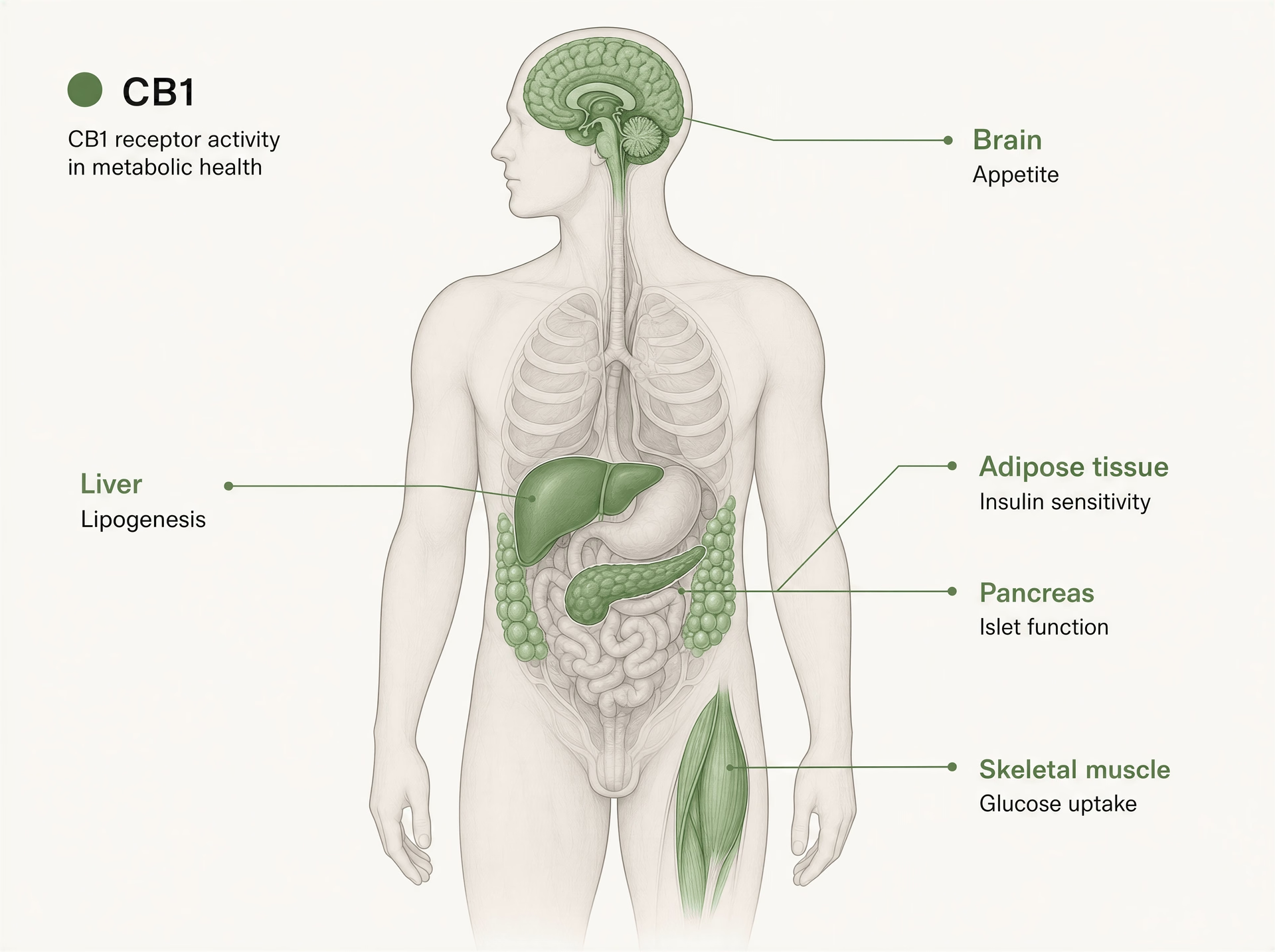
CB1 receptors in brain, liver, adipose tissue, pancreas, and skeletal muscle
CB1 is the receptor most people hear about because it mediates many of THC’s psychoactive effects in the brain. But metabolically, CB1 is not just a brain receptor. It is also found in the liver, adipose tissue, pancreas, gastrointestinal tract, and skeletal muscle, which is why CB1 signaling has attracted so much attention in obesity and insulin resistance research.
In the brain, especially in hypothalamic and reward-related circuits, CB1 activation tends to increase appetite and strengthen the motivational pull of palatable food. This is the central side of the story. People often reduce it to “the munchies,” but the underlying biology is broader: CB1 signaling can increase food seeking, enhance food reward, and push energy intake upward. That is not inherently pathological in every context. It becomes a problem when the system is chronically overactive in an obesogenic environment.
Peripheral CB1 effects may be just as important. In the liver, CB1 activation promotes lipogenesis, meaning the synthesis and storage of fat. That can contribute to hepatic steatosis and worsen insulin resistance. In adipose tissue, CB1 signaling favors fat accumulation and can alter adipokine signaling in ways that track with metabolic dysfunction. In skeletal muscle, excessive CB1 activity has been linked to impaired glucose uptake and reduced insulin sensitivity. In the pancreas, CB1 appears to influence islet function, though the exact effects can vary by cell type, species, and disease state.
This central-versus-peripheral distinction is not academic. It explains why a person can have one set of effects driven by appetite and reward, and another set driven by direct tissue-level metabolic signaling. Reviews by researchers such as Fraguas-Sánchez and Torres-Suárez, and work discussed by Le Foll and colleagues, consistently frame CB1 overactivity as a contributor to obesity-related metabolic disease rather than a metabolic cure.
It also helps explain why claims that “cannabis improves diabetes” are too blunt to be useful. THC activates CB1. CBD has a very different pharmacology and is not simply a CB1 agonist. THCV is different again. Smoked cannabis is a mixed exposure. Purified cannabinoids are not the same thing as whole-plant use. Once these distinctions are made, the simplistic blood-sugar narrative falls apart.
CB2 receptors, immune signaling, and inflammation
CB2 sits in a different part of the metabolic conversation. It is expressed mainly in immune cells and tissues involved in inflammatory signaling, so CB2 is usually discussed less in terms of appetite and more in terms of inflammation, immune regulation, and tissue injury responses.
That matters for diabetes because inflammatory tone is part of metabolic disease. In type 2 diabetes and obesity, chronic low-grade inflammation in adipose tissue, liver, and vascular tissue contributes to insulin resistance. Macrophage infiltration into adipose tissue, cytokine release, and altered immune signaling are not side issues; they are part of the disease process. CB2 signaling has therefore drawn interest as a possible modulator of this inflammatory environment.
The picture is still complicated. CB2 is often described as anti-inflammatory, but its actions depend on context, tissue, ligand, and timing. Even so, the broad direction of the literature is that CB2 is more relevant to immune tone than to appetite-driven overeating. That makes it scientifically interesting for metabolic disease, especially where inflammation and fibrosis are involved, but it does not amount to proof that CBD or other cannabinoids improve glycemic control in patients.
That distinction is often lost in public discussion. “Anti-inflammatory” is not the same as “anti-diabetic.” A compound can affect inflammatory pathways without producing clinically meaningful changes in HbA1c, fasting glucose, or insulin sensitivity.
Endocannabinoids: anandamide, 2-AG, and altered tone in obesity
The ECS is not only about plant cannabinoids. The body makes its own cannabinoid-like signaling molecules, mainly anandamide and 2-arachidonoylglycerol, usually shortened to 2-AG. These endocannabinoids act as endogenous ligands at CB1 and CB2 receptors and help regulate energy balance, feeding behavior, and metabolic homeostasis.
In obesity and metabolic syndrome, endocannabinoid tone appears altered. Several cohorts and mechanistic studies have reported elevated circulating or tissue levels of anandamide, 2-AG, or both in people with obesity or insulin-resistant states. That does not mean every person with obesity has the same ECS profile, but the pattern has been seen often enough to matter. Increased ECS tone is one of the more plausible biological links between overeating, adiposity, fatty liver, and impaired insulin action.
This point is easy to misuse, so it needs precision. Altered endocannabinoid tone does not prove that all cannabis exposure worsens metabolism. It does suggest that overactive CB1 signaling is associated with obesity and metabolic syndrome in at least some contexts. That is a mechanism-level statement, not a blanket rule for every cannabinoid and every patient.
It also helps explain why observational cannabis studies can be so confusing. Penner, Buettner, and Mittleman reported in 2013, using NHANES 2005–2010 data, that current marijuana use was associated with 16% lower fasting insulin, 17% lower HOMA-IR, and a waist circumference about 1.5 inches smaller than in never users. Muniyappa and colleagues, also in 2013, found some associations between cannabis use and lower odds of diabetes in NHANES analyses. Those findings are interesting, but they are cross-sectional. They do not establish causation, and they do not override the receptor biology. User age, activity level, product type, frequency, residual confounding, and reverse causation could all distort the picture.
What rimonabant taught researchers about CB1 and metabolism
If one episode proved that the ECS is metabolically important, it was the rise and fall of rimonabant. Rimonabant was a CB1 receptor antagonist, later often described as an inverse agonist, developed as an anti-obesity drug. It was not cannabis, and it was not CBD. Yet it became one of the strongest demonstrations that blocking CB1 can improve metabolic outcomes.[1] Effects of rimonabant on metabolic risk factors in overweight patients with dyslipidemia. Jean-Pierre Després, André Golay, Lars Sjöström, et al.. The New England Journal of Medicine, 2005.
Preclinical work set the stage. In 2004, Ravinet Trillou and colleagues showed that chronic CB1 blockade with rimonabant reduced food intake and body weight in diet-induced obese rats. Human trials followed. In the 2005 NEJM paper by Després, Golay, Sjöström, and the RIO investigators, rimonabant 20 mg produced about 4.7 kg greater weight loss than placebo at one year in obese patients with dyslipidemia, along with reductions in waist circumference and improvements in HDL cholesterol, triglycerides, and insulin resistance markers. A 2007 Lancet meta-analysis by Christensen and colleagues reinforced the pattern: weight loss and cardiometabolic improvement were real.
Then came the fatal problem. Psychiatric adverse effects, including depression and anxiety, derailed the drug and led to its withdrawal. That safety failure matters, but it should not erase the scientific lesson. Rimonabant showed that CB1 antagonism can improve weight and metabolic risk factors in humans. In other words, the ECS was not a side player. It was part of the machinery.
That lesson still shapes cannabinoid research. It suggests that central CB1 blockade may improve metabolism, but at unacceptable psychiatric cost if the drug strongly penetrates the brain. It also explains later interest in peripherally restricted CB1 antagonists designed to spare the central nervous system while targeting liver, adipose tissue, and other metabolic organs.
So where does this leave the diabetes question? In a narrower, more defensible place. The ECS clearly influences appetite, reward, lipogenesis, insulin sensitivity, and inflammation. Increased ECS activity has been linked to obesity and metabolic syndrome in some settings. But that does not mean cannabis is a diabetes treatment, and it definitely does not mean CBD reliably lowers blood sugar. In the 2016 randomized trial by Jadoon and colleagues in type 2 diabetes, CBD showed no significant glycemic benefit, while THCV produced a more interesting early signal on fasting glucose and beta-cell function markers. That is the level of specificity this topic requires. Mechanism first. Products second. Evidence, not hype.
What epidemiology says about cannabis users, weight, insulin, and diabetes risk
The most quoted human data linking cannabis to better metabolic markers do not come from clinical trials. They come from epidemiology: population surveys, cross-sectional datasets, and cohort analyses that compare people who report cannabis use with those who do not. Those studies are interesting. They are not proof that cannabis protects against diabetes.
The NHANES findings on fasting insulin, HOMA-IR, and waist circumference
HOMA-IR Homeostatic Model Assessment of Insulin Resistance, a calculated estimate of insulin resistance based on fasting glucose and fasting insulin rather than a direct physiologic clamp test.[2] The impact of marijuana use on glucose, insulin, and insulin resistance among US adults. Elizabeth A. Penner, Hildegard Buettner, Murray A. Mittleman. The American Journal of Medicine, 2013.
The paper that shaped much of the media narrative was Penner, Buettner, and Mittleman’s 2013 analysis of NHANES 2005-2010 in The American Journal of Medicine. NHANES is a large US survey with interview, lab, and exam data, which gives it reach but also the usual limits of observational research. In that analysis, current marijuana users had 16% lower fasting insulin levels and 17% lower HOMA-IR than never users after adjustment for several covariates. HOMA-IR is a surrogate measure of insulin resistance derived from fasting glucose and fasting insulin, not a direct clamp-based measurement. Current users also had waist circumferences about 1.5 inches smaller than never users.
Those numbers are real, and they were striking enough to spread quickly. But they were also easy to overread. The study was cross-sectional. It captured a snapshot, not a trajectory. It did not show that cannabis lowered insulin over time, prevented type 2 diabetes, or improved A1c in people already living with diabetes. It also did not distinguish product type, dose, frequency beyond broad use categories, route of administration, or cannabinoid content. “Marijuana use” in NHANES could mean occasional THC-dominant smoking, heavier use, mixed cannabinoid exposure, or something else entirely.
A second 2013 NHANES-based paper by Muniyappa and colleagues in Diabetes Care examined cannabis use and cardiometabolic risk factors in US adults. That analysis also reported lower odds of diabetes in some models among marijuana users, but the authors were careful not to claim causation. Their restraint was justified. Lower fasting insulin or lower odds of self-reported diabetes in a younger user population can reflect many things other than a direct metabolic benefit from cannabis.
Other cohort and cross-sectional studies: patterns and contradictions
Outside NHANES, the pattern has been suggestive but inconsistent. Some cross-sectional studies have found lower body mass index, lower prevalence of obesity, or lower odds of diabetes among current cannabis users. Reviews by Le Foll and colleagues have described this literature as intriguing but uneven, with repeated signals toward lower adiposity measures in users despite the familiar association between THC and increased appetite.
That apparent paradox helped drive interest in the endocannabinoid system as a metabolic target. It was not irrational. CB1 signaling is tied to appetite, lipogenesis, and energy storage, and the anti-obesity drug rimonabant, a CB1 antagonist, improved body weight and metabolic markers in trials before psychiatric adverse effects ended its clinical use. In the RIO-Lipids trial, Després, Golay, Sjöström, and colleagues reported in NEJM in 2005 that rimonabant 20 mg produced about 4.7 kg more weight loss than placebo at one year, along with better waist circumference, HDL cholesterol, triglycerides, and insulin resistance markers. Christensen et al. later confirmed the weight-loss effect in a 2007 Lancet meta-analysis, while also making the safety problem impossible to ignore.
That history matters because it shows something specific: the endocannabinoid system is metabolically important. It does not show that smoked or ingested cannabis improves diabetes risk.
Some cohorts have failed to find a clear protective signal once confounders are handled more aggressively. Others show differences only in current users, not former users, which raises questions about age, behavior, and selection effects rather than durable biological protection. Weight outcomes are also not the same as glycemic outcomes. A lower BMI in a survey sample does not establish better insulin sensitivity at the tissue level, and it definitely does not establish safer glucose control in a person with diabetes.
The compound problem is even bigger. Epidemiologic studies almost never separate THC-rich exposure from CBD-rich exposure, and they usually cannot identify THCV at all. That matters because the clinical signal is not interchangeable. In Jadoon et al.’s 2016 randomized trial in Diabetes Care involving 62 patients with non-insulin-treated type 2 diabetes, CBD did not significantly improve glycemic outcomes, while THCV did lower fasting plasma glucose and improved some beta-cell function markers. If one cannabinoid shows early promise and another does not, lumping all cannabis exposure together becomes a recipe for confusion.
Why these associations do not prove a protective effect
Several biases can make cannabis users look metabolically healthier on paper than they really are, or healthier for reasons unrelated to cannabinoids.
Age is a major one. Current cannabis users in surveys tend to be younger, and younger adults have lower diabetes prevalence almost by definition. Statistical adjustment helps, but it does not erase all age-linked differences in diet, activity, disease duration, or medication burden. Self-report is another problem. Cannabis use is often underreported, diabetes can be undiagnosed, and recall around frequency and quantity is poor.
Residual confounding is the biggest issue. Tobacco co-use, alcohol patterns, sleep, mental health, socioeconomic status, exercise, and diet all differ across user groups. Some users are leaner because they are more physically active or because the sample excludes heavier former users who stopped cannabis after health problems emerged. That is survivor bias and reverse causation territory. Dose ambiguity also matters: daily high-THC use and occasional low-dose use are biologically unlikely to produce the same metabolic effects.
Then there is exposure heterogeneity. Smoked cannabis is not purified CBD. CBD is not THC. THC is not THCV. Epidemiology usually collapses them into one label and then asks the wrong question.
So the fair reading is this: observational studies repeatedly hint that current cannabis users, as a group, may show lower fasting insulin, lower HOMA-IR, smaller waist circumference, or lower odds of diabetes in some datasets. That is worth studying. It is not a green light to claim cannabis is metabolically protective, and it is nowhere near enough to present CBD as a treatment for blood sugar control.
| Compound | Main diabetes-related rationale in the article | Human glycemic evidence described | Main cautions highlighted |
|---|---|---|---|
| CBD | Anti-inflammatory and antioxidant plausibility | 2016 randomized trial found no significant glycemic benefit | Drug interactions, CYP involvement, dose-related transaminase elevations |
| THC | CB1-linked appetite and behavioral effects | No established diabetes treatment benefit | Appetite change, altered judgment, heart-rate increase, self-management errors |
| THCV | Pharmacologically distinct from THC and CBD | Small 2016 randomized trial showed lower fasting plasma glucose and some beta-cell function improvements | Early signal only; small and short trial |
CBD, THC, and THCV are not interchangeable in diabetes research
A large share of the confusion around cannabis and diabetes comes from treating “cannabis” as if it were a single intervention. It is not. CBD, THC, and THCV have different pharmacology, different receptor activity, different dose ranges, and different practical effects in people living with diabetes. Findings for one compound do not transfer automatically to another. They also do not transfer neatly from smoked flower to oral oils, from broad-spectrum extracts to purified isolates, or from type 2 diabetes to type 1 diabetes.
That distinction matters because the endocannabinoid system is plainly tied to metabolism. CB1 signaling has been linked to appetite stimulation, lipogenesis, and adverse metabolic effects when overactive, while CB2 is discussed more often in immune regulation. Rimonabant, a CB1 blocker, offered proof that this system matters metabolically: in the 2005 RIO-Lipids trial in The New England Journal of Medicine, Després, Golay, Sjöström, and colleagues found that rimonabant 20 mg produced about 4.7 kg greater weight loss than placebo at one year, with improvements in waist circumference, HDL cholesterol, triglycerides, and insulin resistance markers. A 2007 Lancet meta-analysis by Christensen and colleagues found similar benefits, but psychiatric adverse effects ended the drug’s clinical future. That history shows something important but often misread: the endocannabinoid system affects metabolism. It does not show that any cannabis product improves diabetes.
Observational studies are part of the confusion. Penner, Buettner, and Mittleman’s 2013 NHANES analysis in The American Journal of Medicine reported that current cannabis users had 16% lower fasting insulin, 17% lower HOMA-IR, and about a 1.5-inch smaller waist circumference than never users. Muniyappa and colleagues in Diabetes Care the same year also found lower odds of diabetes in some models. Those signals are interesting. They are not treatment evidence. Cross-sectional data can be distorted by age, activity, body composition, product patterns, socioeconomic differences, and reverse causation. Clinical decisions should lean more heavily on intervention data, and that is exactly where the broad “cannabis helps diabetes” claim starts to fall apart.
CBD: anti-inflammatory rationale and why clinical glycemic evidence remains weak
CBD has a plausible story behind it. It is not strongly intoxicating, it has anti-inflammatory and antioxidant effects in preclinical models, and diabetes involves inflammatory signaling, oxidative stress, endothelial dysfunction, and in type 1 diabetes, autoimmunity. Reviews such as Fraguas-Sánchez and Torres-Suárez have framed the endocannabinoid system as relevant to obesity and diabetes partly for these reasons. In animal and cell work, CBD has been examined for effects on inflammatory cytokines, oxidative injury, and tissue stress responses that could, at least in theory, protect pancreatic beta cells or improve metabolic function.
But plausible is not proven.[3] Efficacy and Safety of Cannabidiol and Tetrahydrocannabivarin on Glycemic and Lipid Parameters in Patients With Type 2 Diabetes: A Randomized, Double-Blind, Placebo-Controlled, Parallel Group Pilot Study. K. A. Jadoon, D. Ratcliffe, S. Barrett, et al.. Diabetes Care, 2016.
The key human trial here is Jadoon KA et al., published in Diabetes Care in 2016. This randomized, double-blind, placebo-controlled study enrolled 62 patients with non-insulin-treated type 2 diabetes and assigned them to CBD, THCV, both cannabinoids, or placebo. CBD did not significantly improve fasting glucose, insulin secretion, or insulin resistance markers versus placebo. That point needs to be stated plainly because it runs against the popular narrative. CBD may have mechanistic appeal, but randomized human evidence has not established it as a meaningful glucose-lowering therapy.
That does not mean CBD is biologically inert. It means the diabetes claim is ahead of the data. Some people then pivot to “maybe it helps indirectly by lowering inflammation.” Maybe, but glycemic control is not an abstract anti-inflammatory endpoint. It is measured through fasting glucose, postprandial glucose, A1c, insulin sensitivity, and sometimes body weight. On those outcomes, CBD has not shown convincing benefit in controlled trials.
There are practical issues too. Purified CBD is not free of risk. The FDA label for Epidiolex documents dose-related transaminase elevations and interactions involving CYP enzymes. Many people with diabetes take multiple drugs: statins, antihypertensives, GLP-1 drugs, insulin, metformin, sulfonylureas, anticoagulants, antidepressants. A compound that affects hepatic metabolism deserves caution, especially when the glucose-control benefit remains unproven.
THC: appetite, acute hemodynamic effects, and glycemic uncertainty
THC should not be discussed as if it were a metabolic therapy. Its most immediate diabetes relevance is practical, not glucose-lowering.
THC can stimulate appetite. It can alter time perception, attention, and judgment. It can increase heart rate and, in some users, cause anxiety, dizziness, or orthostatic symptoms. Those effects matter more in diabetes care than many articles admit. Someone using rapid-acting insulin who becomes distracted, delays eating, overeats unexpectedly, forgets a correction dose, misjudges carbohydrate intake, or fails to recognize early hypoglycemia is dealing with a real risk, even if the cannabinoid itself has no direct effect on blood sugar.
That risk profile is especially important in type 1 diabetes. Type 1 and type 2 are not interchangeable conditions. Type 2 is dominated by insulin resistance, excess adiposity, and beta-cell dysfunction over time. Type 1 is an autoimmune disease requiring insulin replacement, with hazards tied to missed insulin, glycemic volatility, and ketoacidosis. In adults with type 1 diabetes, Akturk HK et al. reported in JAMA Internal Medicine in 2019 that cannabis use was associated with roughly a twofold increased risk of diabetic ketoacidosis in observational data. That does not prove causation, but it is serious enough that casual claims about cannabis “helping diabetes” become irresponsible when applied to type 1 patients.
The appetite issue also cuts against simplistic interpretations of observational data. If THC-rich products increase food intake in the short term, any claim that they are directly improving diabetes should be treated skeptically unless a controlled trial demonstrates that effect. Right now, such trial evidence is not there. Lower BMI or lower fasting insulin in survey-based cannabis users does not settle the question, because those people are not a standardized THC intervention group.
THCV: the most interesting early signal in type 2 diabetes
If one cannabinoid has earned real scientific interest in type 2 diabetes, it is THCV, not CBD and not THC.
The Jadoon 2016 trial is the reason. In that study, THCV significantly decreased fasting plasma glucose compared with placebo and improved some markers of pancreatic beta-cell function in patients with type 2 diabetes who were not using insulin. CBD did not show the same glycemic effect. That contrast is exactly why lumping cannabinoids together is sloppy. THCV appears pharmacologically distinct, and at low doses it has often been discussed as having CB1-related effects that differ from THC.
Still, this is an early signal, not a green light to call THCV a diabetes treatment. The study was small. It was short. It does not answer durability, cardiovascular safety, effects on A1c over longer periods, ideal dosing, interaction with standard diabetes medications, or whether benefits extend beyond a narrow subset of type 2 patients. It also does not tell us whether a THCV-containing plant product will reproduce the effect seen with a controlled formulation.
So the right position is restrained but clear: THCV has the most interesting preliminary human signal in type 2 diabetes, and it deserves more study. It has not yet earned therapeutic status.

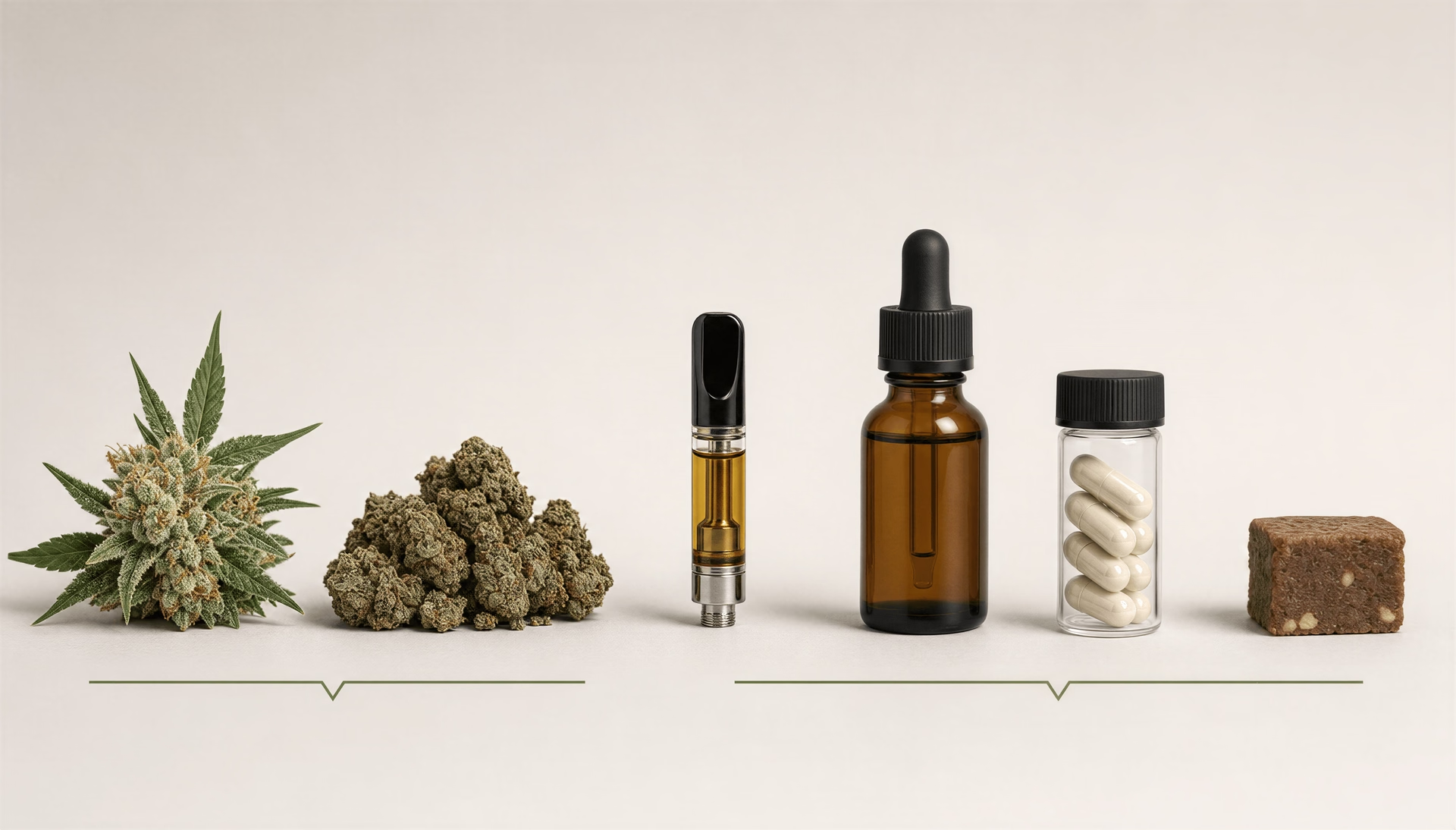
Whole-plant products versus purified cannabinoids
This is where many consumer-facing articles lose precision. A smoked or vaporized cannabis product is not the same exposure as purified CBD or a THCV preparation used in a clinical study. Route changes onset and peak effect. Oral products are slower and more variable. Inhaled products act quickly and can produce sharper psychoactive and cardiovascular effects. Formulation matters. So does dose. So does the cannabinoid ratio.
A THC-dominant flower, a balanced THC:CBD extract, a purified CBD isolate, and an experimental THCV-containing capsule should be treated as different interventions. “Cannabis lowers blood sugar” ignores that basic pharmacologic reality.
Whole-plant products also add more variables: minor cannabinoids, terpenes, inconsistent labeling, and person-to-person differences in absorption and tolerance. For diabetes self-management, those variables matter. So do the setting and the person’s disease type. In type 2 diabetes, the question is often whether a compound measurably improves glycemia or weight beyond standard care. In type 1 diabetes, the more immediate question may be whether intoxication, nausea, appetite disruption, vomiting, dehydration, or missed insulin increases the risk of severe hyperglycemia or DKA.
The bottom line is narrower than the hype. The endocannabinoid system is deeply involved in metabolic regulation. That part is real. But clinical diabetes evidence is compound-specific, limited, and mixed. CBD has a reasonable anti-inflammatory rationale but weak human glycemic results. THC has obvious practical implications for appetite, heart rate, perception, and self-management, without established diabetes benefit. THCV has the most promising early type 2 data, based largely on one small randomized trial. None of that justifies treating all cannabis products as metabolically beneficial.
Type 1 diabetes: where the risk conversation is different
Type 1 diabetes should not be folded into the same cannabis discussion as type 2. The biology is different, and so are the practical hazards. In type 2 diabetes, people often ask whether cannabinoids affect insulin resistance or weight. In type 1, the immediate questions are more urgent: will a person notice a low, treat it fast, keep fluids down, and dose insulin correctly during nausea, appetite changes, or intoxication?
That distinction matters because the popular line that cannabis “helps diabetes” is built mostly from observational findings in broad adult populations, such as Penner, Buettner, and Mittleman’s 2013 NHANES analysis showing lower fasting insulin and HOMA-IR among current users. Those data do not answer the bedside problems of type 1 diabetes. They say nothing about hypoglycemia awareness, missed correction doses, vomiting, ketone buildup, or diabetic ketoacidosis.
Hypoglycemia recognition, judgment, and delayed carbohydrate correction
For someone with type 1 diabetes, low blood sugar is often a minutes matter, not an abstract metabolic endpoint. THC can alter attention, time perception, short-term memory, and judgment. That creates an obvious clinical problem: symptoms of intoxication can overlap with or mask symptoms of hypoglycemia, including confusion, shakiness, anxiety, palpitations, and impaired concentration.
The danger is not only failing to recognize a low. It is recognizing it too late, misreading it, or delaying action. A person may notice they feel “off” but postpone checking glucose, assume the sensation is just the cannabis effect, or eat unpredictably rather than using a measured carbohydrate correction. Diabetes organizations have been cautious on exactly this point: cannabis may interfere with decisions around carbohydrate intake, insulin timing, and recognition of hypo- or hyperglycemia.
This is why blanket claims about cannabis and blood sugar miss the real issue. Even if a cannabinoid had neutral effects on fasting glucose, it could still worsen day-to-day safety in type 1 diabetes if it delays treatment of lows. CBD is less impairing than THC, but many real-world products are not pure CBD, labels are not always precise, and mixed exposures matter.
Cannabis use and diabetic ketoacidosis risk[4] Association Between Cannabis Use and Risk for Diabetic Ketoacidosis in Adults With Type 1 Diabetes. Halis Kaan Akturk, Amy Rewers, et al.. JAMA Internal Medicine, 2019.
There is also a harder endpoint than “feeling off”: diabetic ketoacidosis, or DKA. Observational evidence links cannabis use in adults with type 1 diabetes to higher DKA risk. In a 2019 study by Akturk and colleagues, adults with type 1 diabetes who used cannabis had about a twofold increased risk of DKA compared with nonusers. This does not prove cannabis directly causes every event. Observational studies can be confounded by age, self-management patterns, access to care, and other substance use. Still, the signal is serious enough that it should not be brushed aside.
Why might the association exist? DKA usually develops when insulin is insufficient relative to physiologic stress. Cannabis can fit into that pathway indirectly: missed insulin, delayed corrections, vomiting, dehydration, or reduced oral intake can all push a person toward ketosis. Type 1 diabetes is unforgiving when insulin delivery is interrupted, whether from intentional dose reduction, pump problems, or simple inattention.

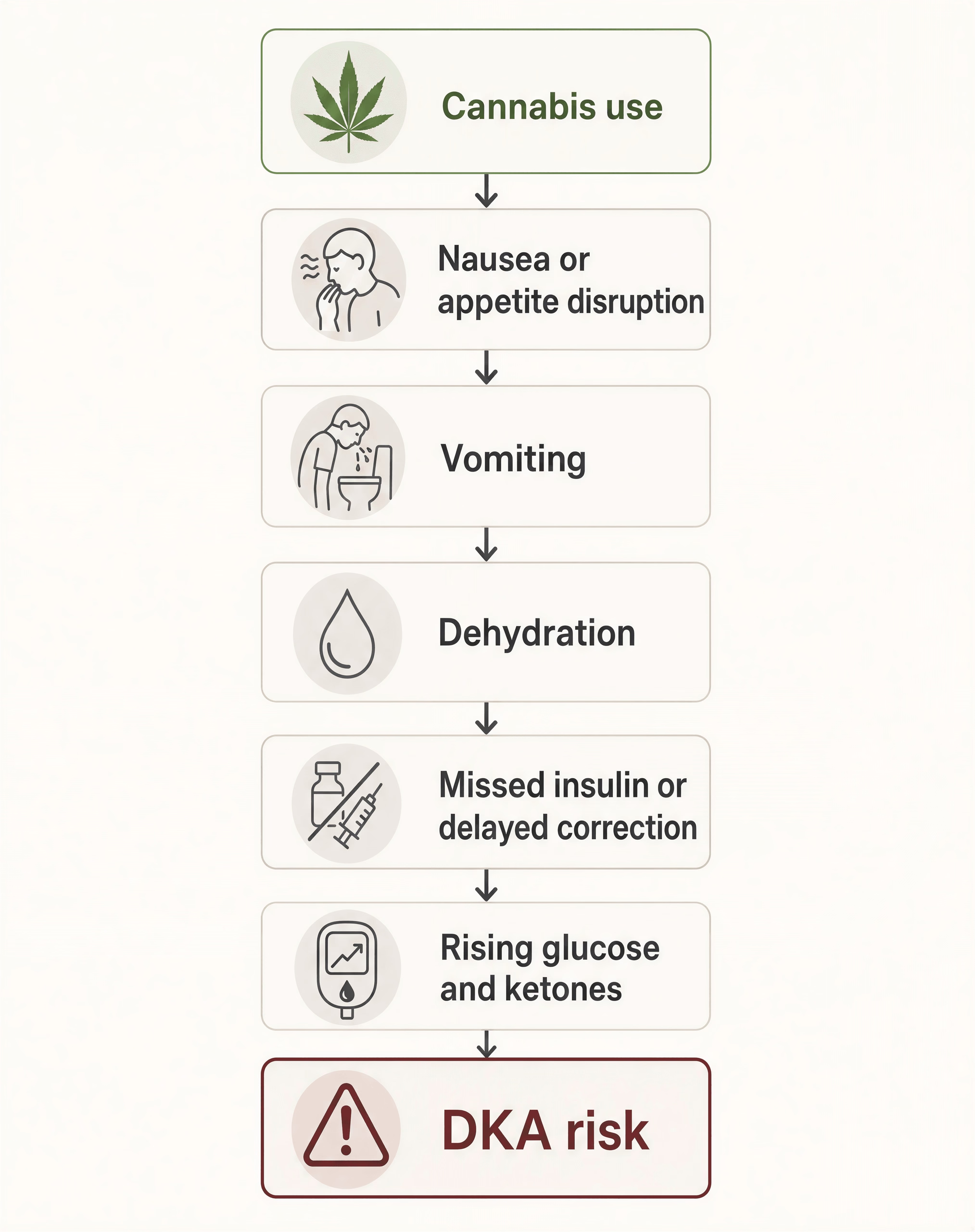
Nausea, vomiting, dehydration, and the practical danger chain
Type 1 diabetes danger chain
- 1 Nausea or appetite disruption changes expected carbohydrate intake.
- 2 Vomiting or poor oral intake makes both hydration and insulin planning harder.
- 3 Dehydration and insufficient insulin allow glucose and ketones to rise.
- 4 Impaired judgment or delayed correction increases the chance of progression to DKA.
The most practical way to think about cannabis in type 1 diabetes is as a potential link in a danger chain. Start with nausea or appetite disruption. Add vomiting, inability to keep fluids down, or eating far less than expected after dosing insulin. Then layer in dehydration, rising glucose, ketone accumulation, and impaired decision-making. That cascade can move fast.
Some people also experience severe recurrent vomiting with heavy cannabis exposure, including cannabinoid hyperemesis syndrome. In a person without diabetes, that is miserable. In type 1 diabetes, it can become dangerous because vomiting and dehydration complicate both glucose management and ketone clearance. Miscalculating insulin during poor oral intake makes the situation worse: taking too much rapid-acting insulin can trigger hypoglycemia, while taking too little basal or correction insulin can open the door to DKA.
None of this means every person with type 1 diabetes who uses cannabis will have an emergency. It does mean the risk conversation is different, narrower, and more practical than the hype suggests. For type 1 diabetes, the key question is not whether cannabis is “good for blood sugar.” It is whether it makes safe self-management harder when timing, judgment, fluids, and insulin all have to work together.
Type 2 diabetes: obesity, insulin resistance, and what cannabinoids might influence
Type 2 diabetes is where cannabinoid-metabolism hypotheses make the most biological sense. Not because cannabis has been shown to treat diabetes. It has not. The reason is narrower and more defensible: the endocannabinoid system helps regulate appetite, fat storage, energy expenditure, inflammatory signaling, and insulin action in tissues that matter for type 2 disease, including liver, adipose tissue, skeletal muscle, pancreas, and the brain.
That mechanistic link is real. CB1 receptor overactivity is generally associated with increased appetite, lipogenesis, and worse metabolic signaling, while CB2 is discussed more often in immune and inflammatory pathways. In obesity and metabolic syndrome, endocannabinoid tone appears altered, with higher anandamide and 2-AG reported in some cohorts. Reviews by Le Foll and by Fraguas-Sánchez and Torres-Suárez make the same basic point: the biology is plausible, but the human treatment evidence is inconsistent and highly dependent on which compound is being studied.
That last part matters. THC, CBD, and THCV are not interchangeable. Nor is smoked cannabis the same exposure as purified cannabinoids in a trial.
Appetite, body weight, and energy balance
The cleanest historical proof that the endocannabinoid system affects metabolism came from blocking CB1, not from giving cannabis. In diet-induced obese rats, Ravinet Trillou and colleagues reported in 2004 that chronic rimonabant, a CB1 antagonist, reduced food intake and body weight. Human obesity trials then followed. In the 2005 RIO-Lipids trial in the New England Journal of Medicine, Després, Golay, Sjöström, and colleagues found that rimonabant 20 mg led to about 4.7 kg greater weight loss than placebo at one year, along with better waist circumference, HDL cholesterol, triglycerides, and insulin-resistance markers. Christensen’s 2007 Lancet meta-analysis reached a similar efficacy signal, but psychiatric adverse effects ended the drug’s clinical path.
So yes, ECS modulation can change metabolic outcomes. But that does not mean cannabis use improves type 2 diabetes.
Observational studies are the main reason the public conversation got ahead of the evidence. Penner, Buettner, and Mittleman analyzed NHANES 2005-2010 and reported in 2013 that current cannabis users had 16% lower fasting insulin, 17% lower HOMA-IR, and waist circumferences about 1.5 inches smaller than never users. Muniyappa and colleagues, also in 2013, found lower odds of diabetes in some NHANES models. Interesting findings. Not proof. Cross-sectional data cannot establish whether cannabis changed metabolism, whether leaner or younger participants were more likely to be current users, or whether unmeasured diet, activity, alcohol, tobacco, socioeconomic, and dose-pattern differences drove the association.
There is also an obvious tension here: THC can acutely increase appetite, which does not fit the simplistic claim that “cannabis lowers weight” or “cannabis treats diabetes.” The better reading is that population-level associations are messy, while pharmacology is compound-specific.
Inflammation, adipokines, and insulin sensitivity
Type 2 diabetes is not just a glucose disorder. It is also a disease of insulin resistance, ectopic fat, and low-grade inflammation. That is why ECS signaling attracts attention. Adipose tissue produces inflammatory mediators and adipokines that influence insulin sensitivity, and cannabinoid receptors are involved in those networks.
CBD is often promoted here on anti-inflammatory grounds. Mechanistically, that is plausible. Clinically, the case is weak. The key trial is Jadoon et al., published in Diabetes Care in 2016. In 62 patients with non-insulin-treated type 2 diabetes, randomized to CBD, THCV, both, or placebo, CBD did not significantly improve glycemic outcomes. THCV, by contrast, significantly reduced fasting plasma glucose and improved some markers of pancreatic beta-cell function. That does not make THCV a diabetes therapy. It does make THCV the more interesting early signal in type 2 diabetes, whereas CBD has little direct evidence for glucose lowering.
This is the distinction many articles blur. Effects on inflammatory markers or insulin signaling are not the same as direct glucose control, and neither equals prevention of diabetic complications. A cannabinoid could shift appetite or cytokine patterns without meaningfully changing A1c. That is not failure of biology; it is a reminder that metabolic pathways are not single-switch systems.
Neuropathy, sleep, and symptom targets that are not blood sugar control
A separate clinical question should stay separate: symptom management. Even if cannabinoids do not improve glycemic control, they may still be studied for problems that commonly travel with type 2 diabetes, especially neuropathic pain and sleep disturbance.
That is a different therapeutic target. It should not be smuggled in as evidence that cannabinoids “help diabetes.” If a product reduces nighttime pain or improves sleep continuity, that may matter to quality of life without changing fasting glucose, A1c, or insulin resistance at all.
This is also where risk assessment becomes more practical than promotional. THC-rich products can impair judgment around carbohydrate intake, insulin timing, and recognition of hypo- or hyperglycemia. They can increase appetite, worsen overeating after dosing mismatches, cause dizziness or orthostatic symptoms, and complicate care in people with cardiovascular disease. CBD is not risk-free either; the FDA-approved CBD drug label documents dose-related transaminase elevations and CYP-mediated drug interactions, relevant in type 2 diabetes where polypharmacy is common.
The evidence-based position is narrow but clear: the ECS is deeply involved in the biology of obesity and insulin resistance, which makes type 2 diabetes the most plausible metabolic setting for cannabinoid research. Yet clinical evidence does not support the broad claim that cannabis improves diabetes. CBD has not shown convincing glycemic benefit. THCV has an early signal worth following. Symptom domains such as neuropathy and sleep deserve their own discussion, separate from blood sugar control.
Risks, drug interactions, and complications diabetic patients should actually care about
The main clinical problem is not that cannabinoids secretly “treat diabetes” and doctors have missed it. It is that diabetes already makes self-regulation harder, and THC-rich products can make it harder still. That matters in both type 1 and type 2 diabetes, but not in the same way. In type 1, the stakes center on glycemic instability, missed insulin, dehydration, vomiting, and diabetic ketoacidosis. In type 2, the bigger concerns are often cardiovascular disease, polypharmacy, falls, and misreading symptoms in people already managing several chronic conditions.
Hypoglycemia, hyperglycemia, and self-management errors
THC can change attention, time perception, short-term memory, appetite, and judgment. Those effects are not abstract. They map directly onto diabetes self-care tasks: counting carbohydrates, remembering whether insulin was already taken, deciding when to treat a low, recognizing whether shakiness is anxiety or hypoglycemia, and noticing when nausea or thirst may signal rising glucose instead of a transient drug effect.
This is where popular claims about cannabis and blood sugar become misleading. Penner, Buettner, and Mittleman’s 2013 NHANES analysis found lower fasting insulin and lower HOMA-IR among current cannabis users, and Muniyappa et al. in 2013 reported lower odds of diabetes in some observational models. Neither study shows that taking THC or CBD will improve day-to-day glucose control in a person using insulin or sulfonylureas. Observational associations do not protect someone who has dosed rapid-acting insulin, then gets distracted, eats late, overeats unpredictably, or falls asleep before checking glucose.
THC can also distort symptom interpretation. Hunger may feel like “the munchies” when it is actually a falling glucose. Dry mouth, fatigue, and malaise may be written off as cannabis effects when glucose is high. That confusion is dangerous in anyone with impaired hypoglycemia awareness, long-standing diabetes, or autonomic neuropathy.
Type 1 diabetes deserves separate emphasis. Akturk et al. reported in 2019 that cannabis use in adults with type 1 diabetes was associated with about a twofold higher risk of diabetic ketoacidosis in observational data. That does not prove causation, but it is serious enough to change the risk discussion. If THC contributes to delayed eating, vomiting, dehydration, missed boluses, or delayed correction of persistent hyperglycemia, the pathway to DKA is not hard to see.
Cardiovascular effects, orthostasis, and autonomic neuropathy
Older adults with type 2 diabetes are often the group most casually ignored in cannabis discussions and the group most likely to have coronary disease, arrhythmia risk, hypertension treatment, peripheral neuropathy, and autonomic dysfunction. THC can acutely raise heart rate and, in some people, trigger palpitations, anxiety, or blood pressure changes. It can also cause orthostatic symptoms, especially when standing quickly or when combined with dehydration, antihypertensives, alcohol, or sedating medications.
That is not a trivial issue in diabetes. Autonomic neuropathy already impairs heart rate and blood pressure regulation in some patients. Add THC-related vasodilation or dizziness and the result may be presyncope, falls, or poor tolerance of exertion. In a patient with established coronary artery disease, the combination of tachycardia and fluctuating blood pressure is a reason for caution, not hand-waving reassurance.
The metabolic literature sometimes gets used to imply a cardiovascular upside from cannabis exposure because the endocannabinoid system clearly affects appetite and adiposity. But the strongest evidence there came from CB1 blockade, not from recreational cannabis use. Rimonabant improved weight and cardiometabolic markers in trials such as Després, Golay, Sjöström, and the RIO investigators in 2005, before psychiatric adverse effects ended its clinical path. That finding tells us the system matters. It does not mean THC-rich products are cardiometabolic therapy.
Drug interactions with diabetes medications and polypharmacy
CBD raises a different set of concerns. The glycemic case for CBD is weak: in the randomized 2016 Diabetes Care trial by Jadoon et al., CBD did not significantly improve glycemic outcomes in type 2 diabetes, while THCV showed a more interesting early signal on fasting plasma glucose. Yet CBD is often treated as harmless. It is not interaction-free.
Prescription CBD labeling documents dose-related transaminase elevations and interaction potential through hepatic enzymes, including CYP pathways. That matters because many people with diabetes also take statins, anticoagulants, antidepressants, antiseizure drugs, antihypertensives, sleep medications, and antiplatelet agents. A patient taking metformin alone is one thing; a patient taking insulin, a statin, an ACE inhibitor, gabapentin, sertraline, and apixaban is another.
The interaction issue is not limited to one diabetes drug. It is cumulative. Sedation, dizziness, altered drug levels, and liver enzyme elevations become more relevant as medication lists grow longer. If liver enzymes rise in someone also taking statins or other hepatically metabolized drugs, that deserves clinical review rather than assumptions that “natural” means low risk.
Edibles, delayed onset, and dosing unpredictability
Edibles create the most obvious glucose-management trap. Their onset is delayed, their absorption is variable, and their effects last much longer than inhaled products. That means a person may take more because “nothing is happening,” then feel intoxicated well after a meal, insulin dose, exercise session, or bedtime correction decision has already occurred.
For diabetes, delayed onset and long duration are a bad combination. Appetite may arrive after insulin timing has already been set. Sedation may interfere with overnight glucose checks. Nausea may reduce food intake after glucose-lowering medication has been taken. A high-fat edible meal may itself change postprandial glucose dynamics. None of this is predictable enough to fit neatly into standard insulin planning.
So the practical frame is simple: cannabis should not be presented as a diabetes treatment. THC-rich products can increase the chance of self-management mistakes, CBD can create interaction and liver-monitoring issues, and edibles are especially hard to align with glucose control. If cannabinoids are being considered for a separate problem such as neuropathic pain, that is a different conversation from blood sugar management and should be handled that way.
What the current evidence supports, and what it does not
The cleanest way to read this literature is to separate metabolic biology from product claims. The endocannabinoid system, or ECS, is plainly involved in metabolism. That much is not speculation. But “cannabis helps diabetes” is still far ahead of the clinical evidence, especially once you distinguish THC, CBD, THCV, smoked cannabis, and purified compounds.
Claims supported by mechanism
The strongest evidence sits at the level of physiology. CB1 receptor signaling affects appetite, reward-driven eating, lipogenesis, insulin signaling, and energy balance across the brain, liver, adipose tissue, skeletal muscle, and pancreas. In obesity and metabolic syndrome, endocannabinoid tone is often altered, with higher anandamide and 2-AG reported in some cohorts. That is a real metabolic signal, not internet folklore.
The clearest proof came from CB1 blockade, not from routine cannabis use. In obese rats, Ravinet Trillou et al. (2004) showed that chronic rimonabant reduced food intake and body weight. Human trials then followed. In the RIO program, including Després, Golay, and Sjöström in the 2005 New England Journal of Medicine, rimonabant improved weight, waist circumference, HDL cholesterol, triglycerides, and insulin-resistance markers; one trial found about 4.7 kg greater weight loss than placebo at one year. Christensen et al. (2007) confirmed a similar pattern in The Lancet meta-analysis, before psychiatric adverse effects ended the drug’s clinical use.
That does not mean cannabis products treat diabetes. It means ECS signaling is metabolically important.
Claims supported by human trials
Human intervention data are much thinner than the mechanism literature. The most cited randomized trial is Jadoon et al. (2016) in Diabetes Care, which assigned 62 people with non-insulin-treated type 2 diabetes to CBD, THCV, both, or placebo. CBD did not significantly improve glycemic outcomes. THCV did show signals worth taking seriously, including lower fasting plasma glucose and changes consistent with improved beta-cell function.
That is why THCV deserves more research, while claims for CBD and blood sugar control should be stated far more cautiously than they usually are. At this point, CBD has not shown convincing glycemic benefit in diabetes trials.
Observational studies are interesting but weaker. Penner, Buettner, and Mittleman (2013), using NHANES 2005–2010 data, found current cannabis users had 16% lower fasting insulin, 17% lower HOMA-IR, and smaller waist circumference. Muniyappa et al. (2013) reported some favorable cardiometabolic associations as well. Those findings justify research. They do not establish therapy. Cross-sectional data can be distorted by age, body composition, use patterns, product differences, and reverse causation.
Claims that are still mostly marketing or inference
Several popular claims do not hold up well. “Cannabis lowers blood sugar” is overstated. “CBD helps diabetes because it reduces inflammation” is mechanistically plausible but clinically unproven. “Lower BMI among cannabis users means lower diabetes risk” confuses association with causation.
Type matters too. Type 1 and type 2 diabetes should not be lumped together. In type 1 diabetes, THC-rich products raise practical safety concerns: altered judgment around carbohydrate intake, insulin timing errors, missed hypoglycemia, dehydration, and delayed eating after dosing insulin. Akturk et al. (2019) reported roughly a twofold higher risk of diabetic ketoacidosis among adults with type 1 diabetes who used cannabis. That is not a trivial signal.
CBD has its own limits, including drug-interaction potential through CYP pathways and dose-related liver enzyme elevations in approved prescription use. So cannabis should not be framed as a treatment for diabetes itself. The strongest honest takeaway is narrower: metabolic science around the ECS is credible, but turning that into dependable, real-world cannabis recommendations is still an unfinished project.
References
- [1] Effects of rimonabant on metabolic risk factors in overweight patients with dyslipidemia. The New England Journal of Medicine, 2005. https://doi.org/10.1056/NEJMoa044537
- [2] The impact of marijuana use on glucose, insulin, and insulin resistance among US adults. The American Journal of Medicine, 2013. https://doi.org/10.1016/j.amjmed.2013.03.002
- [3] Efficacy and Safety of Cannabidiol and Tetrahydrocannabivarin on Glycemic and Lipid Parameters in Patients With Type 2 Diabetes: A Randomized, Double-Blind, Placebo-Controlled, Parallel Group Pilot Study. Diabetes Care, 2016. https://doi.org/10.2337/dc16-0650
- [4] Association Between Cannabis Use and Risk for Diabetic Ketoacidosis in Adults With Type 1 Diabetes. JAMA Internal Medicine, 2019. https://jamanetwork.com/journals/jamainternalmedicine/fullarticle/2749485