













Glaucoma is an optic nerve disease, not just a pressure number
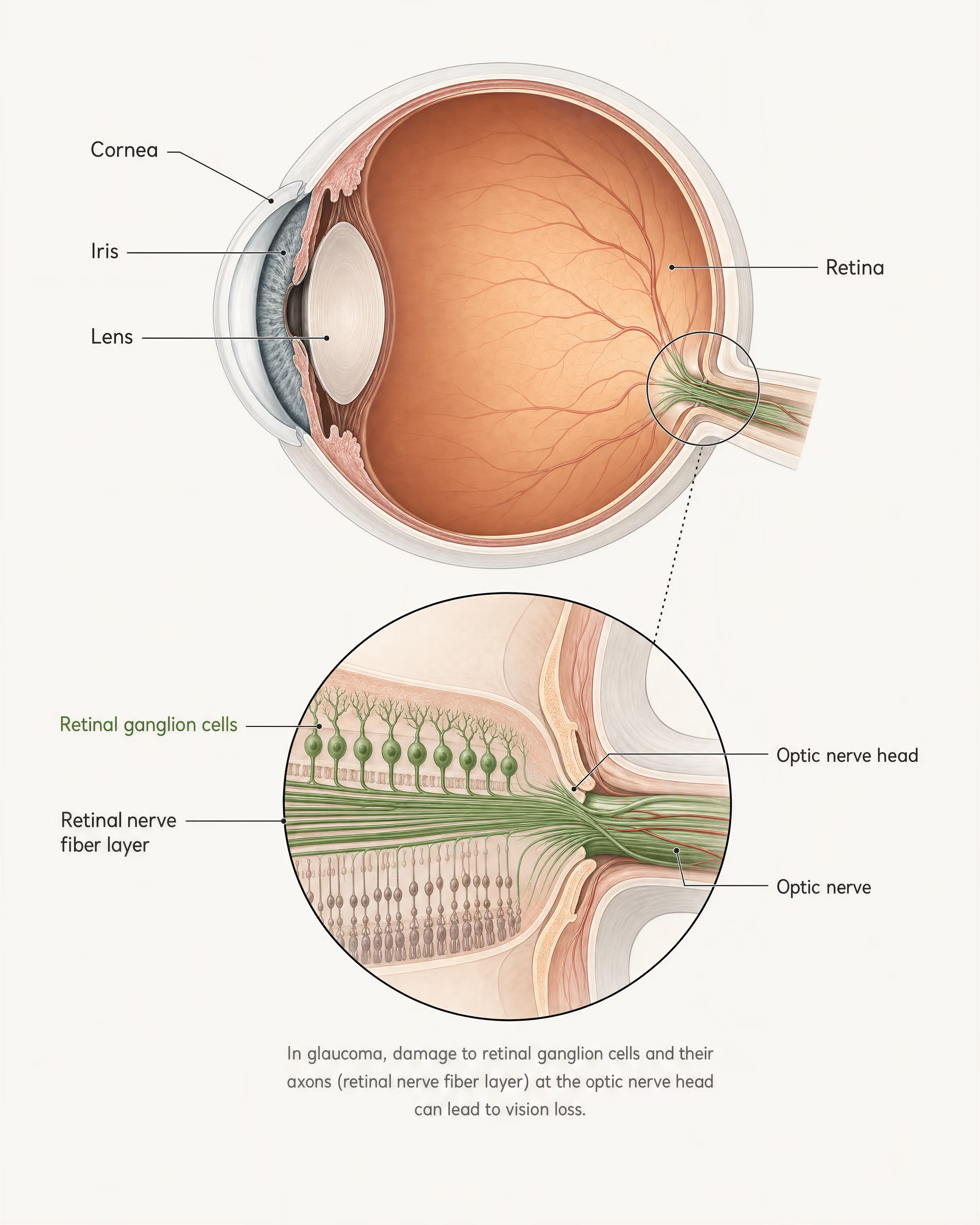
The starting point matters, because public discussion often skips it. Glaucoma is not simply “high eye pressure.” It is a group of optic neuropathies marked by progressive damage to the optic nerve, loss of retinal ganglion cells, and corresponding visual field loss. Pressure matters a great deal, but pressure is a means of tracking risk and guiding treatment, not the disease itself.
That distinction changes how cannabis claims should be judged. A drug that lowers intraocular pressure, or IOP, for a few hours has shown one pharmacologic effect. It has not automatically shown that it preserves vision, protects the optic nerve, or controls glaucoma over years.
The global burden is large enough that this is not a semantic point. The World Health Organization reported in 2019 that at least 2.2 billion people worldwide have near or distance vision impairment, and at least 1 billion of those cases were preventable or unaddressed. Glaucoma is one of the leading causes of irreversible blindness. Epidemiologic estimates from Tham et al. in Ophthalmology (2014) put worldwide glaucoma prevalence at 3.54% among people aged 40 to 80, with the number affected projected to reach 111.8 million by 2040.

What glaucoma actually damages
The tissue at risk in glaucoma is the optic nerve head and the retinal ganglion cells whose axons form the optic nerve. As those cells are injured and die, patients lose peripheral vision first in many cases, then more central function as disease advances. Once that neural tissue is gone, it is not restored by simply bringing pressure down later.
That is why ophthalmologists care about structure and function together. They examine the optic nerve, retinal nerve fiber layer, and ganglion cell complex, and they measure visual fields over time. The question is not only “What is the pressure today?” It is “Is this eye continuing to lose nerve tissue or visual field despite treatment?”
| Category | Drainage angle | Typical mechanism | Clinical pattern |
|---|---|---|---|
| Primary open-angle glaucoma | Anatomically open | Outflow through the trabecular meshwork and related pathways is inefficient | Common chronic form in many populations |
| Angle-closure glaucoma | Narrowed or blocked | Drainage angle becomes obstructed | Can cause a rapid pressure rise and may be an ophthalmic emergency |
The two major clinical categories are open-angle glaucoma and angle-closure glaucoma. In primary open-angle glaucoma, the drainage angle between the cornea and iris remains anatomically open, but aqueous humor does not exit efficiently enough through the trabecular meshwork and related outflow pathways. This is the common chronic form in many populations. Angle-closure disease is different: the drainage angle becomes narrowed or blocked, sometimes suddenly, producing a rapid pressure rise that can be an ophthalmic emergency. Both involve IOP, but they are not interchangeable, and neither can be reduced to a single pressure reading on a single day.
Why intraocular pressure is the main modifiable risk factor
Intraocular pressure (IOP) The pressure created inside the eye by the balance between aqueous humor production and its drainage through outflow pathways.
IOP is the fluid pressure inside the eye, generated by the balance between aqueous humor production and outflow. It is the main modifiable risk factor in glaucoma because lowering it is the one intervention consistently shown to slow progression. The American Academy of Ophthalmology, the American Glaucoma Society, and the Glaucoma Research Foundation all make the same practical point: lowering IOP is currently the only proven treatment strategy for slowing glaucomatous damage.
That does not mean every person with glaucoma has high pressure at every visit, or that pressure explains every case. Some patients develop normal-tension glaucoma. Others tolerate relatively high pressures for years before damage is seen. Optic nerve susceptibility, vascular factors, age, corneal properties, and other variables all shape risk. Still, when clinicians can act on one proven lever, it is IOP.
This is where cannabis discussions usually become too shallow. Yes, THC can lower IOP. Hepler and Frank reported that effect in 1971 after marijuana smoking, and Merritt et al. found IOP reduction with oral THC in 1980. The effect size often cited is roughly 25%, which sounds impressive until duration enters the picture. Standard glaucoma care is built around sustained control, usually over the full 24-hour cycle, because the optic nerve is exposed to pressure stress all day and night, not just during a brief post-dose window.
Modern therapies are designed with that reality in mind. Prostaglandin analogs are often dosed once daily and commonly lower IOP by around 25% to 33%, with action that extends across the day. The National Eye Institute notes that these medications lower pressure for 24 hours, and that in the first month, 80% of people with elevated eye pressure had reduction after taking a common prostaglandin analog. Laser trabeculoplasty and surgery can provide longer control still. That is the standard cannabis has to meet. It does not.
Why a brief pressure dip does not equal disease control
- 1 Glaucoma management aims to preserve retinal ganglion cells, optic nerve structure, and visual field over years.
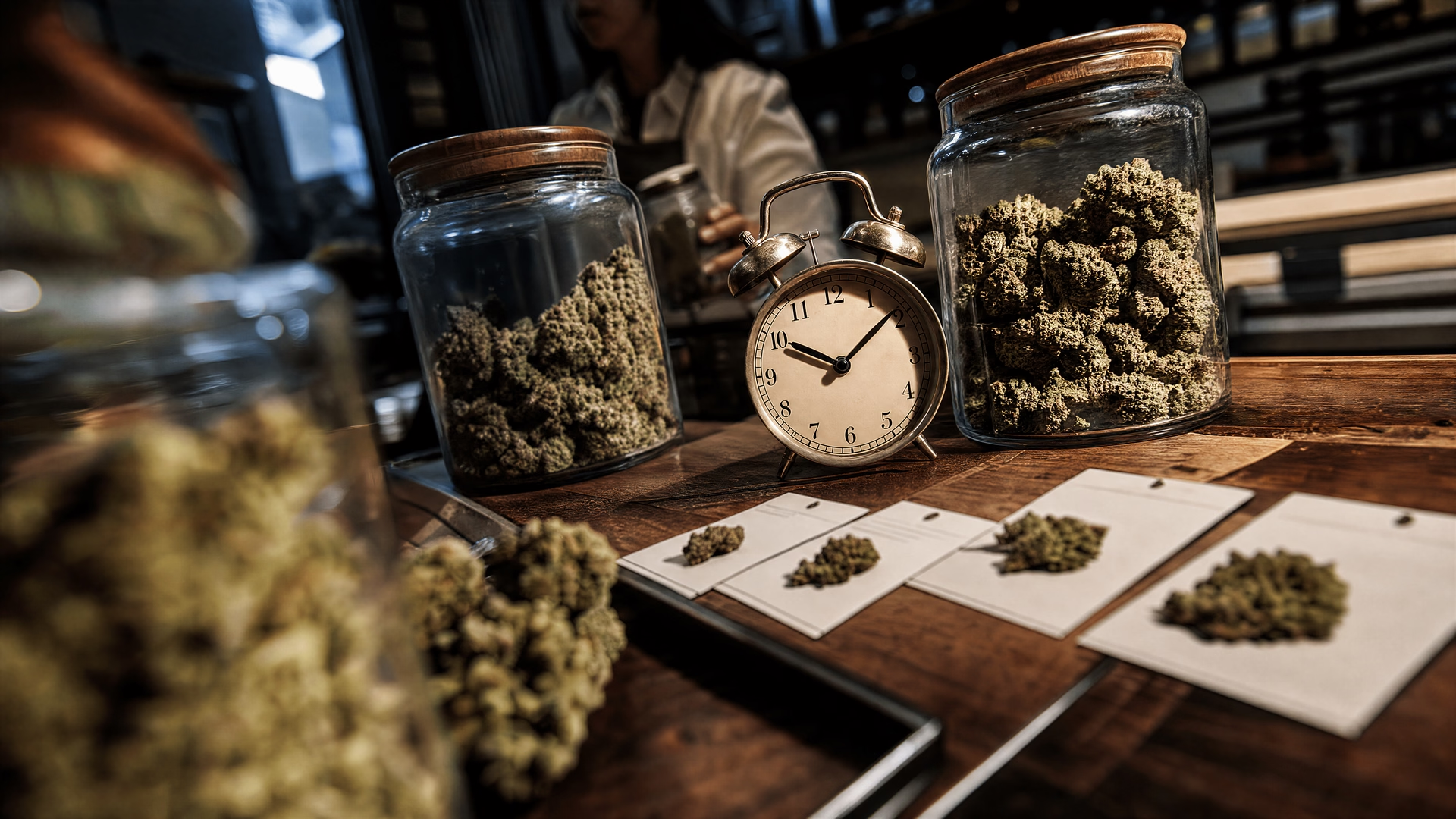
- 2 THC-related IOP lowering generally lasts only 3 to 4 hours, leaving most of the day uncovered unless dosing is repeated.
- 3 To maintain coverage, the article notes a person would need marijuana about 6 to 8 times daily.
- 4 Systemic effects such as hypotension, dizziness, sedation, and impaired daily function can undermine chronic use.
Why short-term pressure reduction is not the same as disease control
A temporary drop on a tonometer is not the same thing as controlling glaucoma. Disease control means slowing or halting retinal ganglion cell loss and preserving useful vision over time. It requires durability, tolerability, and a treatment pattern a patient can actually maintain.
THC can lower intraocular pressure, but current evidence does not support marijuana as an effective standard glaucoma treatment because the effect is too short-lived. Strong evidence
This is the central problem with THC as a glaucoma therapy. The National Eye Institute states that marijuana can lower eye pressure, but not enough, and not long enough, to be an effective treatment. The Glaucoma Research Foundation puts the duration at only 3 to 4 hours. To maintain coverage, the NEI says a person would need to consume marijuana 6 to 8 times a day. That is not a realistic chronic treatment plan for most patients, especially in an older population already at risk for dizziness, falls, cardiovascular effects, and impaired daily function.
There is a second problem that gets less attention: lower IOP does not help as much as hoped if systemic blood pressure also falls and optic nerve perfusion worsens. Reviews of ocular cannabinoid pharmacology have returned to this tradeoff repeatedly. A brief pressure reduction paired with hypotension is not an obvious win for a vulnerable optic nerve.
CBD makes the picture even less friendly to casual claims. In the randomized, double-masked, placebo-controlled crossover pilot study by Tomida et al. in 2006, 5 mg sublingual THC reduced IOP temporarily, but 20 mg CBD caused a transient increase in IOP at some measured time points, while 40 mg CBD did not lower it. That is enough to reject the lazy habit of treating “cannabinoids” as one unified category in glaucoma. THC and CBD do not behave the same way.
There is real scientific interest in cannabinoid receptors in ocular tissues and in possible neuroprotective pathways. CB1 receptors are present in structures involved in aqueous dynamics and in the retina. Proposed mechanisms include reduced aqueous production, altered outflow, glutamate modulation, and effects on oxidative stress. But proposed neuroprotection is not established clinical care. Human evidence showing that cannabis preserves retinal ganglion cells or visual fields in glaucoma is absent.
So the editorial bottom line is straightforward: glaucoma care is about sustained preservation of the optic nerve and visual field, not a brief pressure dip after exposure to THC, and certainly not a marketing-friendly blur of THC and CBD. The evidence supports saying that clearly.
How cannabinoids interact with ocular tissues
Glaucoma is often described as an eye-pressure disease, but that shorthand misses the target tissue. The disease is an optic neuropathy. Intraocular pressure, or IOP, is the main modifiable risk factor, yet the clinical goal is not a brief pressure dip. It is steady 24-hour control and preservation of retinal ganglion cells, optic nerve structure, and visual field. That distinction matters when people cite cannabis studies. A mechanism can sound persuasive and still fail as treatment.

The endocannabinoid system in the eye
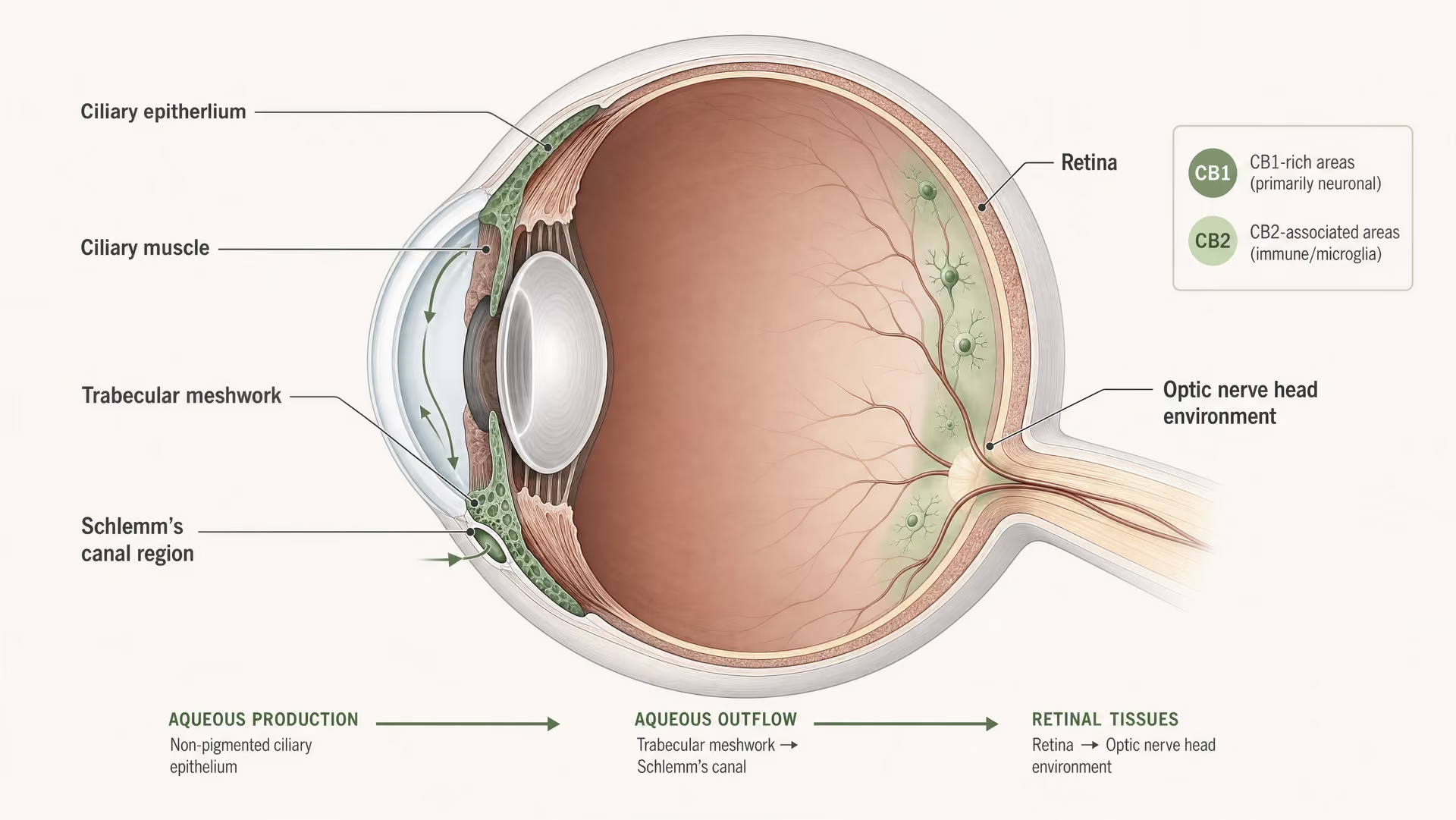
The eye does have an endocannabinoid system. Ocular tissues express endogenous ligands such as anandamide and 2-arachidonoylglycerol, the enzymes that synthesize and break them down, and cannabinoid-responsive receptors. This is not speculative. Receptor mapping and pharmacology studies over the past few decades have identified cannabinoid signaling in the ciliary body, trabecular meshwork, Schlemm’s canal-related tissues, retina, and parts of the optic nerve head environment.
CB1 receptor expression is the most consistently reported and the most relevant to the old glaucoma literature. It has been identified in the non-pigmented ciliary epithelium, where aqueous humor is produced; in the trabecular meshwork and neighboring outflow tissues, which influence conventional aqueous drainage; and in retinal layers that include ganglion-cell-associated circuitry. CB1 has also been reported in the ciliary muscle and in vascular tissues of the eye. That distribution helps explain why cannabinoids can affect more than one ocular variable at once: pressure, outflow, blood flow, neuronal signaling, and possibly inflammation.
CB2 is present too, though generally less prominently in discussions of IOP lowering. It appears in immune-related and inflammatory pathways within ocular tissues, including the retina and microglia-rich environments. Its role in glaucoma has drawn interest because glaucomatous damage is not purely mechanical. There are inflammatory and metabolic components as well. Still, receptor presence is not the same thing as a validated therapeutic pathway. Many drug targets look promising on paper and disappoint in patients.
This is also where the popular “cannabis lowers eye pressure” claim becomes too crude to be useful. Different cannabinoids do not behave the same way at the same receptors, in the same tissue, or at the same dose. THC and CBD should not be treated as interchangeable ocular agents. The limited human evidence argues against that simplification.
| Feature | THC | CBD |
|---|---|---|
| Main article takeaway | Can reduce IOP temporarily | Did not lower IOP in the cited pilot; 20 mg caused a transient rise at some time points |
| Receptor summary in article | Partial agonist at CB1 | Low direct affinity for CB1/CB2 with multiple indirect and off-target actions |
| Clinical implication for glaucoma | Short-lived pharmacologic effect | No sound basis for presenting it as a pressure-lowering glaucoma therapy |
CB1, CB2, and non-cannabinoid receptor pathways
THC has the clearest link to IOP reduction because it acts as a partial agonist at CB1 receptors, which are abundant in ocular tissues involved in aqueous humor dynamics. The classic human studies are old but real. Hepler and Frank in 1971 reported that smoked marijuana lowered IOP. Merritt and colleagues in 1980 found oral THC could reduce IOP in patients with glaucoma. Later work, including Tomida et al. in 2006, showed that 5 mg sublingual delta-9-THC significantly reduced IOP temporarily. The effect size often cited across the literature is around 25%. That sounds impressive until the timing is added: the effect generally lasts only 3 to 4 hours.
CBD complicates the picture. In the Tomida 2006 randomized, double-masked, placebo-controlled crossover pilot study, 40 mg sublingual CBD did not lower IOP, while 20 mg CBD produced a transient rise in IOP at some measured time points. That finding is one reason casual claims about “CBD for glaucoma” are not just unsupported but potentially backwards. There is no sound basis for presenting CBD as a pressure-lowering glaucoma therapy.
Why might THC and CBD diverge? Partly because ocular pharmacology is not limited to CB1 and CB2. Cannabinoids also interact with non-cannabinoid pathways, including TRPV1 channels, GPR18, GPR55, PPAR nuclear receptors, and serotonin-related signaling in some contexts. Anandamide itself can activate TRPV1 as well as cannabinoid receptors. CBD is especially pharmacologically messy: low direct affinity for CB1/CB2, but multiple indirect and off-target actions that can shift signaling in ways that vary by formulation, dose, and tissue. Reviews by researchers such as Tomida, Randall, and others have stressed that receptor-specific and formulation-specific effects matter in the eye. Lumping all cannabinoids together hides the actual biology.
Cannabinoids may have neuroprotective effects in glaucoma beyond pressure lowering. Preliminary evidence
There is also interest in cannabinoid-mediated neuroprotection. The proposed mechanisms include reduced glutamate excitotoxicity, modulation of calcium influx, antioxidant effects, inflammatory signaling changes, and support of retinal ganglion cell survival in experimental models. Those ideas are plausible. Some are biologically attractive. None has been established as a clinical benefit in human glaucoma care. That gap matters. Glaucoma therapy has a graveyard of plausible mechanisms that did not produce better visual outcomes.
Aqueous humor production, outflow, and ocular blood flow
IOP reflects a balance: how much aqueous humor the ciliary body makes, how well it exits through the trabecular meshwork and Schlemm’s canal, and to a lesser extent the uveoscleral outflow pathway. Cannabinoids have been proposed to influence both sides of that equation.
One proposed mechanism is reduced aqueous humor production at the ciliary epithelium via CB1-mediated effects on adrenergic signaling, ion transport, and cyclic AMP-related pathways. Another is enhanced outflow through trabecular meshwork relaxation or altered cytoskeletal behavior in outflow tissues. Schlemm’s canal-associated tissues are relevant here because conventional outflow resistance is concentrated in this region. If a drug modestly reduces inflow and modestly improves outflow, the combined result could lower IOP.
That is pharmacologically plausible and consistent with the receptor map. It still does not solve the practical problem. Short-lived systemic THC exposure is not the same as durable pressure control. The National Eye Institute, American Academy of Ophthalmology, and American Glaucoma Society all make the same basic point: marijuana can lower IOP, but not long enough and not safely enough to function as standard glaucoma treatment. To maintain around-the-clock control, a patient would need dosing roughly six to eight times daily. That is not realistic chronic care.
Ocular blood flow adds another layer. Because glaucoma damages the optic nerve, researchers have long asked whether cannabinoids might improve perfusion. Some experimental work suggests vasorelaxant effects in ocular vessels. But systemic cannabis can also lower blood pressure. That tradeoff is not trivial. If IOP falls briefly while systemic hypotension reduces optic nerve perfusion pressure, the net effect on a vulnerable optic nerve may be neutral or even harmful in some patients. This concern appears repeatedly in glaucoma reviews and is one reason pressure numbers alone do not settle the issue.
Lipophilic A chemical property meaning a compound dissolves more easily in fats or oils than in water, which can complicate conventional eye-drop formulation.
Topical delivery has not rescued the concept. Cannabinoids are highly lipophilic and poorly water-soluble, which makes conventional eye-drop formulation difficult. Older topical preparations were limited by irritation, unstable formulations, and poor corneal penetration. Newer delivery systems are being studied preclinically, but no approved cannabinoid glaucoma therapy has emerged from that work.
So the mechanistic story is real, but it has been oversold. Ocular tissues do express cannabinoid-responsive pathways. THC can transiently lower IOP, likely through effects on aqueous production and outflow, with vascular effects layered on top. CBD does not share that profile and may increase IOP at some doses. None of this proves disease modification, durable optic nerve protection, or equivalence to established therapies that control pressure for 24 hours or longer. Mechanism is the opening argument, not the verdict.
THC lowers intraocular pressure, but the duration problem changes everything
Glaucoma is not simply “high eye pressure.” It is an optic neuropathy in which intraocular pressure, or IOP, is the main modifiable risk factor, but the real clinical goal is preserving visual function over years. That distinction matters. A drug that lowers IOP for a few hours is not automatically a workable glaucoma treatment, especially if it also causes systemic effects that may compromise daily function or even optic nerve perfusion.
That is why the popular claim about cannabis and glaucoma is only half true. THC can lower IOP. The problem is what comes next: the effect is short, the dosing burden is extreme, and the tradeoffs are poor when compared with standard therapies that provide near-continuous control without intoxication.
What the early human studies actually found
The modern discussion starts with classic 1970s human studies, especially Hepler and Frank in 1971. Their work helped establish that smoked marijuana could reduce intraocular pressure in many subjects. That finding was not trivial, and it has held up broadly across later summaries: cannabinoids, especially THC, do have pressure-lowering activity in the eye.
But the evidence base people cite is often much older than they realize. That is not a minor footnote. It is part of the story. If THC had translated cleanly into a practical glaucoma therapy, one would expect the field to have moved from those early observations into routine ophthalmic care decades ago. It did not.
Later studies tried to refine the question by using oral THC rather than smoked cannabis. Merritt et al. in 1980 studied oral delta-9-tetrahydrocannabinol in glaucoma patients and confirmed that THC could reduce IOP. Again, that point is real. The issue was not absence of pharmacologic effect. The issue was whether the effect was clinically usable for a chronic disease that requires stable control over 24 hours, every day, for years.
By the 2000s, investigators were still testing cannabinoids in more controlled ways. Tomida et al., in a 2006 randomized, double-masked, placebo-controlled crossover pilot study, found that 5 mg sublingual THC significantly reduced IOP temporarily. The same study is important for another reason: 20 mg sublingual CBD caused a transient rise in IOP at some time points, while 40 mg CBD did not lower it. That is a direct warning against treating “cannabinoids” as one interchangeable category. THC and CBD do not behave the same way in the eye.
So the early and later human literature points in one direction on THC: yes, it can lower IOP. The literature points in a much less favorable direction on any sweeping claim that cannabis, as a general class, treats glaucoma.
Magnitude of IOP reduction and how long it lasts
The magnitude of the THC effect is not imaginary. In many subjects, the reported IOP reduction is around 25%. That sounds impressive because it is impressive in isolation. A 25% drop is in the same broad range that clinicians look for with established glaucoma treatment, and it is one reason the idea of cannabis as glaucoma therapy has remained so persistent in public discussion.
The duration problem changes everything.
Most major ophthalmic sources, including the National Eye Institute and the Glaucoma Research Foundation, state that marijuana’s IOP-lowering effect generally lasts only 3 to 4 hours. For a chronic optic neuropathy, that is a bad fit. Glaucoma management is not about winning a single pressure measurement in the clinic. It is about maintaining pressure control across the full day and night, limiting fluctuation, and slowing damage to the optic nerve.
A 3-to-4-hour effect implies dosing six to eight times a day to maintain round-the-clock control. The National Eye Institute says exactly that. Once you do the math, the practical problem becomes obvious. A patient would need repeated intoxication or repeated systemic THC exposure every day, including waking hours, work hours, and likely nighttime dosing as well. That is not comparable to modern first-line glaucoma care.
Compare that with prostaglandin analogs, which are usually dosed once daily and provide roughly 24-hour pressure lowering. The National Eye Institute notes that these medications lower pressure for 24 hours, and they are standard partly because they fit the biology of glaucoma and the realities of adherence. A treatment only works if patients can live with it.
This is where public discussion often goes wrong. People hear that THC lowers IOP by about 25% and stop there. But matching the size of a pressure drop for a few hours is not the same as matching disease control. Short-lived pressure reduction does not prove preservation of visual fields, retinal ganglion cell survival, or superior long-term outcomes. On those endpoints, cannabis has not shown the kind of evidence required to replace standard therapy.
There is another issue: glaucoma damage may be influenced not only by IOP itself but also by perfusion of the optic nerve head. If a treatment lowers eye pressure briefly while also lowering systemic blood pressure, the net effect may not be as favorable as the tonometer suggests.
Systemic adverse effects that undermine chronic use
The side-effect profile is the main reason the early IOP finding never matured into a practical first-line therapy.
THC is psychoactive. For glaucoma, that matters far more than it does in abstract pharmacology. If a patient needs dosing six to eight times daily, psychoactive impairment stops being an occasional adverse effect and becomes the treatment model itself. That creates obvious problems with driving, balance, concentration, work, reading, medication management, and routine self-care. Glaucoma is common in older adults, which makes dizziness, sedation, and fall risk even more relevant.
Cardiovascular effects are also a problem. THC can produce tachycardia and orthostatic hypotension. Orthostatic hypotension means blood pressure falls when the person stands, bringing lightheadedness or near-syncope. In a disease where optic nerve health may depend partly on adequate perfusion, repeated systemic hypotension is not a trivial tradeoff. Reviews of the glaucoma-cannabis literature repeatedly raise the same concern: lowering IOP while also reducing blood pressure could reduce optic nerve perfusion pressure, potentially offsetting some of the theoretical benefit.
That concern is not speculative in the casual sense. It follows directly from glaucoma pathophysiology. The optic nerve does not care only about pressure inside the eye; it also depends on blood supply. A treatment that lowers both IOP and systemic pressure may not produce the clean protective effect patients assume.
Then there is sedation. Repeated THC exposure can make patients sleepy, slowed, or cognitively dulled. Some develop anxiety or dysphoria rather than relief. Others experience dry mouth, impaired short-term memory, and reduced ability to follow complicated medication schedules. Ironically, the very treatment proposed as an alternative to eye drops can make adherence to the rest of glaucoma care worse.
Tolerance adds another layer. Some reports and reviews suggest that repeated cannabinoid exposure may reduce responsiveness over time, meaning patients could need more frequent or higher dosing to achieve the same pressure effect. That is exactly what a chronic glaucoma regimen cannot afford. A therapy already handicapped by short duration becomes even less attractive if the body adapts to it.
Smoking introduces its own liabilities, especially in an older population. Pulmonary exposure is an unnecessary burden when the target organ is the eye. Even if one sets aside the respiratory issue, smoking remains a poor drug-delivery system for a chronic ophthalmic disease because it is variable, short-acting, and tied to systemic effects that ophthalmologists generally try to avoid.
This is why the professional societies are so direct. The American Academy of Ophthalmology and the American Glaucoma Society state that although marijuana can lower IOP, there is no scientific evidence showing it is more effective than available medications, and its short duration plus adverse effects make it unsuitable as treatment. The National Eye Institute makes the same practical point in plain language: marijuana can lower eye pressure, but not enough, and not long enough, to be an effective glaucoma treatment.
That is the evidence-based position. THC lowers IOP transiently. It does not solve the actual treatment problem glaucoma presents.
CBD and ocular health: why lumping it together with THC is a mistake
CBD is often swept into the same sentence as THC, as if all cannabinoids push eye pressure in the same direction. That is not what the evidence shows. In glaucoma, that shortcut matters because the disease is not simply “high pressure.” It is an optic neuropathy, and intraocular pressure, or IOP, is the main modifiable risk factor only because sustained control helps slow damage. A brief pressure change is not the same thing as protecting the optic nerve or preserving vision over years.
That distinction is exactly why CBD should not be casually presented as a glaucoma aid. The human data are sparse, and the small amount we do have does not support that claim.
What the Tomida crossover study found
The study most often cited here is Tomida et al., published in the British Journal of Ophthalmology in 2006. It was a randomized, double-masked, placebo-controlled, crossover pilot study using sublingual cannabinoids in healthy volunteers. That design is respectable for a pilot. The sample was small, but the findings were still important because they tested THC and CBD separately rather than treating “cannabis” as one pharmacologic bloc.[3] Effect of sublingual application of cannabinoids on intraocular pressure: a pilot study. Ikuhiro Tomida, Tommaso Pertwee, Philip E. A. Azuara-Blanco, et al.. British Journal of Ophthalmology, 2006.
The headline result was simple. Sublingual 5 mg delta-9-THC reduced IOP temporarily. Sublingual 40 mg CBD did not lower IOP. And 20 mg CBD caused a transient rise in IOP at some measured time points.
That last finding is the part many summaries omit. If a compound can increase eye pressure, even briefly, it should not be folded into public messaging as though it is interchangeable with THC for glaucoma. Tomida’s paper did not show CBD helping pressure control. It pointed in the opposite direction.
The study also reinforced a broader point seen since the older THC literature, including Hepler and Frank in 1971 and oral THC studies such as Merritt et al. in 1980: even when cannabinoids lower IOP, the effect is short-lived. Glaucoma care is not built around short-lived effects. Standard medications are. The National Eye Institute notes that prostaglandin analogs can lower pressure for 24 hours, and this is why they fit chronic disease management while cannabis-derived pressure drops do not.
Why CBD may raise, not lower, eye pressure in some contexts
Mechanistically, there is no reason to assume CBD should mirror THC. Ocular tissues express parts of the endocannabinoid system, including CB1 receptors in structures relevant to aqueous humor dynamics such as the ciliary epithelium and trabecular meshwork. THC has meaningful activity at CB1 receptors, and that is one proposed route for lowering IOP through reduced aqueous humor production or altered outflow.
CBD behaves differently. It has low direct affinity for CB1 and CB2 compared with THC and acts across multiple targets, some indirect, some context-dependent. That pharmacology is messy. Dose matters. Route matters. Tissue matters. Timing matters.
Reviews by Randall, Tomida, and other ocular cannabinoid researchers have discussed several possibilities for why CBD may fail to reduce IOP or may even increase it under some conditions. One idea is that CBD can interfere with the signaling pathways through which THC lowers pressure. Another is that non-CB1 receptor effects may shift the balance of aqueous production and outflow differently than THC does. There is also the recurring issue that systemic cannabinoid exposure can lower blood pressure. In glaucoma, that is not automatically helpful. Reduced optic nerve perfusion may offset any brief IOP change, especially in vulnerable patients.
So the claim “cannabinoids lower eye pressure” is not just sloppy. It is wrong at the level that matters clinically. Some cannabinoids may lower IOP for a few hours. CBD has not earned that generalization.
Preclinical interest versus human evidence
There is real laboratory interest in cannabinoids and ocular health. Researchers have examined anti-inflammatory signaling, glutamate modulation, oxidative stress pathways, retinal ganglion cell survival, and other possible neuroprotective effects. Those ideas are scientifically interesting because glaucoma damage is not explained by pressure alone. A therapy that helped retinal ganglion cells directly would be valuable.
But that remains a preclinical story. Cell culture findings are not patient outcomes. Animal models are not proof of human benefit. This gap is where cannabinoid discussions often become misleading.
The translational track record here is weak. If the case for cannabinoids in glaucoma were compelling, decades of interest would have produced an approved, practical therapy by now. Instead, the field still runs into the same problems: short duration of effect, systemic adverse effects, formulation barriers, and a mismatch between mechanistic promise and clinical performance. Topical delivery has been especially difficult because cannabinoids are highly lipophilic and poorly water-soluble, which has complicated eye-drop development through poor corneal penetration, irritation, and instability.
That is why professional guidance is so consistent. The American Glaucoma Society and American Academy of Ophthalmology state that marijuana is not an acceptable treatment for glaucoma despite THC’s known IOP-lowering effect. The National Eye Institute says marijuana can lower pressure, but not enough and not long enough to serve as effective treatment. The contrast with other medical cannabinoid indications is telling: the National Academies in 2017 found substantial evidence for some uses of cannabis or cannabinoids, but glaucoma was not one of them.
CBD belongs on the skeptical side of that line, not the hopeful one. The limited human evidence does not show glaucoma benefit. One controlled pilot suggested a transient pressure increase at a lower tested dose. Until convincing clinical trials show otherwise, presenting CBD as a glaucoma aid is not cautious medicine. It is misrepresentation.
Why cannabis never became standard glaucoma therapy
The short answer is plain: THC can lower intraocular pressure for a few hours, but glaucoma care requires dependable control across the entire day and night, year after year, while preserving vision and minimizing harm. That is a much higher bar than producing a brief pressure drop in a lab or clinic.
This distinction matters because glaucoma is not simply “high pressure in the eye.” It is an optic neuropathy that damages retinal ganglion cells and the optic nerve, often silently, until visual field is lost. Lowering intraocular pressure, or IOP, is the main modifiable risk factor and the only treatment strategy proven to slow damage, but clinicians care about sustained control and visual outcomes, not a short-lived pharmacologic effect. In a world where glaucoma remains a leading cause of irreversible blindness, and where the WHO estimated in 2019 that at least 2.2 billion people live with near or distance vision impairment, the standard for treatment is necessarily strict.
The cannabis claim became popular because the underlying observation is real. Hepler and Frank reported in 1971 that smoked marijuana lowered IOP. Later studies, including Merritt et al. in 1980 with oral THC, supported the same basic point: cannabinoids, especially THC, can reduce eye pressure in many subjects, often by around 25%. But that finding never translated into routine ophthalmology practice, for reasons that are more practical than ideological.
The mismatch between acute effect and 24-hour disease management
The central problem is duration. Most summaries from the National Eye Institute, the American Academy of Ophthalmology, and the Glaucoma Research Foundation put the IOP-lowering effect of marijuana at roughly 3 to 4 hours. That means a patient would need to use it about 6 to 8 times a day to maintain round-the-clock pressure control. NEI says exactly that, and it is the key reason cannabis failed as a glaucoma therapy.
A chronic disease does not forgive gaps. IOP fluctuates over 24 hours, often rising outside office hours. Standard glaucoma medicines are designed around that reality. Prostaglandin analogs, for example, are commonly dosed once daily and can lower pressure for a full day; NEI notes that these drugs lower pressure for 24 hours, and that in the first month about 80% of people with elevated eye pressure had a reduction on a prostaglandin analog. That is a completely different treatment profile from a substance that works for part of an afternoon.
The comparison gets even less favorable when side effects are included. To match the around-the-clock control offered by routine glaucoma drops, a patient using THC would face repeated intoxication, sedation, dizziness, impaired reaction time, tachycardia, and blood-pressure effects throughout the day. For the older population that makes up much of glaucoma care, that means fall risk, driving impairment, and trouble with ordinary functioning. It also raises adherence problems. A once-daily drop is hard enough for some patients. Six to eight psychoactive doses per day is not a credible chronic-care plan.
Optic nerve perfusion pressure The pressure gradient supporting blood flow to the optic nerve; it can fall if systemic blood pressure drops, even when eye pressure also falls.
There is also a physiological tradeoff that weakens the simplistic “lower pressure equals benefit” story. Cannabis can lower systemic blood pressure. Reviews of ocular cannabinoid pharmacology have repeatedly raised concern that reduced blood pressure could lower optic nerve perfusion pressure. In other words, brief IOP reduction may be partly offset by less blood flow to vulnerable optic nerve tissue. That does not prove cannabis worsens glaucoma in every case, but it does show why a pressure number alone is not the whole disease.
CBD adds another complication. It should not be lumped together with THC as if all cannabinoids act the same way in the eye. In Tomida et al.’s 2006 randomized, double-masked, placebo-controlled crossover pilot study, 5 mg sublingual THC reduced IOP temporarily, while 40 mg CBD did not reduce IOP and 20 mg CBD produced a transient increase at some time points. That is a direct warning against casual claims that CBD “helps glaucoma.” Human evidence for that claim is weak, and one of the better-known controlled studies points the wrong way.
Why delivery has been a persistent problem
- Smoking Variable dosing, pulmonary exposure, and repeated psychoactive and cardiovascular effects.
- Oral THC Slower onset, variable absorption, unpredictable peak effects, and longer systemic adverse effects.
- Topical formulations Cannabinoids are highly lipophilic and poorly water-soluble, leading to poor corneal penetration, irritation, and instability in older attempts.
Delivery problems: smoking, oral dosing, and failed topical formulations
Even if one accepted the short duration problem, the delivery options have been poor.
Smoking is the oldest route studied and the least practical. It exposes patients to pulmonary irritants, makes dosing inconsistent, and stacks ocular treatment on top of systemic psychoactive and cardiovascular effects. Ophthalmologists do not want a glaucoma regimen that requires repeated inhalation and leaves the patient sedated or hypotensive several times a day.
Oral THC avoids smoke, but it introduces its own problems: slower onset, variable absorption, unpredictable peak effects, and systemic adverse effects that last longer than the useful pressure reduction window. Merritt et al. showed oral THC could lower IOP, but that did not solve the mismatch between eye-pressure control and whole-body impairment. It just changed the route of administration.
The obvious workaround would be an eye drop. For decades, researchers have tried. The chemistry is difficult. Cannabinoids are highly lipophilic and poorly water-soluble, which makes stable ocular formulations hard to produce and limits corneal penetration. Earlier topical attempts were hampered by irritation, weak absorption, and formulation instability. More recent drug-delivery research has been inventive, but it remains preclinical or early-stage. There is still no approved topical cannabinoid therapy that delivers reliable glaucoma control comparable to established drops.
That failure matters because it removes the strongest theoretical argument for cannabinoids in glaucoma. If THC could be delivered locally to the eye, with minimal systemic exposure and sustained action, the conversation might look different. But that product does not exist in clinical practice.
Just as important, no convincing body of clinical evidence shows that cannabis preserves visual fields or slows optic nerve damage better than standard therapy. The neuroprotection idea has attracted attention because the endocannabinoid system is present in ocular tissues, including CB1 receptors in the ciliary epithelium, trabecular meshwork, Schlemm’s canal-associated tissues, and retina. Proposed mechanisms include reduced aqueous humor production, increased outflow, glutamate modulation, and effects on oxidative stress. Interesting biology. Not proven glaucoma care. Human evidence for optic-nerve protection remains absent.
What ophthalmology societies and federal agencies actually say
The major eye organizations are not ambiguous here.
The American Academy of Ophthalmology and the American Glaucoma Society have jointly stated that although marijuana can lower IOP, no scientific evidence shows it is more effective than available medications. They also point to the short duration of action and the side-effect burden as reasons it is not an acceptable treatment for glaucoma.
The National Eye Institute says marijuana can lower eye pressure, but not enough and not long enough to be an effective treatment compared with standard medications. NEI also notes that a person would need to consume it 6 to 8 times daily to treat glaucoma, which is really a concise summary of the whole problem.
The Glaucoma Research Foundation takes the same position: marijuana lowers IOP for only 3 to 4 hours, and there is no well-documented evidence showing it is superior to or safer than standard glaucoma drugs.[4] The Health Effects of Cannabis and Cannabinoids: The Current State of Evidence and Recommendations for Research. National Academies of Sciences, Engineering, and Medicine. National Academies Press, 2017.
That consistency across specialty societies and federal health agencies is not a sign that cannabinoids were ignored. It is the opposite. The idea has been examined for decades. The reason it did not become standard therapy is that the clinical case never held up. The National Academies’ 2017 report found substantial evidence for cannabinoid benefit in some settings, such as chronic pain, chemotherapy-induced nausea and vomiting, and multiple-sclerosis spasticity symptoms. Glaucoma was not on that list. That contrast is telling. Medicine did not reject cannabinoids across the board. It rejected a glaucoma application that lacks practical, outcome-based support.
So the answer to the reader’s question is straightforward: ophthalmologists do not prescribe cannabis for glaucoma because a temporary THC-related drop in IOP is not the same as safe, sustained disease control, and CBD has no good human evidence supporting glaucoma treatment at all.
Comparison with conventional glaucoma treatments
The reason cannabinoids fell behind standard glaucoma care is not subtle. THC can lower intraocular pressure, but glaucoma treatment is about sustained pressure control over the full day, long-term preservation of retinal ganglion cells and visual field, and a dosing plan patients can actually live with for years. On those measures, conventional therapies are far ahead.
That difference matters because glaucoma is a major cause of irreversible blindness, not a short-term pressure spike. The World Health Organization reported in 2019 that at least 2.2 billion people worldwide live with near or distance vision impairment, with at least 1 billion cases preventable or still unaddressed. In that setting, clinicians need therapies with durable effect and modern outcome data, not just a transient physiologic signal. The American Academy of Ophthalmology, American Glaucoma Society, National Eye Institute, and Glaucoma Research Foundation all land in the same place: marijuana can reduce IOP, but it does not do so long enough, safely enough, or predictably enough to replace established treatment.
| Therapy | Typical effect described in article | Duration or schedule described in article | Practical implication |
|---|---|---|---|
| THC / marijuana | About 25% IOP reduction in many subjects | Usually 3 to 4 hours; about 6 to 8 uses daily for continuous coverage | Short-lived effect with repeated systemic exposure |
| Prostaglandin analogs | About 25% to 33% IOP reduction | Usually once daily; pressure lowering for 24 hours | Fits chronic glaucoma management and adherence better |
Prostaglandin analogs and why they changed glaucoma care
If one class explains why cannabis never became first-line therapy, it is prostaglandin analogs. These drugs changed practice because they combine strong IOP lowering with practical dosing. Agents such as latanoprost, travoprost, bimatoprost, and tafluprost are usually taken once daily, often at night, and they lower pressure through enhanced uveoscleral outflow. In real clinical use, they commonly reduce IOP by about 25% to 33%, which is striking because that is roughly the same ballpark often cited for THC.
The difference is duration. Prostaglandin analogs are built for chronic disease management. The National Eye Institute notes that these medications lower pressure for 24 hours, and in 2022 it reported that in the first month, 80% of people with high eye pressure saw pressure reduction after taking one of these common drugs. That is what practical glaucoma care looks like: one drop a day, sustained coverage, and evidence generated within the framework of modern ophthalmology.
Cannabis never solved that problem. Hepler and Frank in 1971 showed that smoked marijuana could lower IOP. Merritt and colleagues in 1980 found oral THC could do the same in glaucoma patients. Those findings were real. They also led nowhere clinically because the effect generally lasted only 3 to 4 hours. The National Eye Institute and Glaucoma Research Foundation both make the same point today: maintaining control would require cannabis use 6 to 8 times daily. That is incompatible with routine functioning, especially in an older population already at risk for dizziness, falls, and polypharmacy.
There is also a quality-of-evidence gap. Prostaglandin analogs are supported by decades of trials, comparative studies, guideline use, and direct incorporation into contemporary glaucoma management. By contrast, the human evidence for cannabinoids in glaucoma is older, thinner, and centered on short-term IOP measurements rather than durable visual outcomes. That is not a mere academic distinction. It is the difference between a therapy that became standard because it worked in the real world and an idea that remained pharmacologically interesting but clinically impractical.
CBD does not rescue the cannabinoid argument here. In the randomized, double-masked, placebo-controlled crossover pilot study by Tomida et al. in 2006, 5 mg sublingual THC lowered IOP temporarily, but 20 mg CBD caused a transient increase in IOP at some time points, while 40 mg CBD did not lower it. So the common shortcut of grouping THC and CBD together as “cannabinoids that help glaucoma” is false. Standard drops are prescribed because their ocular effects are known and usable. CBD has not earned that status.
Beta-blockers, carbonic anhydrase inhibitors, and alpha-2 agonists
The other major medication classes further expose cannabis’s weaknesses. Beta-blockers such as timolol reduce aqueous humor production. Carbonic anhydrase inhibitors, whether topical like dorzolamide and brinzolamide or oral like acetazolamide, also lower aqueous production. Alpha-2 agonists such as brimonidine both reduce production and can increase uveoscleral outflow. These are not interchangeable drugs, and each has its own adverse-effect profile, but as a group they share one advantage over cannabinoids: they are designed to provide sustained, dosed, ophthalmic treatment without intoxication.
That practicality is not a side issue. It is the whole story. A patient using timolol once or twice daily may have local irritation or systemic beta-blocker effects and still remain fully functional through the day. A patient trying to mimic 24-hour pressure control with inhaled or oral THC would face recurring cognitive impairment, sedation, tachycardia, orthostasis, and limits on driving or work. Even if THC lowers IOP in a given patient, the therapeutic index is poor for a lifelong optic neuropathy.
There is also a hemodynamic problem. Glaucoma is not only about pressure; optic nerve perfusion matters. Cannabis can lower systemic blood pressure. Reviews of ocular cannabinoid pharmacology have repeatedly raised the concern that a brief drop in IOP could be offset by reduced optic nerve blood flow in susceptible patients. Standard glaucoma drugs have side effects too, sometimes serious ones, but they are prescribed within a much better characterized risk-benefit framework.
Topical delivery adds another reason cannabinoids lost ground. Cannabinoids are highly lipophilic and poorly water-soluble, which makes ocular formulation difficult. Earlier attempts at cannabinoid eye drops ran into poor corneal penetration, irritation, and instability. Conventional glaucoma drops, by contrast, are not theoretical formulation projects. They are approved products with known dosing, shelf stability, and measurable treatment effects. There is interesting preclinical work on newer cannabinoid delivery systems, but preclinical promise is not the same as an approved therapy.
The National Academies’ 2017 review is useful here because it shows the problem is not blanket hostility to cannabis. That report found substantial evidence for some cannabinoid uses, including chronic pain, chemotherapy-induced nausea and vomiting, and multiple-sclerosis spasticity symptoms. Glaucoma did not make that list. The field did not reject cannabinoids out of bias. It rejected an unsupported application.
Laser and surgical options when drops are not enough
When medication does not achieve target pressure or adherence is poor, glaucoma care moves to laser and surgery. That step also highlights why cannabis is not taken seriously as a substitute.
Laser trabeculoplasty, especially selective laser trabeculoplasty, can lower IOP for months to years by improving aqueous outflow through the trabecular meshwork. It is not permanent, and not every patient responds, but the logic is durable pressure control with minimal daily adherence burden. That is the opposite of THC’s short pulse of effect. A treatment that wears off in 3 to 4 hours simply cannot compete with laser in a chronic disease where nighttime and early-morning pressure patterns matter.
Surgical options go further. Trabeculectomy, glaucoma drainage devices, and newer minimally invasive glaucoma surgeries are used when target IOP is lower or disease is progressing despite medications and laser. These interventions carry real risks. No ophthalmologist pretends otherwise. Yet they are offered because they can produce meaningful and sustained pressure reduction tied to a clear disease-management strategy. They are aimed at preserving vision over years.
Cannabis has never shown that kind of disease control. No convincing body of modern evidence shows that smoked cannabis, oral THC, CBD, or mixed cannabinoid products preserve visual fields better than standard care, reduce the need for surgery, or provide dependable 24-hour pressure lowering. Professional societies state this plainly because the mismatch is plain. A brief pharmacologic effect is not enough.
So the comparison is not close. Conventional glaucoma treatments provide longer duration, better practicality, stronger evidence, and clearer pathways for escalation when initial therapy fails. THC’s short-lived IOP reduction is real but clinically weak. CBD is even less persuasive, with limited human data that do not support glaucoma use and may show the opposite effect at some doses. For glaucoma management, cannabinoids did not lose to standard therapy by a small margin. They lost on the terms that matter most.
Neuroprotection, retinal health, and the evidence gap
The appeal of neuroprotection in glaucoma
The strongest pro-cannabis argument in glaucoma is no longer “THC lowers pressure.” That part is old news. Hepler and Frank reported in 1971 that smoked marijuana could reduce intraocular pressure, and later studies such as Merritt et al. in 1980 showed oral THC could do the same. The problem is duration: about 3 to 4 hours in most summaries from the National Eye Institute and Glaucoma Research Foundation. Glaucoma is a chronic optic neuropathy, not a condition managed by brief dips in pressure.
That is why neuroprotection sounds attractive. If cannabinoids could directly protect retinal ganglion cells or the optic nerve, perhaps the short pressure effect would matter less. The idea fits the disease. Glaucoma damage involves more than elevated IOP alone; oxidative stress, mitochondrial dysfunction, glutamate-related excitotoxicity, impaired axonal transport, and vascular factors have all been implicated. So a drug that preserves neurons, even without dramatic pressure lowering, would be valuable.
But that leap from plausible biology to patient benefit is where many popular claims go wrong. In glaucoma care, the meaningful endpoints are not “reduced oxidative markers in a cell assay” or “improved ganglion cell survival in rodents after an induced injury.” They are preservation of retinal nerve fiber layer thickness, stability of the optic nerve head, and slower visual-field loss in human patients over time. No cannabinoid has established that standard.
What animal and laboratory data suggest
There is a real scientific basis for asking the question. Ocular tissues express components of the endocannabinoid system, including CB1 receptors in the ciliary epithelium, trabecular meshwork, Schlemm’s canal-associated tissues, and retina. That makes cannabinoid signaling biologically relevant to both IOP regulation and retinal physiology.
In preclinical work, cannabinoids and related compounds have shown effects that could be interpreted as neuroprotective. Investigators have reported reduced glutamate toxicity, changes in calcium handling, modulation of inflammatory signaling, and lower oxidative stress in laboratory systems. Some animal studies have suggested improved retinal ganglion cell survival after experimental insults. Those findings are interesting, and they help explain why the neuroprotection idea persists.
Still, preclinical promise is cheap. Many compounds look protective in cell culture or animal models and then fail in human disease. Glaucoma is especially hard because damage unfolds slowly, patients are heterogeneous, and small physiologic changes do not always translate into preserved vision. A signal in a rat retina after an acute injury is not the same thing as preventing years of progressive field loss in primary open-angle glaucoma.
CBD complicates the picture rather than simplifying it. Tomida et al. in 2006, in a randomized, double-masked, placebo-controlled crossover pilot study, found that 5 mg sublingual THC reduced IOP temporarily, while 20 mg CBD caused a transient rise in IOP at some time points. That does not disprove every neuroprotection hypothesis about CBD, but it does show that “cannabinoids” are not one thing and that CBD should not be casually presented as eye-protective.
Why no cannabinoid neuroprotection claim is clinically established
No clinical trial has shown that cannabis, THC, CBD, or another cannabinoid preserves retinal nerve fiber layer thickness, reduces optic nerve cupping progression, or stabilizes visual fields in glaucoma better than standard care. That is the central fact.
Professional guidance reflects that gap. The American Academy of Ophthalmology and American Glaucoma Society both state that lowering IOP is the only proven treatment strategy to slow glaucomatous damage. They do not endorse marijuana as treatment, because the evidence does not show superiority, practicality, or established neuroprotection. The National Academies’ 2017 review found support for some medical uses of cannabinoids, such as chronic pain and chemotherapy-induced nausea, but glaucoma was not on that list. That contrast matters. This is not blanket rejection of cannabinoids. It is rejection of an unsupported indication.
There is also a physiologic catch: systemic cannabis can lower blood pressure as well as IOP. For the optic nerve, that may be a bad trade if perfusion falls. Brief pressure reduction paired with hypotension does not equal neuroprotection. It may even undermine it.
So the honest position is straightforward. Neuroprotection by cannabinoids in glaucoma remains a hypothesis, not a clinically established therapy. Interesting in the lab. Unproven in patients.
Patient considerations, legal context, and clinician communication
Glaucoma patients do not make decisions in a vacuum. They are often older, already managing several medications, and trying to protect vision in a disease where damage is permanent once it occurs. That context matters because the gap between “THC can lower intraocular pressure for a few hours” and “cannabis is a workable glaucoma treatment” is where real-world risk lives.
Who is most likely to ask about cannabis for glaucoma
The people most likely to raise cannabis in clinic are often those who have heard the simplified claim that marijuana lowers eye pressure and assumed that means it treats glaucoma. Some are looking for a “natural” option. Others have side effects from drops, struggle with adherence, or already use cannabis for chronic pain, insomnia, or anxiety and wonder whether it might help their eyes too.
Older adults are a major part of this conversation because glaucoma incidence rises with age. Tham et al. estimated in 2014 that global glaucoma prevalence in people aged 40 to 80 was 3.54%, with 111.8 million affected projected by 2040. Many of these patients are not asking an abstract pharmacology question. They are asking whether they can replace one more daily medication, reduce cost, or avoid surgery.
That is where clinicians need to be plainspoken. Glaucoma is an optic neuropathy, not just a pressure number. Lowering IOP is the only proven strategy to slow damage, but sustained 24-hour control is what matters. Hepler and Frank in 1971, and later studies such as Merritt et al. in 1980, showed that cannabis or THC can reduce IOP in many subjects by about 25%. The problem is duration. The effect usually lasts only 3 to 4 hours. The National Eye Institute and Glaucoma Research Foundation both state that this is too short to function as practical glaucoma therapy; maintaining round-the-clock control would require dosing roughly 6 to 8 times a day.
That is not a small inconvenience. It makes chronic disease control unrealistic. By contrast, standard glaucoma drops can work across a full day. The National Eye Institute notes that common prostaglandin analogs lower pressure for 24 hours, and many patients achieve reductions in the same general range often cited for cannabis, but with once-daily dosing and without intoxication.
Patients also ask specifically about CBD. That needs its own correction. CBD should not be lumped together with THC as if all cannabinoids behave the same way in the eye. In the randomized crossover pilot study by Tomida et al. in 2006, 5 mg sublingual THC lowered IOP temporarily, 40 mg CBD did not lower IOP, and 20 mg CBD produced a transient increase in IOP at some time points. On current evidence, casually recommending CBD for glaucoma is not supported.
Risks in older adults and people with comorbid disease
The typical glaucoma population is also the population most vulnerable to cannabis side effects. Older adults may already have gait instability, slower reaction time, orthostatic symptoms, or cognitive impairment. Add sedation, dizziness, impaired attention, and slower motor responses, and the result may be a fall, a car crash, or missed doses of actual glaucoma medication.
Cardiovascular disease matters too. Cannabis can affect heart rate and blood pressure. A brief drop in IOP does not automatically translate into optic nerve benefit if systemic blood pressure also falls. Reviews of ocular cannabinoid pharmacology have repeatedly flagged this tradeoff: reduced optic nerve perfusion could offset or complicate the value of lower pressure, especially in patients already prone to hypotension.
Polypharmacy raises another concern. Many glaucoma patients also take antihypertensives, anticoagulants, sleep medications, antidepressants, antiepileptics, or other sedating drugs. Educationally speaking, adding cannabis products on top of that stack may increase sedation, confusion, and functional impairment. Driving impairment is a real issue, not a theoretical one.
Smoking is a particularly poor fit for this population. It brings pulmonary exposure, unpredictable dosing, and short-lived effects. Oral products avoid smoke but add delayed onset and variability. And outside tightly controlled research settings, product composition is often unreliable. Labeled THC and CBD amounts may not match what is in the bottle, edible, vape liquid, or tincture. That uncertainty matters more in glaucoma because a patient may think they are taking something pressure-lowering when the formulation could contain little THC, substantial CBD, or contaminants.
Cannabis laws vary by jurisdiction. Even where use is legal, legality does not equal evidence-based glaucoma treatment.
The most serious patient-level risk is substitution. Stopping prescribed drops in favor of cannabis can lead to undertreated pressure, ongoing optic nerve damage, and irreversible vision loss. That is not alarmism. It follows directly from what is known: glaucoma damage is permanent, and cannabis has not shown practical, sustained disease control comparable to standard therapy.
How patients should discuss cannabis use with an eye specialist
Patients should tell their ophthalmologist or glaucoma specialist exactly what they are using: THC, CBD, both, inhaled flower, vape, edible, tincture, capsule, or topical product. Dose, frequency, and reason for use all matter. So do side effects such as dizziness, sleepiness, palpitations, blurry vision, or trouble remembering drops.
This conversation should be nonjudgmental and specific. A clinician needs to know if cannabis might be affecting adherence, blood pressure, balance, or driving safety. If a patient is using CBD for another condition, the eye specialist should still know, because the limited human evidence does not support CBD for glaucoma and may suggest the opposite effect at some doses.
Patients should also ask a focused question: “Does anything I am using interfere with pressure control or safe glaucoma care?” That is the right frame. Not whether cannabis is “natural,” but whether it helps preserve vision.
Professional societies have answered that question fairly clearly. The American Academy of Ophthalmology and American Glaucoma Society state that marijuana is not an acceptable substitute for proven glaucoma medications. For patient counseling, that is the bottom line. If someone uses cannabis for another reason, the safest course is open disclosure and continued evidence-based glaucoma treatment, not replacement of it.
References
- [1] Global prevalence of glaucoma and projections of glaucoma burden through 2040: a systematic review and meta-analysis. Ophthalmology, 2014. https://doi.org/10.1016/j.ophtha.2013.10.027
- [2] Blindness and vision impairment. World Health Organization, 2019. https://www.who.int/news-room/fact-sheets/detail/blindness-and-visual-impairment
- [3] Effect of sublingual application of cannabinoids on intraocular pressure: a pilot study. British Journal of Ophthalmology, 2006. https://doi.org/10.1136/bjo.2006.088906
- [4] The Health Effects of Cannabis and Cannabinoids: The Current State of Evidence and Recommendations for Research. National Academies Press, 2017. https://nap.nationalacademies.org/catalog/24625/the-health-effects-of-cannabis-and-cannabinoids-the-current-state