













Inflammation is not one thing, and cannabis articles usually pretend it is
“Anti-inflammatory” gets used in cannabis writing as if inflammation were a single dial that can simply be turned down. Immunology does not work like that. Inflammation is a coordinated host response involving blood vessels, soluble mediators, tissue-resident cells, recruited leukocytes, and repair programs. It can be protective, damaging, local, body-wide, short-lived, sterile, infectious, autoimmune, or metabolically driven. If an article does not specify which kind it means, the claim is already weak.
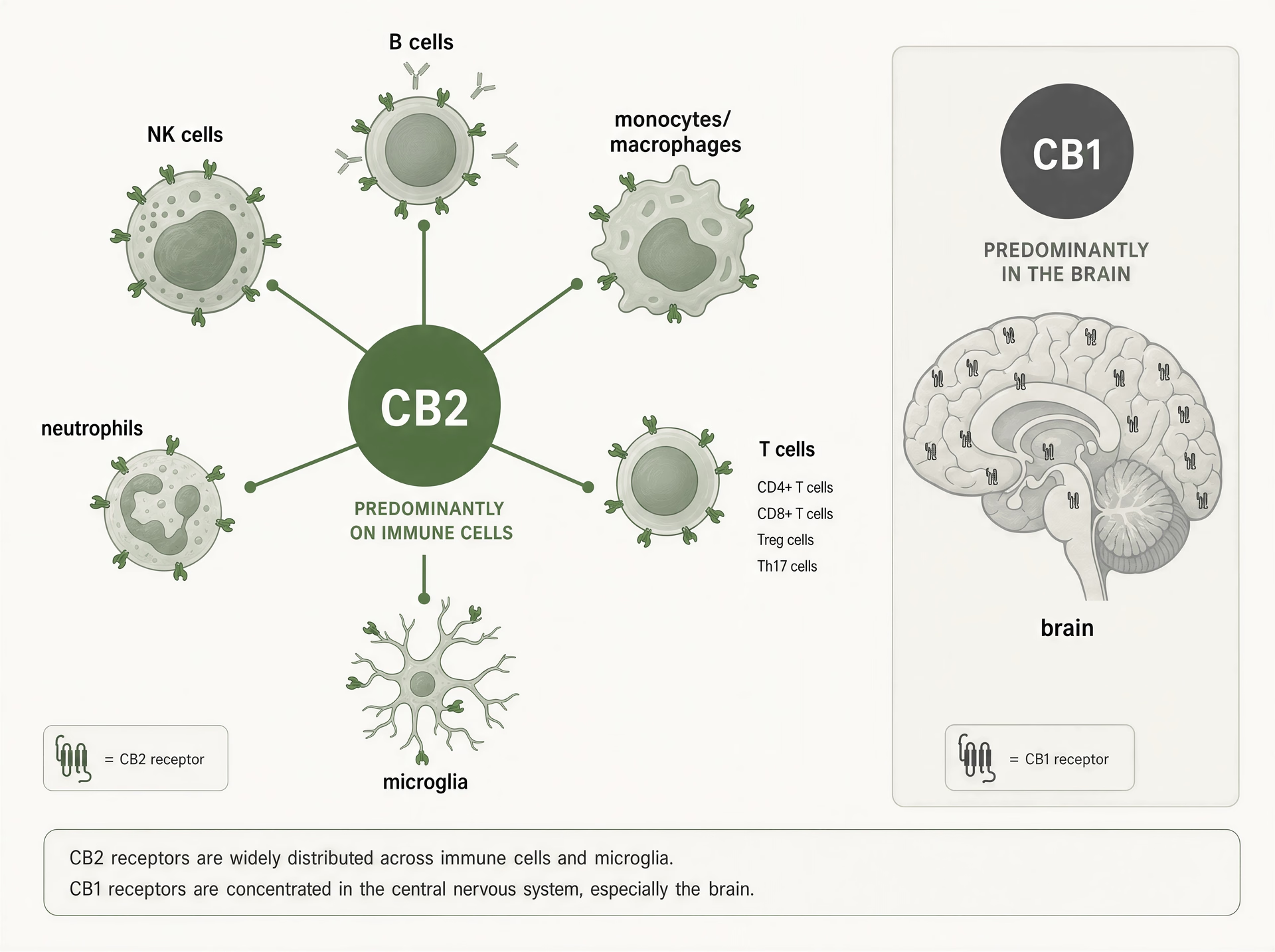
That matters because cannabis compounds do interact with immune biology. CB2 receptors are expressed mainly on immune cells and peripheral tissues rather than in the brain-dominant pattern seen with CB1. Turcotte, Blanchet, Laviolette and Flamand (2016) reviewed CB2 expression across B cells, NK cells, monocytes/macrophages, neutrophils, and T-cell subsets, with effects on cytokine release and cell migration. But receptor presence is not the same thing as clinical benefit. It tells you there is a plausible pathway. It does not tell you when suppressing that pathway helps, harms, or simply changes symptoms.
Two broad inflammation states
- Acute inflammation
- A short-lived defense response to infection, injury, or barrier damage, with vascular changes, leukocyte recruitment, cytokine release, and a normal goal of resolution and repair.
- Chronic inflammation
- A persistent or self-sustaining inflammatory state linked to autoimmunity, metabolic dysfunction, persistent irritants, altered barrier function, or dysregulated innate signaling.
Acute versus chronic inflammation
Acute inflammation is usually a normal defense program. Think infection, tissue injury, or a damaged mucosal barrier. Blood vessels dilate. Permeability changes. Neutrophils and monocytes are recruited. Cytokines and chemokines rise. Redness, heat, swelling, pain, and sometimes fever follow. Those signs are not proof the body is malfunctioning; they are often proof it is responding. The endpoint is supposed to be resolution and repair.
Chronic inflammation is different. It can persist after the original trigger is gone, or it can be maintained by autoimmunity, metabolic dysfunction, persistent irritants, altered barrier function, or dysregulated innate immune signaling. This is the terrain of rheumatoid arthritis, inflammatory bowel disease, atherosclerosis, obesity-related low-grade inflammation, and parts of neurodegeneration. Calling both states “inflammation” is correct but incomplete. Treating them as interchangeable is sloppy.
THC has stronger evidence for immunosuppressive action than many consumer articles admit. Limited evidence
This distinction is where cannabis coverage often fails. THC has stronger evidence for immunosuppressive action than many consumer articles admit. Klein (2005) laid out effects including suppression of T-cell and macrophage function, altered cytokine patterns, and, in some settings, apoptosis of activated immune cells. Cabral and Griffin-Thomas (2009) described similar cannabinoid-induced immunosuppressive pathways. If THC lowers IL-2, IFN-γ, or Th1-type responses, that may matter in an overactive inflammatory state. It may also impair host defense. Those two facts come together. You do not get to keep the anti-inflammatory language and hide the immunosuppression.[1] Cannabidiol, a non-psychoactive cannabinoid, leads to EGR2-dependent anti-inflammatory effects in activated microglial cells. Ewa Kozela, Maya Pietr, Ayelet Juknat, Miriam Rimmerman, Zvi Vogel. Journal of Neuroimmune Pharmacology, 2010.
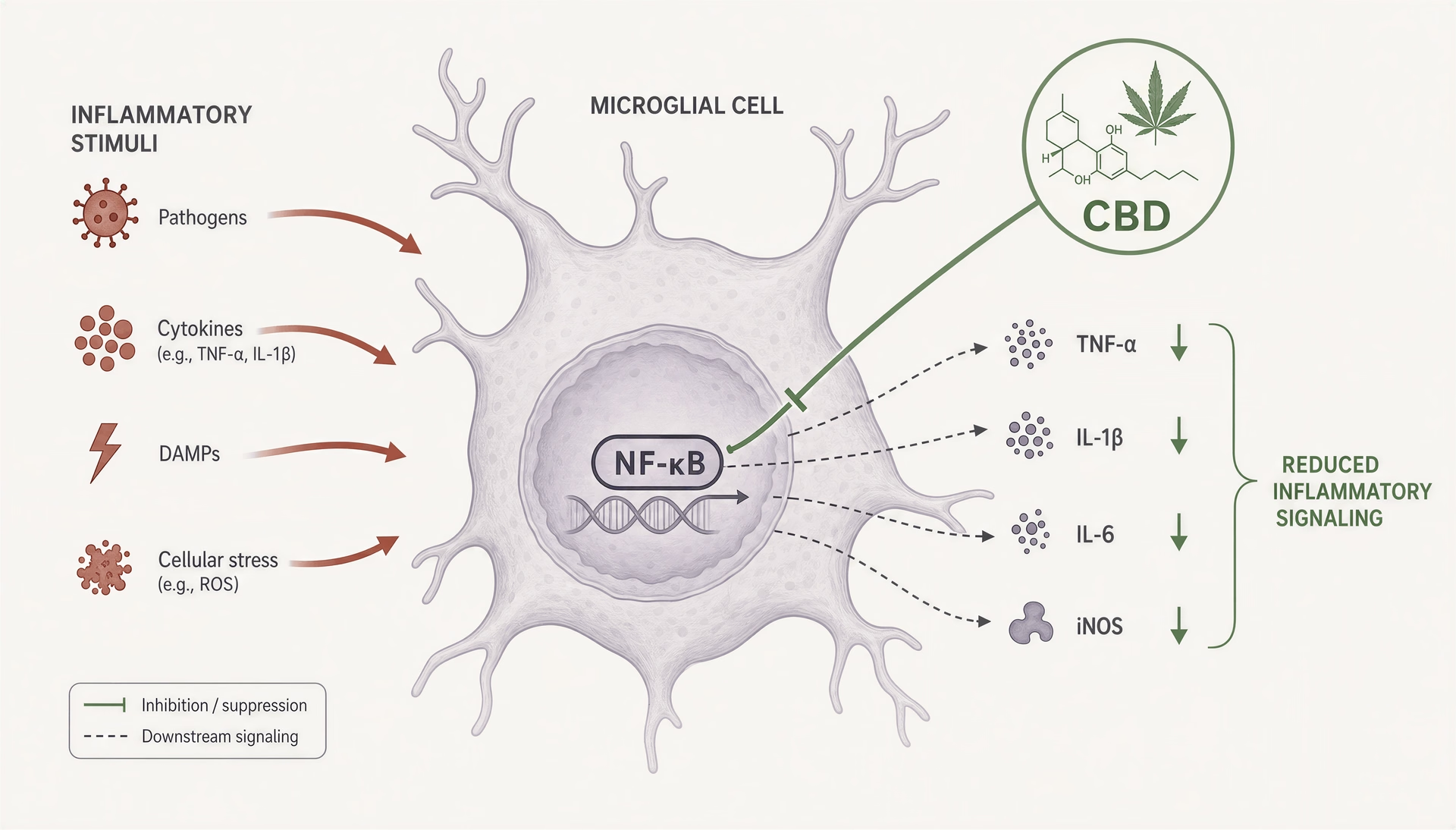
CBD is often presented more gently, but the same discipline is needed. Mechanistic studies do show anti-inflammatory signaling effects: inhibition of NF-κB, reductions in TNF-α, IL-1β, IL-6, iNOS, and modulation of COX-2/PGE2-related pathways. Kozela et al. (2010) showed that CBD inhibited LPS-induced NF-κB signaling in microglial cells. Atalay, Jarocka-Karpowicz and Skrzydlewska (2020) reviewed these antioxidant and anti-inflammatory mechanisms. Useful biology, yes. Still not proof that CBD broadly treats chronic inflammatory disease in humans.
| Inflammation context | Typical scale | Why cannabis evidence may not transfer cleanly |
|---|---|---|
| Swollen arthritic joint | Local tissue | Pain or sleep improvement does not prove reduced synovial damage |
| Obesity-related inflammatory tone | Systemic low-grade | Whole-body mediator changes may not match local symptom relief |
| Ulcerative colitis gut mucosa | Local barrier and immune surface | Symptom relief may occur without mucosal healing |
| Neuroinflammation | CNS-specific | Cell culture effects may not predict brain-region exposure or disease modification |
Localised versus systemic inflammation
Inflammation also differs by scale. A swollen arthritic joint is not the same problem as elevated systemic inflammatory tone in obesity or sepsis-like cytokine excess. Gut mucosal inflammation in ulcerative colitis is not the same as diffuse neuroinflammation or whole-body immune activation. Location changes the cells involved, the barrier biology, the relevant mediators, and what a meaningful treatment outcome looks like.
This is one reason preclinical findings do not transfer neatly. In murine colitis models, cannabinoids often reduce inflammatory markers and disease activity. Borrelli et al. (2009) found cannabidiol reduced intestinal inflammation in mice, with PPAR-γ-related mechanisms implicated. That is promising for gut inflammation specifically. Human evidence is much less clean. In Naftali et al.’s placebo-controlled Crohn’s disease trial (2013), 10 of 11 patients in the cannabis group had a clinical response versus 4 of 10 on placebo, yet remission differences were not definitive and inflammatory markers did not clearly show strong disease modification. In ulcerative colitis, Irving et al. (2018) randomized 60 patients to a CBD-rich extract trial, and the primary endpoint was not met in intention-to-treat analysis. Symptoms may improve more readily than inflammatory pathology.
The same problem appears in rheumatology and neurology. Blake et al. (2006) reported that 58 patients completed a randomized trial of a cannabis-based medicine in rheumatoid arthritis, with gains in pain on movement, pain at rest, and sleep. That is clinically relevant. It is not the same thing as proving suppression of synovial inflammatory damage. In multiple sclerosis, nabiximols has better support for spasticity relief than for direct anti-inflammatory neuroprotection. In Alzheimer’s models, cannabinoids can reduce gliosis and inflammatory mediators preclinically, as reviewed by Aso and Ferrer (2014), but translation remains uncertain.
Why symptom relief is not the same as anti-inflammatory action
This is the line cannabis articles blur most often. Less pain does not automatically mean less inflammation. Less spasticity does not automatically mean reduced immune attack. Better sleep does not demonstrate altered cytokine networks. A compound can change nociception, muscle tone, sedation, anxiety, or central pain processing while leaving the underlying inflammatory lesion largely intact.
That is why terpene claims need restraint too. Beta-caryophyllene is a real mechanistic finding, not marketing folklore: Gertsch et al. (2008) identified it as a selective CB2 agonist. Humulene and myrcene also show anti-inflammatory effects in animal or in vitro work. But a receptor target or rodent assay is not a shortcut to human clinical efficacy from inhaled or ingested cannabis products. The claim “this terpene profile is anti-inflammatory” usually outruns the evidence.
The corrective is simple and strict. Ask what kind of inflammation is being discussed, where it is occurring, whether the data are mechanistic, animal, or human, and whether outcomes measured tissue pathology or only symptoms. Without that, “anti-inflammatory” is often just a softer-sounding label for analgesic, antispasmodic, sedating, or immunosuppressive effects.
- Acute inflammation
- Often protective and repair-oriented
- Chronic inflammation
- Can become self-sustaining and damaging
- ECS role
- Modulates immune tone, migration, cytokine release, and survival signals
- Interpretation rule
- Receptor presence is a mechanism, not proof of patient benefit
The endocannabinoid system inside the immune system
Inflammation is not one thing. Acute inflammation helps contain infection and repair injury; chronic inflammation can become self-sustaining and damaging, contributing to autoimmune disease, atherosclerosis, metabolic disease, neurodegeneration, and inflammatory bowel disease. That distinction matters because the endocannabinoid system does not simply “turn inflammation off.” It modulates immune tone, cell migration, cytokine release, and survival signals in ways that may be helpful in some settings and harmful in others.
That is the first correction to many popular CBD claims. The second is receptor biology. If a cannabis-derived compound is said to be anti-inflammatory, the obvious question is: through which target, in which immune cells, and with what downstream effect? For many immune claims, CB2 matters more than CB1. But even that is only the start. A receptor on a cell surface is a mechanism, not proof of benefit in patients.

Where CB2 receptors are actually concentrated
CB1 is the receptor most people know because it is abundant in the central nervous system and explains much of THC’s psychoactive profile. CB2 has a different distribution. It is expressed predominantly in immune cells and peripheral tissues, which is why it sits at the center of cannabis-related inflammation claims. Reviews by Klein (2005), Cabral and Griffin-Thomas (2009), and Turcotte, Blanchet, Laviolette and Flamand (2016) all make the same broad point: among the canonical cannabinoid receptors, CB2 is the one most consistently tied to immune regulation.
That does not mean CB2 is exclusive to the immune system, or that CB1 is irrelevant there. Both receptors can appear in immune contexts, and expression can shift with activation state, tissue environment, and disease. Still, the density pattern matters. Turcotte et al. (2016) describe especially strong CB2 expression across several leukocyte populations, with B cells often showing particularly high levels, followed by natural killer cells, monocytes, neutrophils, and T-cell subsets. Microglia, the resident immune cells of the central nervous system, also express cannabinoid-responsive machinery and are central to neuroinflammation research.
Why does this matter for CBD and cannabis rhetoric? Because many “anti-inflammatory” claims are imported from a general idea that cannabinoids act everywhere in the same way. They do not. A compound that primarily engages CB1 will have a different physiological profile from one that affects CB2-biased immune signaling, and a compound that barely binds either receptor may still alter inflammation through other targets. CBD is the obvious example.
CB2 receptor A canonical cannabinoid receptor found mainly on immune cells and peripheral tissues, often discussed because it can affect cytokine release, cell migration, and other immune functions.
The CB2 story also helps explain why beta-caryophyllene gets more serious mechanistic attention than many terpenes. Gertsch et al. (2008) identified beta-caryophyllene as a selective CB2 agonist in PNAS, a rare case where a common cannabis-associated terpene was tied to a defined cannabinoid receptor target rather than a vague “entourage” idea. That is a real finding. It is not the same as showing that beta-caryophyllene-rich cannabis meaningfully treats inflammatory disease in humans.
Immune cells highlighted in the article
- B cells Often described as showing particularly high CB2 expression; they can alter antigen presentation and cytokine output.
- Natural killer cells Relevant because anti-inflammatory effects can overlap with weaker antiviral or antitumor surveillance.
- Monocytes/macrophages Major producers of TNF-α, IL-1β, IL-6, nitric oxide, prostaglandins, and chemokines.
- Neutrophils Fast responders in acute inflammation; altered migration may help sterile inflammation but may be harmful in infection.
- Activated T cells Important because THC-linked suppression of Th1-type cytokines can reduce immune competence.
- Microglia Resident CNS immune cells central to neuroinflammation and CBD microglial signaling studies.
Immune cells with relevant cannabinoid signaling
B cells are a good place to start because CB2 expression is often highest there. B cells are not just antibody factories; they also present antigen and shape immune signaling. Cannabinoid signaling in B cells may alter activation and cytokine output, but this has not translated into clear condition-specific treatment effects in humans.
Natural killer cells also express CB2 and respond to cannabinoid exposure in preclinical systems. Since NK cells are involved in antiviral and antitumor surveillance, any dampening of their activity raises an uncomfortable but necessary point: an anti-inflammatory effect can overlap with weaker host defense.
Monocytes and macrophages are central to inflammatory pathology. They produce TNF-α, IL-1β, IL-6, nitric oxide, prostaglandins, and a long list of chemokines. They also clear pathogens and debris. Cannabinoids can suppress macrophage activity in experimental models, sometimes reducing inflammatory mediator release, sometimes impairing immune function more broadly. Klein (2005) remains foundational here, describing THC-linked suppression of macrophage function and T-cell signaling. Cabral and Griffin-Thomas (2009) similarly detail cannabinoid-induced immunosuppression, not merely benign inflammation control.
Neutrophils matter because they are fast, destructive, and indispensable in acute inflammation. They migrate rapidly, release proteases and reactive oxygen species, and can damage tissue when poorly controlled. CB2-linked signaling has been associated with altered neutrophil migration and inflammatory recruitment in some models, which sounds attractive until the context changes from sterile inflammation to infection. Then blunting neutrophil response may be the wrong direction.
Activated T cells deserve special attention because THC’s immunology is stronger than many consumer articles admit. Preclinical work summarized by Klein (2005) found suppression of Th1-type cytokines, including IL-2 and IFN-γ, and in some settings apoptosis of activated T cells. That is not a soft wellness effect. It is immunosuppression. Depending on the disease state, that may reduce damaging inflammation or create infectious risk.
Microglia sit at the intersection of immunity and the brain. In neuroinflammatory models, CBD has shown interesting effects on microglial activation and inflammatory signaling. Kozela et al. (2010) reported that CBD inhibited LPS-induced NF-κB signaling in microglial cells in the Journal of Neuroimmune Pharmacology. That finding fits a broader preclinical literature in which CBD reduces pro-inflammatory mediators, oxidative stress signals, and inducible enzymes in activated immune-like cells. It is mechanistically important. It is not yet a demonstration that CBD changes the course of neurodegenerative disease in humans.
| Target or pathway | How the article frames it | Example relevance in the article |
|---|---|---|
| CB1 | More centered on neuronal signaling than leukocyte-rich immune biology | Neuroimmune and tissue-specific inflammatory effects can occur, but CB1 is secondary in many immune-cell claims |
| CB2 | Most consistently tied to immune regulation | Linked to cytokine release, chemotaxis, and immune-cell behavior |
| TRPV1 | Non-cannabinoid target modulated by CBD | May contribute to pain and inflammation effects |
| PPAR-γ | Nuclear receptor relevant to metabolic and inflammatory gene regulation | Linked to CBD effects in murine colitis |
| Adenosine signaling | Possible route for CBD to amplify anti-inflammatory signaling | Raised extracellular adenosine can increase A2A-mediated effects |
| GPR55 | Atypical cannabinoid-related receptor with unsettled literature | Part of CBD's broader signaling profile |
CB1, CB2 and non-cannabinoid targets in inflammation
CB2 gets most of the attention in immune discussions for good reason, but inflammation biology does not stop there. CB1 can influence inflammatory processes too, especially through neuroimmune interactions, peripheral nerves, and tissue-specific signaling. Yet for many claims about immune cells, CB1 is secondary to CB2 because its expression pattern is less centered on leukocytes and more tied to neuronal signaling.
THC has meaningful activity at CB1 and CB2, which is one reason its effects are difficult to reduce to a single label. In preclinical systems, THC can reduce inflammatory cytokines and immune-cell activation, but those effects are often inseparable from broader suppression of immune defense. That trade-off is real. It should be stated plainly.
NF-κB A transcription factor complex that helps switch on many inflammatory genes, including cytokines, inducible enzymes, and adhesion molecules.
CBD is even less compatible with simplistic receptor talk. It has low direct affinity for CB1 and CB2 compared with THC, yet it still shows anti-inflammatory actions in cell and animal studies. That points to non-cannabinoid targets. Among the most discussed are TRPV1, PPAR-γ, adenosine signaling, and GPR55.
TRPV1, a cation channel involved in nociception and inflammatory signaling, can be modulated by CBD and may contribute to both pain and inflammation effects. PPAR-γ, a nuclear receptor involved in metabolic and inflammatory gene regulation, is relevant to gut and immune biology; Borrelli et al. (2009) linked CBD’s effects in murine colitis to PPAR-γ-related mechanisms in the Journal of Molecular Medicine. Adenosine signaling is another plausible route. CBD appears to raise extracellular adenosine availability by affecting its uptake, which can amplify A2A receptor-mediated anti-inflammatory signaling in some contexts. GPR55, often discussed as an atypical cannabinoid-related receptor, may also be part of CBD’s profile, though the literature is still unsettled.
These non-CB1/non-CB2 pathways help explain why CBD can inhibit NF-κB signaling and reduce mediators such as TNF-α, IL-1β, IL-6, iNOS, and sometimes COX-2/PGE2 in experimental systems, as reviewed by Atalay, Jarocka-Karpowicz and Skrzydlewska (2020). They also explain why it is a mistake to treat all cannabinoids as interchangeable. A CB2 agonist, a weak CB receptor binder with broad signaling effects, and a mixed CB1/CB2 agonist are not doing the same thing.
The evidence hierarchy matters here. Receptor presence is necessary for many mechanistic claims, but it is not sufficient evidence of therapeutic benefit. A cell culture finding may show reduced cytokine release after receptor activation. That does not answer whether a patient’s tissue inflammation improves, whether symptoms are merely masked, what dose is required, or whether infection risk rises at the same time. This gap between mechanism and medicine is where many cannabis inflammation claims fail.
That gap matters because exposure is not niche. UNODC estimated that 228 million people used cannabis in the past year worldwide in 2022, reported in the 2024 World Drug Report. In the United States, SAMHSA reported an estimated 61.8 million past-year marijuana users aged 12 or older in 2023. When immunologic claims are circulating at that scale, precision matters. The endocannabinoid system inside the immune system is real biology. The leap from receptor map to reliable anti-inflammatory therapy is much harder, and the current human evidence still does not justify treating CBD, THC, or terpene-rich cannabis as generic inflammation solutions.
References: Klein 2005; Cabral and Griffin-Thomas 2009; Turcotte et al. 2016; Gertsch et al. 2008; Kozela et al. 2010; Borrelli et al. 2009; Atalay et al. 2020; UNODC 2024; SAMHSA 2023.
THC: anti-inflammatory in one sense, immunosuppressive in another
THC has a stronger claim to real immune-modifying biology than many cannabinoids. That does not make it a simple “anti-inflammatory.” In immunology terms, the cleaner description is often immunosuppressive with anti-inflammatory consequences.
That distinction matters. Inflammation can be harmful when it is chronic, misdirected, or tissue-destructive. It can also be protective, especially during infection or after injury. If a compound lowers inflammatory mediators by dampening T-cell activation, blunting macrophage function, or pushing activated immune cells toward death, that is not a general wellness effect. It is a shift in host defense. The older mechanistic literature on THC makes this point quite clearly. Klein (2005) in Nature Reviews Immunology and Cabral and Griffin-Thomas (2009) in Expert Review of Molecular Medicine both describe THC as capable of suppressing multiple arms of immune function, not merely “soothing inflammation” in some vague sense. Turcotte et al. (2016) also review the relevance of CB2-rich immune cell populations to these effects.
Cytokine suppression and T-cell signaling
THC suppresses cytokines such as IL-2, IFN-γ, and TNF-α in preclinical immune models. Strong evidence
One of the most consistent preclinical findings is that THC suppresses pro-inflammatory cytokines associated with Th1-type immune responses. The recurring names are IL-2, IFN-γ, and TNF-α. These are not minor markers. IL-2 is central to T-cell proliferation and activation. IFN-γ helps coordinate cell-mediated immunity against intracellular pathogens and shapes macrophage activation. TNF-α is a major inflammatory cytokine with broad downstream effects on leukocyte recruitment, vascular activation, and tissue injury.
THC can reduce production of these mediators in activated immune cells, especially in preclinical systems. Klein (2005) summarized evidence that cannabinoids suppress T-cell receptor signaling and reduce IL-2 and IFN-γ production. That matters because IL-2 is tightly tied to clonal expansion of activated T cells. If IL-2 falls, T-cell responses do not simply become calmer; they may become weaker. Cabral and Griffin-Thomas (2009) describe similar findings across T cells, macrophages, and antigen-presenting cells, placing THC within a broader pattern of cannabinoid-induced immune downregulation.
A receptor-level explanation helps. CB2 receptors are expressed mainly on immune cells rather than the central nervous system, with distribution across B cells, NK cells, monocytes/macrophages, neutrophils, and some T-cell subsets; Turcotte et al. (2016) review this in detail. THC is not a selective CB2 ligand, but CB2 signaling is still relevant to its peripheral immune effects. Activation of cannabinoid-sensitive pathways can reduce cytokine release, alter chemotaxis, and shift immune-cell behavior away from aggressive inflammatory responses.
Macrophages and dendritic cells are part of this story, not a side note. THC has been reported to impair macrophage effector functions, including cytokine secretion and antigen-presenting activity, in multiple experimental models reviewed by Klein (2005). Dendritic-cell maturation and function can also be altered, which has important consequences upstream of T-cell activation. If antigen presentation is blunted, later T-cell responses may be weaker or qualitatively different. This is why THC’s anti-inflammatory reputation should not be detached from basic immunology: lowering inflammatory output often begins by making immune cells less responsive to threats.
There is also evidence that THC can skew cytokine patterns away from Th1-dominant responses and toward less inflammatory profiles in some settings. That may sound attractive in autoimmune or hyperinflammatory states. But the same shift can be unhelpful when a strong cell-mediated immune response is needed. “Anti-inflammatory” and “reduced immune competence” can describe the same mechanism from two different angles.
T-cell apoptosis and broader immune effects
The sharper edge of THC immunology appears in the apoptosis literature. Preclinical work has shown that THC can induce apoptosis, especially in activated immune cells. Klein (2005) highlighted this as one of the more important mechanisms behind cannabinoid immunosuppression. Activated T cells appear particularly susceptible in some models. That is not a cosmetic effect on inflammation markers. It is active contraction of the immune response by promoting death of cells that are participating in it.
This helps explain why THC stands out among cannabinoids. Many compounds are discussed as anti-inflammatory because they affect signaling pathways in vitro. THC has a stronger record of doing something more consequential: suppressing immune-cell activation, reducing inflammatory cytokine output, and in some settings eliminating activated immune cells through apoptosis. That combination is much closer to genuine immunosuppression than to the broad, market-friendly way “anti-inflammatory” is usually used.
The broader immune effects extend beyond T cells. Macrophage phagocytic function can be impaired. Dendritic-cell behavior can change in ways that reduce antigen presentation and T-cell priming. Natural killer cell activity may also be affected, according to the immune-cell distribution and functional data reviewed by Turcotte et al. (2016) and earlier cannabinoid immunology reviews. Again, the theme is consistent: THC does not target inflammation in isolation. It influences the cells that create, regulate, and resolve immune responses.
That is why preclinical findings should not be overinterpreted as disease benefit. If a mouse model of autoimmune inflammation improves after THC exposure, one plausible explanation is true immune suppression. Sometimes that may be desirable. Sometimes it may simply mean the host is less able to mount a damaging response because it is less able to mount a response at all. Those are not identical outcomes clinically.
This is also where articles often flatten an important distinction. Symptom relief from cannabis does not prove reduced tissue inflammation. Analgesia, sedation, appetite effects, and altered pain perception can all improve how someone feels without changing the underlying inflammatory process. THC’s preclinical immunology is real, but translating it into meaningful, safe disease modification in humans is much harder than repeating cytokine data from cell culture.
What the immunosuppressive trade-off means clinically
The corrective point is straightforward: the same mechanisms that make THC look anti-inflammatory can be liabilities in people who are vulnerable to infection or already have impaired immunity.
If THC lowers IL-2, IFN-γ, and TNF-α, suppresses macrophage and dendritic-cell function, and promotes apoptosis in activated T cells, host defense may be weakened under at least some conditions. Klein (2005) made this concern explicit. So did Cabral and Griffin-Thomas (2009). These papers do not present THC as a neatly targeted anti-inflammatory agent. They present it as a modulator that can suppress protective immunity along with pathological inflammation.
That trade-off matters most in infection-prone, elderly, frail, or immunocompromised populations. In an older adult with multimorbidity, a transplant recipient, a patient on other immunosuppressants, or someone with recurrent infections, immune dampening is not automatically beneficial. The same applies in settings where cell-mediated immunity is especially important. A compound that tones down inflammatory signaling may also reduce pathogen clearance or blunt vaccine-relevant immune responses, even if the exact clinical magnitude varies by exposure pattern, dose, route, and patient characteristics.
The scale of exposure makes this more than a theoretical issue. Cannabis use is common: UNODC estimated about 228 million past-year users globally in 2022, reported in the 2024 World Drug Report; the 2024 European Drug Report estimated 22.8 million last-year users among EU adults aged 15–64; and SAMHSA reported an estimated 61.8 million past-year marijuana users aged 12 or older in the United States in 2023. When a substance with plausible immunosuppressive effects is used this widely, sloppy “anti-inflammatory” messaging stops being a minor error.
None of this means THC has no therapeutic value in inflammatory disease. It means mechanism should be described honestly. In disorders driven by pathological immune activation, some degree of immune suppression may be useful. But the evidence base for disease-specific human benefit is uneven, and the risk-benefit balance is not the same across populations. A person with autoimmune pain symptoms is not immunologically equivalent to a person with recurrent respiratory infections or advanced age-related immune decline.
So the strongest defensible claim is also the least glamorous one: THC has credible preclinical biology for suppressing immune signaling. That is exactly why it should not be casually described as generically anti-inflammatory. In THC’s case, the anti-inflammatory effect often comes from a broader immunosuppressive action. Sometimes that may help. Sometimes it is the problem.
CBD's anti-inflammatory pathways are plausible, but the clinical story is thinner than the marketing
CBD has enough anti-inflammatory biology behind it to sound convincing. That is why the claim persists. But “has plausible mechanisms” and “has established clinical efficacy” are not the same sentence, and too much cannabis coverage acts as if they are.
A first correction: inflammation is not one thing. Acute inflammation can be protective, local, and self-limited. Chronic inflammation can be systemic, tissue-damaging, and tied to diseases as different as inflammatory bowel disease, rheumatoid arthritis, atherosclerosis, and neurodegeneration. A compound that dampens inflammatory signaling in a dish, or even in a rodent model, has not yet proven that it changes the course of any one of those human conditions.
CBD also does not fit neatly into the simple cannabinoid story often used in consumer writing. Unlike THC, whose immunologic effects are tied more clearly to cannabinoid receptor biology and can shade into frank immunosuppression, CBD is pharmacologically promiscuous. It interacts weakly with CB1 and CB2 in the classic agonist sense and is often discussed instead through a wider network of targets and signaling effects, including TRP channels, PPAR-gamma, adenosine signaling, serotonin-related actions, redox pathways, and transcription factors linked to inflammatory gene expression. That makes the mechanistic literature interesting. It also makes simplistic claims less defensible.

NF-kB signaling and microglial models
One of the most cited CBD anti-inflammatory pathways is inhibition of NF-kB, a transcription factor complex that helps drive the expression of inflammatory genes. When NF-kB is activated, cells can ramp up production of TNF-alpha, IL-1beta, IL-6, inducible nitric oxide synthase (iNOS), adhesion molecules, and other mediators that sustain inflammatory cascades. So if a compound suppresses NF-kB signaling, that is a plausible anti-inflammatory mechanism.
Kozela et al. (2010) provided one of the better-known examples in a neuroimmune context. In LPS-stimulated microglial cells, CBD reduced inflammatory signaling and inhibited pathways linked to NF-kB activation, while shifting the cells away from a more damaging pro-inflammatory profile (Kozela et al., Journal of Neuroimmune Pharmacology, 2010). That matters because microglia are the resident immune cells of the central nervous system, and exaggerated microglial activation is one of the stock features of neuroinflammation models.
The pattern repeats across preclinical studies. CBD often lowers TNF-alpha, IL-1beta, and IL-6 output in activated immune or glial cells. It can reduce iNOS expression and nitric oxide production. Reviews such as Atalay, Jarocka-Karpowicz, and Skrzydlewska (2020) map these effects across oxidative and inflammatory pathways and argue that CBD has both anti-inflammatory and antioxidant activity in experimental systems (Antioxidants, 2020).
That is biologically credible. It is not fake science. But the jump from “CBD reduced inflammatory mediators in activated microglia” to “CBD treats neuroinflammatory disease in humans” is still a jump.
The same caution applies outside the brain. In mouse colitis models, cannabidiol has shown anti-inflammatory effects in intestinal tissue. Borrelli et al. (2009) reported that CBD reduced colon injury and inflammatory changes in experimental colitis, with PPAR-gamma-related mechanisms proposed as part of the explanation (Journal of Molecular Medicine, 2009). Again: strong mechanistic interest, weak clinical finality.
CBD pathway themes named in the article
- Cytokine modulation Lower TNF-alpha, IL-1beta, and IL-6 in many activated-cell models.
- NF-kB inhibition A plausible route for broad reduction in inflammatory gene expression.
- iNOS reduction Can lower nitric oxide production in activated immune-like cells.
- COX-2/PGE2 effects May change prostaglandin-related signaling involved in pain and vascular responses.
- Oxidative-stress control Includes reduced lipid peroxidation and altered redox signaling in preclinical systems.
COX-2, prostaglandins and oxidative stress pathways
CBD’s anti-inflammatory story is not only about cytokines and NF-kB. Another recurring theme is modulation of COX-2-related signaling, prostaglandin production, and oxidative stress.
COX-2 is an inducible enzyme involved in converting arachidonic acid into prostaglandins, including PGE2, which can amplify pain, vascular changes, fever, and inflammatory signaling depending on context. In several experimental systems, CBD has been reported to reduce COX-2 expression or downstream prostaglandin-related activity. The exact direction and magnitude can vary by cell type, dose, timing, and model, which is one reason the literature should not be reduced to a slogan. Still, possible COX-2/PGE2 modulation is a legitimate part of the mechanistic case for CBD.
Oxidative stress is another major lane. In inflamed tissue, reactive oxygen species can worsen cellular injury and feed back into inflammatory transcription programs. CBD has been studied as an antioxidant as well as an inflammatory modulator, with reports of reduced lipid peroxidation, altered redox balance, and suppression of oxidative injury signals in preclinical models. Atalay et al. (2020) review this literature in detail, linking CBD to lower oxidative stress markers alongside reduced inflammatory mediator production.
This matters because inflammatory damage is often not driven by a single pathway. Cytokines, prostaglandins, nitric oxide, mitochondrial stress, and transcriptional changes can reinforce each other. CBD’s appeal comes partly from touching several of these nodes at once.
Yet that same breadth is a double-edged sword. A pharmacologically promiscuous compound can look impressive in mechanistic diagrams because it appears to do many things in many systems. But compounds that “do many things” in vitro often fail to produce clear, reproducible disease-level outcomes in humans. Multi-target action is not proof of clinical usefulness. Sometimes it is just complexity.
Why cell and rodent data do not settle human efficacy
This is where the marketing story usually outruns the evidence. CBD is widely sold to the public as if anti-inflammatory efficacy were already settled. It is not.
Cell studies are useful for identifying pathways. They are bad at predicting what happens when a human being with a real disease takes an oral product with variable absorption, metabolism, tissue distribution, and dose exposure. Rodent studies go a step further, but they still do not erase the translational gap. Mouse colitis is not Crohn’s disease. LPS-stimulated microglia are not Alzheimer’s disease. Reduced cytokine output in a laboratory model is not the same thing as preventing joint erosion, healing bowel mucosa, or slowing neurodegeneration.
Human evidence remains patchy and often disappointing once the endpoint becomes harder than symptom relief. In inflammatory bowel disease, preclinical enthusiasm has not translated cleanly into disease modification. Naftali et al. (2013) found that in a placebo-controlled Crohn’s disease trial using inhaled cannabis, 10 of 11 patients in the cannabis group had a clinical response versus 4 of 10 on placebo, and remission occurred in 5 of 11 versus 1 of 10 (Clinical Gastroenterology and Hepatology, 2013). Those numbers sound dramatic, but the study was small, involved THC-containing cannabis rather than purified CBD, and did not clearly establish anti-inflammatory biomarker improvement. Symptom benefit may have exceeded any direct reduction in intestinal inflammation.
The CBD-specific ulcerative colitis evidence is even less convincing. Irving et al. (2018) randomized 60 patients to a CBD-rich botanical extract or placebo; the primary endpoint was not met in the intention-to-treat analysis, and tolerability was an issue for some participants (Journal of Crohn’s and Colitis, 2018). That is the kind of result that rarely makes it into broad “CBD fights inflammation” messaging.
Arthritis shows the same pattern. Public interest is high. The Arthritis Foundation reported in 2019 that among 2,600 respondents, 79% were currently using, had used, or were considering CBD, and 29% were currently using it for arthritis symptoms. That measures demand, not efficacy. The often-cited Blake et al. (2006) rheumatoid arthritis trial involved 58 patients and used a THC/CBD extract, not CBD alone; it found improvements in pain on movement, pain at rest, and sleep quality over five weeks (Rheumatology, 2006). Useful signal, yes. Definitive evidence that CBD suppresses rheumatoid inflammatory pathology in humans, no.
Neuroinflammation is even more vulnerable to exaggeration. CBD can reduce microglial activation and inflammatory mediators in preclinical models, and reviews such as Aso and Ferrer (2014) describe encouraging findings in Alzheimer’s-related animal work. But symptom control, sedation, anxiolysis, or spasticity relief should not be mislabeled as proof of anti-inflammatory neuroprotection in humans. Those are different claims.
CBD has plausible anti-inflammatory pathways, but established disease-level benefit across inflammatory disorders has not been shown. Limited evidence
So the right position is straightforward: CBD has plausible anti-inflammatory pathways, including NF-kB inhibition, reduced TNF-alpha, IL-1beta, IL-6 and iNOS signaling, antioxidant effects, and possible COX-2/PGE2 modulation. That is enough to justify serious research. It is not enough to claim established disease-level benefit across inflammatory disorders. Until larger, better human trials show otherwise, “anti-inflammatory” should be treated as a mechanistic description with selective preclinical support, not a settled clinical verdict.
References: Kozela et al., 2010; Atalay et al., 2020; Borrelli et al., 2009; Naftali et al., 2013; Irving et al., 2018; Blake et al., 2006; Aso and Ferrer, 2014.
| Terpene | Mechanistic basis described | Evidence level in the article | Main caution |
|---|---|---|---|
| Beta-caryophyllene | Selective CB2 agonist | Strongest terpene-level mechanistic rationale | Defined receptor binding does not prove human efficacy from whole-plant products |
| Humulene | Anti-inflammatory and anti-allergic effects in airway and other animal models | Preclinical | Purified-model dosing does not map neatly to inhaled cannabis exposure |
| Myrcene | Possible prostaglandin-related and analgesic effects in animal work | Preclinical and indirect | Pain effects should not be mistaken for reliable reduction in human tissue inflammation |
Beta-caryophyllene, humulene and myrcene: the terpene claims that have some basis and the ones that outrun the data
Terpenes are often cast as the hidden engine behind cannabis “anti-inflammatory” effects. That claim is too broad to survive contact with the literature. Some terpene stories have a real mechanistic foothold. Others rest on rodent or cell data that are repeatedly stretched into claims about human cannabis use without asking the obvious questions: at what dose, by what route, in what tissue, and with what measured inflammatory endpoint?
That matters because inflammation is not one thing. Acute local inflammation after injury is not the same as chronic systemic inflammation in metabolic disease, autoimmune disease, or neurodegeneration. A terpene that shifts one cytokine in a mouse paw-edema model has not thereby become a general anti-inflammatory agent in humans. The strongest terpene case in cannabis is beta-caryophyllene, and the reason is simple: it has a defined receptor target tied to immune biology. Humulene and myrcene have interesting preclinical signals, but the evidence gets thinner fast once people start inferring effects from terpene labels on whole-plant products.
Beta-caryophyllene as a selective CB2 agonist[4] Beta-caryophyllene is a dietary cannabinoid. Jürg Gertsch, Maria Leonti, Samuel Raduner, Irene Racz, Jian-Zhong Chen, Xiaohong Xie, Katalin Altmann, Marco Karsak, Andreas Zimmer. Proceedings of the National Academy of Sciences, 2008.
Beta-caryophyllene is the terpene anti-inflammatory claim with the cleanest mechanistic basis. Gertsch et al. (2008) identified beta-caryophyllene as a selective agonist at the CB2 receptor in Proceedings of the National Academy of Sciences. That finding mattered because CB2 is heavily associated with immune-cell signaling rather than classic intoxicating central nervous system effects. Reviews by Turcotte et al. (2016) describe CB2 expression across B cells, NK cells, monocytes/macrophages, neutrophils, and T-cell subsets, with downstream effects on cytokine production and immune-cell migration. In plain terms, beta-caryophyllene is not just “a terpene that might do something.” It binds a receptor that immunologists already care about.
That gives it a status humulene and myrcene do not quite match. If a compound is a selective CB2 agonist, anti-inflammatory effects are at least biologically plausible in a way that can be traced from receptor to cell behavior. Fernandes et al. (2007) reported that oral beta-caryophyllene reduced inflammatory responses in rodent models, adding in vivo support before the receptor story was fully popularized. Later work has continued to suggest that beta-caryophyllene can reduce inflammatory mediators and tissue injury in animal models.
Still, this is where terpene marketing usually outruns the data. Selective CB2 agonism is not the same as proven clinical efficacy from inhaling cannabis flower or consuming a mixed extract. The dose used in receptor assays or purified-compound animal studies may be much higher, more controlled, and pharmacokinetically different from what a person gets from a given cannabis product. Combustion, vaporization temperature, oral absorption, metabolism, and matrix effects all change exposure. So the defensible statement is narrow: beta-caryophyllene has one of the strongest terpene-level mechanistic anti-inflammatory rationales in cannabis science. The indefensible leap is claiming that any beta-caryophyllene-rich cannabis product will produce a meaningful anti-inflammatory effect in humans.
There is also a conceptual trap here. CB2-linked immunomodulation may be useful in some inflammatory settings, but immune dampening is not automatically beneficial. The broader cannabinoid literature, especially around THC, shows that anti-inflammatory action can overlap with immunosuppression, with possible trade-offs for host defense (Klein, 2005; Cabral and Griffin-Thomas, 2009). Beta-caryophyllene is not THC, but receptor-level immune effects should not be romanticized as consequence-free.
Humulene in airway and inflammatory models
Alpha-humulene has a respectable preclinical record, especially in airway and allergic inflammation models. Rogerio et al. (2009) reported that humulene reduced eosinophil recruitment and inflammatory markers in experimental allergic airway inflammation, findings that helped establish it as more than a flavor molecule. Other animal work has suggested reductions in edema, leukocyte infiltration, and pro-inflammatory signaling. That is enough to say humulene has anti-inflammatory activity in preclinical systems.
But the route and context matter. Airway inflammation models often use purified humulene, controlled dosing, and experimental timing designed to detect pharmacologic effects. That does not map neatly onto exposure from smoking or vaporizing cannabis, where terpene delivery is inconsistent and thermal degradation may alter what actually reaches the lungs. Nor does it tell us that humulene-rich cannabis changes clinically relevant inflammation in asthma, chronic obstructive lung disease, inflammatory bowel disease, or rheumatoid arthritis. Those are separate questions. They remain largely unanswered.
This gap is common in cannabis writing: a terpene lowers inflammatory cell influx in a mouse airway model, and the result is presented as if it validates broad claims about “anti-inflammatory strains.” It does not. At most, humulene deserves to be described as a terpene with preclinical anti-inflammatory and anti-allergic signals, particularly in airway-related experiments. That is a fair reading of the data. Saying humulene meaningfully drives the anti-inflammatory profile of inhaled cannabis in humans is not.
There is another reason for restraint. In whole cannabis, humulene is arriving alongside cannabinoids that may dominate the biologic effect. THC has documented immunosuppressive actions, including effects on T cells, macrophages, and cytokines (Klein, 2005). CBD can modulate NF-kB and inflammatory mediators in model systems (Kozela et al., 2010; Atalay et al., 2020). A terpene signal inside that mixture may exist, but proving its independent contribution is much harder than terpene-forward narratives imply.
Myrcene, prostaglandins and the limits of terpene inference
Myrcene is probably the terpene most often overinterpreted. It has preclinical anti-inflammatory and antinociceptive literature behind it, including data suggesting effects on prostaglandin-related pathways and nociception. Lorenzetti et al. (1991) found myrcene showed peripheral analgesic activity in mice, and subsequent discussions of myrcene have linked its actions to reduced inflammatory mediator signaling, including possible prostaglandin involvement. That gives myrcene a plausible place in the anti-inflammatory conversation.
Plausible is not proven. The evidence is still mostly indirect, early-stage, or detached from real-world cannabis exposure. A reduction in prostaglandin-linked responses after administration of isolated myrcene in an animal model does not mean that a myrcene-heavy cannabis chemovar will reduce human tissue inflammation. It may affect pain perception more than inflammatory disease activity. Those are not the same endpoint. This confusion shows up all over cannabis medicine: symptom relief gets mistaken for disease modification.
Myrcene also illustrates the dose problem especially well. Experimental studies often use purified myrcene in quantities that may exceed what users obtain through routine inhalation or oral use of cannabis. Even if the terpene is present in flower, the delivered dose can be small and variable. Storage conditions change terpene content. Heating changes terpene composition. Oral ingestion adds first-pass metabolism. Once those variables enter the picture, confident terpene-level predictions become shaky.
So myrcene should be discussed carefully. It has some preclinical support for anti-inflammatory and analgesic effects, possibly involving prostaglandin pathways. That is real. What is not real is the common certainty that myrcene-rich cannabis will reliably behave as an anti-inflammatory intervention in humans. No solid clinical dataset supports that claim.
Taken together, these three terpenes do not support the idea that “terpenes drive everything.” They support a narrower conclusion. Beta-caryophyllene has the most defensible anti-inflammatory story because it has a defined CB2 receptor target and supporting animal data (Gertsch et al., 2008; Fernandes et al., 2007). Humulene and myrcene have genuine preclinical signals, but those signals are still a long way from condition-specific human proof. The responsible reading is not that terpene science is empty. It is that terpene science is often asked to carry claims far beyond what the experiments actually showed.
Inflammatory bowel disease: one of the stronger preclinical signals, one of the murkier clinical translations
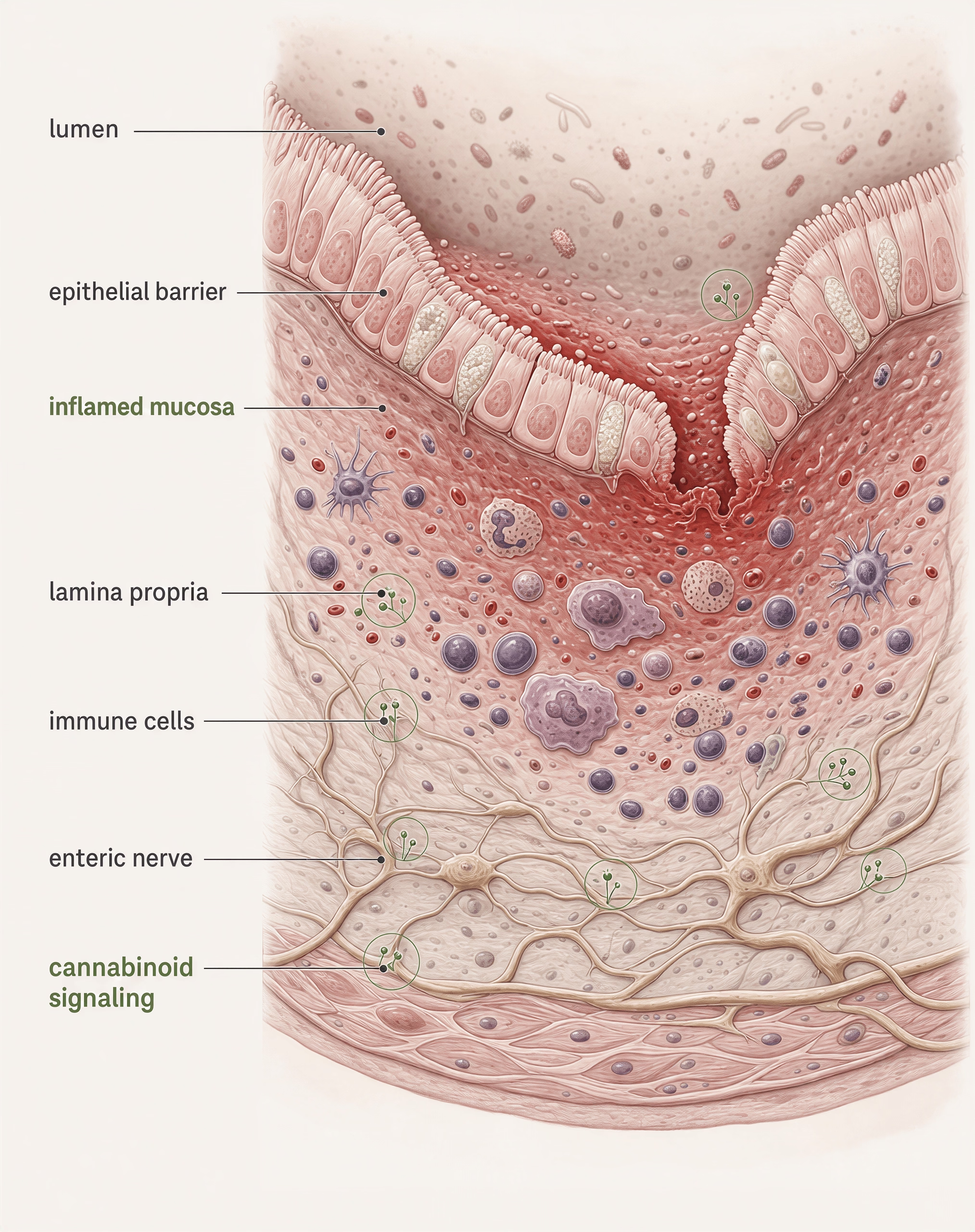
Inflammatory bowel disease is one of the few areas where cannabinoid biology makes immediate mechanistic sense. The gut is not just a digestive tube; it is an immune organ, a barrier surface, and a densely innervated signaling network. Barrier dysfunction, exaggerated mucosal immune activation, altered motility, visceral pain, and dysregulated enteric neurotransmission all matter in Crohn’s disease and ulcerative colitis. The endocannabinoid system touches each of those domains.
That is why IBD often looks promising in animal work. It is also why the human literature can mislead. A cannabinoid can reduce abdominal pain, improve appetite, slow motility, or blunt nausea without proving that it has controlled intestinal inflammation. In IBD, that distinction matters. Symptom relief is valuable, but gastroenterologists also care about steroid sparing, biomarker improvement, endoscopic healing, and reduced long-term bowel damage.

Colitis models and the gut endocannabinoid system
The biological plausibility starts with receptor distribution and function. CB2 receptors are concentrated on immune cells and peripheral tissues rather than the central nervous system, which makes them relevant to mucosal inflammation and leukocyte behavior. Turcotte, Blanchet, Laviolette, and Flamand (2016) reviewed CB2 expression across B cells, NK cells, monocytes/macrophages, neutrophils, and T-cell subsets, along with effects on cytokine production and cell migration. In the gut, cannabinoid signaling also intersects with epithelial permeability, enteric neuron signaling, and inflammatory mediator release. That combination is exactly what makes IBD an appealing target.
Animal colitis models repeatedly show that boosting cannabinoid signaling can dampen disease activity. The details vary by model and compound, but the pattern is consistent enough to take seriously. In chemically induced colitis, cannabinoids and endocannabinoid-modulating interventions have been reported to reduce macroscopic damage, inflammatory infiltrates, and cytokine output. Some studies point toward CB1-mediated effects on motility and visceral signaling; others emphasize CB2-linked immune regulation. There is no single “cannabis mechanism” here. There are several.
One of the most cited CBD papers is Borrelli et al. (2009) in Journal of Molecular Medicine. In murine colitis, cannabidiol reduced intestinal inflammation, colonic damage, and reactive oxygen species formation. The authors linked at least part of the effect to PPAR-gamma-related signaling rather than a simple direct CB1 or CB2 story. That is important because CBD is often presented as if it works through the same receptor logic as THC. It does not. Its pharmacology is wider and messier, involving inflammatory signaling pathways such as NF-κB, oxidative stress pathways, and non-cannabinoid targets. Reviews by Kozela et al. (2010) and Atalay, Jarocka-Karpowicz, and Skrzydlewska (2020) support that broader anti-inflammatory framing, including reduced TNF-alpha, IL-1beta, IL-6, iNOS, and related mediators in experimental systems.
There is also a gut-specific reason preclinical findings can look strong: the intestine is highly responsive to changes in barrier integrity and local immune tone. If a compound reduces epithelial leakiness, decreases pro-inflammatory cytokines, and alters enteric neural signaling, disease scores in mice can improve quickly. But murine colitis is not human IBD. It is usually acute, induced, and shorter in duration. Human Crohn’s disease and ulcerative colitis are chronic, heterogeneous, treatment-modified conditions shaped by genetics, microbiota, prior damage, and fluctuating immune set points. Translation was never going to be automatic.
| Trial detail from article | Cannabis group | Placebo group | Interpretation given in article |
|---|---|---|---|
| Clinical response | 10 of 11 | 4 of 10 | Clear symptom signal in a very small study |
| Complete remission | 5 of 11 | 1 of 10 | Not enough to establish firm disease modification |
| Inflammatory marker improvement | Not clearly established | Not clearly established | Symptoms may have improved more than bowel inflammation |
Crohn's disease trials: symptom response versus inflammation control
The Crohn’s disease literature is where the optimism started to outrun the data. The best-known trial is Naftali et al. (2013) in Clinical Gastroenterology and Hepatology, a placebo-controlled study of inhaled cannabis in patients with Crohn’s disease who had not responded to standard therapy. The headline result was striking: 10 of 11 patients in the cannabis group had a clinical response, compared with 4 of 10 in the placebo group. Complete remission occurred in 5 of 11 versus 1 of 10. For a condition with substantial symptom burden, those numbers naturally drew attention.
But the trial was small, and the outcome story is less clean than many retellings suggest. The remission difference did not establish a firm disease-modifying effect, and inflammatory markers did not show clear parallel improvement. That is the central problem in this field. A patient can feel better because THC changes pain perception, appetite, sleep, nausea, and bowel urgency. None of that proves reduced transmural inflammation or mucosal healing.
This matters more in Crohn’s disease than many non-specialists realize. Crohn’s can smolder. Patients may report less pain while inflammatory injury continues, which is one reason modern treatment strategies increasingly target objective markers such as C-reactive protein, fecal calprotectin, endoscopy, and imaging rather than symptoms alone. A cannabis intervention that improves well-being without controlling underlying inflammation may still have a role as adjunctive symptom management, but it should not be mistaken for anti-inflammatory disease control.
There is also a pharmacologic split between THC and CBD that gets flattened in public discussion. THC has clearer immunosuppressive credentials than most consumer articles admit. Klein (2005) and Cabral and Griffin-Thomas (2009) describe suppression of T-cell and macrophage function, altered cytokine profiles, and, in some settings, apoptosis in activated immune cells. In theory, that could help in an overactive intestinal immune state. In practice, it raises the same trade-off seen elsewhere in immunology: a compound can be anti-inflammatory because it is broadly immunosuppressive. That may not be desirable in every patient, especially in those already infection-prone or receiving other immunosuppressants.
So the fairest reading of the Crohn’s data is restrained but not dismissive. Signal for symptom benefit? Yes. Proof of inflammation control? No. Evidence for mucosal healing, steroid-sparing durability, or prevention of structural disease progression? Still weak.
Ulcerative colitis and the problem of tolerability and endpoints
Ulcerative colitis has produced an even more frustrating translation from bench to bedside. The preclinical logic remains plausible: local mucosal inflammation, barrier dysfunction, cytokine excess, and enteric signaling abnormalities all fit cannabinoid-relevant biology. Yet when investigators moved into controlled human studies, the results became muddy.
The key randomized trial is Irving et al. (2018) in Journal of Crohn’s and Colitis, which tested a CBD-rich botanical extract in active ulcerative colitis. Sixty patients were randomized. The primary endpoint was not achieved in the intention-to-treat analysis. That alone should cool any claim that CBD has established efficacy in ulcerative colitis. There were hints of benefit in some secondary or per-protocol analyses, but those are not a substitute for a clearly positive primary result.
Tolerability was a major issue. Even though the World Health Organization’s 2018 critical review described CBD as generally well tolerated and without evidence of abuse or dependence potential in humans, “well tolerated” in the abstract does not mean easy to use at the doses and formulations tested in active bowel disease. In the Irving trial, adverse effects complicated interpretation and adherence. If patients cannot comfortably stay on the regimen, efficacy becomes harder to detect and less clinically meaningful.
Endpoints are the second problem. Ulcerative colitis trials live or die on what they measure. Stool frequency and rectal bleeding matter. So do endoscopy, histology, fecal calprotectin, and sustained remission. Cannabinoids may improve discomfort or urgency through neuromodulatory effects without producing convincing mucosal healing. That makes them vulnerable to a split result: patients report feeling somewhat better, but the trial still fails on inflammatory disease activity endpoints. From a regulatory and clinical standpoint, the endpoint failure is the harder fact.
This is why IBD remains one of the stronger preclinical signals and one of the murkier clinical translations in the cannabis literature. The gut endocannabinoid system is real. The animal data are not trivial. Borrelli et al. (2009) and related experimental studies show that cannabinoid-linked pathways can reduce colitis severity under controlled conditions. But human IBD is asking a tougher question: not whether cannabinoids can influence gut biology, but whether they can reliably suppress pathological intestinal inflammation enough to alter the disease course.
So far, that answer is unsettled. The evidence supports cautious language: cannabinoids may help some patients with IBD symptoms, especially pain, appetite, sleep disruption, and general well-being. It does not yet support the stronger claim that they consistently control intestinal inflammation or induce mucosal healing in Crohn’s disease or ulcerative colitis. In this field, symptom response and anti-inflammatory efficacy are not interchangeable. They have been treated as if they are. That is the mistake.
Rheumatoid arthritis: strong patient interest, weak modern trial evidence
Rheumatoid arthritis sits at the center of the cannabis-and-inflammation debate because it is not just “pain.” It is a systemic autoimmune disease marked by synovial inflammation, cytokine signaling, immune-cell activation, and progressive joint damage if inadequately controlled. That distinction matters. A treatment can reduce pain, improve sleep, or blunt discomfort without meaningfully changing the inflammatory disease process driving erosions and disability.
This is where public discussion often goes wrong. Arthritis is common, chronic, and painful, so patient demand for alternatives is high. But demand is not proof. Neither is a survey.
What survey data shows about cannabis and arthritis use
The Arthritis Foundation’s 2019 survey is one of the clearest snapshots of public interest. Among roughly 2,600 respondents, 79% said they were currently using, had used, or were considering using CBD for arthritis, and 29% reported currently using CBD to manage arthritis symptoms (Arthritis Foundation, 2019). Those numbers are striking. They show curiosity, experimentation, and a large gap between what patients want and what formal evidence has actually established.
They do not show efficacy.
That sounds obvious, yet media coverage often treats survey uptake as if it were quasi-clinical validation: many people with arthritis are trying CBD, therefore CBD must be helping arthritis inflammation. That is not how evidence works. Surveys are useful for prevalence of use, motivations, tolerability impressions, and patient beliefs. They cannot distinguish placebo response from pharmacologic benefit, cannot control for concurrent drugs, cannot verify diagnosis, and cannot tell whether people are treating osteoarthritis, rheumatoid arthritis, back pain, fibromyalgia, or a mixture of all of them under the label “arthritis.”
That disease mixing is a major problem. Rheumatoid arthritis is immunologically distinct from degenerative osteoarthritis. Lumping them together inflates confidence where it should shrink it. A person with knee osteoarthritis reporting less pain after CBD says little about whether a cannabinoid changes autoimmune synovitis in rheumatoid arthritis.
There is also a selection effect. People motivated enough to answer a CBD survey are often people already interested in trying it. Positive anecdotes travel faster than neutral or negative experiences. And symptom relief is easier to perceive than slowed radiographic progression, lower swollen joint counts, or reduced C-reactive protein. Patients feel pain. They do not feel whether a therapy has prevented future erosions.
So the Arthritis Foundation survey deserves attention, but for the right reason: it documents demand and real-world use. It should not be recycled as evidence that cannabinoids have proven anti-inflammatory efficacy in rheumatoid arthritis.
- Study
- Blake et al. (2006)
- Patients completing treatment
- 58
- Intervention
- THC/CBD extract (not CBD alone)
- Duration
- 5 weeks
- Main benefits reported
- Pain on movement, pain at rest, and sleep quality improved versus placebo
What the small rheumatoid arthritis trial actually found
The trial most often cited here is Blake et al. (2006) in Rheumatology, a randomized, placebo-controlled study of Sativex, a cannabis-based medicine containing THC and CBD. Fifty-eight patients with rheumatoid arthritis completed treatment over five weeks. Compared with placebo, the active treatment produced statistically significant improvements in pain on movement, pain at rest, and sleep quality. Disease activity was reported to improve modestly as well, and adverse effects were described as mostly mild to moderate in the short term (Blake et al., 2006).
That is the good-faith reading. There was a signal. The study was not negative.
But it was also small, short, and not built to establish that cannabinoids modify rheumatoid arthritis as an inflammatory joint disease in the way modern rheumatology would require. Five weeks is enough to detect some symptomatic changes. It is not enough to show durable control of autoimmune inflammation, prevention of structural damage, steroid-sparing benefit, or superiority against standard disease-modifying antirheumatic therapy. The sample size was tiny by modern standards. The intervention was a THC/CBD extract, not CBD alone, so the trial cannot be honestly cited as proof of CBD efficacy by itself. And because THC has well-known analgesic and sedating effects, improvements in pain and sleep do not automatically mean direct suppression of synovial immune pathology.
That last point gets blurred all the time. The trial is frequently summarized in public-facing articles as though it showed cannabis “treats rheumatoid arthritis inflammation.” It did not. It showed that a cannabis-based medicine improved some patient-reported outcomes over a few weeks in a small sample.
That is encouraging enough to justify further study. It is not enough to claim established efficacy.
The absence of strong follow-up evidence matters. If cannabinoids had a large, reproducible disease-modifying effect in rheumatoid arthritis, the modern trial literature should be much richer by now. It is not. Rheumatology has plenty of effective anti-inflammatory and disease-modifying drugs with measurable effects on swollen joints, inflammatory markers, imaging, and long-term damage. Cannabis-based medicines have not generated equivalent evidence in rheumatoid arthritis.
Cannabinoid symptom relief in rheumatoid arthritis should not be treated as proof of reduced synovial inflammatory disease activity. Limited evidence
Why analgesia should not be mistaken for disease modification
This is the core distinction. Pain relief is clinically meaningful. Sleep improvement is clinically meaningful. Neither should be dismissed. But neither is the same as disease modification.
Rheumatoid arthritis treatment is judged by more than whether a patient hurts less at bedtime. Clinicians look for reduced swollen joint counts, lower composite disease activity scores, improved inflammatory biomarkers, better physical function, prevention of erosions on imaging, and sustained control over months to years. Disease-modifying antirheumatic drugs earned their place because they changed those outcomes.
Cannabinoids may help some patients feel better without changing the autoimmune engine underneath. That would still make them symptom tools, not anti-rheumatic therapies in the strict sense. Media coverage often skips this distinction because “cannabis helps arthritis sufferers” is simpler than “a cannabinoid-containing spray showed short-term symptom benefits in a small study, while evidence for altering inflammatory disease activity remains weak.”
The biology also argues for caution. Yes, cannabinoid signaling can affect immune pathways, especially through CB2-rich immune cells, and THC has documented immunosuppressive actions reviewed by Klein (2005), Cabral and Griffin-Thomas (2009), and Turcotte et al. (2016). But mechanistic plausibility is not clinical proof. An immune effect in cell culture, or even in animal arthritis models, does not establish that a real-world cannabinoid product will control rheumatoid synovitis safely and consistently in humans.
For rheumatoid arthritis, the evidence supports a restrained conclusion: there is strong patient interest, substantial real-world experimentation, and one notable small trial showing short-term improvements in pain and sleep with a THC/CBD medicine. What is missing is the part often implied most confidently: solid modern evidence that cannabinoids meaningfully modify inflammatory joint disease. Until that exists, symptom relief should be described as symptom relief. Not as proof that rheumatoid arthritis itself has been brought under control.
Neuroinflammation: promising biology in MS and Alzheimer's models, but mostly still preclinical
Neuroinflammation is immune activity inside the central nervous system, involving microglia, astrocytes, endothelial cells of the blood-brain barrier, infiltrating immune cells, and the cytokines and chemokines they release. It is not automatically harmful. A short, contained inflammatory response can help clear debris and respond to injury. The problem is persistence. When glial activation becomes chronic, the same machinery that protects tissue can start sustaining oxidative stress, synaptic dysfunction, myelin injury, and neuronal loss.
That distinction matters because cannabinoid claims often skip straight from “reduced inflammatory markers in cells” to “neuroprotective in humans.” The evidence does not justify that leap. There is a real mechanistic signal. There is also a large translation gap.
Microglia Resident immune cells of the central nervous system that respond to infection, injury, protein aggregates, and autoimmune activity by changing phenotype and releasing inflammatory mediators.
Microglia, cytokines and blood-brain barrier questions
Microglia are the brain’s resident immune cells, and they sit near the center of this discussion. In response to infection, protein aggregates, trauma, or autoimmune attack, they shift phenotype, release mediators such as TNF-α, IL-1β, IL-6, nitric oxide, and reactive oxygen species, and interact with astrocytes and neurons. If that state fails to resolve, neuroinflammation can become self-reinforcing.
Cannabinoids have plausible ways into this biology, but the pathways differ by compound. CB2 receptors are concentrated far more heavily on immune cells than on neurons, which is why CB2-centered claims sound attractive in inflammatory disease. Turcotte, Blanchet, Laviolette and Flamand (2016) reviewed CB2 expression across B cells, NK cells, monocytes/macrophages, neutrophils, and T-cell subsets, emphasizing immunomodulatory actions such as reduced cytokine production and altered migration. In the CNS, CB2 expression can increase under pathological conditions, especially in activated microglia, but that still does not mean a clinically meaningful anti-inflammatory effect follows from cannabis exposure.
CBD is usually discussed here because it affects inflammatory signaling without behaving like THC at CB1. In microglial and mixed neuroimmune models, CBD has been shown to reduce NF-κB activation, lower inducible nitric oxide synthase, and suppress pro-inflammatory cytokines. Kozela et al. (2010) reported that CBD inhibited LPS-induced NF-κB signaling in microglial cells and reduced release of inflammatory mediators in the Journal of Neuroimmune Pharmacology. Atalay, Jarocka-Karpowicz and Skrzydlewska (2020) reviewed overlapping antioxidant and anti-inflammatory actions, including effects on NF-κB, redox balance, and cytokine signaling.
Promising, yes. Definitive, no.
Two reasons keep coming up. First, neuroinflammation is spatially specific. A reduction in one signaling pathway in cultured microglia does not tell you whether a compound reaches the relevant brain region, at the right concentration, for long enough, in a human disease that unfolds over years. Second, the blood-brain barrier complicates everything. Some cannabinoids cross it, some effects may occur at the barrier itself, and some immune changes may be peripheral rather than central. Those are not minor technicalities. They are the difference between a plausible mechanism and a therapy.
The barrier question is especially important because endothelial activation, leukocyte trafficking, and barrier permeability are part of many neuroinflammatory disorders. If a compound reduces cytokines in vitro but does not meaningfully alter immune-cell entry into the CNS, disease relevance may be limited. That is one reason the phrase “anti-inflammatory” becomes too blunt to be useful.
What the article says cannabinoids may and may not do in MS
- Better supported Symptom relief for spasticity, especially with THC/CBD combinations such as nabiximols.
- Mechanistically plausible Reduced microglial activation, cytokine signaling, oxidative injury, and gliosis in preclinical models.
- Not established Reliable suppression of CNS inflammatory pathology or clear disease modification in humans.
Multiple sclerosis: spasticity evidence versus anti-inflammatory claims
Multiple sclerosis is the condition where public discussion most often overstates what cannabinoids have actually shown. MS includes inflammatory demyelination and neurodegeneration, so the idea that cannabinoids might help through neuroimmune modulation is biologically reasonable. Preclinical work supports that possibility. In animal models, cannabinoids can reduce microglial activation, inflammatory cytokines, oxidative injury, and gliosis. But human evidence is much stronger for symptom relief than for direct suppression of CNS inflammatory pathology.
That distinction should stay sharp.
The best-supported cannabinoid effect in MS is on spasticity, especially with nabiximols, an oromucosal THC/CBD extract. Clinical studies and subsequent reviews have found benefit for patient-reported spasticity in some people with resistant symptoms. That matters clinically. Spasticity is burdensome and hard to treat.
What it does not prove is disease modification. Improved spasticity can reflect symptomatic effects on motor pathways, perception, pain, and muscle tone rather than reduced autoimmune activity in the CNS. Claims that cannabinoids “treat the inflammation of MS” go well past the evidence unless they are tied to specific biomarkers or imaging outcomes showing less inflammatory activity. Those data are limited and inconsistent.
This is also where THC’s immunology complicates the sales pitch that often appears around cannabis and inflammation. THC does have immunosuppressive actions. Klein (2005) in Nature Reviews Immunology laid out mechanisms including suppression of T-cell and macrophage function, altered cytokine production, and in some settings apoptosis of activated immune cells. Cabral and Griffin-Thomas (2009) reviewed similar themes. In an autoimmune disease, that may sound useful. But general immunosuppression is not the same thing as selective control of MS pathology, and it carries trade-offs. A therapy that dampens immune signaling broadly may affect host defense as well as inflammatory injury.
So the evidence-based position is narrower than many articles suggest: cannabinoids, particularly THC/CBD combinations, may help some MS symptoms, especially spasticity; preclinical data suggest anti-inflammatory and neuroprotective pathways; proof of meaningful neuroimmune disease modification in humans remains weak.
Alzheimer's disease models and the translation gap
Alzheimer’s disease has generated a long list of cannabinoid hypotheses because it combines protein aggregation, oxidative stress, gliosis, synaptic loss, and inflammatory signaling. In mouse and cell models, cannabinoids can look impressive. They may reduce microglial activation, lower inflammatory mediators, limit oxidative damage, and in some experiments affect amyloid-related toxicity. Aso and Ferrer (2014) reviewed this literature and found repeated preclinical signals for reduced gliosis and inflammatory cascades in Alzheimer’s models.
CBD has been a frequent focus because of its antioxidant and anti-inflammatory profile. In experimental systems, it can reduce reactive oxygen species, dampen cytokine release, and modulate signaling pathways linked to inflammatory injury. THC and mixed cannabinoid preparations have also shown signals in some models, though interpretation is complicated by psychoactive effects and by the fact that different models capture different parts of Alzheimer’s biology.
Still, this remains mostly a story of models.
Animal models of Alzheimer’s are notoriously imperfect. Many are built around amyloid pathology and do not reproduce the full human disease, especially the long time course, mixed proteinopathies, vascular contributions, and heterogeneity seen in older adults. A compound that reduces gliosis in a transgenic mouse may fail in people for reasons that have nothing to do with whether the mechanism was real in the lab. Dose, timing, brain penetration, disease stage, and outcome selection all matter. So does the possibility that a drug changes behavior or agitation without altering underlying neurodegeneration.
That last point is where the literature is easy to overread. A cannabinoid might improve appetite, sleep, distress, or agitation in a patient with dementia and still have no proven effect on Alzheimer’s inflammatory pathology. Symptom management is not trivial, but it is different from slowing disease.
At present, “biologically interesting, clinically unproven” is the fairest summary. There is enough mechanistic and preclinical evidence to justify research. There is not enough human trial evidence to claim that CBD, THC, or mixed cannabis preparations meaningfully treat Alzheimer’s neuroinflammation or alter disease course.
That caution is not anti-cannabis. It is just basic evidentiary hygiene. In neuroinflammation, cannabinoids have real laboratory signals and very uneven clinical support. For MS, symptom relief has better backing than anti-inflammatory disease modification. For Alzheimer’s, the field is still waiting for convincing translation from bench to bedside.
References: Klein 2005; Cabral and Griffin-Thomas 2009; Kozela et al. 2010; Turcotte et al. 2016; Aso and Ferrer 2014; Atalay et al. 2020.
The infection susceptibility problem that anti-inflammatory cannabis coverage usually leaves out
The phrase “anti-inflammatory” sounds uniformly positive. Immunology is less tidy than that. Some inflammation is damaging and persistent; some is the frontline response that helps contain microbes, clear injured tissue, and coordinate repair. If a compound lowers cytokines, blunts leukocyte trafficking, or suppresses T-cell activity, that may help in an overactive immune state. It may also weaken host defense. That trade-off is often missing from cannabis coverage.
This matters at population scale, not just in theory. Cannabis is widely used: the UNODC estimated about 228 million past-year users worldwide in 2022, reported in its 2024 World Drug Report; SAMHSA estimated 61.8 million past-year marijuana users aged 12 or older in the US in 2023. When broad “anti-inflammatory” claims circulate across exposures that large, omissions about infection risk stop being a minor editorial flaw.


When dampening immunity may backfire
The mechanistic reason for caution is straightforward. CB2 receptors are expressed mainly on immune cells rather than the central nervous system, including B cells, NK cells, monocytes/macrophages, neutrophils, and T-cell subsets, as reviewed by Turcotte, Blanchet, Laviolette and Flamand (2016). THC does not merely “calm inflammation” in an abstract wellness sense. Across preclinical literature, it can suppress Th1-type cytokines, reduce IL-2 and IFN-γ signaling, impair macrophage function, alter dendritic-cell behavior, and in some settings promote apoptosis of activated T cells. Klein (2005) remains a key review here, and Cabral and Griffin-Thomas (2009) describe the same problem clearly: the anti-inflammatory effect is often mechanistically tied to immunosuppression.
That does not prove that every cannabis user becomes infection-prone. Human evidence is far thinner than the cell and animal literature, and causation is hard to isolate because tobacco co-use, dose, sleep, nutrition, comorbid illness, and route of administration all complicate the picture. Still, the biological concern is real. If you suppress cytokine signaling and blunt macrophage or T-cell activity, you may reduce damaging inflammation in one context while making microbial clearance less efficient in another.
This is one reason disease-specific evidence has to be read carefully. In Crohn’s disease, Naftali et al. (2013) found a clinical response in 10 of 11 patients receiving inhaled cannabis versus 4 of 10 on placebo, yet that small trial did not establish clear anti-inflammatory disease modification. Symptom relief and immune control are not the same thing. The same caution applies outside gastroenterology. A patient may feel better while an underlying inflammatory or infectious process is unchanged, or even less effectively contained.
CBD is often treated as exempt from this discussion. That is too simple. CBD does show anti-inflammatory actions in mechanistic studies, including inhibition of NF-κB signaling and reductions in mediators such as TNF-α, IL-1β, IL-6, iNOS, and COX-2/PGE2 pathways; Kozela et al. (2010) and the review by Atalay, Jarocka-Karpowicz and Skrzydlewska (2020) are commonly cited here. But “less immunosuppressive than THC” is not the same as “immunologically irrelevant.” The World Health Organization’s 2018 critical review said CBD was generally well tolerated and showed no evidence of abuse or dependence potential in humans. That is a safety point. It is not proof that CBD meaningfully treats inflammatory disease, and it is not proof that all immune trade-offs disappear.
Populations that need extra caution
The highest concern is not evenly distributed. People with known immunosuppression deserve more care with THC-heavy products and with repeated high exposure. That includes patients on chemotherapy, transplant recipients, people taking corticosteroids or biologics, those with HIV or advanced diabetes, and people with recurrent serious infections. The same logic applies to older adults with frailty, even when a formal immunocompromising diagnosis is absent.
Pregnant patients should be conservative for different reasons: fetal exposure and immune-development questions are unresolved enough that “anti-inflammatory” marketing language is a poor guide. People with chronic lung disease also warrant caution, particularly if the route is smoked or inhaled, because respiratory irritation and infection vulnerability are separate concerns that can stack rather than substitute.
Anyone with an active infection should avoid self-treating inflammation with cannabis in place of medical assessment. Fever, productive cough, painful urination, skin redness that is spreading, severe sore throat, or abdominal pain with diarrhea and dehydration are not situations for guessing whether symptom reduction equals immune benefit.
Dose, route and product composition as risk variables
Risk is unlikely to be all-or-none. It probably tracks with dose, frequency, composition, and route. THC-heavy products deserve the most concern because the immunosuppressive signal is stronger and more consistent than the disease-specific clinical benefit signal. High cumulative exposure matters more than a rare low-dose use.
Route matters too. Inhalation changes the equation because pulmonary tissue is directly exposed to heat and particulates, while oral products have slower pharmacokinetics and different metabolite profiles. Whole-plant products add another layer of uncertainty: CBD, THC, and terpenes such as β-caryophyllene, humulene, and myrcene have mechanistic data, but that does not let anyone infer a predictable infection-risk profile from a label or aroma. Gertsch et al. (2008) showed that β-caryophyllene is a selective CB2 agonist, an important receptor-level finding, but receptor binding does not automatically tell you what repeated real-world use does in a person with asthma, ulcerative colitis, or recurrent sinus infections.
The sensible clinical position is cautious, not alarmist. Cannabinoids can modulate inflammatory pathways. In some contexts that may be useful. But if you are immunocompromised, have frequent infections, take immune-modifying medication, or are considering cannabis to manage an inflammatory disease, discuss it with a clinician or pharmacist who knows your history. Educational content is not a diagnosis or a treatment plan, and “anti-inflammatory” should never be assumed to mean risk-free.
Why cannabinoid anti-inflammatory claims are so often overclaimed
Cannabis is used at scale, so sloppy anti-inflammatory claims are not a niche problem. UNODC estimated 228 million past-year cannabis users worldwide in 2022, reported in its 2024 World Drug Report; SAMHSA estimated 61.8 million past-year marijuana users aged 12+ in the United States in 2023. When a claim like “CBD reduces inflammation” or “this terpene profile is anti-inflammatory” circulates that widely, the question is not whether there is any mechanistic basis. There often is. The question is whether the claim survives contact with actual evidence tiers, actual diseases, and actual dosing.
It often does not.
A first problem is conceptual. “Inflammation” is not one thing. Acute inflammation after injury or infection can be protective and necessary. Chronic inflammation in rheumatoid arthritis, inflammatory bowel disease, cardiometabolic disease, or neurodegeneration is a different biological situation. Local airway inflammation is not systemic cytokine-driven autoimmunity. Any article that treats these as interchangeable gives cannabinoids credit for relevance they have not earned.
A second problem is that anti-inflammatory effects are frequently discussed as if they were side-effect free. That is especially misleading with THC. Reviews by Klein (2005, Nature Reviews Immunology), Cabral and Griffin-Thomas (2009, Expert Review of Molecular Medicine), and Turcotte et al. (2016, Cellular and Molecular Life Sciences) describe real cannabinoid-immune interactions, including reduced cytokine production, altered leukocyte migration, suppression of T-cell and macrophage functions, and in some settings apoptosis of activated immune cells. That can matter in overactive immune states. It can also weaken host defense. Consumer cannabis media often keeps the first half and drops the second.
From petri dish to patient: the evidence hierarchy problem
The most common overclaim starts in a dish. CBD inhibits inflammatory signaling in cells, therefore CBD “treats inflammation” in humans. That leap is too large.
Mechanistic studies do show plausible pathways. Kozela et al. (2010, Journal of Neuroimmune Pharmacology) found that CBD inhibited LPS-induced NF-κB signaling in microglial cells. Reviews such as Atalay, Jarocka-Karpowicz and Skrzydlewska (2020, Antioxidants) describe CBD effects on TNF-α, IL-1β, IL-6, iNOS, and COX-2/PGE2-related pathways. β-caryophyllene has an especially clean mechanistic story: Gertsch et al. (2008, PNAS) identified it as a selective CB2 agonist, linking a common sesquiterpene to a receptor heavily expressed on immune cells.
Those findings matter. They are not fake. They are also not the same as proof of clinical benefit.
Cell culture studies use controlled concentrations, simplified immune models, and isolated cell types. Human inflammatory disease involves tissue penetration, metabolism, receptor distribution, dose limits, concurrent medications, and the difference between changing a biomarker and changing the disease itself. Rodent models add another layer of uncertainty. Many compounds reduce inflammatory markers in mice and fail in people.
Inflammatory bowel disease shows this gap clearly. In mice, cannabinoids look promising. Borrelli et al. (2009, Journal of Molecular Medicine) reported that cannabidiol reduced intestinal inflammation in experimental colitis. Human trials are much less decisive. In Naftali et al. (2013, Clinical Gastroenterology and Hepatology), 10 of 11 patients in the cannabis group had a clinical response versus 4 of 10 on placebo, yet remission data were based on very small numbers and inflammatory disease modification remained unclear. Symptom relief may have exceeded any measurable anti-inflammatory effect. In ulcerative colitis, Irving et al. (2018, Journal of Crohn’s and Colitis) randomized 60 patients to a CBD-rich botanical extract or placebo; the primary endpoint was not met in the intention-to-treat analysis.
That pattern repeats elsewhere. In multiple sclerosis, cannabinoid medicines have better evidence for spasticity than for direct suppression of neuroinflammatory pathology. In Alzheimer’s disease models, cannabinoids can reduce microglial activation and inflammatory cascades, as reviewed by Aso and Ferrer (2014), but human translation remains unproven. In rheumatoid arthritis, Blake et al. (2006, Rheumatology) found improvements in pain on movement, pain at rest, and sleep quality in 58 patients using a THC/CBD extract, but that was a small symptom-focused trial, not proof of disease modification.
This is the category error: symptom control is not identical to inflammation reduction.
Whole-plant products versus isolated compounds
A second overclaim comes from mixing evidence types. A study on purified CBD is used to market a full-spectrum extract. A CB2 finding about β-caryophyllene is used to imply that any cannabis flower rich in that terpene is clinically anti-inflammatory. A preclinical paper on humulene or myrcene becomes a claim about a finished product with THC, CBD, minor cannabinoids, dozens of terpenes, and highly variable dosing.
That is not how inference works.
Different cannabinoids do not behave alike. THC is not CBD, and neither is CBG, CBC, or β-caryophyllene. THC’s anti-inflammatory reputation often rests on broader immunosuppressive effects, well described by Klein (2005). CBD’s reputation rests more on mixed receptor-independent and signaling-pathway effects, including NF-κB modulation. β-caryophyllene has defined CB2 agonism from Gertsch et al. (2008), which is one reason terpene discussions often center on it. Humulene and myrcene have animal and in vitro anti-inflammatory signals, including airway and prostaglandin-related models reported by Fernandes et al. (2007) and Rogerio et al. (2009). Even so, there is little direct human evidence showing that terpene profiles in cannabis products predict clinically meaningful anti-inflammatory outcomes.
Dose is another neglected issue. A mechanism observed at high micromolar concentrations in vitro may not be reproduced at ordinary human exposure levels. Route matters too. Oral CBD, inhaled THC-rich flower, nabiximols, and a terpene-rich extract are not interchangeable inputs. Neither are their pharmacokinetics.
Checklist for judging an anti-inflammatory cannabis claim
- Compound Which cannabinoid or terpene is being discussed?
- Dose Was the amount used in the study realistic for human products?
- Route Oral, inhaled, oromucosal, purified compound, or whole-plant product?
- Condition Which inflammatory disease or tissue context is actually being studied?
- Endpoint Was the outcome symptom relief, biomarker change, tissue pathology, or durable disease control?
What a defensible claim sounds like
A defensible claim is narrow, conditional, and disease-specific. It sounds like this: some cannabinoids and terpenes show anti-inflammatory mechanisms in cell and animal models, and a few have early human signals in selected conditions, but clinical evidence is inconsistent, often underpowered, and frequently stronger for symptom relief than for confirmed reduction of inflammatory disease activity.
That wording avoids four recurring mistakes. First, it does not jump from in vitro findings to patient benefit. Second, it separates feeling better from reducing tissue inflammation. Third, it does not assume all cannabinoids share the same biology. Fourth, it asks about dose, formulation, and route before making broad claims.
Readers can use a simple test. What compound, at what dose, by what route, for which inflammatory condition, with what human endpoint? If the answer is vague, the claim probably is too.
The firm editorial position is straightforward: cannabinoids and some terpenes do have real anti-inflammatory mechanisms. CB2 biology is real. CBD’s signaling effects are real. THC can suppress immune activity. β-caryophyllene is a genuine CB2 agonist. But most condition-specific anti-inflammatory claims in consumer cannabis media are stronger than the evidence allows, and some hide the trade-off that matters most: anti-inflammatory action, especially with THC, may be inseparable from immunosuppression.
References
- [1] Cannabidiol, a non-psychoactive cannabinoid, leads to EGR2-dependent anti-inflammatory effects in activated microglial cells. Journal of Neuroimmune Pharmacology, 2010. https://doi.org/10.1007/s11481-010-9201-0
- [2] World Drug Report 2024. UNODC, 2024. https://www.unodc.org/unodc/en/data-and-analysis/world-drug-report-2024.html
- [3] Results from the 2023 National Survey on Drug Use and Health: Detailed Tables. SAMHSA, 2024. https://www.samhsa.gov/data/report/2023-nsduh-detailed-tables
- [4] Beta-caryophyllene is a dietary cannabinoid. Proceedings of the National Academy of Sciences, 2008. https://doi.org/10.1073/pnas.0803601105