














Why cannabis can stop vomiting in one patient and trigger it in another
Cannabinoids sit in one of medicine’s stranger paradoxes. THC-like drugs are established antiemetics for some patients with chemotherapy-induced nausea and vomiting, yet prolonged heavy cannabis use can also produce recurrent vomiting severe enough to send people to the emergency department with cannabinoid hyperemesis syndrome, or CHS. Both statements are true.
The position here is straightforward: cannabinoids are not interchangeable anti-nausea tools. THC-based medicines have real evidence, especially in refractory CINV. But whether cannabis helps or harms depends on receptor pharmacology, dose, route, duration of use, and the patient in front of you. That is why one person with chemotherapy may improve on dronabinol or nabilone while another heavy daily user develops cycles of vomiting and abdominal pain.
| Pattern | Typical context | Core features | What the article says to do |
|---|---|---|---|
| Antiemetic effect | Refractory chemotherapy-induced nausea and vomiting | Reduced emetic signaling through CB1-related mechanisms | Consider approved THC-like medicines as later-line or adjunct options |
| Cannabinoid hyperemesis syndrome | Prolonged, excessive cannabis use | Recurrent severe nausea and vomiting, abdominal pain, temporary hot-bath relief | Stop cannabis; abstinence is the long-term treatment |
The central paradox: antiemesis and hyperemesis in the same drug class
The antiemetic side starts with biology that makes sense. Vomiting is coordinated in the dorsal vagal complex, a brainstem network that includes the area postrema, nucleus tractus solitarius, and dorsal motor nucleus of the vagus. CB1 receptors are present in this circuitry and on vagal afferents. When THC activates CB1, it tends to reduce presynaptic neurotransmitter release and dampen the emetic signaling driven in part by serotonin, especially 5-HT3 pathways that are central to acute CINV.
Cannabinoids outperformed placebo on several CINV endpoints, but also caused more adverse effects and more treatment withdrawals. Strong evidence
[1] Cannabinoids for nausea and vomiting in adults with cancer receiving chemotherapy. L A Smith, K Azariah, R Lavender, M Stoner, V Bettiol. Cochrane Database of Systematic Reviews, 2015.That is not just theory. The National Cancer Institute notes that nausea and vomiting affect 50% to 90% of patients receiving chemotherapy, depending on regimen and risk. Dronabinol and nabilone are both FDA-approved for CINV in patients who have not responded adequately to standard antiemetics. The evidence base is older and not always pretty by modern trial standards, but it is real. A 2015 Cochrane review covering 23 randomized trials and 1,366 participants found cannabinoids outperformed placebo on several CINV endpoints, while also causing more adverse effects and more treatment withdrawals.
CHS is the other side of the same system. It is now a well-established syndrome, not a fringe diagnosis. The American Gastroenterological Association’s 2024 clinical practice update describes it as occurring mainly in people with prolonged, excessive cannabis use, with cessation required for durable recovery. The classic pattern is years of frequent use, recurrent severe nausea and vomiting, abdominal pain, and temporary relief from hot showers or baths. That bathing behavior is suggestive, not magic, and not diagnostic by itself. Abstinence is the long-term treatment. Not dose reduction. Not switching strains. Stopping.
Why would chronic exposure flip an antiemetic system into a pro-vomiting clinical syndrome in some users? No single mechanism fully explains CHS, but receptor downregulation, altered gut motility, TRPV1 signaling, stress-axis effects, and individual susceptibility are all plausible contributors. The main point is simpler: the endocannabinoid system is regulatory, not one-directional. Push it hard enough for long enough and it may not keep behaving the way it did at the start.
Where popular cannabis articles oversimplify the science
The usual summary — “THC stops nausea, except CHS” — is too blunt to be clinically useful.
First, nausea is not vomiting. A drug can reduce emesis without fully relieving the subjective sensation of nausea, which is often harder to treat. Anticipatory nausea in chemotherapy is another separate problem again; it is conditioned, learned, and not driven by the same acute serotonin-heavy pathways as vomiting during or shortly after infusion. Lumping all of that together produces bad advice fast.
Second, cannabinoids differ. THC and THC-like drugs have the strongest human antiemetic evidence. CBD is more speculative clinically. Linda Parker’s preclinical work has shown antiemetic effects of CBD and CBDA in animal models, linked in part to 5-HT1A mechanisms rather than classic CB1 agonism, but human nausea trials are thin. CBG is pharmacologically interesting and under-studied. THCV is even trickier: at low doses it can oppose CB1 signaling, which means simplistic claims that it should help nausea are not well grounded.
Third, route matters. Oral dronabinol can take 30 to 120 minutes to work and has variable absorption because of first-pass metabolism. That is a problem if the patient is already vomiting. Inhaled cannabis acts in minutes, which sounds appealing, but psychoactive intensity and dose delivery are much less predictable, and the trial evidence is weaker than for approved oral agents. Faster is not the same as better.
The clinical questions that actually matter
Clinical questions to ask first
- Cause Is this refractory CINV, pregnancy-related nausea, motion sickness, or recurrent vomiting in a heavy cannabis user?
- Target symptom Is the goal to treat nausea, vomiting, or anticipatory nausea?
- Risk profile Does the patient have psychosis risk, cardiovascular disease, older age, or other CNS depressants on board?
- Exposure pattern Is there prolonged daily cannabis use that raises concern for CHS?
The useful questions are practical. Is this acute vomiting from chemotherapy despite standard prophylaxis, where dronabinol or nabilone may be reasonable later-line options under ASCO and FDA labeling? Or is this chronic daily cannabis use with cyclical vomiting, where every extra dose may worsen CHS? Is the target symptom nausea, vomiting, or anticipatory nausea? Those are not interchangeable treatment problems.
Patient context changes the answer. Older adults, people with cardiovascular disease, anyone with psychosis risk, and those using other CNS depressants need more caution with THC. Adverse effects are common: dizziness, sedation, dry mouth, orthostatic hypotension, tachycardia, euphoria, dysphoria, and cognitive impairment. High doses can make the whole experience worse, not better. Start low and titrate slowly if a cannabinoid is being tried.
Pregnancy is a hard boundary. ACOG reports that 34% to 60% of people who continued cannabis use during pregnancy cited nausea and vomiting as a reason, but that is behavior data, not efficacy evidence. Professional guidance advises against cannabis in pregnancy because fetal safety is not established and observational signals are concerning. Hyperemesis gravidarum is serious. Cannabis is still not a recommended treatment.
Motion sickness lands in a different bucket: mechanistic plausibility, historical anecdotes, weak clinical support. That is not enough to treat it as an established indication.
So the paradox is real, but not mysterious once the details are respected. Cannabinoids can suppress vomiting. They can also, in the wrong pattern of use, become part of the problem.

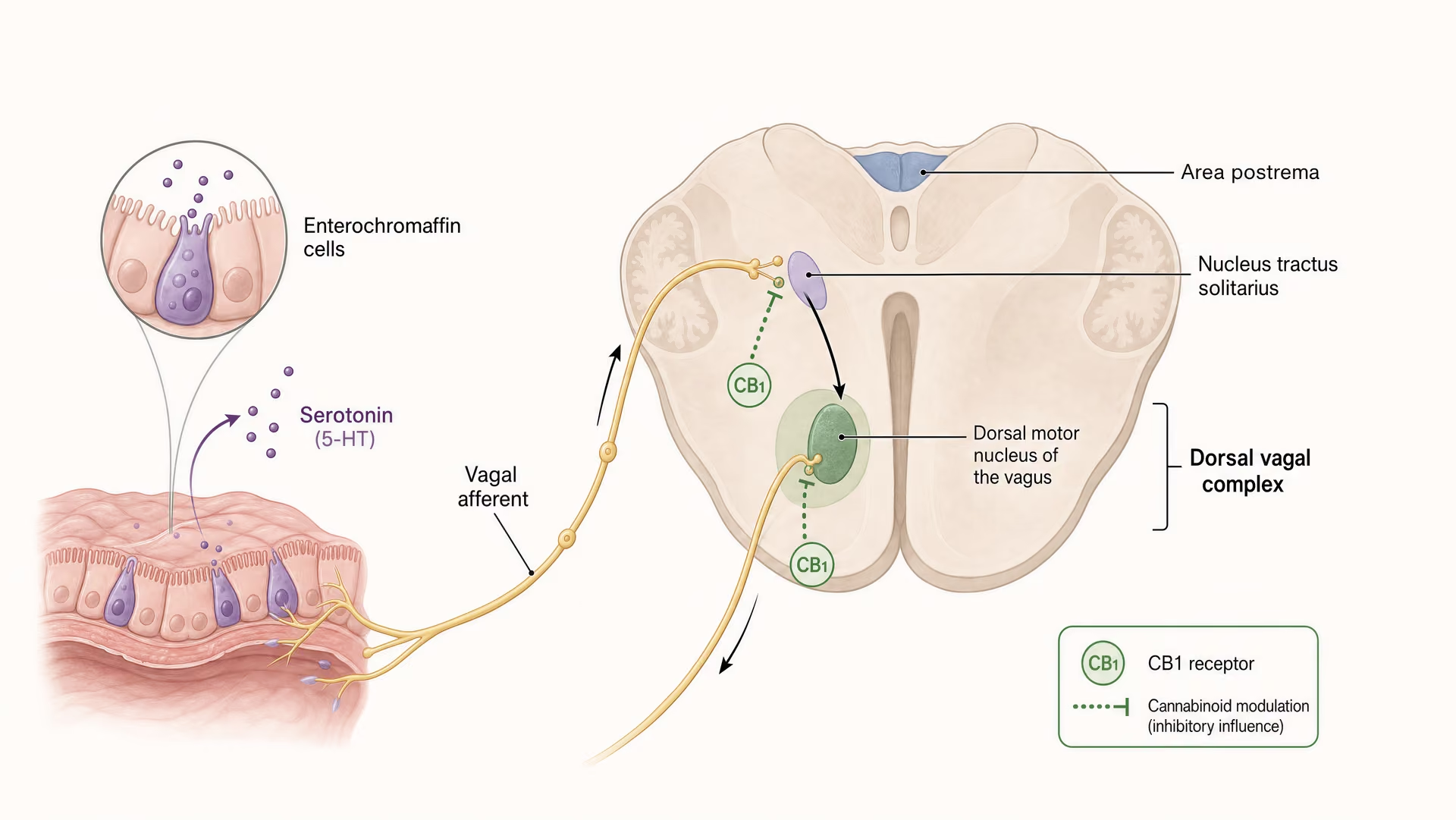
The nausea circuitry: endocannabinoid and serotonin signaling in the emesis reflex
Nausea is not just “an upset stomach,” and cannabinoid antiemesis is not a vague calming effect. The emesis reflex is a defined neural program that integrates signals from the gut, blood, vestibular system, cortex, and limbic circuits. Cannabinoids can interrupt that program, but only when they engage the right receptors in the right places and at the right dose. That is why THC-like drugs can help in chemotherapy-induced nausea and vomiting, why CBD remains mechanistically plausible but clinically less settled, and why some cannabinoid profiles may even work against antiemesis rather than support it.
Main structures in the vomiting network
- Area postrema
- A chemical-sensing brain region with a weak blood-brain barrier that detects circulating toxins and drugs.
- Nucleus tractus solitarius
- The main relay for visceral sensory input traveling from the gut through the vagus nerve.
- Dorsal motor nucleus of the vagus
- A brainstem output center that helps organize autonomic and upper-GI motor responses during vomiting.
The dorsal vagal complex and the brainstem vomiting network
Dorsal vagal complex A brainstem network made up of the area postrema, nucleus tractus solitarius, and dorsal motor nucleus of the vagus that coordinates nausea and vomiting signals.
The core emesis network sits in the caudal brainstem, centered on the dorsal vagal complex: the area postrema, nucleus tractus solitarius, and dorsal motor nucleus of the vagus. These structures act less like a single “vomiting center” than a tightly linked command hub. Inputs arrive from the gastrointestinal tract through vagal afferents, from the bloodstream through the area postrema, from higher brain regions that generate anticipatory nausea, and from vestibular pathways involved in motion sickness.
Area postrema A brainstem structure that can directly sample blood-borne signals because its blood-brain barrier is relatively weak.
The area postrema matters because it is one of the circumventricular organs with a weak blood-brain barrier. That makes it a chemical sentinel. Circulating toxins, chemotherapy-related mediators, and drugs can activate receptors there directly. The nucleus tractus solitarius, by contrast, is the major relay for visceral sensory input coming up from the gut via the vagus nerve. It integrates those incoming signals with information from the area postrema and from forebrain stress and sensory circuits. The dorsal motor nucleus of the vagus then helps organize autonomic output to the gut and upper GI tract, contributing to the motor pattern of retching and vomiting.
How gut irritation becomes vomiting
- 1 Enterochromaffin cells in the gut release serotonin when irritated or injured.
- 2 Serotonin activates receptors on vagal afferent terminals.
- 3 Signals travel into the nucleus tractus solitarius and related brainstem circuitry.
- 4 The dorsal vagal complex coordinates retching and vomiting.
This is why gut-brain signaling is central to nausea. Enterochromaffin cells in the intestinal mucosa release serotonin when they are injured or irritated, especially by cytotoxic chemotherapy. That serotonin activates receptors on vagal afferent terminals, which then fire into the nucleus tractus solitarius and recruit the rest of the emesis circuitry. Nausea often begins before vomiting because the system has a perceptual component as well as a motor one; cortical and limbic processing shape the subjective urge to vomit, while the brainstem coordinates the physical act.
Cannabinoids interact with this circuitry at several levels. Ethan Russo and others have long argued that antiemetic action depends on distributed receptor effects across the gut-brain axis, not on one isolated target. That model fits the data better than the old idea that cannabis simply “settles the stomach.”
CB1 receptors on vagal afferents and in emesis-related brain regions
The cannabinoid receptor most clearly tied to antiemesis is CB1. It is expressed both centrally and peripherally, including on vagal afferents and in emesis-related brain regions of the dorsal vagal complex. CB1 is a Gi/o-coupled receptor. When activated, it generally reduces neurotransmitter release by inhibiting adenylyl cyclase, lowering calcium influx at presynaptic terminals, and increasing potassium conductance. In plain terms, it turns down synaptic traffic.
That presynaptic braking effect is the key. Emesis depends on excitatory signaling. If serotonin, glutamate, acetylcholine, and other transmitters are driving vagal and brainstem neurons toward the threshold for nausea and vomiting, CB1 activation can dampen the signal before it propagates. THC and THC-like drugs appear to work mainly through this mechanism. They do not erase the emesis circuitry; they reduce its gain.
This receptor pharmacology helps explain why dronabinol and nabilone can work in refractory chemotherapy-induced nausea and vomiting. Dronabinol is synthetic delta-9-THC, and nabilone is a synthetic cannabinoid structurally similar to THC. Both are FDA-approved for nausea and vomiting associated with cancer chemotherapy in patients who have not responded adequately to conventional antiemetics. That indication is narrow for a reason. They are not first-line agents in modern antiemetic guidelines, because 5-HT3 antagonists, NK1 antagonists, and dexamethasone usually have stronger evidence and fewer psychoactive adverse effects. ASCO and the National Cancer Institute place cannabinoids in an adjunct or later-line role, not as universal nausea treatments.
Route changes the pharmacology in practice. Oral dronabinol has delayed onset and variable absorption because of first-pass metabolism and conversion to 11-hydroxy-THC. In a person who is already vomiting, that is a real limitation. Inhaled THC reaches the bloodstream within minutes, but standardization is weaker and psychoactive variability is greater. The antiemetic mechanism may be the same in broad outline, but timing and tolerability are not.
The same CB1 biology also explains why simplistic claims about THCV are risky. At low doses, THCV behaves as a CB1 neutral antagonist or antagonist in some systems. If CB1 activation is part of antiemesis, blocking CB1 could theoretically blunt that benefit. At higher doses THCV may show partial agonist behavior, which only makes the picture messier. CBG is also mechanistically interesting, but the clinical nausea literature is too thin to treat it as evidence-based antiemetic therapy.
| Target | Receptor type | Role in the article | Clinical implication |
|---|---|---|---|
| CB1 | Gi/o-coupled cannabinoid receptor | Presynaptic brake on emetic signaling | Explains THC-like antiemetic effects and why CB1 blockade can complicate claims for THCV |
| 5-HT3 | Ligand-gated ion channel | Major driver of acute emesis, especially in early CINV | Reason 5-HT3 antagonists are core standard antiemetics |
| 5-HT1A | Serotonin GPCR | Can dampen nausea signaling | Used to explain CBD and CBDA antiemetic findings in preclinical work |

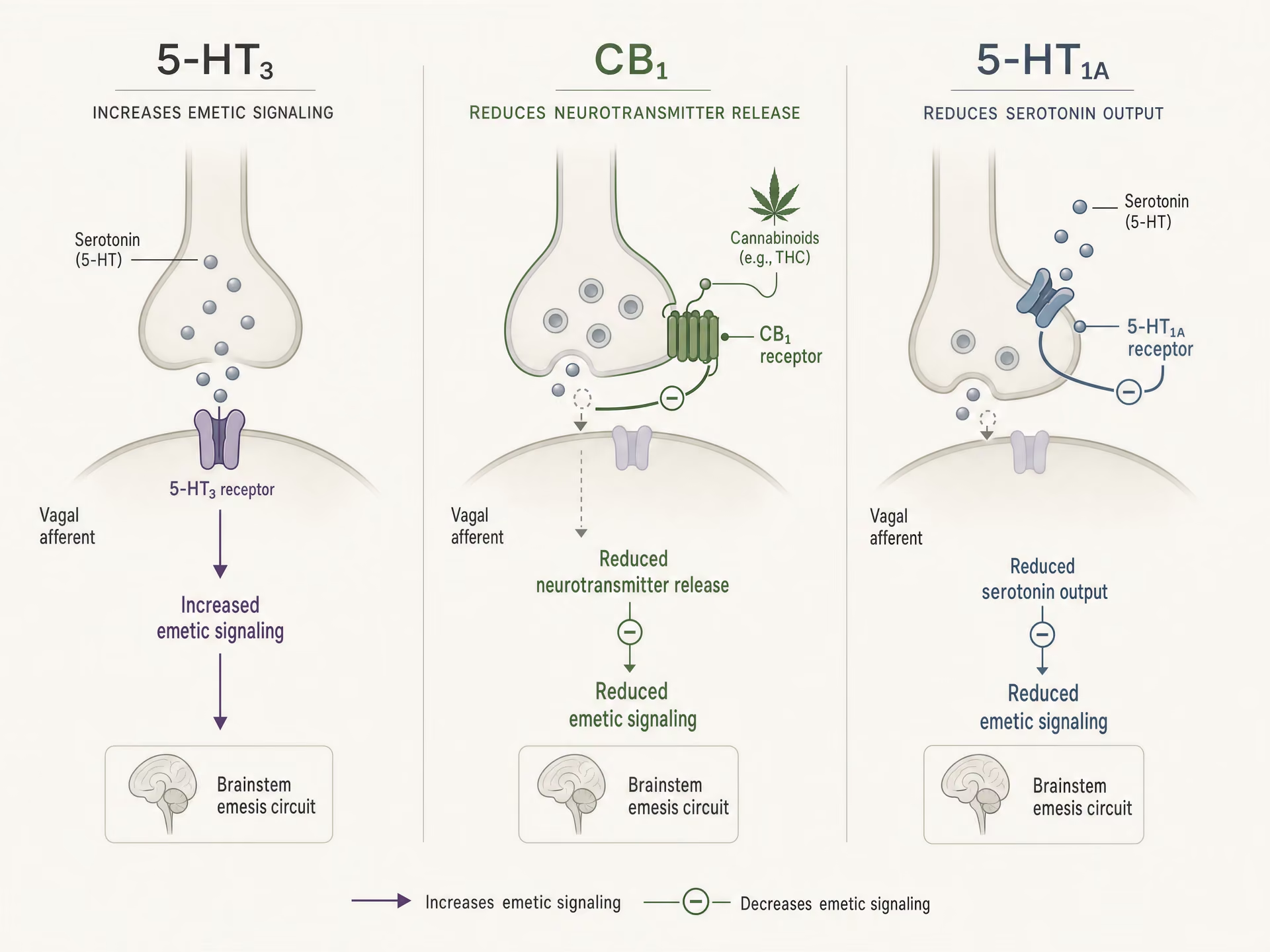
Why 5-HT3 drives acute emesis and 5-HT1A can dampen it
If CB1 is a brake, 5-HT3 is one of the main accelerators of acute emesis. The 5-HT3 receptor is a ligand-gated ion channel, not a G-protein-coupled receptor like most serotonin receptors. That makes it fast. When serotonin released from gut enterochromaffin cells binds 5-HT3 receptors on vagal afferents, sensory transmission into the brainstem rises quickly. This is one reason 5-HT3 antagonists such as ondansetron became a major advance in acute chemotherapy-induced nausea and vomiting.
Acute emesis after chemotherapy is the setting where serotonin biology is most established. The National Cancer Institute notes that nausea and vomiting affect 50% to 90% of patients receiving chemotherapy, depending on regimen and emetogenic risk. In that context, 5-HT3 signaling is not a side issue. It is one of the main drivers in the first 24 hours after treatment.
Cannabinoids intersect with that pathway rather than replacing it. CB1 activation can suppress release of excitatory transmitters within the same broad circuitry that 5-HT3 activates. So THC-like drugs may reduce serotonin-driven emetic output indirectly, even though they are not 5-HT3 antagonists.
CBD is different. It is not a classic CB1 agonist, and its antiemetic profile in preclinical work appears linked in part to 5-HT1A signaling. Linda Parker’s group has published influential animal studies showing that CBD and especially CBDA can reduce toxin-induced vomiting and conditioned gaping reactions, with effects blocked by 5-HT1A antagonism. The proposed mechanism involves facilitation of somatodendritic 5-HT1A autoreceptor signaling in the dorsal raphe, which reduces serotonin neuron firing. Less serotonin output can mean less nausea signaling downstream.
CBD has an antiemetic rationale, but human trial support is still sparse. Preliminary evidence
That distinction matters. 5-HT3 promotes emesis; 5-HT1A activation can suppress it. Standard antiemetics for acute CINV mainly target the former. CBD’s possible antiemetic action may involve the latter, plus indirect endocannabinoid effects. Mechanistically that is plausible. Clinically, though, human trial support is still sparse. It is reasonable to say CBD has an antiemetic rationale. It is not reasonable to present it as interchangeable with dronabinol, nabilone, or established antiemetic classes.
Endocannabinoids, stress signaling, and conditioned nausea
Conditioned or anticipatory nausea is where the story becomes more interesting and less well served by standard antiemetics. A patient who has repeatedly experienced severe post-chemotherapy vomiting may begin to feel nauseated before the infusion even starts, triggered by smells, sights, or the clinic environment. This is learned nausea. It recruits cortical, limbic, and brainstem circuits, not just gut serotonin release.
Here the endocannabinoid system may play a special role. The endogenous ligands anandamide and 2-arachidonoylglycerol act as retrograde messengers that constrain synaptic transmission during stress and aversive learning. When that buffering system is functioning well, it can limit excessive excitatory signaling. When stress is high or conditioning is strong, nausea can become resistant to standard drugs aimed at acute peripheral triggers.
That is one reason Parker’s conditioned gaping model has been influential. In rodents, conditioned gaping is used as a proxy for nausea because rats cannot vomit. In these experiments, cannabinoid manipulations, including CBD and CBDA through 5-HT1A-linked pathways, have shown effects on anticipatory or conditioned nausea that do not map neatly onto the effects of 5-HT3 antagonists. Ondansetron is often useful for acute toxin-triggered emesis but weaker against conditioned nausea. Cannabinoid-related mechanisms may reach that domain better because they modulate stress, memory, and sensory salience as well as visceral signaling.
This does not mean cannabinoids solve all hard-to-treat nausea. The evidence is still indication-specific. It does mean the receptor story is broader than “stomach calm.” Nausea can be driven by gut serotonin, blood-borne triggers at the area postrema, vestibular mismatch, or learned anticipatory responses. Cannabinoids touch several of those pathways, especially through CB1-mediated presynaptic inhibition and, for CBD-like compounds, possible 5-HT1A facilitation.
The flip side is cannabinoid hyperemesis syndrome. CHS is now well established, not anecdotal, and the American Gastroenterological Association states that it occurs predominantly with prolonged, excessive cannabis use and that cessation is required for long-term resolution. A system that suppresses emesis acutely can become maladaptive with chronic heavy exposure in susceptible people. That paradox is real. It is also a warning against treating all cannabinoid signaling as uniformly antiemetic across all time scales and all patterns of use.
| Cannabinoid | Main antiemetic rationale in the article | Human nausea evidence | Editorial takeaway |
|---|---|---|---|
| THC | CB1-mediated dampening of emetic signaling | Strongest of the group; basis for approved drugs | Best-supported cannabinoid for refractory CINV, with psychoactive tradeoffs |
| CBD | Indirect effects, including 5-HT1A-linked mechanisms | Thin compared with THC | Plausible but not established as interchangeable with THC-like antiemetics |
| CBG | Pharmacologically interesting non-CB1 interactions | Essentially absent | Under-documented clinically |
| THCV | Dose-dependent CB1 antagonism/partial agonism | Sparse to absent | Anti-nausea claims are premature |
What each cannabinoid is likely doing: THC, CBD, CBG, and THCV
Treating “cannabis” as one anti-nausea drug obscures the real biology. These compounds do not behave the same way at CB1 receptors, serotonin signaling sites, or in actual patients. If the question is which cannabinoid has the strongest antiemetic case, the answer is THC and THC-like medicines. If the question is whether that finding can be generalized to CBD, CBG, THCV, or whole-plant products, the answer is no.
The distinction matters because vomiting is not a vague symptom floating free of mechanism. It is organized through the dorsal vagal complex in the brainstem, including the area postrema and nucleus tractus solitarius, with major input from serotonin, especially 5-HT3 pathways in chemotherapy-induced nausea and vomiting. Cannabinoids that activate CB1 tend to dampen presynaptic neurotransmitter release in these circuits and on vagal afferents. That is a plausible route to antiemesis. But only some cannabinoids do that directly, and some may oppose it at certain doses.
- Best-supported use
- Refractory chemotherapy-induced nausea and vomiting
- Approved oral examples
- Dronabinol and nabilone
- Oral onset
- About 30 to 120 minutes
- Main tradeoff
- Dizziness, dysphoria, sedation, anxiety, tachycardia, and cognitive impairment
THC: the strongest clinical antiemetic signal, with psychoactive tradeoffs
THC has the clearest human antiemetic record. Not because it is trendy, but because it has been tested and turned into approved drugs. Dronabinol, synthetic delta-9-THC, is FDA-approved for nausea and vomiting associated with cancer chemotherapy in patients who have not responded adequately to conventional antiemetics. Nabilone, a synthetic cannabinoid with THC-like effects, has the same basic indication. Those labels exist for a reason.[2] Cannabinoids for nausea and vomiting in adults with cancer receiving chemotherapy. L A Smith, K Azariah, R Lavender, M Stoner, V Bettiol. Cochrane Database of Systematic Reviews, 2015.
The evidence base is old in places, but it is real. A 2015 Cochrane review of cannabinoids for CINV included 23 randomized controlled trials and 1,366 participants. Trial quality was mixed and many studies predated current antiemetic regimens, yet the overall signal favored cannabinoids over placebo for several outcomes, including complete absence of vomiting in some analyses and patient preference. The cost was tolerability. Dizziness, dysphoria, sedation, and other adverse effects were more common, and withdrawals rose with them.
That tradeoff still defines THC’s role. Modern oncology guidelines do not put dronabinol or nabilone first-line ahead of 5-HT3 antagonists, NK1 antagonists, and dexamethasone. ASCO and the National Cancer Institute PDQ place cannabinoids in the later-line or adjunct bucket, especially for refractory symptoms. That is the right position. THC works, but it is rarely the cleanest tool.
Mechanistically, this makes sense. THC is a partial agonist at CB1 receptors, and CB1 activation in emesis-related circuits generally suppresses neurotransmitter release that would otherwise drive nausea and vomiting. It is one of the few cannabinoid mechanisms that translates cleanly from bench to bedside. Ethan Russo and others have long argued that this CB1-centered antiemetic pathway is among the more solid areas of cannabinoid pharmacology. The clinical record supports that view.
Route complicates the picture. Oral dronabinol can take 30 to 120 minutes to kick in and has variable absorption because of first-pass metabolism; 11-hydroxy-THC can prolong and intensify effects. That is not ideal for a patient who is already vomiting. Inhaled THC acts faster, often within minutes, but trial evidence for smoked or vaporized plant cannabis in CINV is much thinner and standardization is poor. Fast does not always mean dependable.
Then there is the downside profile. THC can relieve nausea and still make the overall experience worse if the dose is too high. Anxiety, dizziness, orthostatic symptoms, tachycardia, dysphoria, and cognitive impairment are not minor details when someone is already ill. Older adults, people with cardiovascular disease, and anyone with a psychosis history deserve added caution. This is the strongest antiemetic cannabinoid signal. It is not a free one.
CBD: indirect antiemesis, 5-HT1A links, and the gap between theory and trials
CBD is where mechanism and marketing have drifted far apart. There is a plausible antiemetic story here, but the human evidence remains thin.
CBD is not a classic CB1 agonist, so it does not fit the THC model. The more interesting line of work comes from Linda A. Parker’s preclinical studies, many of them in rodent models of toxin-induced vomiting and conditioned gaping, a widely used proxy for nausea. Parker’s group found that CBD, and in some experiments CBDA even more strongly, could reduce nausea-like and vomiting-related responses at low doses. A recurring mechanistic theme was 5-HT1A involvement. In simple terms, CBD appears to modulate serotonergic signaling indirectly, including through somatodendritic 5-HT1A autoreceptors in the dorsal raphe, which can reduce serotonin release and downstream emetic drive.
That is biologically credible. It also fits with the broader fact that serotonin signaling sits near the center of acute emesis, particularly in chemotherapy settings. But credible biology is not the same as established therapy. CBD does not have the kind of human nausea evidence THC has, and that gap should not be papered over.
There are no comparable FDA-approved CBD antiemetics. There is no strong body of randomized human trials showing CBD alone reliably treats CINV, motion sickness, or common everyday nausea. Claims around pregnancy are especially weak and should not be stretched. Some pregnant patients do report using cannabis for morning sickness; ACOG has cited figures suggesting 34% to 60% of users who continued cannabis in pregnancy reported nausea and vomiting as a reason. That is behavior data, not proof of benefit, and ACOG advises against cannabis use in pregnancy because fetal safety is not established and observational signals are concerning.
CBD also brings its own practical issues. It affects CYP enzymes, especially CYP2C19 and CYP3A4, so drug interactions are not theoretical. In a patient already taking antiemetics, antiseizure drugs, anticoagulants, or sedatives, that matters. The verdict is straightforward: CBD has an interesting antiemetic hypothesis and decent animal support, largely tied to 5-HT1A signaling, but it does not yet have strong clinical proof as a standalone nausea treatment.
CBG: pharmacologically interesting, clinically under-documented
CBG is easy to overstate because its receptor profile looks busy on paper. It has relatively low-affinity actions across several targets, with reported interactions involving alpha-2 adrenergic signaling, TRP channels, and possible 5-HT1A-related effects depending on the assay. That makes it pharmacologically interesting. It does not make it a validated antiemetic.
At present, solid clinical nausea literature on CBG is essentially absent. No major guideline recommends it. No approved antiemetic drug is built around it. There is no human trial base remotely comparable to dronabinol or nabilone. If someone says CBG helps their stomach, that may be a personal report worth hearing, but it is not evidence that CBG has established anti-nausea efficacy.
The more disciplined read is that CBG deserves study because some of its non-CB1 targets intersect with autonomic and serotonergic systems relevant to nausea. That is enough to justify research, not enough to justify confidence.
THCV: dose-dependent CB1 behavior and why anti-nausea claims are premature
THCV is the cannabinoid most likely to be misunderstood by shortcut thinking. People hear “similar to THC” and assume similar antiemesis. The pharmacology does not support that leap.
At low doses, THCV is generally described as a CB1 neutral antagonist or antagonist in many systems. At higher doses, it may show partial agonist behavior. That dose-dependent switch matters because CB1 activation is one of the better-supported antiemetic mechanisms in cannabinoid science. A compound that blocks CB1 at lower doses could, at least in theory, blunt antiemetic signaling rather than enhance it.
That does not prove THCV worsens nausea in practice. It does mean simple anti-nausea claims are premature. Human clinical data for THCV in nausea are sparse to absent. There is no FDA-approved THCV antiemetic, no meaningful guideline support, and no convincing trial base in CINV, motion sickness, pregnancy-related nausea, or other common indications.
So where does that leave it? Mechanistically unsettled and clinically unproven. THCV may yet find a role in some context, but right now any confident claim that it is an antiemetic is running ahead of the evidence.
The broader lesson is simple. Cannabinoids are not interchangeable. THC-like agents have the strongest clinical case for suppressing nausea, particularly refractory CINV, and even there psychoactive adverse effects limit routine use. CBD has a reasonable mechanistic story and good preclinical work behind it, especially through 5-HT1A-linked pathways, but not strong human nausea trials. CBG and THCV remain speculative for this purpose. That uneven evidence base is not a flaw in the field. It is the field.
Clinical evidence for chemotherapy-induced nausea and vomiting
Chemotherapy-induced nausea and vomiting, or CINV, is the place where cannabinoid antiemetic therapy has the strongest human footing. That does not mean all cannabinoid claims are equally supported. It means something narrower and more defensible: THC-like drugs, especially dronabinol and nabilone, showed antiemetic activity in trials, often beat placebo, and ultimately earned regulatory approval for patients who did not respond adequately to conventional treatment. The historical setting matters. Many of the studies that built this evidence base were done before the modern antiemetic era of 5-HT3 antagonists, NK1 antagonists, olanzapine, and optimized dexamethasone combinations. So the signal is real, but it belongs to a different clinical landscape.
| CINV subtype | Timing or pattern | Main description in the article |
|---|---|---|
| Acute CINV | Within the first 24 hours after chemotherapy | Driven heavily by serotonin, especially 5-HT3 signaling |
| Delayed CINV | After 24 hours and lasting several days | Substance P and NK1 pathways matter more |
| Breakthrough CINV | Occurs despite prophylaxis | Symptoms emerge even though prevention was given |
| Refractory CINV | Continues in later cycles after guideline-based treatment has failed | Likely context for later-line cannabinoid use |
| Anticipatory nausea | Begins before chemotherapy starts | Conditioned response triggered by cues and memories |
That distinction matters because CINV is not one thing. Acute CINV appears within the first 24 hours after chemotherapy and is driven heavily by serotonin, especially 5-HT3 signaling. Delayed CINV emerges after 24 hours and can last for several days; substance P and NK1 pathways matter more here. Breakthrough CINV occurs despite prophylaxis. Refractory CINV refers to nausea and vomiting that continue in later cycles even after guideline-based preventive and rescue treatment has already failed. Anticipatory nausea is different again: it is a conditioned response that can begin before chemotherapy starts, triggered by smells, sights, and memories associated with prior treatment.
Against that background, cannabinoids are not first-line agents in current oncology practice. They are later-line tools. Still useful. Still evidence-based. Just not interchangeable with standard prophylaxis.
What older randomized trials found before modern antiemetic regimens
The randomized trial literature on cannabinoids for CINV largely dates from the late 1970s through the 1990s. These studies tested synthetic THC, nabilone, levonantradol, and some older oral cannabis extract preparations against placebo or older comparators such as prochlorperazine. Their common theme was straightforward: cannabinoids often reduced vomiting and, in some studies, improved nausea better than placebo. Patients sometimes preferred them despite side effects.
The most cited summary is the 2015 Cochrane review by Smith and colleagues. It included 23 randomized controlled trials and 1366 participants. Most of those trials were small, methodologically dated, and conducted before the current standard use of serotonin antagonists and NK1 blockers. Even with those limitations, cannabinoids were more likely than placebo to produce complete absence of vomiting and more likely to be preferred by patients. That is the core result that has held up across decades of discussion. The same review also found a cost: more adverse events, more withdrawals, and more reports of dizziness, dysphoria, “feeling high,” sedation, and hypotension.
That tradeoff is not a minor footnote. It is one reason cannabinoids never became routine front-line antiemetics once better tolerated regimens arrived. A drug can work and still lose ground if it is harder to use.
A second limitation of the older trial era is endpoint quality. Many studies focused more on emesis than on nausea. Vomiting is easier to count. Nausea is subjective, fluctuating, and often the symptom patients find most miserable. Some cannabinoid trials showed clear anti-vomiting effects but less consistent benefit on nausea severity. That pattern still matters clinically, because patients may stop vomiting and still feel awful.
The comparator issue also matters. When nabilone or dronabinol beat older dopamine antagonists in some studies, that was not meaningless. But it does not tell us they outperform ondansetron- or aprepitant-based regimens today. Historical superiority over prochlorperazine is not the same as superiority over modern guideline therapy.
Still, the old evidence should not be dismissed. It established a real pharmacologic antiemetic effect. That is exactly what one would expect from CB1 receptor activation in emesis-related circuitry such as the area postrema, nucleus tractus solitarius, and vagal afferent pathways. The trials were imperfect, but they were not random noise.
How dronabinol and nabilone compare with placebo and older comparators
Dronabinol is synthetic delta-9-THC. Nabilone is a synthetic cannabinoid structurally related to THC. Both are FDA-approved for nausea and vomiting associated with cancer chemotherapy in patients who have failed to respond adequately to conventional antiemetic treatments. That wording is important. These labels do not present the drugs as first choice. They explicitly place them after failure of standard therapy.
In the older trial literature, both drugs repeatedly outperformed placebo. Nabilone, in particular, developed a reputation for being effective in difficult CINV, though often at the price of more central nervous system effects. Trials comparing nabilone with prochlorperazine produced mixed but generally favorable efficacy findings for nabilone, especially for vomiting control and patient preference, while also showing more sedation, dizziness, euphoria, and dysphoria. Dronabinol showed a similar pattern: antiemetic activity was measurable, but tolerability limited enthusiasm.
There was also interest in combination therapy. Some studies suggested dronabinol plus another antiemetic could outperform either drug alone in selected patients. That idea has survived into current practice, where cannabinoids are more often considered adjuncts than stand-alone agents. The logic is sound. CINV is mediated by several pathways, and no single receptor target fully controls it.
What has not happened is a convincing modern clinical case for CBD as a substitute. Preclinical work by Linda Parker and others supports antiemetic and anti-nausea effects of CBD and CBDA, likely involving 5-HT1A-related mechanisms rather than classic CB1 agonism. That is biologically interesting and may eventually matter clinically. But for chemotherapy-related nausea in humans, CBD does not have the same trial base, approval history, or guideline support as dronabinol and nabilone. CBG and THCV are even less established. THCV, because it can oppose CB1 signaling at lower doses in some systems, should not be casually grouped with THC-like antiemetics at all.
Route also shapes effectiveness. Oral dronabinol and nabilone are slower and less predictable than many patients assume. Oral THC-class drugs often begin working in 30 to 120 minutes, with variable absorption and substantial first-pass metabolism. In an actively vomiting patient, that is a practical weakness. If the medication cannot be kept down or absorbed well, its receptor pharmacology is beside the point. Inhaled cannabis acts faster, but inhaled whole-plant cannabis has not been studied in CINV with the same rigor, standardization, or regulatory oversight as dronabinol and nabilone. That gap is why evidence for “cannabis” in general is not identical to evidence for these approved oral agents.
Where cannabinoids fit in current guidelines: adjunct, rescue, or refractory use
Current oncology guidance places cannabinoids in a narrower lane than older popular narratives suggest. The National Cancer Institute’s PDQ on nausea and vomiting states that these symptoms affect 50% to 90% of patients receiving chemotherapy, depending on regimen and emetogenic risk. Standard prevention for highly emetogenic chemotherapy now usually relies on combinations built around a 5-HT3 receptor antagonist, dexamethasone, an NK1 receptor antagonist, and in many settings olanzapine. Those regimens have much stronger contemporary evidence than cannabinoids as first-line prophylaxis.
ASCO’s antiemetic guideline updates have reflected that shift. Dronabinol and nabilone remain recognized treatment options for adults with refractory CINV despite appropriate prophylaxis and rescue treatment. That is the key place they still occupy: not first-line prevention, but later-line management when standard approaches have failed or been poorly tolerated.
The NCI PDQ takes a similar stance. Cannabinoids may be considered for refractory or breakthrough symptoms, especially when conventional antiemetics are not enough. That is a more restrained and more accurate framing than saying cannabis is “for chemo nausea” in the abstract.
Adjunct use makes pharmacologic sense. CB1-mediated suppression of emetic signaling is different from 5-HT3 blockade and different from NK1 antagonism. If a patient has persistent nausea despite a serotonin antagonist and dexamethasone, adding a cannabinoid can, in some cases, hit a pathway the original regimen did not fully control. Rescue use also makes sense, especially in patients who have already shown a partial response to cannabinoid therapy in prior cycles.
But there are practical reasons this remains selective. Psychoactive adverse effects are common enough to limit uptake. FDA labeling for dronabinol and nabilone includes dizziness, somnolence, euphoria, dysphoria, orthostatic symptoms, tachycardia, and cognitive effects. Some patients do not mind these effects; others find them intolerable. In older adults, people with cardiovascular disease, and those with a history of psychosis, panic, or severe mood instability, the risk-benefit equation can shift quickly.
Anticipatory nausea and patients who do not respond to standard antiemetics
Patients with persistent nausea despite guideline-based treatment are the group most likely to lead clinicians back to cannabinoids. This includes breakthrough CINV during a given chemotherapy cycle and refractory CINV that carries into future cycles despite standard adjustments. In practice, these are often the patients who are no longer asking whether a drug is ideal on paper. They want something that works at all.
Here cannabinoids remain defensible. Not magic. Not universally effective. Defensible.
The evidence is less tidy for anticipatory nausea, which is partly a conditioned response rather than a simple receptor-driven emetic reflex. Once patients begin to feel nauseated before chemotherapy even starts, sensory cues and anxiety become tightly linked to symptom generation. Benzodiazepines, behavioral therapy, desensitization strategies, and better control of nausea in earlier cycles are the standard responses. Cannabinoids have been explored here, but the evidence is limited and not strong enough to establish them as a standard treatment for anticipatory nausea. Some patients report relief, especially when anxiety and nausea amplify each other, but that is not the same as a guideline-backed indication.
This is also where route, dose, and symptom timing matter more than broad claims about “anti-nausea cannabis.” An oral THC product with delayed onset may be poorly matched to rapidly escalating breakthrough symptoms. A patient who is already vomiting may not absorb it. A dose high enough to suppress nausea in one patient may worsen dizziness, derealization, or panic in another. Antiemesis is dose-dependent, but adverse effects are too.
That is one reason the approvals for dronabinol and nabilone have survived while enthusiasm for indiscriminate cannabinoid use has not. The evidence supports targeted use in selected patients, particularly those with refractory CINV. It does not support treating CBD, THC, whole-plant cannabis, and minor cannabinoids as interchangeable. It also does not support replacing modern antiemetic regimens with cannabinoids in routine oncology care.
The bottom line is firm. Cannabinoids earned their place in CINV treatment because they worked in randomized trials and because some patients who failed conventional therapy improved on them. That remains true. But their modern role is narrower than their historical reputation: adjunctive, rescue, or refractory use, usually with THC-like drugs, and usually after standard antiemetics have already had a fair chance.
Approved cannabinoid medicines: dronabinol and nabilone
Nausea control is one of the oldest medical uses of cannabinoid drugs, but the evidence is not evenly spread across all cannabinoids or all nausea syndromes. The strongest human data sit with THC-like agents in chemotherapy-induced nausea and vomiting, not with CBD, CBG, THCV, or generic “cannabis” as a catch-all category. That distinction matters. Regulators did not approve plant cannabis for nausea. They approved specific oral drugs with defined active ingredients, manufacturing standards, and trial data: dronabinol and nabilone.
Cancer therapy can make the need obvious. The National Cancer Institute’s PDQ notes that nausea and vomiting affect 50% to 90% of patients receiving chemotherapy, depending on regimen and emetogenic risk. Modern antiemetic care usually starts elsewhere, with 5-HT3 antagonists, NK1 antagonists, and dexamethasone. Cannabinoids now sit as adjuncts or later-line options, not first-line treatment. ASCO guidance reflects that shift. Even so, when standard approaches fail, THC-like drugs still have a real place.
A 2015 Cochrane review by Smith and colleagues pooled 23 randomized trials with 1,366 participants and found cannabinoids outperformed placebo for some CINV outcomes, including complete absence of vomiting, but also caused more adverse effects and more treatment withdrawals. That is the right frame: these drugs can work, but they are not easy drugs.
Dronabinol: formulation, approved indications, onset, and metabolism
Dronabinol is synthetic delta-9-tetrahydrocannabinol, the same main intoxicating cannabinoid associated with cannabis, formulated as an oral prescription medicine. In the US, it is approved for chemotherapy-induced nausea and vomiting in patients who have not responded adequately to conventional antiemetics, and also for anorexia associated with weight loss in patients with AIDS. For nausea, the regulatory logic is straightforward: a defined THC product showed enough benefit in a difficult clinical setting to justify approval despite frequent central nervous system side effects.
Pharmacokinetics are a big part of how dronabinol behaves in practice. Oral THC is slow and erratic compared with inhalation. Onset commonly falls in the roughly 30- to 120-minute range, and peak effects may take longer. That delay is not trivial when someone is already retching. A patient with active vomiting may struggle to keep the capsule or solution down long enough for absorption, and gastric emptying may be impaired anyway. This is one reason oral cannabinoids can be awkward rescue agents during severe breakthrough nausea.
First-pass metabolism Drug metabolism in the liver after swallowing and before full systemic circulation, which can delay onset and create active metabolites such as 11-hydroxy-THC.
Once absorbed, dronabinol undergoes significant first-pass hepatic metabolism. That process generates 11-hydroxy-THC, an active metabolite that crosses the blood-brain barrier efficiently and contributes materially to the drug’s psychoactive and physiologic effects. Oral THC therefore does not simply produce a “slower inhaled high.” It creates a different exposure pattern, often with delayed onset, longer duration, and a metabolite profile that can feel stronger or less predictable than patients expect. Duration often extends 4 to 8 hours or longer.
That first-pass step helps explain two things at once: why oral dronabinol may provide sustained antiemetic coverage after it starts working, and why dose escalation can go badly if patients redose too early. If they assume the first dose “did nothing” and take more before the effect declares itself, dizziness, dysphoria, sedation, anxiety, tachycardia, and cognitive impairment can arrive all at once.
Adverse effects listed in FDA labeling include dizziness, euphoria, somnolence, abdominal pain, abnormal thinking, paranoid reactions, nausea, and vomiting. Yes, vomiting itself appears on the label. That is not paradoxical once dose, timing, and patient susceptibility are taken seriously. A drug can suppress emesis in one context and still cause intolerable side effects in another.
Nabilone: synthetic analog, clinical use, and adverse effect profile
Nabilone is not THC itself but a synthetic cannabinoid structurally similar to THC and pharmacologically THC-like. In the US, it is approved for nausea and vomiting associated with cancer chemotherapy in patients who have failed to respond adequately to conventional antiemetics. Like dronabinol, it earned approval in refractory CINV rather than as a universal antiemetic.
Clinically, nabilone is used for the same general niche: patients whose symptoms persist despite standard prophylaxis or rescue treatment. Its antiemetic effect is thought to depend largely on CB1-mediated suppression of emetic signaling in the brainstem and vagal pathways, dampening the neurotransmitter release that drives nausea and vomiting. That mechanism fits what is known about cannabinoid antiemesis more broadly.
Nabilone’s adverse effect profile overlaps substantially with dronabinol’s, though individual patients sometimes tolerate one better than the other. Sedation, dizziness, dry mouth, impaired concentration, orthostatic symptoms, euphoria, and dysphoria are all familiar problems. So are anxiety and perceptual disturbance in susceptible people. These are not rare footnotes. They are central reasons cannabinoids moved into a later-line role once serotonin- and NK1-directed antiemetics became standard.
Caution is warranted in older adults, people with cardiovascular disease, and anyone with a history of psychosis or severe mood instability. Combining nabilone with alcohol, opioids, benzodiazepines, or other CNS depressants can intensify sedation and impairment. Patients should not drive or operate machinery while impaired. Pregnancy is another boundary line: interest from patients is real, but endorsement is not supported. ACOG advises against cannabis use in pregnancy, and that caution extends logically to THC-like exposure unless there is a compelling, specialist-managed reason otherwise.
| Feature | Approved oral agents | Inhaled cannabis flower |
|---|---|---|
| Active ingredient | Single defined molecule or analog | Mixed cannabinoids and terpenes with variable THC concentration |
| Onset | Delayed; oral THC commonly 30 to 120 minutes | Within minutes |
| Duration | Often 4 to 8 hours or longer | Often a couple of hours |
| Evidence base in the article | Standardized trial data in refractory CINV | Thinner and less standardized |
| Dose predictability | Higher than inhaled flower | Affected by potency, puffing style, and device |
Why approved oral agents are not the same thing as inhaled cannabis flower
The common shortcut is to assume that if dronabinol and nabilone are approved for CINV, then inhaled cannabis flower must be medically equivalent. It is not.
First, the active ingredients differ. Dronabinol is a single defined molecule: synthetic delta-9-THC. Nabilone is a single synthetic cannabinoid analog. Inhaled cannabis flower contains dozens of cannabinoids and terpenes, with THC concentration varying widely across products and often far exceeding historical norms. NIDA reports average THC concentration in seized US cannabis rose from about 4% in 1995 to about 15% in 2021. That does not make modern flower automatically antiemetic. It makes dosing more volatile.
Second, the route changes the drug. Inhaled THC reaches the bloodstream within minutes, which can be useful when nausea is escalating fast and an oral drug may not stay down. But inhalation also produces shorter duration, sharper peaks, and more variable psychoactive effects depending on puffing behavior, product potency, and device. Oral dronabinol is slower, longer, and shaped by first-pass metabolism into 11-hydroxy-THC. Same broad pharmacology, different experience.
Third, the evidence base is not interchangeable. The trials behind regulatory approval were done with standardized oral medicines, largely in CINV. That does not prove equal benefit for inhaled flower in CINV, motion sickness, morning sickness, or routine stomach upset. Human evidence for inhaled plant cannabis in these settings is thinner and much less standardized. For pregnancy-related nausea, the gap is especially important. Some pregnant patients do use cannabis to self-manage symptoms; ACOG cites reports that 34% to 60% of users who continued in pregnancy did so partly for nausea and vomiting. That is behavior data, not efficacy data, and it does not override fetal safety concerns.
Approved cannabinoid medicines therefore occupy a specific, evidence-backed lane: standardized THC-like oral drugs for refractory CINV, with real benefits and real liabilities. They are not proof that every cannabinoid product is an antiemetic, and they are not a stand-in for inhaled cannabis flower.
Cannabinoid hyperemesis syndrome: when chronic exposure flips the picture
Cannabinoid hyperemesis syndrome, or CHS, is the exception that forces a more honest discussion of cannabis and nausea. Cannabinoids can suppress emesis through CB1-mediated effects in brainstem and vagal pathways. Yet in some people with prolonged, heavy exposure, the pattern appears to reverse: recurrent nausea, repeated vomiting, abdominal pain, and compulsive hot bathing become the clinical picture. This is not a myth, not a media scare, and not simply “greening out.” CHS is now well established in emergency medicine and gastroenterology, even if many cases are still missed on first presentation.[3] Marijuana and Hallucinogen Use Among Young Adults Reached All Time-High in 2021. National Institute on Drug Abuse. NIDA News Release, 2022.
The rise in recognition likely reflects both awareness and exposure. In the United States, SAMHSA estimated that 61.8 million people aged 12 or older used marijuana in the past year in 2023. At the same time, THC potency has increased sharply over the last few decades; NIDA cites average THC content in seized cannabis flower rising from about 4% in 1995 to about 15% in 2021. Potency alone does not explain CHS, but it likely matters when cumulative dose, frequency, and long-term receptor adaptation are part of the suspected mechanism.
How CHS presents clinically
CHS usually appears after years of frequent cannabis use, often daily or near-daily use, though exact thresholds are not fixed. The syndrome is characterized by recurrent episodes of severe nausea and vomiting, often with diffuse or epigastric abdominal pain. Patients may vomit repeatedly over hours, become unable to keep down fluids, and present dehydrated, tachycardic, and exhausted. Emergency department visits are common.
CHS phases
- Prodromal phase
- Early-morning nausea, abdominal discomfort, and fear of vomiting while cannabis use often continues.
- Hyperemetic phase
- Relentless vomiting, retching, abdominal pain, poor oral intake, and repeated hot showers or baths for temporary relief.
- Recovery phase
- Begins after cessation and may take days to weeks, with improvement if abstinence is maintained.
Clinicians often describe three phases. A prodromal phase may involve early-morning nausea, abdominal discomfort, and fear of vomiting while cannabis use continues, sometimes because the person believes it still helps. The hyperemetic phase is the dramatic one: relentless vomiting, retching, abdominal pain, reduced oral intake, and repeated hot showers or baths for temporary relief. The recovery phase begins after cessation and can take days to weeks, with symptoms resolving if abstinence is maintained.
The hot-water behavior gets a lot of attention because it is striking, but it is not pathognomonic. Many patients with CHS report spending long periods in very hot showers or baths because the heat reduces nausea or abdominal distress. That pattern is common enough to be a useful clue. It is not diagnostic proof by itself. Similar behavior can occur in other functional vomiting disorders, and some people with CHS do not report it at all.
CHS also needs to be separated from acute cannabis intoxication. Someone who has taken a very large THC dose, especially orally, can develop anxiety, dizziness, tachycardia, pallor, nausea, and vomiting. That is not the same syndrome. Acute intoxication is dose-linked and temporally tied to a recent exposure. CHS is a recurrent pattern seen in chronic heavy users, with episodes that keep returning until cannabis is stopped.
What may cause CHS: receptor adaptation, gut motility, and heat response theories
No single mechanism has been proved, and anyone claiming that CHS is fully solved is overstating the science. The leading explanations fit what is known about cannabinoid pharmacology, but they remain theories supported by indirect evidence rather than one definitive biomarker.
One major theory is CB1 receptor adaptation. In the short term, CB1 activation tends to reduce emetic signaling in the dorsal vagal complex, which includes the area postrema, nucleus tractus solitarius, and dorsal motor nucleus of the vagus. That is part of why THC-like compounds can work as antiemetics in settings such as refractory chemotherapy-induced nausea and vomiting. But chronic high exposure may lead to receptor downregulation or desensitization. If CB1 signaling becomes blunted or dysregulated over time, the antiemetic effect may weaken or invert in susceptible individuals. That idea fits the paradox at the center of CHS: the same system that suppresses vomiting acutely may, after sustained overstimulation, no longer behave predictably.
Gut effects are another plausible piece. CB1 receptors are also active in the enteric nervous system, where cannabinoids can slow gastrointestinal motility and delay gastric emptying. In some people, chronic exposure may push this toward nausea, bloating, abdominal pain, and vomiting. Delayed gastric emptying is not unique to CHS, and not every patient demonstrates it, but the mechanism makes biological sense. It also helps explain why CHS can feel both central and gastrointestinal at once.
TRPV1 has attracted attention because it may connect several odd features of the syndrome. TRPV1 receptors respond to heat and capsaicin. The temporary relief some patients get from very hot water, and the occasional acute benefit seen with topical capsaicin, suggest that TRPV1 signaling may modulate symptoms. This does not mean CHS is “really” a TRPV1 disorder. It means heat-sensitive pathways may be interacting with dysregulated cannabinoid signaling. Capsaicin likely works, when it works, by activating cutaneous TRPV1 afferents and altering pain and nausea signaling, not by correcting the underlying cause.
There are also thermoregulatory and stress-axis hypotheses. Cannabinoids influence hypothalamic function, temperature regulation, and the HPA axis. Some authors have proposed that chronic exposure disrupts these systems in a way that makes heat uniquely soothing or that contributes to cyclic symptom flares. Again, plausible, not settled.
The most defensible summary is this: CHS probably reflects maladaptation across central emesis circuits, gut motility pathways, and thermoregulatory or sensory systems, rather than one isolated receptor defect.
Diagnosis, differential diagnosis, and the problem of delayed recognition
Rome IV criteria A symptom-based diagnostic framework used in functional gastrointestinal disorders; in this article it is referenced as a framework for recognizing CHS.
CHS is a clinical diagnosis. There is no confirmatory blood test, imaging finding, or endoscopic hallmark. Rome IV criteria are widely used as a framework, emphasizing stereotypical episodic vomiting after prolonged cannabis use and improvement after sustained cessation. In practice, diagnosis depends on pattern recognition, exclusion of dangerous causes, and a candid substance-use history.
That last part is where things often break down. Patients may not volunteer cannabis use, may not think it is relevant, or may insist cannabis helps because it once did. Clinicians may also miss the diagnosis if they still think of cannabis only as an antiemetic. The result is delayed recognition, repeated CT scans, multiple emergency visits, avoidable admissions, and expensive workups.
The differential diagnosis is broad and should be taken seriously. Cyclic vomiting syndrome is the closest mimic. Both conditions involve recurrent stereotyped vomiting episodes with symptom-free intervals. The distinction often rests on prolonged heavy cannabis use and symptom resolution with abstinence in CHS. Without a clear cessation trial, the two can be hard to separate.
Food poisoning is usually more acute, often linked to a meal exposure, and may involve diarrhea or illness in other contacts. Acute gastroenteritis can still look similar at first presentation, especially if dehydration dominates the picture.
Pregnancy-related nausea and hyperemesis gravidarum must be considered in anyone who could be pregnant. This matters clinically because some pregnant patients use cannabis in an attempt to self-manage nausea. ACOG has reported that 34% to 60% of users who continued cannabis during pregnancy cited nausea and vomiting as a reason. That is behavior data, not efficacy evidence, and it does not make cannabis a recommended treatment in pregnancy. A pregnancy test is basic, necessary triage in the right context.
Other differentials include bowel obstruction, pancreatitis, hepatitis, peptic disease, diabetic ketoacidosis, Addison disease, intracranial pathology, medication-induced vomiting, and acute intoxication from cannabis or other substances. Red flags such as GI bleeding, focal peritoneal signs, fever, severe electrolyte disturbance, chest pain, or neurologic symptoms should push evaluation beyond CHS.
Acute management and why cessation is the definitive treatment
Acute treatment starts like any vomiting emergency: IV fluids, electrolyte correction, symptom control, and assessment for complications. Standard antiemetics such as ondansetron are often tried, but many CHS patients respond poorly. That limited response is one reason the syndrome is so frustrating in practice.
Two treatments have the strongest real-world support for acute episodes: haloperidol and topical capsaicin. Small studies and case series suggest haloperidol can reduce nausea, vomiting, and abdominal distress more effectively than some traditional antiemetics in CHS. Topical capsaicin, usually applied to the abdomen or arms, is attractive because it is simple and mechanistically plausible through TRPV1 activation. Neither should be oversold as a cure. They are acute tools.
Hot showers may provide temporary relief, but they are palliative, not treatment. Benzodiazepines are sometimes used selectively, especially when agitation or conditioned anticipatory symptoms are prominent, though evidence is thinner. Opioids are generally a bad idea: they can worsen nausea, slow gut motility, and complicate the picture.[4] AGA Clinical Practice Update on Diagnosis and Management of Cannabinoid Hyperemesis Syndrome. American Gastroenterological Association. Clinical Practice Update, 2024.
The central management point is not complicated. Abstinence is the only consistently effective long-term treatment. The American Gastroenterological Association’s 2024 Clinical Practice Update states plainly that CHS is associated with prolonged, excessive cannabis use and that cessation is required for long-term resolution. Not reduction for a few days. Not switching strains. Not trying more CBD while continuing high-THC use. Full cessation is the intervention with the strongest evidence.
That can be a hard message for patients to accept, especially if cannabis once relieved nausea, anxiety, pain, or insomnia. But the pattern matters more than the original reason for use. If vomiting episodes stop after sustained abstinence and return with re-exposure, the diagnosis becomes much clearer. Relapse is common, so discharge advice should include explicit counseling, follow-up, and support for cannabis use disorder when present.
CHS is the clearest reminder that cannabinoid effects are dose-, route-, and time-dependent. The antiemetic story is real. So is the paradox.
Morning sickness, hyperemesis gravidarum, and motion sickness
Pregnancy is where casual claims about “cannabis for nausea” become medically dangerous. Patients ask because nausea and vomiting in early pregnancy are common, sometimes relentless, and not always controlled by standard options. Yet the fact that people self-medicate does not mean the treatment is proven, or safe.
Why pregnant patients ask about cannabis for nausea[5] Marijuana Use During Pregnancy and Lactation. American College of Obstetricians and Gynecologists. Committee Opinion No. 722, 2017.
The clinical reality is easy to understand. Morning sickness is common, appetite often falls, smells become intolerable, and some patients are already familiar with cannabis as an anti-nausea drug from cancer care or from personal experience. ACOG highlighted this behavior problem directly: among people who used marijuana and continued during pregnancy, “34% to 60%” reported nausea and vomiting relief as a reason for use. That is evidence of demand, not evidence of efficacy.
The pharmacology also helps explain the interest. THC can reduce emetic signaling through CB1 receptors in brainstem circuits involved in vomiting, and CBD has shown antiemetic effects in animal models, especially in work by Linda A. Parker and colleagues implicating 5-HT1A-related pathways. But pregnancy nausea is not chemotherapy-induced nausea, and compounds are not interchangeable. The strongest human antiemetic data in medicine are for THC-like drugs such as dronabinol and nabilone in refractory CINV. There is no comparable modern evidence base showing that smoked, vaporized, edible, or CBD-dominant cannabis products are effective for routine nausea and vomiting of pregnancy.
There is also a practical problem that gets ignored in online advice: route matters. Oral cannabinoids have delayed onset and variable absorption. In someone already vomiting, that is a bad setup. Inhaled cannabis acts faster, but rapid delivery does not solve the pregnancy safety question.
What the evidence does and does not show in pregnancy
What it does show: some pregnant patients use cannabis in an attempt to control nausea. What it does not show: that cannabis is an established or recommended treatment for morning sickness or hyperemesis gravidarum.
The evidence base is thin and confounded. Much of it comes from self-report surveys, retrospective studies, case reports, or observational cohorts where cannabis exposure overlaps with tobacco use, other substances, socioeconomic factors, severity of nausea, and preexisting illness. That makes clean efficacy claims impossible. It also makes safety signals hard to interpret precisely, but not easy to dismiss.
Professional concern centers on fetal and neonatal outcomes, including possible effects on neurodevelopment, lower birth weight, and exposure through breast milk after delivery. Not every observational association proves causation. Still, the burden of proof matters. In pregnancy, a therapy should earn acceptance with good evidence of benefit and reassuring safety data. Cannabis has not met that bar.
Hyperemesis gravidarum deserves a separate line because it is not “bad morning sickness.” It is a serious condition that can involve dehydration, electrolyte disturbances, ketonuria, weight loss, repeated emergency visits, and hospitalization. It requires clinician-led care. That may include fluids, nutritional support, evaluation for other causes of vomiting, and evidence-based antiemetic treatment chosen for pregnancy. Presenting cannabis as a home fix for hyperemesis gravidarum is irresponsible.
There is another reason for caution: recurrent vomiting in a pregnant patient who uses cannabis can create diagnostic confusion. Hyperemesis gravidarum and cannabinoid hyperemesis syndrome can overlap symptomatically. CHS is now well established and is tied to prolonged, heavy cannabis exposure; the AGA notes that long-term resolution requires cannabis cessation. Hot showers may relieve symptoms in many CHS cases, but they are not a diagnostic shortcut. In pregnancy, that overlap can delay proper care if clinicians or patients assume cannabis must be helping rather than contributing.
Professional guidance from ACOG and other bodies
Major professional organizations do not endorse cannabis for nausea in pregnancy. ACOG advises that pregnant people, or those contemplating pregnancy, should be encouraged to discontinue marijuana use, including medicinal use, in favor of therapies with better pregnancy-specific safety data. ACOG also advises against use during lactation because safety is not established.
That position is not an outlier. Public health and obstetric guidance has been consistent: routine cannabis use in pregnancy and breastfeeding should be avoided. This is not moralizing. It is a risk-management decision under uncertainty, with fetal exposure at stake and no solid efficacy trials to justify that exposure.
The same caution applies to CBD products marketed as gentler or non-intoxicating. “Non-intoxicating” is not the same as proven safe in pregnancy. CBD has drug-interaction potential through CYP pathways, product labeling is often inconsistent outside regulated pharmaceuticals, and human pregnancy data remain inadequate.
Motion sickness: plausible mechanism, weak clinical support
Motion sickness is a more speculative indication. Mechanistically, cannabinoids could affect it. The emesis network includes the area postrema, nucleus tractus solitarius, vagal afferents, and serotonergic signaling, and CB1 activation can dampen neurotransmitter release in these pathways. That makes anti-motion-sickness effects biologically plausible.
Plausible is not proven. Human evidence is sparse, dated, and mixed. There are historical reports and anecdotes, but strong modern randomized trials are largely absent. There is no equivalent here to the evidence base for dronabinol or nabilone in refractory CINV. For CBD, CBG, and THCV, the gap is even wider. THCV in particular should be discussed carefully because low-dose CB1 antagonism could theoretically work against antiemetic signaling rather than support it.
So the honest clinical position is narrow. Cannabinoid antiemesis is real in selected contexts, especially with THC-like drugs for refractory chemotherapy-related nausea and vomiting. That should not be stretched into broad claims for pregnancy nausea or motion sickness. In pregnancy, professional guidance is to avoid cannabis and involve a clinician. In motion sickness, the mechanism is interesting, but the clinical proof is weak.
| Route | Typical onset in the article | Typical duration in the article | Main strengths | Main limitations |
|---|---|---|---|---|
| Inhalation | Within minutes | Often a couple of hours | Fastest onset; bypasses the stomach | Dose variability, shorter duration, pulmonary concerns, thinner trial evidence |
| Oral THC-class products | About 30 to 120 minutes | Often 4 to 8 hours or longer | Longer coverage; approved agents exist for refractory CINV | Delayed onset, unreliable absorption during active vomiting, stronger first-pass effects |
| Oromucosal | Between inhaled and oral | Mixed early and later effects | Potential middle ground when speed matters | Variable standardization and mixed swallowing/oral-mucosal absorption |
Dose, route of administration, and why onset matters in nausea care
Cannabinoids are not one-size-fits-all antiemetics. In nausea care, timing often matters as much as receptor pharmacology. A drug that can reduce emetic signaling at CB1 or influence serotonin pathways still has to reach the patient fast enough, stay active long enough, and be tolerated in the middle of a symptom flare. That is why route of administration changes the real-world answer.
This is especially obvious in chemotherapy-induced nausea and vomiting. The National Cancer Institute notes that nausea and vomiting affect 50% to 90% of patients receiving chemotherapy, depending on regimen and emetogenic risk. Cannabinoids can help some patients, particularly when standard antiemetics have not been enough, but onset, duration, and adverse effects drive whether a given route makes sense. Oral dronabinol and nabilone have the strongest clinical footing because they are the approved agents for refractory CINV, not because oral delivery is ideal for every nausea state.
Inhalation: fastest onset, shortest duration, highest variability
Inhaled cannabinoids act quickly. Effects often begin within minutes, which is why inhalation appeals to people with sudden, severe nausea or breakthrough symptoms that are already in motion. If a patient is actively retching, a route that bypasses the stomach has obvious practical logic.
That speed has tradeoffs. Duration is shorter than with oral dosing, often a couple of hours rather than much of the day, so inhalation may relieve an acute wave of nausea without covering the whole risk window. In chemotherapy care, where symptoms may be predictable over several hours after treatment, short duration can mean repeated dosing and repeated psychoactive exposure.
Dose consistency is also a problem. Puff depth, breath hold, device temperature, cannabinoid concentration, and individual lung physiology all change delivered dose. Two people using the same product may absorb very different amounts of THC. Even the same person may get different effects from one session to the next depending on technique and symptom severity. For nausea, that variability matters because the therapeutic window is not infinitely wide: too little may do nothing, while too much THC can bring dizziness, anxiety, tachycardia, dysphoria, and cognitive impairment. Those effects do not always cause vomiting, but they can make a nauseated patient feel much worse.
Pulmonary safety cannot be ignored either. Smoked cannabis exposes the airway to combustion products and irritants. Vaporization avoids combustion but not all respiratory concerns, and it still lacks the standardization of approved oral cannabinoid medications. There is also a simple evidence gap: inhaled plant cannabis has far less rigorous trial evidence in CINV than dronabinol or nabilone. Mechanistically it makes sense. Clinically, the database is thinner.
So inhalation may fit acute breakthrough nausea, especially when rapid onset is the priority and oral intake is failing. It is much less convincing as a default route for predictable, prolonged nausea control.
Oral cannabinoids: delayed onset, longer action, and 11-hydroxy-THC
Oral cannabinoids sit at the other end of the curve. They are slower, but they last longer. For THC-containing products, onset commonly falls in the 30- to 120-minute range, and the effects can persist 4 to 8 hours or sometimes longer. In nausea care, that delay is not a minor detail. A patient who is already vomiting may not keep the dose down, may absorb it poorly, or may wait too long for relief.
That limitation is one reason oral cannabinoids are better matched to predictable symptom windows than to abrupt nausea crises. If a patient reliably becomes nauseated after chemotherapy, or has chronic background nausea with intermittent worsening, a longer-acting oral option may cover the vulnerable period more effectively than a fast but brief inhaled dose.
THC taken by mouth also goes through first-pass metabolism in the liver, producing 11-hydroxy-THC. That metabolite is pharmacologically active and often contributes to stronger, longer, and less predictable psychoactive effects than inhaled THC. This helps explain why oral THC can feel disproportionate to the milligram number on paper. Slow onset can mislead people into taking more before the first dose has peaked. Then the delayed rise arrives all at once.
That matters for antiemesis because the useful and adverse effects are dose-linked. Dronabinol and nabilone can reduce nausea in refractory CINV; that is established enough for both to carry FDA indications for patients who have failed conventional antiemetics. But the same class also causes dizziness, somnolence, euphoria, dysphoria, orthostatic symptoms, tachycardia, and cognitive slowing. The 2015 Cochrane review of 23 randomized trials involving 1,366 participants found cannabinoids outperformed placebo for some CINV outcomes and were often preferred by patients, yet adverse effects and withdrawals were also more common. That is the real picture: oral THC-like drugs work, but they are not gentle drugs.
CBD deserves a separate point here. Oral CBD has plausible antiemetic biology, supported largely by preclinical work from Linda Parker and colleagues on 5-HT1A-related mechanisms, but human nausea data remain limited. It should not be treated as interchangeable with dronabinol or nabilone. CBG and THCV are even further from clinical validation for nausea.
Oromucosal and other routes
Oromucosal delivery sits between inhalation and oral swallowing. Absorption through the oral mucosa can produce a faster onset than a swallowed edible or capsule, while avoiding some of the delay and first-pass intensity associated with fully oral THC. In practice, though, much of an oromucosal dose may still end up swallowed, so effects can be mixed: some earlier onset, some later tail.
That middle profile can be useful when a patient needs more speed than a capsule offers but does not want inhalation. It may also suit people with chronic nausea who need flexible dosing. Still, standardization varies widely across formulations, and the evidence base is not as strong as for approved oral THC analogs in refractory CINV.
Other non-oral, non-inhaled routes are sometimes discussed, but they are not well supported in mainstream nausea care. Rectal and transdermal approaches exist more in theory, case-level practice, or niche formulation discussions than in solid antiemetic evidence. For most patients, the practical route choices remain inhaled, oral, and sometimes oromucosal.
Start-low rules from the article
- Go low first Individual THC response varies widely.
- Match route to pattern Fast-onset routes may fit breakthrough nausea; longer-acting oral routes may fit predictable windows.
- Respect oral delay Active vomiting can make oral absorption unreliable.
- Watch for CHS In a heavy daily user with recurrent vomiting, escalating cannabis is the wrong move.
Start-low principles, titration, and matching route to symptom pattern
The right route depends on the pattern of nausea, not just the compound. Breakthrough nausea that erupts quickly may favor a fast-onset route. Predictable chemotherapy windows may fit a longer-acting oral cannabinoid if standard antiemetics have failed and the patient can tolerate oral dosing. Chronic background nausea may call for steadier coverage rather than rapid spikes of effect.
Start low because individual response varies a lot, especially with THC, and the same dose can relieve one person’s nausea while causing another person dizziness, anxiety, or sedation.
That principle is not timid medicine. It is pharmacology. CB1-mediated antiemesis and CB1-mediated adverse effects rise together as exposure rises. Older adults, people with cardiovascular disease, and anyone with a history of psychosis or severe anxiety deserve extra caution. Drug interactions matter too: THC and CBD can affect CYP enzymes, and CBD is particularly relevant to CYP2C19 and CYP3A4.
One more clinical line should stay bright. Active vomiting can make oral absorption unreliable. Pregnancy is not a setting for casual cannabinoid experimentation; ACOG advises against cannabis use in pregnancy despite real patient interest. And recurrent vomiting in a heavy cannabis user should raise concern for cannabinoid hyperemesis syndrome, where escalating cannabis use is the wrong move. The American Gastroenterological Association is clear that long-term resolution requires cannabis cessation.
For nausea care, then, route is not a side note. It determines how fast relief begins, how long it lasts, how predictable the dose is, and how likely the treatment is to help rather than complicate the picture.
Adverse effects, contraindications, and drug interactions
Cannabinoids can reduce nausea. They can also make some patients feel distinctly worse. Both statements are true, and the difference often comes down to compound, dose, route, comorbidity, and clinical setting.
That matters because the antiemetic literature is strongest for THC-like agents in refractory chemotherapy-induced nausea and vomiting, not for “cannabis” as a single category. Dronabinol and nabilone are FDA-approved only after standard antiemetics have failed, and their labels reflect a real tradeoff: antiemetic benefit on one side, psychoactive and cardiovascular adverse effects on the other. The older trial literature and the 2015 Cochrane review of 23 randomized trials with 1,366 participants found cannabinoids could outperform placebo for some CINV outcomes, but adverse-event withdrawals were higher. That pattern still describes the field well.
Common short-term adverse effects of THC-dominant antiemetics
Short-term adverse effects with THC-dominant products and THC analogs are predictable enough that patients should hear about them before first use. The common ones are dizziness, sedation, dry mouth, impaired attention, slowed reaction time, anxiety, euphoria, dysphoria, tachycardia, and orthostatic hypotension. FDA labeling for dronabinol and nabilone also lists reactions such as somnolence, abnormal thinking, paranoid reactions, and vomiting in some patients. That last point is easy to miss: a drug used to suppress nausea can still worsen nausea in the wrong person or at the wrong dose.
Dose matters. A lot. Low doses may reduce nausea while higher THC exposure can flip the experience into dizziness, panic, perceptual discomfort, or frank dysphoria. If a patient already feels shaky, dehydrated, and miserable, adding a compound that can lower blood pressure on standing and impair coordination is not a minor issue. Falls happen. Near-syncope happens. Patients often describe the problem as “the nausea got weirder” rather than simply “I got too intoxicated.”
Route matters too. Inhaled THC acts within minutes, which can be helpful when vomiting is active, but the onset can be abrupt and psychoactive variability is high. Oral dronabinol has slower onset, often 30 to 120 minutes, and absorption can be unreliable in someone who is already vomiting. Oral products also generate 11-hydroxy-THC through first-pass metabolism, which can produce stronger and longer central effects than some users expect. That is one reason delayed overmedication is common with edibles and oral capsules.
There is also the paradoxical problem of symptom worsening in a subset of users. Sometimes this is simple dose intolerance. Sometimes it is anxiety amplifying nausea. Sometimes it is the beginning of cannabinoid hyperemesis syndrome in a heavy long-term user. CHS is not the same thing as “too much THC one night,” but recurrent vomiting after prolonged frequent cannabis exposure should not be dismissed as ordinary side effects.
Patients should also be warned about functional impairment. Do not drive, cycle in traffic, climb ladders, or operate machinery while impaired. Sedation and slowed judgment are common enough to make this standard advice, not edge-case advice.
Who needs extra caution: psychiatric, cardiovascular, and older patients
Some patients should approach THC-containing antiemetics much more carefully, and some should avoid them unless a clinician who knows their history is involved.
Psychiatric history is the clearest caution zone. THC can trigger anxiety, panic, suspiciousness, and dysphoria even in people without a diagnosed disorder. In those with a personal or family history of psychosis, bipolar disorder, severe panic disorder, or prior cannabis-induced psychiatric symptoms, the risk is meaningfully higher. The concern is not theoretical. THC can precipitate acute psychotic symptoms in susceptible individuals, especially at higher doses and with potent products. For a patient already under strain from cancer treatment or chronic illness, that risk is clinically significant.
Cardiovascular caution is also warranted. THC can raise heart rate and can lower blood pressure, especially when standing. That combination can produce palpitations, dizziness, and faintness. In patients with coronary artery disease, significant arrhythmia history, uncontrolled hypertension, heart failure, or recent myocardial infarction, even transient tachycardia and hypotension may be poorly tolerated. Evidence on major cardiovascular events is still evolving, but caution is the responsible stance, particularly in older adults and in anyone with known rhythm problems.
Older adults deserve separate mention because they often carry several risks at once: slower drug clearance, more polypharmacy, baseline gait instability, orthostatic symptoms, cognitive vulnerability, and higher fall risk. A dose that produces mild sedation in a younger patient may produce confusion and a dangerous nighttime bathroom fall in an older one. This is not an argument that cannabinoids are categorically unsafe in older adults. It is an argument for lower starting doses, slower titration, and a low threshold to stop if dizziness or confusion appears.
Pregnancy is another bright line. Patients do use cannabis for morning sickness; ACOG noted that 34% to 60% of marijuana users who continued use in pregnancy reported nausea and vomiting relief as a reason. But behavior data are not efficacy data, and they are not safety data. Major professional bodies advise against cannabis use in pregnancy because fetal safety is not established and observational signals are concerning. The same caution applies during breastfeeding.
| Interaction area | What the article highlights | Why it matters clinically |
|---|---|---|
| CYP2C19 and CYP3A4 | CBD can alter metabolism through these pathways | May change levels of other medicines |
| Clobazam | CBD can increase the active metabolite N-desmethylclobazam | Sedation can rise markedly |
| Warfarin | CBD may raise INR in some patients | Bleeding risk may increase and INR monitoring becomes more important |
| Other sedatives | CBD, THC, alcohol, opioids, benzodiazepines, antihistamines, and gabapentinoids can stack effects | Balance, alertness, and breathing safety can worsen |
CBD and CYP interactions; sedation and polypharmacy
CBD has a less intoxicating profile than THC, but “less intoxicating” does not mean interaction-free. CBD is pharmacologically active and can alter drug metabolism, especially through CYP2C19 and CYP3A4, with additional effects on other enzyme systems and transporters in some settings. This becomes a practical problem in patients taking many medications.
The best-known interaction is with clobazam. CBD can increase levels of clobazam’s active metabolite, N-desmethylclobazam, which can markedly increase sedation. That interaction is well established from the epilepsy literature and should not be treated as obscure trivia. Warfarin is another important example; case reports and monitoring experience suggest CBD can raise INR in some patients, increasing bleeding risk. Anyone on warfarin who starts or stops CBD needs closer INR monitoring.
Other CYP-metabolized drugs may also be affected, including some antidepressants, antipsychotics, antiseizure drugs, calcium channel blockers, macrolide antibiotics, azole antifungals, and immunosuppressants. The exact magnitude varies by dose, product, and patient factors, but the safe assumption is not “CBD is natural, so interactions are unlikely.” The safe assumption is “check the medication list.”
Sedation is where interactions become immediately visible. CBD, THC, alcohol, opioids, benzodiazepines, sedating antihistamines, gabapentinoids, and sleep medications can stack effects. Even if CBD alone is modestly sedating for a given patient, combining it with alcohol or a benzodiazepine can push them into impaired balance, slowed breathing, or profound drowsiness. With opioids, the issue is not just sleepiness. It is compounded CNS depression in a patient who may already be medically fragile.
Polypharmacy raises another problem: attribution. If a patient on six chronic medications develops dizziness, nausea, sedation, or confusion after adding a cannabinoid, the cannabinoid may be the cause, the amplifier, or simply one more burden on a strained system. That is why low-dose starts and medication review are more than generic cautionary advice here; they are central to safe use.
When nausea is a medical red flag, not a self-treatment problem
Not all nausea is a symptom to “manage through.” Sometimes it is a warning sign that needs urgent evaluation.
Seek prompt medical care for persistent vomiting with inability to keep fluids down, signs of dehydration, blood in vomit, black stools, severe or localized abdominal pain, fever, chest pain, shortness of breath, severe headache, confusion, weakness, fainting, new neurologic symptoms, or repeated vomiting in a child or older adult. Pregnancy is also a clear reason to avoid self-directed cannabinoid treatment and get clinical advice instead, especially if vomiting is frequent or weight loss is occurring.
CHS belongs in this red-flag discussion too. With 61.8 million past-year marijuana users in the United States in 2023, even an uncommon complication creates a real clinical burden. The American Gastroenterological Association states CHS is seen predominantly in people with prolonged, excessive cannabis use and that cessation is required for long-term resolution. Recurrent episodes of severe nausea and vomiting, abdominal pain, and compulsive hot bathing in a heavy user should trigger evaluation for CHS, not repeated escalation of cannabis intake.
The bottom line is simple. Cannabinoids can help selected patients with nausea, especially refractory CINV, but adverse effects are not side notes. They shape who can use these drugs safely, how they should be dosed, and when they should be stopped rather than pushed harder.
Practical patient guidance: when cannabinoids may help, when they should not be first choice
Nausea is one of the oldest medical reasons people turn to cannabinoids, and that history is not invented. THC-like drugs can suppress vomiting in humans. Still, “cannabinoids help nausea” is too broad to guide care. The better question is: which cannabinoid, for what cause of nausea, by which route, and in which patient?
That distinction matters because the strongest human evidence is not for CBD broadly, or for whole-plant cannabis as a catch-all remedy. It is for THC-like agents in chemotherapy-induced nausea and vomiting, especially when standard treatment has not been enough. ASCO and the National Cancer Institute place cannabinoids in that later-line or adjunctive space, not as default first therapy. That is the right frame clinically.
Questions clinicians and patients should ask before trying cannabinoids
Start with the cause of nausea. Chemotherapy-related nausea is different from pregnancy-related nausea, gastroparesis, migraine-associated vomiting, vestibular motion sickness, or recurrent unexplained vomiting in a heavy cannabis user. Cannabinoids are not interchangeable across those settings.
Ask what has already been tried. In cancer care, standard antiemetics such as 5-HT3 antagonists, NK1 antagonists, olanzapine, and dexamethasone usually come first because they have better-quality evidence and often better tolerability. Cannabinoids enter the picture when those measures fail or only partly work. That is also how the FDA labels dronabinol and nabilone: for chemotherapy-associated nausea and vomiting in patients who have not responded adequately to conventional antiemetics.
Then ask which cannabinoid is actually being considered. Dronabinol is synthetic delta-9-THC. Nabilone is a synthetic cannabinoid with THC-like effects. CBD is different pharmacologically. Its antiemetic story comes mostly from animal work, especially Linda Parker’s research on 5-HT1A-linked mechanisms, not from strong clinical trials in common nausea disorders. CBG and THCV are even less settled. THCV, in particular, has dose-dependent CB1 effects that make simplistic anti-nausea claims hard to defend.
Route matters. Oral THC can take 30 to 120 minutes to work and has variable absorption, which is not ideal if the patient is already vomiting. Inhaled cannabis acts faster, often within minutes, but delivers less predictable dosing and more variable psychoactive effects. Oromucosal products may sit between those extremes when available.
Finally, ask about risk factors: prior psychosis, panic reactions with THC, arrhythmia, unstable coronary disease, falls risk, heavy daily cannabis use, and the need to drive or operate machinery.
Better candidates and poor candidates
- More reasonable Selected patients with refractory CINV who have not done well with guideline-based antiemetics and can tolerate psychoactive effects.
- Poor candidates Pregnant patients, people with prior psychosis, those with unstable cardiovascular disease, and heavy long-term users with recurrent unexplained vomiting.
- Gray zone Motion sickness has biologic plausibility but weak controlled human evidence.
Reasonable use cases versus poor candidates
A reasonable use case is refractory CINV. The National Cancer Institute notes that nausea and vomiting affect 50% to 90% of patients receiving chemotherapy, depending on regimen and emetogenic risk. In that context, the evidence base for cannabinoids is real. The 2015 Cochrane review covering 23 randomized trials and 1,366 participants found cannabinoids outperformed placebo on some CINV endpoints, but adverse effects were also more common. So the clinical tradeoff is plain: possible antiemetic benefit at the price of more dizziness, sedation, dysphoria, and cognitive impairment.
That makes cannabinoids reasonable for patients who have not done well with guideline-based antiemetics and who can tolerate psychoactive effects. Some will prefer them. Some will not.
Poor candidates are easier to define than many articles admit. Pregnancy belongs on that list. ACOG advises against cannabis use in pregnancy and lactation. Yes, some pregnant patients report using cannabis for nausea; ACOG cites figures of 34% to 60% among users who continued use during pregnancy and named nausea relief as a reason. That shows demand, not safety or efficacy. For morning sickness or hyperemesis gravidarum, cannabis should not be presented as recommended care.
Patients with prior psychosis are also poor candidates, especially for THC-dominant products. So are those with unstable cardiovascular disease, because THC can cause tachycardia and orthostatic hypotension. Another poor-fit group: anyone with recurrent unexplained vomiting and long-term heavy cannabis use. That pattern should raise concern for cannabinoid hyperemesis syndrome, not prompt another cannabis trial.
Motion sickness has mechanistic plausibility for cannabinoids, but controlled human evidence is sparse. Limited evidence
Motion sickness sits in the gray zone. Mechanistic plausibility exists, but controlled human evidence is sparse. It is not an established indication.
Monitoring benefit, side effects, and signs of CHS
If cannabinoids are used, define success before starting. Is the goal fewer vomiting episodes, less nausea intensity, better oral intake, less rescue medication, or improved sleep during chemotherapy? Vague goals lead to vague outcomes.
Start low and titrate slowly. Higher THC doses do not simply produce more antiemesis; they also produce more anxiety, dizziness, dysphoria, and impairment. For some patients, that tradeoff makes nausea care worse rather than better.
Track common adverse effects: dry mouth, sedation, poor concentration, dizziness on standing, palpitations, panic, and next-day grogginess. Review other medicines too. THC and CBD can affect CYP-mediated metabolism; CBD is especially relevant for CYP2C19 and CYP3A4 interactions.
CHS needs explicit counseling. The syndrome is now well established, not speculative. The AGA describes it as occurring predominantly in people with prolonged, excessive cannabis use, with long-term resolution requiring cessation. Warning signs include years of frequent use, recurrent severe vomiting, abdominal pain, repeated emergency visits, and compulsive hot showers or baths that seem to relieve symptoms. Hot bathing supports the pattern, but it does not prove the diagnosis by itself. If CHS is suspected, continuing cannabis is the wrong move.
Legal and clinical caveats across jurisdictions
This topic changes by jurisdiction. Dronabinol and nabilone may be available by prescription in one country or state and restricted in another. Whole-plant cannabis programs vary even more in permitted indications, product standards, THC caps, and clinician involvement. Patients should not assume that legality equals evidence, or that a legal product has been tested like an approved antiemetic drug.
Clinical oversight varies too. Some settings have oncology teams familiar with cannabinoid prescribing; others do not. That matters because nausea treatment is not just about access. It is about matching the right patient to the right agent, recognizing when standard antiemetics should remain first choice, and knowing when cannabis exposure is part of the problem rather than the solution.
References
- [1] Cannabinoids for nausea and vomiting in adults with cancer receiving chemotherapy. Cochrane Database of Systematic Reviews, 2015. https://doi.org/10.1002/14651858.CD009464.pub2
- [2] Cannabinoids for nausea and vomiting in adults with cancer receiving chemotherapy. Cochrane Database of Systematic Reviews, 2015. https://doi.org/10.1002/14651858.CD009464.pub2
- [3] Marijuana and Hallucinogen Use Among Young Adults Reached All Time-High in 2021. NIDA News Release, 2022. https://nida.nih.gov/news-events/news-releases/2022/08/marijuana-and-hallucinogen-use-among-young-adults-reached-all-time-high-in-2021
- [4] AGA Clinical Practice Update on Diagnosis and Management of Cannabinoid Hyperemesis Syndrome. Clinical Practice Update, 2024. https://gastro.org/clinical-guidance/diagnosis-and-management-of-cannabinoid-hyperemesis-syndrome/
- [5] Marijuana Use During Pregnancy and Lactation. Committee Opinion No. 722, 2017. https://www.acog.org/clinical/clinical-guidance/committee-opinion/articles/2017/10/marijuana-use-during-pregnancy-and-lactation