













Why cannabis use in older adults is rising
Cannabis use among older adults is no longer a side note. A 2024 JAMA Internal Medicine research letter using National Survey on Drug Use and Health data found that past-month cannabis use in U.S. adults age 65 and older rose from 4.8% in 2021 to 7.0% in 2023. That follows an earlier JAMA Internal Medicine analysis by Han and Palamar showing an increase from 2.4% in 2015 to 4.2% in 2018. The slope matters. This is not a niche trend and not a youth story bleeding upward. It is a distinct geriatric issue.
The demographic shift behind the numbers
Part of the rise is simple arithmetic: there are more older adults, and more of them came of age in periods when cannabis use carried less stigma than it did for previous generations. But demography alone does not explain the speed of the increase. Legal changes, expanding medical programs, and a flood of wellness media have made cannabis feel familiar rather than fringe.
The more important point is clinical. Older adults carry a high burden of chronic symptoms that standard medicine often treats imperfectly: persistent pain, neuropathy, insomnia, anxiety, arthritis, cancer-related nausea, appetite loss, and spasticity. When first-line options disappoint, people look elsewhere. Opioids can cause constipation, sedation, and dependence. Benzodiazepines and “Z-drugs” can impair memory and balance. Many seniors are not chasing novelty; they are trying to reduce suffering without adding another drug that makes them feel worse.
Why seniors are using cannabis now
Cannabis or cannabinoids can help chronic pain in adults, chemotherapy-induced nausea and vomiting, and patient-reported multiple-sclerosis spasticity symptoms. Strong evidence
Some of the interest is evidence-based, at least in part. The National Academies report in 2017 found substantial evidence that cannabis or cannabinoids can help chronic pain in adults, chemotherapy-induced nausea and vomiting, and patient-reported multiple-sclerosis spasticity symptoms. But that statement was for adults in general, not for a frailer 78-year-old taking eight medications and standing up slowly because of orthostatic symptoms.
Pain remains the main driver. So do sleep complaints. Anxiety is close behind. Arthritis is one of the most common reasons older adults ask about cannabis, even though direct randomized trial evidence in osteoarthritis and rheumatoid arthritis is limited. That gap between demand and data is one reason this topic needs more careful handling than it usually gets.
Dissatisfaction with conventional drugs is another major force. Older patients often know the tradeoffs of opioids, sedatives, anticholinergics, and some neuropathic pain medicines from lived experience. Cannabis enters the picture as a substitute, an add-on, or a way to lower doses of something else. Sometimes that works. Sometimes it just swaps one set of risks for another.
What most mainstream articles miss
Orthostatic hypotension A drop in blood pressure after standing that can cause lightheadedness, near-fainting, or falls.
The central mistake in many cannabis explainers is treating seniors as older versions of younger adults. They are not. Hepatic metabolism changes. Kidney function often declines. Body fat distribution shifts. Baseline cognitive reserve may be lower. Orthostatic vulnerability is common. Polypharmacy is the rule, not the exception.[2] Medical cannabis or cannabinoids for chronic pain: a clinical practice guideline. Jason W. Busse, Gordon H. Guyatt, et al.. BMJ, 2021.
That changes the risk-benefit calculation. THC-heavy products deserve much more caution in this age group than popular coverage usually admits because the adverse effects overlap with geriatric syndromes: dizziness, sedation, confusion, impaired balance, tachycardia, and falls. The 2021 BMJ Rapid Recommendation on non-inhaled medical cannabis for chronic pain found small, not dramatic, average improvements in pain, function, and sleep, with dizziness and cognitive adverse effects commonly reported. For an older adult, “small benefit” can still be meaningful. It can also be outweighed by one bad fall.
CBD-first discussions are often cleaner pharmacologically, but not risk-free. CBD inhibits CYP2C19 and CYP3A4, so interaction risk with antidepressants, calcium-channel blockers, macrolides, clobazam, and other drugs is real. Articles that skip falls, cognition, orthostasis, cardiovascular vulnerability, and drug interactions are not actually written for seniors. Laws also vary by jurisdiction, and none of this replaces individualized medical advice.
How aging changes cannabis pharmacology
Older adults are not just “regular adults, but older.” That shortcut fails with cannabis. As use rises fast in this age group — a 2024 JAMA Internal Medicine research letter found past-month use in U.S. adults 65 and older increased from 4.8% in 2021 to 7.0% in 2023 — the pharmacology question matters more than ever. The same THC edible that feels mild to a 35-year-old can produce hours of dizziness, confusion, or unsteady gait in someone 75 and taking five other medications.
That is not fearmongering. It is basic geriatric pharmacology.
Why aging changes cannabinoid response
- Absorption Oral onset may take 1 to 3 hours, sometimes longer in older adults with slower gastric emptying or variable absorption.
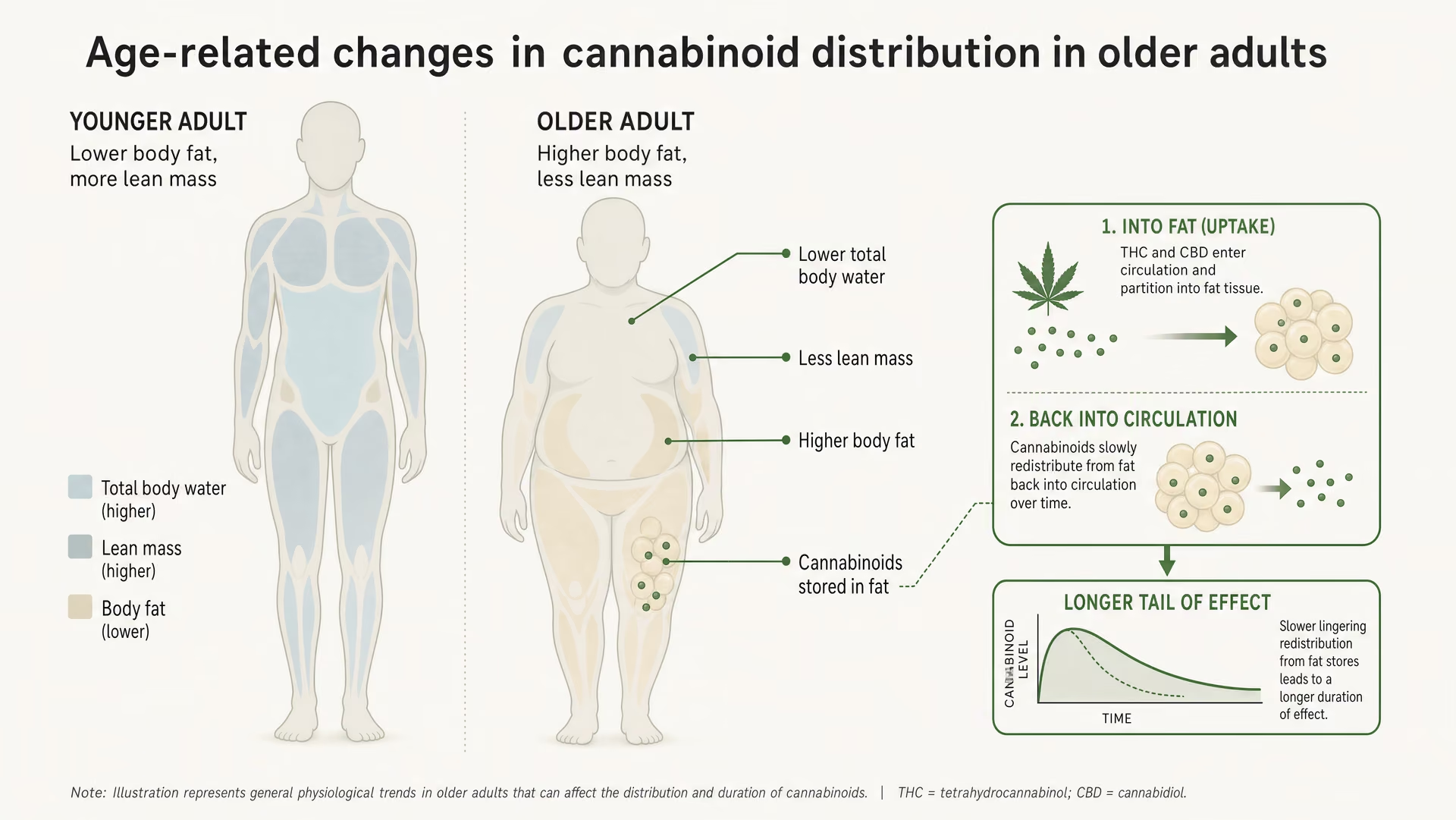
- Distribution Higher body-fat proportion can increase apparent distribution and prolong the tail of effect for lipophilic cannabinoids.
- Metabolism THC is metabolized mainly through CYP2C9 and CYP3A4; CBD through CYP3A4 and CYP2C19.
- Excretion and accumulation Reduced kidney reserve and polypharmacy can increase the chance that metabolites or co-administered drugs accumulate.
- Tissue sensitivity Older adults often have greater CNS sensitivity, so the same exposure can cause more sedation, dizziness, and cognitive impairment.
THC and CBD behave differently, but both are affected by age-related changes in absorption, distribution, metabolism, excretion, and tissue sensitivity. Those shifts help explain why older adults need lower starting doses, slower titration, and more attention to drug interactions than standard adult advice usually suggests.

Absorption, distribution, and why body fat matters
Cannabinoids are highly lipophilic. They dissolve into fat far more readily than into water. That matters because body composition changes with age: older adults generally have less total body water and lean mass, and a higher proportion of body fat.
For THC, this can mean a larger apparent volume of distribution and a longer tail of effect. After the initial psychoactive phase, THC and its metabolites can continue redistributing from fat stores back into circulation. In practical terms, the effect may linger. Not always dramatically, but enough to matter if the person is already vulnerable to sedation, orthostatic symptoms, or impaired balance.
CBD is also lipophilic, so the same body-fat issue applies, though without the same intoxication profile. A longer residence time may still increase cumulative exposure, especially with repeated oral dosing.
Route matters too. Inhaled THC reaches the brain quickly, which makes the effect easier to detect and stop if it is too strong. Oral cannabis is the opposite: slower, less predictable, and riskier for redosing. With edibles or capsules, onset may take 1 to 3 hours, sometimes longer in older adults with slower gastric emptying or variable absorption. That delay is a setup for the classic mistake: “I don’t feel anything yet,” followed by a second dose. Then both doses arrive.
For THC, oral use has another twist. First-pass liver metabolism converts part of it to 11-hydroxy-THC, an active metabolite that can feel stronger and last longer than inhaled THC. Seniors are the group least likely to shrug off that kind of overshoot. A younger adult may call it an unpleasant night. An older adult may end up with a fall, panic, confusion, or an emergency visit.
Liver metabolism, kidney function, and slower clearance
Aging tends to reduce hepatic blood flow and, in some people, liver metabolic capacity. Kidney function also declines with age, even when serum creatinine looks deceptively “normal” because muscle mass is lower. Cannabis is not unique here; many drugs last longer in older adults for the same reason. But with cannabinoids, delayed clearance intersects with delayed onset and CNS effects, which raises the safety stakes.
THC is metabolized mainly in the liver through CYP2C9 and CYP3A4 pathways. CBD is metabolized through CYP3A4 and CYP2C19 and is a meaningful inhibitor of several enzymes, especially CYP2C19. That means CBD is not a benign add-on in a person with polypharmacy. It can raise levels of clobazam, some antidepressants, some calcium-channel blockers, macrolide antibiotics, and other medications. At higher prescription-level doses, CBD has also been linked to liver enzyme elevations; the FDA-approved Epidiolex label documents dose-related transaminase increases, with higher risk when combined with valproate.
Renal excretion is less central for parent THC and CBD than hepatic metabolism, but kidney decline still matters because metabolites and co-administered drugs may accumulate. More importantly, older adults rarely take cannabinoids in isolation. They take them on top of antihypertensives, anticoagulants, sleep medications, opioids, anticholinergics, SSRIs, gabapentinoids, or benzodiazepines. Exposure is shaped by the whole regimen, not by cannabis alone.
That is why “start low, go slow, stay low,” emphasized in Canadian clinician guidance for older adults, is not just a slogan. It reflects predictable pharmacokinetic uncertainty.
Why the same dose can hit harder at 75 than at 35
Pharmacokinetics explains part of the story. Pharmacodynamics explains the rest.
Older adults are often more sensitive to centrally acting drugs. The same blood concentration can produce more sedation, more dizziness, and more cognitive impairment than it would in a younger person. Baseline vulnerability matters: reduced vestibular function, slower reaction time, orthostatic hypotension, frailty, mild cognitive impairment, and cardiovascular disease all lower the margin for error.
THC is the bigger concern here. It can cause tachycardia, postural lightheadedness, slowed attention, anxiety, and short-term memory disruption. In a younger adult, those effects may be transient and manageable. In a 75-year-old with coronary artery disease, nocturia, and a nighttime antihypertensive, they can be dangerous. The American Heart Association has warned that cannabis may trigger cardiovascular events and that clinicians should screen for use when assessing cardiovascular risk.[3] Labeling Accuracy of Cannabidiol Extracts Sold Online. Marcel O. Bonn-Miller, Sushil K. Loflin, Brian F. Thomas, Marilyn A. Marcu, Paul M. Hyke, Ryan Vandrey. JAMA, 2017.
CBD usually makes more pharmacologic sense as a first trial in older adults because it lacks THC’s intoxicating effects. But “safer” does not mean simple. Sedation can still occur. Drug interactions can be clinically significant. And over-the-counter labeling has been inconsistent: a 2017 JAMA analysis found many CBD products were mislabeled, and THC was detected in 21% of samples. For seniors highly sensitive to THC, that is not a trivial contamination issue.
The practical result is clear. Conservative dosing is not optional in this population; it is the scientific baseline. Low-dose oral CBD may be a reasonable starting point for selected patients, while THC — if used at all — usually belongs at much lower doses and with slower titration than mainstream adult cannabis advice admits.
CBD vs THC for seniors: not the same decision
Among adults 65 and older, past-month cannabis use rose from 4.8% in 2021 to 7.0% in 2023, according to a 2024 JAMA Internal Medicine research letter using National Survey on Drug Use and Health data. That trend matters because the CBD-versus-THC choice is not a branding question or a matter of taste. For older adults, it is usually a safety hierarchy question.
My view is straightforward: if cannabis is being considered at all in a senior, a CBD-dominant oral approach usually makes more sense as the first trial. Not because CBD is proven for everything. It is not. But because THC’s adverse effects line up almost perfectly with geriatric syndromes: dizziness, sedation, impaired balance, orthostatic symptoms, confusion, and in some patients, delirium. Those are not side issues in this age group. They are often the main issue.
The evidence base also needs to be kept in proportion. The 2017 National Academies report found substantial evidence that cannabis or cannabinoids help chronic pain in adults, chemotherapy-related nausea and vomiting, and patient-reported spasticity symptoms in multiple sclerosis. Adults, not specifically seniors. A 75-year-old with eight medications, low blood pressure on standing, and mild cognitive impairment is not pharmacologically interchangeable with a younger trial participant.
| Feature | CBD-dominant approach | THC-containing approach |
|---|---|---|
| Intoxication risk | Lower | Higher |
| Common geriatric concerns | Drug interactions, sedation at times | Dizziness, sedation, impaired balance, orthostatic symptoms, confusion |
| Symptoms article says it may help | Anxiety symptoms, pain with an inflammatory component, general symptom burden | Pain, appetite loss, nausea, sleep onset |
| Cardiovascular strain | Less central concern | Raises heart rate and can acutely shift blood pressure |
| Usual role in seniors | Often first trial | Usually second-step option if symptom target justifies risk |
What THC is more likely to help with
THC has the stronger case when the target symptoms are pain, appetite loss, nausea, and sleep onset. That does not mean dramatic benefit. The 2021 BMJ Rapid Recommendation led by Busse and colleagues found that non-inhaled medical cannabis or cannabinoids probably produce small improvements in pain and physical functioning and may slightly improve sleep. Small is the operative word.
In older adults, THC may be reasonable when pain is not controlled, when chemotherapy-related nausea is a major problem, or when low appetite and weight loss are part of the clinical picture. Some patients also report that low evening doses shorten the time it takes to fall asleep. But this is where many consumer articles become misleading: they mention symptom relief and bury the trade-off.
THC raises heart rate, can acutely shift blood pressure, and can worsen unsteadiness. The American Heart Association has warned that cannabis has the potential to trigger cardiovascular events and that clinicians should ask about use when assessing cardiovascular risk. For a senior with coronary artery disease, arrhythmia history, heart failure, syncope, or orthostatic hypotension, THC deserves much more caution than casual online guides suggest.
The interaction problem is also practical, not theoretical. THC layered onto opioids, benzodiazepines, sedative-hypnotics, alcohol, first-generation antihistamines, or anticholinergic drugs can push a patient toward oversedation, confusion, and falls. In geriatrics, that can mean an emergency visit after what looked like a “low dose.”
What CBD may offer and where evidence is thin
CBD is less likely than THC to cause intoxication or acute impairment, which is why clinicians often consider it first. In some older adults, CBD may help anxiety symptoms, pain with an inflammatory component, or general symptom burden without producing the same degree of dizziness or cognitive change. That makes it attractive on paper.
Direct randomized trial evidence for CBD in osteoarthritis and rheumatoid arthritis is limited. Limited evidence
But the evidence is thinner than the public narrative implies. For arthritis, especially osteoarthritis and rheumatoid arthritis, direct randomized trial evidence for CBD is limited. Topical CBD is heavily discussed online, yet strong clinical data are sparse. Sleep is similar. A 2020 review in Sleep Medicine Reviews concluded that evidence is insufficient to support cannabinoids for routine treatment of sleep disorders. Some people feel better in the short term. That is not the same as having reliable evidence for sustained benefit, especially in seniors where next-day grogginess matters.
For anxiety, CBD is often presented as settled science. It is not. There are promising signals, but seniors-specific data are still too limited to justify broad claims.
Why CBD-first is common but not risk-free
CBD-first is common because it lowers the immediate risk of intoxication, tachycardia, panic, and obvious impairment. Canadian clinician guidance for older adults and geriatric-focused tools from the Canadian Centre on Substance Use and Addiction reflect this logic: start low, go slow, stay low, and usually begin with oral CBD-dominant preparations before considering THC.
Still, CBD is not a harmless supplement. It inhibits CYP2C19 and CYP3A4, which means it can raise levels of other drugs. In older adults with polypharmacy, that matters a lot. Watch for interactions with clobazam, certain antidepressants, some calcium-channel blockers, macrolide antibiotics, and other CYP-metabolized medicines. The FDA-approved Epidiolex label also documents dose-related liver enzyme elevations, with higher risk when combined with valproate.
There is another problem: labeling is unreliable in parts of the market. In a 2017 JAMA analysis led by Bonn-Miller and colleagues, 26% of online CBD products contained less CBD than labeled, 43% contained more, and THC was detected in 21% of samples. For an older adult trying to avoid psychoactive effects, hidden THC is not a trivial issue.
So yes, CBD-dominant products often make more sense as a first step for seniors. But “CBD first” should never mean “CBD casually.” Review medications first, use low oral doses, and treat THC as a second-step option when the symptom target justifies the extra risk. Laws vary by jurisdiction, and this information is educational rather than personal medical advice.
What the evidence actually says about pain relief
Pain is the reason many older adults ask about cannabis, and the public story is usually too simple. Relief is possible. Dramatic relief is less common. The gap between those two claims matters, especially in seniors, where dizziness, sedation, orthostatic symptoms, impaired balance, and drug interactions may matter as much as the pain score itself.
The National Academies of Sciences, Engineering, and Medicine in 2017 concluded that there is substantial evidence that cannabis is effective for chronic pain in adults. That statement is often quoted as if it settles the matter for every older patient with arthritis, back pain, or neuropathy. It does not. The report was about adults in general, not seniors as a distinct pharmacology group, and many of the trials behind the conclusion were small, short, and not designed around geriatric risks.
The more practice-oriented reading comes from the 2021 BMJ Rapid Recommendation led by Jason Busse and colleagues. After reviewing randomized trials of non-inhaled medical cannabis or cannabinoids for chronic pain, the panel concluded that these products probably produce small improvements in pain and physical functioning and may produce a small improvement in sleep. Small is the operative word. That is a long way from “this treats chronic pain,” and even farther from “this replaces standard pain care.”
For older adults, that modest average benefit has to be weighed against a side-effect profile that overlaps with common geriatric syndromes. A younger adult may tolerate transient dizziness or slowed reaction time. A 78-year-old with antihypertensives, a cane, and prior falls is in a different risk category.
Chronic pain: modest benefit, not a miracle
The fairest summary of the evidence is that cannabis-based medicines can help some people with chronic pain, but the average effect is usually modest, not transformative. In the BMJ review, the expected gains in pain severity were small enough that many patients would notice only partial relief. Physical function improved a little, if at all. Sleep sometimes improved more than pain itself, which may still matter to patients, but it should not be misread as strong analgesia.
That distinction is especially important in seniors because chronic pain in later life is rarely a single mechanism problem. Osteoarthritis, spinal stenosis, diabetic neuropathy, old injuries, poor sleep, deconditioning, depressed mood, and social isolation often pile onto one another. A cannabinoid may blunt one piece of that experience without changing the whole syndrome very much.
This is why inflated expectations are a setup for disappointment. If an older adult expects opioid-level analgesia, they are likely to either abandon treatment quickly or escalate THC too fast, which is where confusion, tachycardia, panic, and falls become more likely. Geriatric guidance from Canadian sources such as the Canadian Centre on Substance Use and Addiction has been more realistic than much US consumer writing: start low, go slow, stay low, and prefer oral forms over inhalation when long-term symptom management is the goal.
Neuropathic pain versus musculoskeletal pain
Not all pain responds the same way. The evidence is stronger for some neuropathic pain settings than for broad musculoskeletal pain complaints.
Neuropathic pain includes conditions such as diabetic peripheral neuropathy, postherpetic neuralgia, radicular pain with nerve involvement, or central pain syndromes. Cannabinoid trials have often shown their most promising results here, though still with modest average effects and frequent adverse events. This is one reason the literature and the guideline discussions keep returning to neuropathic pain rather than simple joint pain.
That matters because many seniors are not presenting with “chronic pain” in the abstract. They are presenting with knee osteoarthritis, hand arthritis, low back pain, or generalized aching. For these musculoskeletal problems, the evidence base is thinner and less convincing. Arthritis is a prime example. It is one of the most common reasons older adults consider cannabis, yet direct randomized evidence in osteoarthritis and rheumatoid arthritis remains limited. Topical CBD is heavily discussed online, but high-quality clinical trial support is weak. The marketing story outran the science years ago.
There is also a pharmacology mismatch that often gets ignored. THC-containing products may offer more analgesic effect than CBD alone in some pain states, but THC is also the cannabinoid more likely to cause intoxication, dizziness, short-term cognitive impairment, and postural instability. In a younger population, that may be an inconvenience. In an older one, it can mean an emergency visit after a fall. CBD-dominant approaches often make more sense as a first trial from a safety standpoint, but patients should not be told that CBD has strong proof as a stand-alone analgesic for common arthritis pain. It does not.
Opioid-sparing claims and where the evidence stops
The opioid-sparing narrative is attractive: add cannabis, lower opioid dose, improve pain, reduce harm. There is some observational support for that idea, and it has generated real enthusiasm among clinicians and patients. But observational enthusiasm is not the same as high-quality proof.
Some patients do report reducing opioid use after starting cannabis. Population studies have also suggested associations between medical cannabis availability and lower opioid prescribing in certain periods. The problem is that these findings are vulnerable to confounding, policy shifts, and selection bias. People who try cannabis may differ from those who do not in ways that matter. State-level prescribing trends do not prove what happens to individual patients. Most important, randomized evidence showing reliable opioid reduction with maintained pain control remains limited.
For seniors, the opioid-sparing claim needs even more restraint. Combining THC with opioids can increase sedation and impair coordination. Add a benzodiazepine, a sedative-hypnotic, alcohol, a first-generation antihistamine, or an anticholinergic bladder drug, and the safety picture worsens fast. So even if cannabis eventually allows a lower opioid dose, the transition period may be riskier than popular narratives admit.
The evidence supports a narrower statement: cannabis or cannabinoids may help selected patients with chronic pain and may allow opioid reduction in some cases, but this is not established as a dependable outcome, and it should not be promised. For older adults, the right question is not “can cannabis treat pain?” It is “can a carefully chosen cannabinoid strategy provide enough symptom relief to justify the added risks in this specific patient?” That is a much harder question. It is also the honest one.
Sleep, anxiety, and arthritis: the conditions seniors ask about most
Adults over 65 are using cannabis far more often than they were a few years ago. A 2024 JAMA Internal Medicine research letter using National Survey on Drug Use and Health data found past-month use in this age group rose from 4.8% in 2021 to 7.0% in 2023. The most common reasons are not exotic. They are familiar, daily complaints: “I can’t sleep,” “I feel keyed up,” and “my joints hurt.”
That demand is real. The evidence is uneven. And in seniors, the safety tradeoffs are sharper than many consumer-facing articles admit.
Sleep: easier sleep onset, murkier sleep quality
Cannabis can help some older adults fall asleep faster, at least in the short term. That is the part people notice first. Low-dose THC, especially taken in the evening, may shorten sleep latency and produce a subjective sense of “better sleep.” The 2021 BMJ Rapid Recommendation on non-inhaled medical cannabis or cannabinoids for chronic pain found a small improvement in sleep disturbance, which fits what many patients report.
But feeling sedated is not the same thing as getting healthier sleep.
A 2020 review in Sleep Medicine Reviews concluded that evidence is insufficient to support cannabinoids for routine treatment of sleep disorders. That matters because the popular story usually stops at “people slept better.” Sleep architecture is the harder question. THC can suppress REM sleep, and while that may reduce dreaming or nightmares in some settings, it is not a simple win for routine insomnia. Chronic use can also lead to tolerance, with sleep worsening again when the effect fades or when the person stops.
For older adults, the bigger issue may be the morning after. Residual sedation, slowed reaction time, lightheadedness when standing, and impaired balance are not minor annoyances in this age group. They are fall risks. Geriatric clinicians worry less about whether a product “works for sleep” in a broad sense and more about what it does at 3 a.m. on the way to the bathroom and at 7 a.m. when blood pressure drops on standing.
That is why bedtime THC should not be treated like a harmless sleep aid. It can impair cognition and coordination even when the user feels calm rather than intoxicated. If an older adult already takes trazodone, zolpidem, a benzodiazepine, an opioid, a sedating antihistamine, or drinks alcohol in the evening, the sedative burden stacks up fast.
CBD is less likely than THC to cause that next-day “drugged” feeling, but it is not established as a reliable insomnia treatment in older adults either. The senior-specific evidence just is not there. And CBD brings its own issue: drug interactions through CYP2C19 and CYP3A4, which matter in a population already taking multiple prescriptions.
So the honest sleep message is this: cannabis may help some seniors fall asleep faster, but the case for better overall sleep quality is much weaker, and the next-day safety costs can outweigh the bedtime benefit.
Anxiety: low-dose THC, high-dose THC, and the CBD question
Anxiety is where dosage matters most and simplistic advice fails fastest.
Biphasic response An effect that can move in opposite directions at different doses; here, lower-dose THC may reduce anxiety for some people while higher-dose THC may worsen it.
THC has a biphasic response. At lower doses, some people feel less anxious, less tense, and more able to settle. At higher doses, THC can do the opposite: racing thoughts, panic, perceptual distortion, tachycardia, and a strong sense that something is wrong. Younger adults may experience that as unpleasant but transient. Older adults are more likely to experience it as disorientation, blood pressure instability, or an emergency visit.
That is why “THC for anxiety” needs a dose warning attached to it every time. The same compound can soothe at one dose and aggravate at another. Seniors are especially vulnerable because slower metabolism, higher body fat, and polypharmacy can make the effect less predictable and more prolonged. A dose that looks small on paper may not behave like a small dose in an 80-year-old taking other central nervous system depressants.
High-dose THC is a bad fit for many anxious older adults. Full stop. It raises the odds of dizziness, confusion, and panic-like symptoms while adding cardiovascular stress that matters in people with coronary disease, arrhythmia history, or orthostatic hypotension. The American Heart Association has warned that cannabis can trigger cardiovascular events and that clinicians should ask about use when assessing risk. That warning carries extra weight here.
CBD is the more interesting candidate for anxiety, but the evidence has a gap that should not be glossed over. Human studies suggest anxiolytic potential, especially in experimental and short-term settings, yet the data are not senior-specific enough to support broad claims for routine use in older adults with generalized anxiety, bereavement-related anxiety, or mixed anxiety-insomnia complaints. Promising is not the same as proven.
There is also a practical problem. Over-the-counter CBD products are inconsistently labeled. In a 2017 JAMA analysis, 26% of online CBD products contained less CBD than labeled, 43% contained more, and THC was detected in 21% of samples. For an older adult trying to avoid psychoactive effects, that is not a trivial quality-control issue. It is a safety issue.
So the defensible position is cautious: low-dose THC may help some seniors with anxiety, higher-dose THC often worsens it, and CBD is pharmacologically appealing but still under-supported by senior-specific clinical trials.
Arthritis: common use, weak direct evidence
Arthritis may be the single most common reason older adults ask about cannabis, and this is where expectation often outruns evidence.
There is decent adult-level evidence that cannabis or cannabinoids can modestly reduce chronic pain overall. The National Academies in 2017 found substantial evidence for chronic pain treatment in adults, and the 2021 BMJ recommendation found small to very small improvements in pain and function with non-inhaled products. But arthritis is not interchangeable with “chronic pain,” and seniors with osteoarthritis are not interchangeable with younger mixed-pain trial populations.
Direct randomized trial evidence in osteoarthritis and rheumatoid arthritis remains limited. That is the blunt truth. Some patients report less pain, easier sleep, and less evening stiffness. Those experiences are real. They do not amount to strong proof that cannabinoids meaningfully change arthritis symptoms across the older adult population.
Topical CBD deserves special skepticism. It is heavily promoted for sore knees, hands, and hips, yet high-quality randomized controlled data are thin. Skin absorption is variable. Dosing is imprecise. Product labeling is inconsistent. And many studies in this area are too small, too short, or too methodologically weak to support confident conclusions. For seniors, “it’s topical, so it must be safe and effective” is not an evidence-based shortcut.
The bottom line on arthritis is more restrained than the public conversation suggests: cannabis may modestly reduce some pain symptoms for some older adults, but direct evidence for arthritis itself is limited, and the case for topical CBD is weaker than most people assume.
Safety in older adults: falls, cognition, heart risk, and delirium
Cannabis use in older adults is no longer a fringe issue. A 2024 JAMA Internal Medicine research letter using National Survey on Drug Use and Health data found past-month use among U.S. adults age 65 and older rose from 4.8% in 2021 to 7.0% in 2023. That matters because geriatric safety problems are not the same as safety problems in younger adults. The question is not simply whether cannabis can reduce pain or improve sleep. It is whether the price of that symptom relief is dizziness, slower reaction time, confusion, orthostatic blood pressure drops, arrhythmia strain, or a fall with a hip fracture.
This is where many general-audience articles fail older readers. They borrow data from mixed-age adult studies and assume the same benefit-risk balance applies. It often does not. Aging changes liver metabolism, kidney clearance, body fat distribution, and sensitivity to central nervous system depressants. Polypharmacy adds another layer. A dose that produces mild intoxication in a middle-aged adult may produce disorientation, gait instability, or near-syncope in someone with neuropathy, antihypertensive use, and reduced physiologic reserve.
Geriatric clinicians focus on a short list of bad outcomes because they change lives fast: falls, delirium, cognitive decline, emergency visits, and cardiovascular events. THC-heavy products intersect with all of them.
Balance, dizziness, and fracture risk
Dizziness is not a minor nuisance in geriatrics. It is a fracture pathway. THC can impair balance, slow psychomotor speed, and worsen postural control. It can also contribute to orthostatic hypotension, especially in older adults already taking diuretics, alpha-blockers, nitrates, beta-blockers, or other blood-pressure-lowering drugs. Stand up too quickly after an evening dose and the result may not be “feeling off.” It may be a fall.
Sedation compounds the problem. So does combining cannabis with opioids, benzodiazepines, Z-drugs, sedating antihistamines, alcohol, gabapentinoids, or anticholinergics. For seniors, these interactions matter more than abstract receptor diagrams. The Canadian Centre on Substance Use and Addiction and related Canadian clinician guidance emphasize “start low, go slow, stay low” for exactly this reason, and generally favor oral CBD-dominant approaches before THC. That is not cultural preference. It is risk management.
Driving deserves direct mention here. Older adults may drive less, but many still drive regularly and often have narrower margins for visual, motor, or cognitive error. THC impairs lane control, reaction time, divided attention, and hazard response. Next-day impairment is a real concern with evening oral products because onset is delayed and duration is longer than many users expect. Sleep-targeted cannabis advice that ignores morning grogginess and slowed reaction time is not senior-safe advice.
A 2021 BMJ Rapid Recommendation led by Busse and colleagues found non-inhaled medical cannabis or cannabinoids probably provide small improvements in pain and physical functioning, with dizziness and cognitive adverse effects among the common tradeoffs. In older adults, “small benefit, common dizziness” should immediately trigger caution.
Memory, executive function, and confusion
Cognitive adverse effects are not rare edge cases in this age group. They are central safety outcomes. THC can affect short-term memory, attention, executive function, and processing speed. In a younger adult, that may be temporary and inconvenient. In an older adult with baseline mild cognitive impairment, hearing loss, poor sleep, multiple medications, or early neurodegenerative disease, the same disruption can tip into medication mistakes, missed meals, wandering, panic, or delirium.
Acute anxiety and paranoia also deserve more emphasis than they usually get. Higher-THC doses can worsen anxiety, not relieve it, particularly in inexperienced users. In older adults, that can present as agitation, fearfulness, repetitive calling, refusal of care, or an emergency evaluation for “sudden confusion.” Delirium vulnerability is higher when infection, dehydration, constipation, sleep disruption, hospitalization, or anticholinergic drug burden are already in play.
Observational data have raised concern about longer-term cognitive associations too. Ontario cohort research reported that older adults with cannabis-related acute care encounters had higher subsequent dementia diagnosis rates than matched controls. That does not prove cannabis causes dementia; confounding is a serious issue, and people presenting with cannabis-related problems may already differ in health status or substance exposure. Still, it is a warning signal, not something to brush aside.
CBD is often framed as the safe alternative, but that shorthand is too simplistic. CBD is less intoxicating than THC and usually makes more pharmacologic sense as a first trial in older adults. Yet it is not interaction-free. CBD inhibits CYP2C19 and CYP3A4, which can raise levels of drugs such as clobazam and may affect some antidepressants, calcium-channel blockers, and macrolide antibiotics. The FDA-approved Epidiolex label also documents dose-related liver enzyme elevations, especially with interacting drugs like valproate. And mislabeled retail CBD remains a real problem: a 2017 JAMA analysis associated with Bonn-Miller and colleagues found 26% of sampled products contained less CBD than labeled, 43% contained more, and THC was detected in 21%.
Cardiovascular concerns in people with existing disease
For older adults with coronary artery disease, prior arrhythmia, heart failure, stroke history, or symptomatic orthostasis, cannabis should not be treated casually. The American Heart Association has warned that cannabis can raise heart rate and blood pressure acutely and has the potential to trigger cardiovascular events. Causality varies by study design, but the physiologic concern is plausible and clinically relevant.
THC can increase myocardial oxygen demand while also affecting vascular tone. In someone with limited cardiac reserve, that is not trivial. Palpitations, tachycardia, blood pressure swings, and near-syncope may be dangerous even if they resolve quickly. Add dehydration, hot weather, alcohol, or a vasodilating antihypertensive and the risk rises again.
The bottom line is blunt: if an article about cannabis for seniors does not foreground falls, orthostasis, confusion, drug interactions, and cardiovascular strain, it is missing the real geriatric story. Cannabis may help selected older adults. But THC-heavy use carries a more serious safety burden in this population than most consumer writing admits.
Drug interactions that matter in real senior care
The interaction question is where senior cannabis counseling becomes real medicine instead of lifestyle chatter. In adults 65 and older, cannabis use is rising fast — a 2024 JAMA Internal Medicine research letter using NSDUH data found past-month use reached 7.0% in 2023, up from 4.8% in 2021. That trend matters because older adults are also the age group most likely to have polypharmacy, lower physiologic reserve, and medications that already push balance, blood pressure, alertness, and cognition in the wrong direction.
For many seniors, the first important question is not CBD vs THC. It is: what else is already on the medication list?
Sedatives, opioids, and compounded CNS depression
The most common clinically important cannabis interactions in older adults are pharmacodynamic, not metabolic. That means the drugs do not need to share the same liver enzyme pathway to create trouble; they can simply add up to more sedation, slower reaction time, worse balance, and more confusion.
THC is the main concern here. In geriatric care, its adverse effects overlap with classic geriatric syndromes: dizziness, sedation, impaired attention, orthostatic symptoms, and delirium risk. Add THC to other central nervous system depressants and the problem compounds.
The classes that matter most in practice are familiar:
- benzodiazepines such as lorazepam, clonazepam, alprazolam
- opioids such as oxycodone, hydrocodone, morphine, tramadol
- Z-drugs such as zolpidem and eszopiclone
- gabapentinoids such as gabapentin and pregabalin
- sedating antihistamines such as diphenhydramine and doxylamine
- anticholinergics, including bladder drugs and some older antidepressants
- alcohol, though it is often omitted from the medication list
This is not an abstract warning. A senior who takes nighttime zolpidem, gabapentin for neuropathy, and then adds THC for sleep has stacked three drivers of next-morning impairment. Another who uses oxycodone for arthritis pain and adds THC may feel more sedated before they feel more comfortable. Falls happen here. So does nocturnal confusion.
Opioids deserve special attention. Some patients hope cannabis will reduce opioid use, and that can happen in selected cases, but it should not obscure the short-term interaction problem. Until doses are stabilized, THC plus opioids can increase sedation and cognitive slowing. In a younger adult that may mean a bad night. In an 80-year-old with osteoarthritis, orthostasis, and a narrow hallway to the bathroom, it can mean a hip fracture.
CBD is less intoxicating, but “less intoxicating” is not the same as interaction-free. High-dose CBD may still contribute to sleepiness, especially when paired with other sedating drugs. In seniors, even mild extra sedation matters.
Warfarin, antiepileptics, antidepressants, and CYP interactions
Metabolic interactions are different. Here the issue is not additive sedation but altered drug levels because cannabinoids affect hepatic enzymes, especially CYP2C19 and CYP3A4. CBD is the main player.
Warfarin is the classic red-flag example. Case reports have described INR elevation after cannabis or CBD exposure, and the practical takeaway is simple: if a patient on warfarin starts or changes cannabinoid use, INR monitoring may need to change too. This is not theoretical enough to ignore. Bleeding risk in older adults is unforgiving.
Direct oral anticoagulants are murkier. Evidence is thinner than for warfarin, so this is a caution zone rather than a proven contraindication. Still, with apixaban or rivaroxaban, clinicians should think about possible CYP3A4 and P-glycoprotein effects, frailty, renal function, and what happens if a fall occurs. “No strong evidence yet” is not the same as “safe.”
Antiepileptics are another major category. The strongest named interaction is CBD with clobazam. CBD inhibits CYP2C19 and can raise levels of clobazam’s active metabolite, norclobazam, which increases sedation. This is well established from the Epidiolex literature. Valproate is a separate issue: the FDA label for cannabidiol documents dose-related liver enzyme elevations, with greater risk when used with valproate. In an older adult with baseline fatty liver disease or multiple hepatically cleared drugs, that matters.
Antidepressants are often treated too casually in consumer articles. Some SSRIs and SNRIs may be affected by CYP pathways relevant to CBD, and the real-world result can be more adverse effects rather than clearer benefit. Tricyclic antidepressants raise a different concern: anticholinergic burden, sedation, and arrhythmia vulnerability can all look worse when THC is layered on top.
Cardiovascular medicines belong on the list too. Some beta-blockers and calcium-channel blockers can interact pharmacokinetically or amplify blood-pressure effects that are already problematic in seniors. A patient who runs low-normal pressures on metoprolol or diltiazem does not need extra orthostatic dizziness from THC.
Why medication review should come before dosing advice
This is the point most senior cannabis articles miss. Medication review often matters more than choosing indica vs sativa, and often more than the initial CBD-vs-THC question. If the list includes clonazepam, tramadol, gabapentin, diphenhydramine, warfarin, sertraline, and metoprolol, the safe conversation is already defined before any cannabinoid dose is discussed.
A useful review asks four things: what raises fall risk, what causes sedation, what depends on CYP2C19 or CYP3A4, and what has a narrow therapeutic window. That framework catches most of the problems that actually hurt older adults.
Then dosing can follow. Not before. Laws vary by jurisdiction, and any cannabis use for medical purposes should be discussed with a clinician or pharmacist who can review the full medication list.
Dosing for older adults: start low is not enough
“Start low and go slow” is the right instinct, but by itself it is too vague for older adults. Age changes the dosing equation. Oral absorption is less predictable, liver and kidney clearance may be reduced, body fat can prolong cannabinoid effects, and the margin between symptom relief and side effects is often narrower. Add antihypertensives, antidepressants, sleep drugs, opioids, or anticoagulants, and the main risk is no longer abstract cannabinoid pharmacology. It is falls, confusion, oversedation, orthostatic symptoms, and interactions.
That matters because use is rising fast. A 2024 JAMA Internal Medicine research letter using NSDUH data found past-month cannabis use in US adults 65 and older rose from 4.8% in 2021 to 7.0% in 2023. The dosing advice aimed at a healthy 30-year-old should not be copied over.
A practical CBD-first titration framework
For many older adults, a CBD-dominant oral product is the more cautious first trial when cannabis is being considered at all. This is not because CBD is harmless. It is because THC creates more immediate problems in this age group: dizziness, impaired balance, tachycardia, anxiety, and acute cognitive effects. Canadian geriatric guidance from the CCSA and related clinician tools generally favor oral CBD-first approaches for exactly that reason.
A practical framework is simple: change one variable at a time, wait long enough to judge it, and write down both benefit and harm. Oral oils and capsules are easier to titrate than edibles because the dose per unit is usually clearer and the onset is less likely to tempt repeat dosing. Many geriatric clinicians begin with a very low oral CBD dose once daily, often in the low single-digit milligram range, then hold for several days before any increase. Not hours. Days. That slower pace is meant to separate a true steady effect from day-to-day noise and to catch adverse effects that older adults may dismiss at first as “just feeling off.”
Tracking should be concrete: pain score, sleep latency, nighttime awakenings, morning grogginess, dizziness on standing, palpitations, bowel changes, and any new confusion. If nothing improves and side effects appear, more is not automatically better.
CBD also has a real interaction profile. It inhibits CYP2C19 and CYP3A4, which can raise levels of clobazam and affect some antidepressants, calcium-channel blockers, macrolides, and other drugs. At higher prescription doses, liver enzyme elevations are documented on the Epidiolex label. For older adults with polypharmacy, “CBD first” still means medication review first.
When low-dose THC is considered
THC is not off-limits for every senior, but it deserves a much higher threshold. If a CBD-dominant oral trial is ineffective and the target symptom is persistent pain, spasticity, severe nighttime symptoms, or chemotherapy-related nausea, some geriatric frameworks consider adding very small oral THC doses, often at bedtime first. The key word is very small. Consumer advice for adults commonly starts too high for this population.
Why so conservative? The 2021 BMJ rapid recommendation on non-inhaled medical cannabis for chronic pain found only small average improvements in pain, functioning, and sleep, while dizziness and cognitive adverse effects were common. In older adults, those “common transient effects” can mean a nighttime fall or next-day impairment. THC can also worsen anxiety at higher doses and can combine badly with benzodiazepines, opioids, sedative-hypnotics, alcohol, antihistamines, and anticholinergics.
A slow bedtime titration, with no same-night redosing, is safer than chasing quick relief.
Why inhalation is harder to dose safely
Inhalation works quickly, but that speed is exactly why it is harder for many older adults to dose safely. Rapid onset invites repeat dosing before the full effect is judged. Puff size, depth of inhalation, device variability, and product potency all change exposure. So does technique. Two people using the same vape or smoked product may absorb very different amounts.
That unpredictability is a poor fit for someone with orthostatic symptoms, coronary disease, arrhythmia history, chronic lung disease, or fall risk. The American Heart Association has warned that cannabis can acutely raise heart rate and blood pressure and may trigger cardiovascular events in susceptible people. Smoking adds combustion byproducts; vaping avoids smoke but not dosing inconsistency.
Oral oils, capsules, and measured tinctures are slower. That can frustrate people seeking fast relief, yet slower is often safer for seniors because it forces spacing between dose changes. Edibles are the most accident-prone oral form: delayed onset leads people to take more, then the peak arrives all at once. Whatever the formulation, the rule that matters is not just start low. Start low, wait long enough, change slowly, and keep records.
| Route | Onset | Dosing reliability | Main senior concerns | Article's overall fit for seniors |
|---|---|---|---|---|
| Oral oils/capsules/tablets | 1 to 3 hours | More consistent than inhalation | Delayed onset, redosing errors, CYP interactions, long duration | Often practical starting point |
| Edibles | 1 to 3 hours | Variable by product and absorption | Most accident-prone oral form due to delayed onset and overshoot | Use with extra caution |
| Inhaled products | Within minutes | Variable puff to puff | Abrupt psychoactive effects, cardiovascular strain, airway concerns | Often a poor fit in frailty or heart disease |
| Topicals | Not emphasized as systemic therapy | Imprecise for cannabinoid delivery | Thin evidence for arthritis benefit; expectations should be modest | Reasonable only for localized discomfort with modest expectations |
Choosing route of administration in later life
For older adults, route matters almost as much as compound. A CBD-dominant capsule, a THC edible, a vaporized flower product, and a topical balm do not behave like interchangeable versions of the same therapy. They differ in onset, dosing reliability, interaction burden, and the kind of harm they can cause. In later life, that means route choice should be driven by fall risk, cognition, lung and heart status, and medication list—not just the symptom being targeted.

Oral products
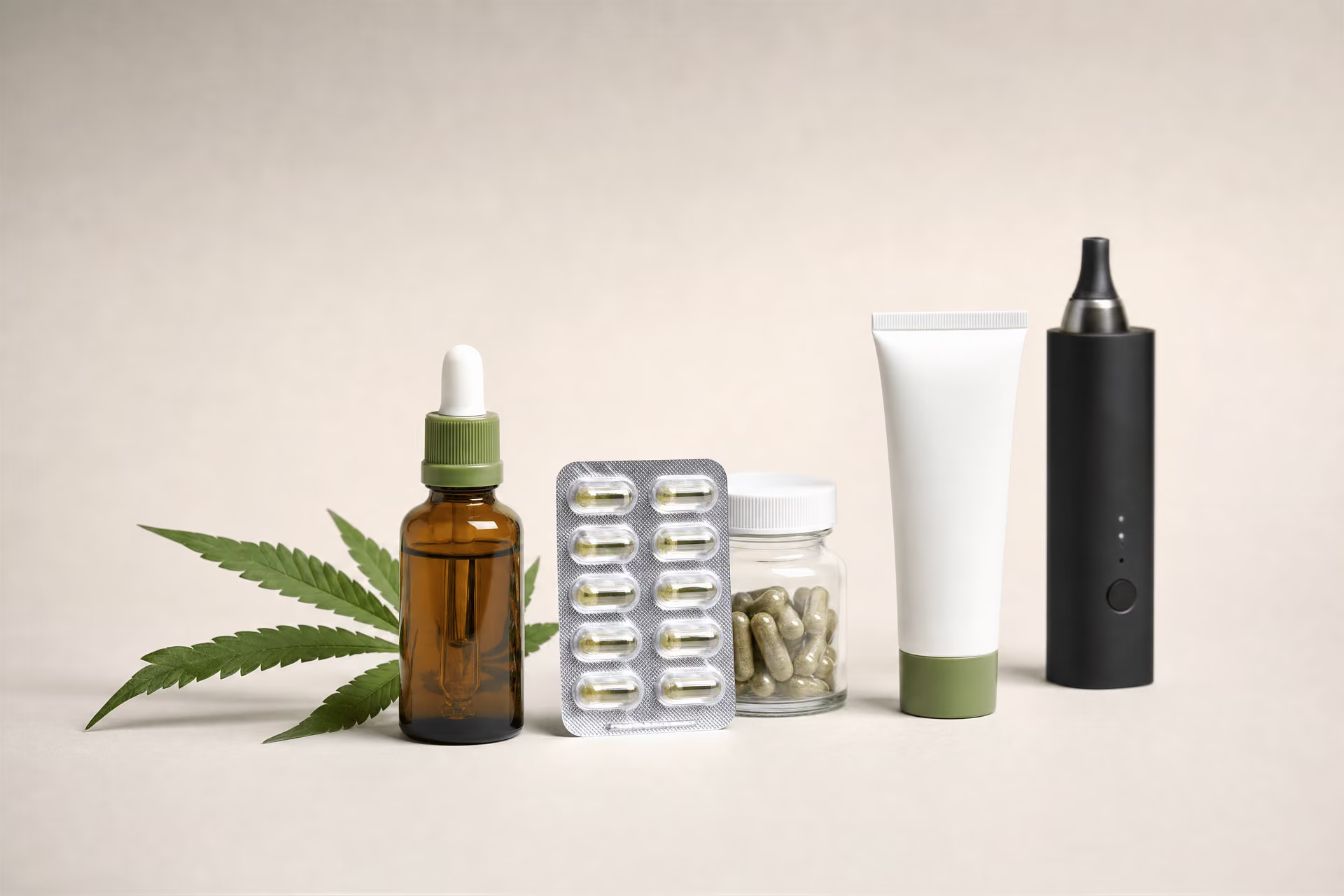
Oils, capsules, tablets, and edibles are often the most practical starting point for seniors because dosing can be measured and repeated with more consistency than inhalation. That fits geriatric guidance from the Canadian Centre on Substance Use and Addiction, which generally favors “start low, go slow, stay low,” often with CBD-dominant oral products first.
The tradeoff is slow onset and long duration. Effects may not appear for 1 to 3 hours, and oral THC can peak late enough that people redose too soon. That is how dizziness, confusion, and an unexpectedly strong intoxication episode happen. Oral products also pass through the liver, which matters in a population already dealing with slower metabolism, reduced kidney reserve, and polypharmacy. CBD is not harmless here: it inhibits CYP2C19 and CYP3A4, and the FDA-approved Epidiolex label documents dose-related liver enzyme elevations. THC adds pharmacodynamic risk when paired with opioids, benzodiazepines, sedative-hypnotics, alcohol, antihistamines, or anticholinergics.
Inhaled products
Inhalation works fast—often within minutes—which can help when symptoms are episodic and a person needs to gauge effect quickly. That speed is the main advantage.
But it comes with major costs in older adults. Dose delivery is variable from puff to puff, making it harder to titrate reliably. Smoking adds airway irritation and combustion exposure. Vaporized products avoid smoke but not the basic issue that inhalation can produce abrupt psychoactive and cardiovascular effects. The American Heart Association has warned that cannabis can trigger cardiovascular events in susceptible patients. For seniors with coronary disease, arrhythmia history, orthostatic symptoms, or frailty, inhalation is often the wrong route.
Topicals and where expectations should be modest
Creams, gels, and balms appeal to older adults with hand pain, knee osteoarthritis, or other localized symptoms because they avoid intoxication and usually have little systemic absorption. That makes them attractive. It does not make them well proven.
Topical CBD is heavily promoted for arthritis, but direct high-quality randomized evidence is thin. Some people report temporary relief, likely helped by massage, menthol, capsaicin, or the emollient itself. That is not the same as showing meaningful anti-arthritic benefit from cannabinoids. Topicals are reasonable to try for localized discomfort when expectations are modest, but they should not be sold as a substitute for stronger evidence-based pain care.
Who should be especially cautious or avoid cannabis altogether
Cannabis use among older adults is rising fast: a 2024 JAMA Internal Medicine research letter using NSDUH data found past-month use in adults 65+ increased from 4.8% in 2021 to 7.0% in 2023. That trend makes screening more important, not less. The main mistake in popular advice is assuming seniors respond like younger adults. They do not. Age-related changes in hepatic metabolism, kidney function, body fat, blood-pressure regulation, and baseline cognition can turn a “low” adult dose into a bad geriatric drug trial.
Dementia, psychosis history, and unstable cardiovascular disease
These are the clearest red flags. Active delirium, dementia with behavioral symptoms, prior cannabis-induced psychosis, schizophrenia-spectrum illness, or a strong history of psychosis should push clinicians toward avoidance, especially of THC-containing products. THC can worsen confusion, paranoia, perceptual disturbance, and nighttime disorientation. In a patient already near the edge cognitively, that matters more than any theoretical sleep benefit.
Cardiovascular instability belongs in the same caution tier. The American Heart Association has warned that cannabis can acutely raise heart rate and blood pressure and may trigger cardiovascular events in susceptible patients. Older adults with uncontrolled arrhythmia, recent myocardial infarction, unstable angina, decompensated heart failure, or severe orthostatic hypotension are poor candidates for an unsupervised trial. If syncope is already on the table, adding a drug associated with dizziness and orthostasis is hard to justify.
Severe liver disease is another under-discussed problem. CBD is not pharmacologically “gentle” when hepatic reserve is reduced, and higher-dose CBD has documented liver enzyme elevation risk in the FDA-approved Epidiolex data.
Frailty, recurrent falls, and heavy polypharmacy
Frailty changes the risk-benefit math. So do recurrent falls, gait instability, Parkinsonism, poor vision, and sedative sensitivity. Geriatric guidance from the Canadian Centre on Substance Use and Addiction and related clinician tools repeatedly stress that THC adverse effects overlap with geriatric syndromes: sedation, impaired balance, confusion, and orthostatic symptoms.
Heavy polypharmacy should trigger a medication review before any trial. THC adds pharmacodynamic sedation with opioids, benzodiazepines, Z-drugs, alcohol, antihistamines, and anticholinergics. CBD inhibits CYP2C19 and CYP3A4, which can raise levels of clobazam and affect some antidepressants, calcium-channel blockers, and macrolides. Very complex regimens are not an absolute ban, but they are a reason to slow down.
Pre-trial screening questions for seniors
- Any history of psychosis, severe anxiety with THC, delirium, or dementia?
- Any recent MI, unstable arrhythmia, syncope, severe orthostasis, or uncontrolled cardiovascular disease?
- Any falls in the past year, baseline dizziness, gait impairment, or daytime sedation?
- Any liver disease, major kidney impairment, or unintentional weight loss/frailty?
- What other CNS-active drugs, anticoagulants, antiarrhythmics, antiseizure drugs, or CYP3A4/CYP2C19 substrates are on board?
- What symptom is being targeted, and how will benefit be measured within 2 to 4 weeks?
Questions clinicians should ask before any trial
Start with a practical screen:
- Any history of psychosis, severe anxiety with THC, delirium, or dementia?
- Any recent MI, unstable arrhythmia, syncope, severe orthostasis, or uncontrolled cardiovascular disease?
- Any falls in the past year, baseline dizziness, gait impairment, or daytime sedation?
- Any liver disease, major kidney impairment, or unintentional weight loss/frailty?
- What other CNS-active drugs, anticoagulants, antiarrhythmics, antiseizure drugs, or CYP3A4/CYP2C19 substrates are on board?
- What symptom is being targeted, and how will benefit be measured within 2 to 4 weeks?
If those questions are not answered first, the trial is not ready.
References
- [1] Past-Month Cannabis Use Among Older Adults in the US, 2021-2023. JAMA Internal Medicine, 2024. https://jamanetwork.com/journals/jamainternalmedicine
- [2] Medical cannabis or cannabinoids for chronic pain: a clinical practice guideline. BMJ, 2021. https://www.bmj.com/content/374/bmj.n2040
- [3] Labeling Accuracy of Cannabidiol Extracts Sold Online. JAMA, 2017. https://doi.org/10.1001/jama.2017.11909