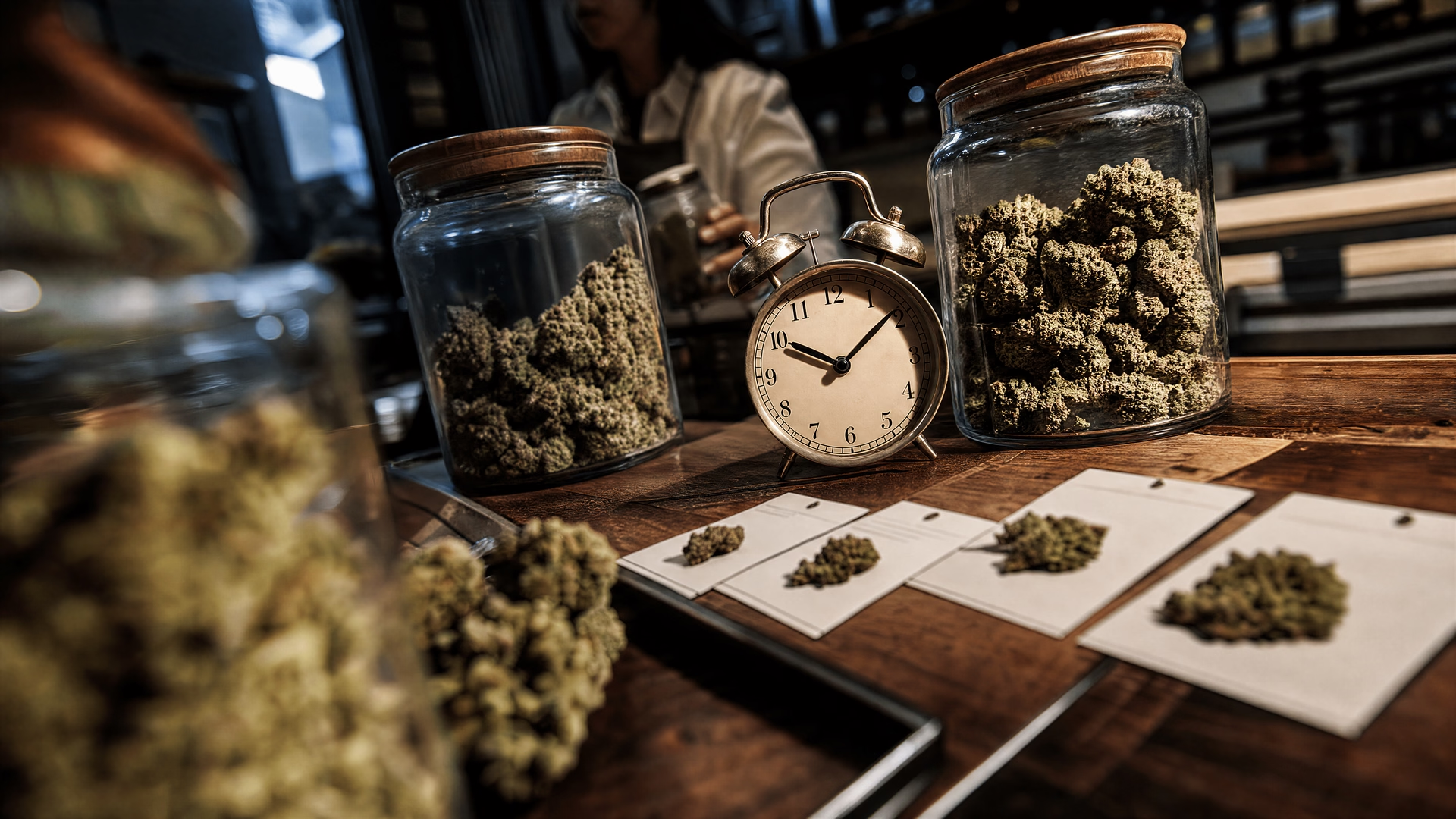














Why geraniol matters in cannabis
Geraniol detected in a cannabis product does not by itself support reliable predictions of calming, uplifting, or therapeutic effects in humans. Limited evidence
Geraniol needs a correction, not a hype cycle. It is a real cannabis terpene, measurable by GC-based lab methods, and biochemically interesting as an acyclic monoterpene alcohol with the formula C10H18O and molecular weight 154.25 g/mol, per PubChem. But the leap from “geraniol detected” to “this floral cultivar will feel calming, uplifting, or therapeutic in a predictable way” is not supported by good human evidence. Cannabis is chemically crowded: a 2021 Molecules review counted more than 150 phytocannabinoids and more than 200 terpenes in Cannabis sativa. That matters because any claim about one minor terpene has to compete with a dense, shifting chemical background.
Flower still matters here. Health Canada reported dried flower accounted for 73% of legal cannabis sales value in 2023–2024, and inhaled flower remains a major terpene exposure route. So geraniol is not academic trivia. It is part of what people smell and inhale. The problem is interpretation.
Geraniol is usually a minor terpene, not the star of the profile
In most cannabis samples, geraniol is present at much lower concentrations than profile leaders such as myrcene, limonene, beta-caryophyllene, terpinolene, or pinene. That does not make it irrelevant. It does mean it is rarely the dominant explanatory variable.
Biochemically, geraniol is interesting because it sits inside the monoterpene production map rather than outside it. Plants make it from geranyl diphosphate, or GPP, the central monoterpene precursor produced through the plastidial MEP pathway. The broad framework is well established. The geraniol-specific story in cannabis is not. A 2020 Frontiers in Plant Science paper identified 55 terpene synthase genes in the cannabis genome, showing a large and flexible biosynthetic toolkit, but that is not the same as proving stable “geraniol-rich” inheritance in named cultivars across farms, harvests, and labs.
| Claim | What the article says instead | Why the claim is weak |
|---|---|---|
| Floral aroma points to one molecule | Floral perception can come from geraniol, linalool, nerolidol, terpinolene, esters, sulfur compounds, and oxidation products | Aroma reflects mixtures and thresholds, not one compound |
| Strain names identify geraniol reliably | Named cultivars are not standardized biological units | Profiles shift with genotype, light, harvest timing, storage, and analytical method |
| A boiling point explains the aroma label | Geraniol's boiling point is around 229–230 °C, but aroma is still mixture-driven | One physical property does not identify the dominant odorant |
What popular terpene guides get wrong about floral cultivars
The biggest error is treating floral aroma as a fingerprint for one molecule. It is not. Geraniol can contribute rose-like, citrusy, even peach-like notes, yet floral perception in cannabis can also come from linalool, nerolidol, terpinolene, esters, sulfur compounds, and oxidation products formed during drying and curing. NIST lists geraniol’s boiling point around 229–230 °C, but that figure does not rescue simplistic labeling. Aroma is about mixtures and thresholds, not a single static number on a chart.
Another weak claim: strain names can identify geraniol reliably. They cannot, at least not from current public evidence. Named cultivars are not standardized biological units, and oxygenated monoterpenes can shift with genotype, light intensity, harvest timing, storage, and analytical method.
Why a minor compound can still matter to aroma and interpretation
Minor does not mean meaningless. Some compounds shape aroma at low concentrations, especially when they interact perceptually with other volatiles. Geraniol also matters because it signals something about pathway flux: if it is present, the plant’s monoterpene metabolism and post-harvest chemistry took a specific route.
Pharmacology is where restraint matters most. Reviews outside cannabis report anti-inflammatory, antimicrobial, antioxidant, analgesic, and neuroprotective signals for geraniol, mostly in vitro or in animal models. Ethan Russo’s terpene reviews are often cited to suggest terpene-cannabinoid effect pairings, but those pairings remain much less proven than consumer media implies. For cannabis users, the defensible position is simple: geraniol is worth measuring, worth discussing, and not strong enough evidence on its own to predict effects.
Geraniol chemistry and aroma profile
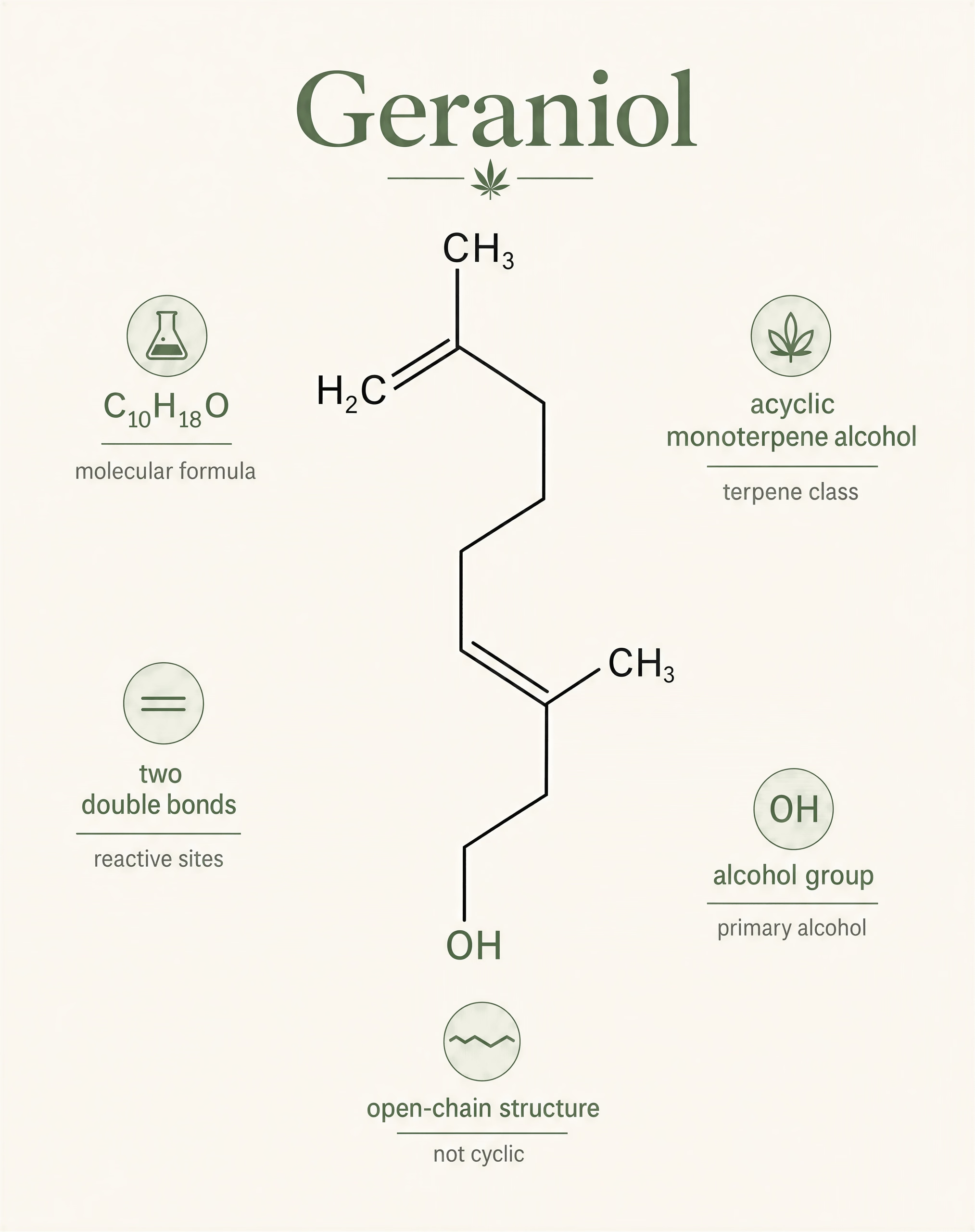
Geraniol chemistry terms
- Acyclic
- Open-chain structure with no ring in the carbon skeleton.
- Monoterpene
- A 10-carbon terpene built from two isoprene units.
- Alcohol
- Contains one hydroxyl group, which affects odor and reactivity.
- IUPAC name
- 3,7-dimethyl-2,6-octadien-1-ol.

Chemical identity: an acyclic monoterpene alcohol
Geraniol is not a vague “floral terpene.” Chemically, it is a defined molecule: an acyclic monoterpene alcohol with the formula C10H18O and a molecular weight of 154.25 g/mol, as listed by PubChem. “Acyclic” matters here. Unlike ring-containing terpenes such as terpineol, geraniol has an open-chain structure, specifically 3,7-dimethyl-2,6-octadien-1-ol. In plain terms, it is a 10-carbon monoterpene built from two isoprene units, carrying one alcohol group and two double bonds.
Its physical properties help explain both its behavior in cannabis and the trouble labs have measuring minor oxygenated terpenes consistently. NIST lists a boiling point around 229–230 °C at 760 mmHg and a flash point near 101 °C. Those numbers place geraniol in the “volatile, but not as fleeting as the lightest monoterpene hydrocarbons” category. It is usually described as a colorless to pale yellow liquid with low water solubility and good solubility in organic solvents, which is why it is easily recovered and measured in essential oils and terpene extracts.
In plants broadly, geraniol is formed from geranyl diphosphate, or GPP, the central monoterpene precursor produced through the plastidial MEP pathway. That pathway is well established in plant biochemistry, and the broader cannabis terpene map is summarized in the 2021 Molecules review on Cannabis sativa terpenes. What is much less settled is geraniol-specific inheritance in cannabis. The 2020 Frontiers in Plant Science paper on the cannabis genome identified 55 terpene synthase genes, including 33 complete and 22 partial sequences, which shows the scale of terpene biosynthetic complexity. It does not mean named cannabis cultivars can be treated as stable geraniol chemotypes.
That distinction gets lost online. Geraniol is real, measurable, and biochemically plausible in cannabis. But in most flower datasets, when it appears at all, it is usually a minor constituent relative to myrcene, limonene, β-caryophyllene, terpinolene, or pinene.
Sensory descriptors: rose, citrus, peach, and sweet floral notes
The classic geraniol descriptors are rose-like, sweet floral, citrusy, and sometimes peach-like. Those terms are grounded in perfumery and food aroma literature, because geraniol is abundant in rose oil, palmarosa, citronella, and other aromatic plants. In cannabis, those descriptors are still useful, but only if they are treated as approximations rather than proof of causation.
Aroma is concentration-dependent. At low levels, geraniol may register as a soft floral lift or a sweet citrus accent. At higher concentrations, it can read more distinctly rosy, waxy, or perfume-like. The surrounding chemical matrix changes perception too. In a cannabis sample rich in limonene, the same amount of geraniol may push the nose toward candied citrus or fruit peel. In a sample with linalool and nerolidol, it may blend into a broader lavender-floral impression. Add esters, aldehydes, sulfur volatiles, or oxidation products, and the sensory picture shifts again.
This is why “floral” is an unreliable shortcut. Cannabis produces more than 200 terpenes according to the 2021 Molecules review, and routine lab panels capture only a fraction of that chemistry. A floral aroma in real flower could reflect geraniol, linalool, α-terpineol, nerolidol, terpinolene, trace esters, or compounds not measured at all. Single-compound attribution is rarely justified unless a sample has unusually clear quantitative data and sensory work to match it.

Volatility, oxidation, and why storage changes perception
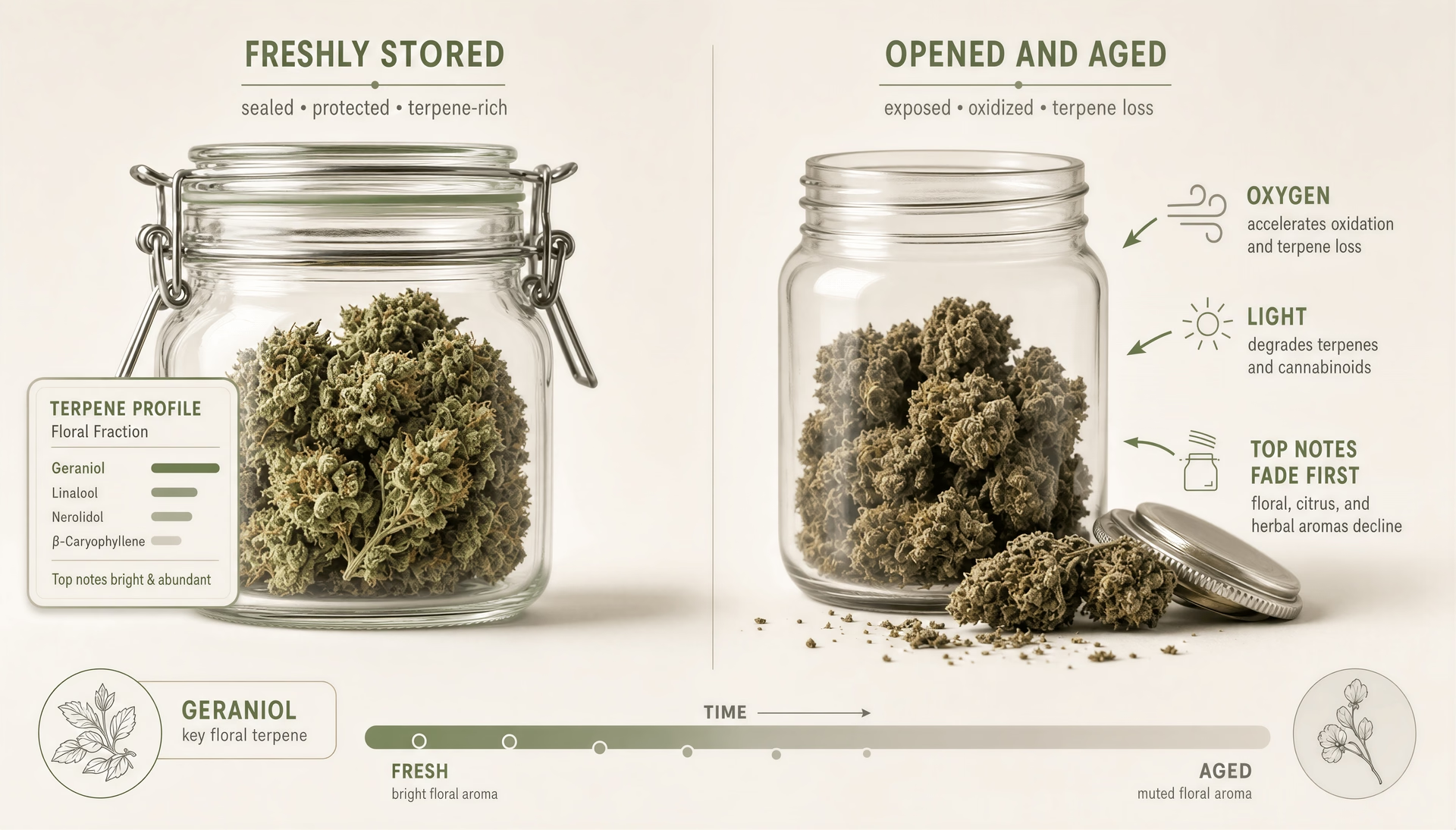
Geraniol’s aroma is not fixed from harvest to consumption. Storage changes it. So do drying, curing, grinding, heat exposure, oxygen, and light.
Even though geraniol has a higher boiling point than many monoterpene hydrocarbons, it is still volatile enough to decline over time, especially once plant material is broken up and exposed to air. More important, it is chemically reactive. Oxygenated monoterpenes can oxidize, rearrange, or participate in secondary transformations during post-harvest handling. That means the sensory profile of a fresh sample and the profile of the same sample months later may differ even if the label has not changed.
Perception changes before numbers do. Aged flower can lose bright top notes first, making sweeter, heavier, or duller floral impressions seem more prominent or less distinct. Geraniol may also be affected by matrix changes around it: loss of limonene, shifts in terpinolene, and the emergence of oxidation byproducts can all alter how the nose interprets the remaining floral fraction. So a certificate of analysis is time-sensitive, not permanent. That point matters in cannabis because minor terpenes often sit near method detection limits, where small handling differences can determine whether geraniol is reported at all.
| Compound | Class | Typical aroma description in the article | Relative sensory impression |
|---|---|---|---|
| Geraniol | Monoterpene alcohol | Rose-forward, sweet, citronella-citrus, peach-like | Brighter rosy floral |
| Linalool | Monoterpene alcohol | Softer, lavender-like, cleaner herbal-floral | Gentler floral |
| α-Terpineol | Terpene alcohol | Lilac-like, creamy, slightly soapy | Creamier floral |
| Nerolidol | Sesquiterpene alcohol | Heavier, woodier, subdued floral-woody | Deeper background note |
How geraniol differs from linalool, terpineol, and nerolidol in aroma
Geraniol overlaps heavily with other oxygenated terpenes, but it is not the same thing sensorially.
Linalool is usually softer and more lavender-like, with a cleaner herbal-floral character. Geraniol tends to feel more rose-forward, sweeter, and more citronella-citrus in the upper register. α-Terpineol often reads lilac-like, creamy, or slightly soapy, with less of geraniol’s fresh rosy brightness. Nerolidol, a sesquiterpene alcohol rather than a monoterpene alcohol, is heavier, woodier, and more subdued, often contributing a humid floral-woody background rather than a bright top note.
Those are useful distinctions in isolation. In cannabis, they blur fast. Small shifts in concentration, cultivar chemistry, moisture content, and oxidation state can make linalool-rich flower smell “rosey” or make geraniol-containing flower seem generically floral. That is why claims like “this strain smells floral, so geraniol must be driving the effects” are not just overstated but chemically weak. Geraniol can shape aroma. It cannot be inferred reliably from floral language alone, and it certainly cannot support effect predictions by itself.
How cannabis makes geraniol
Geraniol does not appear in cannabis because a flower “decides” to smell rosy. It is made through a defined branch of plant isoprenoid metabolism, and in cannabis that branch sits inside a crowded biochemical network producing dozens of monoterpenes at once. That matters because geraniol is usually a minor constituent, often near the edge of what routine terpene panels can measure reliably. A floral note on a label is not a biosynthetic explanation.
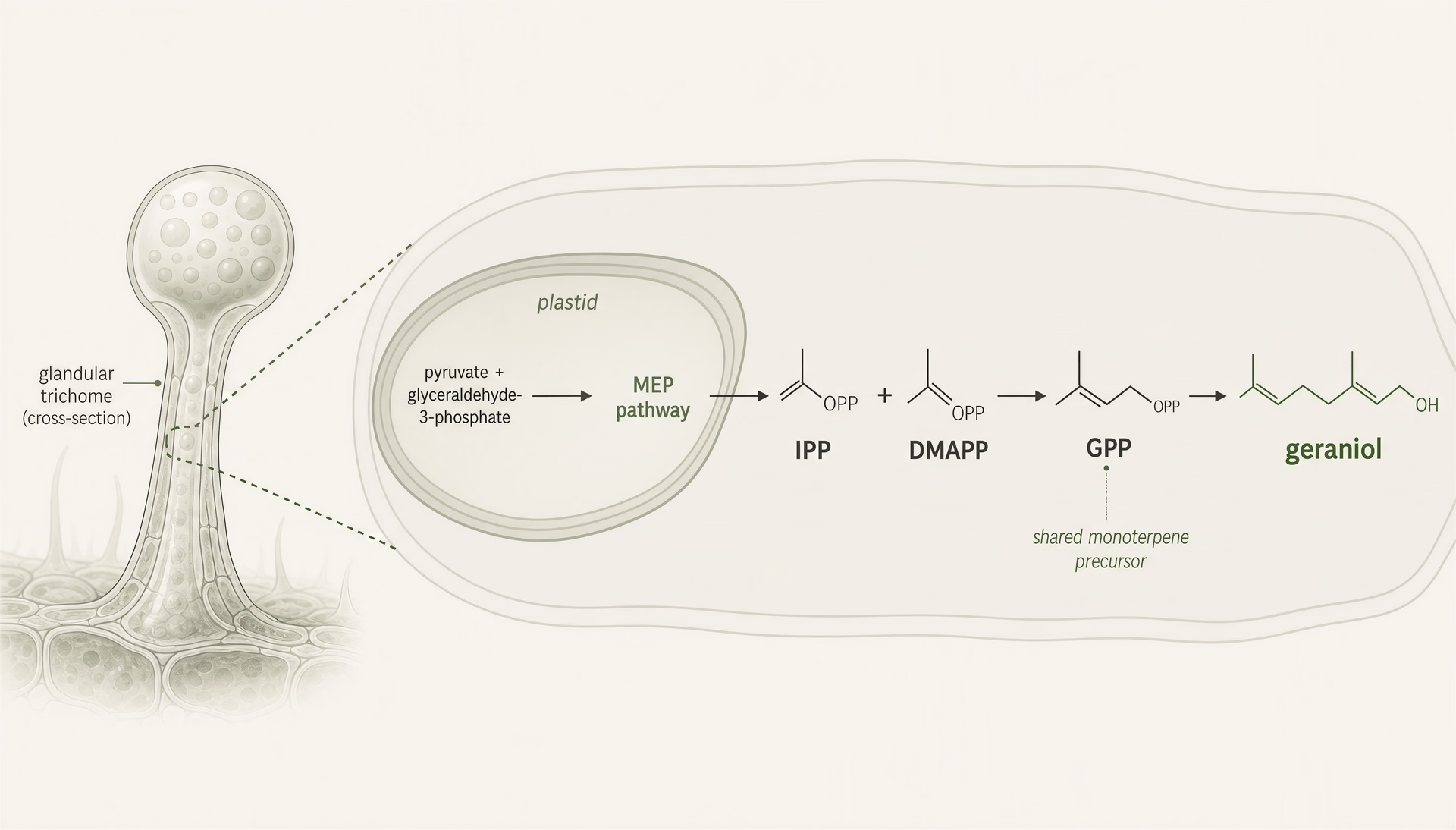
How cannabis gets to geraniol
- Start with central metabolites Pyruvate and glyceraldehyde-3-phosphate feed the plastidial MEP pathway.
- Make isoprenoid building blocks The pathway produces IPP and DMAPP, the universal five-carbon terpene units.
- Form the branch-point substrate One IPP and one DMAPP condense to form geranyl diphosphate, or GPP.
- Divert GPP through terpene synthases Competing enzymes convert GPP into different monoterpenes, including geraniol-related products.
- Modify after synthesis Oxidation, downstream enzymes, and post-harvest chemistry can shift the final oxygenated terpene profile.

The MEP pathway and monoterpene precursors
In cannabis, as in many aromatic plants, most monoterpenes are built in plastids through the methylerythritol phosphate pathway, usually shortened to MEP. This is the plastidial route to the five-carbon isoprenoid building blocks isopentenyl diphosphate, IPP, and dimethylallyl diphosphate, DMAPP. Those two small units are the universal currency from which larger terpene skeletons are assembled.
The pathway begins with pyruvate and glyceraldehyde-3-phosphate. Through a series of enzyme-catalyzed steps, plants generate 1-deoxy-D-xylulose 5-phosphate, then MEP, and eventually IPP and DMAPP. That may sound far upstream from geraniol, but this is where supply is set. If plastidial carbon flux into MEP changes, the downstream pool of monoterpene precursors changes with it.
Cannabis follows the same broad logic described in plant biochemistry and summarized in the 2021 Molecules review on Cannabis sativa terpenes. The flower trichome is not making one terpene in isolation. It is moving carbon through central metabolism, partitioning it into isoprenoid pools, and then feeding multiple competing enzymes. Geraniol, chemically an acyclic monoterpene alcohol with formula C10H18O and molecular weight 154.25 g/mol according to PubChem, sits downstream of that larger traffic pattern.
One common source of confusion is the relationship between the plastidial MEP pathway and the cytosolic mevalonate, or MVA, pathway. Plants have both. In general terms, monoterpenes are associated with plastidial MEP-derived precursors, while sesquiterpenes are associated more strongly with MVA-derived pools in the cytosol. Real plants are messier than textbook diagrams, and metabolite exchange can occur, but for geraniol in cannabis, MEP is the relevant starting point.
Geranyl diphosphate as the branching point
IPP and DMAPP are not geraniol yet. The key intermediate is geranyl diphosphate, GPP, a 10-carbon prenyl diphosphate formed by condensation of one IPP and one DMAPP. GPP is the central branching substrate for monoterpene biosynthesis. Once a cannabis flower has GPP available in plastids, the next question is not whether it will make terpenes. It is which enzymes get access to that GPP and what products they release.
Geraniol can be produced from GPP through terpene synthase activity that yields the acyclic alcohol skeleton rather than a cyclized monoterpene such as limonene or alpha-pinene. In other plants, dedicated geraniol synthases have been identified, and downstream oxidoreductases can convert geraniol into related oxygenated monoterpenes and aldehydes. So even when a plant makes geraniol, the pathway does not necessarily stop there. Flux can continue into citronellol-related chemistry, aldehydes such as citral isomers through oxidation steps, glycosylated storage forms, or other transformed products.
That branching model is a better fit for cannabis chemistry than the simplified idea that each named terpene is a stable, independent trait. GPP is shared substrate. If one enzyme family is highly expressed, another product can fall. If a precursor pool is limited, dominant monoterpenes can mask minor ones. If post-harvest oxidation shifts oxygenated monoterpenes, the lab result changes without any gene changing at all.
Terpene synthase genes in cannabis
The genetics behind this branching are active research territory. A 2020 Frontiers in Plant Science study reported 55 cannabis terpene synthase, TPS, genes, including 33 complete and 22 partial sequences. That single number already explains why “this strain is a geraniol strain” is usually an overstatement. Cannabis has a sizable TPS family, and terpene output reflects combinations of genes, alleles, copy number variation, tissue-specific expression, developmental stage, and substrate competition.
Cannabis TPS enzymes are also not always one-enzyme-one-product machines in the neat way consumer language suggests. Many plant terpene synthases are multiproduct enzymes. A given TPS can produce a major product plus several minors, and product ratios can shift with assay conditions, substrate availability, or in vivo context. Jörg Bohlmann’s work in terpene biology, though not cannabis-specific in every case, shaped this point years ago across aromatic plants: terpene profiles are emergent properties of enzyme families, not simple labels.
In cannabis, some TPS genes associated with limonene, pinene, myrcene, and sesquiterpene production have clearer support than geraniol-specific claims do. The genome gives a map of possibilities. It does not by itself tell you which cultivar will show measurable geraniol in a finished flower sample six months later.
What is known and not known about geraniol-specific biosynthesis in cannabis
Here the evidence narrows fast. It is well established that cannabis makes monoterpenes through the plastidial MEP-to-GPP route and that geraniol is one of the many terpenes detected in cannabis. It is also established that cannabis contains more than 200 terpenes overall, with only a smaller routine set measured on many commercial panels, as summarized in the 2021 Molecules review. What is not established in the published literature is a clean, cultivar-resolved inheritance model for geraniol abundance across environments and labs.
That gap is important. Online lists often describe named cultivars as “geraniol-rich,” but public, reproducible datasets tying those names to stable geraniol levels are limited. Named cultivars are not standardized biological units across markets. Even clonal identity can drift, and seed-derived material sold under the same name may have different genotypes entirely.
There is also an analytical problem. Geraniol is usually present at much lower levels than major cannabis terpenes such as myrcene, limonene, or beta-caryophyllene. At low abundance, detection depends heavily on method sensitivity, calibration, extraction conditions, and whether the lab reports trace oxygenated monoterpenes separately or not. A certificate of analysis is a snapshot, not a permanent truth. Drying, curing, storage, oxidation, and sample age all matter.
So the honest position is this: cannabis absolutely has the biochemical machinery needed to produce geraniol, but the specific genes and inheritance patterns that govern consistently elevated geraniol in particular cultivars are not yet resolved well enough in public literature to support strong strain-level claims.
Cultivation variables such as light, stress, nutrients, and harvest timing may shift geraniol levels, but there is no strong basis for universal geraniol-boosting recipes. Preliminary evidence
Environmental modulation: light, stress, nutrients, and harvest timing
Genotype sets the menu of possible terpene outputs. Environment decides how much of that menu appears.
Light intensity and light quality can shift carbon allocation and glandular trichome metabolism. Stress responses can do the same. Plants often alter volatile production under heat, drought, wounding, pathogen pressure, or UV exposure, although direction and magnitude depend on genotype and stress severity. A mild stress that increases one terpene in one cultivar can suppress total terpene yield in another. There is no universal “stress equals more geraniol” rule.
Nutrient management matters too, mainly because terpene synthesis depends on overall metabolic state. Nitrogen, sulfur, and micronutrient status influence enzyme expression and secondary metabolism broadly. But claims that one feeding recipe reliably raises geraniol are ahead of evidence. The pathway is too interconnected for that kind of certainty.
Harvest timing can have a visible effect. Monoterpene profiles shift as inflorescences mature, and a sample collected early may not match one collected a week later. Post-harvest handling then adds another layer. Geraniol’s boiling point is around 229 to 230 °C by NIST, so it is less volatile than some lighter aroma compounds, yet that does not make it stable under all real conditions. Oxidation, prolonged warm drying, and storage in oxygen-rich conditions can still alter oxygenated monoterpene profiles. If a flower tests low in geraniol after long storage, that result may reflect both biology and handling.
That is the chain to keep in mind: genes shape enzyme capacity, enzymes compete for GPP, cultivation conditions alter pathway flux, harvest timing changes the profile, and post-harvest handling changes it again. By the time geraniol appears on a terpene panel, it is the endpoint of all five.
Occurrence in cannabis chemotypes and named strains
Geraniol shows up in cannabis, but usually as a minor terpene rather than a profile-defining one. That matters because public discussion often treats any floral-smelling flower as “geraniol-rich,” even when the actual chemistry says otherwise. Cannabis produces more than 200 terpenes according to a 2021 Molecules review, yet most commercial flower still clusters around a smaller group of dominant compounds: myrcene, limonene, beta-caryophyllene, pinene, terpinolene, and sometimes linalool. Geraniol tends to sit below that tier. It is part of the picture, not usually the headline.
| COA result | Possible meaning | Why interpretation can fail |
|---|---|---|
| Geraniol listed with a value | Detected on that panel at that time | Value may still shift with storage, oxidation, and sample age |
| Geraniol not listed | Not detected or not tested | Panel design may omit geraniol entirely |
| Short terpene panel | Focus on common commercial markers | Minor oxygenated monoterpenes are easier to miss |
| Broad GC-FID or GC-MS panel | Better chance geraniol is included | Still depends on calibration, sensitivity, and reporting limits |
How often geraniol appears on certificates of analysis
On certificates of analysis, geraniol is often absent for two different reasons. Sometimes it was not detected. Sometimes it was never tested.
That distinction gets lost constantly. Many routine cannabis terpene panels cover only 10 to 20 compounds, and shorter panels lean heavily toward the commercially familiar markers: myrcene, limonene, beta-caryophyllene, humulene, linalool, pinene, terpinolene, ocimene, and a few others. Geraniol may be included on broader GC-FID or GC-MS panels, but it is far from universal. If a certificate does not list it, that is not proof the sample contained none.
When geraniol is measured, it is usually present at low levels relative to the dominant terpenes. Public regulated-market datasets are uneven, so hard prevalence percentages are hard to defend. What can be said with confidence is simpler: geraniol is a recurrent minor constituent, not a common lead terpene. That fits what is known from cannabis chemistry and from plant biochemistry more generally. Geraniol is an acyclic monoterpene alcohol derived from geranyl diphosphate, the central monoterpene precursor produced in the plastidial MEP pathway. Cannabis clearly has the biosynthetic capacity for this chemistry. The 2020 Frontiers in Plant Science genome paper reported 55 terpene synthase genes in cannabis, underscoring how many branching points can shift metabolic flux away from one monoterpene and toward another.
Measurement conditions also matter. Geraniol has a relatively high boiling point for a terpene, around 229–230 °C in the NIST WebBook, but that does not make it analytically simple. Drying, curing, oxidation, storage time, and sample handling can all change oxygenated monoterpene readings. A certificate is a snapshot, not a timeless identity card.

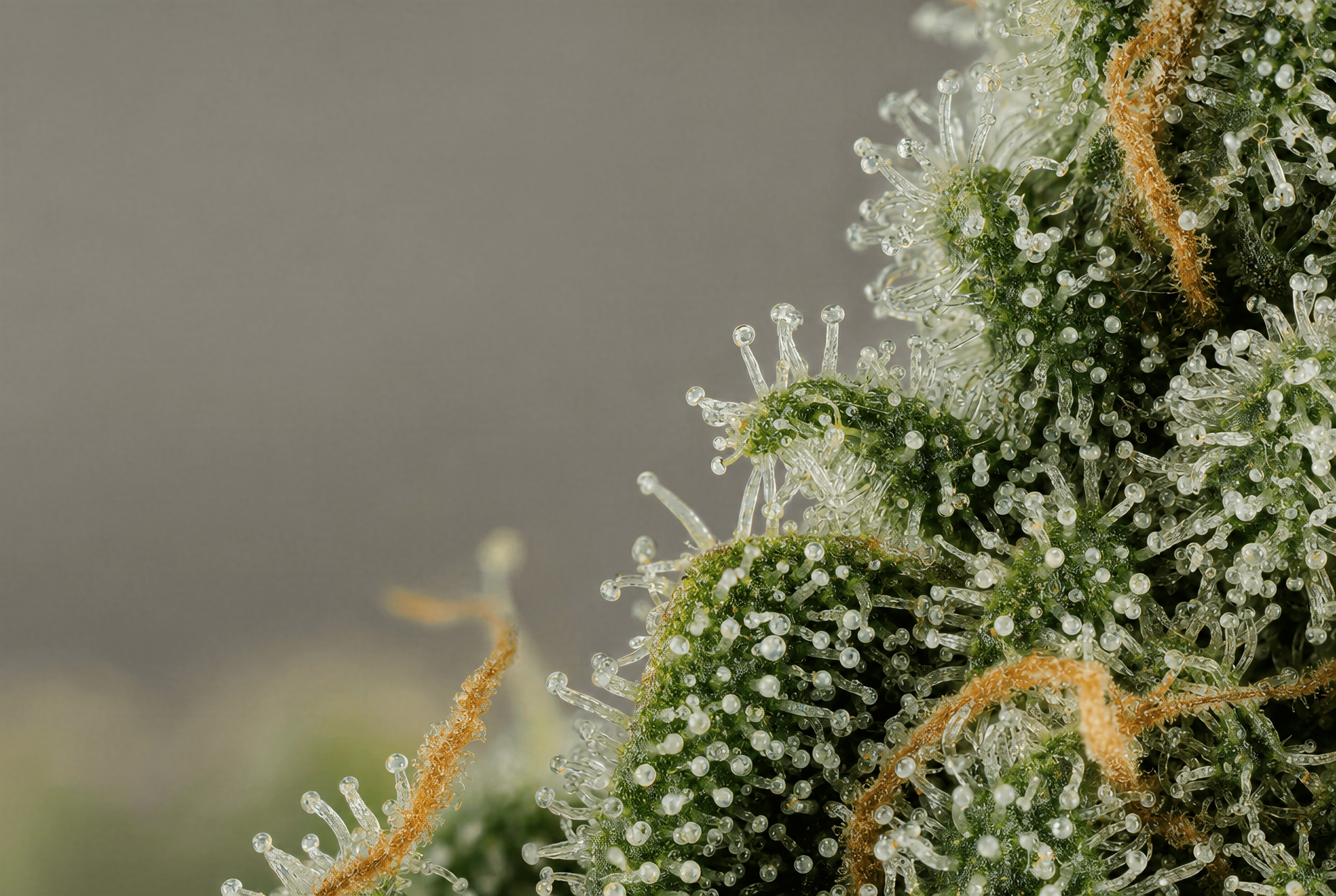
Why public strain lists are less reliable than lab panels
Public strain lists are chemistry by folklore. Lab panels are imperfect, but they are still closer to reality.
Many online databases assign terpene identities to named strains as if “Lavender,” “Rose,” or “Tropical” sensory language maps neatly onto reproducible geraniol content. Usually it does not. Those lists are often compiled from user reports, breeder descriptions, copied menus, or one-off tests from unknown growing conditions. They almost never show the number of samples tested, harvest dates, analytical method, limit of detection, or whether the flower was fresh, aged, or extracted.
That is a serious problem for geraniol because low-abundance terpenes are the first to disappear from simplified reporting. A strain page might label a cultivar “geraniol dominant” based on a single panel where geraniol was merely detectable, while dozens of later batches never report it at all. Without repeated quantitative results across multiple lots and labs, those claims are weak.
Entourage effect The hypothesis that cannabinoids and terpenes may interact so the combined effect differs from any single compound alone; for geraniol in cannabis, the article describes this as plausible but under-tested.
This is where consumer-facing “entourage” language has run ahead of evidence. Ethan Russo’s reviews helped popularize terpene-cannabinoid interaction hypotheses, but those are still hypotheses in many strain-level claims. There is no good clinical literature showing that a named cultivar predictably produces a distinct effect profile because it contains a small amount of geraniol. Floral aroma is not a pharmacology readout.
Cultivars commonly described as floral or fruit-forward
The safer way to discuss cultivar occurrence is by aroma family, not by pretending there is a stable master list of geraniol strains.
Cultivars described as floral, sweet, rose-like, citrus-floral, peachy, or fruit-forward may show detectable geraniol, especially when the broader terpene profile already leans toward oxygenated or bright monoterpenes. In practice, that often means geraniol appears alongside linalool, terpinolene, ocimene, or limonene rather than replacing them. A flower with a soft floral sweetness may owe more to linalool. A bright, perfumed, tropical impression may reflect terpinolene and ocimene. Citrus-fruit character may be limonene-led. Geraniol can contribute to these impressions, but rarely acts alone.
That is why definitive lists should be treated with caution. Some batches sold under names associated with floral or fruit-forward profiles do show geraniol on expanded panels. Others do not. The chemistry is plausible; the certainty is not. Saying “certain floral-leaning cultivars may contain detectable geraniol” is honest. Saying “this strain is a geraniol strain” usually overstates the evidence.
Why the same strain name can show different terpene profiles
The same strain name can produce different terpene profiles because the name is not a standardized biological unit. It may refer to a clone-only line, a seed line with segregation, a local cut, a relabeled cross, or a market nickname that drifted over time. Two products sharing a name can be genetically related, distantly related, or not related at all.
Even when genetics are stable, chemistry still moves. Indoor versus greenhouse conditions, light intensity, nutrient regime, harvest timing, drying temperature, cure length, and storage each influence terpene retention. Minor compounds are especially vulnerable to these shifts. A geraniol reading near the method’s detection threshold in one harvest may drop below reporting limits in the next, while linalool or limonene remains easy to detect. Analytical method matters too: broad validated panels catch more than abbreviated ones, and labs do not all use identical cutoffs.
So the core rule is straightforward. Strain names are unstable proxies for chemistry. Fresh certificates from a lab that actually measures geraniol are more informative than inherited reputation, floral branding, or internet lists. For geraniol in cannabis, that is not a minor technicality. It is the whole point.
What the evidence says about effects
Geraniol has a real pharmacology story. It also has a real evidence problem.
Those are not the same thing. A molecule can show interesting actions in cell culture, in rodents, or in isolated microbes and still fail to produce meaningful, predictable human effects when present as a minor terpene in cannabis flower. That distinction matters here, because geraniol is usually not a dominant cannabis constituent. Reviews of Cannabis sativa chemistry, including a 2021 Molecules review, place it among the many minor terpenes that can appear in terpene panels, often far below myrcene, limonene, or beta-caryophyllene. So the right question is not “does geraniol do anything at all?” It is “what evidence shows that the amount and route of exposure typical in cannabis use produce a specific effect in humans?” For that question, the literature is thin.
Preclinical pharmacology: anti-inflammatory, antimicrobial, antioxidant signals
Outside cannabis, geraniol has been studied enough to support cautious biological plausibility. Reviews in pharmacology and toxicology literature consistently describe anti-inflammatory, antimicrobial, and antioxidant activity in preclinical models. The signal is real. The translation is the issue.
Anti-inflammatory findings usually come from cell and animal work. Depending on the model, geraniol has been reported to reduce inflammatory mediators such as TNF-alpha, IL-1beta, IL-6, nitric oxide, and COX-2-related signaling. Some papers also point to effects on NF-kappaB pathways, which are widely involved in inflammatory gene expression. These are common targets in natural-products research, and geraniol is not unusual in showing activity there. What matters is dose, formulation, and route. Many of these experiments use purified geraniol at concentrations far above what would be encountered as a minor component of inhaled cannabis vapor or smoke.
The antimicrobial literature is also substantial, again mostly outside cannabis. Geraniol has shown inhibitory effects against a range of bacteria and fungi in vitro, including work on Staphylococcus aureus, Escherichia coli, Candida species, and foodborne pathogens. In some studies it appears to disrupt microbial membranes or alter membrane permeability, which is a common proposed mechanism for terpene alcohols. There are also papers looking at geraniol in essential-oil mixtures, but mixture studies create another interpretation problem: once geraniol is tested alongside citronellol, linalool, citral, or other volatiles, assigning the effect to one compound becomes difficult.
Antioxidant claims need the same caution. Geraniol has shown free-radical scavenging and oxidative-stress-modulating effects in several assay systems, and some animal studies report reductions in markers of lipid peroxidation or tissue oxidative damage. That is interesting, but antioxidant assays are notorious for overstating physiological relevance. A compound can perform nicely in a chemical assay and still have little practical effect in living humans at ordinary exposure levels.
None of this establishes that a floral-smelling cannabis sample with detectable geraniol will act as an antimicrobial, anti-inflammatory, or antioxidant therapy in use. It does not even establish that geraniol is present at a pharmacologically relevant dose after combustion or vaporization. Storage, curing, oxidation, and the analytical method used by the lab all affect whether oxygenated monoterpenes are measured at all, and whether the reported number still describes what is actually inhaled weeks later.
Pain, mood, and neuroprotection hypotheses
This is where articles often slide from possibility into overclaim.
There are preclinical reasons to ask whether geraniol could contribute to analgesic, anxiolytic, antidepressant-like, or neuroprotective effects. Several animal studies and reviews report antinociceptive or analgesic-like actions for geraniol in rodent pain models. Some papers suggest reduced nociceptive behaviors in formalin or writhing tests. Others propose interactions with inflammatory signaling or oxidative stress as indirect mechanisms relevant to pain.
Mood-related hypotheses are even less settled. Geraniol appears in the broader literature on aromatic monoterpenes, where compounds are often screened for sedative, anxiolytic-like, or antidepressant-like effects in behavioral assays such as the elevated plus maze, forced swim, or open-field test. Those models can generate useful leads. They can also produce fragile claims that do not survive human testing. A calmer mouse is not a clinical endpoint.
Neuroprotection is plausible in the narrow sense that compounds with anti-inflammatory and oxidative-stress-modulating effects often get studied in models of neurodegeneration or neural injury. Geraniol has been investigated in this context, with some papers reporting reduced biochemical markers of damage or improved histological findings in animal systems. But neuroprotection is one of the most overextended words in preclinical science. It should not be read as evidence that geraniol-rich cannabis preserves cognition, protects against disease, or shapes psychoactive effects in any reliable way.
There is another practical problem. In cannabis, geraniol is rarely acting alone. If a product is described as calming, uplifting, or pain-relieving, THC content, CBD content, dose, route, set and setting, tolerance, and the rest of the terpene profile are all likely to matter more than a minor amount of geraniol. Floral aroma does not prove geraniol dominance, either. Linalool, nerolidol, terpinolene, esters, sulfur compounds, and post-harvest chemistry can all push perception in that direction.
The entourage question: plausible, popular, and still under-tested
The modern framing source here is Ethan Russo, especially his 2011 British Journal of Pharmacology review on cannabis phytocannabinoid-terpenoid interactions. Russo helped formalize the entourage-effect hypothesis for cannabis: the idea that cannabinoids and terpenes may interact in ways that shape effects beyond any single compound alone.
As a hypothesis, that is reasonable. Plants are mixtures. Pharmacology often depends on combinations. And in principle, a terpene like geraniol could alter absorption, receptor signaling, inflammation, sensory perception, or subjective experience indirectly even at low levels.
But Russo’s review is a framework, not final proof for geraniol-specific claims. That distinction gets lost constantly.
For geraniol in particular, direct evidence of clinically meaningful cannabinoid synergy is weak. There are few controlled studies testing purified geraniol with THC or CBD in humans. There are even fewer that use cannabis-relevant inhaled doses and measure outcomes such as pain, anxiety, intoxication, cognition, or sleep with proper blinding. Popular strain lore often treats “entourage” as established fact at the cultivar level. It is not. At this point, “plausible” is fair; “shown” is not.
The chemistry also complicates the story. Cannabis contains more than 150 phytocannabinoids and more than 200 terpenes, according to the 2021 Molecules review, and the 2020 Frontiers in Plant Science genomics paper identified 55 terpene synthase genes in the cannabis genome. That is a reminder that terpene expression is biologically complex before anyone even starts talking about effects. Once genotype, harvest timing, curing, oxidation, and lab variability are added, strain-level geraniol claims become much less stable than consumer writing suggests.
What human evidence is missing
What is missing is not another blog post linking floral aroma to mood. What is missing is actual clinical evidence.
There are no widely cited randomized human trials showing that cannabis products higher in geraniol, all else matched, produce distinct analgesic, anti-inflammatory, anxiolytic, antidepressant, or neuroprotective outcomes. There is no strong human dose-response literature for inhaled geraniol as it occurs in cannabis flower. There are no standard exposure benchmarks telling us that the concentrations typically measured on certificates of analysis translate into meaningful blood or brain levels after real-world use.
That gap matters because cannabis is widely used. UNODC estimated 228 million users globally in 2022, EMCDDA estimated 22.8 million last-year users in the EU, and SAMHSA estimated 61.9 million past-year marijuana users in the United States in 2023. With exposure this common, weak evidence is not a small academic issue. It shapes how people interpret labels, aromas, and expected effects.
The honest position is straightforward. Geraniol has enough preclinical activity to justify research interest. It does not have enough human evidence to support confident claims about strain-level effects in cannabis. Mechanism is not proof. Aroma is not pharmacology. And until controlled human studies exist, geraniol should be treated as an interesting minor terpene with plausible actions, not as a reliable predictor of what a given cannabis product will do.
Therapeutic potential and limitations
Geraniol has real pharmacological interest. That is not the same thing as proven clinical benefit in cannabis. This distinction matters because minor terpenes often get promoted from “detected in a lab report” to “explains the effect” with almost no human evidence in between.
Cannabis contains more than 150 phytocannabinoids and more than 200 terpenes, as summarized in a 2021 Molecules review. Yet geraniol is usually a minor constituent when it appears in cannabis profiles at all, often far below myrcene, limonene, or beta-caryophyllene. That alone should make effect claims modest. A terpene can be biologically active in a dish or an animal model and still contribute little at the doses actually delivered by inhaled flower or extracts.
Where geraniol has the strongest non-cannabis evidence
Outside cannabis, geraniol has the most credible support in preclinical antimicrobial and anti-inflammatory research. Reviews indexed in PubMed, including work by Cho and colleagues, describe activity against a range of bacteria and fungi, plus anti-inflammatory signaling in cell and animal studies. There are also reports of antioxidant, analgesic, and neuroprotective effects. Some papers suggest geraniol can influence cytokine production, oxidative stress markers, and nociceptive behavior in rodents.
That is promising. It is not clinical proof.
The route of use changes what these findings mean. Antimicrobial activity is easiest to imagine in topical or localized contexts, where a compound directly contacts skin or microbes at a meaningful concentration. Systemic claims are harder. Oral dosing studies in animals often use amounts far above what a person would encounter from trace geraniol in cannabis flower. Inhalation complicates things further, because the delivered dose depends on heating conditions, device design, puffing behavior, and how much geraniol survived storage, drying, curing, and oxidation before use.
Topical relevance is more plausible than many strain-level claims. Geraniol is already well known in fragrance, cosmetic, and essential-oil literature, so there is a larger toxicology and formulation record than exists for cannabis-specific geraniol claims. But even here, “known ingredient” does not mean “therapeutically validated.” It means the compound has been studied enough to understand some hazards and some biological plausibility.
The weak point in many cannabis discussions is the leap from floral aroma to therapeutic inference. Floral notes can come from linalool, nerolidol, terpinolene, esters, sulfur compounds, or post-harvest transformation products. Smell is not a clean proxy for geraniol exposure, and exposure is not a clean proxy for benefit.
What would count as convincing evidence in cannabis
Convincing evidence would start with measurement, not marketing names. A named cultivar is not a stable scientific unit, and geraniol-specific inheritance in cannabis is far less established than the broad terpene biosynthesis map. The 2020 Frontiers in Plant Science paper on the cannabis genome identified 55 terpene synthase genes, showing why simple one-strain-one-terpene claims are shaky. Genotype, harvest timing, indoor conditions, curing, and lab method all affect whether geraniol is detected.
For cannabis, a persuasive study would need quantified geraniol exposure, standardized cannabinoid content, and a defined route. If inhaled flower is being studied, researchers should report the actual delivered dose, not just the certificate value on unopened material. If a topical product is being studied, the formulation, skin penetration, and irritancy profile matter. If the product includes THC or CBD, those compounds are not background noise; they can alter subjective effects, inflammation readouts, sedation, anxiety, and tolerability.
A good human trial would randomize participants to matched cannabis preparations that differ mainly in geraniol content, confirm terpene stability over time, and measure outcomes relevant to the claim: pain scores, inflammatory biomarkers, skin symptoms, sleep, anxiety, or microbial endpoints. Blinding would be difficult because aroma differences can unmask the intervention, but not impossible with careful design. Until studies like that exist, claims about geraniol shaping the effects of a cannabis product are hypotheses, not established facts.
This section is educational, not medical advice. People with asthma, fragrance allergy, eczema, migraine triggered by scents, or a history of cannabis-related adverse reactions should interpret terpene claims with extra caution and discuss symptoms or treatment questions with a qualified clinician.
Safety, irritation, allergenicity, and dose context
Geraniol’s safety profile is route-dependent. In fragrance and cosmetic safety literature, geraniol is a recognized contact allergen and sensitizer in some people, especially after oxidation or repeated skin exposure. That does not mean everyone reacts to it. It means skin exposure can produce irritation or allergic contact dermatitis in susceptible users, and oxidized mixtures may be more problematic than fresh material.
Dose is everything here. A tiny amount in inhaled cannabis is not equivalent to a concentrated essential oil on the skin. Nor is a lab-reported trace terpene level equivalent to a pharmacologically relevant inhaled dose. Geraniol has a boiling point around 229–230 °C according to NIST, but real-world aerosol formation is not governed by boiling point alone. Heating, matrix effects, device temperature spikes, and degradation products all shape what reaches the lungs.
Inhalation deserves restraint. “Natural” does not guarantee respiratory safety, and evidence for long-term inhalation of isolated terpene-rich aerosols is much thinner than consumer language suggests. For topical use, fragrance-industry knowledge is actually more mature than cannabis data, so irritation and sensitization should be taken seriously. For oral or systemic therapeutic claims, the gap is widest: preclinical plausibility exists, but cannabis-specific human efficacy data do not.
Geraniol has therapeutic potential, but clinical efficacy in cannabis products has not been demonstrated. Limited evidence
So the defensible position is straightforward. Geraniol has genuine therapeutic potential as a biologically active monoterpene. Demonstrated clinical efficacy in cannabis products has not been shown.
Geraniol compared with other cannabis terpenes
Geraniol gets talked about as if it were a signature terpene on the same footing as myrcene or limonene. In cannabis, that is usually not true. Chemically, geraniol is an acyclic monoterpene alcohol, formula C10H18O and molecular weight 154.25 g/mol, formed from geranyl diphosphate in the plastidial MEP pathway. It is real, measurable, and biologically interesting. It is also often a minor constituent when labs detect it at all.
That matters because comparisons among terpenes should start with abundance and evidence quality, not aroma mythology. The 2021 Molecules review on Cannabis sativa terpenes notes that cannabis produces more than 200 terpenes, yet commercial testing panels and market-facing summaries tend to focus on a much smaller recurring set. In those datasets, geraniol is usually outnumbered by myrcene, limonene, and beta-caryophyllene. So when people claim a floral profile means geraniol is driving the experience, they are often skipping the first question: how much geraniol is actually present relative to everything else?
| Feature | Geraniol | Myrcene |
|---|---|---|
| Chemical class | Oxygenated monoterpene alcohol | Monoterpene hydrocarbon |
| Aroma in the article | Rose, citronella, peach, sweet citrus | Earthy, musky, herbal, clove-like, mango-like |
| Typical cannabis abundance | Usually minor | Often one of the dominant terpenes |
| Data quality in market panels | Inconsistent or omitted on short panels | More routinely measured and ranked highly |
| Effect evidence in cannabis | Sparse human data | Famous in consumer lore, but still limited for predictable whole-flower effects |
Geraniol vs myrcene
Myrcene is the obvious contrast because it is often one of the dominant terpenes in cannabis flower. Geraniol is an oxygenated monoterpene alcohol with rose, citronella, peach, and sweet citrus notes. Myrcene is a monoterpene hydrocarbon, more commonly described as earthy, musky, herbal, clove-like, or mango-like depending on context and concentration.
The chemical distinction matters. Oxygenated monoterpenes such as geraniol can contribute strongly to perceived aroma even at low levels, while hydrocarbon monoterpenes like myrcene often appear in larger quantitative amounts in lab reports. That means a sample can smell floral without geraniol being numerically dominant. Sensory impact and concentration are not the same thing.
Myrcene is also better characterized in cannabis market data. Public and semi-public datasets from regulated markets repeatedly show myrcene near the top of terpene abundance rankings, while geraniol is inconsistent, often omitted from simplified panels, or present close to detection thresholds. That does not make geraniol unimportant. It does make strain-level claims about “geraniol-rich” flower much weaker than the same claim for myrcene-heavy flower, because the underlying quantitative record is thinner.
Evidence quality follows the same pattern. Myrcene has a huge amount of consumer lore attached to it, especially sedation claims, but even here the leap from isolated-compound pharmacology to predictable whole-flower effects is bigger than many articles admit. Geraniol has preclinical anti-inflammatory, antimicrobial, antioxidant, and neuroprotective literature outside cannabis, summarized in pharmacology reviews by Cho and colleagues and other groups, but controlled human cannabis data are sparse. Myrcene is more famous. That does not mean it offers stronger whole-plant predictive power.
| Feature | Geraniol | Linalool |
|---|---|---|
| Shared trait | Both are monoterpene alcohols | Both are monoterpene alcohols |
| Typical aroma | Rose and citronella tones | Lavender-like, soft floral, sometimes spicy-woody |
| Common reading error | Floral smell is treated as proof of geraniol | Floral smell may actually reflect linalool instead |
| Cannabis panel visibility | Often minor and inconsistently reported | More routinely measured and discussed |
Geraniol vs linalool
Geraniol and linalool are often confused because both can sit inside a floral aroma family. They are not interchangeable. Geraniol is an acyclic monoterpene alcohol associated with rose and citronella tones. Linalool is also a monoterpene alcohol, but its scent profile leans lavender, soft floral, and sometimes spicy-woody.
In cannabis, this distinction matters because “floral” is a composite sensory label. A floral sample may reflect linalool, geraniol, nerolidol, terpinolene, trace esters, sulfur compounds, or post-harvest oxidation products. Treating floral smell as a geraniol proxy is bad chemistry.
Linalool also has a somewhat stronger reputation in the scientific literature for anxiolytic and sedative-like effects, mostly from non-cannabis studies and essential-oil research. Even there, the evidence is still mostly preclinical or indirect for cannabis use. Geraniol’s pharmacology is broad but less tied to a single popular effect narrative. That makes geraniol easier to overstate in marketing language and harder to pin down scientifically.
From a prevalence standpoint, linalool is not always dominant, but it is more routinely measured and discussed in cannabis testing than geraniol. Geraniol often lives in the “minor terpene” zone, where analytical method, harvest timing, storage, and panel design determine whether it shows up as a reported value at all. The 2020 Frontiers in Plant Science paper describing 55 cannabis terpene synthase genes helps explain why broad terpene output is complex, but it does not solve the problem of predicting stable geraniol levels from cultivar names.
Geraniol vs limonene
Limonene is another terpene that usually outranks geraniol in abundance and recognition. Chemically, limonene is a cyclic monoterpene hydrocarbon, not an alcohol. Aromatically, it is bright citrus: orange peel, lemon zest, sharper and cleaner than geraniol’s rose-citrus sweetness.
In commercial flower data, limonene is often one of the headline terpenes because it is common, analytically easy to discuss, and associated in popular writing with uplifted or energetic effects. That reputation has outpaced the evidence. Human studies do not show that limonene-rich cannabis reliably produces a distinct effect profile across products, users, and dose conditions. Geraniol has the opposite problem: less hype, less data, and more guesswork when someone tries to turn a floral note into a pharmacological conclusion.
There is also a processing angle. Geraniol’s boiling point is around 229–230 °C in the NIST WebBook, and oxygenated monoterpenes can shift during drying, curing, and oxidation. A certificate of analysis is time-sensitive. Limonene is volatile too, but geraniol’s status as a minor oxygenated constituent makes it especially vulnerable to underdetection or profile drift. So a limonene-heavy label is often more reproducible than a geraniol-heavy claim.
| Feature | Geraniol | Beta-caryophyllene |
|---|---|---|
| Terpene type | Monoterpene alcohol | Sesquiterpene |
| Aroma | Floral, rose-citrus | Peppery, woody, spicy |
| Mechanistic story in the article | Broad preclinical plausibility | More specific receptor narrative through CB2 agonism in preclinical work |
| Cannabis-specific predictive power | Weak on its own | Still insufficient on its own, but mechanistically narrower |
Geraniol vs beta-caryophyllene
Beta-caryophyllene is the cleanest example of a terpene with a specific receptor story. Unlike geraniol, myrcene, linalool, or limonene, beta-caryophyllene is a sesquiterpene and has been shown to act as a selective CB2 receptor agonist in preclinical research. That does not prove clinical outcomes in cannabis products, but it is a more concrete mechanistic link than most terpene effect claims have.
Aromatically, beta-caryophyllene is peppery, woody, and spicy rather than floral. It is also often more abundant in cannabis than geraniol and more consistently included in standard lab panels. If someone wants to compare evidence quality across terpenes, beta-caryophyllene usually comes out ahead on receptor specificity. Geraniol comes out ahead on being chemically distinctive and pharmacologically plausible, but with weaker cannabis-specific translation.
This is where comparison is useful. Not all terpene claims are equally speculative. Beta-caryophyllene has a narrower, better-defined molecular narrative. Geraniol has a wider but looser preclinical literature. Neither one lets you predict a finished product’s effects on its own.
Why comparison tables often oversimplify terpene function
Most terpene tables flatten four separate questions into one: what a compound smells like, how much is present, what it does in isolated models, and what a whole cannabis product does in a human being. Those are not the same question.
Geraniol is a good case study. It is biosynthetically credible, often minor in concentration, sensitive to cultivation and post-harvest handling, and supported mainly by preclinical pharmacology. Yet comparison charts often assign it a neat list of effects as if a floral descriptor were enough. That is not how evidence works. Ethan Russo’s reviews helped popularize terpene-cannabinoid interaction hypotheses, but specific pairings remain far less proven than consumer content suggests.
Fame is not evidence. Abundance is not destiny. And a terpene that is easy to name is not automatically a strong predictor of whole-plant effects. For geraniol especially, the honest comparison is this: chemically real, aromatically meaningful, pharmacologically plausible, but still a weak stand-alone guide to what any given cannabis sample will do.
Consumer considerations: reading labels without fooling yourself
Most label reading goes wrong in the same place: people lock onto one terpene and treat it like a reliable predictor of effects. That is especially shaky with geraniol. In cannabis, geraniol is usually a minor terpene when it appears at all, not a dominant driver on the scale of myrcene, limonene, or beta-caryophyllene. The 2021 Molecules review on Cannabis sativa terpenes makes the larger point plain enough: cannabis contains more than 200 terpenes, but only a smaller subset is routinely measured, and even then the panel is a simplification of what is actually present.
How to read a geraniol number on a label
- Check total terpene content A tiny geraniol value means less if dominant terpenes outweigh it heavily.
- Look for rank order If geraniol is not among the leading terpenes, treat it as a background note.
- Check test date Older certificates can be chemically outdated because terpene profiles drift over time.
- Check panel breadth A short panel may omit minor oxygenated terpenes or understate their context.
- Ignore strain folklore Recent lab data are more useful than inherited strain reputation.
How to interpret terpene percentages
Read terpene numbers as rough composition data, not destiny. A label showing 0.03% geraniol versus 0.08% geraniol may look precise, but precision is not the same thing as meaning. Those values sit inside a moving system shaped by genotype, harvest timing, drying, curing, storage, and lab method. The 2020 Frontiers in Plant Science paper on the cannabis genome identified 55 terpene synthase genes, a reminder that terpene output is biologically complex long before the sample reaches a lab.
Start with the total picture. What is the total terpene percentage? Which compounds dominate the profile? Is geraniol even in the top five? If not, treat it as a background note unless there is repeat testing showing otherwise. Also check whether the certificate is recent. A months-old result can be chemically outdated.
One more caution: “strain name equals terpene profile” is not a scientific rule. Named cultivars are not standardized biological units across producers, harvests, or labs. Claims that a famous cultivar is consistently “geraniol-rich” usually outrun the published data.
Why freshness and packaging matter
Freshness can matter more than tiny differences in a minor terpene. Geraniol is an oxygenated monoterpene alcohol, and oxygenated monoterpenes can shift during drying, curing, storage, and oxidation. A certificate captures one moment. It does not freeze the chemistry in time.
Packaging affects that chemistry. Heat, oxygen, and repeated opening all work against terpene stability. Even though geraniol is less volatile than some lighter monoterpenes, volatility is only part of the problem; oxidation and transformation matter too. NIST lists geraniol’s boiling point around 229–230 °C, which should not be misread as proof that routine storage leaves it untouched. It doesn’t.
So if you are comparing two samples with small geraniol differences, the fresher and better-protected one may tell you more than the higher number on an older label.
Minor terpene percentages and sensory threshold issues
People often assume a floral smell means geraniol is present in a meaningful amount. That is too simple. Floral perception is composite. Linalool, nerolidol, terpinolene, esters, sulfur compounds, and post-harvest changes can all contribute. Geraniol may be part of that impression, or barely involved.
This is where sensory threshold matters. A small numerical increase in a minor terpene may not cross the threshold where most people can smell it, let alone feel anything attributable to it. And if the testing panel is narrow, the label may omit compounds that are doing more sensory work than the listed geraniol. Many commercial reports quantify only common targets, not the full volatile fraction.
Choosing by full profile rather than marketing language
A better framework is boring, but more honest. Read cannabinoids first. Then read the dominant terpenes. Then look at minors like geraniol as possible modifiers, not as a headline explanation for effect. Ignore floral copy unless it is backed by an actual recent lab profile.
Response also varies person to person for reasons that have little to do with label romance: inhalation pattern, dose, prior exposure, metabolism, expectations, setting, and symptom state all matter. Russo’s terpene-and-entourage writing is influential, but strain-level claims about specific terpene effects are still much less proven than consumer language suggests. With geraniol, the sensible position is simple: interesting molecule, plausible pharmacology, weak basis for confident predictions from a tiny percentage on a label.
Cultivation and post-harvest considerations
Geraniol sits in an awkward place for growers and labs. It is a real cannabis terpene, chemically defined and biosynthetically plausible, yet it is usually a minor constituent, often near the lower edge of routine detection. That means cultivation choices matter, but only within hard biological limits. The main mistake is to think a room setting can manufacture a terpene profile the plant is not genetically equipped to produce. The second mistake comes after harvest, when oxidation, drying speed, storage conditions, and testing delays can change what gets measured and what is eventually inhaled.
Genetics first: why environment cannot create a missing pathway
Geraniol is an acyclic monoterpene alcohol, C10H18O, built from geranyl diphosphate, or GPP, in the plastidial MEP pathway. That pathway is not optional decoration. It is the upstream machinery from which monoterpenes are made. The 2021 Molecules review on Cannabis sativa terpenes lays out this general map clearly, and the 2020 Frontiers in Plant Science genome paper adds a second point that matters for cultivation: cannabis has a large terpene synthase gene family, with 55 terpene synthase genes reported, including 33 complete and 22 partial sequences. So terpene production is genetically structured, not a blank canvas.
For geraniol specifically, the evidence in cannabis is still thin. We understand the broad monoterpene pathway much better than the inheritance of geraniol-rich chemotypes. That gap matters. If a cultivar lacks the relevant synthase activity, substrate flux, or downstream oxidoreductase context needed to accumulate measurable geraniol, no lighting recipe or feeding trick will conjure it into existence. Environment can raise or lower expression of an existing pathway. It cannot override missing biochemistry.
This is why strain-name claims are weak evidence. Named cannabis cultivars are not standardized biological units across markets, and public cultivar-level datasets tying stable geraniol abundance to specific names are scarce. A floral-smelling plant may owe that impression to linalool, nerolidol, terpinolene, esters, sulfur compounds, or simple post-harvest change. Geraniol may be present. It may also be barely there.
Canopy climate, light intensity, and stress responses
Once genotype sets the ceiling, the grow environment can still move the profile around. Terpenes are secondary metabolites, and secondary metabolism responds to plant status. Light intensity, leaf temperature, vapor pressure deficit, root-zone stress, nutrient balance, and late-flower stress can all shift carbon allocation and terpene expression. But the relationship is not linear and it is rarely terpene-specific in a clean way.
High light can increase metabolic throughput and glandular trichome development in some contexts, but excessive canopy heat can also drive loss of volatile compounds and push the plant into stress patterns that reduce quality. Geraniol is less volatile than some lighter monoterpenes; NIST lists a boiling point around 229 to 230 °C. That does not make it stable in the real world. Volatility is only part of the story. Oxidation, evaporation from exposed surfaces, and biochemical conversion during senescence also matter.
Mild abiotic stress is often romanticized in cannabis growing. The reality is messier. Water stress, large day-night swings, or aggressive late-flower deprivation can alter terpene ratios, yet they can just as easily suppress yield, reduce resin quality, or create batch-to-batch inconsistency. For a minor terpene like geraniol, the practical aim is not heroic stress. It is repeatability: stable canopy temperatures, controlled humidity, sufficient but not excessive light, and avoidance of severe plant stress that scrambles secondary metabolism.
Harvest window and oxygenated terpene expression
Timing affects chemistry. As inflorescences mature, terpene biosynthesis, oxidation, and redistribution continue to shift. Growers sometimes describe a later harvest as “more floral” or “riper,” but that sensory language is not a chemical assay. Oxygenated terpenes, including terpene alcohols such as geraniol, may become more noticeable at certain maturity stages, either because they increase modestly, because competing terpenes fall, or because post-cut oxidation starts changing the aromatic balance.
That is why harvest-window claims need restraint. A later cut may favor a different profile, but the plant is also moving toward senescence, and enzymatic turnover does not stop at the moment trichomes look ready. If geraniol is already present as a minor constituent, harvest timing may influence whether it is detectable or merely drowned out by dominant terpenes like myrcene or limonene. If it is absent genetically, harvest timing will not fix that.
Drying, curing, storage, and analytical timing
Post-harvest handling may matter more for real-world geraniol exposure than small cultivation tweaks. Slow drying at moderate temperature and controlled humidity generally preserves floral and citrus notes better than hot, fast drying that drives volatilization and oxidation. Rough trimming, excessive airflow, repeated handling, and prolonged exposure to light and oxygen all work against terpene retention.
Curing adds another layer. Short-term stabilization can improve aroma integration, but long storage shifts the chemistry. Oxygenated monoterpenes can rise, fall, or transform depending on moisture, oxygen exposure, packaging, and time. That makes certificates of analysis time-sensitive documents, not permanent truth. A flower sample tested immediately after drying may not match the profile consumed weeks later. The reverse is also true: delayed testing may capture an oxidized state that was not present when the batch was fresh.
For geraniol, this timing problem is amplified by concentration. Minor compounds are easier to miss, and routine terpene panels do not always handle low-abundance analytes equally well across laboratories. So growers can influence preservation, but they should be realistic about the limits. Genetics determines whether geraniol is plausible. Environment modulates how much of that potential is expressed. Post-harvest practice often decides whether the floral note survives long enough to be measured at all.
Where the science is headed
Better chemotype mapping
The next real advance is not another aroma wheel. It is cultivar-resolved chemistry tied to genetics, environment, and post-harvest handling. Cannabis produces more than 200 terpenes, but commercial flower is usually dominated by a much smaller subset, with geraniol appearing, when it appears at all, as a minor constituent. That makes sloppy labeling especially damaging. A named cultivar is not a stable biological unit across producers, and online lists of “geraniol-rich” strains rarely point to reproducible quantitative datasets.
The 2020 Frontiers in Plant Science paper on the cannabis genome reported 55 terpene synthase genes, including 33 complete and 22 partial sequences. That finding matters because it shows why simple one-name-one-terpene expectations fail. Geraniol sits downstream of geranyl diphosphate in the plastidial MEP pathway, but the pathway branch points are crowded: flux can be redirected into other monoterpenes, and expression shifts with genotype, cultivation conditions, harvest timing, and drying. So future chemotype mapping has to connect three layers at once: sequence data, measured terpene output, and metadata on production conditions. Without that, “geraniol cultivar” remains mostly a marketing phrase.
Standardized analytical panels
Geraniol also suffers from a measurement problem. Many routine terpene panels were designed around dominant volatiles such as myrcene, limonene, beta-caryophyllene, pinene, and linalool. Minor oxygenated monoterpenes may be omitted, grouped loosely, or pushed near the method’s limit of quantitation. Even when measured, the result is time-sensitive. Geraniol is an acyclic monoterpene alcohol with a molecular weight of 154.25 g/mol (PubChem), and oxygenated monoterpenes can shift during drying, curing, storage, and oxidation. A certificate of analysis is a snapshot, not a permanent identity card.
Standardization means more than adding one analyte to a menu. Labs need harmonized extraction methods, internal standards, calibration ranges, reporting thresholds, and clear handling rules for aged samples. Cross-lab ring trials would do more for terpene science than another thousand strain blogs. Until panels are comparable, claims about stable geraniol abundance across regions and harvests should be treated cautiously.
Controlled human trials on terpene-cannabinoid combinations[1] Taming THC: potential cannabis synergy and phytocannabinoid-terpenoid entourage effects. Ethan B. Russo. British Journal of Pharmacology, 2011.
This is where the gap is widest. Geraniol has plausible pharmacology outside cannabis: anti-inflammatory, antimicrobial, antioxidant, analgesic, and neuroprotective signals appear in preclinical reviews. But plausible is not proven. Influential terpene writing, including work by Ethan Russo, helped popularize entourage-style hypotheses; it did not establish that a floral-smelling cannabis product with detectable geraniol will produce predictable human effects.
The needed studies are straightforward in concept and hard in practice: randomized, blinded human trials comparing matched cannabinoid formulations with and without quantified geraniol, ideally alongside full terpene controls and pharmacokinetic measurements. Until those exist, strain-level effect claims remain weak. Geraniol will become more useful as a cannabis concept only when cultivar naming, lab standardization, and human pharmacology catch up with marketing. That is the evidence standard readers should demand.
References
- [1] Taming THC: potential cannabis synergy and phytocannabinoid-terpenoid entourage effects. British Journal of Pharmacology, 2011. https://doi.org/10.1111/j.1476-5381.2011.01238.x