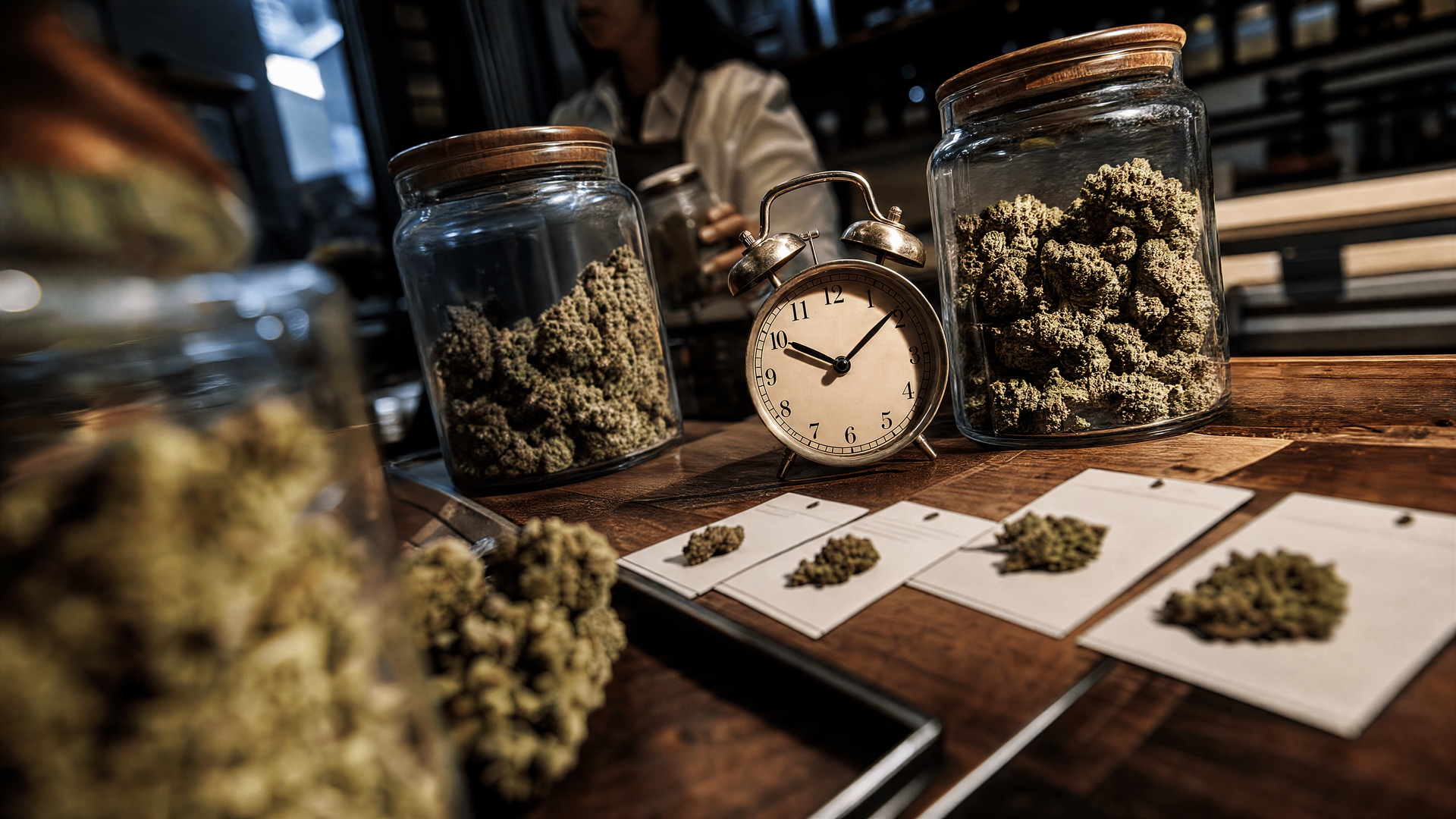












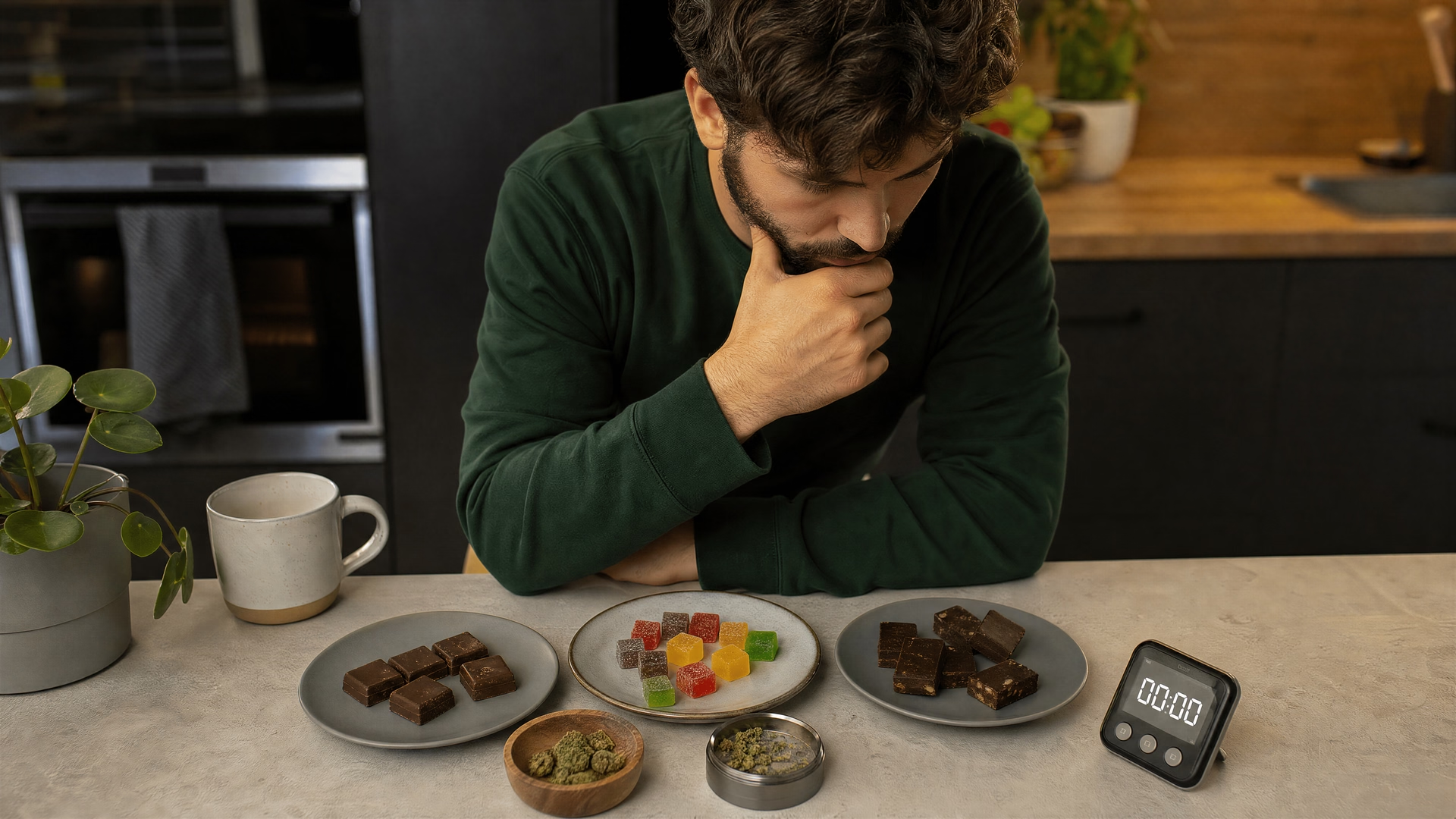
Edibles can be easy to misjudge. Here’s how to reduce overdose risk with timing, dosing discipline, and safer handling.

Edibles are the cannabis format most likely to catch people out because the effects arrive slowly and can stack before a user realises it. That delay is the root of many bad experiences, from taking a second serving too soon to misjudging how strong a product really is. Guidance published by the Hanf Magazin and public-health warnings from the Windsor-Essex County Health Unit point to the same basic lesson: avoid rushing, treat edibles as delayed-onset products, and be especially careful with unregulated or high-potency items.
Why edibles catch people off guard
The central problem with edibles is not mystery chemistry; it is timing. People often assume that if nothing is felt after a short wait, nothing will happen. That assumption is exactly what turns a cautious first portion into an accidental second dose, and the result can be far stronger than intended.
A practical guide from the Hanf Magazin edibles explainer makes this point plainly: the edible route is frequently underestimated, and the common mistake is to reach for more too quickly. Public-health warnings about the risks associated with cannabis edibles add another layer of caution by flagging accidental ingestion and high-potency products, especially where products are not well controlled.
What safer dosing actually looks like
Safer edibles use is less about confidence and more about discipline. The most reliable advice in the supplied sources is to start low, wait long enough to understand the effect, and avoid repeating a dose simply because the first one feels slow to arrive.
- Take a conservative first portion and do not treat the absence of immediate effects as a green light for more.
- Wait long enough before deciding whether any more is appropriate; the key warning in the research is that effects can be delayed, not absent.
- Avoid mixing edibles with other substances that can complicate judgment, especially alcohol.
- Keep products away from children and other unintended users, since accidental ingestion is a documented public-health concern.
- Be cautious with unregulated products and high-potency items, which health authorities flag as part of the risk picture.
That logic may sound simple, but it addresses the main failure mode directly. The second serving is usually the one that creates trouble, because the first is still working its way through the body when the decision is made.
The risks that make overdosing easier
The overdose risk is not only about taking too much of one product. It also grows when other variables interfere with judgment or measurement. A HealthDay report on edibles and alcohol says the combination can impair driving performance in ways sobriety tests may miss, which underlines a broader point: the more substances are layered together, the harder it becomes to read the effect correctly.
That concern sits alongside wider debate over potent cannabis products. State-level discussions of high-potency cannabis have included edibles among the products raising concern, with officials weighing psychosis, addiction, and access issues. The point for everyday consumers is straightforward: potency changes the margin for error, and the margin is already narrow when onset is delayed.
How regulation and product design shape the danger
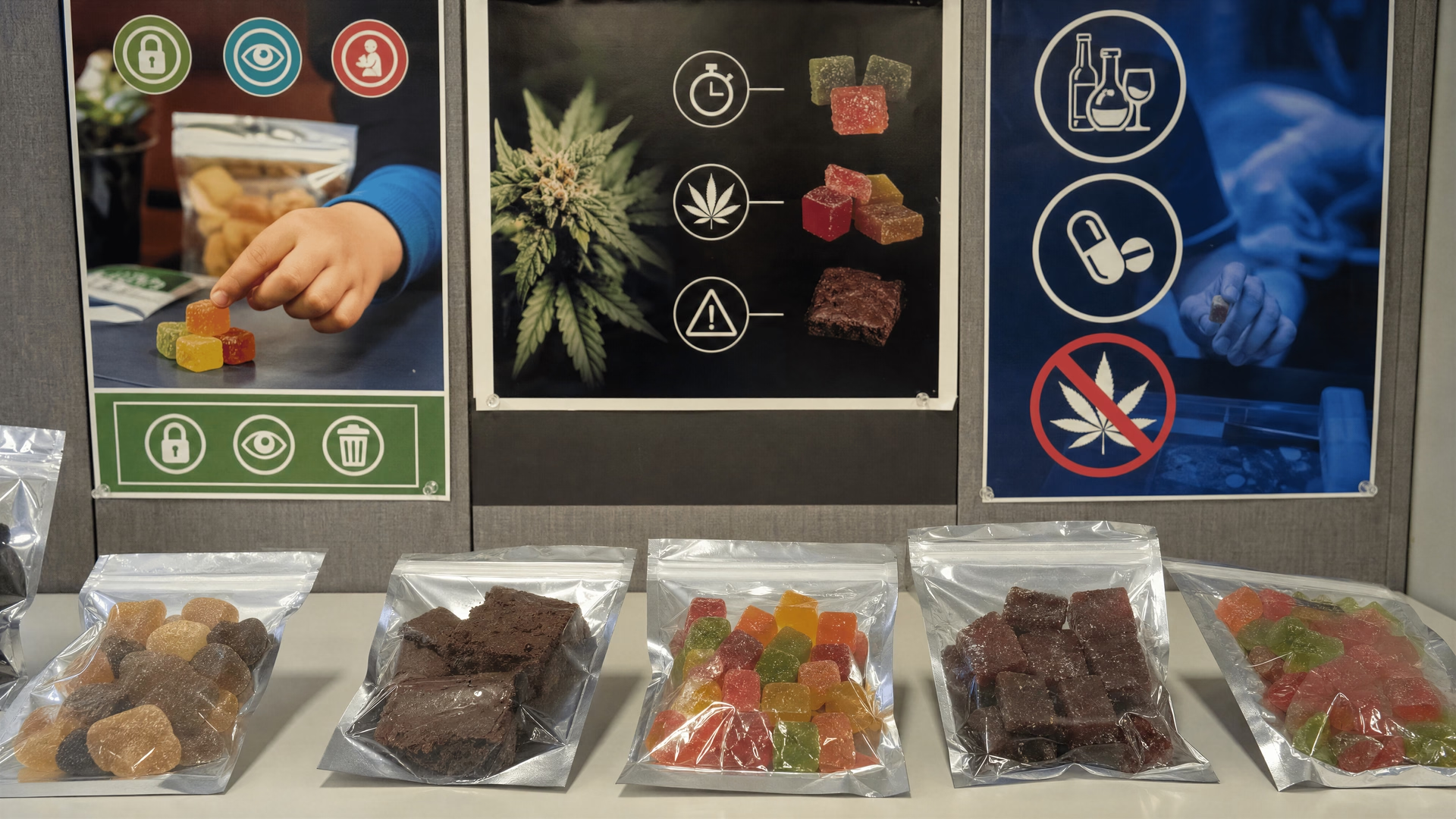
Edible safety is also affected by how products are regulated and what consumers can actually see on the package. Where products are unregulated or poorly labelled, the user is left to guess. That uncertainty is part of why health agencies keep returning to the same themes: potency, access, and accidental use.
| Risk factor | Why it matters | Source |
|---|---|---|
| Delayed onset | Encourages people to redose before the first portion has taken effect | Hanf Magazin guide |
| Alcohol co-use | Can complicate impairment and driving judgment | HealthDay via Drugs.com |
| High-potency products | Shrinks the margin for dosing error | Stateline report |
| Accidental ingestion | Raises the risk for unintended consumers, especially in shared spaces | Windsor-Essex County Health Unit |
The same structural concerns show up in broader cannabis-policy debates. Even where the headline is not edibles, regulators keep returning to packaging, potency, and consumer comprehension because those are the points where mistakes become harm.
For readers who want a broader product-level overview, Cannabivo’s edibles guide on onset, THC, dosing, and safety is a useful companion to this report. The technical issue at the centre of the dosing problem is similar to the one explored in Cannabivo’s explainer on decarboxylation: process and preparation influence how the end product behaves, which is why guessing is such a bad strategy.
When to step back and get help
The research set supplied here does not offer a clinical emergency checklist, so it would be wrong to invent one. What it does support is a simpler, preventive message: if the effect is stronger than expected, if alcohol or another substance is involved, or if the edible came from an unregulated source, the safest move is to stop adding more variables and seek appropriate help through local health guidance.
That is especially important because overdose stories around edibles often begin with the same casual sequence — a small serving, a wait that feels too long, then a second serving, then a stronger-than-expected effect. Once that sequence starts, the best prevention is not bravado but restraint.
The classic edible mistake is not the first portion; it is the second one taken before the first has had time to declare itself.

What the evidence in this report supports
Taken together, the supplied sources do not suggest that edibles are uniquely dangerous in every situation. They do show that timing, potency, and mixed-substance use make them easier to misjudge than many other cannabis products. That is why public-health guidance keeps circling back to patience, packaging, and keeping products out of the wrong hands.
- Do not assume a lack of immediate effect means the dose was too small.
- Treat alcohol as an added risk, not a harmless companion.
- Pay attention to warnings about high-potency products and accidental ingestion.
- Prefer regulated, clearly labelled products over anything uncertain or unverified.
- Keep the first dose small and avoid stacking doses before the first one has had time to work.
Edibles do not become safer through guesswork. The facts supplied here point to a clear standard: respect the delay, resist the impulse to redose, and treat potency and product quality as real variables rather than fine print. For people trying to avoid overdosing, patience is not a suggestion; it is the core of the method.