













Why cannabis and pain relief is more complicated than the headlines suggest
Public belief moved faster than the evidence. Ask patients why they consider cannabis, and pain is usually near the top of the list. That makes sense: chronic pain is common, hard to treat, and often poorly controlled with standard options. The CDC reported that 24.3% of U.S. adults had chronic pain in 2023, and 8.5% had high-impact chronic pain. When so many people are hurting, any treatment with even a plausible chance of relief gets attention fast.
But the popular story became too simple. “Cannabis helps pain” sounds clear. It is not. Pain relief, when it happens, depends on what kind of pain a person has, which cannabinoids are being used, the dose, the route, and the balance between symptom relief and adverse effects. A balanced THC:CBD oral spray studied in a clinical trial is not interchangeable with a high-THC flower product, a CBD tincture, or a topical balm. “Indica for pain” is branding, not pain pharmacology.[1] International Association for the Study of Pain presidential task force on cannabis and cannabinoid analgesia position statement. International Association for the Study of Pain. IASP, 2021.
That mismatch shows up in the major evidence statements. The National Academies of Sciences, Engineering, and Medicine said in 2017 that there is substantial evidence cannabis is effective for chronic pain in adults. That line has been quoted for years, often without context. Later reviews were less generous once weak study designs, small sample sizes, short follow-up, and expectancy effects were weighed more heavily. In 2021, the International Association for the Study of Pain said it does not endorse the general use of cannabinoids for pain treatment because high-quality evidence remains insufficient. Those statements are not actually impossible to reconcile. They reflect a field where some products show small benefits in some pain states, while broad claims outrun the data.
Pain is not one disease
| Pain type | What drives it | Examples from the article | Cannabis evidence signal |
|---|---|---|---|
| Nociceptive | Actual or threatened tissue injury | Postoperative pain, musculoskeletal injury, osteoarthritis flares | Weakest overall |
| Inflammatory | Immune signaling and inflammatory mediators | Arthritis, inflammatory bowel disease–related pain | Plausible, limited clinical confirmation |
| Neuropathic | Somatosensory system injury or disease | Diabetic neuropathy, postherpetic neuralgia, radiculopathy | Strongest signal, still modest |
| Centralized / nociplastic | Amplified pain processing | Fibromyalgia, some chronic low back pain | Mixed and product-specific |
Pain is a symptom category, not a single disorder. That matters because cannabis does not act on all pain mechanisms the same way.
Nociceptive pain comes from actual or threatened tissue injury: postoperative pain, many musculoskeletal injuries, osteoarthritis flares. Inflammatory pain overlaps with this but is driven more by immune signaling and inflammatory mediators. Neuropathic pain is different again. It arises from injury or disease affecting the somatosensory nervous system itself, as in diabetic neuropathy, postherpetic neuralgia, or some radiculopathies. Chronic pain can also become a disorder of pain processing, with amplified signaling in the nervous system even after the original injury has faded. Daniel J. Clauw’s work on centralized pain helped sharpen this point: some chronic pain states are less about ongoing tissue damage and more about altered sensory processing.
Endocannabinoid tone The baseline level of activity in the endocannabinoid system, shaped by endogenous cannabinoids, receptor signaling, and the enzymes that break those signals down.
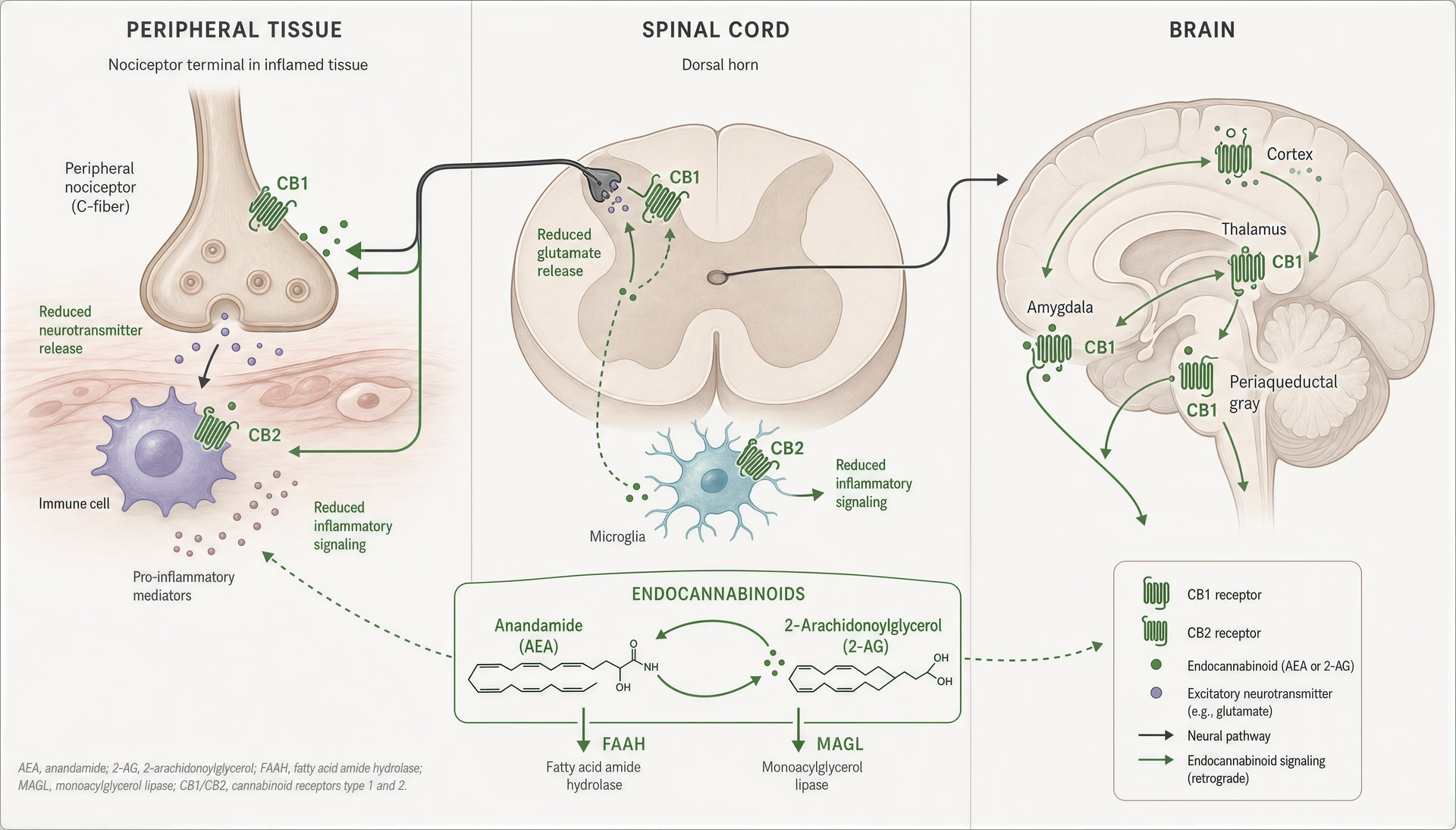
The endocannabinoid system has plausible ways to influence these pathways. CB1 receptors are widely expressed in the central nervous system, including the dorsal horn, periaqueductal gray, thalamus, amygdala, and cortex, all involved in pain signaling and pain perception. CB2 receptors are concentrated in immune cells and relate more to inflammatory signaling. The body’s own ligands, anandamide and 2-AG, are broken down by FAAH and MAGL. THC partially activates CB1 and CB2. CBD has little direct CB1 or CB2 activity but affects targets tied to pain and inflammation, including TRPV1, 5-HT1A, adenosine signaling, and GPR55.
That biology is real. It does not mean every cannabinoid product is an analgesic.
The evidence is stronger, though still limited, for chronic neuropathic pain than for acute nociceptive pain. Limited evidence
The evidence is stronger, though still limited, for chronic neuropathic pain than for acute nociceptive pain. Even there, the effect sizes are modest. A 2018 Cochrane review on cannabis-based medicines for chronic neuropathic pain found a lack of high-quality evidence supporting efficacy overall. Some individual trials showed signals. The whole literature did not justify a sweeping claim. Cancer pain is similar: some nabiximols adjunct studies suggested benefit in opioid-refractory patients, but not consistently enough to say cannabinoids broadly treat cancer pain.
This is also why high-THC logic fails. More THC does not automatically mean more functional pain relief. Past a certain point, dizziness, sedation, anxiety, tachycardia, and cognitive impairment can erase any analgesic gain. Some patients report that low-dose inhaled THC helps breakthrough pain because onset is fast. Others do better with a balanced oral product for persistent symptoms. Those are different use cases, not interchangeable ones.
Why patient demand outpaced clinical evidence
Pain dominates medical cannabis programs because unmet need is enormous and existing treatments often disappoint. The National Center for Complementary and Integrative Health identifies chronic pain as the most common reason for medical cannabis use in the United States. State data tell the same story. Pennsylvania reported in 2023 that severe chronic or intractable pain accounted for 60.6% of patient certifications. Minnesota’s medical cannabis program reported that among patients enrolled for intractable pain, average self-reported pain scores fell from 6.4 at enrollment to 5.1 after four months.
Those numbers matter, but they do not settle efficacy. Program data reflect real-world use without placebo control, blinding, or stable product exposure. Pain outcomes are especially vulnerable to expectancy effects, regression to the mean, and changes in concurrent treatment. Mark A. Ware and others in cannabinoid pain research have long pointed out that patient experience and trial evidence do not always align neatly, especially when products differ so much across settings.
Comparable THC:CBD oral sprays were probably associated with small improvements in pain severity and overall function versus placebo, while also increasing dizziness and sedation. Strong evidence
[2] Living Systematic Review on Cannabis and Other Plant-Based Treatments for Chronic Pain. Agency for Healthcare Research and Quality. AHRQ, 2024.The clinical evidence that does exist is often product-specific. The AHRQ 2024 living systematic review found that extracted, comparable THC:CBD oral sprays were probably associated with small improvements in pain severity and overall function versus placebo, while also increasing dizziness and sedation. That is a defensible claim. It is narrow, not universal. The BMJ/MAGIC rapid guideline in 2021, with Ian Gilron among the contributors to the linked evidence synthesis, made a weak recommendation for non-inhaled medical cannabis or cannabinoids when chronic pain is not adequately controlled with standard care. Why weak? Because the estimated benefits were small: roughly a 10% increase in the proportion of patients achieving an important improvement in pain, and about a 0.5 cm improvement on a 10 cm pain scale, alongside transient cognitive adverse effects.
That is not nothing. It is also not a magic bullet.
Consumer marketing widened the gap between data and belief. CBD was sold to the public as if it were a general pain cure, yet clinical analgesic evidence for CBD-dominant products alone is much thinner than many people assume. CBN is even less supported for pain. THCV has interesting pharmacology but very little human pain data. Terpenes are another area where plausibility got mistaken for proof. Beta-caryophyllene has the strongest mechanistic case because it acts as a CB2 agonist in preclinical work. Myrcene, linalool, limonene, and pinene have plausible anti-inflammatory or analgesic actions in animal models. Direct human evidence connecting specific terpene profiles to pain outcomes remains sparse. Ethan Russo has been influential in framing entourage discussions, but the pain literature still falls well short of confirming terpene-led prescribing rules.
The central claim this article will defend
Cannabis is neither a universal analgesic nor an empty placebo story. The defensible middle position is stricter than most headlines and more useful than blanket dismissal.
This article will argue that pain outcomes depend more on mechanism, formulation, dose, and route than on strain names or THC percentage. It will treat inhaled THC, oral THC:CBD sprays, CBD-predominant oils, topicals, and transdermal products as different interventions, because they are. It will separate breakthrough symptom control from baseline pain management. It will also keep benefit and harm in the same frame. Faster inhaled onset may help some patients, but pulmonary exposure and shorter duration are tradeoffs. Oral products last longer, but delayed onset and first-pass metabolism can produce variable effects and accidental overconsumption through 11-hydroxy-THC. Topicals are often discussed loosely, even though topical and transdermal delivery are not the same and evidence for either remains formulation-dependent and thin.
Just as important, this article will not pretend pain patients are simple cases. Many take opioids, benzodiazepines, antidepressants, sedating antihistamines, or alcohol. THC is affected by CYP2C9 and CYP3A4 pathways; CBD by CYP2C19 and CYP3A4. Additive sedation is common enough to deserve serious attention, not a footnote.
The useful question is not “Does cannabis work for pain?” It is: for which pain, in which product, at what dose, by what route, and at what cost in adverse effects and function? That is the only version of the question the evidence can answer honestly.

How pain signaling works before cannabis enters the picture
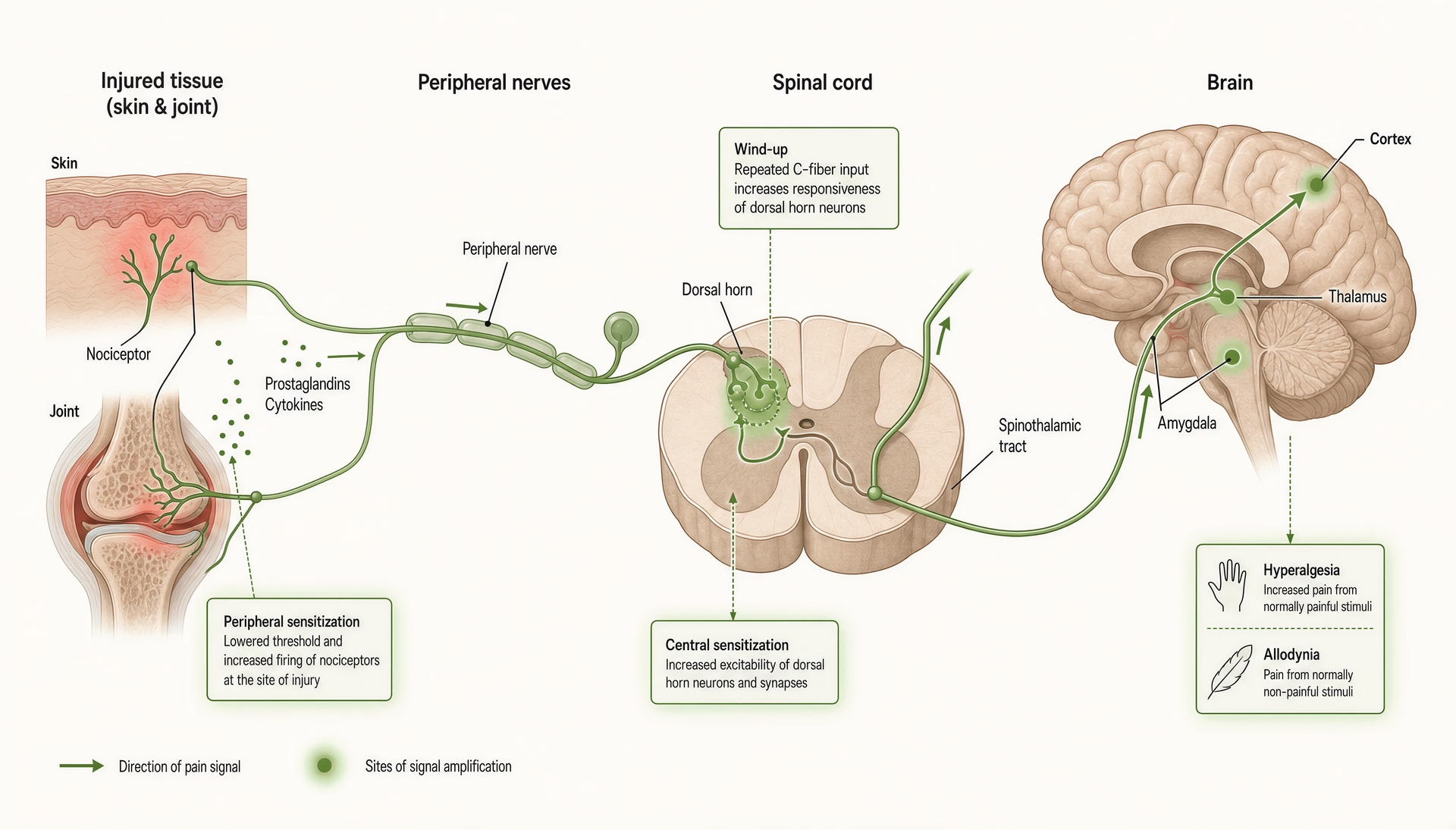
Pain is not a single signal traveling from an injured body part to the brain like a wire carrying electricity. It is a layered process: detection in tissues, amplification or filtering in the spinal cord, and interpretation in the brain. That matters because cannabinoids do not act on one universal “pain switch.” They intersect with several parts of this system, and the balance of those parts differs in a sprained ankle, diabetic neuropathy, migraine, arthritis, or long-standing low back pain.
The distinction is not academic. It explains why some pain states show modest response to certain cannabinoid products while others do not, and why “high THC” is a poor shortcut for predicting analgesia.
Peripheral nociception and inflammatory signaling
Nociceptor A sensory nerve ending that detects potentially damaging heat, pressure, chemicals, or other harmful stimuli.
Pain often begins in the periphery, meaning outside the brain and spinal cord, in skin, joints, muscles, organs, or nerves. Specialized sensory nerve endings called nociceptors detect potentially harmful stimuli. Some respond mainly to heat, some to intense pressure, some to chemicals released during injury or inflammation, and many respond to more than one kind of threat.
Under normal conditions, nociceptors have thresholds. They are supposed to stay relatively quiet until something harmful happens. Put your hand on a hot pan, and they fire. Twist an ankle, and they fire. That electrical activity travels along peripheral nerve fibers toward the spinal cord.
But tissue injury does more than trigger a one-time alarm. It changes the chemical environment around the nerve endings. Damaged cells, activated immune cells, and blood vessel changes release mediators that make nociceptors easier to activate. Two major groups matter here:
Prostaglandins are lipid signaling molecules made from arachidonic acid through cyclooxygenase enzymes. They do not usually create pain all by themselves. Instead, they sensitize nociceptors, lowering the threshold so ordinary movement or pressure hurts more. This is one reason inflamed tissue becomes tender. It also helps explain why NSAIDs can relieve inflammatory pain: they reduce prostaglandin production.
Cytokines are immune signaling proteins such as tumor necrosis factor-alpha, interleukin-1 beta, and interleukin-6. These can promote inflammation directly and also increase nociceptor excitability. In arthritis, inflammatory bowel disease, and some post-injury states, cytokines help sustain the pain response long after the original trigger.
Peripheral sensitization A state in which injury- and inflammation-related mediators lower the activation threshold of pain-sensing nerves, making them easier to trigger.
Other mediators join in: bradykinin, histamine, nerve growth factor, ATP, and hydrogen ions from damaged tissue. Together they create peripheral sensitization, a state in which pain-sensing nerves become irritable. Stimuli that were mildly uncomfortable can become sharply painful. Non-painful touch near an inflamed area may begin to hurt.
This is the first place where pain mechanism starts to matter. Acute nociceptive pain from fresh tissue injury is often driven heavily by these peripheral inflammatory signals. Neuropathic pain is different. There, the nerve itself is damaged or diseased, and the problem is less about a normal alarm responding to inflammation and more about faulty wiring, ectopic firing, and abnormal signal processing. A cannabinoid that helps one state may do little for the other.
That is also why broad claims about CBD as an all-purpose anti-inflammatory pain solution go too far. Preclinical work suggests CBD can affect inflammatory pathways, TRPV1 signaling, adenosine signaling, and immune activity. That is biologically plausible. It is not the same as strong clinical proof across all painful conditions.
Spinal cord transmission and central sensitization
Once nociceptor signals enter the spinal cord, they do not simply pass straight upward unchanged. They first synapse in the dorsal horn, a densely active processing zone where incoming pain signals can be amplified, dampened, or reshaped.
Primary afferent pain fibers release neurotransmitters including glutamate and neuropeptides such as substance P and CGRP. These act on second-order neurons, which then carry information upward through pathways including the spinothalamic tract toward the brain. Interneurons in the dorsal horn can inhibit or facilitate this transmission. Descending pathways from the brainstem can do the same. Pain is already being edited before conscious awareness enters the picture.
Wind-up Progressively stronger spinal cord responses to repeated C-fiber input, even when the incoming stimulus itself stays the same.
One important phenomenon here is wind-up. Repeated stimulation of C fibers, the slower fibers often associated with dull or burning pain, can cause dorsal horn neurons to respond more and more strongly over time. The incoming stimulus may stay the same, but the spinal response grows. Patients experience this as escalating pain from repeated input that should not feel progressively worse.
If that heightened responsiveness becomes more persistent, it contributes to central sensitization. In plain language, the central nervous system becomes over-responsive. Neurons in the spinal cord and brain start reacting too easily, too intensely, or for too long. The volume knob has been turned up.
Common features of central sensitization
- Hyperalgesia: a painful stimulus feels more painful than expected
- Allodynia: normally non-painful touch becomes painful
- Spread of pain beyond the original injured area
- Ongoing pain after the original peripheral signal should have quieted down
Central sensitization can produce: - Hyperalgesia, meaning a painful stimulus feels more painful than it should - Allodynia, meaning normally non-painful stimuli, such as light touch, become painful - Spread of pain beyond the original injured area - Ongoing pain after the peripheral tissue signal should have quieted down
Glial cells, especially microglia and astrocytes, are increasingly recognized as part of this process. They are not neurons, but they release inflammatory mediators in the spinal cord that can sustain hypersensitivity. This is one reason chronic pain is now understood as involving both nervous system plasticity and neuroimmune signaling.
Daniel J. Clauw and colleagues have emphasized that many chronic pain states are not well explained by ongoing tissue damage alone. Fibromyalgia is the classic example, but central sensitization features also appear in osteoarthritis, irritable bowel syndrome, temporomandibular disorders, and some chronic low back pain. The pain is real. The mechanism has shifted.
This shift matters for cannabis research. Cannabinoid targets are present at peripheral, spinal, and brain levels, but the degree of benefit may depend on where the dominant problem sits. CB1 receptors are abundant in pain-processing circuits in the dorsal horn and brain, which gives THC a plausible route to modulate pain transmission. CB2 receptors are more tied to immune signaling, making inflammatory states a different pharmacologic question. Yet plausibility is not outcome data. Human trials repeatedly show small average effects, not dramatic ones, even where the biology is attractive.
Why chronic pain can persist after tissue healing
A common patient question is simple: if the injury healed, why does it still hurt?
Sometimes the answer is ongoing disease that has not truly resolved. But often, persistent pain reflects changes in the nervous system that outlast the original tissue event. The body learned pain too well.
After weeks or months of repeated nociceptive input, peripheral nerves may keep firing abnormally, ion channels may be upregulated, inhibitory pathways may weaken, dorsal horn circuits may stay sensitized, and brain networks involved in threat, attention, memory, and emotion may reinforce the experience. Pain becomes less a direct readout of tissue damage and more a state generated by altered processing.
That does not mean the pain is “psychological” or imagined. It means the biology has moved. Mark A. Ware and Ian Gilron, among others, have argued that this is exactly why pain treatment has to be mechanism-aware. Acute postoperative pain, inflammatory arthritis pain, painful diabetic neuropathy, and centralized nociplastic pain are not interchangeable.
This is also why cannabinoids can look helpful in one trial and disappointing in another. If a product mainly modulates central pain processing, it may show more signal in neuropathic or chronic mixed pain than in short-lived acute nociception. If adverse effects like sedation and dizziness rise faster than analgesia, higher doses may worsen overall function even if pain scores budge slightly.
So before cannabis enters the picture, the key fact is this: pain is a distributed system, not a single symptom. Nociceptors detect danger. Prostaglandins and cytokines sensitize tissues. The dorsal horn filters and can amplify incoming input. Wind-up can become central sensitization. And once chronic pain is established, it may persist with little relationship to ongoing tissue injury. That is the backdrop for everything cannabinoids are claimed to do, and it is why pain mechanism matters far more than strain labels.

The endocannabinoid system's role in pain modulation
Pain does not arise from a single switch, so the endocannabinoid system, or ECS, does not act like one either. It adjusts signal flow at several levels at once: where painful stimuli begin in injured tissue, where those signals are filtered in the spinal cord, and where they are interpreted in the brain. That helps explain two facts that can seem contradictory but are both true. First, cannabinoids can reduce pain in some settings. Second, the effect is often modest, inconsistent, and strongly dependent on pain mechanism, dose, and product composition.
This matters because chronic pain is common. CDC surveillance for 2023 found that 24.3% of U.S. adults had chronic pain and 8.5% had high-impact chronic pain, affecting 17.1 million adults. It also explains why pain dominates medical cannabis enrollment. Pennsylvania reported severe chronic or intractable pain in 60.6% of patient certifications, and Minnesota’s medical cannabis program reported a drop in average self-reported pain scores from 6.4 at enrollment to 5.1 after four months among patients enrolled for intractable pain. But registry data are not the same as controlled trials. Daniel J. Clauw and other pain researchers have repeatedly argued that chronic pain conditions differ mechanistically, and cannabinoids should not be discussed as if one product will work the same way for osteoarthritis, diabetic neuropathy, migraine, and fibromyalgia.
| ECS component | Main location or role | Pain relevance described in the article |
|---|---|---|
| CB1 receptors | Central nervous system pain circuits | Reduce neurotransmitter release and alter pain transmission, unpleasantness, stress response, and sleep |
| CB2 receptors | Immune cells and inflammatory settings | Influence inflammatory signaling and neuroimmune activation |
| Anandamide (AEA) | On-demand endogenous ligand | Partial CB1 agonist involved in feedback dampening |
| 2-AG | Higher-abundance endogenous ligand | Major endogenous agonist at CB1 and CB2 in many contexts |
| FAAH | Breakdown enzyme | Ends anandamide signaling |
| MAGL | Breakdown enzyme | Ends 2-AG signaling |
The ECS shapes what pain signals get amplified, what gets dampened, and how stress and inflammation alter the threshold. Endocannabinoid tone, meaning the baseline activity of endogenous cannabinoids and their receptors, can shift the whole system toward greater sensitivity or greater restraint. That is modulation, not simple blockade.
CB1 receptors in pain-processing circuits
CB1 receptors are the main cannabinoid receptors in the central nervous system, and they are heavily represented in pain-related circuits. You find them on peripheral nociceptors, in the dorsal horn of the spinal cord, and in brain regions that assign salience, fear, and emotional meaning to pain, including the periaqueductal gray, thalamus, amygdala, and cortex. Their distribution explains why cannabinoids can affect not just pain intensity but also pain unpleasantness, stress reactivity, and sleep.
At the cellular level, CB1 receptors are usually presynaptic. When activated, they reduce neurotransmitter release. In pain pathways that often means less glutamate, less substance P, and less excitatory transmission from one neuron to the next. In the spinal dorsal horn, this can reduce the relay of incoming nociceptive signals. In the brainstem, especially the periaqueductal gray and rostral ventromedial medulla, CB1 signaling interacts with descending pain-control pathways that either suppress or facilitate pain. In the amygdala and cortex, CB1 activity can alter the emotional coloring of pain. That is one reason some patients report that pain still exists but bothers them less.
THC works here because it is a partial agonist at CB1. Partial agonist matters. It activates the receptor, but not maximally, and its effects depend on dose, receptor density, and the background state of the circuit. A little may reduce pain or stress-linked amplification. Too much can impair attention, worsen dizziness, trigger anxiety, or reduce function enough that any analgesic gain becomes less meaningful. That is one reason the popular “more THC equals more pain relief” idea does not hold up well clinically.
CB1 biology also helps explain why route of administration matters. Inhaled THC reaches the brain quickly, so it may help sudden spikes in symptoms for some people. Oral THC acts more slowly and unpredictably because of first-pass metabolism and the formation of 11-hydroxy-THC, which can feel stronger and last longer. The receptor is the same; the pharmacokinetics are not. AHRQ’s 2024 living review found that extracted, comparable THC:CBD oral sprays were probably associated with small improvements in pain severity and overall function versus placebo, along with more dizziness and sedation. That is a much narrower and more defensible claim than saying cannabis broadly treats pain.
CB1 signaling is also linked to stress buffering. Acute stress can either suppress pain briefly or make it worse later, and endocannabinoids are part of that adaptation. If endocannabinoid tone is low, stress may more easily amplify pain. If it is higher, the system may dampen that escalation. This is especially relevant in chronic pain states where central sensitization has developed. Clauw’s work on chronic overlapping pain conditions points to abnormal sensory processing rather than ongoing tissue damage alone. In those cases, a drug that changes sensory gain and affective response may help some patients even when it does not behave like a classic anti-inflammatory.
Still, the ECS does not erase pain signals cleanly. It shifts thresholds and gain. That is why effect sizes in real trials are usually small.
CB2 receptors, immune cells, and inflammation
CB2 receptors are concentrated far more in immune cells than in neurons, though they can also appear in glial and other non-neuronal cells under inflammatory conditions. Their role in pain is tied most strongly to inflammatory signaling. When tissue injury or immune activation drives pain, CB2 pathways may reduce release of pro-inflammatory mediators, alter immune cell trafficking, and tone down the local environment that keeps nociceptors sensitized.
This is where the ECS extends beyond the brain. In peripheral tissues, endocannabinoid signaling can influence mast cells, macrophages, and other immune actors that produce cytokines and lipid mediators. In the spinal cord, activated microglia and astrocytes contribute to persistent pain states, especially after nerve injury. CB2-linked mechanisms may blunt some of that neuroimmune activation. Preclinical studies have made this look promising for inflammatory and neuropathic pain. Translation to humans has been much slower.
THC can activate CB2, but so can endogenous ligands and some non-THC compounds. Beta-caryophyllene, a terpene often discussed in cannabis science, is notable because it has shown CB2 agonist activity in preclinical work. That gives it more mechanistic relevance to pain than many terpene claims. But mechanistic plausibility is not proof of patient benefit. Human studies directly tying terpene profiles to pain outcomes remain sparse.
CBD does not strongly bind CB2 in the way THC does, yet it still intersects with inflammatory pain biology. It appears to influence TRPV1, adenosine signaling, 5-HT1A, GPR55, and inflammatory pathways more broadly. That makes CBD pharmacologically interesting, but the clinical analgesic evidence for CBD-dominant products alone is much thinner than marketing often suggests. NCCIH has been careful on this point, and the trial literature supports that caution. For many pain conditions, the stronger clinical signals come from products containing THC, often alongside CBD, not from CBD in isolation.
The same mechanistic logic also explains why different pain types respond differently. Inflammatory pain may improve if peripheral sensitization falls. Neuropathic pain may respond if both neuroimmune signaling and central amplification are reduced. Acute nociceptive pain from obvious tissue injury is another matter. Evidence there is weaker. The 2018 Cochrane review on cannabis-based medicines for chronic neuropathic pain found some trial-level signals but judged the overall evidence low quality and insufficient for strong confidence. In 2021, the International Association for the Study of Pain said current evidence does not support general use of cannabinoids for pain treatment because high-quality data are lacking. That is not a dismissal of the ECS. It is a reminder that plausible biology and clinically meaningful efficacy are different standards.
Anandamide, 2-AG, FAAH, and MAGL
Retrograde signaling, step by step
- 1 High activity in the postsynaptic neuron triggers on-demand production of endocannabinoids.
- 2 Anandamide or 2-AG moves backward across the synapse.
- 3 The ligand binds the presynaptic terminal.
- 4 Neurotransmitter release is reduced, damping further excitation.
The ECS is not only about receptors. Its core messengers are anandamide, or AEA, and 2-arachidonoylglycerol, or 2-AG. These are produced on demand from membrane lipids rather than stored in vesicles like classic neurotransmitters. They usually travel backward across the synapse, from the postsynaptic neuron to the presynaptic terminal, and tell the sending neuron to quiet down. That retrograde design makes the ECS a feedback system. It engages when activity is high and helps prevent runaway excitation.
Anandamide and 2-AG do overlapping but not identical jobs. Anandamide has lower tissue abundance and behaves as a partial agonist at CB1, while 2-AG is present in higher concentrations and is often considered the dominant endogenous agonist at both CB1 and CB2 in many contexts. In pain circuits, both can reduce synaptic transmission, but they are regulated differently and may matter more in different time windows or tissues.
Their signals end quickly. Anandamide is mainly broken down by FAAH, fatty acid amide hydrolase. 2-AG is mainly degraded by MAGL, monoacylglycerol lipase. These enzymes are central to endocannabinoid tone. If FAAH or MAGL activity is high, local cannabinoid signaling falls faster. If breakdown is reduced, tone rises. That has made both enzymes attractive drug targets: instead of directly stimulating CB1 with THC, increase the body’s own pain-dampening signals where and when they are being produced.
That strategy is elegant, but it has not translated cleanly. FAAH inhibitors looked promising preclinically because they might enhance analgesia without causing the same intoxication or cognitive effects as direct CB1 agonists. Human development has been uneven, and one infamous FAAH inhibitor disaster in France in 2016 involved a specific compound, BIA 10-2474, with toxic effects not thought to reflect the whole target class. Even so, the episode chilled the field. It also underscored a basic lesson: changing endocannabinoid tone can have wide effects beyond pain.
For pain modulation, though, the principle remains important. Endocannabinoid tone influences threshold, stress resilience, and inflammatory set points. Low tone may leave pain circuits easier to trigger. Raising tone may help some people, especially when stress and sensitization are major drivers. But there is no universal “correct” tone, and pushing the system too hard can backfire. Direct CB1 activation can impair cognition and coordination. Broadly increasing 2-AG might alter immune and lipid signaling in ways that are not purely beneficial. Biology rarely offers a free lunch.
That is why the ECS should be understood as a balancing network. It modulates peripheral input, spinal transmission, and brain-level appraisal. It intersects with mood, sleep, inflammation, and autonomic responses. It can lower pain in some settings, raise tolerance to painful stimuli, or reduce the distress attached to symptoms. It can also produce sedation, dizziness, or anxiety that limits usefulness. The practical implication is simple but often missed: the ECS modulates pain, but not in an on-off way, and not in a way that maps neatly onto strain labels or a generic “high-THC” rule. Mechanism matters. So does dose. So does the kind of pain being treated.
THC, CBD, CBN, and THCV: what each cannabinoid may do for pain
| Compound | Main pharmacology described | Pain evidence summary in the article | Key caution |
|---|---|---|---|
| THC | Partial CB1 and CB2 agonist | Strongest direct analgesic plausibility; modest clinical evidence | Psychoactive and cognitive adverse effects |
| CBD | Indirect actions via TRPV1, 5-HT1A, adenosine, GPR55, inflammation | Thinner direct analgesic evidence than marketing suggests | Drug interactions and sedation can still matter |
| CBN | Under-studied minor cannabinoid | No solid clinical foundation for reliable pain relief | Claims run ahead of data |
| THCV | Dose-dependent CB1 antagonist/partial agonist behavior | Very little human pain data | Mechanistically interesting but clinically unsettled |
Lumping all cannabinoids together hides the part that matters most for pain: they do not behave the same way in the body, and they do not have equally strong evidence behind them. THC has the clearest direct analgesic plausibility because it activates the main cannabinoid receptors involved in pain signaling. CBD is pharmacologically active too, but in a different, less direct way, and the human pain data are thinner than public marketing suggests. CBN and THCV are interesting on paper. Clinically, they are still mostly question marks.
That distinction matters because pain is not one thing. Neuropathic pain, inflammatory pain, postsurgical pain, migraine, osteoarthritis, and centralized chronic pain states do not all respond to the same mechanisms. Daniel J. Clauw and colleagues have repeatedly argued that cannabis evidence is easiest to overstate when all pain conditions are treated as interchangeable. The same caution applies to cannabinoids themselves.
The broad backdrop is conflicted. The National Academies in 2017 found substantial evidence that cannabis or cannabinoids can help chronic pain in adults. Later reviews were less confident once trial quality, blinding problems, and expectancy effects were scrutinized. The International Association for the Study of Pain said in 2021 that it does not endorse generalized cannabinoid use for pain because high-certainty evidence is still lacking. Both statements can be true at once: some cannabinoid products probably help some pain states a little, but the effect is product-specific and far from universal.
THC as a partial CB1 and CB2 agonist
THC is the cannabinoid with the strongest direct reason to reduce pain. It is a partial agonist at CB1 and CB2 receptors. CB1 receptors are dense in central pain-processing circuits, including the dorsal horn, periaqueductal gray, thalamus, amygdala, and cortex. CB2 receptors are more associated with immune cells and inflammatory signaling. If you are asking which major cannabinoid most directly engages the endocannabinoid system in a way that could plausibly change nociception, THC is the answer.
That does not mean “more THC equals more pain relief.” It means THC can alter pain processing, but dose, route, ratio, and pain mechanism determine whether that is helpful or disruptive.
At low to moderate doses, THC may reduce pain unpleasantness, improve sleep, and in some patients soften breakthrough symptoms. Mark A. Ware’s clinical work has been important here: not because it proves cannabis is a universal analgesic, but because it showed that carefully titrated cannabinoid exposure can produce measurable symptom change in selected chronic pain patients. Neuropathic pain is where the signal has generally been strongest, even there modestly. The 2018 Cochrane review on cannabis-based medicines for chronic neuropathic pain found some trial-level benefit signals but concluded high-quality evidence was lacking overall.
The best-supported clinical claim is narrower than many headlines suggest. AHRQ’s 2024 living systematic review found that extracted, comparable THC:CBD oral sprays, essentially nabiximols-like products, were probably associated with small improvements in pain severity and overall function versus placebo. Small is the key word. The BMJ/MAGIC rapid recommendation and linked 2021 systematic review led by Busse, with Ian Gilron as a co-author on related work in this area, estimated a very small improvement in pain relief for non-inhaled medical cannabis or cannabinoids: about 0.5 cm on a 10 cm pain scale, with a 10% absolute increase in the proportion of patients achieving an important pain improvement. That is not nothing. It is also not dramatic.
THC’s tradeoff is obvious: the same CB1 activity that makes analgesia plausible also drives psychoactive and cognitive adverse effects. Dizziness, sedation, dry mouth, tachycardia, anxiety, orthostatic symptoms, impaired attention, and impaired driving are common acute problems. In some patients, especially older adults or people already taking opioids, benzodiazepines, sedating antihistamines, alcohol, or certain antidepressants, that tradeoff may outweigh a modest pain benefit.
The route changes the experience substantially. Inhaled THC acts quickly, which can suit episodic symptom spikes, but the duration is shorter and pulmonary exposure is a real concern if smoking is involved. Oral THC has slower onset, more variable absorption, and first-pass metabolism to 11-hydroxy-THC, which can feel stronger and longer-lasting than expected. That delayed onset is why edibles are so often overused by accident. A patient takes more because nothing happens at 45 minutes, then gets hit at 2 hours with dizziness, anxiety, or heavy sedation instead of pain relief.
This is why generic “high-THC is stronger” logic is weak medicine. More THC may increase adverse effects faster than it improves function. A balanced oral THC:CBD product may be more tolerable for persistent symptoms than a highly THC-dominant product, even if THC is doing most of the direct receptor work. And for some pain states, especially centralized chronic pain with strong fatigue, cognitive fog, or anxiety components, pushing THC too high can make daily function worse, not better.
Drug interactions also matter. THC is metabolized in part through CYP2C9 and CYP3A4. People taking medications that inhibit or induce those enzymes may experience altered THC effects. Additive sedation with opioids and other central nervous system depressants is a practical risk, not a theoretical one.
CBD's indirect analgesic and anti-inflammatory pathways
CBD is often sold to the public as the “safe pain cannabinoid,” but the evidence for direct analgesia is much thinner than the marketing. That is not because CBD is inactive. It is because its pain relevance appears to be indirect, context-dependent, and harder to capture cleanly in trials.
Unlike THC, CBD has low direct affinity for CB1 and CB2 receptors. Its actions spread across multiple targets involved in pain and stress biology: TRPV1, 5-HT1A, adenosine signaling, GPR55, inflammatory cytokine pathways, and possibly endocannabinoid tone through effects on uptake and metabolism. Yasmin Hurd and others have emphasized that CBD’s pharmacology is broad. Broad, though, does not automatically mean clinically potent for pain.
Where CBD makes the most sense is at the edges of pain rather than as a straightforward analgesic. If inflammation is part of the picture, CBD may have relevance through immunomodulatory and anti-inflammatory pathways. If anxiety, hypervigilance, poor sleep, or stress reactivity are amplifying pain, CBD’s anxiolytic profile may help some patients indirectly. Pain is not just nociceptive input; it is also appraisal, distress, sleep disruption, and arousal. A cannabinoid that slightly improves those domains may still matter, even if it does not produce strong direct analgesia.
That said, claims that CBD alone is a proven pain treatment outrun the data. NCCIH has been careful on this point, describing the evidence as limited and product-specific. Human trials of CBD-dominant products for chronic pain have not produced a large, consistent analgesic signal. Some positive findings exist in mixed cannabinoid products, but those cannot simply be credited to CBD. If THC is present, it is often the more plausible direct driver of any analgesic effect.
CBD may still improve tolerability in combination products. Patients sometimes report that adding CBD softens THC-related anxiety, intoxication, or tachycardia, though this is not a universal finding and depends on dose, timing, and formulation. The practical implication is not that CBD is an analgesic powerhouse on its own. It is that CBD may help shape the overall therapeutic window in some products.
The anti-inflammatory angle deserves restraint too. Preclinical studies are encouraging. Human pain medicine has seen many compounds look anti-inflammatory in theory and then disappoint in actual patients. A person with osteoarthritis, inflammatory bowel disease–related pain, or inflammatory flare states may reasonably be interested in CBD. But saying “CBD reduces inflammation, therefore it treats pain” skips the hard part, which is proving clinically meaningful benefit in controlled trials.
CBD also has interaction issues that are often minimized in public discussions. It can affect CYP2C19 and CYP3A4 and has known interaction potential with drugs such as clobazam, some antidepressants, and other medications metabolized through those pathways. Sedation can increase when CBD is combined with other sedating agents. Liver enzyme elevations have been documented at higher doses in some settings. So the old simplification that CBD is just benign and nonimpairing is not accurate enough for pain patients, who are often on multiple drugs already.
The right position is this: CBD is biologically plausible for some pain-related problems, especially when inflammation, anxiety, and sleep disruption are amplifying symptoms, but direct clinical evidence for CBD-dominant analgesia remains modest and often overstated.
What is actually known about CBN and THCV
This is where the gap between cannabinoid science and cannabinoid marketing gets widest.
CBN is commonly framed as a sedating pain cannabinoid. The evidence base does not support strong claims. CBN is a degradation product of THC, and while it has some pharmacological activity, human analgesic research is sparse. There is no solid clinical foundation for saying CBN is a reliable pain reliever, nor for claiming it has unique sleep-promoting effects that translate into pain control. You can find mechanistic hypotheses and preclinical hints. You cannot honestly turn that into a confident medical statement.
If a patient says a CBN-containing product helps evening discomfort, sleep initiation, or muscle tension, that experience may be real for that individual. But from an evidence standpoint, CBN should be presented as under-studied, not established. Right now, claims around CBN are running ahead of data.
THCV is even more pharmacologically intriguing and clinically unsettled. At low doses, THCV appears to behave as a CB1 antagonist or neutral antagonist; at higher doses, it may act as a partial agonist. That dose-dependent switch makes it scientifically interesting but clinically difficult. A cannabinoid that opposes CB1 effects at one dose and mimics some CB1 activity at another does not lend itself to simple pain messaging.
The theoretical pain relevance of THCV cuts both ways. In some contexts, modulating CB1 differently from THC might help with pain while reducing intoxication or appetite effects. In other contexts, antagonizing CB1 could blunt the analgesic potential patients are seeking from cannabinoid therapy in the first place. Human pain data are extremely limited, so strong claims are premature.
This is the larger pattern with minor cannabinoids. Mechanism is not proof. Ethan Russo has often been cited in discussions of cannabis complexity and so-called entourage effects, and he has helped push the field to think beyond THC alone. Fair enough. But moving from “pharmacologically interesting” to “clinically useful for pain” requires trial data, not just receptor maps and anecdotes. That standard has not yet been met for CBN or THCV.
Human evidence linking specific terpene profiles to better pain outcomes remains sparse. Preliminary evidence
The same caution applies when minor cannabinoids are bundled with terpene claims. Beta-caryophyllene is the terpene with the clearest mechanistic pain relevance because it acts as a CB2 agonist in preclinical work. Myrcene, linalool, limonene, and pinene all have plausible anti-inflammatory or analgesic roles in animal or laboratory models. Human evidence linking specific terpene profiles to better pain outcomes remains sparse. Mechanistic plausibility should inform research. It should not be mistaken for settled guidance.
So where does that leave the major cannabinoids for pain?
THC has the strongest direct analgesic plausibility and the clearest, though still modest, clinical evidence. It also carries the heaviest psychoactive and cognitive costs. CBD has weaker direct analgesic support but may matter through inflammatory, anxiolytic, and sleep-related pathways, especially as part of a broader symptom strategy. CBN and THCV are not ready for confident pain claims. Public interest in them is understandable. The evidence is not there yet.
That is why pain care should not be organized around strain names or minor-cannabinoid hype. It should be organized around mechanism, product composition, route, dose, adverse-effect tolerance, and the specific kind of pain being treated. For some patients, a low dose of inhaled THC may help intermittent flares. For others, a balanced non-inhaled THC:CBD product may be easier to live with for baseline symptoms. For many, especially those hoping CBD alone will act like a broadly proven analgesic, expectations need to be reset before treatment decisions are made.
Terpenes and pain relief: plausible contributors, overstated claims
Terpenes are often presented as the hidden answer to cannabis pain relief. That claim runs ahead of the evidence. The more defensible position is narrower: some terpenes have pharmacology that could affect pain signaling, inflammation, mood, or sedation, but direct human proof that a given terpene profile reliably improves pain is sparse.
This distinction matters because pain patients are often trying to solve a practical problem, not admire a theory. If a label promises that a certain flower or oil is “for pain” because it contains myrcene or linalool, the missing question is obvious: compared with what, at what dose, in which pain state, by which route, and in which formulation? Those answers are rarely available.
Ethan Russo has argued for entourage-style interactions between cannabinoids and terpenes, and the idea is biologically plausible. Plausible is not the same as established. Human pain trials that isolate terpene effects are limited to the point of being almost absent. Most of what is cited comes from cell work, rodent models, or indirect inference from non-cannabis essential oil research. That is a starting point, not proof.
Beta-caryophyllene and CB2 signaling
If one terpene deserves serious attention in pain discussions, it is beta-caryophyllene. Not because the clinical evidence is strong. It is not. Because the mechanism is unusually specific.
Beta-caryophyllene is a sesquiterpene found not only in cannabis but also in black pepper, cloves, and many herbs. It stands out from most terpenes because it has been shown in preclinical research to act as a selective CB2 receptor agonist. That makes it relevant to pain in a way that limonene or pinene usually are not. CB2 receptors are concentrated in immune cells and are involved in inflammatory signaling, peripheral sensitization, and some neuroimmune aspects of chronic pain. A terpene that can engage CB2 directly is more than a vague aroma marker.[3] Beta-caryophyllene is a dietary cannabinoid. Jörg Gertsch, Maria Leonti, Silvia Raduner, others. Proceedings of the National Academy of Sciences of the United States of America, 2008.
The key paper often cited is Gertsch et al. 2008, which identified beta-caryophyllene as a dietary cannabinoid that selectively binds CB2. In animal models, CB2 signaling has been linked to reduced inflammatory responses and decreased pain behavior without the intoxication associated with CB1 activation. That alone does not mean a beta-caryophyllene-rich cannabis product will produce meaningful analgesia in patients. It does mean there is a mechanistic rationale worth taking seriously.
Why does this matter clinically? Because inflammatory pain and some mixed chronic pain states may respond differently from pure acute nociceptive pain. Daniel Clauw and others have emphasized that chronic pain is not one thing. A product that slightly dampens neuroimmune signaling may help some patients more than others. That is a more realistic framework than “this terpene is for pain.”
There are still major limitations. The amount of beta-caryophyllene in a cannabis product may be low, variable, or degraded. Inhalation can destroy or alter volatile compounds. Oral products may contain terpenes in concentrations far below those used in experimental systems. Labels do not solve this if the product has been stored poorly. Heat, light, oxygen, and time all reduce terpene content. Ground flower loses volatiles faster than intact flower. Opened containers leak aroma for a reason: the compounds are evaporating. A pain patient choosing one lot over another based on a terpene panel may be making decisions from numbers that no longer match what is actually consumed weeks later.
Formulation matters too. A terpene suspended in an oil capsule, dissolved in an oral solution, or present in inhaled vapor will have different kinetics. Some products also add botanical terpenes after extraction. That does not automatically recreate the original chemical context of the plant, and there is little evidence that reintroduced terpene blends reproduce clinical outcomes.
Myrcene, linalool, limonene, and pinene
| Terpene | Mechanistic angle in the article | What the article says clinically |
|---|---|---|
| Beta-caryophyllene | Selective CB2 agonist in preclinical work | Strongest mechanistic pain case among common terpenes, but human pain proof is limited |
| Myrcene | Preclinical anti-inflammatory and antinociceptive effects | May be mistaken for analgesia when sedation improves rest |
| Linalool | Anxiolytic, sedative, anti-inflammatory plausibility | May improve suffering and sleep more than nociception directly |
| Limonene | Mood and stress effects with some anti-inflammatory plausibility | Indirect pain relevance, weaker than beta-caryophyllene |
| Pinene | Laboratory anti-inflammatory activity | Plausible, not a reliable analgesic guide |
These are the terpenes most often linked to pain relief in cannabis marketing and patient lore. The evidence for each is suggestive, but none has human pain data strong enough to justify confident strain-level promises.
Myrcene is commonly described as sedating, “body-heavy,” and analgesic. Preclinical work suggests anti-inflammatory and antinociceptive effects in animal models, and it may also influence membrane permeability or interact indirectly with pain-related signaling. The problem is translation. A sedating effect can be mistaken for analgesia, especially in self-report settings. Reduced distress, easier sleep, and less pain are related but not identical outcomes. If a product rich in myrcene helps a person rest, that may still be clinically useful. It is not proof that myrcene itself is acting as a direct analgesic.
Linalool, also found in lavender, has one of the more credible plausibility profiles for pain-adjacent effects because it has been studied for anxiolytic, sedative, and anti-inflammatory properties. Since pain intensity is shaped by stress, arousal, and sleep disruption, a compound that lowers anxiety may reduce the suffering component of pain even if it does not strongly block nociception. That distinction is often lost in terpene claims. A patient with centralized pain, insomnia, and hypervigilance may feel better with a linalool-rich preparation, but the mechanism may be partly calming rather than purely analgesic.
Limonene is usually framed as mood-lifting or stress-reducing. Preclinical data suggest anti-inflammatory effects, but direct pain relevance is weaker than for beta-caryophyllene. It may matter most indirectly, through affective symptoms that amplify chronic pain. For some patients, better mood improves pain coping. That is real, but it does not justify saying limonene treats pain.
Pinene gets attention because of anti-inflammatory activity seen in laboratory models and because some people claim it offsets THC-related cognitive fog. That latter claim remains thinly supported. As for pain, pinene is plausible, not proven. It may contribute something at the margins. Nothing in the human literature supports treating pinene content as a reliable guide to analgesic effect.
This is also where the “indica for pain” idea breaks down. So-called indica and sativa labels do not map cleanly onto terpene chemistry, cannabinoid ratios, or pain outcomes. Two products sold under the same strain name can differ meaningfully in THC, CBD, minor cannabinoids, and terpene content. Mark Ware and other clinical researchers have long pushed the field toward product-specific evidence for exactly this reason.
What preclinical data can and cannot prove
Preclinical terpene research can show receptor activity, anti-inflammatory effects, reduced pain behavior in animals, and reasons to study a compound further. It cannot prove that a terpene-rich cannabis product will help human chronic pain in a clinically important way.
That gap is not academic nitpicking. Human pain outcomes are shaped by expectation, prior cannabis exposure, THC dose, CBD ratio, route of administration, tolerance, sedation, sleep, and adverse effects such as dizziness or anxiety. AHRQ’s 2024 living review found that comparable THC:CBD oral sprays probably produce small improvements in pain severity and function, with tradeoffs such as dizziness and sedation. Those findings are product-specific. They do not show that terpene profile drove benefit. The BMJ/MAGIC guideline linked to Busse, Gilron, and colleagues in 2021 reached a similarly restrained bottom line: non-inhaled cannabinoids may offer very small average improvements, not dramatic analgesia.
So where should terpenes sit in the pain conversation? Below cannabinoid dose, route, and product standardization. Above strain folklore. Beta-caryophyllene is the terpene with the strongest pain-relevant mechanistic case because of CB2 agonism. The others remain interesting hypotheses. Patients and clinicians should treat terpene panels as secondary clues, not primary evidence.
That is a less glamorous message than the usual entourage pitch. It is also more honest.
Which types of pain seem most responsive to cannabis
The short answer is not “all pain.” It is also not “THC works, CBD works, case closed.” Pain is a collection of mechanisms, and cannabis does not perform equally across them.
That distinction matters because pain is the main reason many patients enter medical cannabis programs. In 2023, CDC data found that 24.3% of U.S. adults had chronic pain and 8.5% had high-impact chronic pain, or about 17.1 million adults. State program data reflect that demand. Pennsylvania reported severe chronic or intractable pain as 60.6% of patient certifications in 2023. Yet demand is not the same thing as proof.
| Pain category | How the article characterizes the evidence | Common product implication |
|---|---|---|
| Neuropathic pain | Strongest signal, still modest and limited by trial quality | Balanced THC:CBD oral products have the clearest support |
| Inflammatory pain | Mechanistically attractive, human proof less mature | Considered a cautious trial rather than established therapy |
| Mixed chronic pain | Blurred and heterogeneous evidence | Response depends on mechanism, route, and tolerability |
| Acute nociceptive pain | Least convincing area | Not a first-line analgesic use case |
The evidence is strongest, though still far from definitive, for chronic neuropathic pain. It is weaker and more product-specific for mixed chronic pain states. It is least convincing for acute nociceptive pain, where cannabis does not look like a first-line analgesic. That pattern fits what pain biology would predict. CB1 receptors are dense in pain-processing circuits in the brain and spinal cord; CB2 signaling is more tied to immune and inflammatory pathways. So cannabinoids can plausibly alter pain signaling. Still, plausibility is not the same as a clinically meaningful effect.
This is why the headline findings from major groups look contradictory but are not. The National Academies of Sciences, Engineering, and Medicine said in 2017 that there was substantial evidence cannabis is effective for chronic pain in adults. The International Association for the Study of Pain said in 2021 that it does not endorse generalized cannabinoid use for pain because high-quality evidence is still insufficient. Both statements can be true when the literature contains small effects, uneven trial quality, short follow-up, and major variation in products.
AHRQ’s 2024 living review captures the current center of gravity better than broad claims do: comparable THC:CBD oral sprays were probably associated with small improvements in pain severity and overall function versus placebo, while also increasing dizziness and sedation. That is a narrow, defensible claim. It is not proof that every cannabis product helps every pain syndrome.
Neuropathic pain
Neuropathic pain has the clearest cannabinoid signal among major pain phenotypes discussed in the article. Limited evidence
If one pain phenotype has the clearest signal, it is neuropathic pain. This includes pain caused by nerve injury or disease: diabetic neuropathy, postherpetic neuralgia, radicular pain, central neuropathic pain, and some chemotherapy-related neuropathic syndromes.
Why might cannabis help here more than elsewhere? Neuropathic pain is driven by altered nerve firing, central sensitization, disinhibition, and abnormal processing in the spinal cord and brain. Those are exactly the circuits where CB1 receptors are abundant. THC, as a partial agonist at CB1 and CB2, can dampen neurotransmitter release and alter pain transmission. CBD has less direct CB1/CB2 activity, but it may influence pain-related signaling through TRPV1, 5-HT1A, adenosine, and inflammatory pathways. Mechanistically, this is one of the better fits in pain medicine.
Clinically, though, “better fit” does not mean dramatic benefit. The 2018 Cochrane review on cannabis-based medicines for chronic neuropathic pain found that high-quality evidence supporting efficacy was lacking overall. Some trials showed benefit, but the confidence in that benefit was low because studies were small, short, and often had dropout rates driven by adverse effects. That is the recurring pattern.
Even so, neuropathic pain remains the area where many clinicians and researchers, including Mark A. Ware and Ian Gilron, have seen the most credible cannabinoid signal. The BMJ/MAGIC rapid guideline and linked 2021 review by Busse, Gilron, and colleagues found that non-inhaled medical cannabis or cannabinoids produced a very small improvement in pain relief, about 0.5 cm on a 10 cm visual analogue scale, and increased the proportion of patients experiencing an important improvement in pain by 10% compared with placebo. Small. Real enough to matter for some patients. Not large enough to sell as a universal solution.
This is also where route and formulation matter. For ongoing neuropathic pain, a balanced THC:CBD oral spray or oral oil has more evidence than a generic CBD tincture and more predictable duration than inhaled use. Nabiximols-style products are the classic example because they have actually been studied. They tend to produce modest average benefit, not dramatic relief, with common tradeoffs including dizziness, somnolence, and cognitive slowing.
Low-dose inhaled THC may still have a role for some people with breakthrough neuropathic symptoms because onset is faster. But it comes with shorter duration, more variable psychoactive effects, and pulmonary exposure concerns if smoked. The old idea that “higher THC means stronger analgesia” breaks down quickly here. Once THC pushes past a patient’s tolerability window, function often worsens before analgesia improves. Sedation is not the same thing as pain control.
CBD-dominant products deserve extra skepticism in this category. They are marketed heavily for nerve pain, but direct clinical evidence for CBD alone as an analgesic remains much thinner than consumer messaging suggests. That does not mean CBD is useless. It means the strongest human evidence for cannabinoid pain treatment still tends to involve THC-containing formulations, especially balanced ones, rather than CBD by itself.
Inflammatory pain
Inflammatory pain is where the mechanistic story is attractive and the human proof is less mature. Conditions in this bucket include inflammatory arthritis, autoimmune pain states, some aspects of inflammatory bowel disease-related pain, and pain linked to tissue inflammation after injury.
The endocannabinoid system is tied to immune signaling. CB2 receptors are concentrated on immune cells, and CB2 activation has shown anti-inflammatory effects in preclinical work. THC has CB2 activity. CBD affects several inflammatory pathways indirectly. Among terpenes, beta-caryophyllene is especially interesting because it acts as a CB2 agonist in preclinical models. Myrcene, linalool, limonene, and pinene also have plausible anti-inflammatory or analgesic effects in laboratory studies. But this is where readers need a hard line between plausibility and proof. Direct human evidence connecting terpene profiles to better pain outcomes is sparse. Ethan Russo has argued for possible entourage effects, yet that remains more hypothesis than settled clinical fact.
For arthritis and related disorders, the real-world question is whether cannabinoids reduce pain enough to improve daily function without intolerable adverse effects. The answer so far is: sometimes, modestly, and not with high certainty. Some patients with inflammatory arthritis report symptomatic relief, especially better sleep and less nighttime pain, but randomized trial evidence remains limited. This is one reason Daniel J. Clauw and others caution against treating “pain” as one entity. Inflammation may be one driver, but many chronic conditions layer inflammation on top of sensitization, mood disruption, sleep disturbance, and deconditioning.
Cancer pain often includes an inflammatory component, but it is also mixed with nociceptive and neuropathic mechanisms. Here too, evidence is mixed. Some nabiximols adjunct trials in opioid-refractory cancer pain suggested benefit, while others did not confirm a broad effect. That does not support a blanket claim that cannabinoids are reliable analgesics for cancer pain in general.
So where does inflammatory pain stand? Strong rationale, incomplete confirmation. If a patient has persistent inflammatory pain despite standard treatment, a non-inhaled THC:CBD product may be reasonable in some clinical settings, especially where conventional options are limited by GI risk, renal issues, sedation, or dependence concerns. But this should be framed as a cautious trial, not as established anti-inflammatory pain therapy. CBD-only claims are especially overextended here.
Nociceptive, musculoskeletal, and mixed chronic pain
This is the messiest category and the one most people actually live in. Low back pain, osteoarthritis, neck pain, generalized musculoskeletal pain, pelvic pain, and fibromyalgia often involve multiple mechanisms at once. There may be local tissue injury, inflammation, muscle guarding, poor sleep, anxiety, and central sensitization all contributing to the same pain complaint.
That complexity helps explain why the evidence looks blurred. “Chronic pain” trials often combine very different patients, then test very different products, then report small average effects. AHRQ’s 2024 review found that comparable THC:CBD oral sprays probably produced small improvements in pain severity and function. That is useful, but it does not tell us that every low back pain patient or every person with arthritis will respond. NCCIH makes the same point in plainer language: the evidence is limited and product-specific.
Start with acute nociceptive pain, because this is where expectations often run ahead of data. Acute postoperative pain, acute injury pain, and straightforward tissue-damage pain are not areas where cannabis looks strongest. It has not displaced NSAIDs, acetaminophen, local anesthetics, or standard perioperative analgesia. In some settings, THC’s adverse effects can become the main event: dizziness, tachycardia, orthostatic symptoms, anxiety, impaired attention. That is a poor trade if the pain itself is expected to improve with time and standard care. Acute nociceptive pain is not where cannabis has its clearest value.
Musculoskeletal pain sits in the middle. Osteoarthritis, for example, is often spoken of as “wear and tear,” but patients may have inflammatory flares, poor sleep, mood effects, and central amplification. Some may get modest relief from cannabinoids, especially if sleep disruption is a major secondary problem. Others may feel sedated without meaningful analgesia. Topicals are especially popular here, but evidence is thin and formulation-dependent. A topical that stays in the superficial tissues is not the same thing as a transdermal system designed to deliver cannabinoids into systemic circulation. Those terms get blurred in consumer language, but pharmacologically they are different.
Low back pain is a classic mixed state. Some patients have neuropathic elements such as radicular pain. Others have mostly mechanical or nociceptive pain. Others have longstanding centralized pain with little relation between imaging findings and symptom severity. This is why “does cannabis help low back pain?” is the wrong question. The better question is what mechanisms are present. A patient with shooting, burning, allodynic leg pain may be more likely to benefit than one with acute lifting strain.
Fibromyalgia deserves special mention because it is often discussed as proof for or against cannabis in chronic pain. In reality, fibromyalgia is a centralized pain syndrome with sleep, fatigue, sensory amplification, and cognitive symptoms. Some patients report benefit from THC-containing products, likely because cannabinoids can affect sleep and sensory processing as much as pain intensity. But the evidence base remains limited, and sedation can easily be mistaken for relief. Clauw’s work on chronic overlapping pain conditions is useful here: symptom improvement in fibromyalgia may reflect effects on sleep and distress as much as direct analgesia.
The practical take-home is straightforward. Cannabis appears more promising for chronic pain with neuropathic or mixed mechanisms than for pure acute nociceptive pain. Balanced THC:CBD products have the most defensible evidence in chronic pain, while CBD alone has much less clinical support than marketing implies. High-THC products are not automatically more analgesic and often cost patients function. And “indica for body pain, sativa for daytime pain” is not pharmacology. It is a retail shorthand that maps poorly onto cannabinoid dose, ratio, terpene content, and actual pain mechanism.
What clinical trials and systematic reviews actually show
Pain is where cannabis makes its strongest medical claim, and also where exaggeration is easiest. The public story often runs ahead of the data: people hear that cannabis “works for pain,” then assume that means most products, most pain states, and most patients. Clinical research does not support that leap.
The evidence points to a narrower, more defensible position. Some cannabinoid products, especially non-inhaled THC:CBD preparations studied in chronic pain, produce modest average benefits in some patients. Those gains are usually small on group averages. They come with frequent adverse effects such as dizziness, sedation, and transient cognitive problems. They also do not generalize cleanly across pain mechanisms. Neuropathic pain has a stronger signal than acute nociceptive pain. Cancer pain is mixed. CBD-dominant products alone remain under-supported by clinical analgesia trials despite heavy consumer marketing around them.
This matters because chronic pain is common enough that even small average benefits can still be clinically relevant for selected patients. The CDC reported that 24.3% of U.S. adults had chronic pain in 2023 and 8.5% had high-impact chronic pain, affecting 17.1 million adults. That scale helps explain why pain dominates medical cannabis enrollment. Pennsylvania reported severe chronic or intractable pain in 60.6% of patient certifications in 2023. Minnesota’s program, which tracks outcomes, reported that among patients enrolled for intractable pain, average self-reported pain scores fell from 6.4 at enrollment to 5.1 at four months. Those registry data are interesting, but they are not randomized trials. Expectancy effects, regression to the mean, and selection bias are hard to remove.
That is why the trial and review literature matters more than anecdotes. It is not a clean literature. Mark A. Ware, Ian Gilron, Daniel J. Clauw, and others have repeatedly warned that product heterogeneity, small sample sizes, short follow-up, and psychoactive unblinding complicate interpretation. A patient who feels intoxicated may guess they are on active treatment, which can inflate perceived benefit in subjective outcomes like pain intensity.
The National Academies conclusion and why it still matters[4] The Health Effects of Cannabis and Cannabinoids: The Current State of Evidence and Recommendations for Research. National Academies of Sciences, Engineering, and Medicine. National Academies Press, 2017.
The 2017 National Academies of Sciences, Engineering, and Medicine report remains the reference point most often cited by clinicians and policymakers. Its key line was blunt: there is “substantial evidence that cannabis is an effective treatment for chronic pain in adults.” That conclusion still matters because it was not casual. It reflected a broad evidence review at a time when policy debates were full of sweeping claims in both directions.
But the phrase “substantial evidence” is easy to misuse. NASEM did not mean cannabis works strongly for all chronic pain or that all formulations are equally supported. Much of the literature available then involved neuropathic pain, multiple sclerosis-related pain, and cannabinoid medicines rather than the vast assortment of products now used in real life. The report also came before later work pushed harder on risk of bias and expectancy effects.
So why keep citing it? Because it captured a real signal. Cannabinoids are not analgesic fiction. The endocannabinoid system is plausibly involved in pain processing at peripheral, spinal, and supraspinal levels, and human trials did suggest benefit in some chronic pain populations. Daniel Clauw’s work on centralized and chronic pain helps frame why this signal may be inconsistent: chronic pain is not one disease. A therapy that modifies sensory processing or sleep may help one subtype more than another, and average trial results can blur that.
Still, the NASEM conclusion should now be read alongside later reviews that were more skeptical about evidence quality. In other words, the 2017 report identified a signal worth taking seriously; it did not settle the question of magnitude, product selection, or long-term effectiveness. It also does not rescue weak claims for CBD-only analgesia. The evidence behind that marketing narrative is much thinner than the public assumes.
AHRQ, BMJ, Cochrane, and IASP after 2020
The post-2020 evidence base is where the picture sharpens. It does not erase the earlier positive signal, but it narrows it.
The 2024 AHRQ living systematic review is especially useful because it avoids treating “cannabis” as a single intervention. Its central finding was product-specific: an extracted, comparable THC:CBD oral spray was probably associated with small improvements in pain severity and overall function versus placebo, while also increasing dizziness and sedation. That wording matters. “Probably,” not certainly. “Small improvements,” not dramatic ones. And for a comparable oral spray, not for every flower, edible, tincture, or topical sold under the cannabis label.
This is one of the clearest takeaways from modern evidence review: route and formulation matter. Oral sprays like nabiximols are standardized and testable. Smoked flower is not a stable intervention in the same way, and inhaled trials are often shorter, smaller, and harder to blind. Oral products also have slower onset and more variable pharmacokinetics because of first-pass metabolism and formation of 11-hydroxy-THC, which can intensify psychoactive effects. That variability complicates both efficacy and tolerability.
The 2021 BMJ Rapid Recommendation and linked systematic review led by Jason W. Busse, with Ian Gilron among the contributors, reached a similarly restrained conclusion. The guideline issued a weak recommendation to offer non-inhaled medical cannabis or cannabinoids for chronic pain when standard care is inadequate. Weak recommendation is the key phrase. It means the panel saw possible net benefit for some patients, but not enough certainty or effect size to support a strong recommendation.[5] Medical cannabis or cannabinoids for chronic pain: a clinical practice guideline. Jason W. Busse, Loukia K. Kermitsoglou, Per Olav Vandvik, others. BMJ, 2021.
The numbers from BMJ are worth stating because they cut through rhetoric. The review estimated that non-inhaled medical cannabis or cannabinoids produced a very small improvement in pain relief, equivalent to 0.5 cm on a 10 cm visual analogue scale. It also found a small increase in the proportion of patients achieving an important improvement in pain, with a risk difference of 10% and a 95% confidence interval of 5% to 15%. That translates to roughly 1 in 10 more patients benefiting compared with placebo. Clinically, that is not trivial, but it is also not a broad endorsement of strong analgesia.
The BMJ review also found very small improvements in sleep and physical functioning, again with tradeoffs. Transient cognitive adverse events, dizziness, drowsiness, impaired attention, and nausea were more common with active treatment. If a patient’s pain score falls slightly but they become too sedated or cognitively slowed to function well, that benefit may not feel like a benefit at all.
Cochrane reviews have generally been more skeptical, especially where neuropathic pain is concerned. The 2018 Cochrane review on cannabis-based medicines for chronic neuropathic pain concluded that there was a lack of high-quality evidence supporting efficacy overall, despite trial-level signals suggesting some patients improved. Cochrane’s stricter approach to risk of bias often yields cooler conclusions than broader evidence summaries. That does not make the positive trials irrelevant. It means confidence in the effect is limited by small samples, short treatment duration, selective reporting, and unblinding concerns.
Then came the 2021 International Association for the Study of Pain position statement. IASP did not endorse general use of cannabinoids for pain treatment because of insufficient high-quality clinical evidence. That statement was politically important because IASP is not anti-cannabinoid by default; it is evidence-first. Its stance reflects a field-level judgment that the data were still too uncertain to support generalized use across pain medicine.
Taken together, AHRQ, BMJ, Cochrane, and IASP tell a coherent story if you avoid all-or-nothing thinking. There is probably a real analgesic signal for some chronic pain patients using some non-inhaled cannabinoid products. The average benefit is modest. Adverse effects are common. Confidence is limited by trial quality and product heterogeneity. That is not the same as saying cannabis does not work. It is saying the evidence supports selective, cautious use, not sweeping claims.
This also helps correct two common misconceptions. First, pain relief does not map onto indica/sativa labels, which are poor proxies for pharmacology. Second, “more THC” does not automatically mean better analgesia. Higher THC may increase dizziness, anxiety, orthostatic symptoms, and cognitive impairment before pain relief improves enough to matter. In some patients, a balanced THC:CBD product is more tolerable than a THC-heavy one. In others, low-dose inhaled THC may help breakthrough symptoms but not baseline pain control. Those are clinical distinctions, not branding distinctions.
CBD deserves separate scrutiny. Mechanistically, CBD has plausible pain-related actions through TRPV1, 5-HT1A, adenosine signaling, inflammatory pathways, and perhaps other targets. Yasmin Hurd and others have argued correctly that cannabinoid science should not be reduced to THC. But clinical analgesic evidence for CBD-dominant products alone remains sparse. NCCIH reflects that reality: chronic pain is the most common reason for medical cannabis use in the United States, yet the evidence remains limited and product-specific. If a product contains mostly CBD with little or no THC, confidence in meaningful analgesia is lower than consumer marketing suggests.
Cancer pain, multiple sclerosis pain, and other special cases
Special pain populations are where generalizations fail fastest.
Cancer pain is the classic example. Patients and clinicians often hope cannabinoids will help when opioids are inadequate or poorly tolerated. Some adjunct trials of nabiximols in opioid-refractory cancer pain did report benefit, particularly in certain subgroups. Mark Ware and others have long emphasized that cannabinoid add-on therapy may help selected patients rather than the average cancer pain patient as a whole. The problem is consistency. Across trials, results have been mixed, and broad claims are not justified. Some studies found improvement; others did not beat placebo convincingly. On current evidence, cannabinoids are not established first-line analgesics for cancer pain, though they may have a role as adjuncts in carefully chosen cases.
Multiple sclerosis is a stronger special case, though even here the story is not simple. Much of the perceived “pain” benefit in MS overlaps with spasticity, sleep disturbance, and discomfort rather than pure analgesia in a narrow sense. Nabiximols has been studied extensively in MS-related symptoms, and some patients report meaningful relief. The literature here is more favorable than for many other pain conditions, but it still does not support a blanket statement that cannabis broadly treats MS pain. It supports a narrower statement that some cannabinoid medicines may reduce patient-reported spasticity-related discomfort and pain in some people with MS.
Neuropathic pain remains the most plausible general target. That includes diabetic neuropathy, postherpetic neuralgia, HIV-associated neuropathy, and mixed peripheral neuropathic states. Trial signals are stronger here than in acute nociceptive pain such as postoperative pain or straightforward musculoskeletal injury. That fits the biology: cannabinoid signaling may be more relevant to abnormal sensory processing and central amplification than to every pain state equally. Even so, the effect sizes are usually modest, and the quality caveats remain.
Inflammatory pain sits in an awkward middle ground. Preclinical data suggest plausible effects, especially through CB2-related immune signaling and compounds like beta-caryophyllene, which Ethan Russo and others have discussed in broader phytocannabinoid and terpene contexts. But direct human trial evidence linking specific terpene profiles to better pain outcomes is sparse. Pharmacological plausibility is not proof. The same caution applies to CBN and THCV. They are pharmacologically interesting. Human analgesia data are thin.
Topicals are another special case where evidence lags far behind enthusiasm. Many pain patients use topical cannabinoid products, but “topical” and “transdermal” are not interchangeable. A topical product may act locally, if active compounds even penetrate sufficiently. A transdermal product is designed to deliver compounds across the skin into systemic circulation. Very few high-quality pain trials establish which formulations do either reliably. Claims for topical CBD or THC in arthritis, neuropathy, or muscle pain are therefore ahead of the evidence.
The same is true for inhaled cannabis in chronic pain management. Inhalation offers rapid onset, which can matter for breakthrough symptoms, but the effects are shorter-lived and pulmonary exposure is a real concern if smoking is involved. Vaporizing avoids combustion toxins but does not make inhaled use evidence-rich. Trial data are limited, and standardization is difficult. For persistent baseline pain, this is one reason expert guidance often prefers non-inhaled preparations.
So where does this leave a careful reader? The evidence chapter supports neither dismissal nor hype. There is enough trial evidence to say certain cannabinoid products can help some chronic pain patients, particularly in neuropathic and some MS-related symptom settings, with average benefits that are real but small. There is also enough evidence to say adverse effects are common, product differences matter, and much of what patients hear about strain names, CBD cure-all claims, or terpene precision remains underproven in humans.
That tension is not a flaw in the literature. It is the message.
Routes of administration change the pain experience
| Route | Onset | Peak | Duration | Best fit in the article | Main drawback |
|---|---|---|---|---|---|
| Inhalation | Within minutes | 15 to 30 minutes | Roughly 2 to 4 hours | Breakthrough pain | Short duration and pulmonary exposure |
| Oral | 30 minutes to 2 hours | 2 to 4 hours | 6 to 8 hours or longer | Baseline pain control | Delayed onset and variable absorption |
| Sublingual | 15 to 45 minutes | 1 to 2 hours | Roughly 4 to 6 hours | Flexible baseline control | Mixed mucosal and swallowed absorption |
| Topical | Not stated as a reliable systemic onset | Local action varies by formulation | Local effect varies | Localized symptoms | Usually little systemic delivery |
| Transdermal | Designed for slower systemic delivery | Steadier levels over hours | Prolonged | Baseline control if formulation succeeds | Technically hard to achieve reliably |
How fast cannabis acts, how long it lasts, how predictable it feels, and how impairing it is depend heavily on route. That matters because pain is not one thing. A patient trying to blunt an evening flare of neuropathic burning has a different problem from someone trying to maintain all-day control of osteoarthritis stiffness or sleep-disrupting back pain. Route should match the pain pattern.
This is where many discussions go wrong. They focus on THC percentage or strain labels and skip pharmacokinetics. Yet onset, peak, duration, and bioavailability often shape the real-world pain experience more than whether a product is called indica or sativa. Daniel J. Clauw and others have argued that chronic pain states involve altered central pain processing, not just tissue injury, so the “right” cannabis strategy may be one that balances symptom relief against dizziness, sedation, and cognitive drag. Faster is not always better. Stronger is not always better either.
For chronic pain, evidence leans toward non-inhaled products because they are easier to use in a scheduled way and avoid smoke exposure. That does not mean inhaled routes have no place. It means they tend to fit breakthrough symptoms better than baseline control.
Inhalation: smoking and vaporizing
Inhalation has the fastest onset. Effects often begin within minutes, with a peak around 15 to 30 minutes and a duration of roughly 2 to 4 hours, though residual effects can last longer. That speed makes inhalation attractive for breakthrough pain: sudden spasm, episodic neuropathic jolts, migraine-associated distress, or pain that reliably spikes with activity.
Smoking and vaporizing are not pharmacologically identical. Both deliver cannabinoids through the lungs, but combustion creates pyrolysis products and toxins that vaporizing is designed to reduce. The aerosol chemistry, cannabinoid delivery, and terpene preservation differ. In practical terms, patients often report vaporized products feeling cleaner and easier to titrate, while smoked products may feel harsher and can produce a different subjective effect profile. Those are not just lifestyle differences. They are route-specific pharmacology plus pulmonary toxicology.
Bioavailability with inhalation is variable, often cited in broad ranges around 10% to 35%, influenced by inhalation depth, breath-holding, device efficiency, and the product itself. A low-dose inhalation can be useful because the patient can feel the effect quickly and stop. That makes self-titration possible in a way edibles do not. Mark A. Ware’s clinical work has long pointed to this practical advantage of inhaled cannabinoids: quick feedback.
Still, inhalation has tradeoffs. The relief is shorter. Re-dosing can become frequent. Pulmonary exposure is the obvious problem with smoking, especially in patients with asthma, COPD, chronic cough, or cardiovascular risk. Vaporizing reduces smoke-related toxicants but does not make inhalation risk-free. Device quality, heating temperature, and product composition matter. Illicit or poorly characterized vape products add another layer of concern because solvents, additives, and contaminants can change risk.
For pain management, inhalation is better framed as a rescue route than an all-day foundation. A patient with fairly stable baseline pain may do better with an oral or sublingual product on a schedule, then use a small inhaled dose only when pain breaks through. That approach also limits cumulative intoxication. High-THC inhalation can impair attention, reaction time, and balance within minutes. It can also produce anxiety or tachycardia at doses that overshoot the analgesic window. The popular idea that more THC equals more pain relief is weak medicine and bad pharmacology.
Oral products: edibles, capsules, and oils
Oral products are slower, longer, and less predictable. Onset is typically 30 minutes to 2 hours, sometimes longer if taken with food or after a large meal. Peak effects often land around 2 to 4 hours. Duration can extend 6 to 8 hours, and in some people even longer. That profile makes oral administration more suitable for baseline pain control than for rapid rescue.
The catch is first-pass metabolism. Oral THC is absorbed through the gut, then processed by the liver into 11-hydroxy-THC, an active metabolite that crosses the blood-brain barrier efficiently and can feel stronger or more impairing than inhaled THC despite a slower rise. This is why an edible can seem mild at 45 minutes and then become uncomfortably intense later. Accidental overconsumption is a route problem, not just a dosing problem.
Bioavailability with oral cannabinoids is low and highly variable. Estimates for oral THC are often around 4% to 12%, with major person-to-person variation driven by gastric emptying, fat content of meals, hepatic metabolism, and product formulation. Oils in lipid vehicles may improve absorption somewhat, but they do not erase variability. CBD also shows inconsistent oral absorption and is strongly affected by food.
That unpredictability matters clinically. Oral products fit persistent symptoms: overnight pain, chronic inflammatory discomfort, all-day neuropathic symptoms, and pain that follows a steady pattern. They are less useful for sudden flares. They also fit the evidence base better. The AHRQ 2024 living review found that comparable THC:CBD oral sprays were probably associated with small improvements in pain severity and overall function versus placebo, while increasing dizziness and sedation. The BMJ/MAGIC 2021 guideline panel, with Ian Gilron among the authors of the linked evidence review, made only a weak recommendation for non-inhaled medical cannabis or cannabinoids in chronic pain not controlled with standard care. The size of benefit was small: about 0.5 cm on a 10 cm pain scale, with a 10% absolute increase in the chance of meaningful pain improvement.
That is not a ringing endorsement. It is also not nothing. For some patients, a small average benefit can still be personally meaningful, especially if sleep improves and opioid burden falls. But route and composition matter. A balanced THC:CBD oral product is easier to defend from the evidence than a generic claim that CBD gummies fix pain. CBD-dominant products sold for pain are far ahead of the clinical data. Analgesic evidence for CBD alone remains much thinner than public marketing suggests.
Capsules offer the most consistent dosing. Edibles are often the least predictable because matrix, digestion, and delayed onset vary so much. Oral oils sit somewhere in between, especially when swallowed rather than held under the tongue. For older adults or medically complex patients, the long duration of oral THC is a double-edged sword: useful overnight, but harder to reverse if the dose is too high. Sedation can bleed into function the next morning.

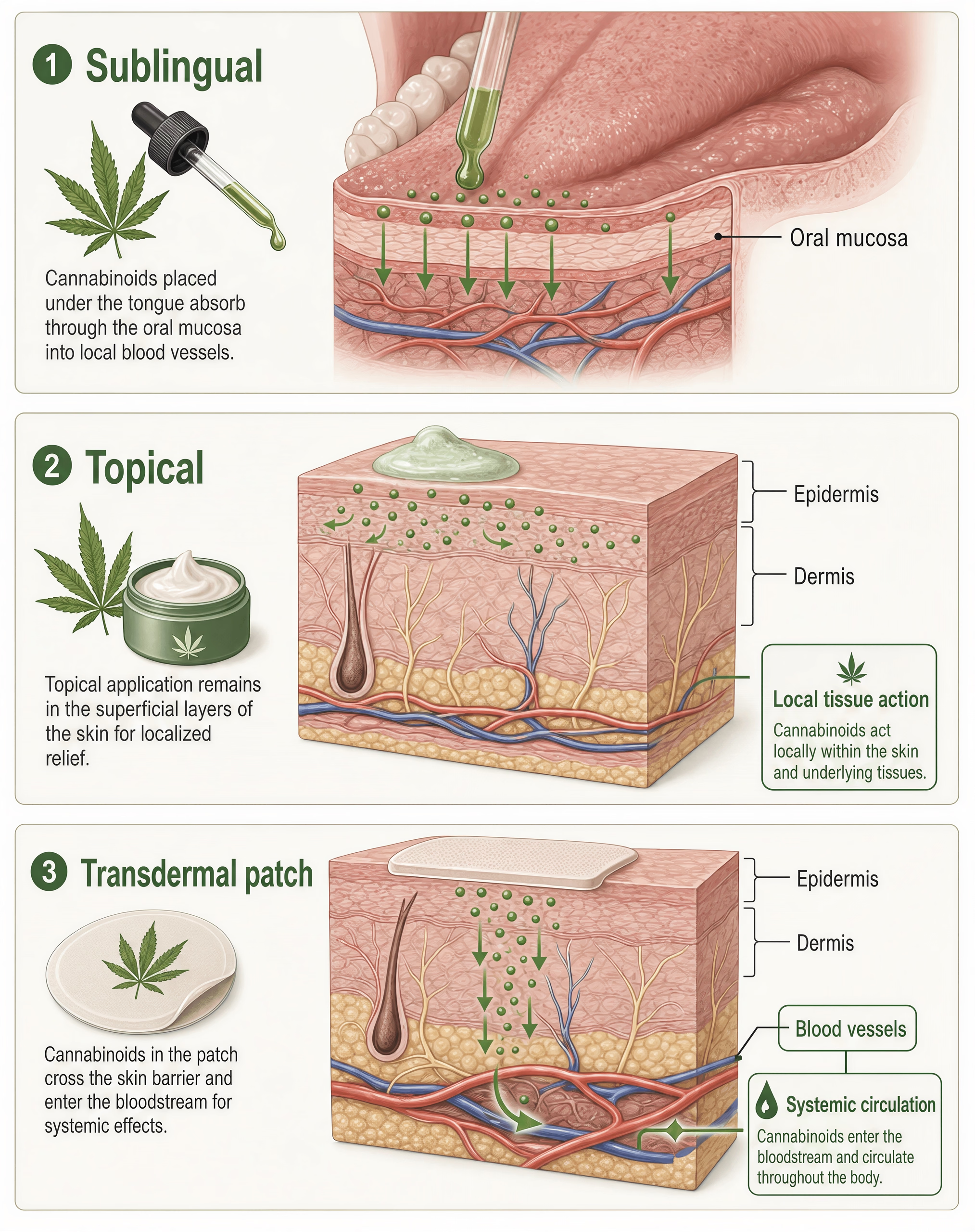
Sublingual tinctures, topicals, and transdermals
Sublingual tinctures occupy the middle ground. Held under the tongue for 30 to 90 seconds, some portion is absorbed through the oral mucosa before the rest is swallowed. In practice, onset is often 15 to 45 minutes, peak around 1 to 2 hours, and duration roughly 4 to 6 hours. Because some of the dose is still swallowed, the experience can blend mucosal absorption with delayed oral absorption.
That mixed pathway is why tinctures are popular in pain care. They are faster than capsules but slower and less abrupt than inhalation. They work well for patients who need flexible baseline control and occasional symptom escalation without smoking or vaping. They also allow finer dose adjustments, especially with low-dose THC or balanced THC:CBD preparations. For many chronic pain patients, this is the most practical starting route.
Topicals are a different category and are often misunderstood. A topical cream, balm, or lotion is generally intended for local action at or near the site of application. It may affect cutaneous nerves, local inflammation, or musculoskeletal discomfort, but it usually does not produce meaningful systemic cannabinoid levels. That means a topical is not simply a slower edible rubbed on the skin. In many cases, it will not reach the bloodstream in significant amounts at all.
This distinction matters because patients often expect topical THC or CBD to help widespread pain, central sensitization, or deep neuropathic pain the way an inhaled or oral product might. Usually it will not. Evidence for cannabis topicals remains thin, highly formulation-dependent, and far weaker than the market chatter around them. They may help localized joint pain, focal muscle discomfort, or allodynic skin sensitivity in some users, but broad analgesic claims are ahead of the data.
Transdermals are different from topicals. A transdermal patch or engineered gel is designed to push cannabinoids across the skin barrier into systemic circulation over hours. When formulation succeeds, transdermals can provide steadier plasma levels and prolonged effects, which makes them conceptually appealing for baseline pain control. But true transdermal delivery is technically hard. Not every patch or roll-on marketed as such actually achieves reliable systemic absorption. Product design matters far more than label language.
For practical use, the split is simple. Baseline pain usually fits oral, sublingual, or possibly transdermal strategies because duration matters. Breakthrough pain usually fits inhalation because speed matters. Topicals may fit localized symptoms, but they should not be assumed to replace systemic therapy. Once route is chosen, dose still needs caution. THC is metabolized through CYP2C9 and CYP3A4; CBD affects CYP2C19 and CYP3A4. Add opioids, benzodiazepines, alcohol, sedating antihistamines, or certain antidepressants, and the risk of excessive sedation rises fast.
The route is not a detail. It is the treatment design.
Dosing strategies for pain: start low is not the same as staying vague
“Start low and go slow” is sensible advice. It is not enough on its own. Pain patients need something more concrete than a slogan, because dosing errors with cannabis usually come from two predictable problems: people ignore route of administration, and they underestimate how much tolerance changes the response to THC.
That matters because the evidence is modest, product-specific, and uneven by pain type. The 2024 AHRQ living systematic review found that nabiximols and comparable THC:CBD oral sprays were probably associated with small improvements in pain severity and overall function versus placebo, with more dizziness and sedation. The 2021 BMJ/MAGIC guideline panel, with Ian Gilron and colleagues involved in the linked evidence review, issued only a weak recommendation for non-inhaled cannabinoids in chronic pain not controlled by standard care. Their estimate was small: about a 10% absolute increase in patients achieving an important improvement in pain, and an average pain reduction of about 0.5 cm on a 10 cm scale. That is not nothing. It is also not a reason to dose casually.
Daniel J. Clauw has argued that chronic pain treatment often fails when clinicians and patients expect a single therapy to erase pain rather than improve function, sleep, flare control, or tolerability. Cannabis fits that reality. Dose should be matched to the goal. A patient seeking all-day background symptom control may need a different plan than someone trying to blunt evening neuropathic burning or intermittent breakthrough pain.
Why dosing has to account for route and tolerance
Route changes onset, peak, duration, and the chance of accidental overuse. Inhaled THC can begin working within minutes, which is why some patients report benefit for sudden symptom spikes. The tradeoff is shorter duration, often a couple of hours, along with pulmonary exposure if the route is smoking. Vaporized products avoid combustion but still deliver a fast, sometimes surprisingly strong effect.
Oral products behave differently. Effects may not begin for 30 minutes to 2 hours, and peaks can arrive even later. Duration is longer, which can help persistent symptoms, but delayed onset is the classic setup for overconsumption: no effect at 45 minutes, another dose, then a large wave of dizziness, anxiety, sedation, or tachycardia at hour two. With oral THC, first-pass metabolism produces 11-hydroxy-THC, which can feel stronger and longer-lasting than expected. That is why “I took only a little edible” is not very informative unless the milligrams and timing are known.
Sublingual oils and sprays sit somewhere in the middle. Some drug is absorbed through oral mucosa, some is swallowed, so onset is usually faster than a standard edible but slower than inhalation. For many chronic pain patients, this route offers the most controllable compromise.
Topicals complicate dosing because many products marketed for pain have weak penetration and little human evidence. A topical may affect a local area without meaningful bloodstream levels; a transdermal formulation is designed to cross the skin and produce systemic exposure. Those are not interchangeable. The label may not make that clear.
Tolerance matters mostly for THC. A person with no recent THC exposure may feel intoxicated, anxious, or cognitively slowed at doses that a regular user barely notices. Tolerance can reduce adverse effects and also blunt analgesic response, pushing some patients toward escalating doses that worsen function more than they help pain. Higher THC is not automatically stronger analgesia. Sometimes it is just more impairment.
Microdosing deserves a reality check here. The term is used loosely, often to imply that tiny amounts of cannabinoids provide pain relief without side effects. Sometimes very low doses of THC, especially by inhalation or oral spray, are enough to help a specific symptom. That can be true. But pain relief often shows threshold behavior: below a certain dose, nothing clinically meaningful happens. For many patients, “microdose” becomes “subtherapeutic dose.” The right lesson is not that low doses are useless. It is that low dosing should be tested systematically, not romanticized.
CBD-predominant, balanced, and THC-dominant approaches
CBD-predominant products are often treated as the safest starting point, and for some patients that is reasonable. CBD does not produce the same intoxicating effects as THC and may be easier to tolerate during daytime use. It also has plausible pain-related mechanisms through TRPV1, 5-HT1A, adenosine signaling, GPR55, and inflammatory pathways. The problem is clinical evidence. Despite heavy marketing in the general consumer space, analgesic evidence for CBD-dominant products alone is much thinner than many people assume. NCCIH has repeatedly framed the evidence as limited and product-specific. If someone improves on CBD alone, that is useful clinically. It should not be overstated as a settled pain treatment.
Balanced THC:CBD products have the strongest practical rationale for many chronic pain cases. Limited evidence
Balanced THC:CBD products have the strongest practical rationale for many chronic pain cases. They align more closely with the product types studied in nabiximols research and may allow lower THC exposure than THC-dominant products while preserving some analgesic effect. CBD may also soften some THC-related adverse effects in some patients, though that should not be oversold as a guarantee.
THC-dominant approaches are the most likely to produce noticeable symptom relief quickly, and also the most likely to cause dizziness, anxiety, sedation, dry mouth, orthostasis, and cognitive impairment. They may have a role in breakthrough symptoms, sleep-disrupting pain, or in patients who have already shown they tolerate THC. They are a poor starting point for many older adults, people with fall risk, patients who must drive or operate machinery, and anyone taking sedatives.
Pain mechanism should influence the choice. Neuropathic pain has a more supportive signal than acute nociceptive pain, though even there the Cochrane 2018 review found the overall evidence low quality. Inflammatory pain may respond differently than centralized pain. There is no rational basis for mapping any of this onto “indica for body pain” or “sativa for daytime pain.” Those labels do not predict dose-response reliably.
A cautious titration framework for adults
There is no universal analgesic dose. Still, a practical framework is better than vagueness.
For medically complex adults, especially those with heart disease, psychiatric history, polypharmacy, older age, or gait instability, clinician oversight matters. So does interaction screening. THC is affected by CYP2C9 and CYP3A4 pathways. CBD can inhibit CYP2C19 and CYP3A4. Additive sedation is a real concern with opioids, benzodiazepines, alcohol, sedating antihistamines, and some antidepressants.
Practical titration sequence
- Start route first Use a non-inhaled product unless fast relief is specifically needed.
- Begin low For CBD-predominant products, start with a low evening dose; for balanced THC:CBD products, keep initial THC exposure very low.
- Increase slowly Raise dose in small steps every 3 to 7 days if tolerated and if there is no meaningful benefit.
- Change one variable at a time Do not increase THC and CBD together without a reason.
- Track outcomes Record pain, function, sleep, and side effects rather than chasing pain score alone.
- Stop escalation early Pause when functional gain appears and stop if dizziness, sedation, anxiety, palpitations, or impaired concentration outweigh benefit.
A cautious adult framework for persistent pain might look like this:
Start with a non-inhaled product unless rapid relief is specifically needed. For a CBD-predominant oral or sublingual product, begin with a low evening dose for several days, then increase in small steps every 3 to 7 days if tolerated and if there is no meaningful benefit. If using a balanced THC:CBD product, keep the initial THC exposure very low, especially in THC-naive adults. Night dosing first is often safer because sedation and dizziness can be observed at home.
If pain remains uncontrolled and adverse effects are mild, titrate one variable at a time. Do not raise THC and CBD together without a reason. Track four things: pain intensity, function, sleep, and side effects. A product that lowers pain from 7 to 6 but causes brain fog and unsteadiness may be a treatment failure.
For breakthrough pain, some patients use a fast-onset route at a very low THC dose while maintaining a slower baseline regimen. That can make pharmacologic sense. It also requires discipline, because repeated rescue dosing can creep upward fast and blur into all-day THC exposure.
Pause titration when there is a clear functional gain, not only when pain disappears. Stop escalating when dizziness, sedation, anxiety, palpitations, or impaired concentration begin to outweigh benefit. If no meaningful improvement appears after careful titration across a reasonable dose range, the product may simply not be helping. Continuing to increase the dose is not evidence-based.
And never redose an oral product early just because nothing has happened yet. With edibles, patience is part of dosing. Without it, accidental overconsumption is almost built into the route.
Adverse effects, tolerance, dependence, and withdrawal
Pain patients often approach cannabis with a simple question: will it help me hurt less? The harder question is whether it helps enough to improve daily function once adverse effects are counted honestly. That distinction matters. The AHRQ 2024 living systematic review found that nabiximols and comparable THC:CBD oral sprays were probably associated with small improvements in pain severity and overall function versus placebo, but those gains came with more dizziness and sedation. The BMJ/MAGIC rapid recommendation and linked review led by Ian Gilron and colleagues in 2021 reached a similar place: small average benefits, mostly in chronic pain, offset by transient cognitive adverse events and other side effects. For some people, that tradeoff is acceptable. For others, it is the reason treatment fails.
Short-term side effects that matter in pain patients
Short-term adverse effects that matter in pain care
- Dizziness and orthostatic symptoms that raise fall risk
- Sedation and somnolence that reduce daytime function
- Anxiety, panic, or dysphoria at higher THC exposures
- Cognitive impairment affecting memory, attention, and reaction time
- Impaired driving and delayed reactions
- Dry mouth and tachycardia
The adverse effects that matter most are not abstract checklist items. They are the ones that worsen mobility, concentration, driving, work, and fall risk.
Dizziness is one of the most common problems with THC-containing products. In a patient with chronic pain, dizziness is not just uncomfortable. It can mean trouble getting out of bed, climbing stairs, showering safely, or walking after a dose. Orthostatic symptoms can compound this, especially in older adults, people who are deconditioned, and anyone also taking antihypertensives, opioids, benzodiazepines, gabapentinoids, or sedating antidepressants.
Sedation and somnolence are another major issue. Many patients interpret feeling “relaxed” as proof that a product is helping, when what is really happening is central nervous system slowing. If sleep was the main problem, that may be acceptable at night. During the day, it can quietly reduce activity, social engagement, and rehabilitation effort. Mark A. Ware and other cannabinoid researchers have long emphasized that analgesia cannot be separated from tolerability. A medication that makes a person too drowsy to function is not doing its job well, even if pain intensity scores drop a little.
Anxiety and dysphoria deserve equal attention. THC does not calm everyone. In some people, especially at higher doses, it can trigger anxiety, panic, suspiciousness, or a sense of losing control. That is one reason the popular “more THC equals more pain relief” idea fails in practice. Past a certain point, more THC may worsen the overall experience and shrink the functional benefit. Balanced THC:CBD products may be easier for some patients to tolerate, though CBD is not a guaranteed buffer against THC-induced anxiety.
Cognitive impairment is common enough to matter clinically. Short-term memory, attention, reaction time, and executive function can all be affected, particularly with inhaled THC or oral products taken in doses that overshoot the person’s tolerance. In chronic pain care, this can interfere with pacing, medication adherence, work tasks, and physical therapy. Daniel J. Clauw has argued that chronic pain itself already alters cognition and fatigue levels in many patients. Adding a cognitively impairing drug on top of that can move someone further from function, not closer.
Impaired driving is a real safety issue. Patients often underestimate it because they do not feel “drunk.” That is the wrong comparison. THC can impair lane control, divided attention, tracking, and reaction time. Inhaled products create a fast peak, so a person may feel “fine” and then be impaired within minutes. Oral products are trickier because onset is delayed and prolonged. A patient may take an edible, feel little at first, decide to drive, and then become impaired later as absorption catches up. Pain patients who use cannabis for evening symptom flares need very clear counseling: if a product causes intoxication, slowed reactions, sedation, or altered attention, driving is unsafe.
Falls risk deserves its own line because it is easy to miss. Chronic pain is already linked to lower activity, poorer balance, weak sleep, and polypharmacy. Add dizziness, delayed reaction time, sedation, or transient tachycardia, and the chance of a fall rises. Older adults are the highest-risk group, but not the only one. Anyone with neuropathy, arthritis, multiple sclerosis, prior stroke, or vestibular issues can be affected.
Dry mouth sounds minor. It usually is. Still, frequent xerostomia can worsen oral comfort, increase dental risk, and matter in patients already taking anticholinergic or sedating drugs.
Tachycardia is also often brushed aside, yet it can be unpleasant and alarming, especially in new users and in those with anxiety or cardiovascular disease. THC can increase heart rate acutely. That does not mean every patient with heart disease must avoid cannabinoids, but it does mean they should not be told that these products are physiologically neutral.
Route matters here. Inhaled THC hits faster, peaks faster, and can produce a sharper wave of intoxication, anxiety, and tachycardia. Oral THC comes on slowly but lasts longer, partly because first-pass metabolism produces 11-hydroxy-THC, an active metabolite that can feel stronger and less predictable. That delayed onset is why accidental overconsumption is so common with edibles and capsules. The patient takes more because “nothing is happening,” then two hours later they are dizzy, anxious, and over-sedated.
Tolerance and dose escalation
Tolerance is not inevitable, but it is common with frequent THC exposure. The mechanism is not mysterious: repeated CB1 receptor stimulation can reduce receptor responsiveness over time. Clinically, the person notices that the same dose feels weaker. They start taking more, or dosing more often, to chase the earlier effect.
This matters because pain is often chronic and daily. A patient may begin with occasional evening use for symptom flares, then add a daytime dose for stiffness, then a second daytime dose for stress, poor sleep, or “baseline pain control.” Months later they are using high-THC products several times a day. The shift can happen gradually enough that neither the patient nor the clinician recognizes it as dose escalation.
Tolerance does not develop evenly to all effects. Some people become less sensitive to euphoria or sedation faster than they become less sensitive to tachycardia, cognitive slowing, or motivational effects. Others report that pain relief fades while brain fog remains. That is a bad trade. More product, less benefit, more impairment.
This is where pain care can go off course. A patient may say cannabis is “still helping” because stopping it makes them feel worse. But that worsening may reflect withdrawal, rebound sleep disturbance, or simple adaptation, not true sustained analgesia. Function is the anchor. Are they walking more, working more, sleeping better, relying less on rescue medication, and participating more in life? Or are they dosing more often while doing less?
High-THC daily use can quietly erode function. Sedation becomes baseline. Concentration slips. Driving becomes risky. Exercise and rehabilitation decline. Mood narrows around the timing of the next dose. Yet because pain is such a dominant symptom, the person may frame all of this as necessary treatment rather than as a sign the regimen needs to be reevaluated.
Tolerance also intersects with route. Rapid-onset inhaled use can encourage repeated “topping up,” which reinforces frequent dosing patterns. Oral products may support steadier schedules, though they bring their own variability. Some clinicians prefer balanced THC:CBD oral preparations for persistent pain partly because they can be titrated more slowly and may be easier to monitor. That is not because oral products are harmless. It is because the pattern of use may be less reinforcing than repeated high-THC inhalation.
Cannabis use disorder and withdrawal symptoms
Most pain patients who try cannabis do not develop cannabis use disorder, but some do, and chronic pain does not protect against it. In fact, persistent symptoms, sleep disruption, anxiety, and the search for daily relief can raise risk. Dependence can form even when the original intent was purely medical.
Cannabis use disorder A pattern of cannabis use marked by loss of control and harm, such as failed attempts to cut down, craving, continued use despite problems, or interference with work and relationships.
Cannabis use disorder is not defined by using cannabis regularly for a legitimate symptom. It is defined by loss of control and harm: using more than intended, unsuccessful attempts to cut down, spending a lot of time obtaining or recovering from use, craving, continued use despite worsened mood or cognition, interference with work or relationships, and persistent use despite physical risk. In pain patients, one of the clearest warning signs is this: the dose keeps rising while function keeps falling.
Common withdrawal features after heavy sustained THC use
- Irritability
- Anxiety
- Insomnia and vivid dreams
- Restlessness
- Low mood
- Reduced appetite
- Headache and sweating
- Temporary pain flare in some patients
Withdrawal is real and often underrecognized. After heavy or sustained use, especially of THC-dominant products, stopping can cause irritability, anxiety, insomnia, restlessness, depressed mood, reduced appetite, headache, sweating, and sleep disturbance with vivid dreams. Some patients report a temporary pain flare as well, which can make them believe they “need” the drug for analgesia when part of the picture is withdrawal physiology. Symptoms usually begin within a day or two, peak in the first week, and then gradually improve, though sleep disruption can linger longer.
That pattern creates a trap. A patient uses daily high-THC cannabis for months. They wake feeling edgy and achy, dose in the morning, feel temporary relief, and interpret that as proof of ongoing effectiveness. It may be partly relief of withdrawal. Without stepping back, the cycle is hard to see.
Heavy use also raises the risk of cannabis hyperemesis syndrome in susceptible people, a syndrome of recurrent nausea, vomiting, and abdominal pain relieved temporarily by hot bathing and resolved by stopping cannabis. It is not common, but it is clinically important because patients and clinicians often miss it for a long time.
The psychiatric side cannot be ignored either. In vulnerable individuals, high-THC exposure can worsen anxiety, precipitate panic, and in some cases contribute to psychotic symptoms. Pain patients with trauma histories, unstable mood disorders, or prior psychosis need extra caution.
The practical response is straightforward. Track function, not just pain scores. Reassess dose creep. Favor lower-THC approaches when possible. Ask about morning use, failed cut-down attempts, impaired driving, and whether life is getting bigger or smaller. Cannabis can help some pain patients. It can also become another source of disability when adverse effects, tolerance, and dependence are minimized.
Drug interactions and contraindications clinicians worry about
Pain patients are often older, medically complicated, and already taking several drugs that affect alertness, balance, blood pressure, seizure threshold, or liver metabolism. That is why clinicians tend to worry less about strain names and more about pharmacology. THC and CBD do not enter a vacuum. They can change how other drugs are metabolized, and other drugs can change how cannabis feels and how risky it becomes.
The route matters too. Inhaled THC acts fast and bypasses first-pass metabolism, while oral THC and CBD spend more time in the liver, where interaction risk becomes more relevant. A patient using a low-dose inhaled product once in a while is not the same interaction case as someone taking daily oral oils, capsules, or high-dose CBD extracts.
CYP450 metabolism and common medications
| Cannabinoid | Main enzymes named in the article | Interaction concern |
|---|---|---|
| THC | CYP2C9, CYP3A4 | Other drugs can raise or lower THC exposure; additive sedation matters clinically |
| CBD | CYP2C19, CYP3A4 | Can inhibit enzyme activity and raise levels of some co-medications; sedation and liver issues can matter |
| Oral cannabinoids as a class | Liver first-pass metabolism | Interaction review becomes more important with daily oral use |
The cytochrome P450 system is where many of the clinically relevant interactions live. For cannabis, the enzymes clinicians watch most closely are CYP2C9, CYP3A4, and CYP2C19.
THC is metabolized mainly by CYP2C9 and CYP3A4. CBD is metabolized largely by CYP2C19 and CYP3A4, and CBD can also inhibit several enzymes, including CYP2C19 and CYP3A4 to a degree that matters more at higher oral doses. That means two broad things can happen. Cannabis compounds may raise or lower levels of other medicines, and other medicines may raise or lower levels of THC or CBD.
Interaction examples named in the article
- Warfarin
- Case reports describe elevated INR after cannabis use, especially with CBD-rich preparations; monitoring should not be deferred after starting or changing cannabis use.
- Clobazam
- CBD can inhibit CYP2C19 and raise N-desmethylclobazam levels, increasing sedation and toxicity risk.
- Valproate
- The concern is elevated liver enzymes with CBD rather than a simple CYP interaction.
- CYP3A4 inhibitors
- Certain macrolides, azoles, protease inhibitors, and some calcium channel blockers may increase THC exposure.
- CYP3A4 inducers
- Rifampin, carbamazepine, phenytoin, and St. John’s wort may reduce cannabinoid exposure.
A classic high-risk example is warfarin. Case reports have described elevated INR after cannabis use, especially with CBD-rich preparations. The mechanism is plausible because warfarin metabolism involves CYP2C9, the same enzyme relevant for THC, and can be affected by CBD as well. This is not a casual interaction. If a patient on warfarin starts or substantially changes cannabis use, INR monitoring should not be deferred.
Clobazam is another interaction clinicians know well, mostly from the epilepsy literature. CBD can inhibit CYP2C19, which raises levels of clobazam’s active metabolite, N-desmethylclobazam. The result can be marked sedation and sometimes toxicity. This interaction is well established from studies of prescription CBD in seizure disorders. A pain patient taking clobazam for epilepsy, muscle spasm, or off-label use needs more than a generic warning.
Other anticonvulsants matter too. CBD has been associated with altered levels of drugs such as rufinamide, topiramate, zonisamide, eslicarbazepine, and sometimes brivaracetam, though the clinical significance varies and the data are stronger for some pairings than others. Valproate deserves separate mention: the issue is less a classic CYP interaction and more the repeated observation of elevated liver enzymes when CBD and valproate are used together. That makes liver function testing relevant when higher-dose CBD is in the mix.
Antidepressants are a messier category because the evidence is uneven, but the concern is real. Many SSRIs, SNRIs, tricyclics, and atypical antidepressants are metabolized through CYP2C19, CYP3A4, or related pathways. CBD may increase levels of some agents, especially those with narrow tolerability margins. Sedating antidepressants such as trazodone, doxepin, amitriptyline, and mirtazapine pose an added pharmacodynamic problem even when the kinetic interaction is modest: more dizziness, more somnolence, more falls.
THC exposure can also rise when a patient takes strong CYP3A4 inhibitors such as certain macrolide antibiotics, azole antifungals, protease inhibitors, or some calcium channel blockers. The flip side is reduced cannabinoid exposure with CYP3A4 inducers like rifampin, carbamazepine, phenytoin, or St. John’s wort. If a patient says cannabis suddenly feels much stronger or much weaker after a medication change, that history can make pharmacologic sense.
One underdiscussed issue in oncology is immunotherapy. Observational data have raised concern that cannabis use might be associated with poorer outcomes in some patients receiving immune checkpoint inhibitors, though confounding is a major problem and causation is not proved. Even so, many oncologists remain cautious, especially when a patient is receiving pembrolizumab, nivolumab, or similar agents. This is not an automatic contraindication, but it is a discussion point.
The practical lesson is simple: daily oral cannabis products deserve medication reconciliation the same way any new centrally acting drug does. “Natural” does not exempt CBD or THC from interaction risk.
Additive sedation with opioids, alcohol, and benzodiazepines
Not every important interaction is metabolic. Some are bluntly clinical. If two substances impair attention, slow reaction time, lower blood pressure, or increase sleepiness, combining them can make the patient much less safe even if blood levels do not change much.
That is why clinicians worry about opioids, benzodiazepines, alcohol, sedating antihistamines, Z-drugs, muscle relaxants, gabapentinoids, and sedating antidepressants. THC can cause somnolence, slowed processing, anxiety, impaired coordination, and orthostatic symptoms. CBD is often marketed as gentler, but it can also cause sedation, especially at higher doses or when paired with other CNS depressants.
With opioids, the issue is not just drowsiness. Pain patients may already have sleep apnea, chronic lung disease, frailty, or nighttime hypoxemia. Add cannabis to oxycodone, hydromorphone, morphine, methadone, or buprenorphine and the patient may become more impaired than expected. Some people do reduce opioid use after starting cannabis, but that observation does not erase the near-term hazard of combined sedation during dose transitions.
With benzodiazepines, impairment can become obvious fast. THC plus alprazolam, clonazepam, diazepam, lorazepam, or clobazam can worsen memory, balance, reaction time, and fall risk. In older adults, this is where emergency visits happen.
Alcohol is often underestimated because it is socially normalized. Combined with THC, alcohol can amplify psychomotor impairment and dizziness out of proportion to the amount consumed. Patients may feel “not that intoxicated” and still drive badly. That mismatch between subjective confidence and actual impairment is one reason many clinicians advise avoiding alcohol when trying a new cannabis regimen.
The same caution applies to nighttime combinations with diphenhydramine, doxylamine, quetiapine, cyclobenzaprine, baclofen, pregabalin, or gabapentin. A patient may take each one at a familiar dose and still wake up groggy, confused, or unsteady when cannabis is added.
Who should be especially cautious or avoid cannabis
Groups needing extra caution or avoidance
- Pregnancy and breastfeeding
- Personal or strong family history of psychosis
- Unstable cardiovascular disease
- Older adults with fall risk
- Significant liver disease
- History of substance use disorder
- Jobs or caregiving roles that require high alertness
Some groups carry enough risk that clinicians either avoid cannabis entirely or proceed only with careful specialist input.
Pregnancy and breastfeeding sit near the top of that list. Major medical organizations advise against cannabis use in pregnancy because THC crosses the placenta, and prenatal exposure has been linked with adverse neurodevelopmental concerns in observational research. Breastfeeding raises similar concerns because cannabinoids can enter breast milk and persist. For pain, this is usually a stop sign, not a gray area.
People with a personal or strong family history of psychosis also warrant serious caution. High-THC exposure can precipitate paranoia, perceptual disturbances, or frank psychotic symptoms in vulnerable individuals. The risk is dose-related and higher with potent THC products. In a patient with schizophrenia, schizoaffective disorder, prior cannabis-induced psychosis, or unstable bipolar disorder, cannabis for pain is often a poor trade.
Those with unstable cardiovascular disease deserve careful screening. THC can increase heart rate, trigger orthostatic hypotension, and acutely change blood pressure. That may be tolerable for many healthy adults. It is different in someone with recent myocardial infarction, unstable angina, poorly controlled arrhythmia, decompensated heart failure, or recurrent syncope.
Older adults, especially those at fall risk, are another high-concern group. They are more likely to have polypharmacy, slower drug clearance, gait instability, cognitive impairment, and orthostatic symptoms before cannabis ever enters the picture. Add THC and the difference between pain relief and a hip fracture may be one extra nighttime trip to the bathroom.
Caution also rises in patients with significant liver disease, because oral cannabinoids depend on hepatic metabolism; in those with a history of substance use disorder; and in anyone who must maintain high-level alertness for work, caregiving, or driving. For these patients, if cannabis is used at all, lower doses, slower titration, and noninhaled formulations are generally the safer path.
Pain patients in medical cannabis programs: what the real-world data says
Pain is the center of gravity in medical cannabis programs. That fact is easy to document. Interpreting it is harder.
Program enrollment data from U.S. states, Canada, and other medical systems show the same pattern again and again: chronic pain, severe pain, or intractable pain sits at or near the top of qualifying indications. That does not mean cannabis works equally well for every pain condition. It means pain is common, hard to treat, and often poorly controlled by standard care alone. The CDC reported that 24.3% of U.S. adults had chronic pain in 2023 and 8.5% had high-impact chronic pain, affecting 17.1 million adults. When a condition is that prevalent, it will dominate almost any medical access scheme that includes it.
Medical cannabis registry outcomes can suggest signal, but they cannot establish efficacy because expectancy, selection bias, and product heterogeneity remain major confounders. Limited evidence
This is where the real-world data matters. It tells us who is enrolling, what products they are using, and how they say they are doing over time. It also has blind spots large enough to drive policy errors through. Registry outcomes can suggest signal. They cannot settle causation.
Why pain dominates enrollment data
Pain qualifies for medical cannabis in many jurisdictions because it is common, persistent, and heterogeneous. A person with peripheral neuropathy, another with inflammatory arthritis, and another with centralized chronic pain may all land in the same administrative category even though their biology is different. Daniel J. Clauw has long argued that chronic pain is not one disease but a set of mechanisms, and that matters here. Programs count diagnoses broadly. Pharmacology does not work broadly.
Pennsylvania is a clean example of pain’s dominance. The Pennsylvania Office of Medical Marijuana reported in 2023 that severe chronic or intractable pain accounted for 60.6% of patient certifications. That is not a niche subgroup. It is the backbone of the program.
The reason is partly epidemiology and partly therapeutic dissatisfaction. Chronic pain patients often cycle through NSAIDs, acetaminophen, gabapentinoids, antidepressants, physical therapy, injections, and sometimes opioids, with incomplete relief or limiting side effects. Medical cannabis enters that gap. For some, it is tried as an opioid-sparing option. For others, it is aimed less at pain intensity than at sleep, flare control, or overall tolerability.
That distinction matters because pain relief in practice is not always “pain score drops dramatically.” Patients may keep using a product because it reduces nighttime awakenings, dampens breakthrough symptoms, or makes pain feel less intrusive. Mark A. Ware’s clinical work has repeatedly highlighted this issue: patient-valued outcomes in cannabinoid medicine often extend beyond pure analgesia.
There is also a regulatory reason pain swells the rolls. “Chronic pain” is usually broader and easier to certify than conditions with narrow diagnostic criteria. Compare that with a condition like refractory epilepsy, where entry depends on a more specific medical history. Once pain is listed, enrollment rises. Not because all those patients are ideal cannabinoid responders, but because the pool is vast.
None of this should be confused with proof that “more THC means more pain control.” Program data does not support that simplistic reading. High-THC products are common, but higher intoxication burden can reduce function through dizziness, sedation, anxiety, and impaired attention. That tradeoff is a recurring theme in both trials and registries.
State and national program outcomes
- Minnesota enrollment pain score
- 6.4
- Minnesota 4-month pain score
- 5.1
- Absolute score change
- 1.3 points
- Pennsylvania pain-related certifications
- 60.6%
- Interpretation
- Real-world signal, not controlled proof
Minnesota offers one of the better-known state datasets because the program has tracked patient-reported outcomes over time. In 2023, among patients enrolled for intractable pain, the average self-reported pain score fell from 6.4 at enrollment to 5.1 at four months. That is a real change. It is also not a miracle. A 1.3-point drop on a 0 to 10 scale can matter for some patients, especially if sleep or function also improves, but it leaves many people still in pain.
That moderate pattern lines up with the clinical trial literature better than social media claims do. The 2024 AHRQ living systematic review found that nabiximols and comparable THC:CBD oral sprays were probably associated with small improvements in pain severity and overall function versus placebo, while also increasing dizziness and sedation. Product-specific evidence like that is more useful than blanket statements about “medical marijuana.”
The BMJ/MAGIC rapid recommendation led by Busse, with Ian Gilron among the key contributors to the evidence synthesis, landed in a similarly restrained place in 2021. The guideline made a weak recommendation for non-inhaled medical cannabis or cannabinoids when chronic pain is not adequately controlled with standard care. The linked review estimated a risk difference of 10% for achieving an important improvement in pain, and the average pain relief was very small: about 0.5 cm on a 10 cm visual analogue scale. That is not nothing. It is also nowhere near a universal analgesic effect.
Canada’s national data tells a slightly different story because its federal medical access system captures prescribing and authorization patterns at scale. Health Canada reporting has consistently shown large numbers of patients authorized for medical cannabis, with chronic pain among the leading clinical reasons. Canadian observational studies and clinic cohorts often report improvements in pain, sleep, and quality of life, along with reductions in some other medications, especially opioids in subsets of patients. But these are mostly nonrandomized datasets. They reflect lived practice, not controlled proof.
The tension between older optimism and newer caution runs straight through this field. The National Academies in 2017 said there was substantial evidence that cannabis is effective for chronic pain in adults. By 2021, the IASP took a stricter line and declined to endorse general cannabinoid use for pain because high-certainty evidence was still lacking. Both positions make sense once you separate “signal exists” from “evidence is strong enough for broad endorsement.”
Outside the U.S., program structure changes what the data can even show. Canada’s federal system differs from state programs in physician oversight and product channels. Germany’s framework differs again. Some programs permit flower, some emphasize extracts, some track outcomes, some barely do. Comparing success rates across jurisdictions is messy because access rules shape the patient mix and the products used.
And product mix matters a lot. Oral THC:CBD products have the clearest trial evidence for chronic pain, modest as it is. Inhaled cannabis has faster onset and may be used for breakthrough symptoms, but it brings pulmonary exposure concerns and harder-to-standardize dosing. CBD-dominant products are heavily used in the real world, yet the clinical evidence for CBD alone as an analgesic is far thinner than marketing culture suggests.
Where registry data helps and where it misleads
Registry and program data helps in three main ways. First, it shows demand. Pain is not a marginal use case; it is the main one. Second, it captures populations often excluded from trials: older adults, patients with multiple diagnoses, people on polypharmacy, and those using mixed cannabinoid formulations. Third, it can identify tolerability patterns, route preferences, and persistence of use over months.
That last point is underrated. If patients stop a product quickly, that tells us something. If they continue despite modest pain score changes, that also tells us something, though not always what advocates think it tells us. Continued use may reflect benefit. It may also reflect expectation, substitution for other substances, difficulty accessing alternatives, or simple hope.
Now the problems.
Selection bias is built in. People who enroll in medical cannabis programs are more likely to believe cannabis may help them. That expectancy can inflate self-reported benefit. Patients who have bad early experiences may drop out, leaving a more satisfied group behind in follow-up data. This is classic survivorship bias.
Self-reporting is another weakness. Pain scores are subjective, and they should be; pain is subjective. But registries often rely on patient ratings without blinded comparison, without active controls, and without careful verification of dose adherence. A patient who says pain went from 7 to 5 may be reporting a meaningful improvement, a placebo response, a sleep-related shift in perception, or all three at once.
Then there is product heterogeneity, the issue that most often breaks broad claims. “Medical cannabis” in registry data can mean high-THC flower, balanced oral extracts, CBD-dominant tinctures, softgels, vaporized concentrates, and products with variable terpene profiles. That is not one intervention. It is many interventions grouped under one label. Ethan Russo has argued for pharmacological specificity and has discussed terpene plausibility, but even the most plausible terpene claims remain largely unproven in human pain outcomes. Beta-caryophyllene has a mechanistic case through CB2 activity in preclinical work. Registry data usually cannot tell you whether that mattered.
Confounding by indication also distorts interpretation. Patients with more severe pain may choose stronger products, use more THC, or combine routes. If they improve less, that does not prove the product failed. It may mean they started in a harder-to-treat state. The reverse is also true.
So what should be taken seriously from real-world program data? Pain dominates enrollment because chronic pain is common and unmet need is high. Some patients report meaningful benefit, especially over months rather than hours. Average improvements are usually modest, not dramatic. Outcomes depend on pain mechanism, dose, route, and cannabinoid ratio more than on strain labels. And registry data is hypothesis-generating, not verdict-rendering.
That is the honest read. Not a cure-all. Not a sham. A signal, with noise all around it.
Patient guidance: choosing goals, tracking outcomes, avoiding common mistakes
Pain is the main reason many people consider medical cannabis, which is not surprising when the CDC reports that nearly 1 in 5 U.S. adults live with chronic pain and 8.5% had high-impact chronic pain in 2023. State program data tell the same story: Pennsylvania reported that severe chronic or intractable pain accounted for 60.6% of patient certifications in 2023. But high demand does not settle the harder question: who is likely to benefit, from what product, and at what cost in side effects?
That uncertainty matters. NASEM in 2017 found substantial evidence for chronic pain in adults, yet the IASP said in 2021 that current evidence does not support generalized cannabinoid use for pain because higher-quality data are still limited. AHRQ’s 2024 living review landed in the middle: comparable THC:CBD oral sprays probably produce small improvements in pain severity and overall function, with more dizziness and sedation. That is a useful frame for patients. Think less in terms of miracle pain relief and more in terms of modest, trackable gains that may or may not be worth the tradeoffs.
Set functional goals, not just pain scores
A lower pain number is nice. It is not enough.
Pain treatment works when life gets bigger again: sleeping through the night, walking farther, sitting through work, doing physical therapy, cooking dinner, concentrating, needing fewer rescue medications, or getting out of bed with less dread. Daniel Clauw and other pain researchers have long argued that chronic pain is not just a signal from injured tissue; it often involves altered pain processing. That is one reason a patient can feel “a little less pain” yet function much better, or feel sedated enough that a lower pain score is actually a poor outcome.
Set two or three goals that can be measured in daily life. Good examples:
- Sleep at least 6 hours without waking from pain more than once
- Walk 20 minutes four days per week
- Reduce evening pain flares enough to complete home exercises
- Cut breakthrough opioid use from daily to twice weekly
- Sit at a desk for 90 minutes without needing to stop
These goals should fit the pain type. Neuropathic pain and central sensitization may respond differently than acute nociceptive pain. For persistent baseline symptoms, a balanced oral THC:CBD product may be more tolerable than repeatedly inhaling high-THC cannabis. For sudden breakthrough symptoms, some patients prefer a faster-onset route. Route matters because onset and duration matter.
Be realistic about the size of benefit. The 2021 BMJ/MAGIC guideline linked to a systematic review led by Jason Busse and Ian Gilron. It found a very small average pain improvement from non-inhaled medical cannabis or cannabinoids, about 0.5 cm on a 10 cm pain scale, with a 10% absolute increase in the number of patients achieving an important pain improvement. Small does not mean useless. It means goals should be concrete and the bar for continuing treatment should be tied to function, not hope alone.
How to track benefit versus side effects
The simplest approach is often the most honest: write down what you took, when you took it, what happened, and what went wrong.
What patients should track
- Product type and cannabinoid content if known
- Dose in milligrams of THC and CBD
- Route of administration
- Onset time
- Pain change at 1, 2, 4, and 8 hours when relevant
- Sleep quality
- Next-day effects such as fogginess, dizziness, anxiety, dry mouth, palpitations, or nausea
- Function: what activity was completed or missed
A practical log should include: - product type and cannabinoid content if known - dose in milligrams of THC and CBD, not just “one gummy” or “two puffs” - route: inhaled, oral, tincture, topical - onset time - pain change at 1, 2, 4, and 8 hours when relevant - sleep quality that night - next-day effects: fogginess, dizziness, anxiety, dry mouth, palpitations, nausea - function: activity completed or missed
This matters because benefit can be easy to misread. An edible that causes heavy sedation may feel effective at night while quietly worsening balance, concentration, and daytime fatigue. A high-THC inhaled product may blunt a pain flare quickly but increase anxiety or impair driving. A patient who only tracks pain intensity can miss the real tradeoff.
Look for patterns over at least one to two weeks, not one dramatic night. Minnesota’s medical cannabis program reported that in patients enrolled for intractable pain, average self-reported pain scores dropped from 6.4 at enrollment to 5.1 at four months. That kind of change is meaningful for some people, but only if it comes with acceptable cognition, mood, and mobility.
Red flags in a tracking log are clear: - dose climbing quickly to chase the same effect - repeated dizziness or near-falls - worsening anxiety, panic, or paranoia - memory problems that interfere with work or caregiving - morning grogginess severe enough to reduce activity - more frequent use of alcohol, benzodiazepines, or sedating antihistamines with cannabis
Interaction risk is not theoretical. THC is metabolized mainly through CYP2C9 and CYP3A4; CBD affects CYP2C19 and CYP3A4. The bigger day-to-day issue, though, is additive sedation. Opioids, benzodiazepines, alcohol, sedating antihistamines, gabapentinoids, and some antidepressants can turn a mild cannabis side effect into a fall, a driving hazard, or severe impairment.
Mistakes that lead to poor outcomes
Common mistakes that lead to poor outcomes
- 1 Chasing higher THC as if stronger intoxication guarantees stronger analgesia.
- 2 Relying on strain folklore such as 'indica for pain'.
- 3 Expecting CBD alone to perform like a proven broad analgesic.
- 4 Redosing edibles too early.
- 5 Stacking cannabis with other sedatives.
- 6 Continuing a product that shrinks function even if pain falls a little.
The first mistake is chasing THC strength as if more intoxication automatically means more analgesia. It does not. Past a certain point, higher THC often buys dizziness, tachycardia, anxiety, and cognitive slowing rather than better function. AHRQ’s 2024 review supports a narrower claim: certain THC:CBD oral products may help a bit. That is very different from saying the highest-THC product is the strongest pain treatment.
The second mistake is relying on strain folklore. “Indica for pain” and “sativa for daytime” are not reliable pharmacology. Labels are inconsistent, and analgesia does not map neatly onto those categories. Ethan Russo has written extensively about cannabis chemistry, but even the more plausible terpene claims should be handled carefully. Beta-caryophyllene has a real mechanistic rationale because it acts at CB2 receptors in preclinical work. That does not mean a terpene-heavy label predicts pain relief in a specific patient. Human evidence is thin.
Third: expecting CBD alone to perform like a proven analgesic. CBD has interesting mechanisms involving TRPV1, 5-HT1A, adenosine signaling, and inflammatory pathways, but direct clinical evidence for CBD-dominant products as stand-alone pain treatment is much thinner than marketing suggests. Some patients still prefer CBD-predominant starting points because they are less intoxicating. That is reasonable. Just keep expectations grounded.
Fourth: redosing edibles too early. This is one of the most common avoidable errors. Oral cannabis can take 30 minutes to 2 hours, sometimes longer, to peak, and effects can last many hours because of first-pass metabolism and 11-hydroxy-THC formation. People feel little at 45 minutes, take more, and then spend the next several hours overmedicated. Start low. Wait long enough. Then decide.
Fifth: stacking sedatives. Pain patients often already take sleep aids, muscle relaxants, opioids, or anti-anxiety drugs. Adding THC on top can worsen balance, reaction time, and breathing safety, even if each drug alone seems manageable.
Last, do not keep using a product that lowers pain a little while shrinking your life. If sleep, mobility, attention, or mood are worse, the treatment is not succeeding. The right question is not “Did my pain score drop?” It is “Am I functioning better, with side effects I can live with?”
Legal and regulatory considerations for cannabis and pain treatment
Pain is one of the main reasons people seek cannabis, but legal access does not track neatly with the science. A product can be legal in one place, tightly restricted in the next, and treated as a criminal issue across a border. That matters because pain treatment often involves repeat use, dose adjustments, driving, work obligations, and other medicines. Law shapes all of that.
| Regulatory path | What it usually involves | Pain-care implication |
|---|---|---|
| Medical program | Clinician authorization or certification, registry rules, product restrictions | May provide diagnosis review, interaction screening, and documentation |
| Adult-use market | No medical authorization required for eligible adults | Access is easier, but clinical risk assessment is not built in |
| Prescription cannabinoid medicine | Conventional prescription for approved product in some jurisdictions | More standardized product and dosing, with different insurance and liability implications |
The first distinction is simple but often misunderstood: medical access and adult-use access are not the same thing. They may overlap in practice, yet they rest on different rules, different records, and different protections. In some places, a clinician can authorize cannabis for chronic pain through a medical program. In others, adults can access cannabis without any medical authorization at all. Germany’s MedCanG system, Canada’s federal medical framework, and the U.S. state-by-state model all handle this differently, including who can recommend it, which products are allowed, and whether dried flower is included.
That legal patchwork matters more in pain care than internet advice usually admits. The evidence is already product-specific. The rules are too.
Medical programs, adult-use markets, and prescription pathways
Medical cannabis programs usually require some form of clinician involvement, though the threshold varies. In many U.S. states, chronic pain, severe pain, or intractable pain is a qualifying condition. Pennsylvania reported in 2023 that severe chronic or intractable pain accounted for 60.6% of patient certifications. That is not surprising when the CDC reports that nearly 1 in 5 U.S. adults live with chronic pain, and 8.5% had high-impact chronic pain in 2023.
Still, qualifying for a medical program does not mean cannabis is a standard first-line pain treatment. The BMJ/MAGIC guideline panel in 2021, with Ian Gilron among the contributors to the linked evidence review, gave only a weak recommendation for non-inhaled medical cannabis or cannabinoids when chronic pain is not adequately controlled with standard care. The estimate was modest: a 10% absolute increase in the proportion of patients achieving an important pain improvement, and a very small average reduction of 0.5 cm on a 10 cm pain scale. AHRQ’s 2024 living review reached a similarly restrained conclusion for nabiximols and comparable THC:CBD oral sprays: probably small improvements in pain and function, with more dizziness and sedation.
That is legally relevant because some medical programs are built around clinician oversight and follow-up, while adult-use systems generally are not. A patient in a medical framework may have documentation of diagnosis, medication review, and advice on THC exposure, sedative interactions, or route of administration. In an adult-use market, legal access may be easier, but the legal system is not doing the work of clinical risk assessment.
Prescription pathways add another layer. In many countries, cannabis is not “prescribed” in the same sense as a conventional analgesic with a standard approval label for pain. Instead, there may be authorization, certification, specialist sign-off, or access through a pharmacist under a medical document. Some jurisdictions permit approved cannabinoid medicines, such as nabiximols, on a more conventional prescription basis, even when whole-plant products sit in another regulatory category. That distinction affects insurance, recordkeeping, refill rules, and clinician liability.
It also affects product choice. A regulated oral spray with a defined THC:CBD ratio is legally and clinically different from a loosely labeled edible or a high-THC flower product in an adult-use market. Daniel J. Clauw and Mark A. Ware have both argued, in different ways, for precision in how cannabis evidence is interpreted. The law often lags behind that precision. Patients should not assume that because “medical cannabis” is legal, every cannabinoid product sold in that jurisdiction has the same evidentiary footing or the same legal status.
Driving, workplace testing, and travel
Driving law is one of the biggest real-world risks for pain patients using cannabis. Pain itself can impair attention and reaction time. THC can add dizziness, slowed response, sedation, and divided-attention deficits, especially during dose changes or with oral products that peak later than expected. Many jurisdictions prohibit driving while impaired by cannabis. Some also use per se or zero-tolerance rules based on THC or its metabolites, though those rules do not always map well onto actual impairment.
That mismatch creates problems. A person may feel normal and still test above a legal threshold. Another may be impaired even at a lower measured level, especially with alcohol, benzodiazepines, opioids, sedating antihistamines, or certain antidepressants on board. This is one reason medical authorization is not a shield against impaired-driving charges. Legal access to cannabis does not create a right to drive after using it.
Workplace testing is another area where medical and adult-use legality often fail to protect the patient. Employment law varies sharply. Some employers test only after workplace incidents. Others test before hiring, randomly, or for safety-sensitive roles. Standard urine tests usually detect metabolites, not current impairment. That means a patient using legal cannabis at night for chronic neuropathic pain may still test positive days later. In some jurisdictions, employers must consider medical use and disability law before taking action. In others, especially where federal law or safety regulations dominate, a positive test can still have serious consequences.
Travel is even less forgiving. Crossing an international border with cannabis can trigger criminal or customs penalties even if both departure and destination points allow some form of legal use. That includes medical cannabis documentation. Border officers are not required to honor a clinician’s authorization from another country. Air travel within a country can also be complicated because airport security, aviation rules, and regional law may not align. For pain patients, the safe default is simple: never assume your authorization travels with you.
Why jurisdiction-specific law matters more than internet advice
Online advice about cannabis law is often stale, oversimplified, or copied from another jurisdiction entirely. That is dangerous. A Reddit post from one U.S. state may say a medical card protects employment. It may not in yours. A blog may claim CBD is legal everywhere if it contains little or no THC. That can be wrong once source, labeling, import law, and local definitions are examined. Even “hemp-derived” products can create legal or employment problems if they contain enough THC to trigger a test.
Jurisdiction-specific law matters because the details are where the risk sits: possession limits, home cultivation rules, age restrictions, public-use bans, driving standards, approved forms, clinician documentation, registry renewal, and whether smoked flower is permitted. Canada, Germany, and U.S. states all differ on those points. So do provinces, territories, and agencies within the same country.
The same principle applies to pain treatment records. A clinician may be willing to discuss balanced THC:CBD products for chronic pain but not support smoked cannabis. A state may allow dispensary access yet prohibit use in hospitals, workplaces, rental housing, or correctional settings. An insurer may cover an approved cannabinoid medicine but not botanical cannabis. Internet summaries usually flatten those distinctions. The law does not.
So the legal caution here is not boilerplate. It is practical advice. Before using cannabis for pain, check the rules that apply where you live, where you work, and where you may travel. If a medical program exists, learn whether it offers protections or simply access. If you drive, understand impairment law before the first dose, not after a stop or crash. And if a legal question could affect a job, custody issue, professional license, or border crossing, local legal guidance matters far more than generic online reassurance.
Where the science is heading next
The next phase of pain research is not about proving that “cannabis works” or “doesn’t work.” That framing is too blunt to be useful. Pain is not one disease, cannabis is not one drug, and the trial record already shows why generic claims keep collapsing under scrutiny. NASEM in 2017 judged the evidence for chronic pain in adults as substantial, while the IASP in 2021 declined to endorse general cannabinoid use for pain because the higher-quality clinical data were still too thin. Those positions are not actually incompatible. They are describing a field in transition: lots of patient use, some product-specific signals, and not enough precision.
That demand for precision matters because pain is everywhere. The CDC reported that 24.3% of U.S. adults had chronic pain in 2023, and 8.5% had high-impact chronic pain, or 17.1 million people. It is no surprise that pain dominates medical cannabis enrollment. Pennsylvania reported severe chronic or intractable pain in 60.6% of patient certifications. But popularity is not proof. It is a reason to run better studies.
Product standardization and phenotype-based pain trials
One of the biggest weaknesses in the literature is that many studies do not test clearly defined, reproducible products. “Medical cannabis” can mean smoked flower, vaporized chemovars, oral oils, capsules, nabiximols-like sprays, isolates, or mixed extracts with different THC:CBD ratios and terpene content. If a trial cannot tell clinicians exactly what was used, at what dose, by which route, with what cannabinoid profile, the result has limited value.
This is where the field is finally moving. The AHRQ 2024 living systematic review did not support a sweeping claim for cannabis in pain. It supported a narrower one: extracted, comparable THC:CBD oral sprays were probably associated with small improvements in pain severity and overall function versus placebo, with more dizziness and sedation. That is much more actionable than “THC helps pain.” It points to a specific product class, a specific route, and a modest effect size that has to be weighed against adverse effects.
Researchers such as Mark A. Ware and Ian Gilron have pushed this kind of clinical specificity for years. The BMJ/MAGIC guideline linked to Busse et al. in 2021 reached a weak recommendation for non-inhaled cannabinoids in chronic pain not controlled by standard care, and even there the average pain benefit was small: about 0.5 cm on a 10 cm visual analogue scale, with a 10% absolute increase in the proportion of patients achieving an important pain improvement. That is not trivial, but it is not dramatic either.
The next step is to match products to pain phenotypes rather than lumping all chronic pain together. Neuropathic pain, inflammatory pain, osteoarthritis, fibromyalgia, cancer pain, and centralized pain states do not share the same biology. Daniel J. Clauw’s work on centralized pain has been especially influential here: if pain amplification in the central nervous system is the main driver, the response to cannabinoids may differ from pain driven by tissue inflammation or nerve injury. Trials need to stratify patients by mechanism, not just diagnosis labels.
They also need better route matching. A low-dose inhaled THC product may make sense for intermittent breakthrough symptoms because onset is fast, while a balanced oral THC:CBD preparation may fit persistent symptoms despite slower onset and variable pharmacokinetics. Topicals need even tighter definitions, because many marketed “topicals” do not achieve meaningful systemic delivery. A true transdermal formulation is not the same thing as a balm that mostly stays near the skin surface.
Minor cannabinoids, terpenes, and combination therapies
The science is also moving beyond the THC-versus-CBD argument, though not in the loose “entourage” way often seen in consumer marketing. Minor cannabinoids and terpenes are scientifically interesting, but the human pain data are still sparse.
CBD remains a good example of the gap between popularity and proof. Mechanistically, it has plenty to recommend it: low direct affinity for CB1 and CB2, but activity across TRPV1, 5-HT1A, adenosine signaling, GPR55, and inflammatory pathways. Yet CBD-dominant products alone do not have a strong clinical analgesic record in humans. That may change with better dosing studies, but the current evidence does not support treating CBD as a standalone pain cure.
CBN deserves even more caution. It is often discussed as if it were an established sedating analgesic, but that claim runs far ahead of evidence. THCV is scientifically intriguing because its pharmacology changes with dose, acting more like a CB1 antagonist or neutral antagonist at lower doses and a partial agonist at higher doses, but human pain data are minimal. For now, these are research leads, not mature pain treatments.
Terpenes should be handled the same way. Ethan Russo has argued for terpene relevance in cannabinoid pharmacology, and that argument is plausible. Beta-caryophyllene is the most credible candidate for pain because it acts as a CB2 agonist in preclinical work, which ties it directly to inflammatory signaling. Myrcene, linalool, limonene, and pinene also have preclinical anti-inflammatory or analgesic signals. But plausibility is not proof. Human trials that link defined terpene profiles to measurable pain outcomes are rare.
Combination therapy may end up being more important than any single molecule. A balanced THC:CBD product may outperform a high-THC product not because CBD is strongly analgesic on its own, but because it can shape tolerability, reduce anxiety for some patients, and make sustained treatment more feasible. Cannabinoids may also find a clearer role as adjuncts rather than replacements: in neuropathic pain, opioid-refractory cancer pain, or mixed chronic pain states where sleep disruption, hypervigilance, and sensory amplification all matter. That possibility needs proper head-to-head trials against existing standards, not just placebo comparisons.
The questions researchers still need to answer
Research questions the article says still need answers
- Which pain phenotypes benefit most from which cannabinoid ratios?
- How much of the observed effect is pharmacologic versus expectancy?
- How durable is benefit over six months or a year?
- Does tolerance erode analgesia faster than dose can be safely increased?
- Which routes best fit breakthrough pain versus baseline pain?
- How do interactions and polypharmacy affect long-term outcomes?
The field still has some basic problems to solve. Which patients actually benefit? Which cannabinoid ratios work for which pain mechanisms? How much of the observed effect is pharmacologic and how much is expectancy? How durable is benefit after six months or a year? Does tolerance erode analgesia faster than clinicians can safely escalate dose?
Long-term comparative studies are a major gap. Most trials are short, often weeks rather than months, and they do not reflect the reality of pain care, where patients are older, medically complicated, and taking multiple drugs. That matters because interaction risk is real. THC is affected by CYP2C9 and CYP3A4 pathways; CBD by CYP2C19 and CYP3A4. Additive sedation with opioids, benzodiazepines, alcohol, sedating antihistamines, and some antidepressants can turn a modest analgesic regimen into a fall, a crash, or a cognition problem.
Researchers also need to stop treating strain labels as meaningful clinical variables. “Indica” and “sativa” are not pain mechanisms. They are loose commercial categories. What matters is the measurable profile: THC dose, CBD dose, minor cannabinoid content, terpene composition, route, onset, duration, and the kind of pain being treated.
Future progress in cannabis pain treatment depends on matching defined products and routes to defined pain mechanisms rather than treating cannabis as a single intervention. Preliminary evidence
That is where the strongest future insight lies. The real question is no longer whether cannabis relieves pain in the abstract. It is whether a defined cannabinoid profile, delivered by a defined route, at a defined dose, can help a defined pain mechanism enough to improve function without causing more harm than benefit. The future of cannabis in pain care, if it has one, will be built on that level of matching. Not generic cannabis. Precision analgesia.
References
- [1] International Association for the Study of Pain presidential task force on cannabis and cannabinoid analgesia position statement. IASP, 2021. https://www.iasp-pain.org/publications/iasp-news/iasp-position-statement-on-the-use-of-cannabinoids-to-treat-pain/
- [2] Living Systematic Review on Cannabis and Other Plant-Based Treatments for Chronic Pain. AHRQ, 2024. https://effectivehealthcare.ahrq.gov/products/plant-based-chronic-pain-treatment/living-review
- [3] Beta-caryophyllene is a dietary cannabinoid. Proceedings of the National Academy of Sciences of the United States of America, 2008. https://doi.org/10.1073/pnas.0803601105
- [4] The Health Effects of Cannabis and Cannabinoids: The Current State of Evidence and Recommendations for Research. National Academies Press, 2017. https://doi.org/10.17226/24625
- [5] Medical cannabis or cannabinoids for chronic pain: a clinical practice guideline. BMJ, 2021. https://doi.org/10.1136/bmj.n2040