












Parkinson's disease and cannabis: what the evidence actually supports
Cannabis is not an established disease-modifying therapy for Parkinson's disease. Strong evidence
Cannabinoids are scientifically relevant to Parkinson's disease. They are not established disease-modifying therapy. That distinction has to come first, because Parkinson's coverage often blurs an interesting biological rationale into claims of clinical benefit that the human evidence does not support.
Bradykinesia A core Parkinson's sign marked by slowness of movement and reduced movement amplitude, not just delayed movement initiation.[1] Global, regional, and national burden of Parkinson's disease, 1990-2016: a systematic analysis for the Global Burden of Disease Study 2016. GBD 2016 Parkinson's Disease Collaborators. The Lancet Neurology, 2018.
Parkinson's disease is the second most common neurodegenerative disorder after Alzheimer's disease, according to NINDS, and its global burden has risen sharply. The 2018 Global Burden of Disease analysis in Lancet Neurology estimated 6.1 million people were living with Parkinson's disease in 2016, up from 2.5 million in 1990. Clinically, Parkinson's is defined by bradykinesia plus tremor, rigidity, or both, with dopaminergic neuron loss in the substantia nigra pars compacta and widespread alpha-synuclein pathology in the background. It is a motor disorder, yes. It is also much more than that.
Why patients with Parkinson's disease turn to cannabinoids
Many patients do not approach cannabis because they expect a dramatic anti-tremor effect. They turn to it because Parkinson's includes a long list of non-motor symptoms that standard dopaminergic therapy often does not cleanly fix: insomnia, fragmented sleep, anxiety, pain, REM sleep behavior disorder symptoms, and the general erosion of quality of life that accumulates over years of disease. The Parkinson's Foundation and Michael J. Fox Foundation have both emphasized that these non-motor symptoms can be as disabling as slowness or stiffness.
That real-world symptom profile matters. Popular articles often frame cannabis as a tremor treatment. The clinical reality is different. A patient whose hand shakes may still rate sleep disruption, nighttime discomfort, dystonia-related pain, and anxious distress as the problems most worth treating. That is one reason patient-reported benefit often looks more impressive than controlled motor outcomes.[2] Cannabis (medical marijuana) treatment for motor and non-motor symptoms of Parkinson disease: an open-label observational study. Irit Lotan, Shirley Treves Taurisano, others. Clinical Neuropharmacology, 2014.
Observational data fit this pattern. In the 2014 Israeli survey by Lotan and colleagues, patients with Parkinson's disease who used cannabis commonly reported relief in pain and sleep disturbances; 45.9% reported improvement in pain and 44.0% in sleep. Useful signal, but still just a signal. Surveys are vulnerable to expectancy effects, selection bias, and the tendency of people who continue a therapy to be the ones who felt some benefit from it.
Cannabis reliably reduces Parkinsonian tremor. Limited evidence
The symptom targets also differ in plausibility. Sleep, pain, and anxiety are reasonable areas of interest because cannabinoids interact with systems involved in arousal, nociception, stress response, and sleep architecture. Tremor suppression is a harder sell. Some patients report less tremor or stiffness after THC-containing products, but controlled studies have not established a reliable anti-tremor effect in Parkinson's disease. Anecdote is ahead of proof here.
The gap between mechanistic plausibility and clinical proof
There is real science behind the interest. The endocannabinoid system is deeply involved in basal ganglia function, which is why Parkinson's researchers such as Javier Fernández-Ruiz have spent years examining it. CB1 receptors are densely expressed in the striatum, globus pallidus, substantia nigra, and related motor circuits. CB2 receptors are less prominent in the healthy brain but become more relevant in neuroinflammatory states, especially in glial cells. Manuel Guzmán's work in cannabinoid neurobiology also helped establish why this system keeps appearing in discussions of motor control, inflammation, and neuronal stress.
Main mechanistic hypotheses
- Motor-circuit modulation Cannabinoids might alter motor output through CB1 signaling in basal ganglia circuits.
- Non-motor symptom relief Cannabinoids might affect pain, anxiety, stress response, and sleep-related signaling.
- Laboratory neuroprotection Cannabinoids may show antioxidant, anti-inflammatory, and anti-excitotoxic effects in cell and animal models.
That leads to three distinct mechanistic ideas. First, cannabinoids might modulate motor output through CB1 signaling in basal ganglia circuits. Second, they might improve non-motor symptoms through effects on pain pathways, anxiety circuits, and sleep-related signaling. Third, they might show neuroprotective effects in laboratory models through antioxidant, anti-inflammatory, and anti-excitotoxic actions. CBD is especially interesting in this third category because some of its actions are not dependent on classic CB1 intoxication pathways.
But mechanistic plausibility is not clinical efficacy. That is the correction many articles never make.
The human trial record remains small, mixed, and methodologically weak. The 2014 American Academy of Neurology guideline concluded that oral cannabis extract was probably ineffective for Parkinson disease dyskinesia, based largely on negative findings such as Carroll et al. 2004 with Cannador. Sieradzan et al. 2001 reported possible benefit from nabilone for levodopa-induced dyskinesia in a small crossover study, but the trial was too small and too old to settle the question. A 2022 systematic review and meta-analysis in npj Parkinson's Disease reached the broader conclusion that evidence is insufficient to recommend cannabis for Parkinson's symptoms because available studies are heterogeneous, underpowered, and often at risk of bias.[3] Effects of cannabidiol in the treatment of patients with Parkinson's disease: an exploratory double-blind trial. Vania Aparecida Chagas, José Alexandre S. Crippa, Antonio Waldo Zuardi. Journal of Psychopharmacology, 2014.[4] Effects of cannabidiol in the treatment of patients with Parkinson’s disease and REM sleep behavior disorder. Vania Aparecida Chagas, José Alexandre S. Crippa, Antonio Waldo Zuardi. Journal of Clinical Pharmacy and Therapeutics, 2014.
CBD may improve quality of life in some patients with Parkinson's disease. Preliminary evidence
CBD-specific work by Vania Aparecida Chagas, in a research line linked to José Alexandre Crippa and Antônio Waldo Zuardi, is often cited and should be read carefully. In a 2014 exploratory randomized trial in Journal of Psychopharmacology, CBD 300 mg/day improved PDQ-39 quality-of-life scores versus placebo in a very small sample, but it did not produce clear motor improvement. In another 2014 report, Chagas and colleagues described four patients with Parkinson's disease and REM sleep behavior disorder whose CBD use was associated with prompt and substantial reduction in RBD events. Interesting. Not confirmatory.
The same caution applies to neuroprotection. Animal and cell studies suggest cannabinoids may reduce oxidative stress, glutamate toxicity, microglial activation, and inflammatory signaling. Fernández-Ruiz and colleagues have argued that the endocannabinoid system changes across Parkinson's disease stages, making it a biologically relevant target. Still, there is no clinical evidence that cannabis, THC, CBD, or mixed cannabinoid products slow Parkinson's progression in humans. That claim should not be made.
A working thesis for the rest of the article
The most defensible position is this: cannabis is not an established therapy for core Parkinson's motor symptoms, and it is not a proven disease-modifying treatment. Evidence for tremor reduction, rigidity relief, dyskinesia control, and neuroprotection remains weak or unproven. Yet cannabinoids may help some patients with selected non-motor symptoms, especially sleep disruption, pain, anxiety, and subjective wellbeing.
That is a narrower claim than many readers expect. It is also more honest.
It points toward cautious, symptom-specific use rather than broad claims about "treating Parkinson's." It also puts safety where it belongs. Parkinson's patients are often older, prone to orthostatic hypotension, falls, constipation, confusion, hallucinations, and polypharmacy. THC can worsen several of those problems. Any serious discussion of cannabinoids in Parkinson's disease has to weigh possible sleep or pain benefit against cognition, balance, blood pressure, sedation, and interaction risk.
How Parkinson's disease changes the brain
Mechanistic plausibility is not the same thing as clinical efficacy. That distinction matters from the start. Parkinson’s disease clearly affects brain systems where the endocannabinoid system is active, which helps explain why cannabis keeps coming up in patient discussions. It does not mean cannabinoids have been proven to treat Parkinson’s disease well. Human trial evidence is still limited and inconsistent, even though the biology is interesting.
Parkinson’s disease is the second most common neurodegenerative disorder after Alzheimer’s disease, according to NINDS. Its global burden has risen sharply: a 2018 Global Burden of Disease analysis in The Lancet Neurology estimated 6.1 million people were living with Parkinson’s disease in 2016, up from 2.5 million in 1990. In the US, the Parkinson’s Foundation says nearly 1 million people are living with the condition, with that number projected to reach 1.2 million by 2030. So this is not a niche question. It is a major public-health issue.
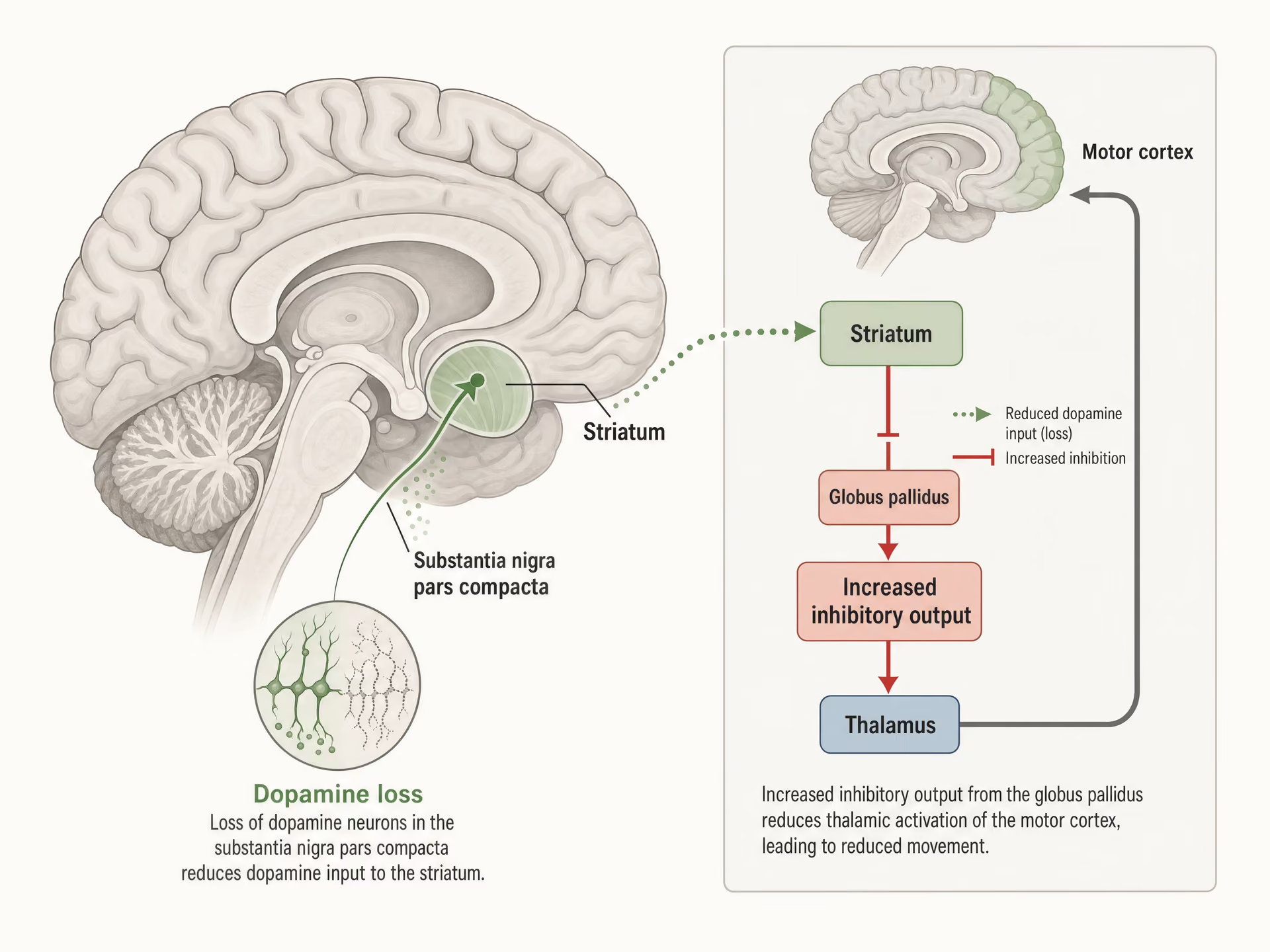
Pathologically, Parkinson’s disease is marked by loss of dopamine-producing neurons in the substantia nigra pars compacta and by widespread alpha-synuclein pathology. Clinically, it is defined by bradykinesia plus tremor, rigidity, or both. But that textbook summary misses a lot of what patients actually live with day to day.

Dopamine loss in the substantia nigra and basal ganglia dysfunction
The substantia nigra is a small midbrain structure, but it has outsized influence on movement. Its dopamine neurons project heavily to the striatum, which is a major input hub of the basal ganglia. The basal ganglia are not a single “movement center.” They are a set of connected nuclei that help select, scale, and smooth actions. In plain English, they help the brain decide when to start a movement, how big it should be, and which competing movements should be suppressed.
Dopamine is one of the key tuning signals in that system. When dopamine neurons die off, the circuitry becomes biased toward inhibition of movement. Patients do not become paralyzed, but movement gets harder to initiate and less fluid. That is why slowness, reduced arm swing, soft voice, and decreased facial expression can emerge even before dramatic tremor does.
Motor circuit change, step by step
- Direct pathway Normally helps facilitate desired movement.
- Indirect pathway Normally helps suppress competing movement.
- Dopamine effect Dopamine stimulates D1-bearing neurons and inhibits D2-bearing neurons, supporting efficient motor output.
- Dopamine loss When dopaminergic neurons degenerate, the system becomes overbraked and movement becomes harder to initiate and scale.
A common way to explain this is through the direct and indirect pathways of the basal ganglia. The direct pathway helps facilitate desired movement. The indirect pathway helps suppress competing movement. Dopamine normally nudges this balance toward efficient motor output by stimulating D1 receptor-bearing neurons in the direct pathway and inhibiting D2 receptor-bearing neurons in the indirect pathway. Remove dopamine, and the system becomes overbraked. That “too much brake, not enough go” state is the core motor physiology of Parkinson’s disease.
This is where cannabinoids become scientifically relevant. CB1 receptors are densely expressed in basal ganglia regions including the striatum, globus pallidus, and substantia nigra. Researchers such as Javier Fernández-Ruiz and Manuel Guzmán have reviewed how the endocannabinoid system intersects with motor circuitry, synaptic transmission, and neuroinflammation in Parkinson’s disease. Changes in endocannabinoid tone and receptor expression have been reported across disease stages. That makes the system a plausible target. It does not guarantee that external cannabinoids like THC or CBD will produce useful, reliable clinical benefit.
| Symptom | Plain-language description | What the article says about cannabinoid evidence |
|---|---|---|
| Tremor | Often a resting shake, commonly starting in one hand | Controlled studies have not established a reliable anti-tremor effect |
| Rigidity | Increased muscle tone with stiffness and resistance | Evidence remains weak and anecdote exceeds data |
| Bradykinesia | Slowness and reduced amplitude of movement | No convincing improvement shown in standard motor scales |
| Dyskinesia | Involuntary writhing or choreiform movement, often after long-term levodopa | Mixed record; early small signal with nabilone, negative Cannador trial, AAN judged oral cannabis extract probably ineffective |
Motor symptoms: tremor, rigidity, bradykinesia, dyskinesia
The classic motor symptoms of Parkinson’s disease are tremor, rigidity, and bradykinesia. Bradykinesia means slowness of movement, but also reduced amplitude. A person may start out walking with normal stride and then gradually shuffle. Handwriting can become small. Turning in bed can become exhausting. Rigidity is increased muscle tone that makes limbs feel stiff and resistant. Tremor often appears at rest, commonly in one hand at first, but not every patient has it and it is not always the most disabling symptom.
Levodopa often improves bradykinesia and rigidity more clearly than tremor. That matters because many popular cannabis claims focus on “Parkinson’s tremor,” as if tremor were the whole disease. It is not. Tremor can be socially visible, but slowness and stiffness often impair function more. Trial-quality evidence that cannabis reliably reduces Parkinsonian tremor is weak. Anecdotes exceed data here.
Dyskinesia Involuntary abnormal movements, often linked to long-term levodopa treatment rather than Parkinson's disease itself.
Another major motor issue is dyskinesia, the involuntary writhing or choreiform movement that can emerge after long-term levodopa treatment. Dyskinesia is not simply “more Parkinson’s.” It is often a treatment complication linked to pulsatile dopamine stimulation and altered plasticity in basal ganglia circuits. Because cannabinoids modulate these same circuits, investigators have tested them for dyskinesia. Results have not been persuasive enough to establish use. Sieradzan et al. in 2001 reported possible benefit with nabilone in a small crossover trial, but the study was tiny. Carroll et al. in 2004 tested Cannador and found negative results. The American Academy of Neurology stated in 2014 that oral cannabis extract is probably ineffective for Parkinson disease dyskinesia, and stronger later evidence has not clearly overturned that position.
Non-motor symptoms: sleep, pain, anxiety, depression, autonomic dysfunction
The part of Parkinson’s disease that most outsiders underestimate is the non-motor burden. The Parkinson’s Foundation and Michael J. Fox Foundation both emphasize that symptoms such as insomnia, constipation, pain, anxiety, and depression can be as disabling as the motor syndrome. Many patients seek cannabis for these problems, not for tremor.
Sleep disruption is common and comes in many forms: insomnia, fragmented sleep, vivid dreams, nocturnal rigidity, restless discomfort, and REM sleep behavior disorder. These symptoms can worsen daytime fatigue, cognition, mood, and fall risk. Small studies by Vania Aparecida Chagas and colleagues drew attention to CBD in this area. In a 2014 case series of four patients with Parkinson’s disease and REM sleep behavior disorder, cannabidiol reduced the frequency of events. Interesting, yes. Confirmatory, no. The sample was far too small.
Pain in Parkinson’s disease is also varied. It may be musculoskeletal from rigidity and abnormal posture, dystonia-related, neuropathic, or more centrally amplified. Broken sleep makes all of it worse. Anxiety and depression are likewise woven into the disease, not just understandable reactions to diagnosis. They reflect changes in broader brain networks and neurotransmitter systems beyond dopamine alone.
This broader network view is another reason cannabinoids are discussed. The endocannabinoid system is involved in pain processing, stress response, mood regulation, sleep, and autonomic signaling. CBD research led by figures such as José Alexandre Crippa and Antônio Waldo Zuardi has supported anxiolytic potential in some settings, while THC can help some people sleep but can also worsen anxiety, confusion, and orthostatic symptoms. In Parkinson’s disease, that tradeoff matters. Older adults are more vulnerable to sedation, hallucinations, blood-pressure drops, and impaired balance.
Human data fit that mixed picture. Observational work by Lotan et al. in 2014 found patient-reported improvement, including 45.9% for pain and 44.0% for sleep disturbance, but surveys are highly vulnerable to expectancy effects and selection bias. Chagas et al. reported in 2014 that CBD 300 mg/day improved PDQ-39 quality-of-life scores versus placebo in a very small randomized exploratory trial, without significant motor improvement. That result is encouraging but not decisive.
So when people ask why cannabis is even being studied in Parkinson’s disease, the answer is not that it has already proved itself. It is that Parkinson’s disrupts dopamine-dependent motor circuits and broader systems governing sleep, pain, mood, and autonomic function, and the endocannabinoid system touches all of those domains. That creates a real scientific rationale. It does not yet create therapeutic certainty.
The endocannabinoid system in Parkinson's disease
A common mistake in Parkinson’s disease writing is to treat mechanistic plausibility as if it were proof of treatment effect. It is not. The endocannabinoid system is deeply tied to basal ganglia function, motor control, pain, mood, and sleep, so it makes scientific sense to study cannabinoids in Parkinson’s disease. That does not mean THC, CBD, or mixed cannabis products have been shown to treat the disease itself, or even to reliably improve its core motor features.
That distinction matters because Parkinson’s disease is common, disabling, and clinically messy. The 2018 Global Burden of Disease analysis in Lancet Neurology estimated 6.1 million people worldwide were living with Parkinson’s disease in 2016, up from 2.5 million in 1990. In the US, the Parkinson’s Foundation estimates nearly 1 million people are living with the condition, rising to 1.2 million by 2030. NINDS describes Parkinson’s as the second most common neurodegenerative disorder after Alzheimer’s disease. Motor symptoms define diagnosis, but non-motor symptoms often drive suffering: poor sleep, pain, anxiety, constipation, depression, and cognitive change. The Michael J. Fox Foundation and Parkinson’s Foundation both stress that these non-motor problems can be as disabling as tremor or rigidity.
Key endocannabinoid terms
- Endocannabinoid system
- A signaling system that includes endogenous ligands, cannabinoid receptors, and the enzymes that make and break down those ligands.
- CB1 receptor
- The main neuronal cannabinoid receptor in the brain; it shapes neurotransmitter release and is dense in basal ganglia circuits.
- CB2 receptor
- A receptor less prominent in healthy brain tissue but more relevant in inflammatory states, especially in glial cells.
- Anandamide
- An endogenous cannabinoid ligand produced on demand and involved in retrograde synaptic signaling.
- 2-AG
- Short for 2-arachidonoylglycerol, another endogenous cannabinoid ligand that modulates synaptic transmission.
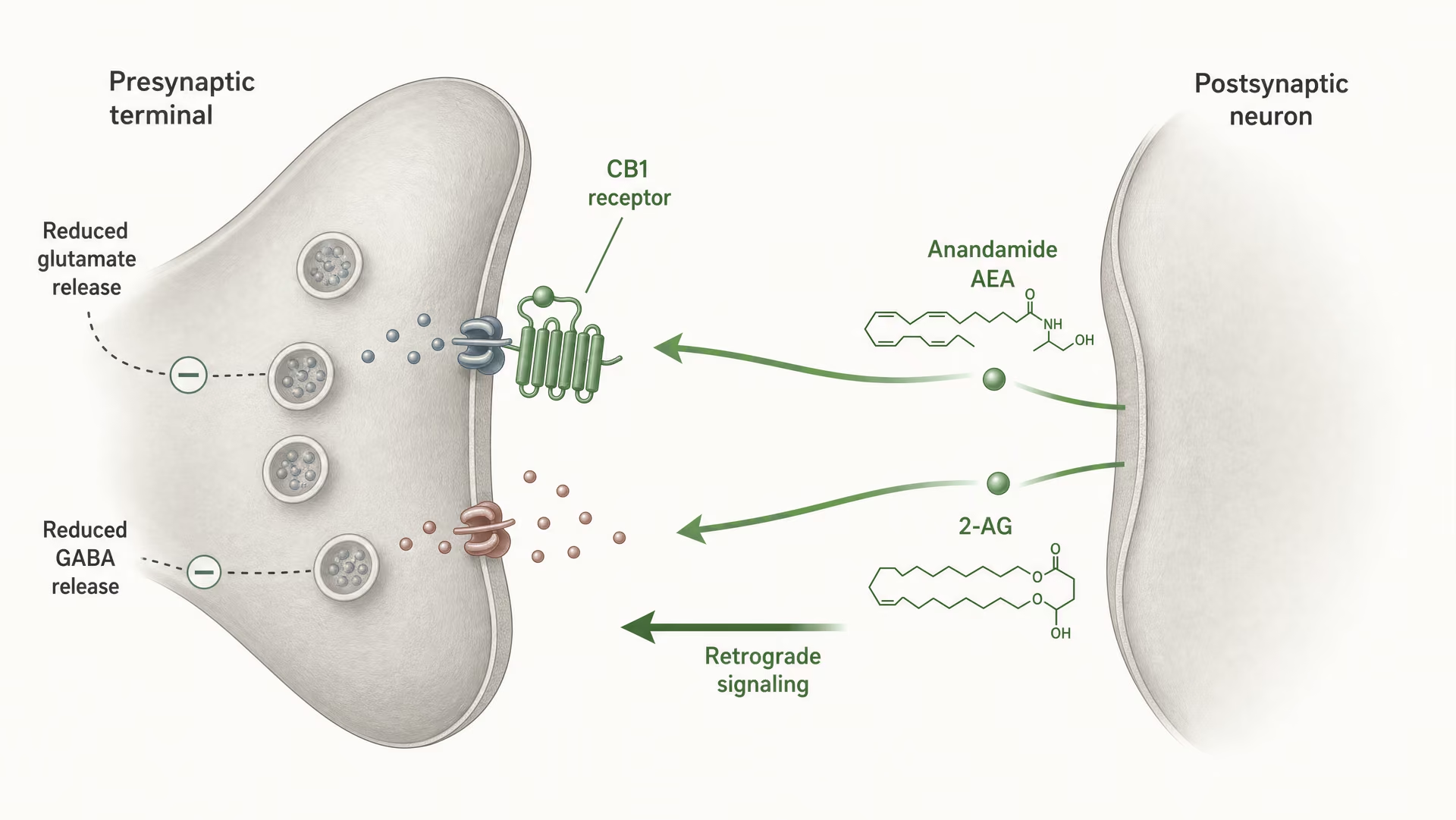
The endocannabinoid system matters here because it sits directly on circuits and cell types already implicated in Parkinson’s pathophysiology. Its main endogenous ligands are anandamide and 2-arachidonoylglycerol, usually shortened to anandamide and 2-AG. Its best-known receptors are CB1 and CB2. Broadly, CB1 is the major neuronal receptor in the brain and shapes neurotransmitter release. CB2 is less prominent in healthy brain tissue but becomes more relevant in inflammatory states, especially in glia. Reviews from Javier Fernández-Ruiz and colleagues have argued for years that Parkinson’s disease involves stage-dependent changes in endocannabinoid tone and receptor signaling. That creates a therapeutic hypothesis. It does not create clinical certainty.

CB1 receptors in striatum, globus pallidus, substantia nigra, and motor control
CB1 receptor distribution is one reason cannabinoid biology keeps appearing in Parkinson’s discussions. CB1 receptors are densely expressed throughout the basal ganglia, especially in the striatum, globus pallidus, substantia nigra, and connected motor regions. These are not peripheral sites. They are core nodes in the circuitry that filters movement.
In healthy motor control, dopamine from neurons in the substantia nigra pars compacta helps balance direct and indirect basal ganglia pathways. In Parkinson’s disease, that dopaminergic input falls away. The result is not just “too little movement.” It is distorted signaling across glutamatergic, GABAergic, cholinergic, adenosinergic, and endocannabinoid networks. CB1 receptors modulate release of several of these transmitters, particularly GABA and glutamate, often through presynaptic inhibition. That is why cannabinoid pharmacology can, in theory, alter motor output.
Anandamide and 2-AG are produced “on demand” rather than stored in vesicles like classic neurotransmitters. They often act as retrograde messengers: a postsynaptic neuron becomes active, synthesizes an endocannabinoid, and sends it backward across the synapse to dampen further transmitter release from the presynaptic terminal. In basal ganglia circuits, this is a real mechanism for fine-tuning excitability. Manuel Guzmán’s work in cannabinoid neurobiology helped establish how central this signaling is to neural regulation more broadly.
The appeal is obvious. If Parkinson’s disease is, in part, a disorder of dysregulated motor circuit activity, and CB1 receptors can recalibrate synaptic output in those same circuits, maybe cannabinoids could smooth motor symptoms. But the leap from receptor map to clinic has not held up cleanly. CB1 agonism can produce bidirectional effects depending on dose, circuit state, and disease stage. THC does not simply “normalize” basal ganglia function. It may reduce some abnormal signaling while also impairing attention, reaction time, balance, and short-term memory. In older adults with Parkinson’s, those tradeoffs are not trivial.
This helps explain why clinical evidence for tremor, rigidity, or bradykinesia has remained weak. Anecdotally, some patients report less tremor or stiffness after cannabis use. Controlled evidence has not established a reliable anti-tremor effect. The American Academy of Neurology’s 2014 evidence-based guideline concluded oral cannabis extract was probably ineffective for levodopa-induced dyskinesia, and evidence for other Parkinson’s indications was insufficient. Carroll et al. in 2004 found no clear dyskinesia benefit with Cannador. Sieradzan et al. in 2001 reported possible benefit with nabilone in a small crossover study, but the sample was too limited to settle the question. A 2022 systematic review and meta-analysis in npj Parkinson’s Disease reached the same broad verdict: studies are small, inconsistent, and not strong enough to support routine clinical use for Parkinson’s symptoms.
CB2 signaling, glia, and neuroinflammation
CB2 matters for a different reason. It is less about moment-to-moment motor tuning and more about inflammation, immune signaling, and glial response. In healthy brain tissue, CB2 expression is relatively low compared with CB1. In neurodegenerative disease and other inflammatory states, CB2 signaling becomes more visible, especially in microglia and astrocytes.
That is relevant because Parkinson’s disease is not only a dopamine deficiency syndrome. It also involves alpha-synuclein pathology, mitochondrial stress, oxidative injury, and chronic neuroinflammatory responses. Activated microglia are seen in affected regions, including the substantia nigra. This is where cannabinoid science can look especially persuasive. In cell and animal models, cannabinoids can reduce inflammatory mediators, temper microglial activation, limit excitotoxic injury, and counter oxidative stress. Fernández-Ruiz has been one of the clearest voices in arguing that this anti-inflammatory side of the endocannabinoid system deserves attention in Parkinson’s research.
CBD often enters the conversation here because many of its proposed anti-inflammatory and antioxidant actions do not depend on strong CB1 activation. That makes it more plausible than THC as a compound for patients in whom hallucination risk, orthostatic hypotension, or cognitive vulnerability are major concerns. José Alexandre Crippa and Antônio Waldo Zuardi helped build the wider clinical research base around CBD, including its anxiolytic profile, which later informed small Parkinson’s studies by Vania Aparecida Chagas.
Still, this is the area where overstatement is most common. Neuroprotection in Parkinson’s disease remains a laboratory hypothesis, not a demonstrated patient outcome. No human trial has shown that cannabis, THC, CBD, or other cannabinoids slow disease progression. None has shown preservation of nigral neurons in patients. Altered CB2 signaling and glial activation make cannabinoids scientifically interesting. They do not make them disease-modifying therapy.
Endocannabinoids, dopamine signaling, and disease-stage changes
The relationship between dopamine and endocannabinoid signaling is dynamic, not static. Dopamine depletion changes endocannabinoid tone, and endocannabinoid signaling can in turn shape dopamine-linked circuit behavior. Studies and reviews suggest anandamide and 2-AG levels, along with CB1 receptor expression and related enzymes, may shift across Parkinson’s disease stages and in response to dopaminergic treatment. That stage dependence is one reason the literature is so hard to translate.
Early disease, untreated disease, levodopa-exposed disease, and dyskinetic disease are not the same biological setting. A cannabinoid effect that looks favorable in one context may disappear or reverse in another. This may help explain why patient-reported outcomes sometimes sound more positive than clinician-rated motor scores. Patients may feel better because sleep improves, anxiety drops, pain becomes less intrusive, or nighttime discomfort eases, even when UPDRS motor ratings barely move.
That pattern appears in the limited human data. Chagas et al. reported in 2014 that CBD 300 mg/day improved total PDQ-39 quality-of-life scores versus placebo in a very small exploratory trial, without significant motor score improvement. In a separate 2014 case series, Chagas and colleagues reported that CBD reduced REM sleep behavior disorder events in four Parkinson’s patients. Those findings are interesting, but they are not confirmatory. They fit the larger picture: non-motor symptoms may be more plausible cannabinoid targets than tremor itself.
Observational work points the same way. In the 2014 survey by Lotan et al. of Israeli Parkinson’s patients using cannabis, 45.9% reported pain improvement and 44.0% reported better sleep. Useful signal, weak evidence. Surveys are highly vulnerable to selection bias and expectancy effects.
So the therapeutic hypothesis should be stated plainly. Parkinson’s disease alters the endocannabinoid system, and the endocannabinoid system is anatomically and functionally embedded in the same motor, emotional, sleep, and pain networks that trouble Parkinson’s patients. That makes cannabinoid treatment research legitimate and scientifically grounded. It does not mean altered biology automatically predicts benefit from THC or CBD. Receptor location is not clinical proof. Human trials still decide that question, and so far they support caution far more than certainty.
Cannabinoids that matter in Parkinson's disease research
Mechanistic plausibility is not the same thing as clinical efficacy. That distinction matters in Parkinson’s disease, where the endocannabinoid system clearly intersects with basal ganglia signaling, pain pathways, mood regulation, and sleep, yet randomized human evidence remains thin and inconsistent. Parkinson’s is the second most common neurodegenerative disease after Alzheimer’s, according to NINDS, and its burden is rising fast: the 2018 Global Burden of Disease analysis in Lancet Neurology estimated 6.1 million people worldwide were living with it in 2016, up from 2.5 million in 1990. Patients often look beyond levodopa for insomnia, pain, anxiety, and dyskinesia. That is reasonable. It does not mean all cannabinoids, or all cannabis products, can be treated as the same intervention.
| Intervention | Pharmacology in article | PD evidence summary | Key safety concern |
|---|---|---|---|
| THC | Main intoxicating cannabinoid; directly tied to CB1 activation | No reliable anti-tremor effect; motor evidence mixed or negative | Dizziness, sedation, anxiety, confusion, hallucinations, orthostatic symptoms |
| CBD | Low-intoxication profile; broader mechanisms beyond CB1 | Small exploratory signals for quality of life and RBD; no clear motor benefit | Fatigue, lightheadedness, drug interactions at higher doses |
| Nabilone | Synthetic cannabinoid receptor agonist | Possible dyskinesia benefit in a small older crossover study | THC-like adverse effects |
| Oral cannabis extract | Mixed cannabinoid formulation | AAN judged it probably ineffective for PD dyskinesia | Delayed onset, dose variability, sedation |
| Whole-plant products | Variable THC:CBD ratio and terpene profile | Observational symptom reports only; expectancy and selection bias remain major issues | Inconsistent dosing and harder attribution of benefit or harm |
The first sorting step is simple: THC, CBD, and pharmaceutical cannabinoids have different pharmacology, different adverse-effect profiles, and different evidence bases. Findings with one do not automatically carry over to another.
THC: psychoactivity, CB1 agonism, and motor trade-offs
Delta-9-tetrahydrocannabinol is the main intoxicating cannabinoid and the one most directly tied to CB1 receptor activation. CB1 receptors are dense in the striatum, globus pallidus, and substantia nigra, which is why THC has attracted so much attention in Parkinson’s research. Javier Fernández-Ruiz and colleagues have argued for years that the endocannabinoid system is altered across PD stages, making it a biologically relevant target. Manuel Guzmán’s work on cannabinoid neurobiology helped shape that framework. Still, relevance is not proof of benefit.
For motor symptoms, THC is a mixed proposition. In theory, CB1 signaling could modulate abnormal motor output and perhaps affect tremor, rigidity, or levodopa-induced dyskinesia. In practice, controlled data have not shown a reliable anti-tremor effect, and the American Academy of Neurology stated in 2014 that oral cannabis extract is probably ineffective for PD dyskinesia. That judgment was shaped in part by negative results from the 2004 Cannador trial by Carroll et al. Anecdotal reports of reduced stiffness or tremor are real, but they outrun trial-quality evidence.
The trade-offs are obvious in older PD populations. THC can cause dizziness, sedation, orthostatic symptoms, anxiety, tachycardia, confusion, and hallucinations. Those are not minor issues in a disorder already linked to falls, autonomic dysfunction, sleep fragmentation, and cognitive vulnerability. Some patients may sleep better with a THC-containing product taken at night. Others feel worse. A person with anxiety or mild cognitive impairment may do poorly on a high-THC formulation even if someone else finds it calming.
CBD: low-intoxication profile, anxiety, sleep, and anti-inflammatory interest
Cannabidiol is usually the first cannabinoid clinicians discuss when the target symptoms are anxiety, sleep disruption, or general tolerability. It has a low-intoxication profile and does not act like THC at CB1 receptors. Its mechanisms are broader and less tidy, involving serotonin signaling, transient receptor potential channels, adenosine-related effects, and anti-inflammatory or antioxidant actions that may be partly independent of classic cannabinoid receptor activation.
That broader pharmacology is one reason CBD gets pulled into Parkinson’s discussions about both symptom relief and neuroprotection. The symptom side has at least a few human signals. Vania Aparecida Chagas and colleagues published a small 2014 exploratory randomized trial in Journal of Psychopharmacology in which CBD 300 mg/day improved PDQ-39 total quality-of-life scores versus placebo, without showing significant motor improvement. That matters. It suggests CBD may affect wellbeing or non-motor burden more than core parkinsonian motor signs.
Chagas also reported a 2014 case series of four patients with Parkinson’s disease and REM sleep behavior disorder in which CBD reduced RBD event frequency promptly and substantially. The sample was tiny, so this is hypothesis-generating, not confirmatory. José Alexandre Crippa and Antônio Waldo Zuardi’s broader CBD research background lends biological and clinical context here, but PD-specific evidence is still early-stage.
CBD is also the more plausible cannabinoid when anxiety is the treatment target. High-THC products can worsen anxiety, especially in older adults. That said, “CBD helps anxiety and sleep” should not be stretched into “CBD treats Parkinson’s.” It does not. And neuroprotection remains a laboratory hypothesis. Anti-inflammatory and antioxidant effects are interesting in cell and animal models, but there is no clinical evidence that CBD slows PD progression.
Nabilone, nabiximols, oral cannabis extract, and whole-plant products
This is where many articles become sloppy. Nabilone is not the same as THC flower. Nabiximols is not the same as purified CBD. Oral cannabis extract is not the same as inhaled whole-plant material. Product class changes the ratio of cannabinoids, the route of administration, onset time, metabolism, and adverse effects.
Nabilone is a synthetic cannabinoid receptor agonist, pharmacologically closer to THC-like activity than to CBD. In the small crossover trial by Sieradzan et al. in 2001, nabilone suggested possible benefit for levodopa-induced dyskinesia. The study was too small and too old to settle the question. Nabiximols, a THC/CBD oromucosal spray, has stronger evidence in multiple sclerosis than in PD; Parkinson’s data remain limited. Oral cannabis extracts have been tested, but again, formulation matters. The AAN’s conclusion that oral cannabis extract is probably ineffective for PD dyskinesia does not mean every THC/CBD combination has been disproven for every symptom. It means one negative evidence stream cannot be rewritten as universal support.
Whole-plant products add another layer of uncertainty because they vary widely in THC:CBD ratio and terpene profile, and observational studies cannot sort pharmacology from expectancy. Lotan et al. in 2014 surveyed Israeli patients with PD using cannabis; 45.9% reported pain improvement and 44.0% reported better sleep. Useful signal, weak proof.
Why findings do not transfer cleanly
- Compound matters A result with purified CBD does not validate THC-rich inhaled cannabis.
- Formulation matters Nabiximols, oral extract, flower, and capsules deliver different cannabinoid ratios and exposures.
- Route matters Inhaled, oral, and sublingual products differ in onset, metabolism, and adverse-effect profile.
- Target symptom matters A signal for sleep or quality of life does not prove benefit for tremor or dyskinesia.
The practical takeaway is blunt: evidence does not transfer cleanly across cannabinoids or formulations. If a trial used 300 mg/day oral CBD, that says little about inhaled THC-rich cannabis. If a small nabilone study hinted at dyskinesia benefit, that does not validate CBD oils for tremor. Parkinson’s research needs that specificity, because patients do too.
What clinical trials show about motor symptoms
Mechanistic plausibility is not clinical efficacy. That distinction matters in Parkinson’s disease, where the endocannabinoid system is deeply involved in basal ganglia signaling and motor control, yet human trials have not shown that cannabis-based treatments reliably improve the core motor syndrome. CB1 receptors are abundant in striatum, globus pallidus, and substantia nigra, which is why researchers such as Javier Fernández-Ruiz and Manuel Guzmán have long argued that cannabinoids are scientifically relevant to Parkinsonian circuitry. Relevant, yes. Proven therapy, no.
That is the right frame for reading the clinical literature. Parkinson’s disease affects a large and growing population — 6.1 million people worldwide in 2016 versus 2.5 million in 1990, according to the Global Burden of Disease analysis published in The Lancet Neurology in 2018 — and patients understandably want better symptom control. But for tremor, rigidity, bradykinesia, and dyskinesia, the controlled evidence remains thin, inconsistent, and often negative. The 2022 systematic review and meta-analysis in npj Parkinson’s Disease came to the same basic conclusion as earlier reviews: current data are insufficient to recommend cannabis for Parkinson’s symptoms, particularly when the target is motor improvement.
Tremor and rigidity: why anecdote outpaces evidence
The public story is often simpler than the science. Patients may describe less shaking, less stiffness, or a general sense of moving more easily after cannabis. Those reports are real as experiences, but they do not establish a reliable anti-tremor or anti-rigidity effect. Controlled trials have not confirmed the strong claims often made online.
Part of the problem is symptom complexity. Parkinsonian tremor is not just a single output that can be switched off by activating CB1 receptors. It arises from distributed network dysfunction involving basal ganglia, thalamic, and cerebellar circuits. Rigidity and bradykinesia are also shaped by multiple pathways, medication timing, disease stage, anxiety, fatigue, and examiner variability. A compound that changes subjective relaxation or reduces distress may make a patient feel better without materially changing objective motor impairment.
That gap between feeling better and moving better shows up in the clinical studies. Vania Aparecida Chagas and colleagues published a small randomized exploratory trial in 2014 in the Journal of Psychopharmacology testing cannabidiol in Parkinson’s disease. Patients were assigned to placebo, CBD 75 mg/day, or CBD 300 mg/day. The CBD 300 mg/day group showed improvement in quality of life on the PDQ-39, but there were no significant changes in motor scores. That is an important finding because it suggests a pattern seen elsewhere in this field: some signal for wellbeing, no convincing signal for core motor benefit.
Observational studies tell a more optimistic story, but they cannot settle the question. In the 2014 Israeli survey by Lotan et al., many cannabis-using Parkinson’s patients reported symptom relief. Pain and sleep were the most commonly improved symptoms, with 45.9% reporting pain improvement and 44.0% reporting sleep improvement. Some also reported benefit for tremor and stiffness. Yet surveys are highly vulnerable to selection bias, expectancy effects, recall bias, and placebo response. People who felt no benefit are less likely to persist with use and less likely to appear in user surveys. That is why anecdotes have run ahead of evidence.
The American Academy of Neurology’s 2014 guideline, though now older, still matters because later trials have not decisively overturned it. For most Parkinson’s indications, the AAN found the evidence insufficient, and it did not endorse cannabis-based treatment for tremor, rigidity, or bradykinesia. That remains a fair reading of the literature. Claims of reliable anti-tremor benefit are not supported by current controlled evidence.
Levodopa-induced dyskinesia and the negative or mixed trial record
Dyskinesia has long been one of the most discussed cannabinoid targets in Parkinson’s research because the biological rationale is stronger than for some other symptoms. The endocannabinoid system modulates corticostriatal transmission, and animal models suggested cannabinoids might reduce abnormal involuntary movements related to chronic levodopa exposure. Human trials, though, have not delivered a clear win.
The two studies most often cited point in different directions, and neither is definitive. Sieradzan et al. in 2001 studied nabilone, a synthetic cannabinoid, in a small crossover trial for levodopa-induced dyskinesia. The trial suggested possible improvement. That result kept interest alive, but the study was small, older, and not enough to establish efficacy on its own. Small crossover trials can overstate signals, especially when symptoms fluctuate and washout periods are imperfect.[5] Cannabinoids and dyskinesia in Parkinson disease: a randomized, double-blind, placebo-controlled crossover study. C.B. Carroll, B.S. Bain, A. Teare. Neurology, 2004.
The more sobering study came from Carroll et al. in 2004. They tested Cannador, an oral cannabis extract containing THC and CBD, in Parkinson’s patients with dyskinesia. The result was negative. There was no meaningful antidyskinetic benefit. This trial has had outsized importance because it directly challenged the attractive preclinical hypothesis with controlled human data.
Those mixed findings shaped the AAN’s 2014 evidence-based guideline, which concluded that oral cannabis extract is probably ineffective for Parkinson disease dyskinesia. “Probably ineffective” is stronger than “evidence is insufficient.” It means the better available data leaned against benefit. That statement still stands up reasonably well. Later reviews have not identified a body of high-quality trials showing reproducible reduction in dyskinesia severity.
The same caution applies to bradykinesia and global motor scores. Small studies of CBD, including the work associated with Chagas, José Alexandre Crippa, and Antônio Waldo Zuardi, have not shown convincing improvements in standard motor scales. If there is a motor effect, it has not yet emerged as a consistent, clinically meaningful one under randomized conditions.
So the current position is straightforward: cannabinoids are not established therapy for levodopa-induced dyskinesia, and oral cannabis extracts have a negative trial record that outweighs isolated early signals.
Why motor endpoints are hard to study in cannabis research
Weak evidence is not always the same as proof of no effect. Parkinson’s motor research with cannabinoids is genuinely difficult to do well, and several design problems keep recurring.
First, samples are tiny. Many Parkinson’s cannabinoid studies enroll only a few dozen participants or fewer. That makes false positives and false negatives common. Second, the interventions are heterogeneous. Trials mix CBD, nabilone, oral cannabis extracts, and whole-plant use patterns under the same broad label of “cannabis,” even though these exposures have very different pharmacology. THC-rich products, CBD-predominant products, and synthetic analogs should not be treated as interchangeable.
Third, timing is a mess. Motor symptoms in Parkinson’s vary across the day, especially relative to levodopa dosing. A patient assessed during an “on” period may look dramatically different from the same patient assessed during an “off” period. Dyskinesia also fluctuates with medication peaks. If cannabinoid dosing is not synchronized carefully with levodopa timing and assessment windows, noise can swamp any true effect.
Blinding is another major problem. THC has noticeable psychoactive effects, even at modest doses, and participants often guess whether they received active treatment. That inflates expectancy bias. If a patient feels relaxed or sleepy, they may rate themselves as improved even if tremor amplitude or UPDRS motor scores do not change. In older adults with Parkinson’s, sedation, dizziness, orthostatic symptoms, and slowed reaction time can also blur the line between symptom relief and side effects.
Then there is measurement itself. Tremor can be measured clinically, by rating scales, or by wearable sensors; each captures something different. Rigidity depends partly on examiner technique. Bradykinesia is multidimensional and may not shift much over short study periods. Dyskinesia ratings are notoriously variable unless protocols are tightly standardized and video-rated. When endpoints are noisy and studies are underpowered, bold claims become very easy to make and very hard to prove.
This is why patient-reported benefit and controlled motor data often diverge. People with Parkinson’s may use cannabinoids because they sleep better, feel calmer, hurt less, or feel more comfortable in their bodies. Those are meaningful outcomes. But they are not the same as reliable treatment of tremor, rigidity, bradykinesia, or dyskinesia.
The bottom line from clinical trials is narrower than popular narratives suggest. Cannabis-based therapies have not shown dependable benefit for core motor symptoms of Parkinson’s disease in controlled studies. The evidence for tremor and rigidity is especially weak, and the dyskinesia literature is mixed at best, with a notable negative trial and an AAN guideline statement against oral cannabis extract for that use. That does not erase the scientific relevance of the endocannabinoid system. It does set a limit on what can honestly be claimed from human data today.
Where cannabinoids may help more: sleep, pain, anxiety, and quality of life
If cannabis has a practical place in Parkinson’s disease, it is more likely to be here than in the headline motor symptoms. That does not mean the evidence is strong. It means the match between patient need, plausible pharmacology, and the limited human data is somewhat better for sleep disruption, pain, anxiety, and overall subjective wellbeing than it is for tremor or disease progression.
This distinction matters. Parkinson’s disease is not only bradykinesia, tremor, and rigidity. The Parkinson’s Foundation and Michael J. Fox Foundation both emphasize that non-motor symptoms can be just as disabling, and often more stubborn in day-to-day life. Many patients who ask about cannabis are not trying to replace levodopa for core motor control. They are trying to sleep, hurt less, feel calmer, and get through the night with fewer episodes of distress.
Mechanistic relevance should still be kept in its place. The endocannabinoid system is deeply involved in sleep regulation, pain signaling, stress response, and mood. CB1 receptors are present in brain circuits that shape arousal, nociception, and emotional processing, and CBD has been studied by researchers such as José Alexandre Crippa and Antônio Waldo Zuardi for anxiolytic effects in other settings. Javier Fernández-Ruiz and colleagues have also argued that endocannabinoid signaling is altered in Parkinson’s disease. But mechanistic plausibility is not clinical proof. The 2022 meta-analysis in npj Parkinson’s Disease reached the same hard answer seen in earlier guidance from the American Academy of Neurology: the trial base remains small, heterogeneous, and far from definitive.
Still, if a clinician and patient are going to consider cannabinoids at all in Parkinson’s disease, these symptom clusters are the most defensible place to have that conversation.
Sleep disruption and REM sleep behavior disorder
Sleep problems in Parkinson’s disease are common and messy. Insomnia, sleep fragmentation, nocturnal rigidity, pain, urinary urgency, vivid dreams, anxiety, and REM sleep behavior disorder can all overlap. A person may say “I can’t sleep,” but the real issue may be nighttime discomfort, dream enactment, panic on awakening, or repeated awakenings from stiffness and pain. That matters because cannabinoids are not a single sleep treatment; any benefit is likely to depend on what is driving the sleep complaint.
The most often-cited Parkinson’s-specific CBD finding comes from Vania Aparecida Chagas and colleagues. In a 2014 case series published in the Journal of Clinical Pharmacy and Therapeutics, four patients with Parkinson’s disease and REM sleep behavior disorder received cannabidiol, and the frequency of RBD events reportedly fell promptly and substantially. That result is interesting because RBD is a specific parasomnia with major consequences, including injury risk to the patient or bed partner. It is also a tiny uncontrolled series of four people. Useful signal, very weak proof.
Chagas also led a 2014 exploratory double-blind trial in Journal of Psychopharmacology in which patients with Parkinson’s disease received placebo, CBD 75 mg/day, or CBD 300 mg/day. The 300 mg/day group showed a statistically significant difference in total PDQ-39 quality-of-life score versus placebo, while motor scores did not improve significantly. That study was not a sleep trial, but it matters here because better sleep and reduced distress may feed into a broader sense of wellbeing even when motor examination scores stay the same. Again, the sample was very small, so the finding should be treated as hypothesis-generating, not practice-setting.
Outside those CBD studies, much of what people cite for sleep comes from observational use rather than controlled trials. Lotan et al. published an Israeli survey in 2014 reporting that among patients with Parkinson’s disease who used cannabis, 44.0% reported improvement in sleep disturbances. That sounds promising until one remembers what surveys can and cannot tell us. They capture real patient experience, but they are highly vulnerable to expectancy effects, selection bias, dose variability, and the fact that “cannabis” may mean very different THC:CBD ratios and routes of use.
The practical read is this: cannabinoids may help some Parkinson’s patients with insomnia related to anxiety, pain, or nocturnal discomfort, and CBD has a small signal in REM sleep behavior disorder worth further study. But sleep benefit is not universal, and the risks are real. THC may shorten sleep latency for some people, yet it can also cause next-day sedation, dizziness, impaired balance, and confusion. In Parkinson’s disease, those are not minor side effects. They raise fall risk. They may worsen already fragile cognition. In someone with hallucination history, dream enactment, orthostatic symptoms, or daytime sleepiness, high-THC exposure is a bad fit.
For that reason, when sleep is the target, CBD-predominant approaches make more sense than aggressive THC dosing. Even then, the patient should be asking a narrower question than “Will cannabis help Parkinson’s sleep?” A better question is: will it help my specific problem, whether that is RBD, anxious insomnia, painful nighttime rigidity, or repeated awakenings?
Pain in Parkinson's disease: musculoskeletal, dystonic, central
Pain in Parkinson’s disease is underrecognized and often undertreated. It is also not one thing. Some pain is musculoskeletal, driven by rigidity, abnormal posture, reduced movement, and strain. Some is dystonic, especially during “off” periods when sustained muscle contractions become painful. Some appears more central or neuropathic, reflecting altered pain processing rather than purely peripheral injury. That complexity makes simple claims about cannabis and “Parkinson’s pain” misleading.
This is one of the stronger practical arguments for trying cannabinoids cautiously in selected patients, because the broader medical literature does support cannabinoid analgesic effects in some chronic pain states. But Parkinson’s-specific evidence remains thin. The best human support is mostly observational. In the 2014 Lotan survey, 45.9% of patients with Parkinson’s disease using cannabis reported improvement in pain. That is meaningful as a patient signal. It is not enough to establish efficacy by itself.
Why might benefit be plausible here? Pain and sleep are intertwined, and both interact with anxiety. A patient with nighttime rigidity and aching shoulders may sleep badly, then feel more distressed the next day, then perceive pain more intensely. Cannabinoids may affect several points in that cycle at once: nociceptive processing, muscle discomfort, emotional reactivity, and sleep continuity. A therapy does not need to be disease-modifying to matter if it lowers suffering.
But pain type still matters. Musculoskeletal pain from stiffness or posture may improve indirectly if a patient sleeps better or feels less distressed, even without measurable change in motor scores. Dystonic pain may respond better to optimizing dopaminergic timing than to cannabinoids. Central pain is the hardest to predict; in theory it is a plausible cannabinoid target, but in practice the evidence is sparse.
There is also a danger in using cannabis as a vague answer to poorly characterized pain. If the real problem is wearing-off dystonia, medication timing may help more. If the issue is frozen shoulder, constipation-related discomfort, spinal disease, or peripheral neuropathy, the treatment plan should be different. Cannabinoids belong, at most, as adjuncts after the pain phenotype has been sorted out.
THC-related adverse effects are especially relevant in pain treatment because patients may escalate dose when relief is incomplete. That can backfire. Higher THC exposure may bring dizziness, postural instability, dry mouth, tachycardia, anxiety, and cognitive slowing. In an older, fall-prone Parkinson’s population, that tradeoff can erase any modest analgesic gain. CBD-dominant or balanced formulations are often a safer starting logic than THC-heavy ones, though this remains more a cautious clinical strategy than an evidence-based Parkinson’s protocol.
Anxiety, distress, and subjective wellbeing
Anxiety in Parkinson’s disease is common, sometimes fluctuates with medication state, and often worsens sleep and pain. It can be anticipatory, generalized, panic-like, or tied to “off” periods. Distress also does not always present as a formal anxiety disorder. Some patients describe inner restlessness, fearfulness, social unease, or a persistent sense of being unwell. These are exactly the kinds of symptoms that may improve subjectively even when neurologic examination does not budge.
That helps explain why quality-of-life findings are more encouraging than motor findings in some cannabinoid studies. In the Chagas 2014 exploratory trial, CBD 300 mg/day improved total PDQ-39 score versus placebo, despite no significant motor benefit. That pattern is believable. If a treatment slightly improves sleep, reduces anticipatory anxiety, softens pain, or lowers distress, a patient may function and feel better without any change in tremor amplitude or UPDRS motor score.
CBD is the more plausible cannabinoid here. Human experimental research outside Parkinson’s disease, including work associated with Crippa and Zuardi, has supported anxiolytic effects of cannabidiol under certain conditions. By contrast, THC has a bidirectional profile: low doses may feel calming in some people, but higher doses can provoke anxiety, panic, paranoia, and disorientation. In Parkinson’s disease, where many patients are older and some already have mild cognitive impairment, hallucinations, or autonomic instability, that risk deserves emphasis.
This is where cannabis discussions often go wrong. A patient reports feeling calmer after using a product, and the experience is treated as general evidence that cannabis helps Parkinson’s anxiety. Another patient tries a high-THC preparation and ends up frightened, confused, lightheaded, and less steady on their feet. Both stories are believable. The difference is not mysterious. Cannabinoid profile, dose, timing, prior sensitivity, and cognitive reserve all matter.
So the practical stance should be firm. For anxiety, distress, and subjective wellbeing in Parkinson’s disease, cannabinoids are plausible adjuncts, not established treatments. CBD-dominant approaches are more defensible than high-THC ones. The goal should be modest symptom relief, not broad claims about treating Parkinson’s disease itself. If a product worsens anxiety, thinking, balance, or daytime alertness, that is not a minor inconvenience; it is a clear reason to stop or reassess.
Taken together, sleep, pain, anxiety, and quality of life form the most realistic center of cannabinoid use in Parkinson’s disease. The evidence is limited, but it points in a direction that matches patient experience better than the overhyped claims about tremor control or neuroprotection. Some patients may feel better. Some will not. The responsible message is not that cannabinoids work for Parkinson’s disease. It is that selected patients may get symptom-specific benefit in these non-motor domains, and that any trial should be cautious, individualized, and especially attentive to THC-related harm.
Neuroprotection: promising biology, unproven in patients
Mechanistic plausibility is not the same thing as clinical efficacy. That distinction gets lost more often in Parkinson’s disease than it should, especially when cannabis is discussed as if anti-inflammatory or antioxidant activity in a dish automatically means slower neuron loss in people. It does not. Parkinson’s disease is the second most common neurodegenerative disorder after Alzheimer’s, according to NINDS, and its burden is rising fast: the Global Burden of Disease analysis published in Lancet Neurology estimated 6.1 million people were living with Parkinson’s worldwide in 2016, up from 2.5 million in 1990. The need for disease-modifying treatment is real. So is the temptation to overread preclinical cannabinoid science.
The endocannabinoid system is scientifically relevant here. CB1 receptors are abundant in basal ganglia circuits tied to movement, while CB2 signaling becomes more interesting when inflammation and glial activation enter the picture. Javier Fernández-Ruiz and colleagues have argued for years that Parkinsonian brains show changes in endocannabinoid tone and receptor expression across disease stages. Manuel Guzmán’s broader cannabinoid neurobiology work also helped shape the field’s interest in neuroprotection. Still, relevance is not proof. No clinical trial has shown that cannabis, THC, CBD, or any cannabinoid slows Parkinson’s progression in patients.
Oxidative stress, excitotoxicity, and mitochondrial injury
Why did cannabinoids become candidates for neuroprotection in the first place? Because Parkinson’s pathology involves several injury pathways that look pharmacologically approachable. Dopaminergic neurons in the substantia nigra are vulnerable to oxidative stress, mitochondrial dysfunction, abnormal calcium handling, protein aggregation, and glutamate-mediated excitotoxicity. In toxin models such as 6-hydroxydopamine and MPTP, researchers can produce Parkinson-like neuronal injury and then test whether compounds reduce cell loss or behavioral deficits. Cannabinoids have repeatedly shown signals in these systems.
CBD has drawn special interest because its biology is broader than classic CB1 agonism. It has antioxidant effects that do not depend entirely on cannabinoid receptors, and in cell and animal studies it can reduce markers of oxidative damage, limit inflammatory signaling, and influence intracellular pathways linked to survival under stress. That makes it more attractive than THC as a putative neuroprotective agent, since strong CB1 activation can bring psychoactive and cognitive costs without clear disease-modifying benefit. Reviews from Fernández-Ruiz’s group often separate this point cleanly: CB1-directed effects may matter more for symptomatic motor modulation, while CBD and some non-euphoric cannabinoids are more often discussed for anti-inflammatory and anti-oxidative actions.
Excitotoxicity is another recurring theory. Overactive glutamatergic signaling can damage neurons, and cannabinoids may dampen transmitter release in some circuits. In laboratory systems, that looks promising. Mitochondrial injury does too, at least on paper. Since impaired mitochondrial function is central to many Parkinson’s models, any compound that stabilizes redox balance or lowers downstream inflammatory stress gets attention quickly.
But preclinical neuroprotection is a crowded graveyard of failed translation. Many compounds reduce nigral damage in rodents and never change the course of human Parkinson’s. The disease in patients unfolds over years, not days; it includes alpha-synuclein pathology, aging biology, network adaptation, and non-dopaminergic degeneration that toxin models only partly capture. A positive MPTP study is a starting point, not a clinical answer.
Microglia, inflammation, and CB2-related hypotheses
Inflammation is the other major pillar of the cannabinoid neuroprotection story. Activated microglia, astrocytic responses, cytokine signaling, and chronic innate immune activation are all implicated in Parkinson’s pathophysiology, though exactly how much they drive progression versus react to ongoing degeneration remains debated. This is where CB2 enters the conversation.
Unlike CB1, which is dense in basal ganglia neurons and strongly tied to psychoactive effects of THC, CB2 is expressed at lower levels in the healthy brain but is upregulated in inflammatory states and in glial populations. That has led to a durable hypothesis: if CB2-linked pathways can modulate microglial activation, perhaps cannabinoids could reduce neuroinflammatory injury without the downside of heavy CB1 stimulation. It is an attractive idea. It is also still a hypothesis.
CBD is often folded into this discussion even though its pharmacology is not simply “a CB2 drug.” It affects multiple receptor systems and signaling pathways, including inflammatory mediators outside the canonical cannabinoid receptors. In animal and in vitro work, CBD has been associated with reductions in pro-inflammatory cytokines, oxidative injury markers, and glial activation. Those findings are real. They help explain why the compound keeps appearing in Parkinson’s reviews as a candidate worth studying.
What they do not show is that microglial calming in a model organism meaningfully alters disease trajectory in a person with established Parkinson’s. Human disease modification requires evidence that a treatment slows functional decline, delays disability milestones, reduces progression on validated measures, or changes long-term outcomes in a convincing way. We do not have that evidence for cannabis or CBD.
Why animal-model benefit has not translated into proven human disease modification
No human trial has shown that cannabis, THC, CBD, or mixed cannabinoid products slow Parkinson's disease progression. Strong evidence
This is the part that should be said plainly: no clinical trial has shown that cannabis slows Parkinson’s progression. None. Not smoked cannabis, not oral THC products, not CBD, not mixed cannabinoid preparations.
Human research in Parkinson’s has focused mostly on symptoms, not disease modification. Vania Aparecida Chagas and colleagues published small exploratory CBD studies that are often cited because they are among the few Parkinson-specific cannabinoid trials. In a 2014 Journal of Psychopharmacology study, CBD 300 mg/day improved PDQ-39 quality-of-life scores versus placebo in a very small sample, but it did not show significant motor improvement, and it was not a progression study. Chagas also reported a tiny case series in 2014 suggesting CBD reduced REM sleep behavior disorder events in four patients. Interesting, yes. Disease-modifying, no.
The same pattern holds across the broader literature. The American Academy of Neurology’s 2014 guideline concluded oral cannabis extract is probably ineffective for levodopa-induced dyskinesia in Parkinson’s disease, and evidence was insufficient for most other indications. Later reviews have not reversed the central problem. The 2022 systematic review and meta-analysis in npj Parkinson’s Disease found the evidence base too small, heterogeneous, and methodologically weak to support recommendations for cannabis in Parkinson’s symptoms, let alone progression slowing.
Why the gap between lab promise and patient proof? Several reasons. Animal models are simplified and short-term. Human Parkinson’s is biologically mixed and often diagnosed after substantial neuron loss has already occurred. Trials have been small, underpowered, and inconsistent in formulation, dose, route, and outcome measures. Some study THC-heavy products, some CBD, some mixed extracts. Few are designed long enough to test neuroprotection at all. Even if cannabinoids help sleep, pain, anxiety, or subjective wellbeing in selected patients, symptomatic relief can be mistaken for disease modification unless a trial is built to separate those outcomes.
That is the right bottom line. Cannabinoid neuroprotection in Parkinson’s is a laboratory hypothesis supported by preclinical data, especially around CBD, oxidative stress, and inflammatory pathways. It remains unproven in patients. Any article that presents cannabis as an established way to slow Parkinson’s is overstating the science.
Dosing and formulation: what careful patient guidance looks like
Mechanistic plausibility is not the same thing as clinical efficacy. That matters in Parkinson’s disease, where the endocannabinoid system is clearly involved in basal ganglia signaling, sleep, pain, and mood, yet randomized evidence still does not support a validated cannabis protocol for PD. The American Academy of Neurology’s 2014 guideline remains relevant for a reason: better trials have not established clear dosing standards for tremor, dyskinesia, or disease modification, and a 2022 review in npj Parkinson’s Disease still found the evidence limited and inconsistent. So patient guidance has to be cautious, symptom-specific, and honest about uncertainty.
That guidance also has to reflect who many PD patients are: older adults, often taking several CNS-active drugs, often dealing with orthostatic hypotension, constipation, fragmented sleep, mild cognitive impairment, or hallucination risk. In that setting, “start low and go slow” is not a slogan. It is risk management.
This section is educational, not medical advice. Any person with Parkinson’s disease considering CBD or THC should review it with a clinician who knows their diagnosis, medication list, blood pressure pattern, cognition, and fall history.
Start-low principles in older adults and neurologically vulnerable patients
The conservative approach is simple: begin with the lowest plausible dose, change one variable at a time, and wait long enough to judge effect before increasing. That is especially important in PD because side effects can look like worsening disease. Sedation, dizziness, slowed thinking, anxiety, postural instability, and low blood pressure can all be misread as “bad Parkinson’s” when they may be drug effects.
Night dosing is often considered first. There is a practical reason for that. If a cannabinoid causes sleepiness, lightheadedness, or transient confusion, the consequence is usually lower when the patient is already preparing for bed rather than trying to walk, cook, or drive. Night use may also align better with the symptoms that seem most plausible as cannabis targets in PD: insomnia, nocturnal pain, anxiety at bedtime, and in some patients REM sleep behavior disorder symptoms. Chagas and colleagues reported small exploratory findings with CBD in PD, including a 2014 case series suggesting fewer REM sleep behavior disorder events and a 2014 randomized exploratory trial in which CBD 300 mg/day improved PDQ-39 quality-of-life scores without clear motor benefit. Those studies were tiny. They do not create a dosing standard. They do suggest where cautious clinicians and patients often look first: sleep and nighttime symptom burden, not tremor control.
A reasonable titration mindset is to hold a starting dose for several nights, then increase gradually only if the initial dose is well tolerated and still ineffective. Fast escalation is a common mistake. Oral cannabinoids can take hours to show their full effect, and delayed peaks are a setup for accidental overuse.
High-risk situations for THC-heavy products
- Prior hallucinations or psychosis Psychoactive exposure can destabilize mental status.
- Dementia or marked cognitive vulnerability THC can worsen attention, processing speed, and confusion.
- Major orthostatic hypotension Further blood-pressure drops can trigger falls or syncope.
- Recurrent falls or severe gait instability Even mild intoxication can have outsized consequences.
- Severe daytime sleepiness or arrhythmia concerns Sedation and autonomic effects may be poorly tolerated.
- Marked anxiety sensitivity High-THC products can worsen anxiety or panic rather than relieve it.
Patients with any of the following deserve extra caution or avoidance of THC-heavy products: prior hallucinations, psychosis, dementia, major orthostatic hypotension, recurrent falls, severe daytime sleepiness, active arrhythmia concerns, or marked anxiety sensitivity. Parkinson’s disease can itself bring cognitive and autonomic vulnerability. THC can amplify both.
CBD-predominant versus THC-containing approaches
For most PD patients, CBD-predominant products are the more conservative entry point. That does not mean CBD is proven to treat Parkinson’s disease. It means CBD is less likely than THC to trigger intoxication, panic, hallucinations, tachycardia, or major impairment in balance and judgment. When the treatment target is anxiety, sleep disruption, or generalized discomfort rather than a clearly THC-responsive symptom, starting CBD-first makes sense.
The strongest argument against leading with THC in PD is safety. Core motor symptoms already increase fall risk. Many patients already have gait freezing, postural instability, and slowed reactions. Adding enough THC to produce dizziness or confusion can turn a marginally safe walking pattern into a dangerous one. High-THC products may also worsen anxiety rather than relieve it, especially in older adults or those with cognitive vulnerability.
That said, some patients do not respond to CBD alone and may report benefit from adding a very small amount of THC, often at night first. The phrase “very small” matters. In PD, the goal is not to chase a strong subjective effect. It is to see whether minimal THC exposure helps a specific symptom without creating new problems. If THC is added, it should generally be added slowly, with one change at a time and careful tracking of sedation, vivid dreams, confusion, blood pressure symptoms, and walking stability the next morning.
There is also an interaction issue. High-dose CBD can affect hepatic enzymes and raise the risk of drug interactions; Epidiolex labeling has made that point clear, even if direct extrapolation to lower-dose non-prescription CBD is imperfect. PD patients often take levodopa, dopamine agonists, antidepressants, antipsychotics, benzodiazepines, sleep aids, and anticholinergics. Sedative burden can add up quickly. So can orthostatic burden.
Inhaled, oral, sublingual, and capsule formulations
| Route | Onset pattern in article | Main advantage | Main drawback in PD |
|---|---|---|---|
| Inhaled forms | Within minutes | Rapid feedback | Harder to dose precisely; higher peak THC exposure; more dizziness or anxiety |
| Oral oils and edibles | Commonly one to three hours | Longer duration and measured dosing | Delayed onset can lead to taking more too soon; absorption is variable |
| Sublingual oils or tincture-style products | Often faster than standard oral ingestion but slower than inhalation | Small incremental changes without pulmonary exposure | Partly swallowed, so onset can still vary |
| Capsules | Delayed oral onset | Most standardized dose per unit | Less flexibility for tiny dose adjustments |
Route of administration changes everything: onset, duration, consistency, and the odds of accidental overuse.
Inhaled forms act fastest, often within minutes, and that rapid onset allows quick feedback. For some symptoms that fluctuate rapidly, patients may find that appealing. The downside is equally clear. Inhalation is harder to dose precisely, can produce higher peak THC exposure, and may be unsuitable in older or frail patients, especially those with pulmonary disease. Faster onset also means stronger “peak” effects, which can bring more dizziness or anxiety. In PD, where cautious titration matters, inhaled THC is often not the first route clinicians would favor.
Oral oils and edibles have slower onset, commonly one to three hours, with effects that can last much longer. That longer duration may help overnight symptoms, but delayed onset can trick patients into taking more too soon. Oral absorption is also variable; food, gut motility, and formulation matter. Since PD itself can affect gastrointestinal function, day-to-day consistency may be poor. Still, oral oils allow measured dosing and gradual titration, which is a major advantage.
Sublingual oils or tincture-style products sit somewhere in between. Some absorption occurs through oral mucosa, though in practice a portion is still swallowed. Onset is often faster than standard oral ingestion but slower than inhalation. Many patients prefer this route because it allows small incremental changes and avoids pulmonary exposure. For cautious night initiation, this is often a practical format.
Capsules offer the most standardized dose per unit, which can help with consistency and record-keeping. They are useful when a patient has found a stable amount and wants reproducibility. The tradeoff is less flexibility for tiny dose adjustments and the same delayed onset seen with oral routes.
Across all formulations, symptom tracking is more useful than impressionistic use. Patients should note the product type, CBD:THC ratio, dose, timing, symptom target, benefit, and adverse effects. The important outcomes are concrete: Did sleep onset improve? Was nocturnal pain better? Was there more morning grogginess? Any near-falls? Any anxiety or confusion?
That is what careful guidance looks like in PD. Not claims of neuroprotection. Not promises about tremor. A cautious trial, usually CBD-dominant at first, often at night, with slow titration, route-specific expectations, and a low threshold to stop if cognition, balance, blood pressure, or daytime function worsen.
Safety, adverse effects, and who should be especially cautious
Mechanistic plausibility is not clinical proof, and that distinction matters most when safety is on the line. Parkinson's disease is a medically fragile setting for any sedating or psychoactive intervention. Many patients are older, take multiple central nervous system drugs, have autonomic dysfunction, live with constipation and sleep disruption, and already face elevated risks of falls, confusion, and hallucinations. The endocannabinoid system is scientifically relevant to basal ganglia function, pain, mood, and sleep, as Javier Fernández-Ruiz and others have argued in reviews of PD and cannabinoids, but relevance is not the same as demonstrated benefit. Human trials remain small and inconsistent. Safety, by contrast, is not hypothetical.
That matters because cannabis discussions often drift toward symptom hope while skimming over consequences that can be serious in PD. The people most likely to try cannabinoids are often the same people most vulnerable to adverse effects: those with gait impairment, orthostatic hypotension, REM sleep disturbance, anxiety, mild cognitive impairment, or medication-related psychosis. THC deserves particular caution. CBD is usually better tolerated, but it is not side-effect free, and high-dose CBD has its own interaction and liver-monitoring issues.
Falls, orthostatic hypotension, sedation, and gait instability
Falls are already a major source of injury, hospitalization, and loss of independence in Parkinson's disease. Add a drug that can lower blood pressure, slow reaction time, cause dizziness, or increase postural sway, and the margin for error shrinks fast.
Orthostatic hypotension A drop in blood pressure after standing that can cause dizziness, near-fainting, or falls; it is common in Parkinson's disease and can be worsened by THC.
Orthostatic hypotension is especially relevant. Many people with PD have autonomic dysfunction before cannabis enters the picture. They may already feel lightheaded on standing, particularly in the morning, after meals, or after levodopa. THC can aggravate this by producing vasodilation and transient blood pressure drops, sometimes with reflex tachycardia. In a younger healthy user that may mean a brief spell of dizziness. In an older person with Parkinsonian gait, freezing, and impaired balance, it can mean a fall and a fractured hip.
Sedation is another common problem. Cannabinoids, especially THC-containing products, can increase daytime sleepiness and reduce alertness. That is not a trivial nuisance in PD. Excess somnolence can worsen gait initiation, dual-tasking, and driving safety. It may also compound a symptom burden that many patients already carry from poor nighttime sleep, dopaminergic treatment, or sedating co-medications. A preparation that helps one person sleep may leave another groggy and unstable the next day.
CBD is often framed as the gentler option, and in many cases it is. But even CBD can cause fatigue, diarrhea, reduced appetite, and lightheadedness, particularly at higher doses. The small 2014 exploratory CBD trial by Chagas et al. used 300 mg/day and suggested a quality-of-life signal on the PDQ-39 without motor improvement. That does not establish safety across broader PD populations, and it does not erase the practical reality that fatigue and dizziness matter more in Parkinson's than they do in a healthy volunteer.
Route and timing change risk. Inhaled THC has rapid onset, which can make adverse effects appear quickly and unpredictably in a frail patient. Oral products come on more slowly and may be easier to dose consistently, but delayed onset can lead people to take more than intended, then experience several hours of sedation or disequilibrium. Nighttime dosing is often safer than daytime use if a cannabinoid is being tried at all, but nocturnal bathroom trips, dream enactment behaviors, and morning orthostasis still create risk.
Who should be especially careful here? Anyone with prior falls, freezing of gait, orthostatic hypotension, syncope, daytime sleep attacks, advanced frailty, osteoporosis, or a history of head injury. In those groups, even a modest blood pressure drop or mild intoxication can have outsized consequences.
Hallucinations, psychosis risk, and cognitive impairment
This is where many upbeat cannabis summaries become misleading. Parkinson's disease already carries a baseline risk of hallucinations and psychosis, especially in later stages, in people with cognitive impairment, and in those taking higher burdens of dopaminergic or anticholinergic medication. THC can push in the wrong direction.
Visual hallucinations in PD are not rare. They may begin as passage hallucinations or a sensed presence and progress to formed images, paranoia, or delusional thinking. A patient who is stable may decompensate after adding a psychoactive cannabinoid. Anxiety can rise first. Then confusion. Then hallucinations. This pattern is clinically plausible and consistent with broader knowledge of THC's psychotomimetic potential, particularly in older adults and people with neuropsychiatric vulnerability.
Cognition matters too. Parkinson's disease can impair attention, executive function, visuospatial processing, and memory even before dementia develops. THC can worsen all of those. Slower processing speed and impaired divided attention are bad fits for a disorder already marked by bradyphrenia in some patients. If a person is struggling to manage medications, navigate stairs, or respond quickly while walking, adding a compound that clouds attention is not a small issue.
CBD appears less likely than THC to trigger hallucinations or frank psychosis and may even temper some THC effects in certain contexts. That does not make CBD universally benign. Sedation, reduced alertness, and drug interactions can still worsen cognitive function indirectly. And once a product contains meaningful THC, the risk picture changes.
The patients who should be most cautious are those with Parkinson's disease dementia, mild cognitive impairment, a prior history of hallucinations, REM sleep behavior disorder with nighttime confusion, delirium vulnerability during illness, or previous psychosis on dopamine agonists. In these groups, high-THC products are hard to justify. Even low doses can destabilize a delicate balance.
Driving deserves explicit mention. A person with PD who feels "a little sleepy" or "slightly off" after cannabis should not drive. The same applies to operating machinery or climbing ladders. Subjective confidence is not a reliable guide to actual impairment.
Drug interactions with Parkinson's medications and other CNS-active drugs
| Medication context | Potential issue when cannabinoids are added |
|---|---|
| Clonazepam, trazodone, quetiapine, gabapentin, anticholinergics | Sedative burden can add up, increasing confusion, sleepiness, and falls |
| Levodopa | May overlap with dizziness or nausea; timing effects can complicate symptom interpretation |
| Dopamine agonists | Baseline hallucination or impulse-control risk may be worsened by THC |
| High-dose CBD with other hepatically metabolized drugs | CBD can affect CYP2C19 and CYP3A4 pathways and may alter drug exposure |
Polypharmacy is standard in Parkinson's disease, not the exception. That makes interaction risk one of the most important reasons to involve a clinician before trying cannabinoids.
Start with pharmacodynamic interactions, which are often more immediately important than metabolic ones. If cannabinoids add sedation, and the patient is already taking clonazepam for REM sleep behavior disorder, quetiapine for hallucinations, trazodone for sleep, gabapentin for pain, or an anticholinergic for tremor, the total CNS burden can become excessive. More sleepiness. More confusion. More falls. The same logic applies to alcohol, opioids, and many antidepressants with sedating properties.
Interactions with Parkinson's drugs are less cleanly mapped than many patients assume. Levodopa itself does not have a single simple contraindication with cannabis, but the combination can still be problematic in practice. Both can contribute to dizziness and nausea. Dopamine agonists can already increase hallucination risk and impulse-control problems; THC may worsen mental status on top of that. Anticholinergics can impair cognition, and cannabinoids can pile on. Blood pressure effects can also overlap with dopaminergic therapy in patients prone to orthostasis.
High-dose CBD raises a separate set of concerns because of hepatic metabolism. Prescription CBD labeling, particularly Epidiolex, documents transaminase elevations and clinically relevant cytochrome P450 interactions. The strongest evidence comes from doses often much higher than those found in many over-the-counter preparations, so direct extrapolation should be careful, not alarmist. Still, the signal is real. CBD can affect enzymes including CYP2C19 and CYP3A4 and may alter exposure to other medicines metabolized along those pathways. For a patient already taking multiple drugs, that deserves respect.
Liver considerations are therefore most relevant in people using higher CBD doses, those with pre-existing liver disease, and those taking other hepatically metabolized medications. Unexplained fatigue, nausea, dark urine, or jaundice need medical attention. If someone is using substantial CBD doses under clinical supervision, liver enzyme monitoring may be appropriate.
A practical rule fits the evidence: the more medically complex the patient, the less appropriate unsupervised cannabinoid use becomes. Parkinson's Foundation and Michael J. Fox Foundation materials generally reflect this cautious stance, and they are right to. Cannabis is not an established disease-modifying therapy for PD, and evidence for core motor benefit remains weak. That means safety has to carry extra weight. For selected patients, usually with carefully limited THC exposure and close attention to cognition, blood pressure, gait, and co-medications, cannabinoids may be a reasonable trial for sleep, pain, or anxiety. For others, especially those with falls, psychosis, dementia, or heavy sedative burden, the risks can outweigh the likely gains.
How to read the research without being misled
A common mistake in Parkinson’s and cannabis coverage is to treat biological plausibility as if it were proof. It is not. The endocannabinoid system matters to basal ganglia signaling, sleep, pain, anxiety, and inflammation; Javier Fernández-Ruiz and others have argued for years that this makes Parkinson’s disease a scientifically relevant target. Manuel Guzmán’s broader cannabinoid work also helps explain why researchers keep studying these compounds. But a plausible mechanism is only a reason to run trials. It does not establish that a product helps patients, and it says nothing by itself about tremor, falls, quality of life, or disease progression.
That distinction matters because Parkinson’s is common, growing, and difficult to manage. The 2018 Global Burden of Disease analysis in Lancet Neurology estimated 6.1 million people worldwide were living with Parkinson’s in 2016, up from 2.5 million in 1990. Patients often seek help for symptoms that standard dopaminergic therapy does not fully control, especially sleep disruption, pain, anxiety, and dyskinesia. That demand creates a perfect environment for overinterpretation.
Observational surveys versus randomized trials
Observational reports are useful, but they answer a limited question: what happened to people who chose to use cannabis. They do not reliably answer: what would have happened if similar people had not used it.
Take the Israeli survey by Lotan et al. in 2014. Among Parkinson’s patients using cannabis, 45.9% reported improvement in pain and 44.0% reported better sleep. That is interesting. It also fits what many patients say in clinic. Yet survey data are vulnerable to selection bias, recall bias, and expectancy effects. People who disliked cannabis often stop using it and disappear from user surveys. People who feel better are more likely to respond. Symptom ratings are subjective and can shift for reasons unrelated to the drug.
Randomized, blinded, placebo-controlled trials are stronger because they reduce those biases. They are still not perfect, especially when the sample is tiny, but they test efficacy more directly. Vania Aparecida Chagas and colleagues published a 2014 exploratory double-blind trial in Journal of Psychopharmacology in which CBD 300 mg/day improved PDQ-39 quality-of-life scores versus placebo in a very small sample, without clear motor benefit. That result is worth knowing. It is also far from definitive. Small studies generate signals, not settled answers.
The same caution applies to older dyskinesia studies. Sieradzan et al. in 2001 reported possible benefit with nabilone in a small crossover trial. Carroll et al. in 2004 tested Cannador and found negative results for dyskinesia. The American Academy of Neurology’s 2014 guideline therefore judged oral cannabis extract probably ineffective for Parkinson disease dyskinesia. A 2022 systematic review and meta-analysis in npj Parkinson’s Disease reached the broader verdict that evidence remains insufficient because studies are small, mixed, and methodologically uneven.
Placebo response, expectation effects, and product heterogeneity
Self-reported benefit can be real and still fail to prove efficacy. That is not a contradiction. If a patient sleeps better after taking a cannabinoid product, the improvement matters. But research has to ask why the improvement occurred.
Placebo response is part of the answer. Parkinson’s is especially susceptible because expectation can influence symptom perception and, in some settings, dopaminergic signaling. Add a substance with a strong public reputation, a distinctive sensory profile, and noticeable acute effects, and blinding becomes difficult. Participants may correctly guess they received THC rather than placebo. Once that happens, expectation itself can inflate reported benefit.
Product heterogeneity makes this worse. “Cannabis” can mean inhaled whole-plant flower, an oral oil with defined THC:CBD ratios, a standardized extract such as Cannador, CBD isolate, or a synthetic cannabinoid like nabilone. Those are not interchangeable. Whole-plant preparations include many cannabinoids and terpenes with variable dosing. Standardized extracts are more consistent. CBD isolate contains cannabidiol only. Synthetic cannabinoids may mimic only part of the plant’s pharmacology and can behave quite differently in trials.
This is why José Alexandre Crippa and Antônio Waldo Zuardi’s CBD research background matters when reading Parkinson’s studies: a CBD signal in one context does not justify assumptions about high-THC inhaled cannabis, and vice versa.
Why “cannabis helped Parkinson’s” is usually too vague to mean much
That phrase usually hides the most important details: which symptom, which compound, what dose, for how long, compared with what, and in whom.
Did it help tremor? Evidence there is weak. Anecdotes exceed trial-quality support, and controlled studies have not shown a reliable anti-tremor effect. Did it help sleep? More plausible, but still symptom-specific. Chagas et al. reported in 2014 that CBD reduced REM sleep behavior disorder events in a four-patient case series. Promising, yes. Confirmatory, no. Did it help anxiety or pain? Possibly in some people, but Parkinson’s-specific evidence is sparse, and high-THC products can worsen anxiety, confusion, dizziness, and falls in older adults.
The broadest claim is the easiest to make and the least informative. Parkinson’s is not one symptom. Cannabis is not one intervention. Neuroprotection is the clearest example of overreach: cell and animal data suggest antioxidant and anti-inflammatory effects, but no human study shows that cannabis or CBD slows Parkinson’s progression. That claim should be treated as unproven.
So when you read a headline saying cannabis helps Parkinson’s, translate it into a stricter question: what exact formulation improved what exact outcome under blinded conditions? If the article cannot answer that, its certainty is probably inflated.
Practical questions patients and caregivers should bring to clinicians
Mechanistic plausibility is not the same thing as clinical efficacy. That distinction matters in Parkinson’s disease. The endocannabinoid system is active in basal ganglia circuits, pain pathways, mood regulation, and sleep, as Manuel Guzmán, Javier Fernández-Ruiz, and others have argued for years. But the human trial record is still thin. A 2022 review in npj Parkinson’s Disease found the evidence too limited and inconsistent to support broad recommendations, and the American Academy of Neurology’s 2014 guideline still weighs heavily because better trials have not clearly overturned it. So the right clinical conversation is not “Does cannabis treat Parkinson’s?” It is: what symptom is being targeted, how will benefit be measured, and what risks matter most for this specific patient?
Which symptom are we actually trying to treat?
This should be the first question, because “Parkinson’s symptoms” is too broad to be useful. Cannabis is not an established disease-modifying therapy, and it has not been shown to slow progression. Neuroprotection remains a laboratory hypothesis, not a patient outcome. Evidence for core motor symptoms is also weaker than many patients expect. Tremor reduction, in particular, is not reliably supported by controlled trials.
That makes symptom targeting essential. If the goal is tremor, rigidity, or bradykinesia, the clinician should ask whether standard PD treatment has already been optimized. If the goal is dyskinesia, the data are mixed and limited. The AAN concluded oral cannabis extract was probably ineffective for levodopa-induced dyskinesia, despite small older studies such as Sieradzan et al. 2001 with nabilone suggesting possible benefit.
The more plausible targets are often non-motor symptoms: insomnia, nighttime discomfort, anxiety, chronic pain, or REM sleep behavior disorder symptoms. This matches real-world use more closely than the popular focus on “Parkinson’s tremor.” In Lotan et al. 2014, an observational survey of Israeli patients with PD who used cannabis, 45.9% reported improvement in pain and 44.0% reported improvement in sleep disturbances. That is not trial-quality proof, but it does help frame where patients most often perceive benefit.
Useful questions for a clinician visit
- Target symptom Which exact symptom are we trying to treat: insomnia, anxiety, pain, RBD, tremor, or dyskinesia?
- Baseline How will we record the starting level of that symptom before any trial begins?
- Product choice Why this formulation, route, and CBD:THC balance rather than another one?
- Safety What are this patient's main risks for falls, orthostasis, confusion, or hallucinations?
- Monitoring What would count as benefit, and what adverse effects would mean stop or reassess?
Patients should walk into the visit with one or two concrete target symptoms, not five vague hopes. “I want to sleep through the night.” “I want fewer painful dystonia episodes.” “I want less evening anxiety.” Those are actionable. “I want cannabis for Parkinson’s” is not.
How will we monitor benefit, side effects, and function?
If the target symptom is clear, the next step is to define baseline measures before anything starts. Otherwise every change becomes guesswork. This is especially important in PD, where symptoms fluctuate by time of day, levodopa timing, sleep quality, constipation, hydration, and blood pressure.
For sleep, use a simple sleep log for at least one to two weeks before any cannabis trial: bedtime, sleep onset, number of awakenings, dream enactment behaviors, total sleep time, daytime sleepiness, and whether the patient feels more rested. If REM sleep behavior disorder is part of the concern, caregiver observations matter a lot. Chagas et al. 2014 reported reduced REM sleep behavior disorder events with CBD in a tiny case series of four PD patients. Interesting, yes. Confirmatory, no. That is exactly why symptom tracking is needed.
For pain, use a 0 to 10 pain scale and specify the pain type: musculoskeletal stiffness, dystonia-related pain, central pain, or nocturnal pain. Record timing, severity, triggers, and whether pain interferes with walking or sleep. For anxiety, note when it occurs, whether it tracks with “off” periods, and whether high-THC exposure might worsen it rather than help it.
Function matters as much as symptom scores. Did the patient actually sleep better, walk more safely, need fewer nighttime assists, or participate more during the day? Or did sedation erase any gain?
Clinicians should also ask about orthostatic symptoms and fall history before a trial begins. Dizziness when standing, blacking out, near-falls, and recent falls are not side issues in PD. They are central safety signals. THC can worsen postural instability, and both THC and CBD may add to sedation, especially alongside clonazepam, quetiapine, anticholinergics, and other central nervous system-active drugs. Baseline blood pressure, including seated and standing measurements when feasible, can be more informative than a general warning about “dizziness.”
Cognition should be checked up front. Not everyone with PD has cognitive impairment, but many older patients have mild cognitive change, hallucination vulnerability, or fluctuating attention. A caregiver may notice trouble that the patient underreports: confusion in the evening, slowed reaction time, more freezing, more daytime sleepiness, worse word-finding. Those observations are clinically valuable.
A good cannabis discussion in PD sounds less like enthusiasm and more like a monitored trial: one symptom, one baseline, one cautious plan, one reassessment date.
When cannabis use is a poor fit
Sometimes the answer should be no, or at least not now. Cannabis is a poor fit when the patient has frequent falls, untreated orthostatic hypotension, active hallucinations, psychosis history, major cognitive impairment, unstable gait, or marked daytime sleepiness. It is also a poor fit when the main goal is to slow disease progression, because there is no clinical evidence that cannabis does that in humans.
High-THC products deserve special caution in older adults with PD. They are more likely to aggravate anxiety, confusion, tachycardia, and balance problems. Patients who still drive, use mobility equipment independently, or live alone need especially frank counseling about impairment and delayed reaction time. Nighttime dosing may reduce some daytime risk, but nighttime sedation can still increase bathroom-related falls.
Polypharmacy is another reason to pause and review the full medication list. High-dose CBD can affect liver enzymes and drug metabolism; this is well documented in prescription CBD labeling, even if direct extrapolation to lower-dose nonprescription products is imperfect. Sedative burden also stacks. A person already taking clonazepam for REM sleep behavior disorder, plus quetiapine, plus antihypertensives, may be a very different candidate from someone with isolated nighttime anxiety and no fall history.
Legality varies by jurisdiction, and that affects access, product standards, clinician guidance, and patient protections. Patients and caregivers should ask what is legal where they live, whether disclosure belongs in the medication list, and how to coordinate any trial with the neurologist or movement-disorders specialist rather than running an unsupervised experiment.
References
- [1] Global, regional, and national burden of Parkinson's disease, 1990-2016: a systematic analysis for the Global Burden of Disease Study 2016. The Lancet Neurology, 2018. https://doi.org/10.1016/S1474-4422(18)30295-3
- [2] Cannabis (medical marijuana) treatment for motor and non-motor symptoms of Parkinson disease: an open-label observational study. Clinical Neuropharmacology, 2014. https://doi.org/10.1097/WNF.0000000000000040
- [3] Effects of cannabidiol in the treatment of patients with Parkinson's disease: an exploratory double-blind trial. Journal of Psychopharmacology, 2014. https://doi.org/10.1177/0269881114550355
- [4] Effects of cannabidiol in the treatment of patients with Parkinson’s disease and REM sleep behavior disorder. Journal of Clinical Pharmacy and Therapeutics, 2014. https://doi.org/10.1111/jcpt.12179
- [5] Cannabinoids and dyskinesia in Parkinson disease: a randomized, double-blind, placebo-controlled crossover study. Neurology, 2004. https://doi.org/10.1212/01.WNL.0000140288.48796.8E