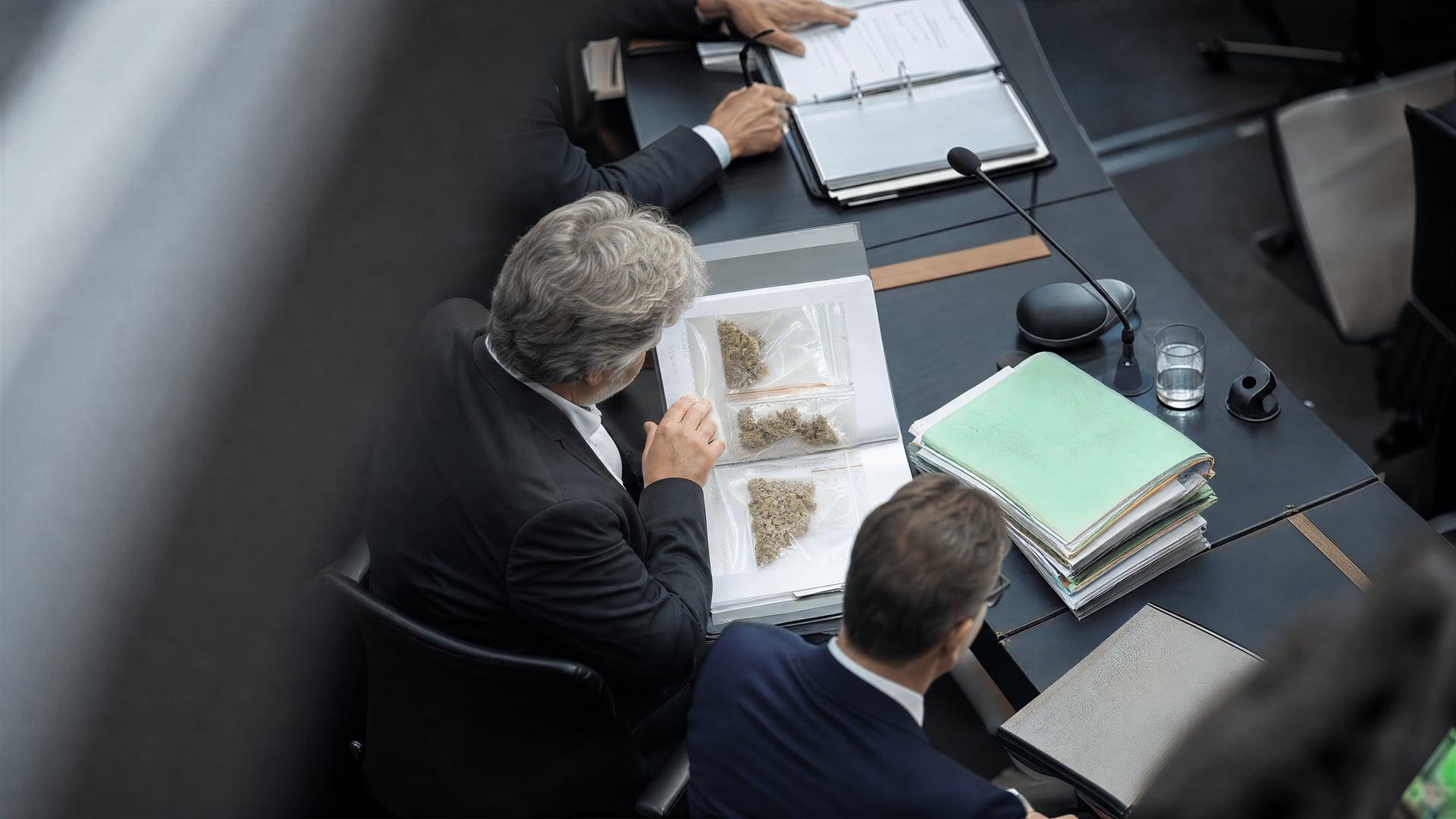













Germany’s BLE has approved four cannabis research projects and kept consumer trials out, based on application data from late 2024 to 2025.

Germany’s Federal Office for Agriculture and Food, the BLE, has approved four cannabis research projects that were submitted between late 2024 and the end of 2025, all of them without any planned transfer to consumer participants. A Krautinvest report on the agency’s reply shows why that matters: the permits are research approvals, not model projects, and they sit inside a much larger queue of cannabis research filings.
Four approvals, but only within a narrow research lane
The key point in Germany is not just that the BLE said yes to four projects. It is that all four were designed without any cannabis handover to trial participants as consumers, which keeps them outside the model-project category and firmly inside a research-only lane.
The scene behind those files is administrative rather than dramatic:
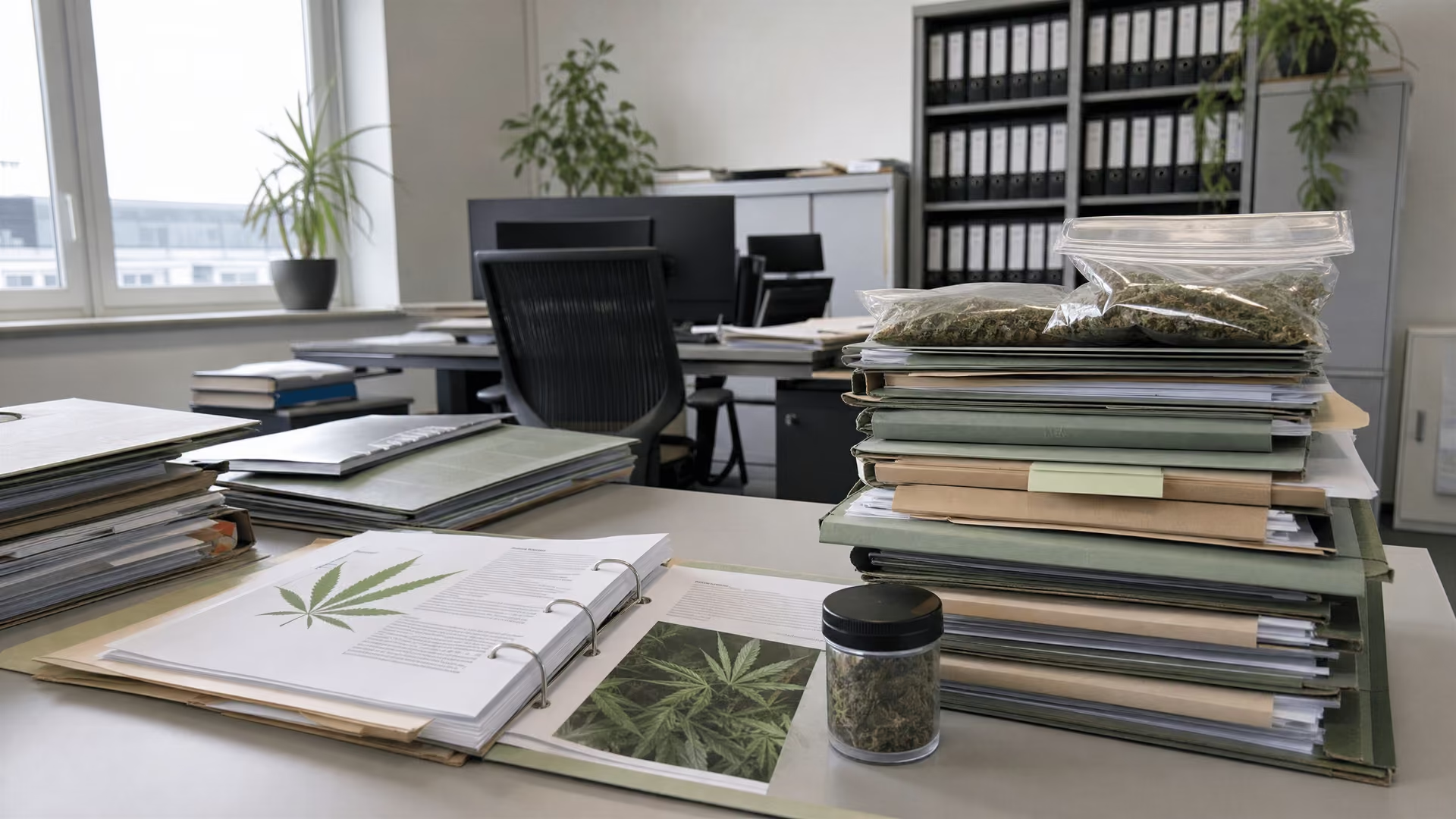
That distinction matters because it tells researchers, applicants and regulators something very precise: Germany’s cannabis bureaucracy is allowing controlled research, but not using research permits as a back door to consumer access.
The application pile behind BLE’s decision
The caseload was larger than the final approval count suggests. BLE said 69 research project applications entered the agency during the period from late 2024 through the end of 2025. It also said 46 research projects were heard, and those hearings covered 77 applications because some projects contained more than one application. In the same batch, 23 research projects covering 46 applications were rejected.
The clearest numbers are worth isolating:
The breakdown below shows how those figures fit together:
| Category | Number | What it means | Source |
|---|---|---|---|
| Applications received | 69 | Research project applications entered BLE between late 2024 and the end of 2025 | BLE has approved four cannabis research projects |
| Projects heard | 46 | Those projects accounted for 77 applications because some filings were bundled | BLE has approved four cannabis research projects |
| Projects rejected | 23 | These rejections covered 46 applications | BLE has approved four cannabis research projects |
| Projects without consumer supply | 38 | Four approvals came from this group because the projects did not plan any consumer handover | BLE has approved four cannabis research projects |
What the approved projects can study
BLE’s own description points to a fairly technical research agenda. The approved projects appear to fit into agronomy, plant analysis and cultivation science rather than access policy.
BLE said projects in this category can focus on:
- cultivating hemp or specific cannabis types and varieties
- measuring growth-related parameters that affect plant development
- analysing ingredients and other content markers in the plant
- testing innovative and climate-neutral cultivation methods
A greenhouse-style research scene fits that remit:
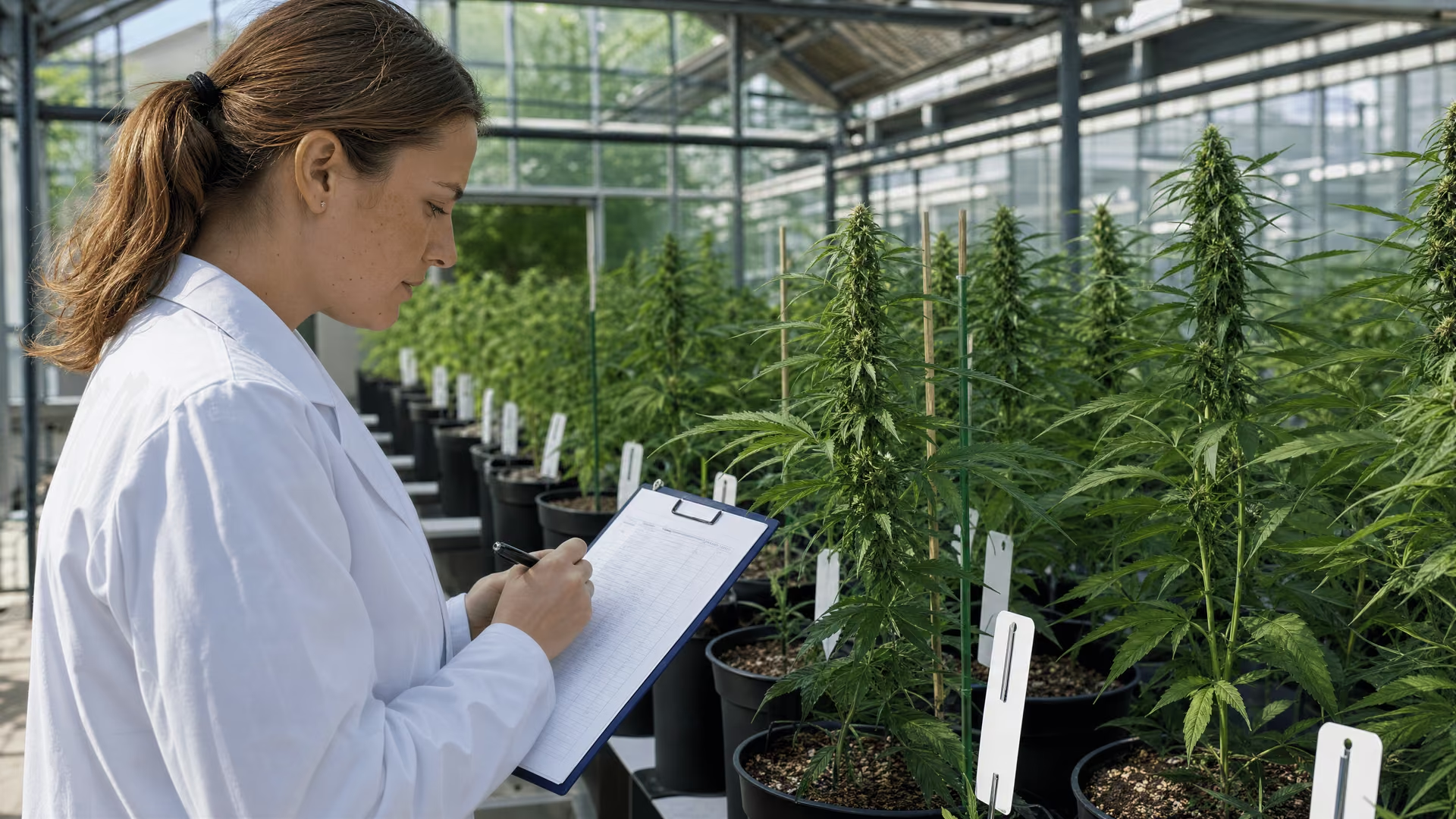
In practical terms, that means the approved work is about how cannabis and hemp are grown, measured and assessed, not about normal retail access or consumer distribution.
Why BLE drew the line at consumer-facing trials
The same source says BLE has repeatedly taken a skeptical view of consumer-facing pilot schemes under the research ordinance. In rejection notices, the agency reportedly argued that each participant would need to file individually, which makes a consumer-facing trial look much less like a clean research programme and much more like a pile of separate applications. For medical cannabis applications, the same source says the responsible authority remains BfArM.
That boundary is the real policy signal here. It shows where Germany’s farm-and-food regulator is willing to let cannabis research proceed, and where it is still prepared to stop it.
What readers keep asking about the permit system
The permit questions readers usually ask about this file are straightforward:
Common questions about BLE’s cannabis research approvals
Are these four projects model projects?
No. BLE said all four approved projects do not include any handover of cannabis to consumer participants, so they are not model projects.
How many cannabis research applications did BLE receive?
BLE said 69 research project applications entered the agency between late 2024 and the end of 2025. It also said 46 projects were heard, covering 77 applications, and 23 projects were rejected.
What kinds of work were approved?
BLE pointed to projects focused on hemp or specific cannabis types and varieties, growth parameters, ingredient analysis and innovative climate-neutral cultivation methods.
Which authority handles medical cannabis applications?
The source says **BfArM** remains responsible for medical cannabis applications.
BLE’s four approvals do not open a consumer-facing cannabis pilot in Germany, but they do show the regulator drawing a precise boundary: cultivation and analysis can move forward, while consumer access and medical-cannabis administration remain on other tracks.
Sources
- BLE hat vier Cannabis-Forschungsprojekte bewilligt (krautinvest.de)
- Drogenbericht 2025 – Probleme jenseits von Cannabis (krautinvest.de)
- Lila Cannabisblätter: Anthocyane, Kältestress und wann die Färbung ein Warnsignal ist (hanf-magazin.com)
- Abschied von zwei Klassikern: Storz & Bickel läutet die Goodbye-Season für PLENTY und CRAFTY+ ein (hanf-magazin.com)
- Five Takeaways from the Global Medical Cannabis Market Review 2026 (prohibitionpartners.com)
- Cannabis Telemedicine: What Poland’s Market Crash and Recovery Tells Us About Regulatory Risk (prohibitionpartners.com)
- Massachusetts Cannabis Legalization Repeal Effort Qualifies for November Ballot (ganjapreneur.com)
- Michigan Supreme Court: Federal Prohibition Does Not Justify Banning Cannabis Use for Those on Probation (ganjapreneur.com)
- Synfinite Labs Debuts New Brand Identity Focused on Flavor Science (mgmagazine.com)
- What’s Driving Demand for Premium Cannabis Concentrates? (mgmagazine.com)